Interlude · The Cabinet
Every keeper on this road began with one object nobody else would keep. Scroll — the drawers open.
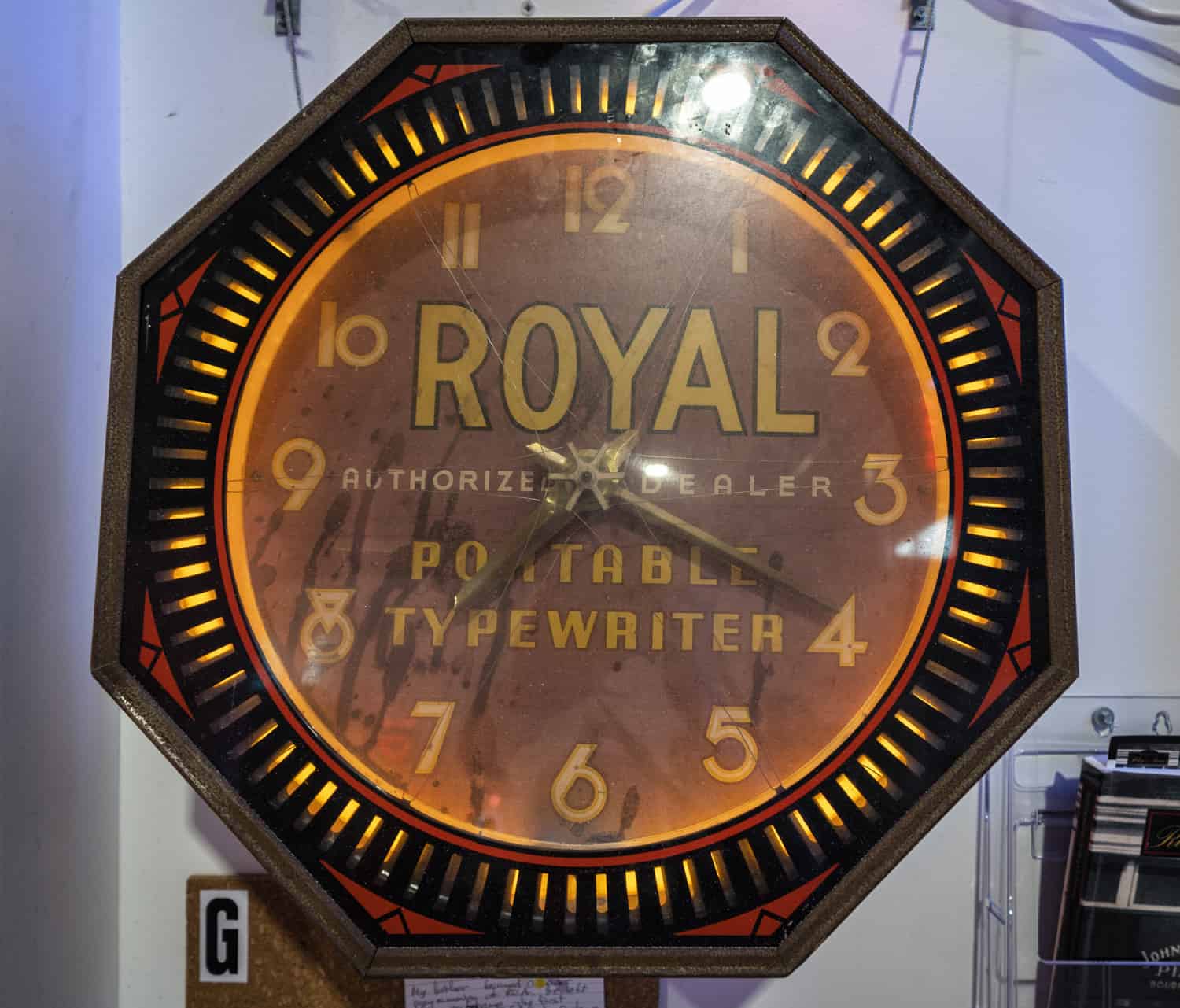 a clock that sells typewriters
Neon Museum of Philadelphia
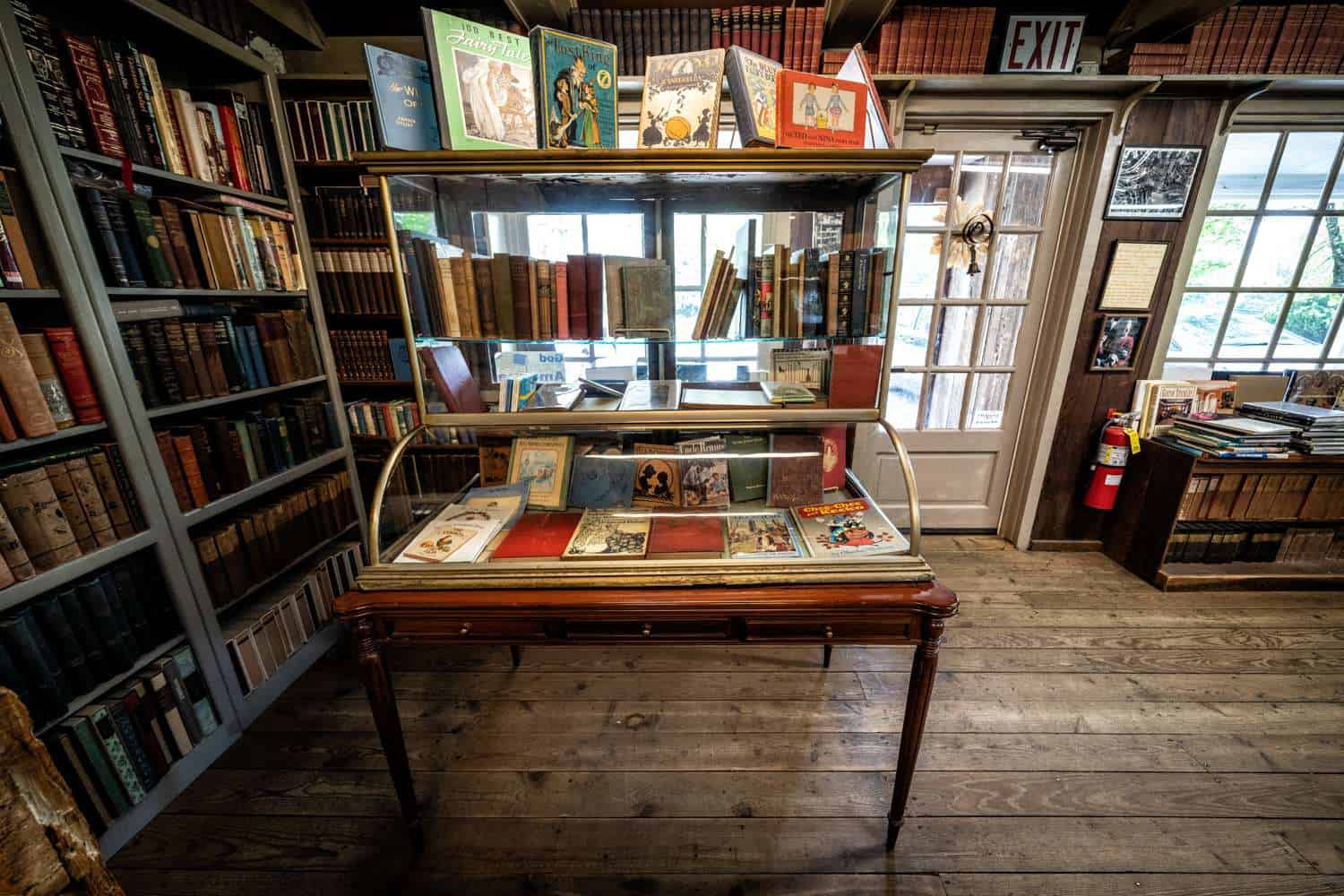 rare books, under glass
Baldwin’s Book Barn
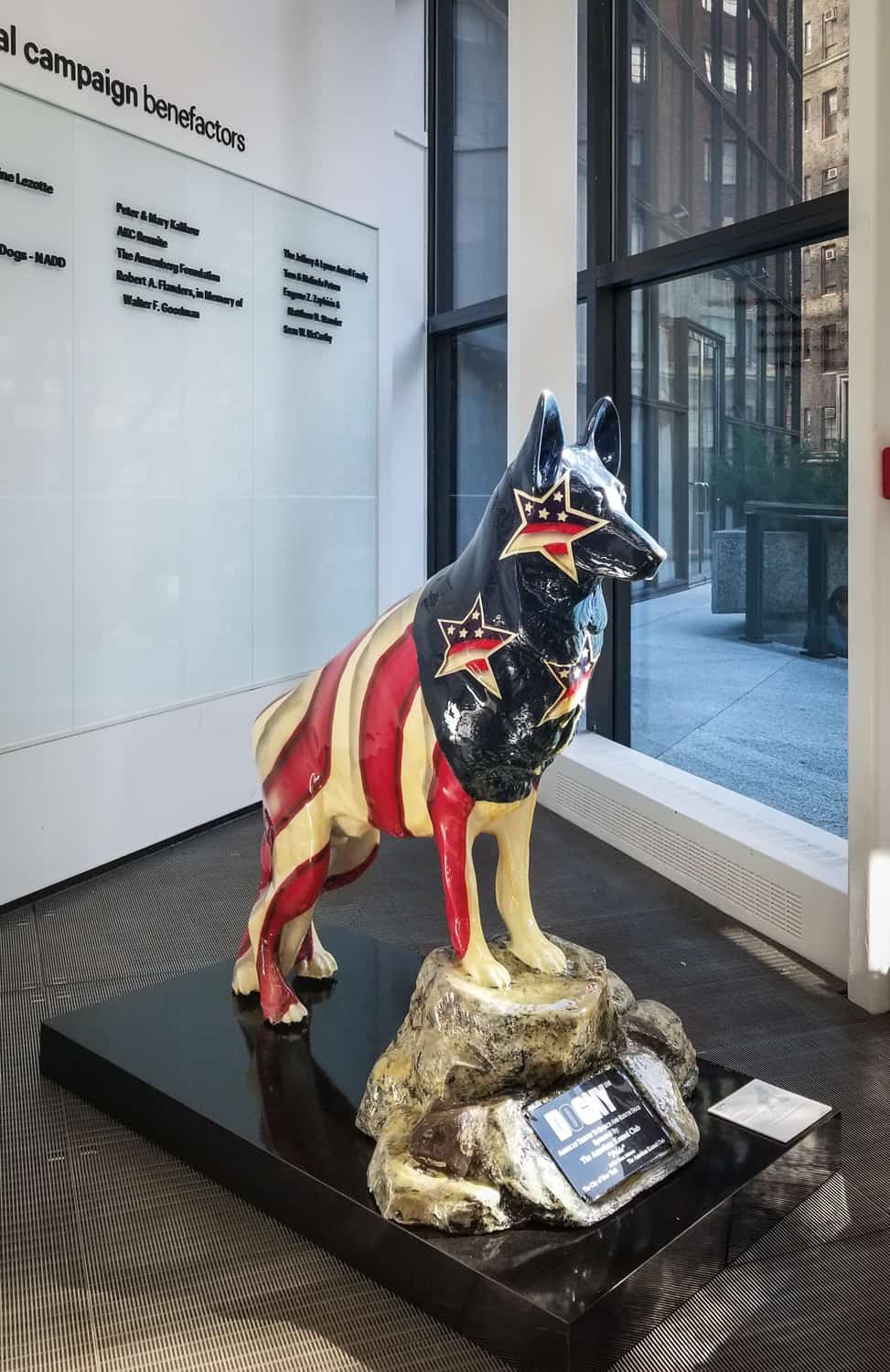 a painted dog, on a pedestal
AKC Museum of the Dog
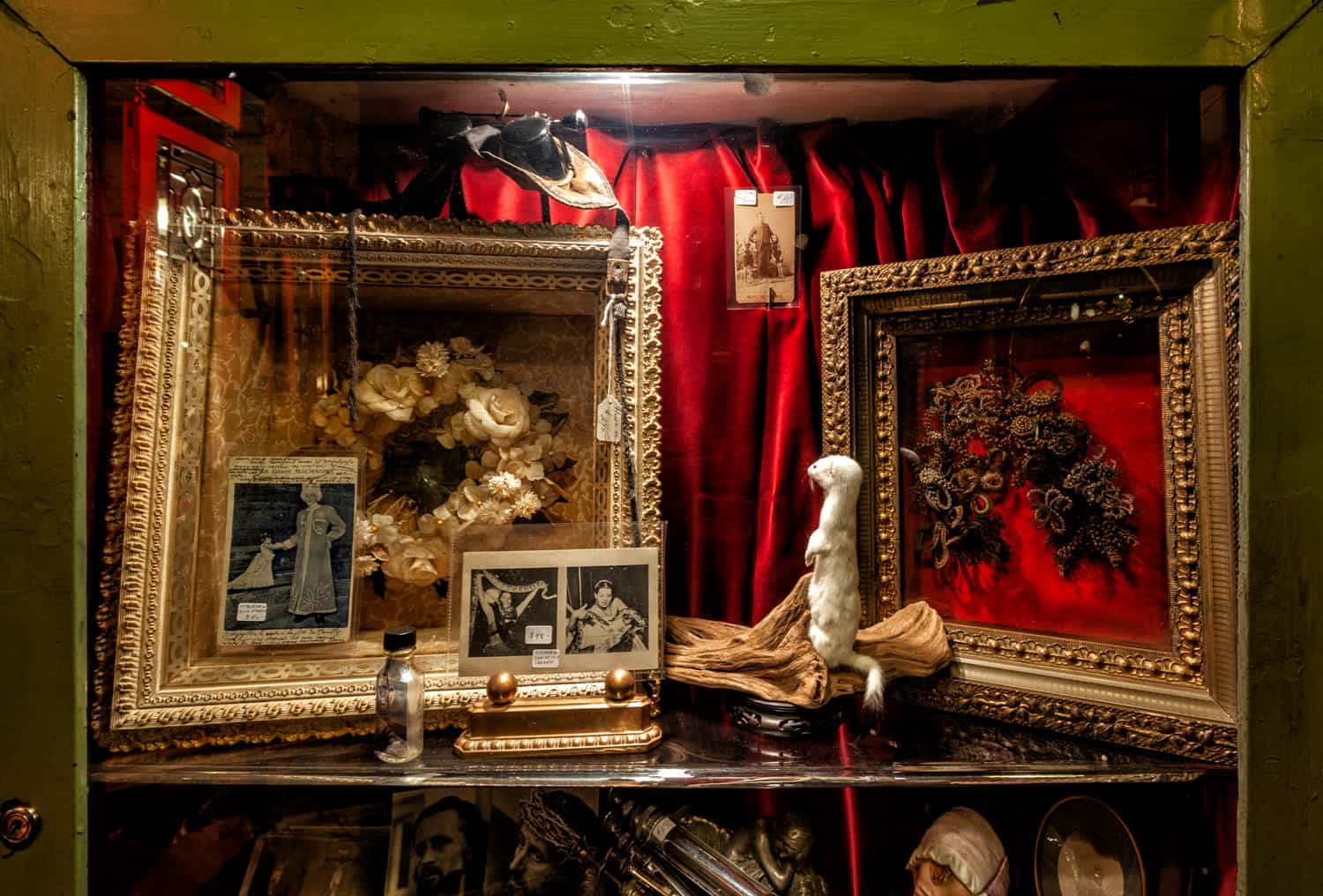 a case of curios on red velvet
Anastacia’s Antiques
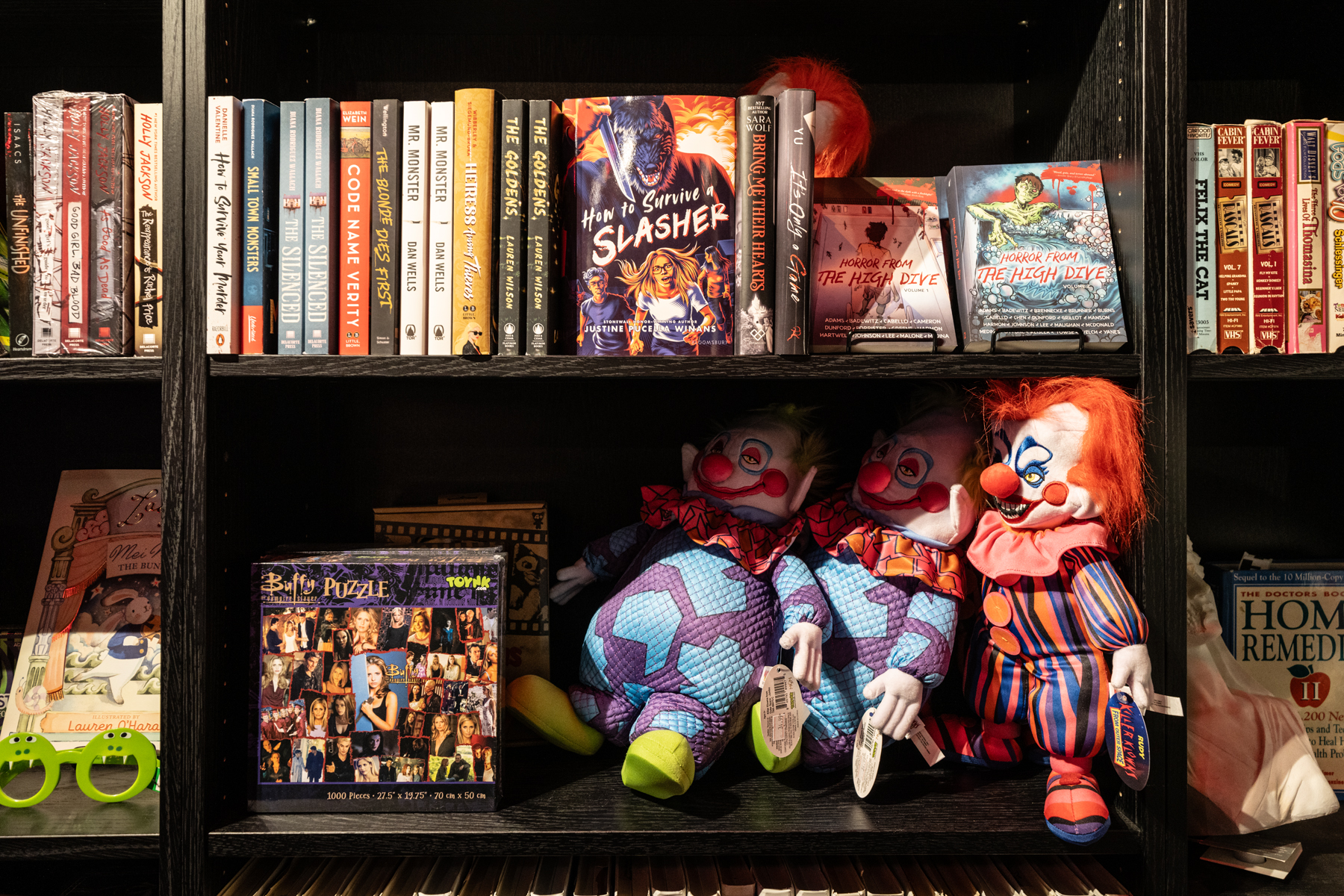 clown dolls, shelved with the horror
Thrillerdelphia · Manayunk
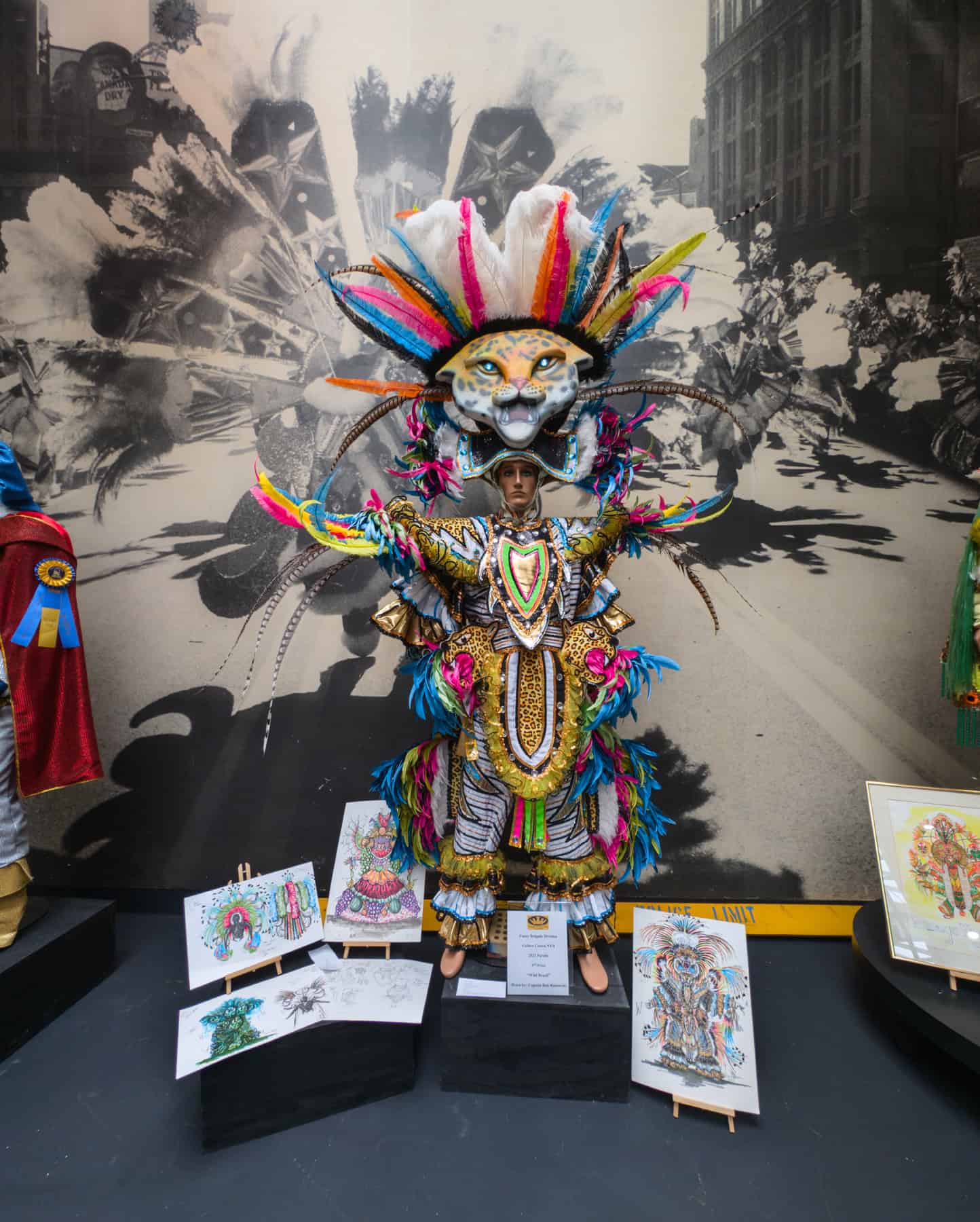 Acc. № 1976-04 · parade costume
The Mummers Museum
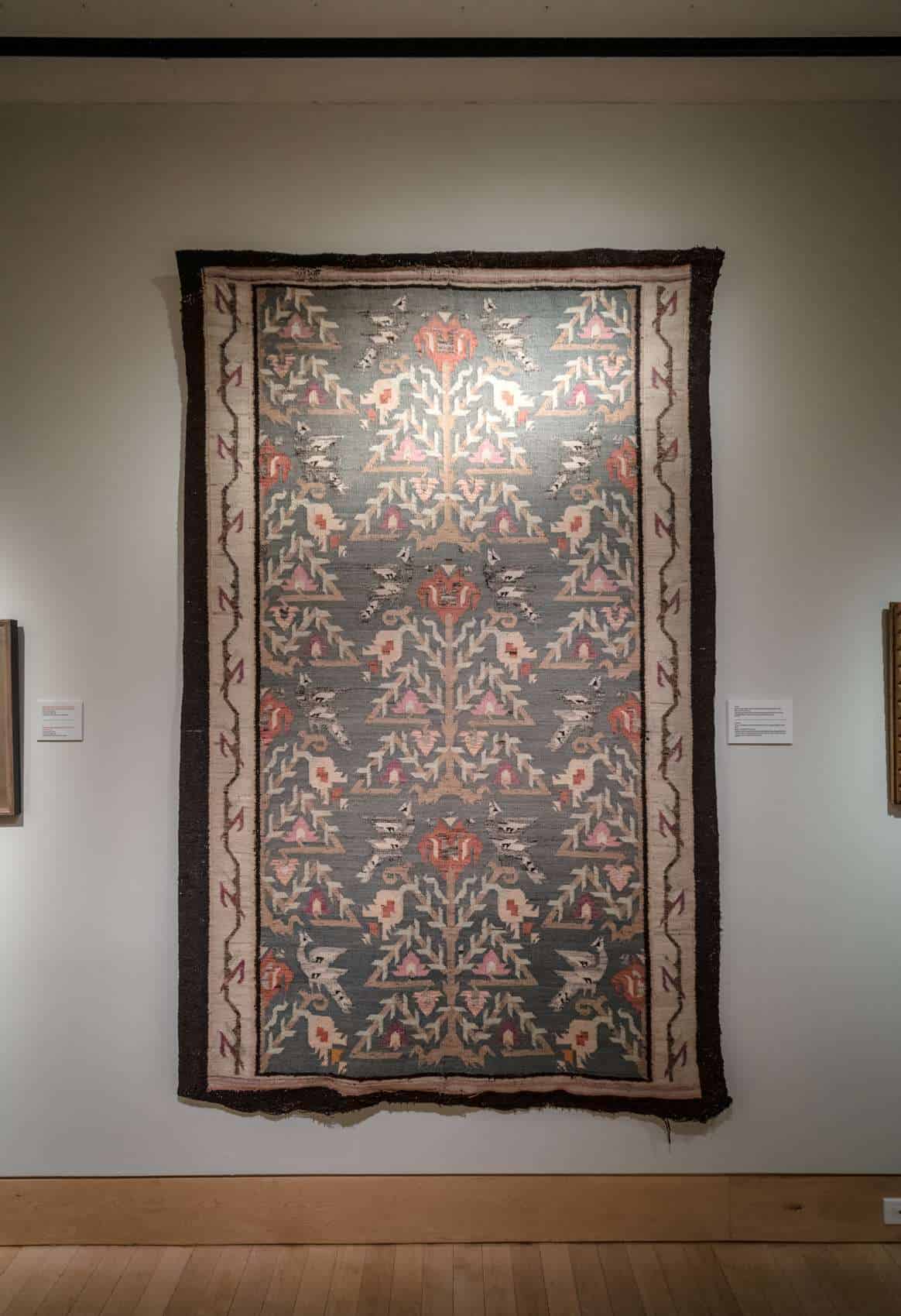 Acc. № 1976-11 · embroidered textile
The Ukrainian Museum
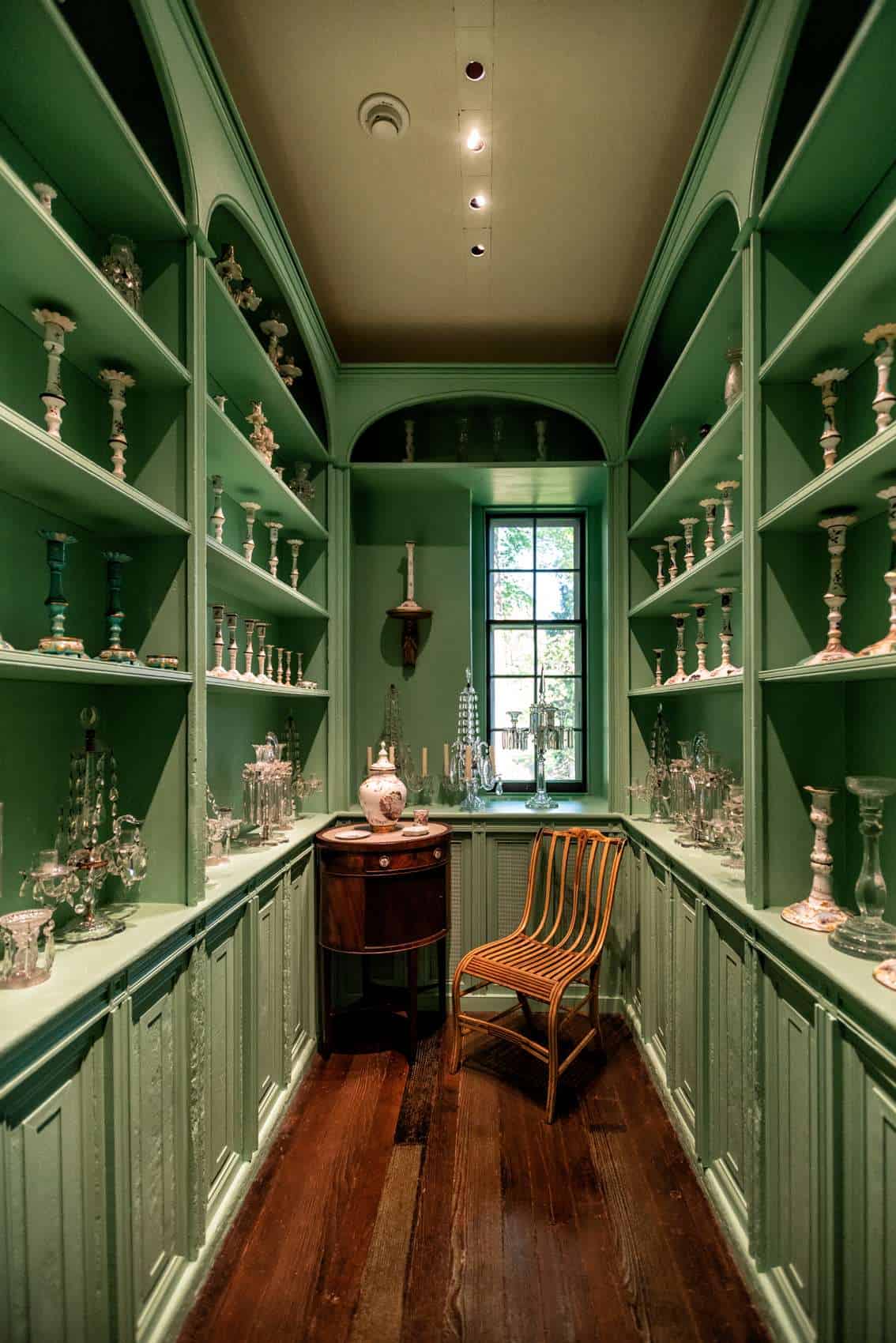 the silverware room, mint green
Winterthur
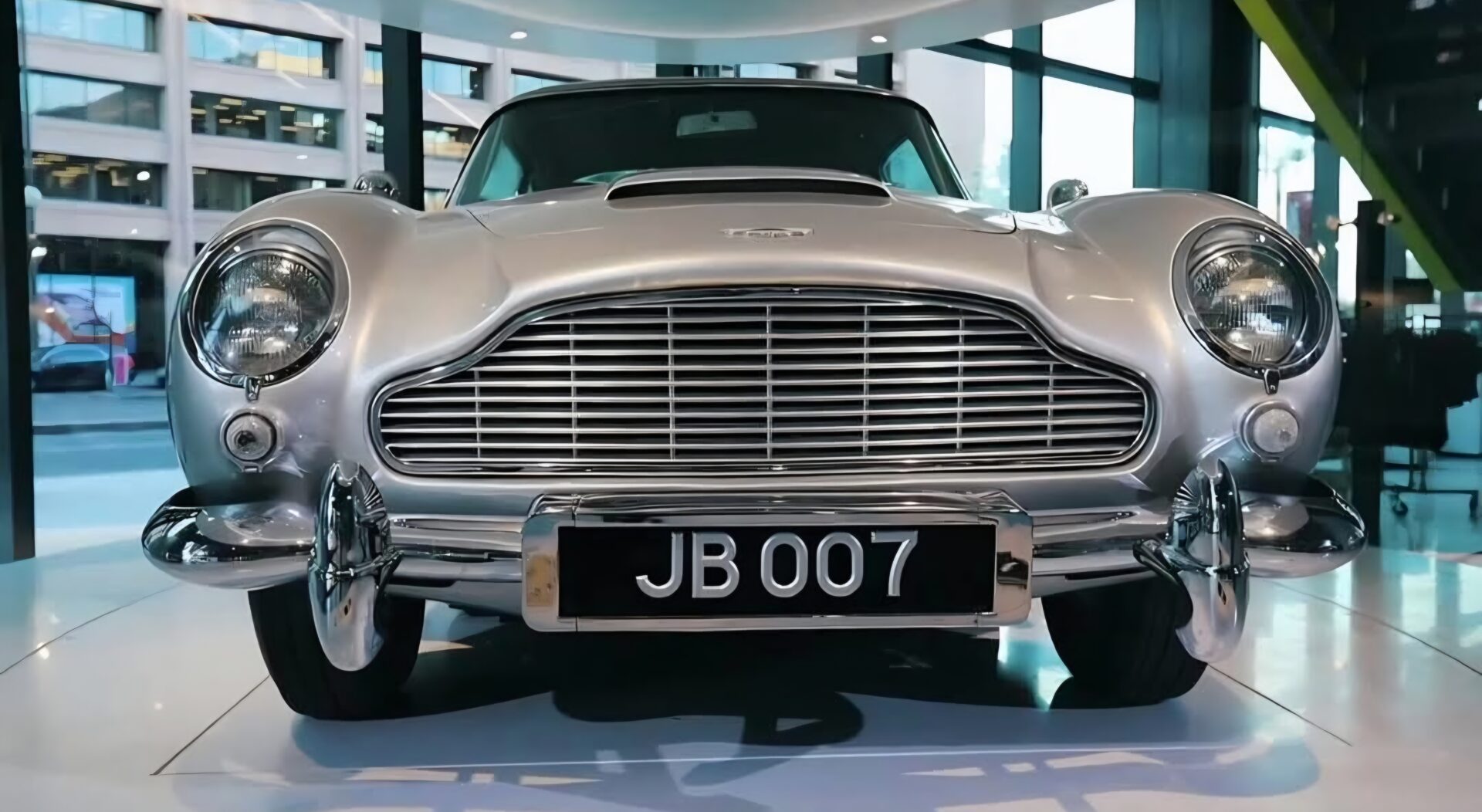 a silver car, a villain’s plate
International Spy Museum
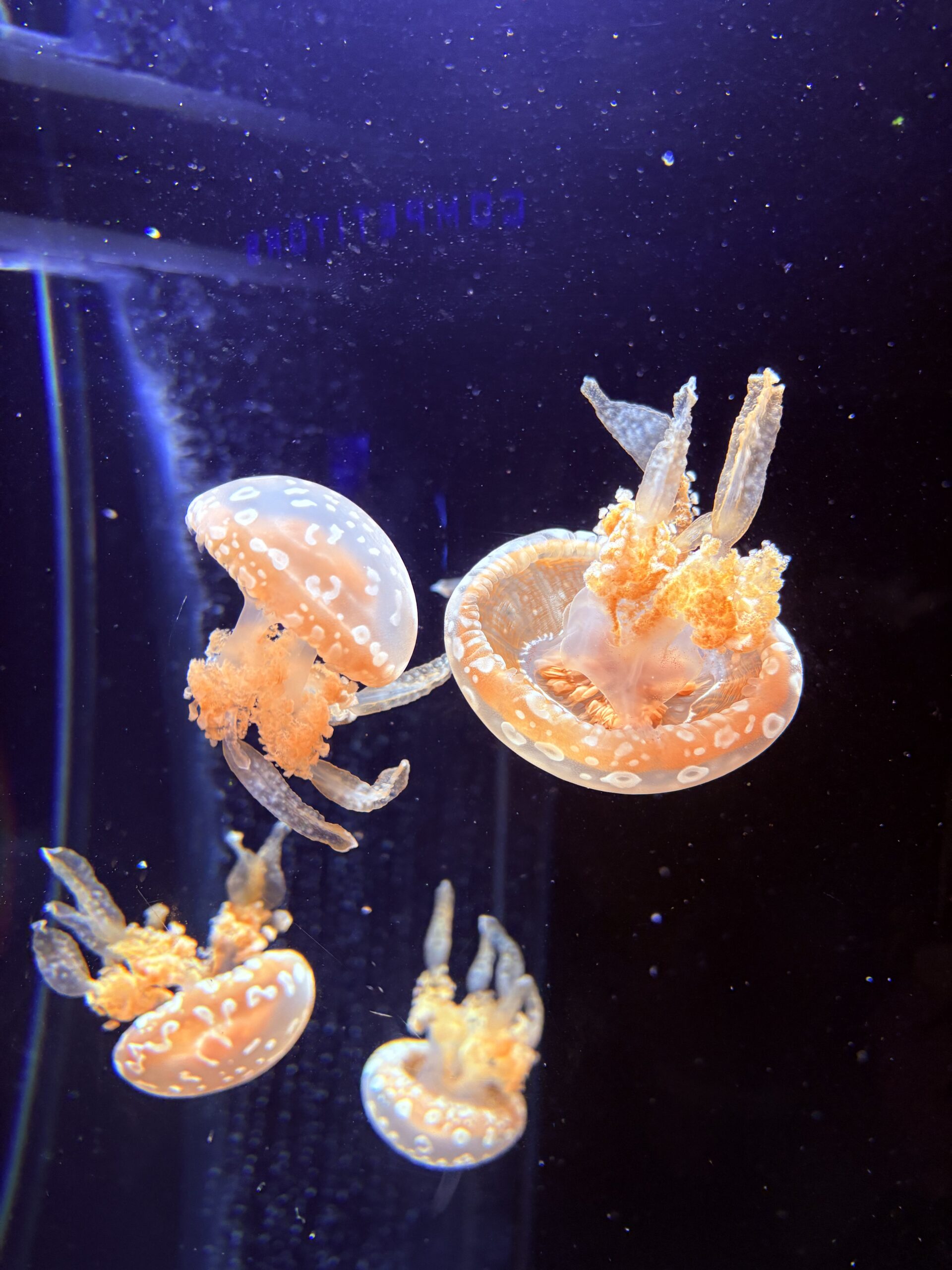 four spotted jellies, drifting
National Aquarium · Baltimore
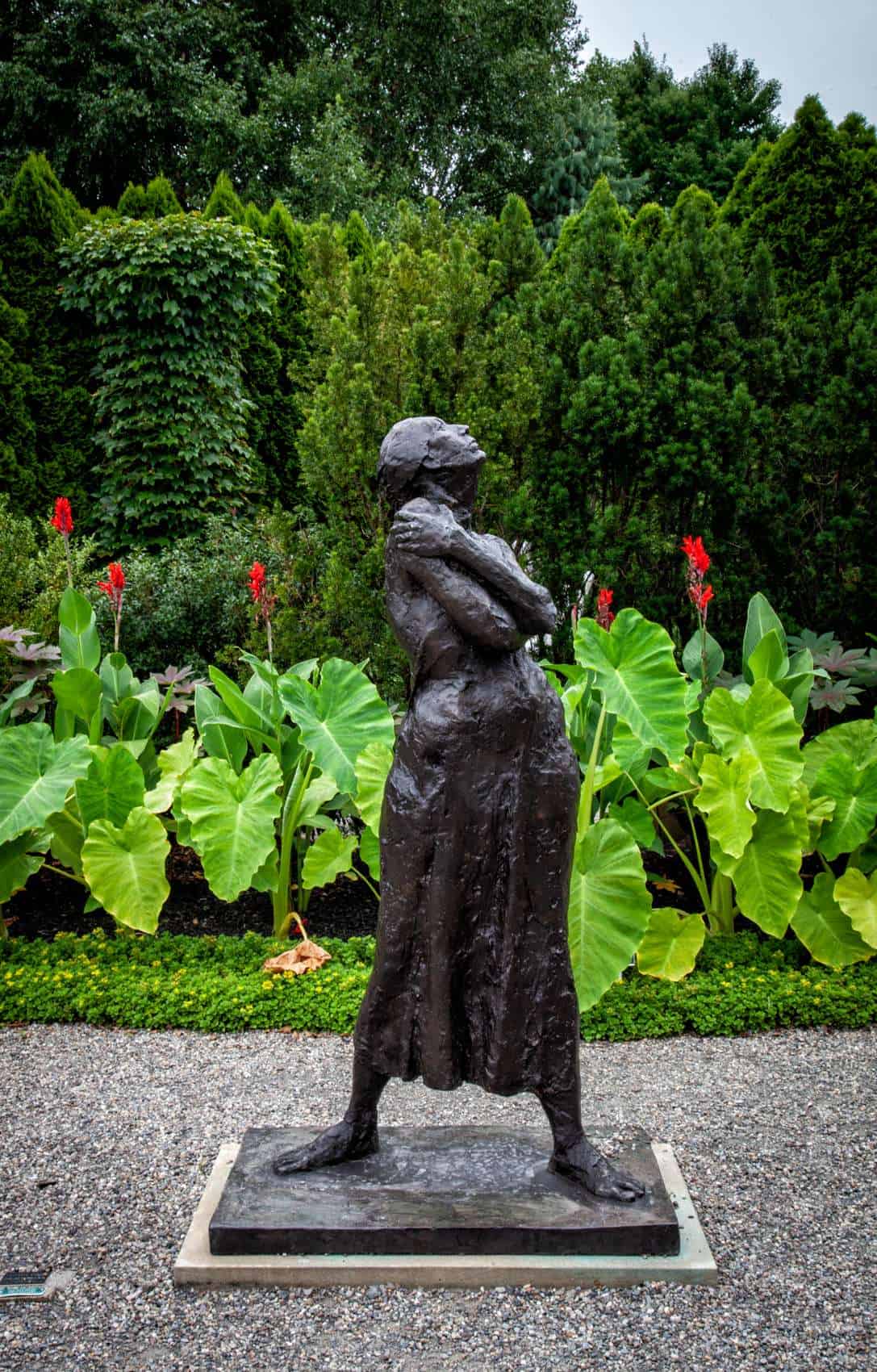 bronze, left out in the weather
Grounds For Sculpture
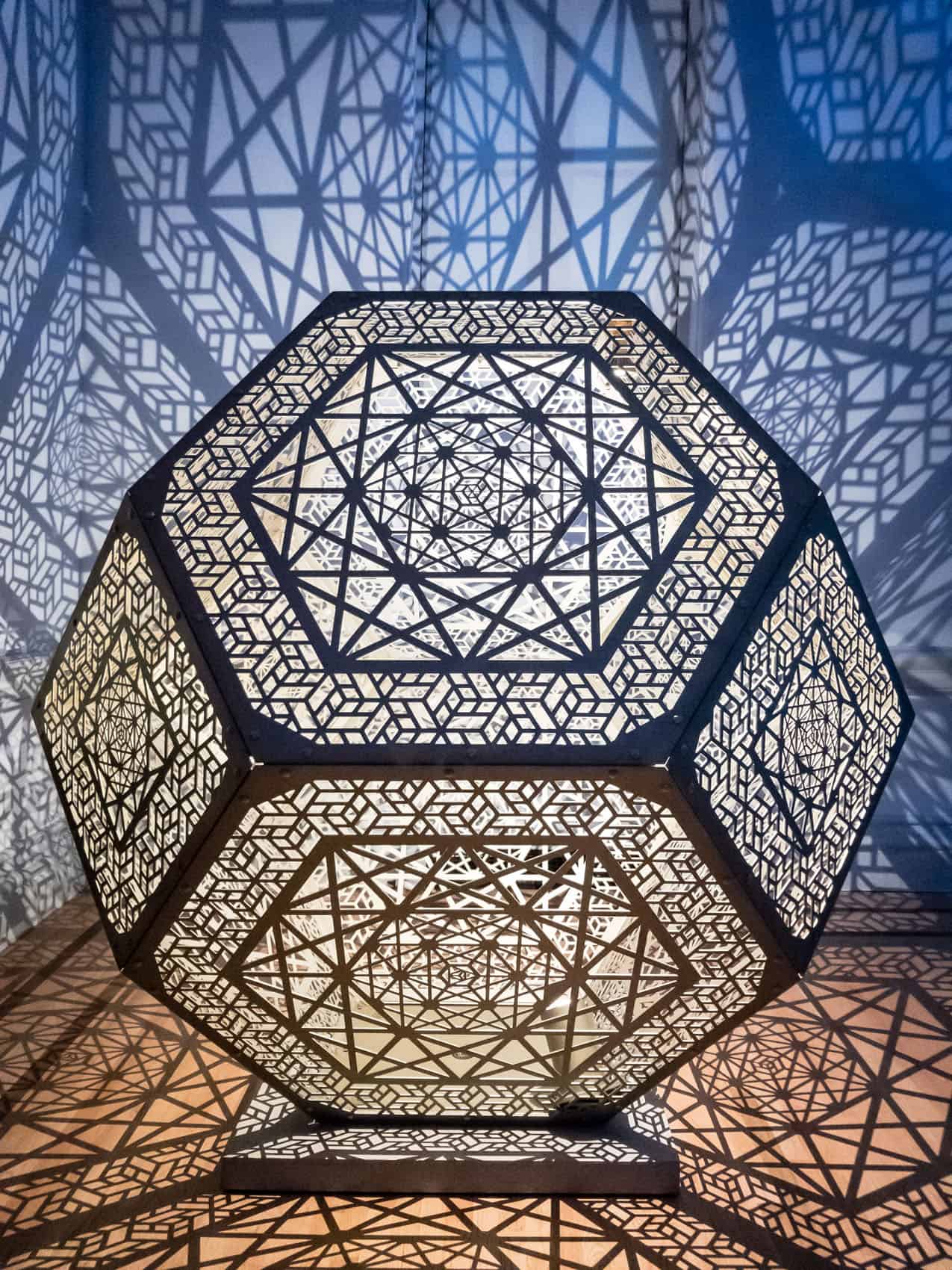 a lantern that paints the room
The Renwick Gallery
accession pending — the next keeper is you.
Reserved
00 accessions

 Continue with Google