Route 1 keeps its hardest stories at the roadside: a plank road men died holding in 1864, a beach where a record run came apart at 202 miles an hour, burial grounds the cities built over and had to find again. This trail reads the markers.
The highway itself remembers nothing. Every name on it was put there by somebody who refused to let it go — cast into iron, cut into granite, planted in wire grass at the edge of the pavement.
It did not stop with the war. In March 1929 a Daytona garage mechanic named Lee Bible took a seven-ton car called the Triplex past 200 miles an hour on the beach, chasing the world speed record; the car came apart, and it killed the cameraman filming it too. In June 1946, Jack Johnson — the first Black heavyweight champion — drove away from a restaurant that refused to serve him and met a light pole outside Franklinton, North Carolina. And on the evening of January 30, 2025, a passenger jet and an Army helicopter met over the Potomac, a few hundred yards off Route 1. The road keeps taking. What changes is how carefully we mark the spot.
The dead get buildings too. Richmond raised a church over the ashes of its burned theatre. Black Stafford County raised its own school. And the Hampton-Preston House — all veranda and chandeliers — finally tells the whole story of the enslaved people who built it. Memory, when it comes, comes as architecture.
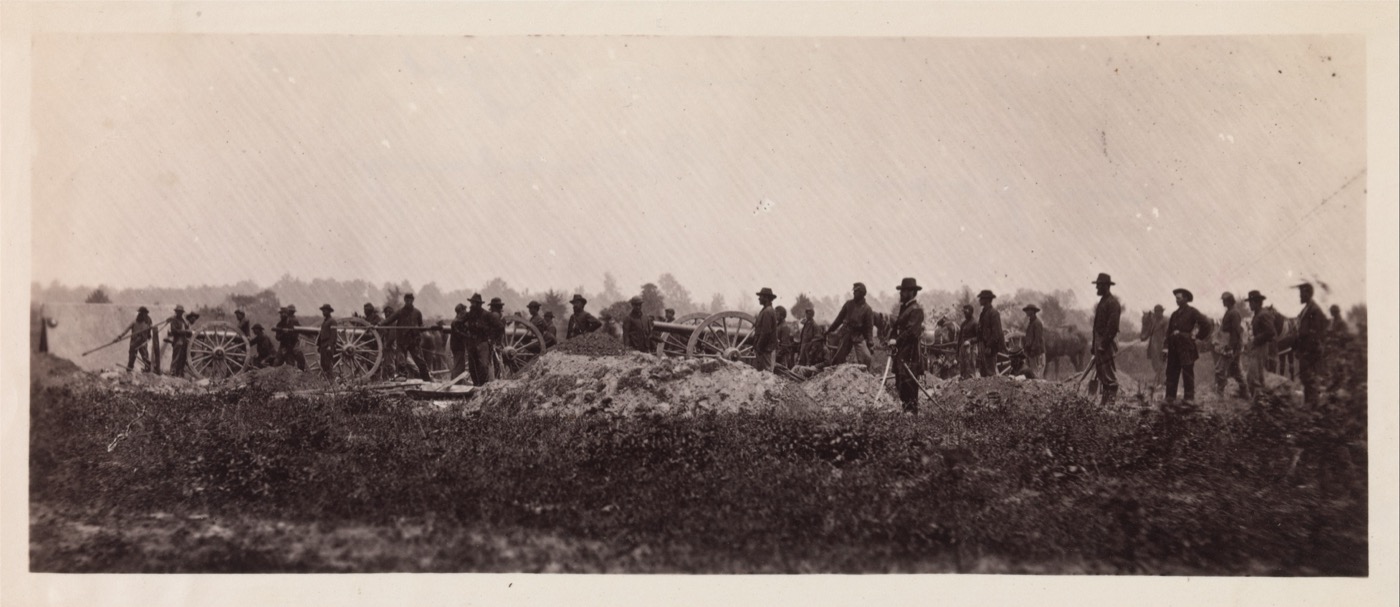
Route 1 south of Petersburg still rides the plank road laid in 1851. In the fall of 1864 it was the city’s last lifeline — and men died in the ditches beside it.
A Daytona garage mechanic, past 200 miles an hour in the seven-ton Triplex, chasing the world record on the beach. The car came apart. Charles Traub, the cameraman filming him, died too.
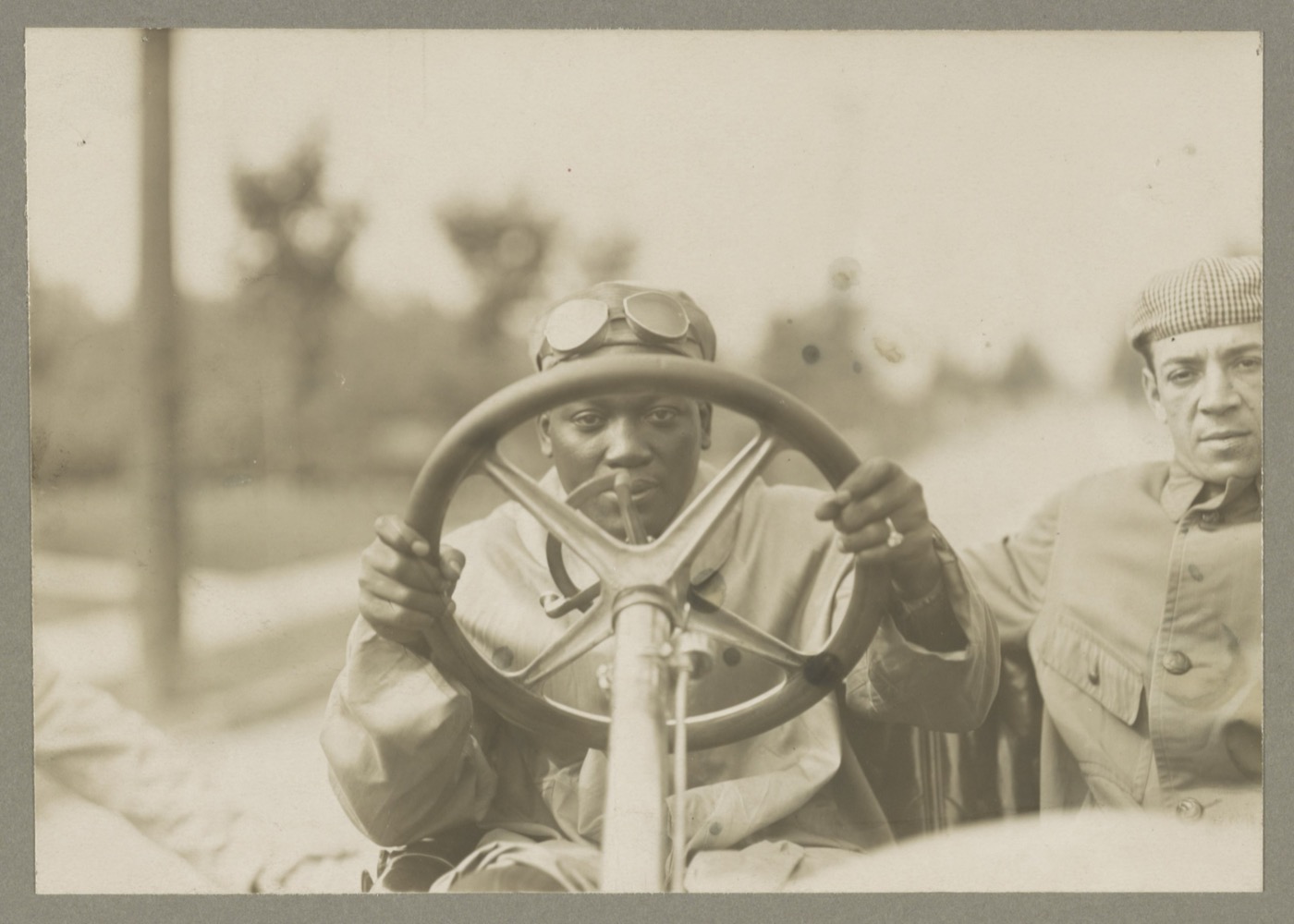
Refused service at a roadside restaurant, the Galveston Giant drove away angry and met a light pole outside Franklinton, NC. He was 68. A wreath still appears at the pole once a year.

Over 20,000 free and enslaved Africans were buried here between the 1630s and 1795, less than a mile from the Holland Tunnel. The city built over them, then dug the truth back up.
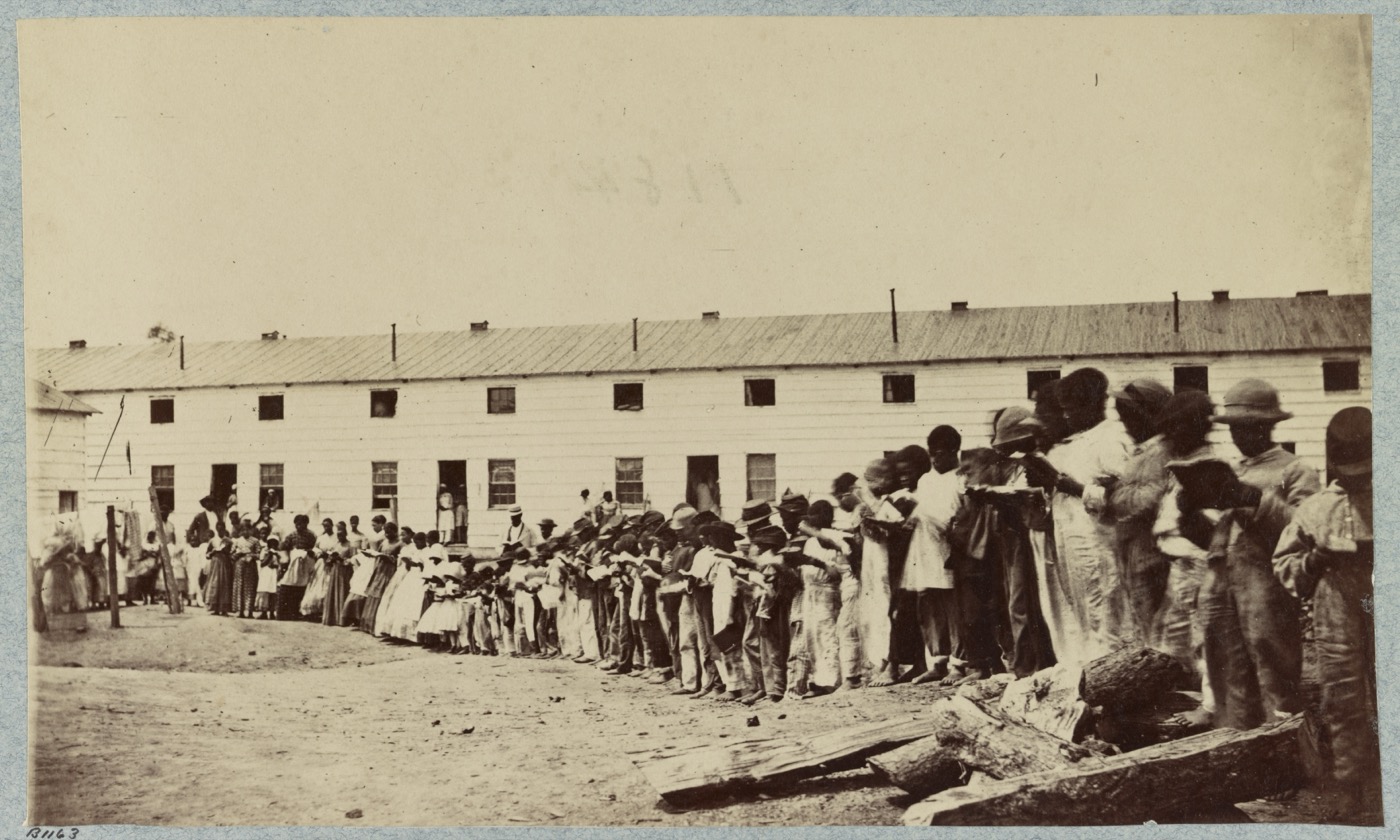
On land seized from Robert E. Lee’s estate: fifty houses, farms, a hospital, an orphanage, a home for the elderly. The village is gone; a bridge a mile off Route 1 carries the name.
New England’s oldest known African American cemetery, at the corner of Court and Chestnut. Built over, forgotten, found again — now a memorial walk in the middle of town.
You’ve got saved to this browser only. Create a free account to keep them forever — and pick up on any device.
Free forever. Your saves, likes and history come with you.
We noticed on this device. Want to add it to your account?