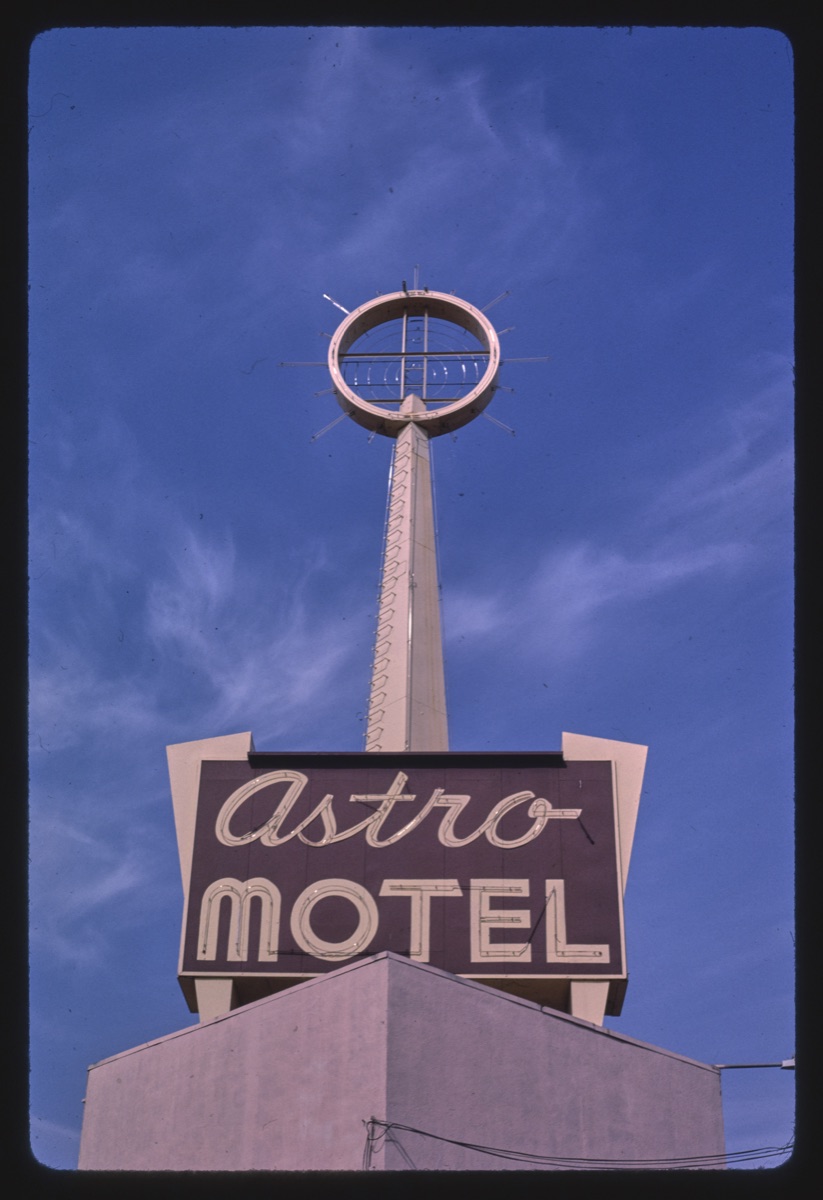
Two lanes from the potato fields of Aroostook County to the end of the road in Key West — and somebody has written a song about every stretch of it. This is the music the road made: what rode its radio, who it raised, and what got written in its motels.
The road’s music never needed a cathedral. It plays in a beach ballroom that seats 2,200 and still feels like a living room, in borrowed studios, on pavilion stages with two guitar cases and the sky for a ceiling. Show up on the right night and the whole county is a venue.
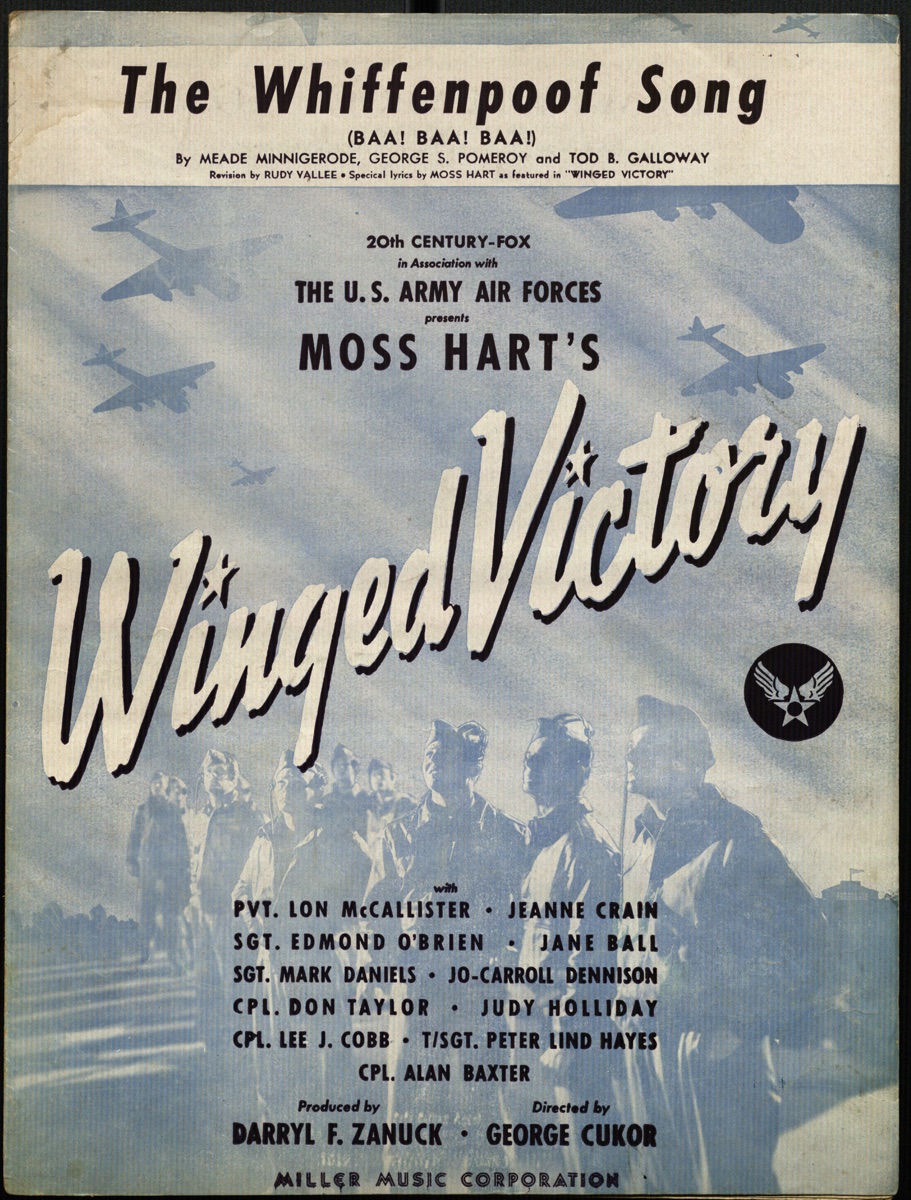
In 1937, when Route 1 was just eleven years old, Rudy Vallée — the Yale man the glee club turned down — had a national hit with the Whiffenpoof Song and the first radio variety show in America. The road and the radio grew up together: records going out over the air, neon going up over the motor courts, every car a front-row seat.
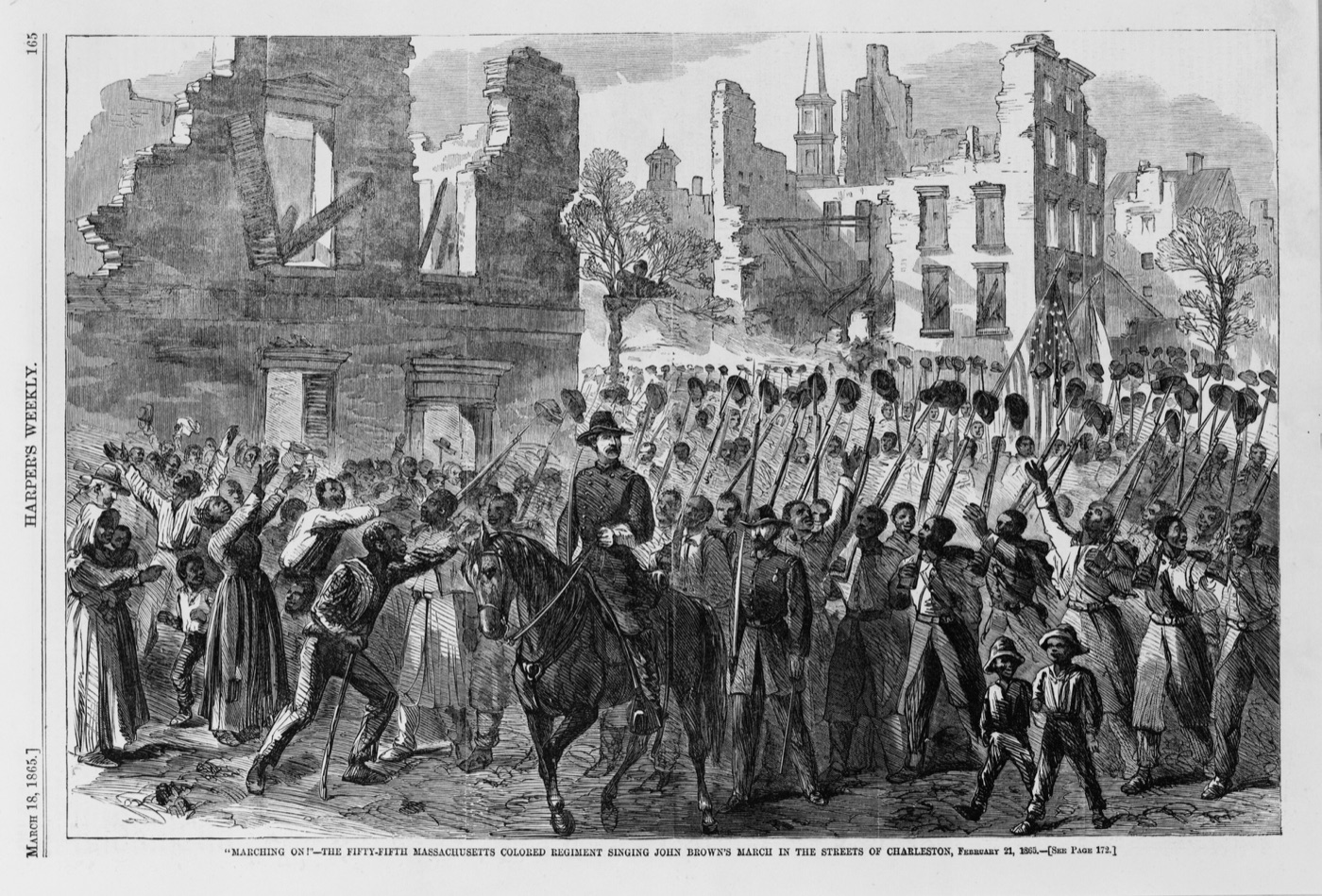
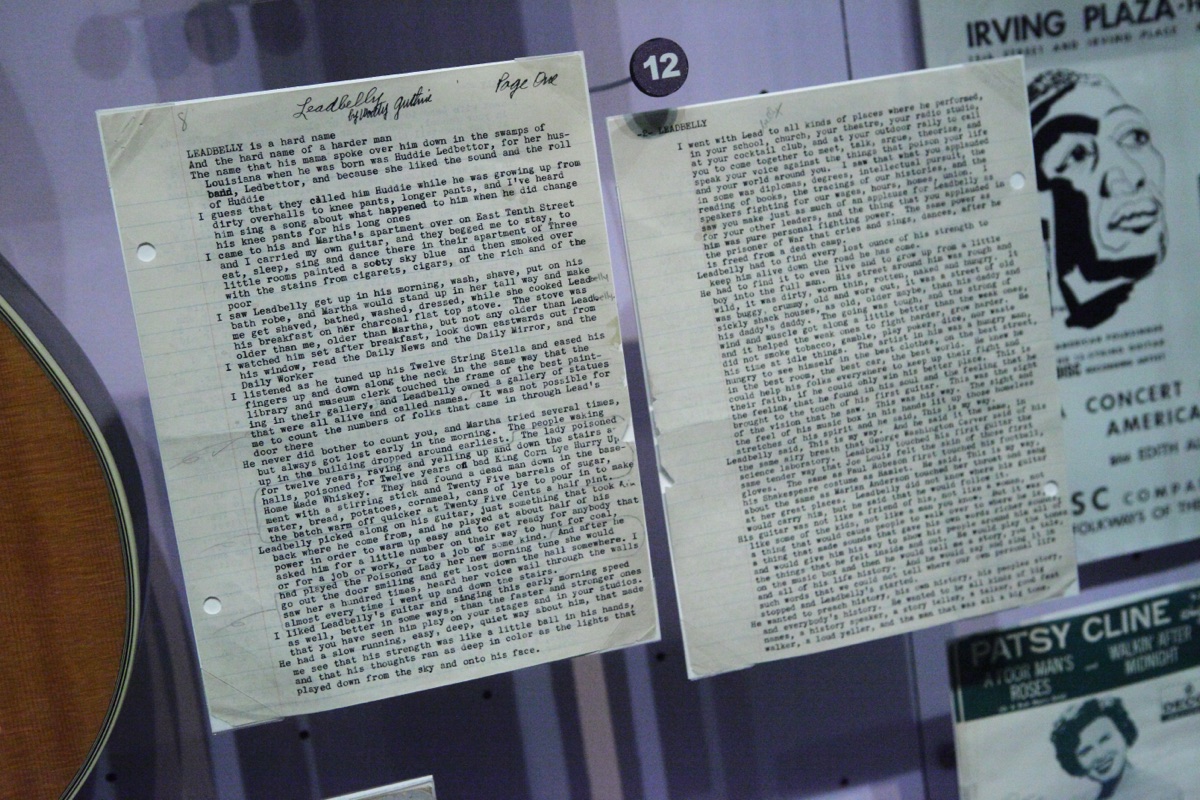
Woody Guthrie wrote “This Land Is Your Land” on 43rd Street in New York, talking back to “God Bless America” — a song about the country’s roads, written beside the biggest one we had. The trail keeps two versions of it, and it keeps the argument going: a protest-song playlist that reaches from John Brown’s March, sung through the streets of Charleston in 1865, to whatever plays at the next march. The road has always carried songs that push back.
It didn’t end with the heyday. The Sea Street Blues Band works the rooms around Eastport and calls its record Downeast Blues. Colie Brice followed the road from California to a small town in Downeast Maine. The Infamous Stringdusters met at Berklee, right on Route One, and took home a Grammy. And one summer night in 1967, a sixteen-year-old at the Jacksonville Coliseum watched Jimi Hendrix open for the Monkees. The needle never really lifts.
You’ve got saved to this browser only. Create a free account to keep them forever — and pick up on any device.
Free forever. Your saves, likes and history come with you.
We noticed on this device. Want to add it to your account?