

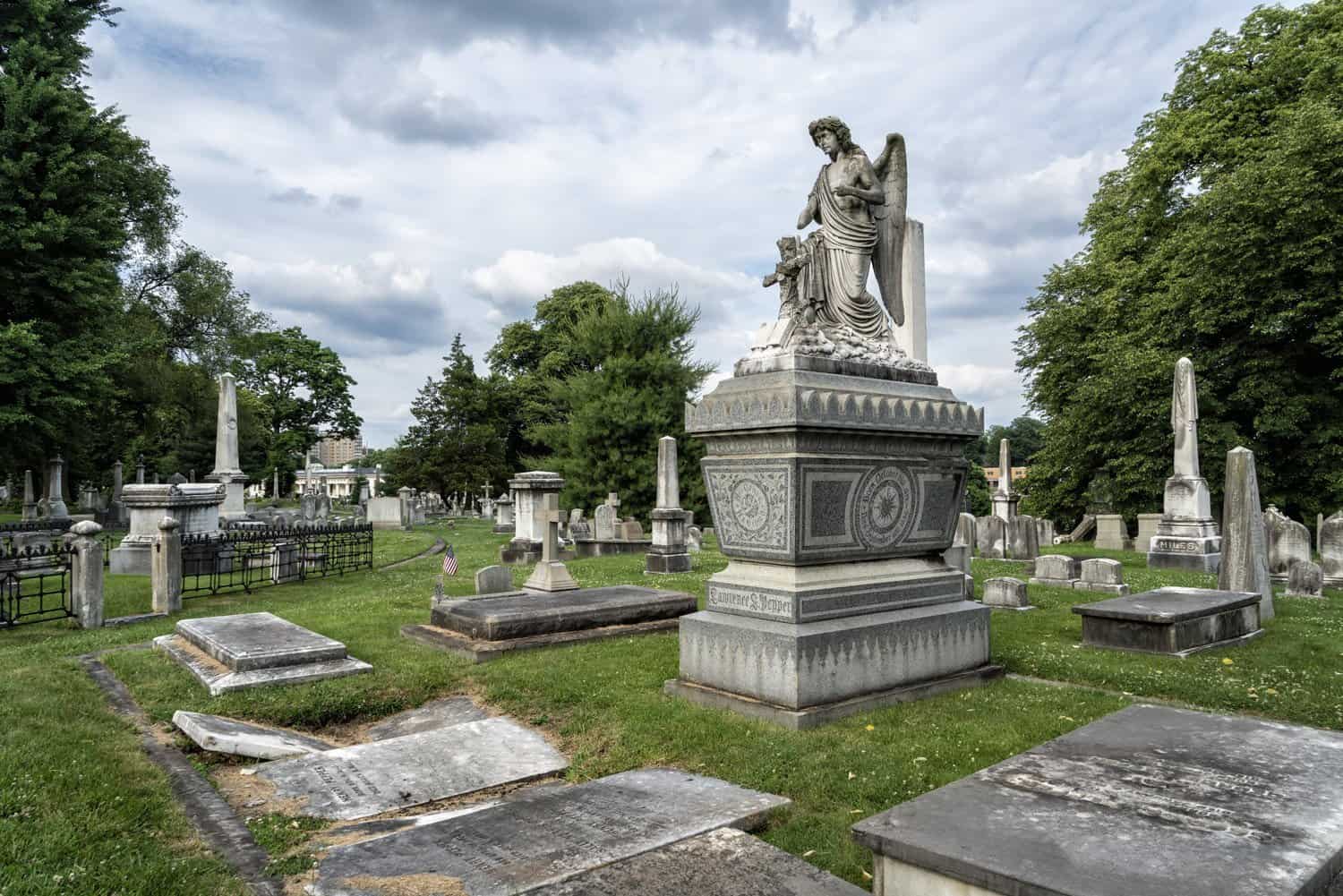
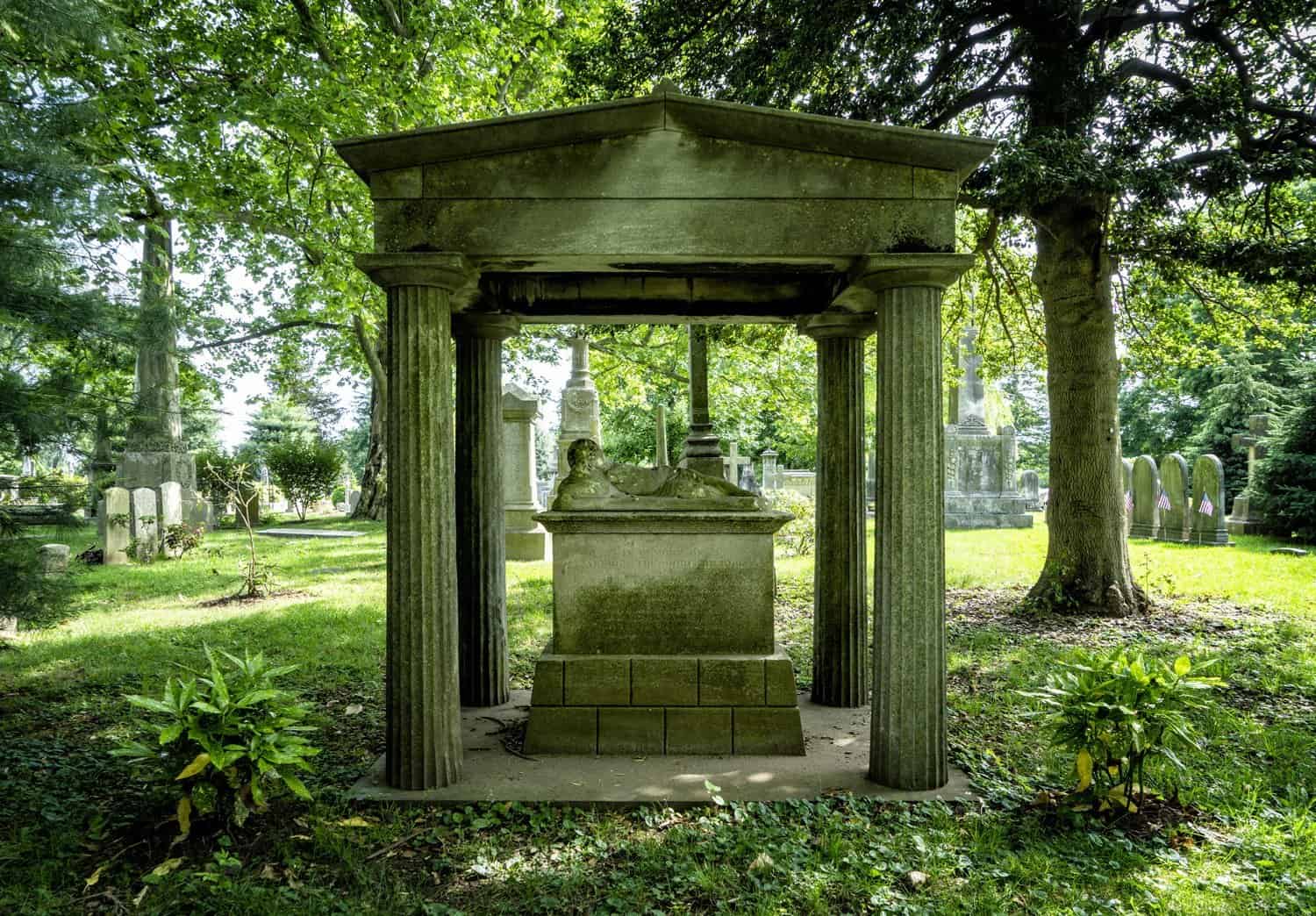
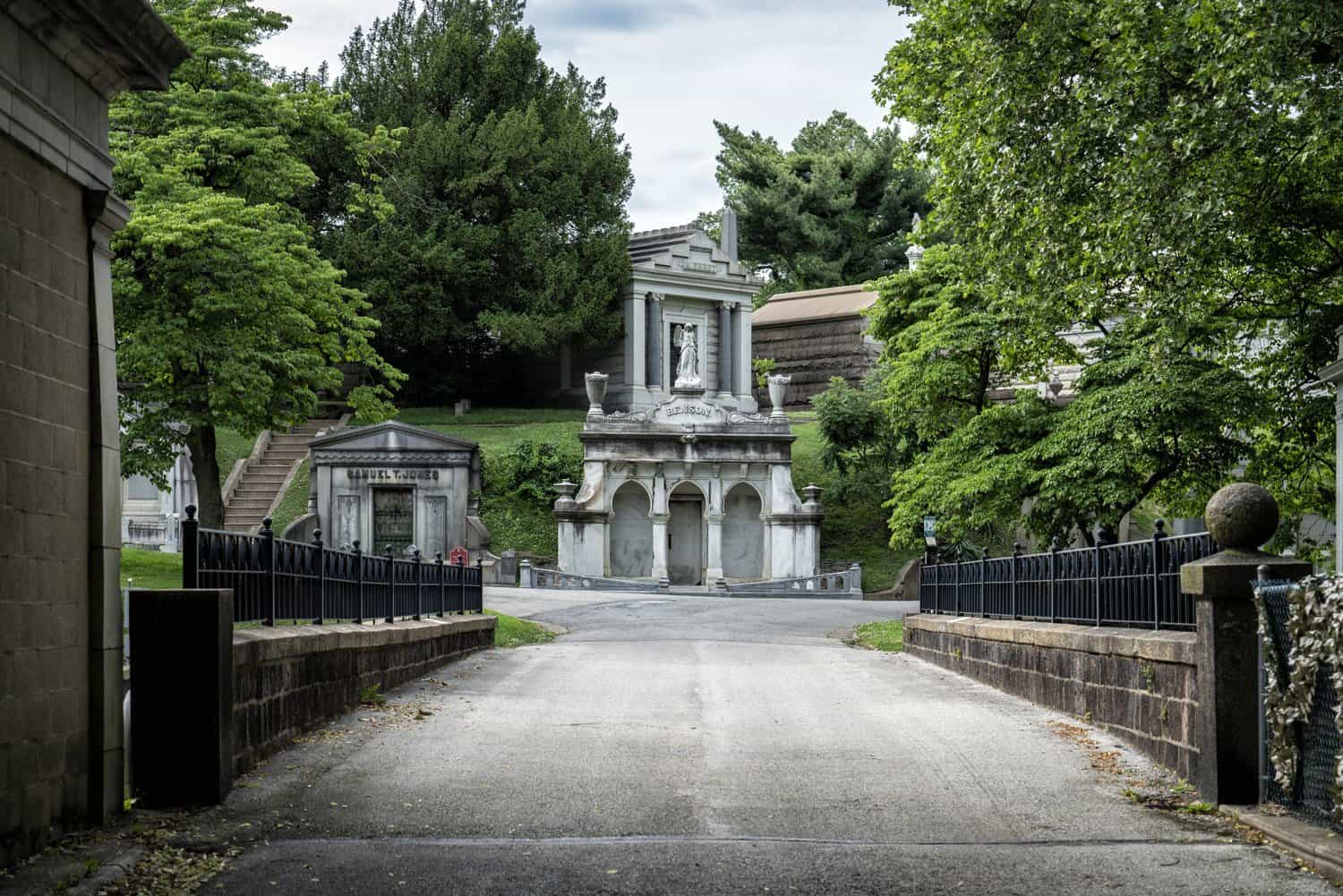
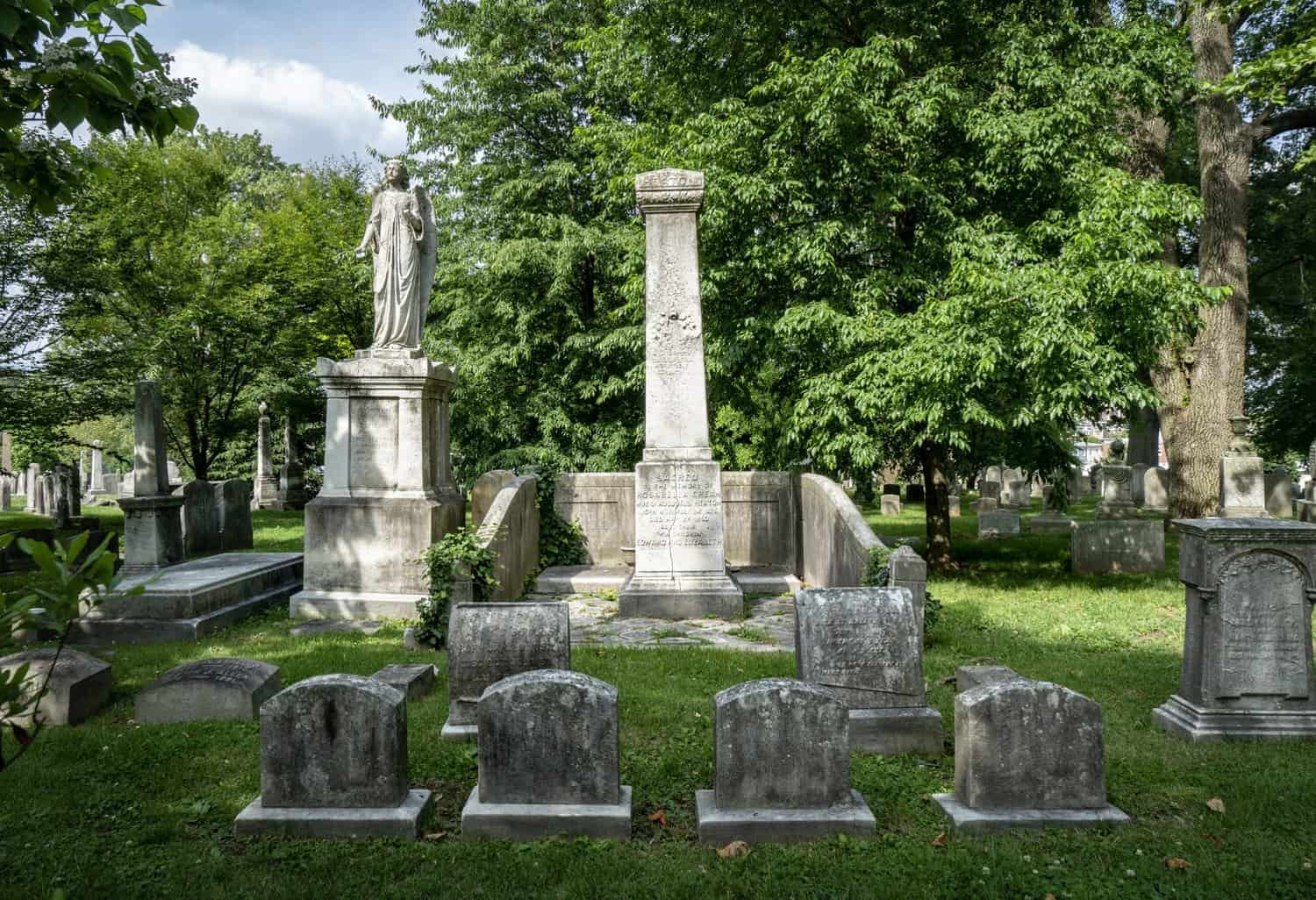
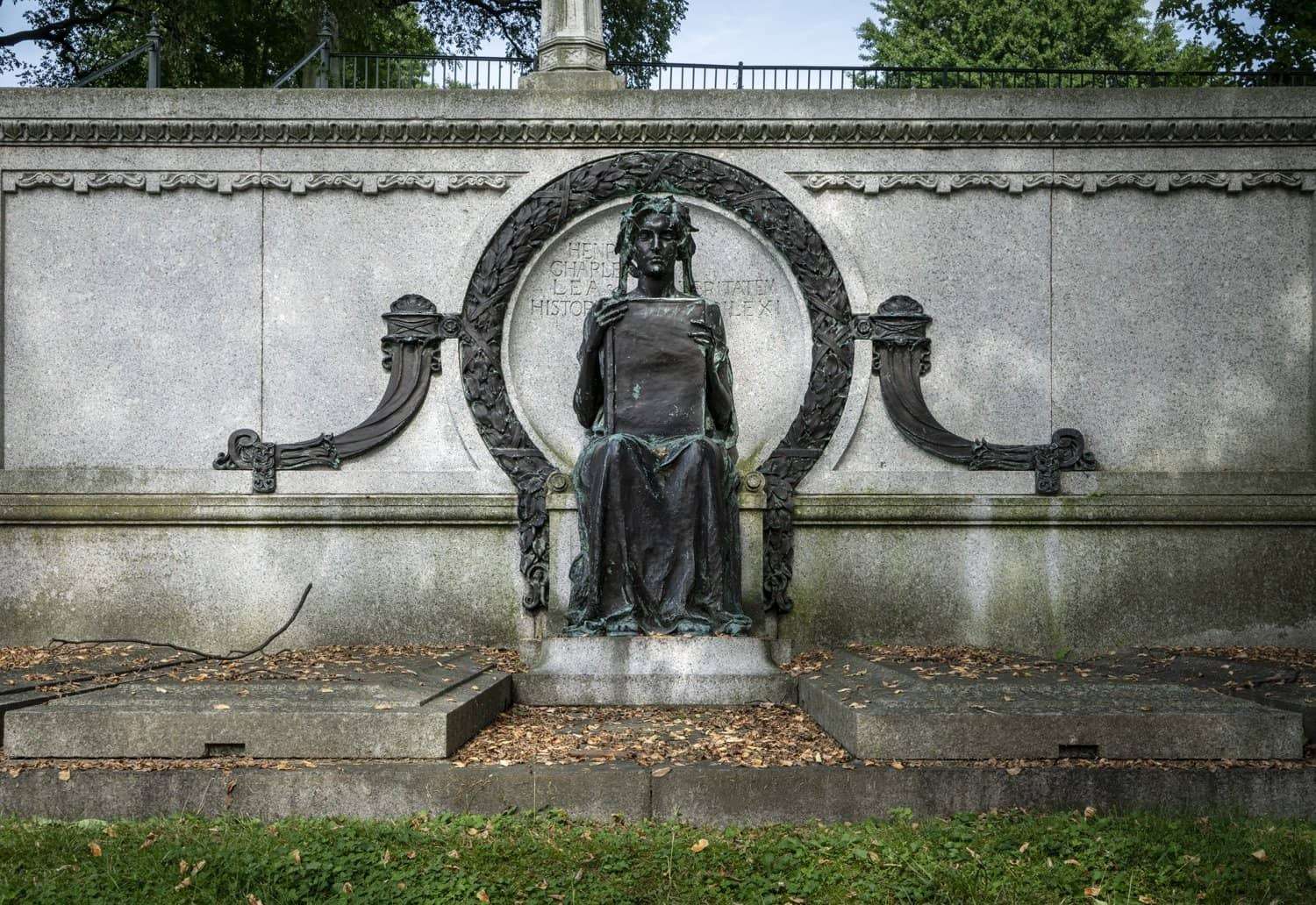
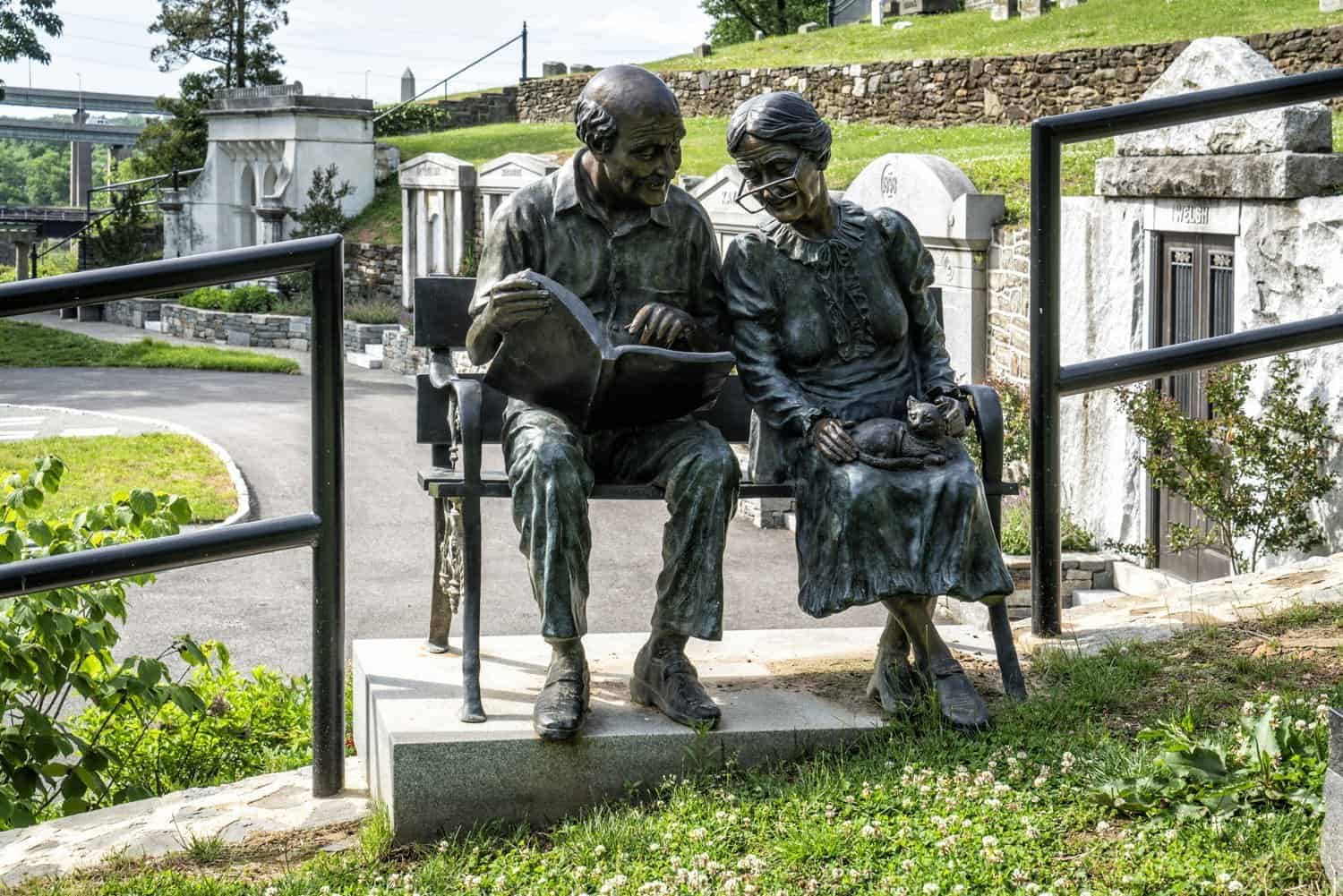
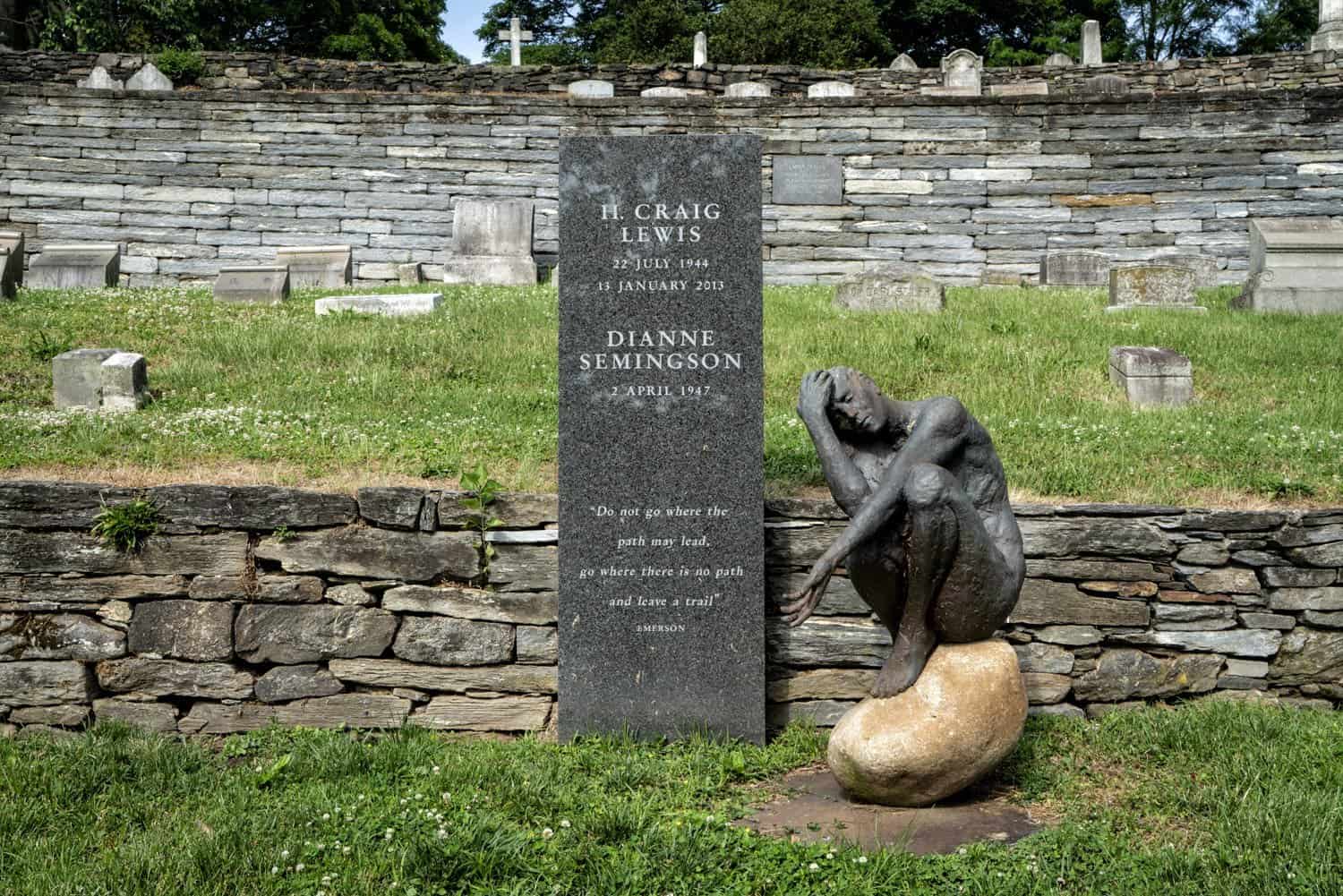
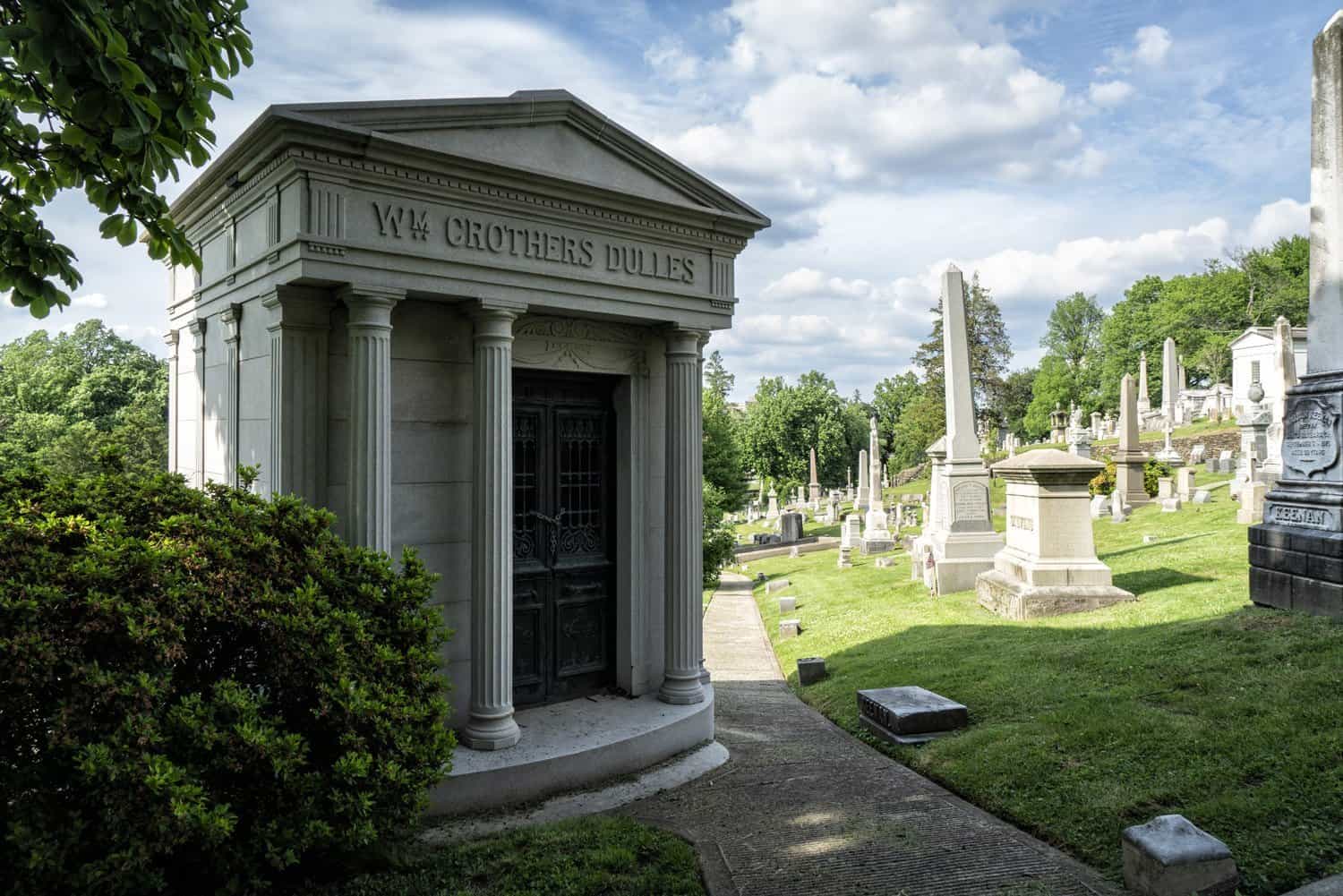
Some people might find visiting graveyards morbid or sad, but few places in urban areas offer up such a great opportunity to enjoy beautiful landscaping, incredible sculptures and stonework, and to learn about the past of your area all while taking a pleasant afternoon walk as Laurel Hill Cemetery in Philadelphia. The city’s residents in the past apparently agreed with me: in 1848 alone, 30,000 visitors bought tickets to stroll the grounds. It was also the first cemetery in the United States to be designated as a National Historic Landmark.
When Laurel Hill Cemetery was founded in 1836, the idea of a massive rural cemetery was novel, and it was only the second of its kind in the United States. Previously, the dead were typically buried in muddy, overcrowded church yards that were frequently dug up when people wanted to build roads or buildings in their place. Unable to find his daughter’s grave in one such cemetery, Quaker librarian John Jay Smith selected a bucolic 32-acre plot of land on a hill overlooking the Schuylkill River to found Laurel Hill Cemetery. Demand for plots was so great that 27 acres were added in 1844 and another 21 in 1861 – and then in 1869 another large tract was added on the other side of the Schuylkill River.
It became of the most popular burial site for many of Philadelphia’s most notable citizens – and to encourage this reputation, several bodies of famous Revolutionary War heroes were dug up and reinterred at Laurel Hill. Certainly there are a lot of questions one could ask about the usefulness of spending gobs of money building massive monuments and mausoleums for those no longer around to appreciate them, and it is abundantly clear just by the varying sizes of plots and graves that a caste system was to be maintained even in death. Sadly, this also extended to racial inequality: the burial of Black citizens in Laurel Hill wasn’t permitted until 1973.
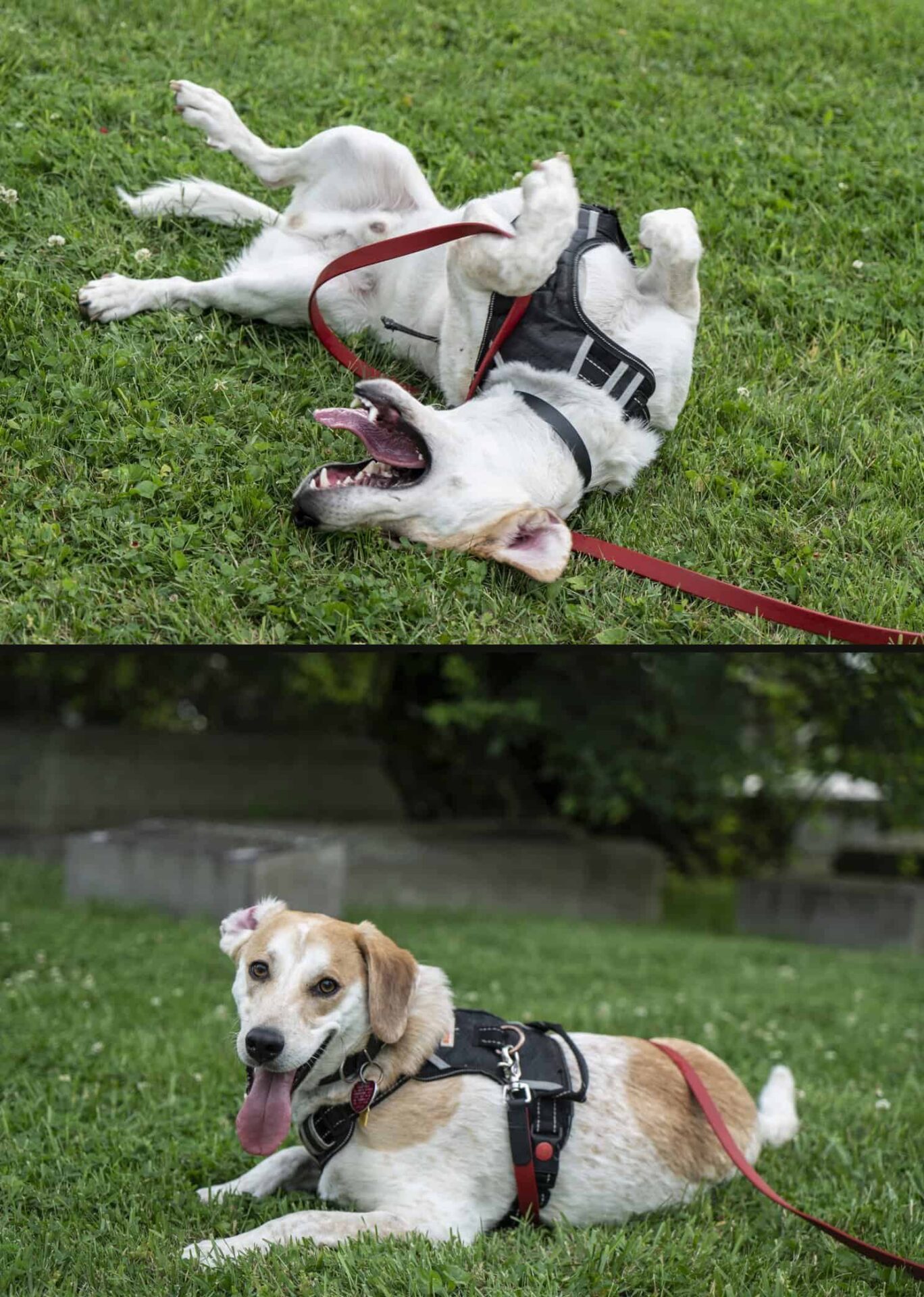
Today, though, Laurel Hill Cemetery is free and open to public visitors most days, and is a wonderful place to birdwatch, have a picnic, take photos, observe a multitude of groundhogs who cheerily build their tunnels around human remains, or, if you’re really lucky, spot my wife and I walking our dog, Charlie Peanutbutter. You also can find the graves of a number of fascinating folk:
- Henry Deringer, inventor of the Deringer pistol
- Frank Furness, architect of some of Philadelphia’s most unique buildings
- David Rittenhouse, first director of the United States Mint and namesake of Rittenhouse Square
- Robert Cornelius, who took the first known photographic portrait in the United States, of himself, which makes him the first person in the country to take a selfie
- Charles Brown, who is not the Peanuts character, thank God
- Thomas Kirkbride, mental health pioneer who developed the plan for many of America’s early asylum buildings
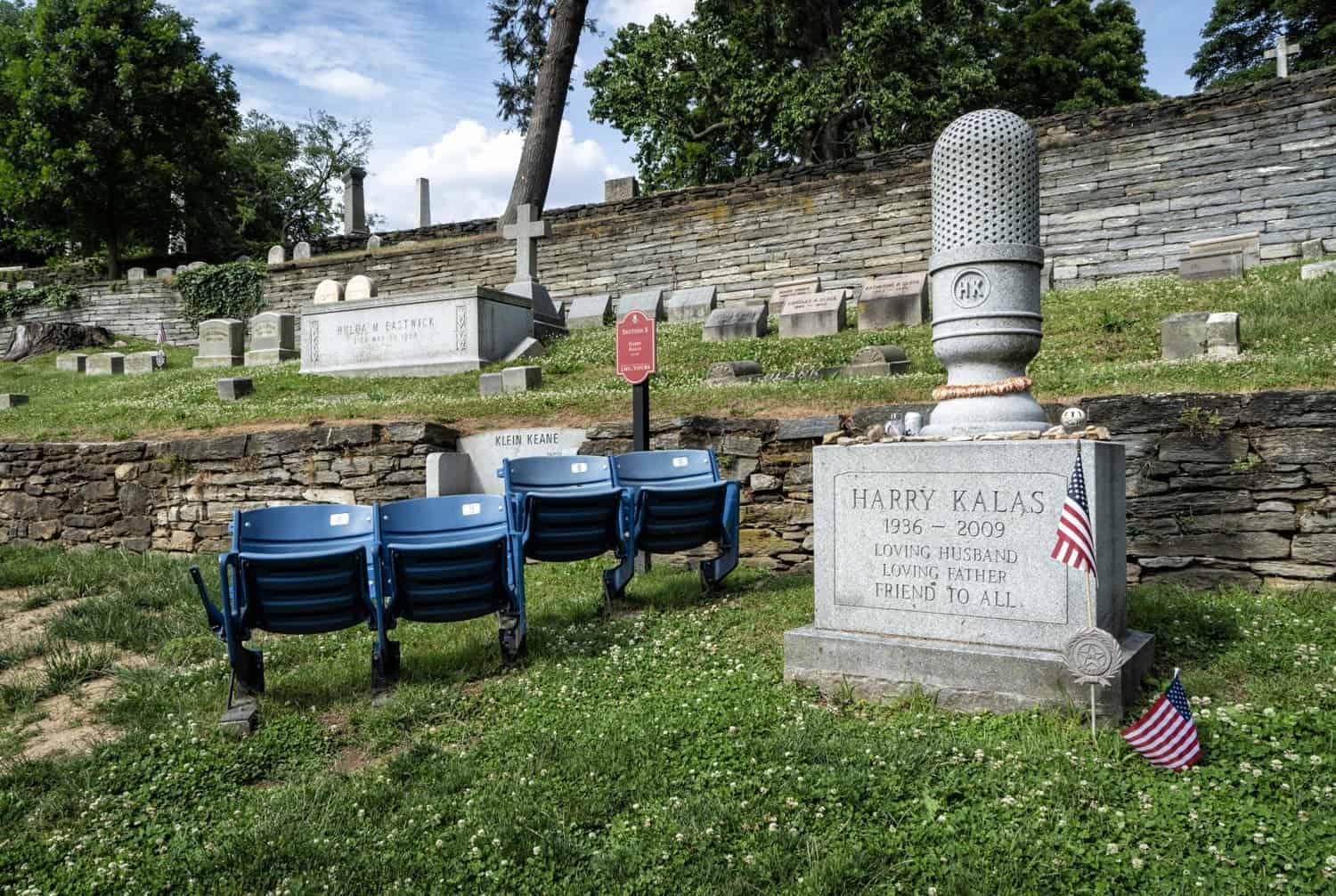
- Harry Kalas, beloved local sportscaster who gave play-by-play commentary for Phillies games for nearly 40 years
If you turn left immediately after entering, you can also find the prop graves of Adrienne Balboa and her brother Paulie Pennino that were used in the Rocky and Creed movies. In West Laurel Hill there are also quite a few notables also, including:
- R&B legend Teddy Pendergrass, singer of “If You Don’t Know Me By Now”, and smooth jazz pioneer Grover Washington Jr.
- Horace Trumbauer, prolific architect of many buildings including the Philadelphia Museum of Art the Philadelphia Free Library, and Lynnewood Hall
- Frank Fleer, inventor of bubble gum and innovator of the baseball card business
- Anna Jarvis, who created Mother’s Day and then spent the rest of her life fighting it
- Martha Kimball, founder of Memorial Day
- Matthew Simpson, whose grave I cannot pass without singing “The Simpsons” to
- William Luden, inventor of the menthol cough drop
In short, whether you’re visiting Philadelphia or are a resident, Laurel Hill Cemetery is one of the city’s treasures and worth taking a few hours to spend an afternoon at. There are also tours, concerts, and other events you can find out about at Laurel Hill’s website: https://thelaurelhillcemetery.org/
If you see us there, say hi, and tell Charlie to stop chasing those groundhogs. No good will come of it.










 Continue with Google