

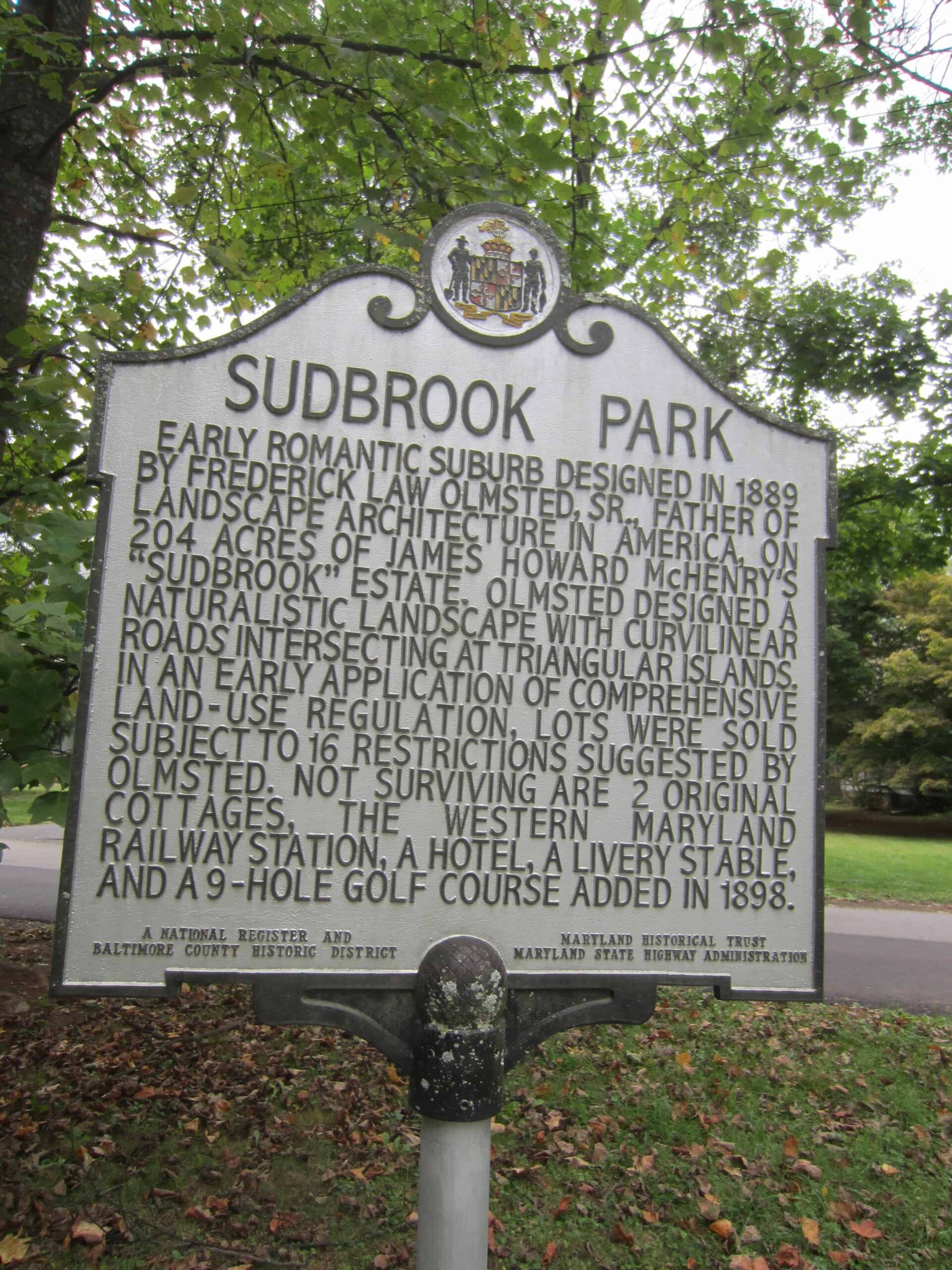
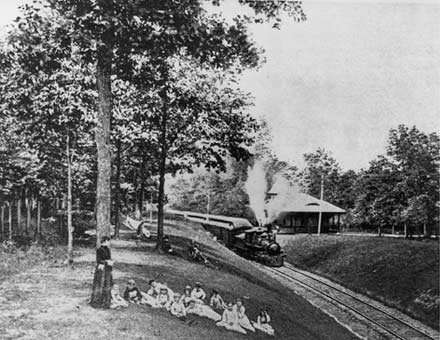
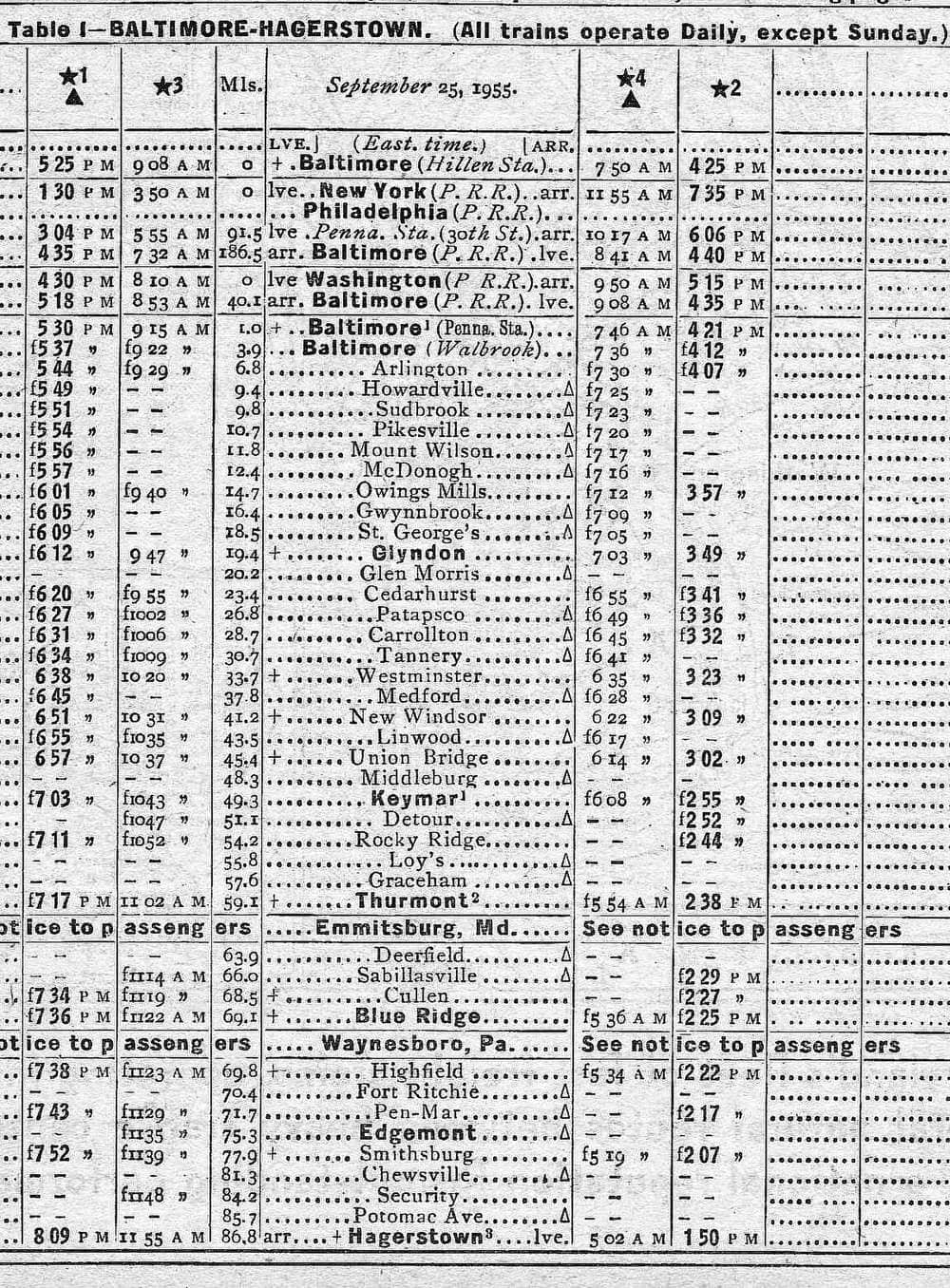
During the 1850s, James Howard McHenry purchased about 850 acres in Pikesville, MD, just outside of Baltimore, and named it “Sudbrook Estate”. McHenry contracted with American landscape architect Frederick Law Olmsted in 1876 to design a resort on his land. Shortly thereafter, he got the Western Maryland Railroad to provide passenger service through his property to Baltimore. Despite financial setbacks for the next decade, McHenry didn’t give up hope for the development “Sudbrook Park” as a respite from the heat of Baltimore summers. However, after being bitten by his Saint Bernard dog, McHenry died of blood poisoning in 1888 before his dream would be realized.
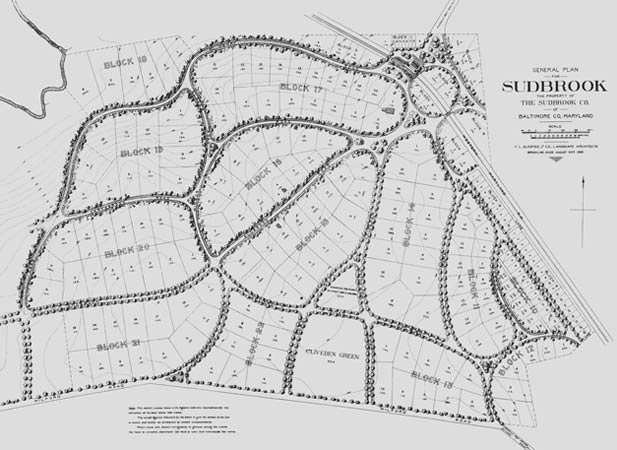
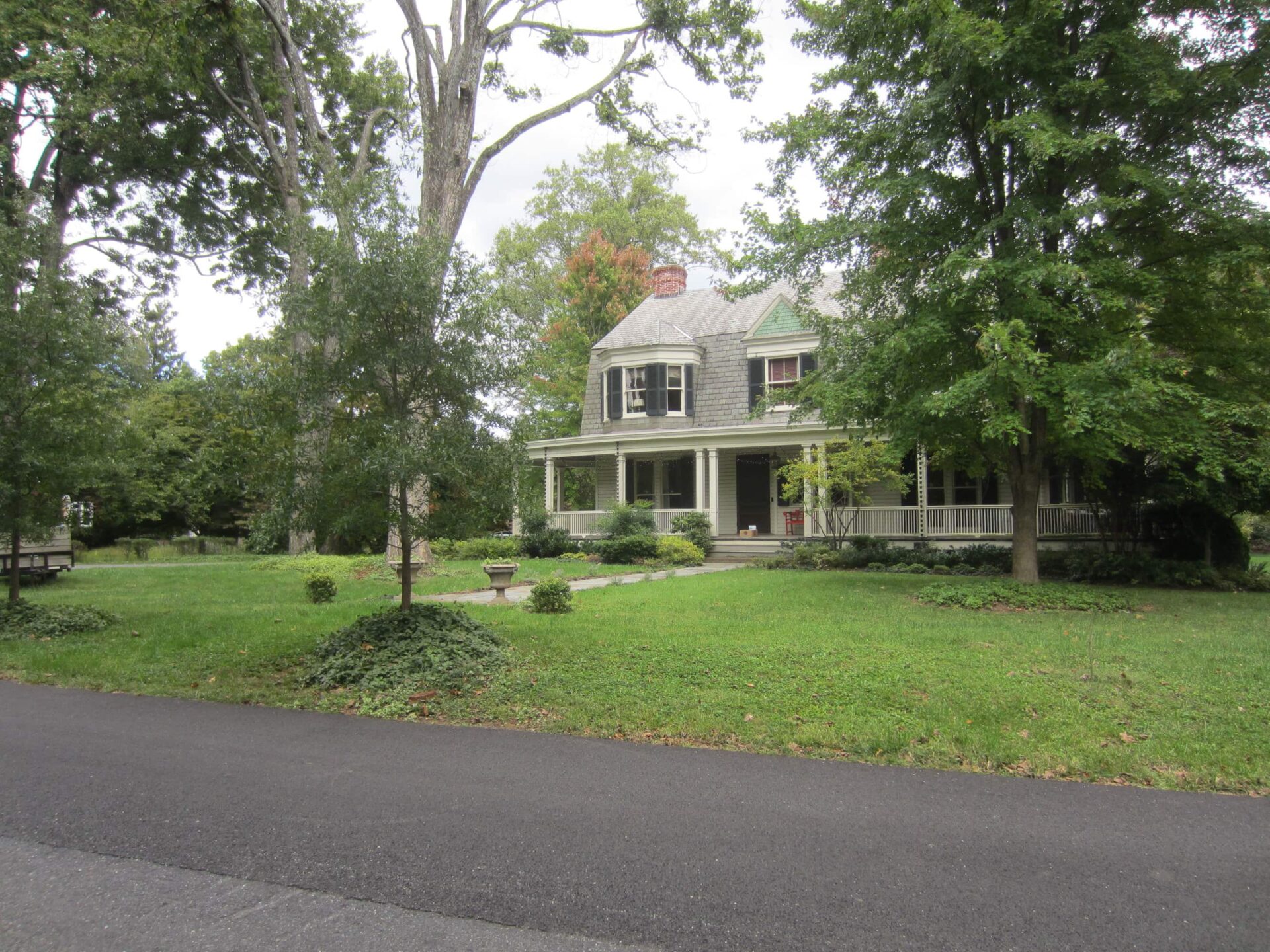
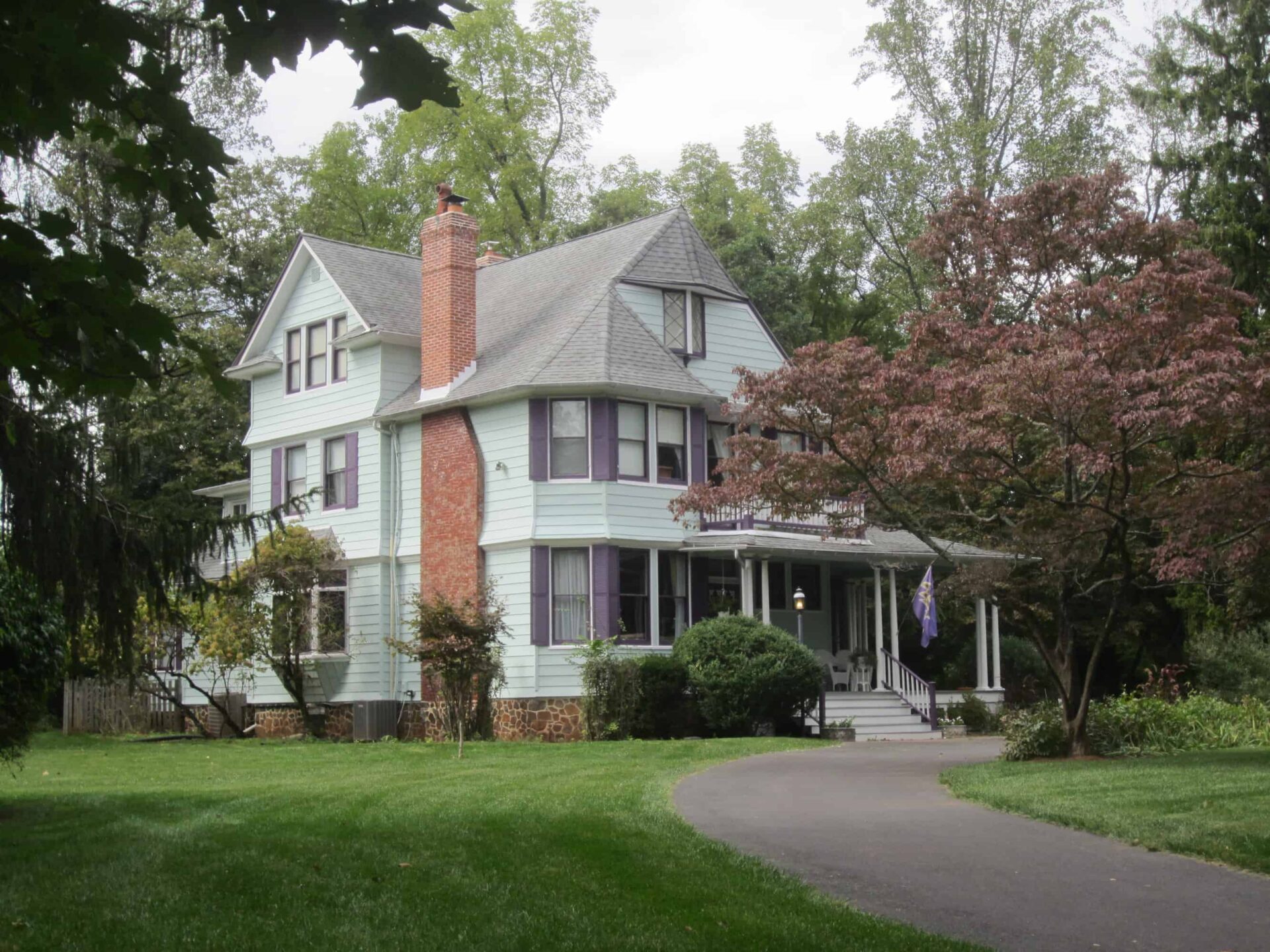
Investors from the B&O railroad bought the 204 acre subdivision of Sudbrook Park from McHenry’s widow. They quickly formed the Sudbrook Company, intending to complete the work for a summer resort. But the plan was further developed by F. L. Olmsted & John Charles Olmsted (who would succeed his father) into a year-round suburban village; a “rail-stop suburb”. Olmsted’s plan was for a picturesque parklike suburban village with gracious town greens. By 1890, the Sudbrook Company built several victorian and dutch colonial homes on speculation, hoping to lure buyers to the leafy new community. They also constructed the Sudbrook Hotel at that time, which would remain the center of village life for more than a generation of summer visitors. Golf, tennis, a bridle trail, and festive dining were available to summer residents there until the hotel was destroyed by fire in 1926.
Home sales were slow to catch on, despite the amply sized lots on curvilinear streets that followed the contours of the land in a naturalistic setting The village was popular for rentals from May through October, but home sales to year-rounders were scant. The Sudbrook Company was out of business in 1910, and only 50 homes were built by 1930 when the Great Depression put a halt to land speculation.
Development in Sudbrook Park from 1939 to 1954 radically changed the market focus. Lots were subdivided. Parcels once set aside for churches were changed to more home lots. Many modest, affordable brick cape cod style homes with garages were sold through the end of the Great Depression and WWII. By then, living 8 miles from downtown wasn’t so far with an automobile.
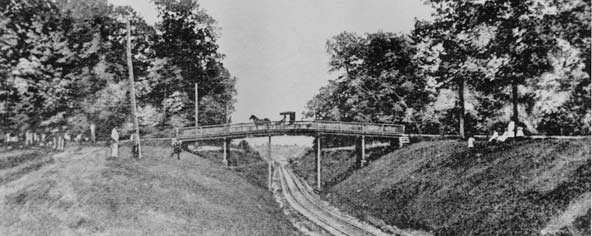
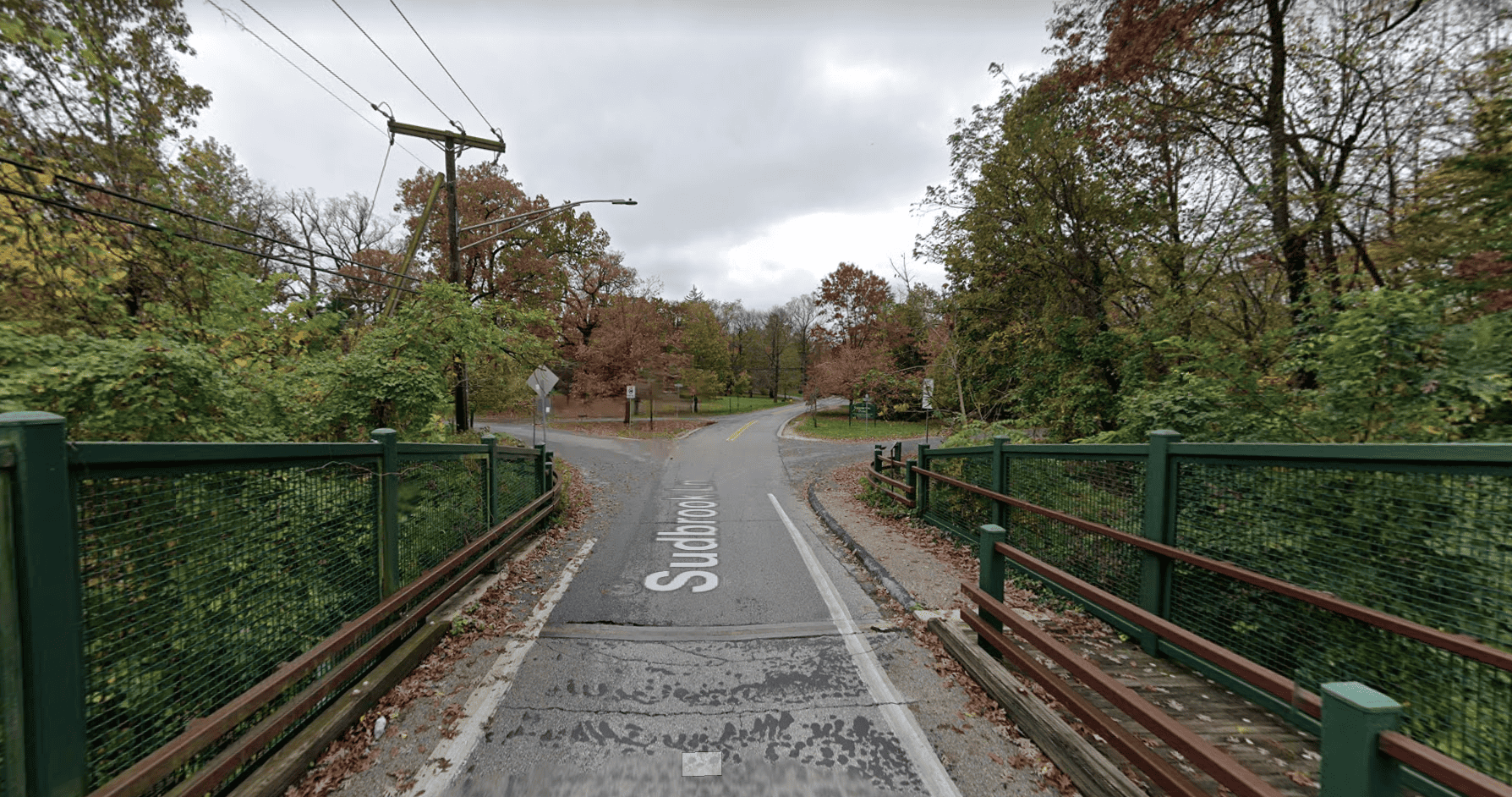
Sudbrook Park is one of three remaining Olmsted Sr. designed communities in the United States. Its residents expressed love for their community on several occasions, exemplified by its placement on the National Historic Registry in 1973. Resident activism along with national recognition staved off attempts to route a 6-lane expressway and a high-speed transit line through open land in Sudbrook Park. Residents also fought to retain the one-lane bridge from Olmsted’s original design that defined the entrance to Sudbrook Park.









 Continue with Google