

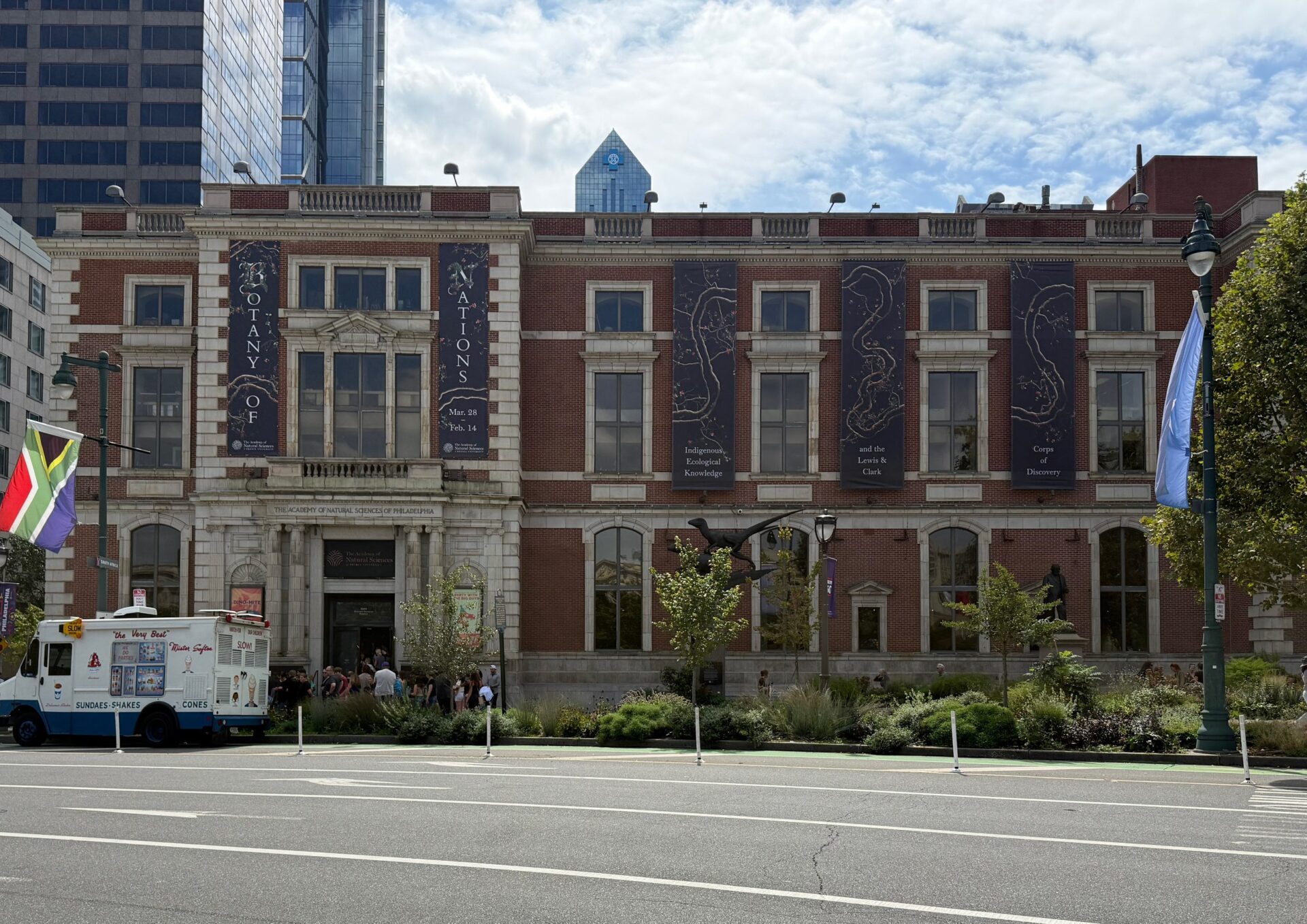
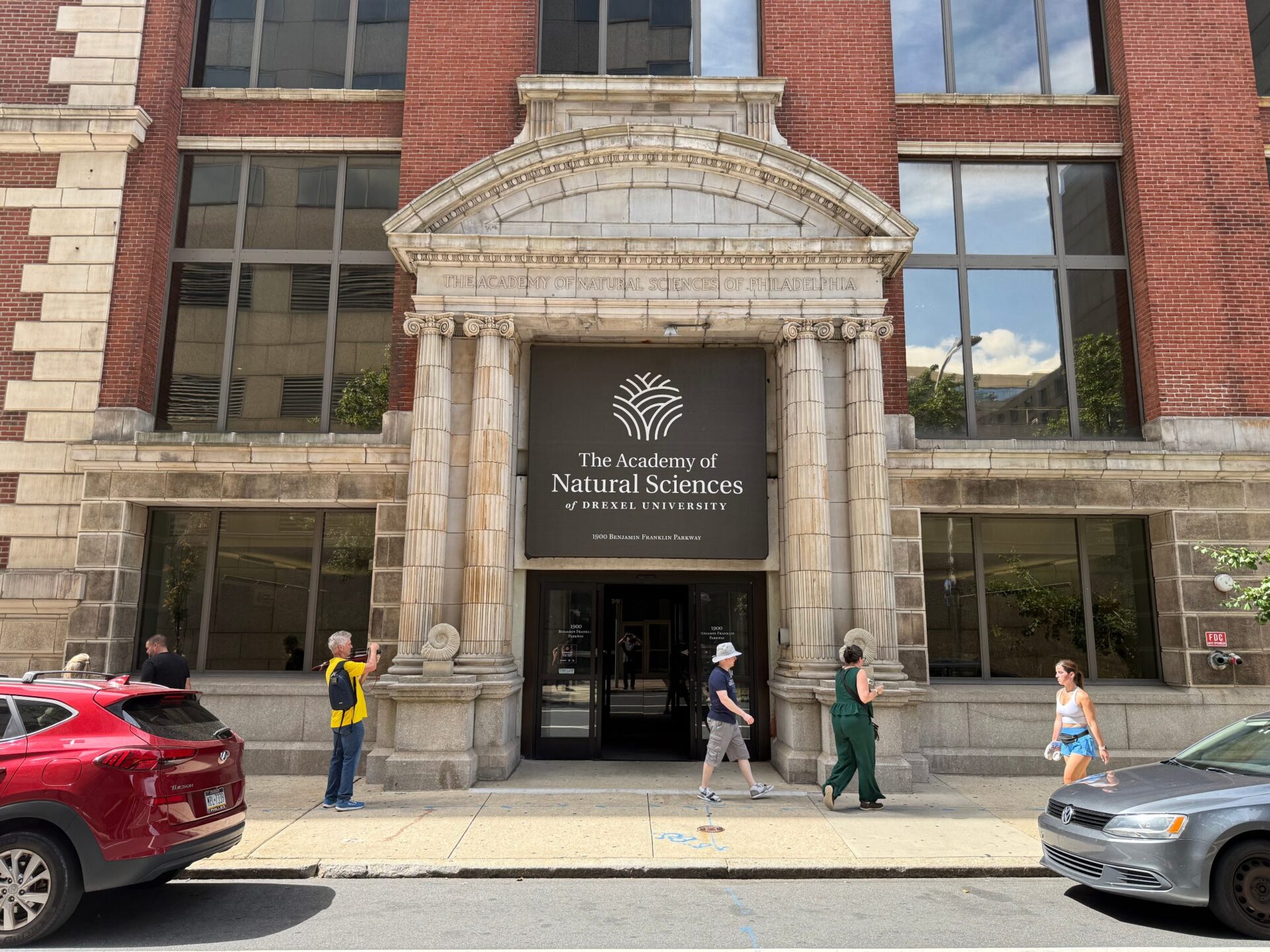
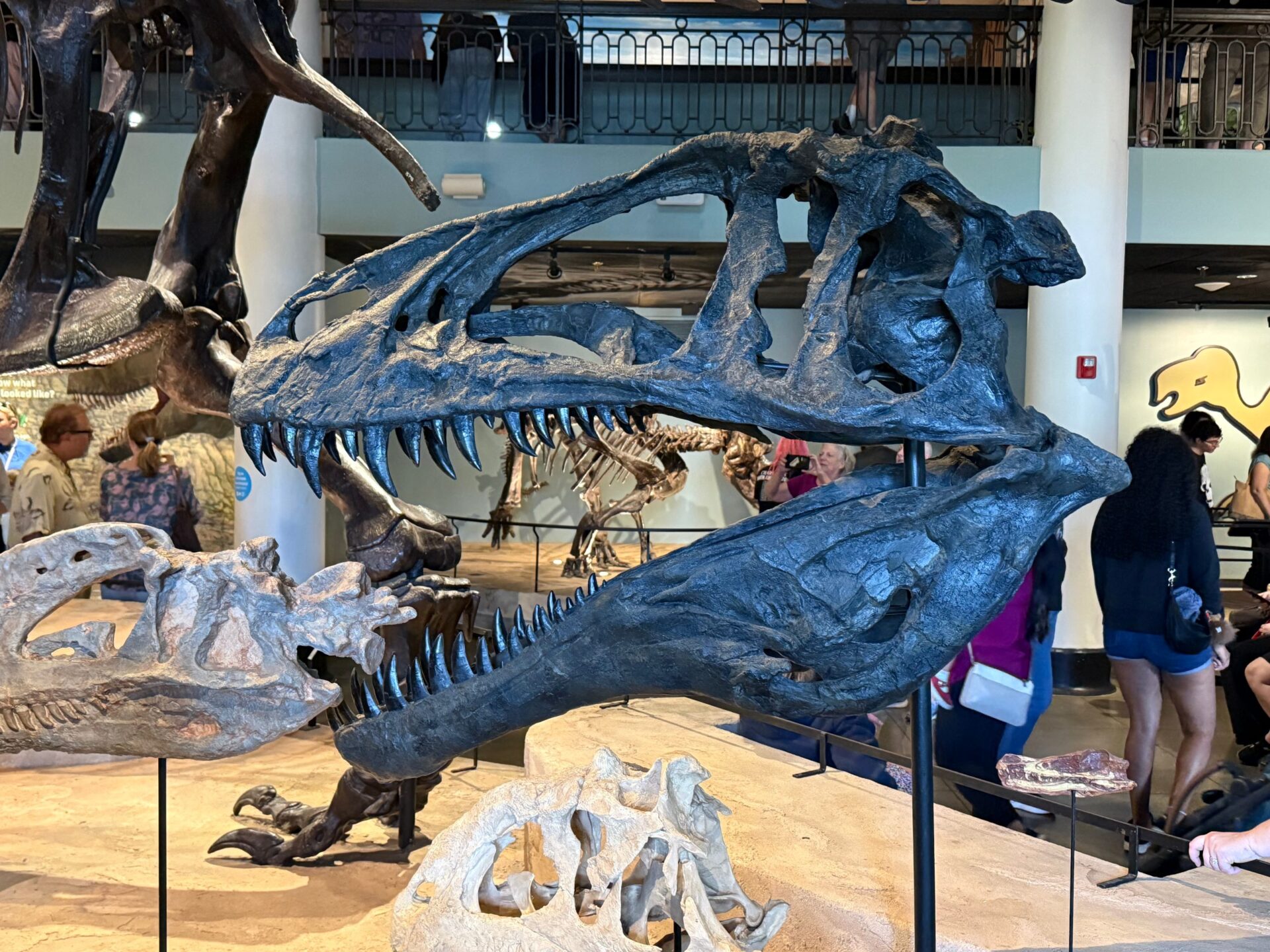
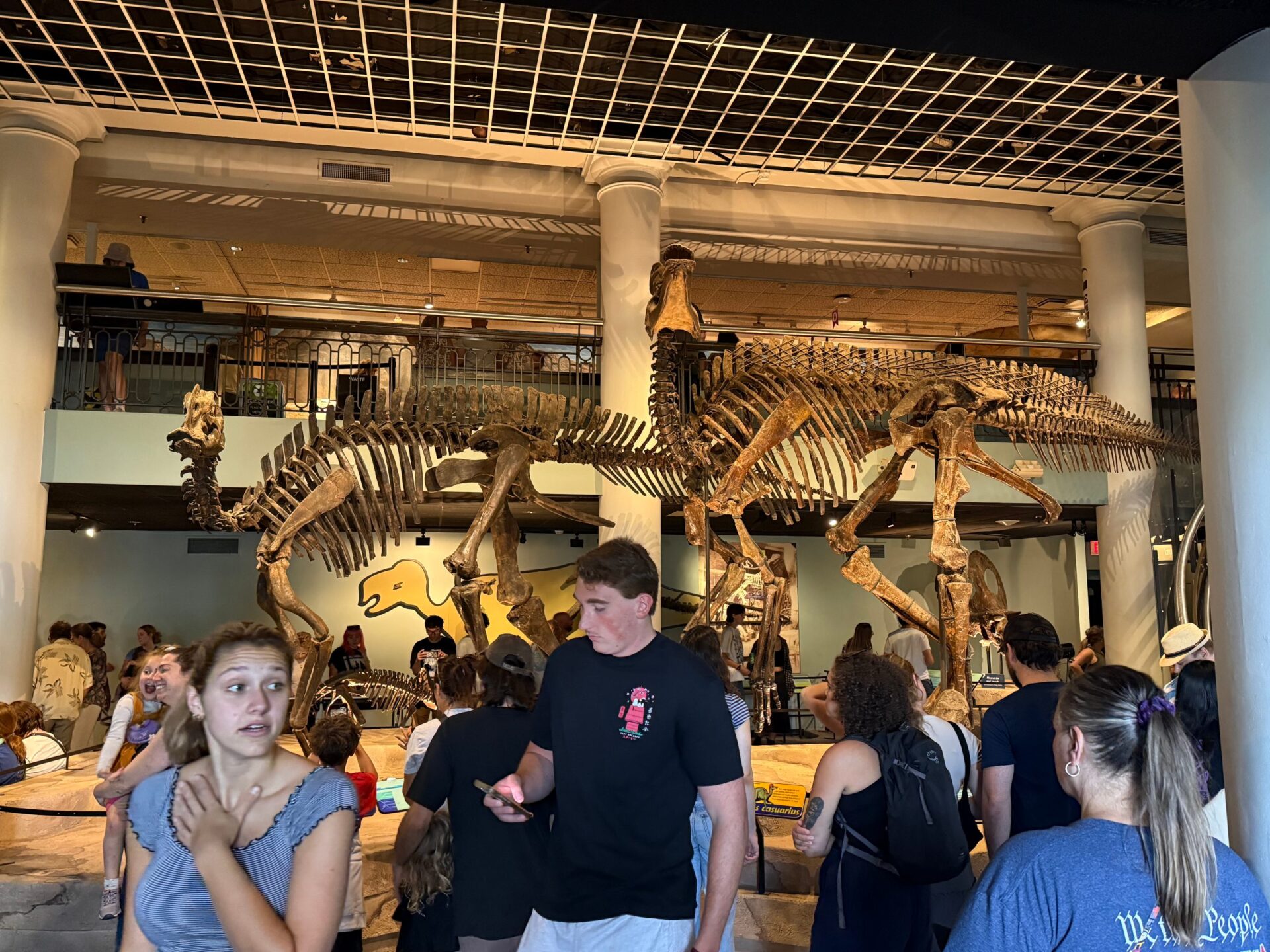
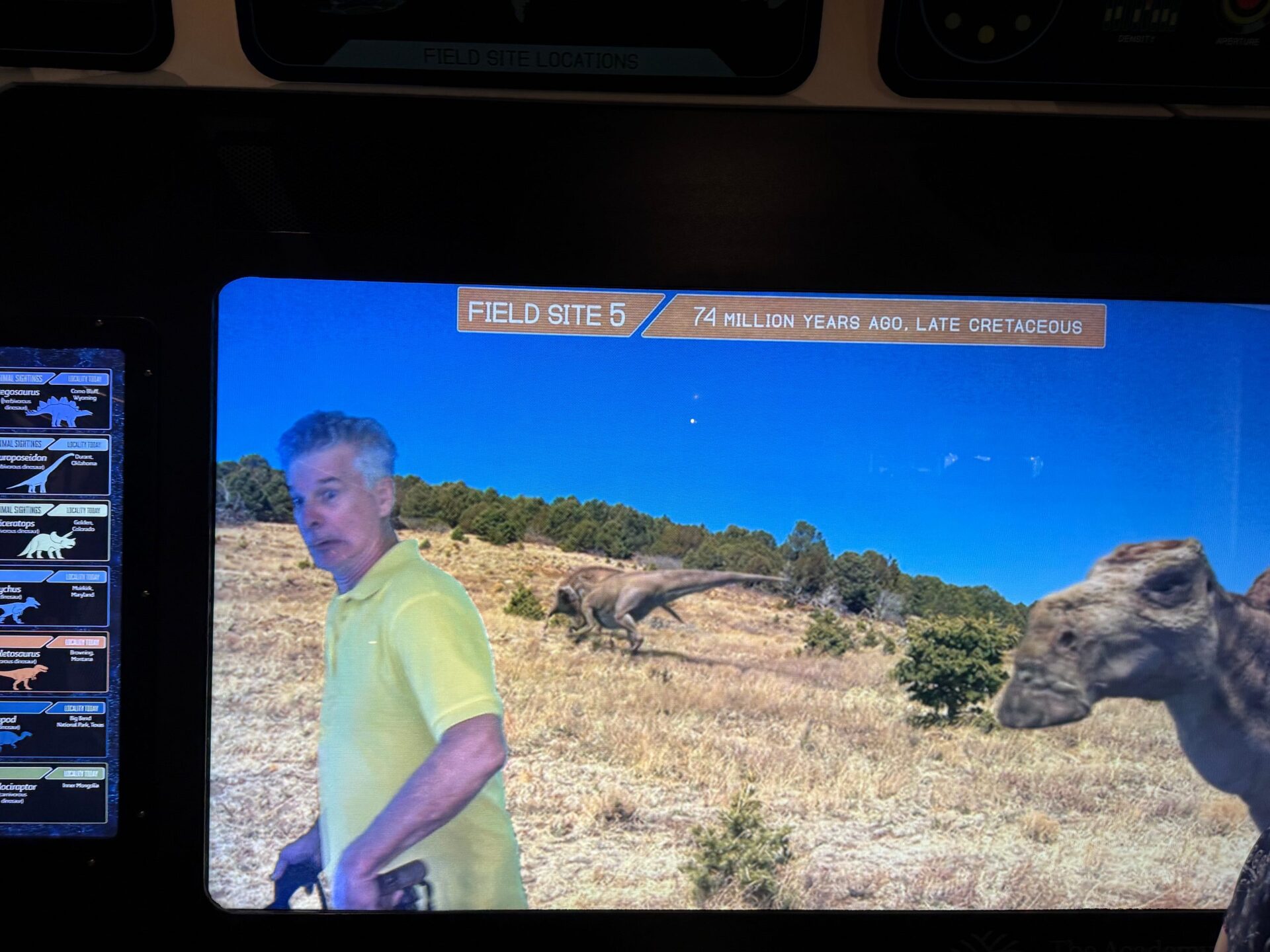
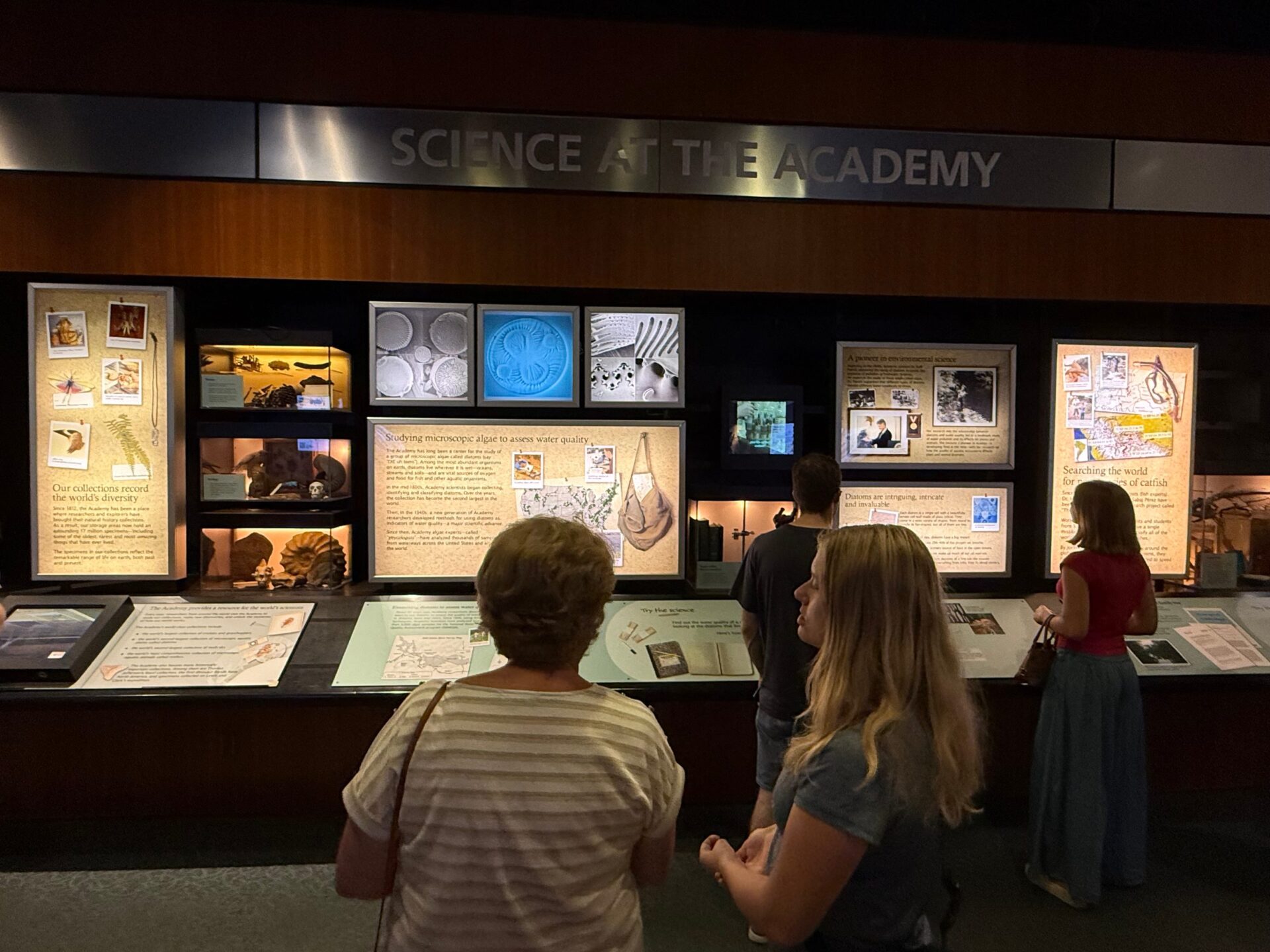
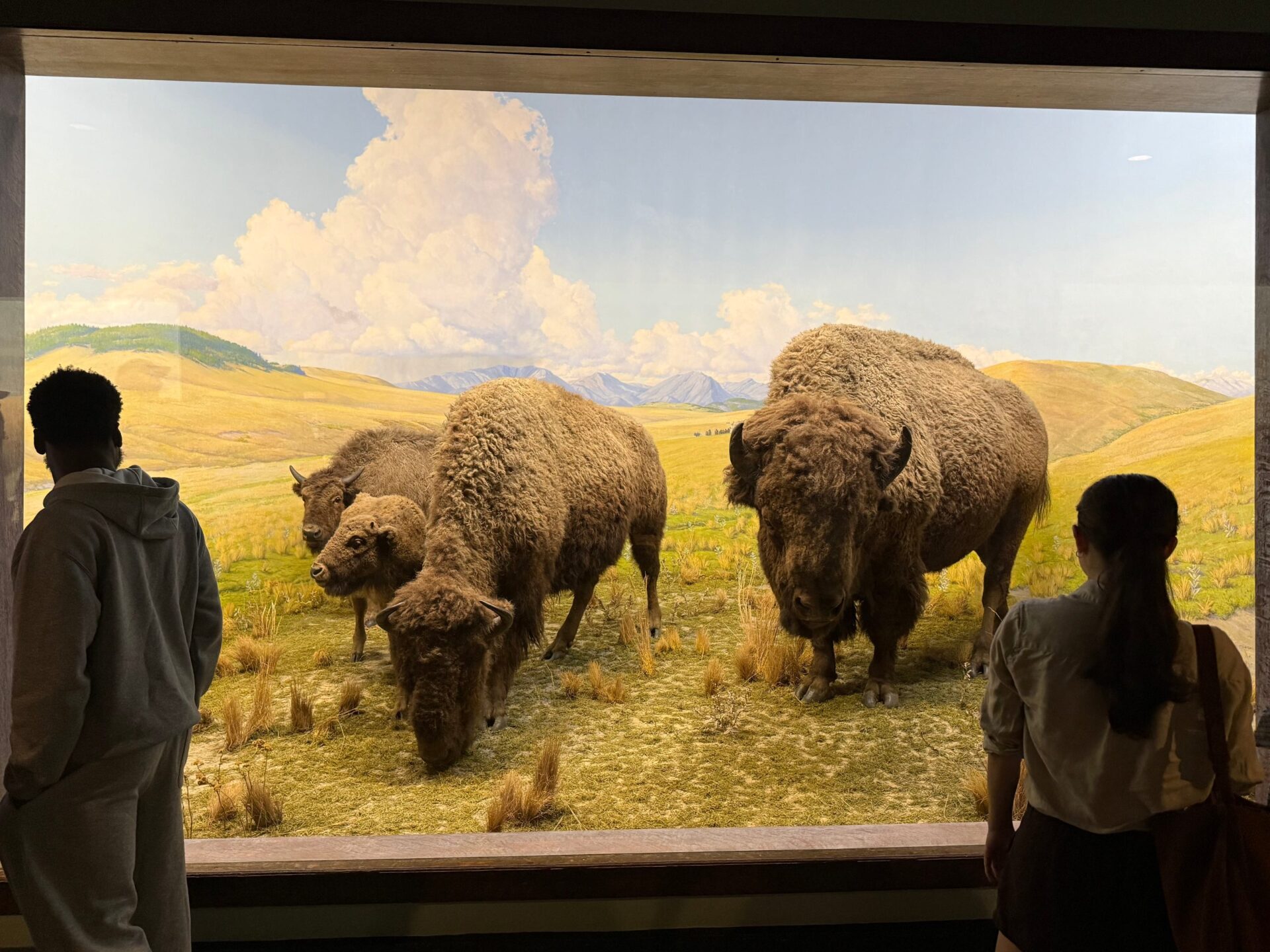
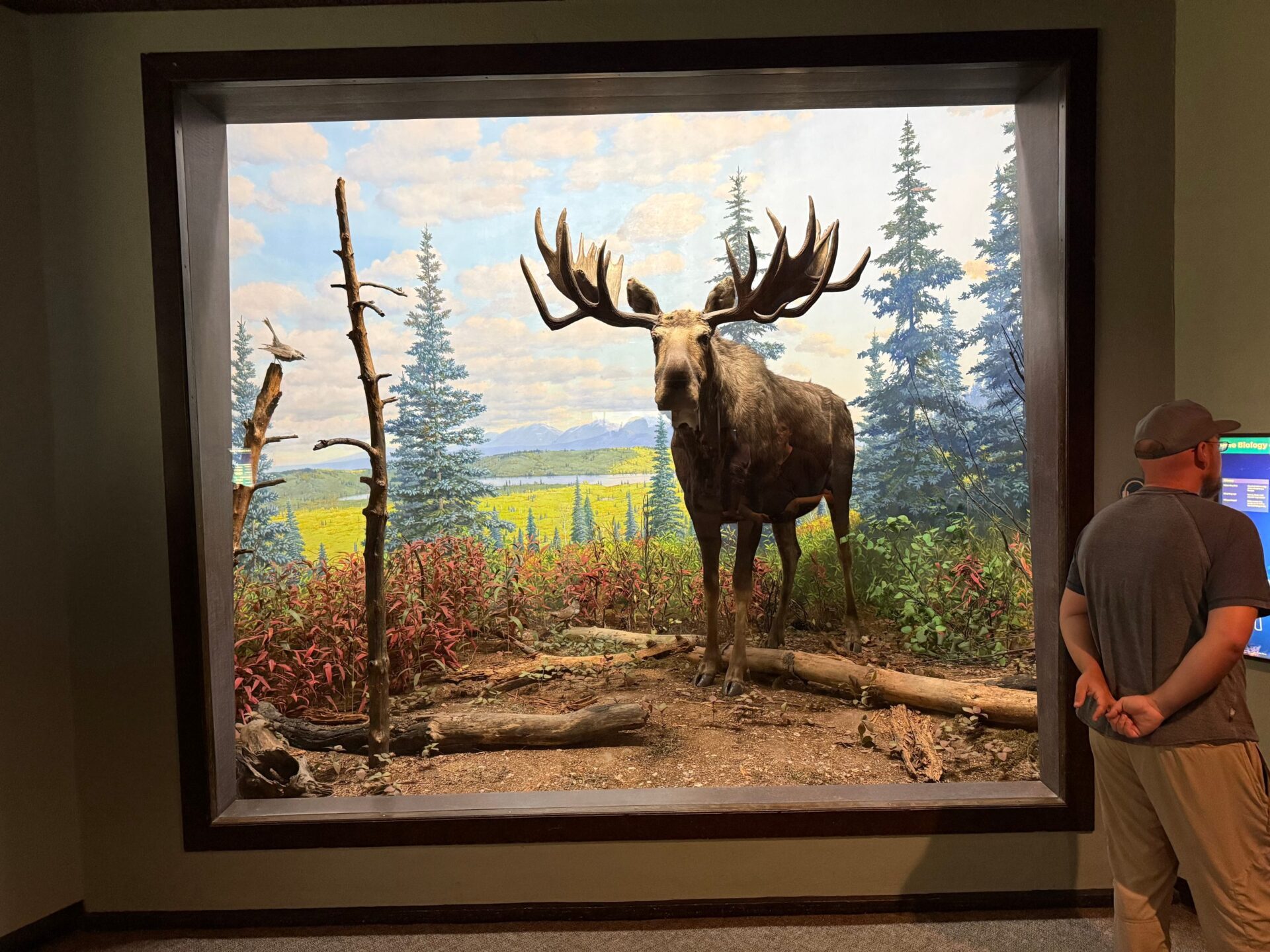
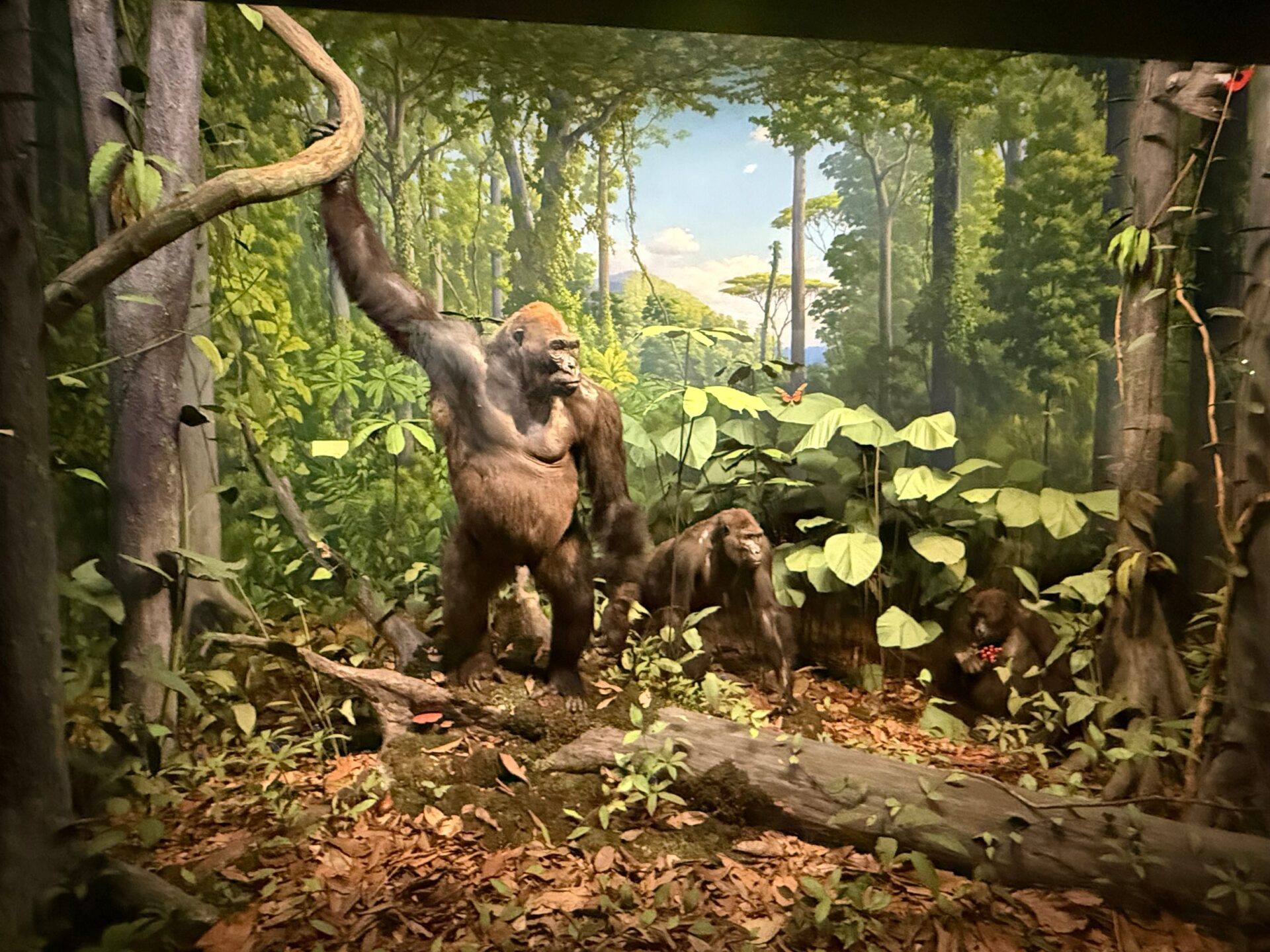
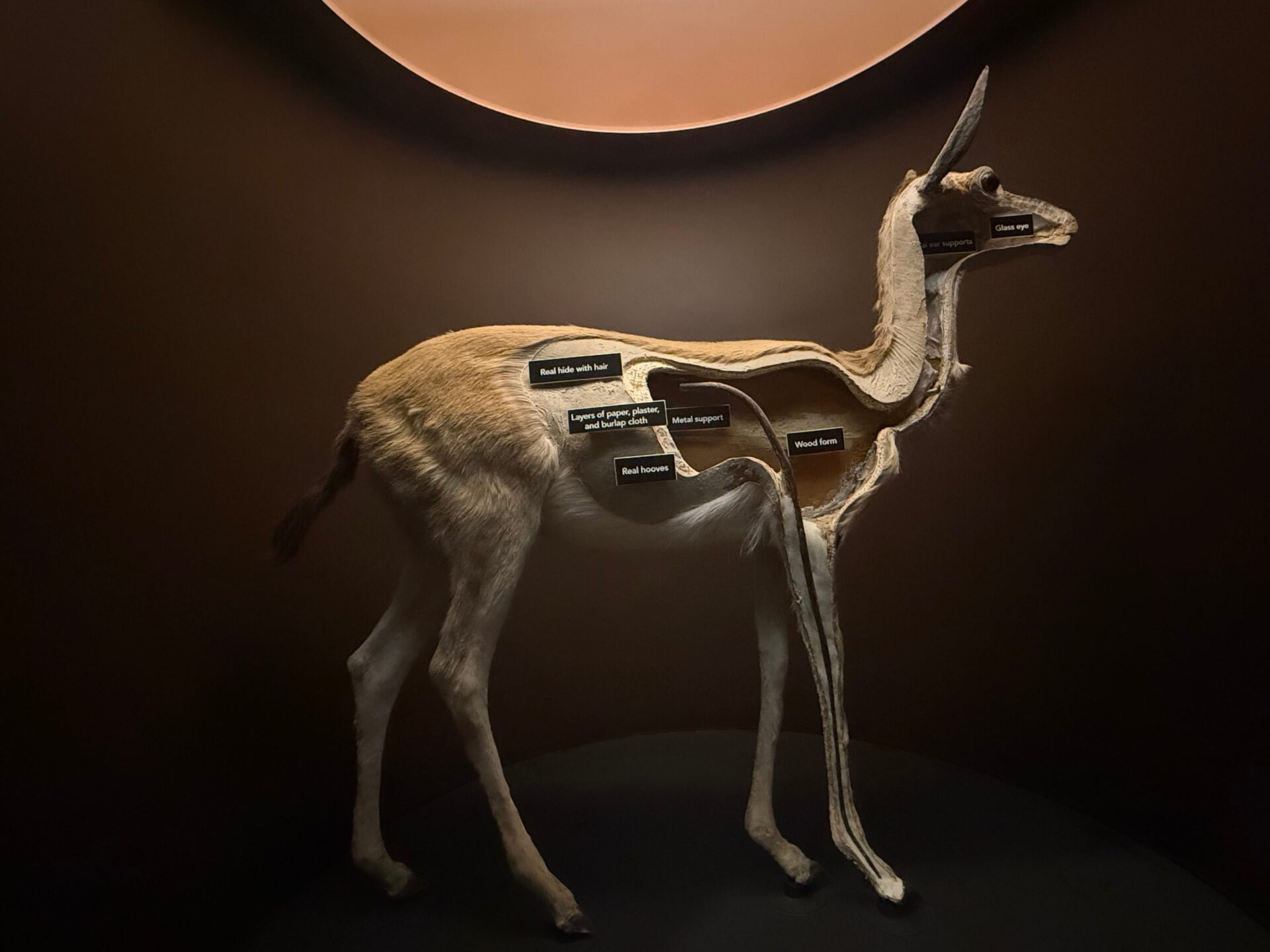
The Academy of Natural Sciences of Drexel University in Philadelphia is closing its public museum building at the end of September 2026. Sunday, September 27, 2026, is expected to be the final day the museum will welcome regular visitors.
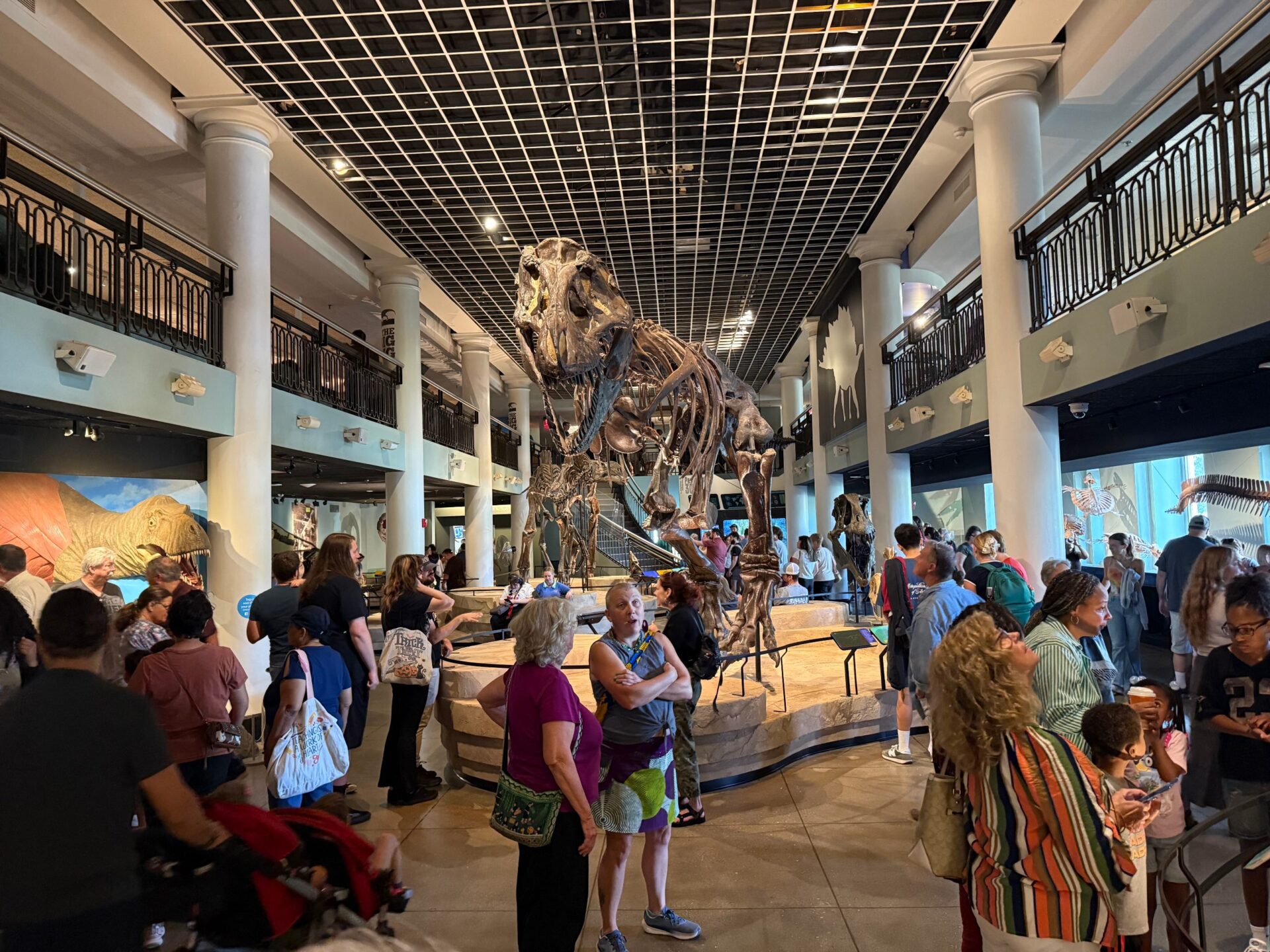
Ten years ago, I visited this remarkable museum with my children and had a wonderful experience. When I learned that the Academy’s public building would soon close, I knew I wanted to see it one more time. On September 12, 2026, I returned with Peter Evans, owner of Route1Views.com and a longtime Academy member.
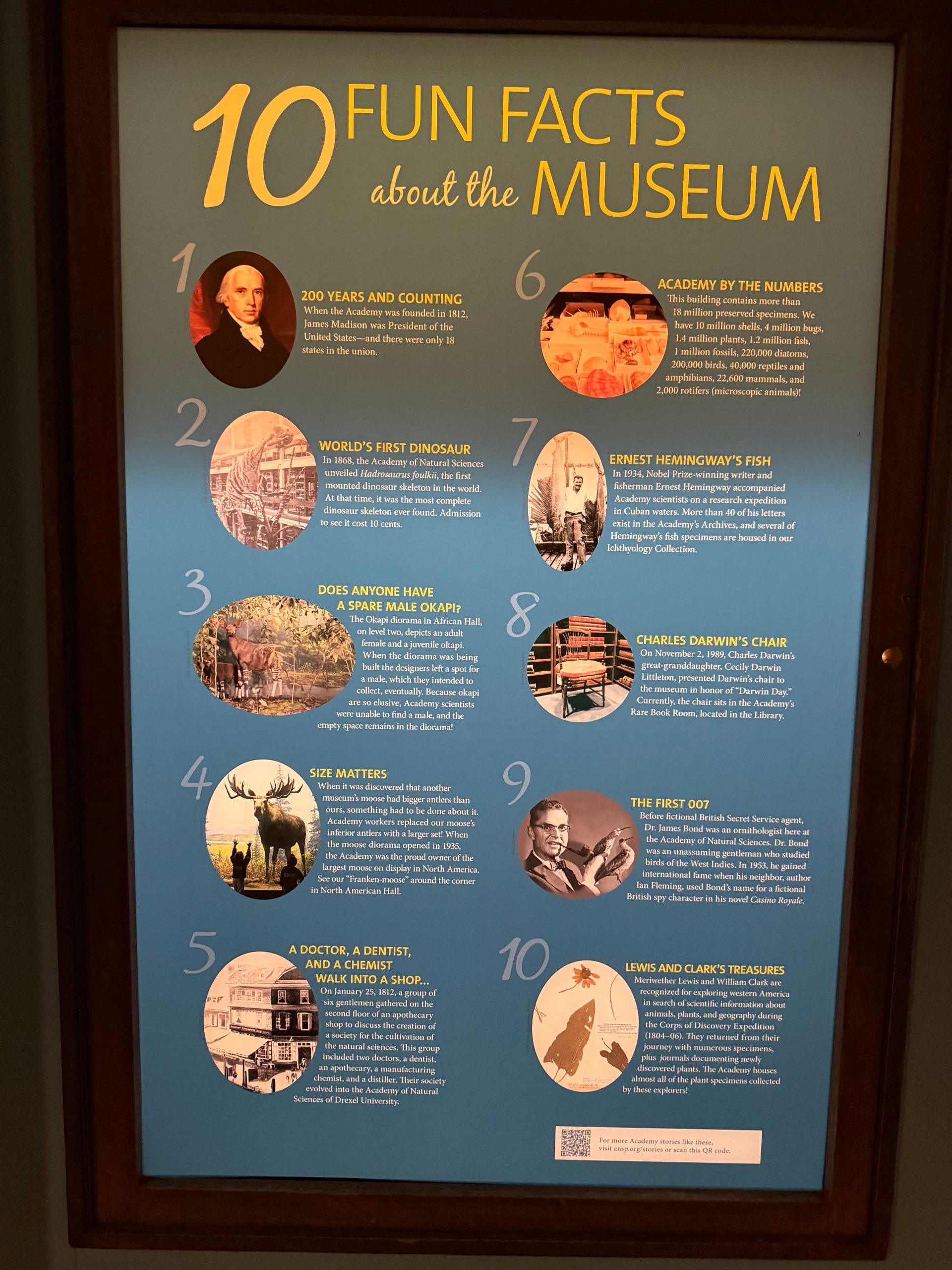
Founded in 1812, the Academy has served Philadelphia and the scientific community for 214 years. It is widely recognized as the oldest natural history museum in the Americas and remains an important center for biodiversity and environmental science. Although the public museum is closing, the Academy says it will continue its work in research, education, collection stewardship, and public engagement.
The Academy’s purpose is to be a force for nature: advancing understanding of the natural world and encouraging people to care for it. Its research and educational work connects evidence from the past and present to urgent environmental challenges, including biodiversity loss, climate change, conservation, evolution, freshwater ecosystems, and human health.
At the heart of the Academy is an extraordinary scientific collection of more than 19 million specimens and archival treasures. These carefully documented materials span nearly every field of natural history and support ongoing research around the world. The collections include major holdings in mollusks, fishes, birds, plants, insects, fossils, mammals, reptiles, amphibians, and diatoms.
Some of the individual collections are especially striking:
- The Malacology collection includes approximately 10 million mollusk specimens.
- The Ichthyology collection includes about 1.6 million preserved fish specimens.
- The Ornithology collection includes more than 215,000 bird specimens, 22,000 tissue samples, and the VIREO photo archive.
- The Diatom Herbarium is among the world’s largest collections of recent and fossil diatoms.
The Academy Library and Archives add another essential dimension to its legacy. The Library holds more than 75,000 titles, with materials ranging from works published in the 1500s to current scientific publications. The Archives preserve manuscripts, field notebooks, correspondence, photographs, films, artwork, maps, instruments, and organizational records documenting the history of natural and environmental science from the late 1600s to today.
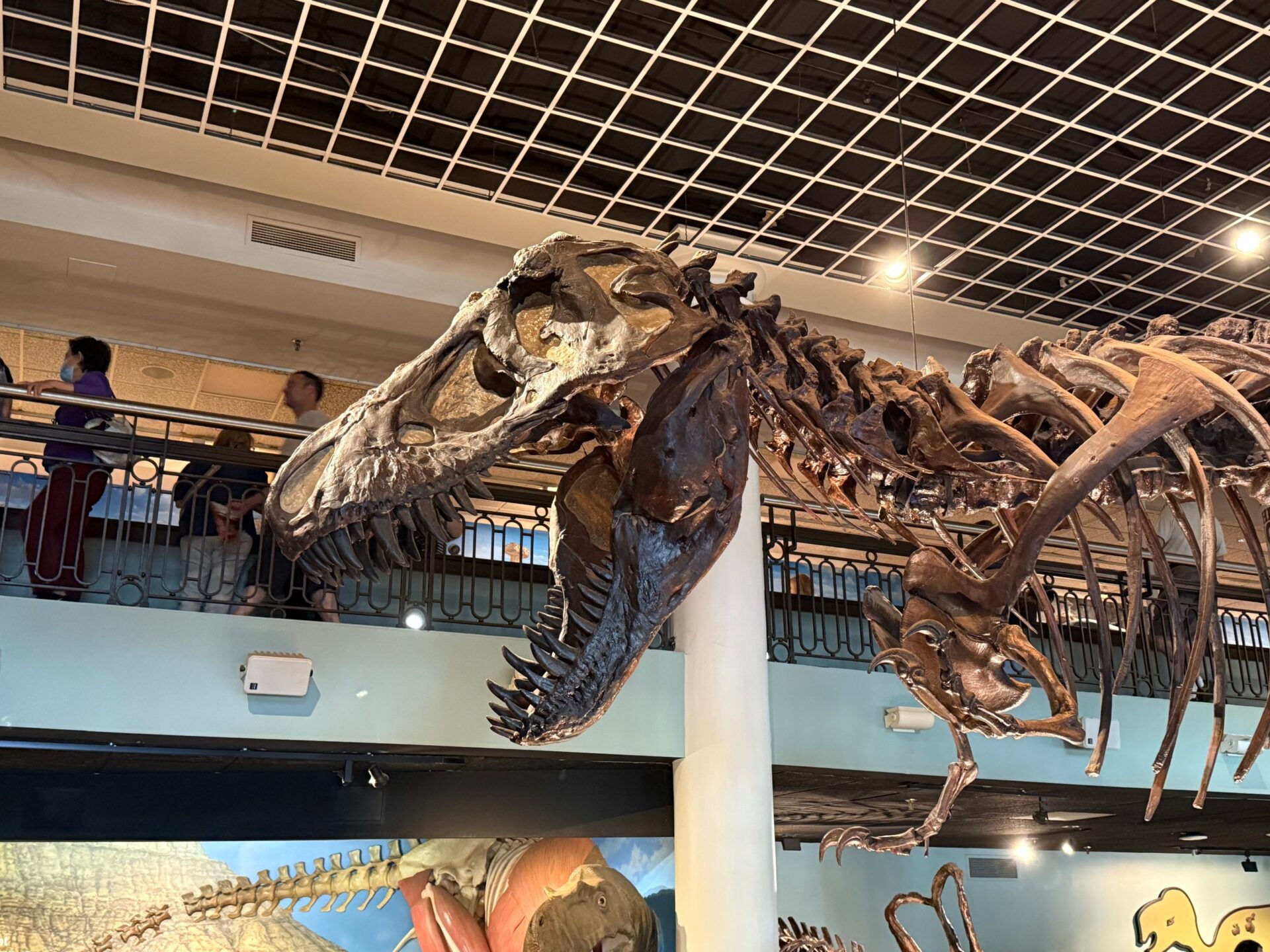
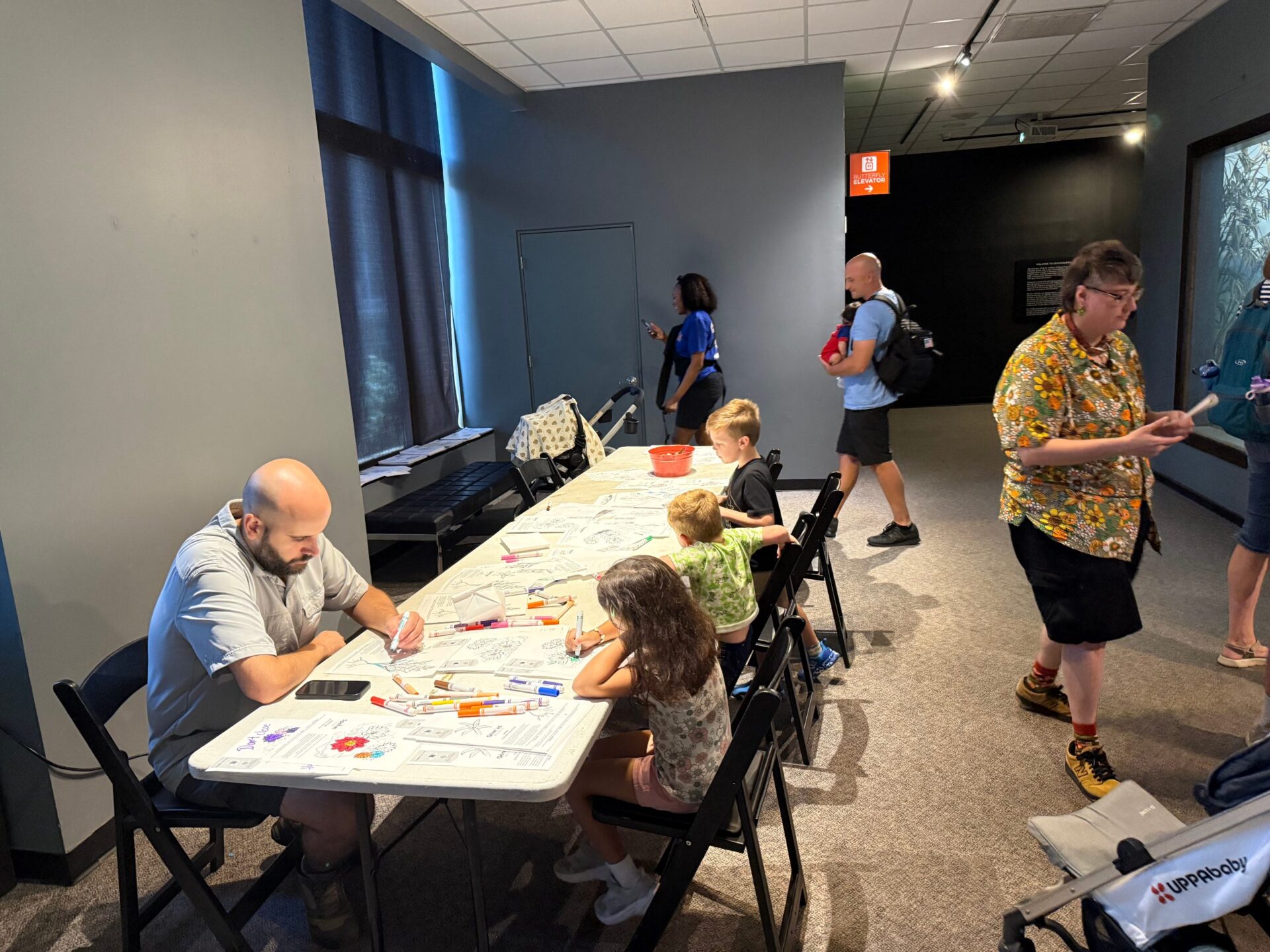
For generations of Philadelphians, families, students, teachers, scientists, and visitors, the Academy has been a place to encounter dinosaurs, animals, fossils, shells, and the astonishing variety of life on Earth. Its public museum building may be nearing its final days, but its collections and scientific work will remain a vital resource for understanding—and protecting—the natural world.
There are only two weeks left before the public museum closes. If the Academy has been part of your life, or if you have never experienced it, now is the time to make one final visit. Check the Academy’s official website for current hours, admission information, and any final-week updates – https://ansp.org/











 Continue with Google