

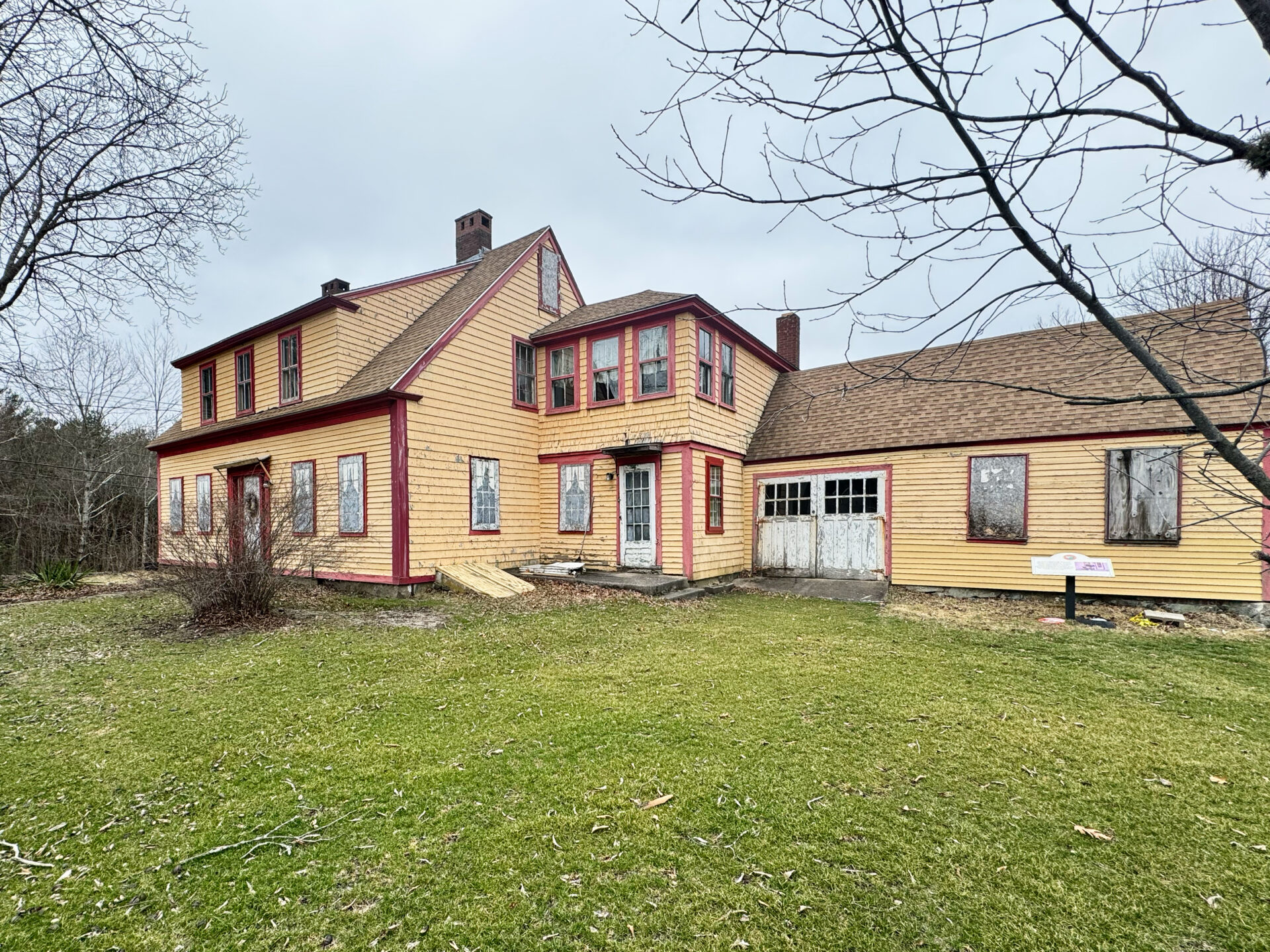
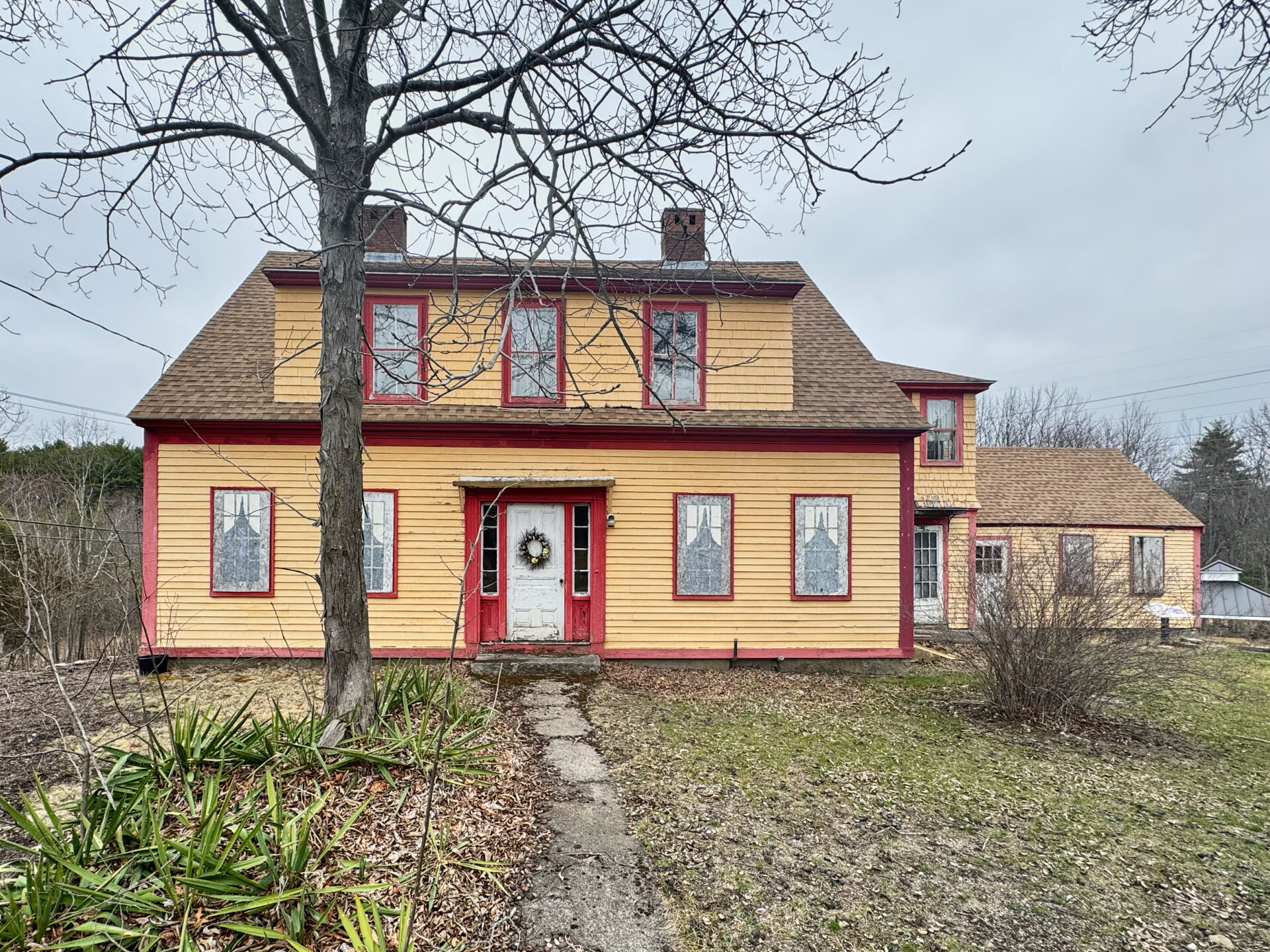
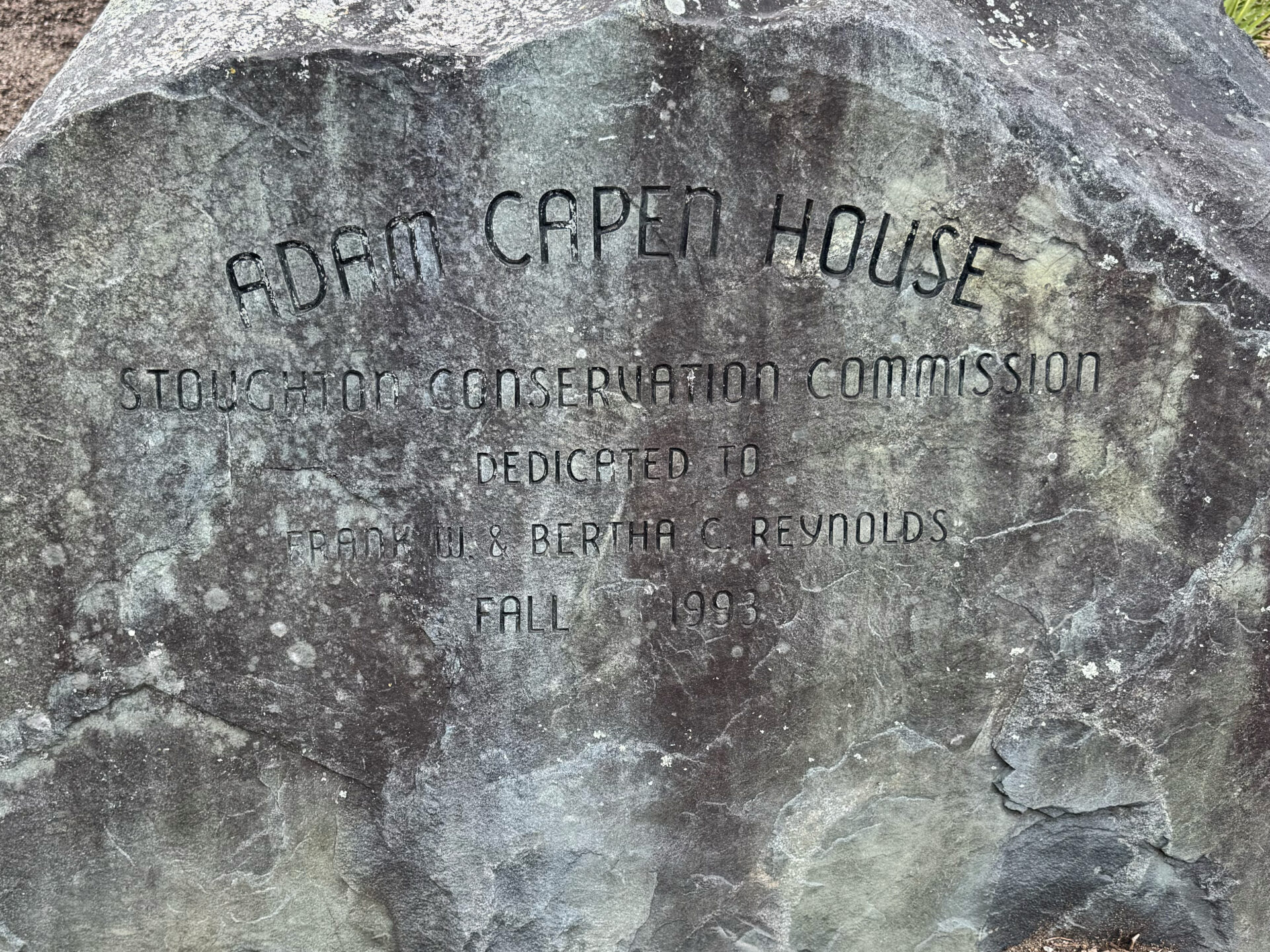
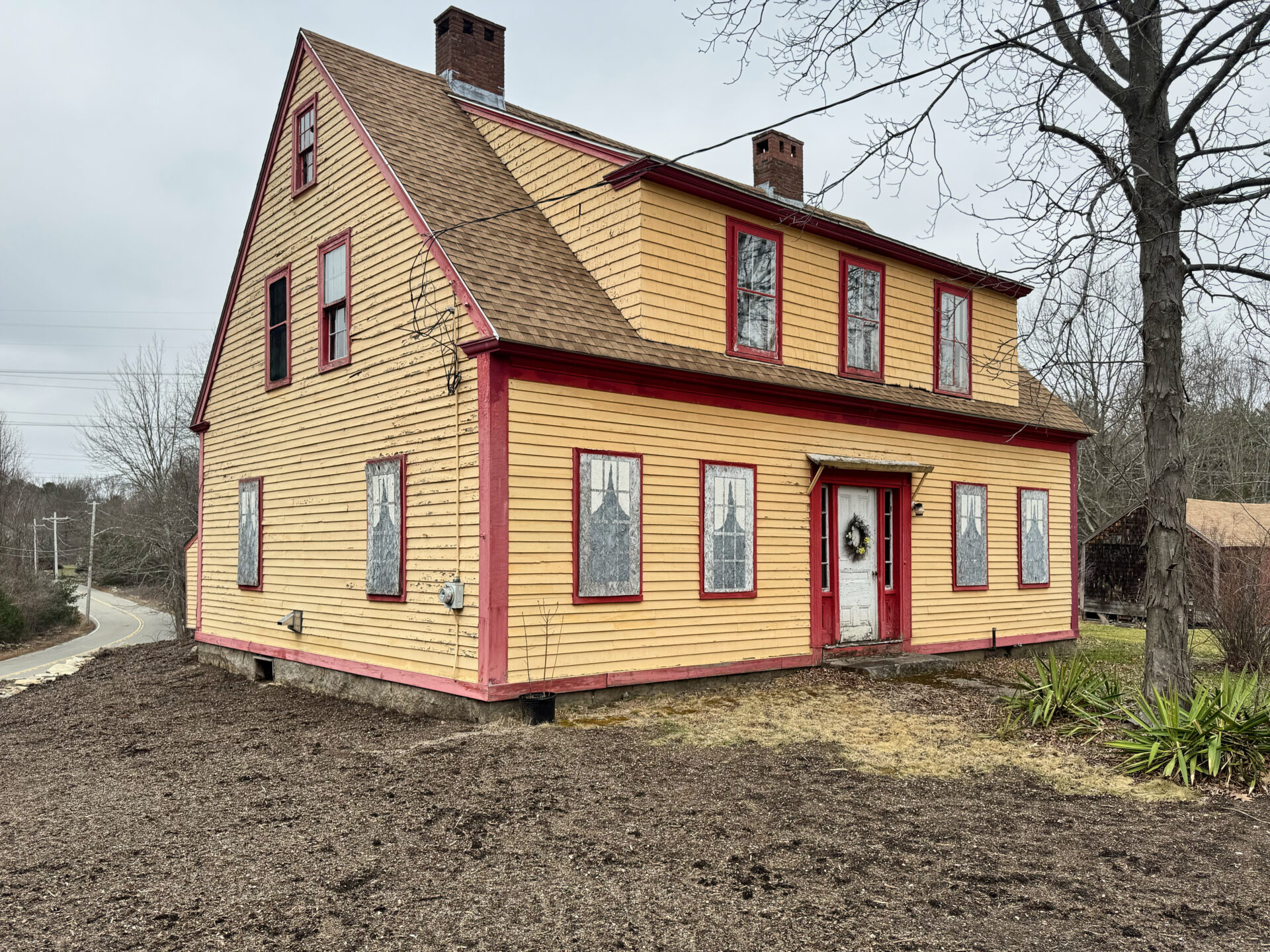
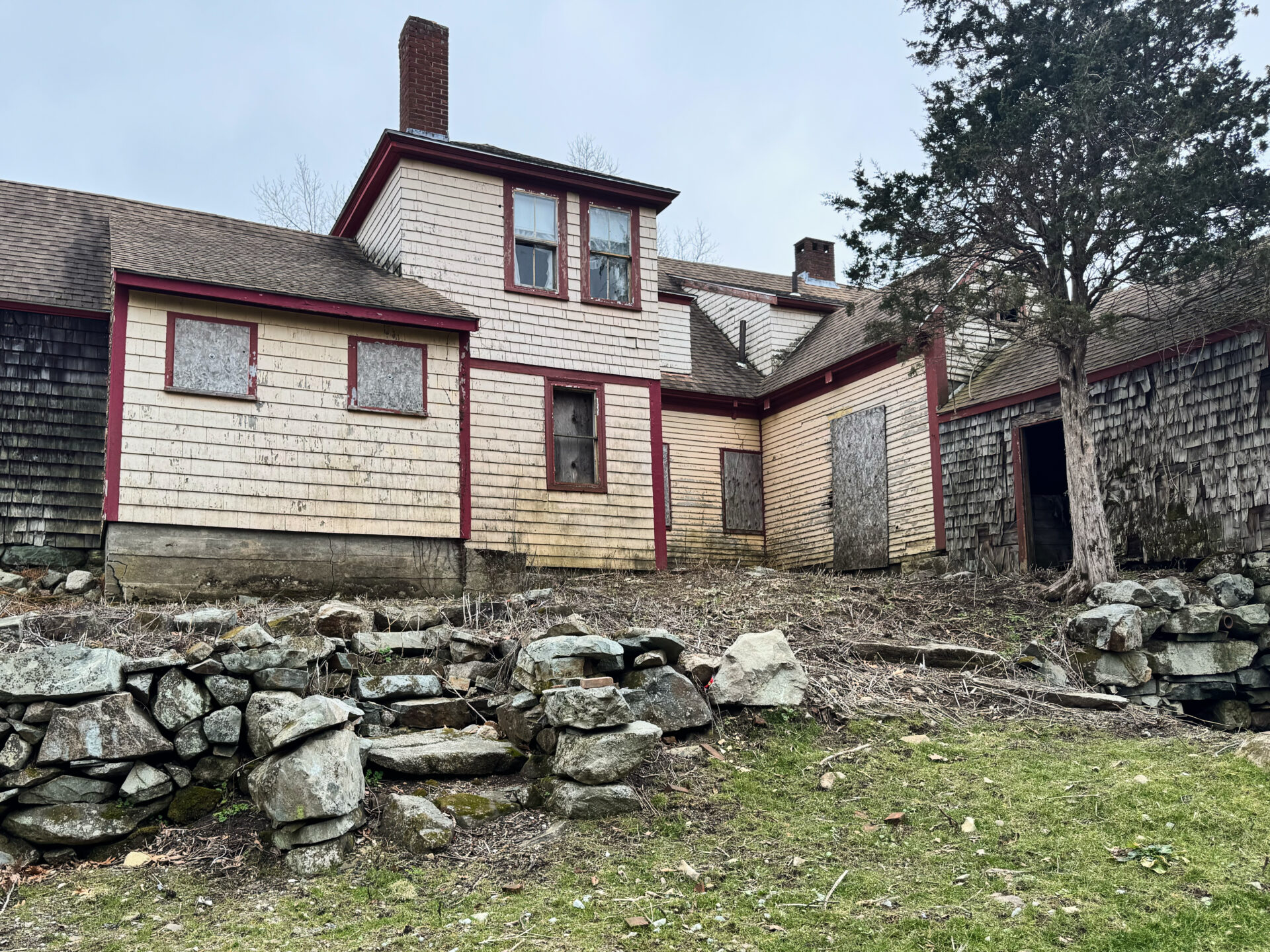
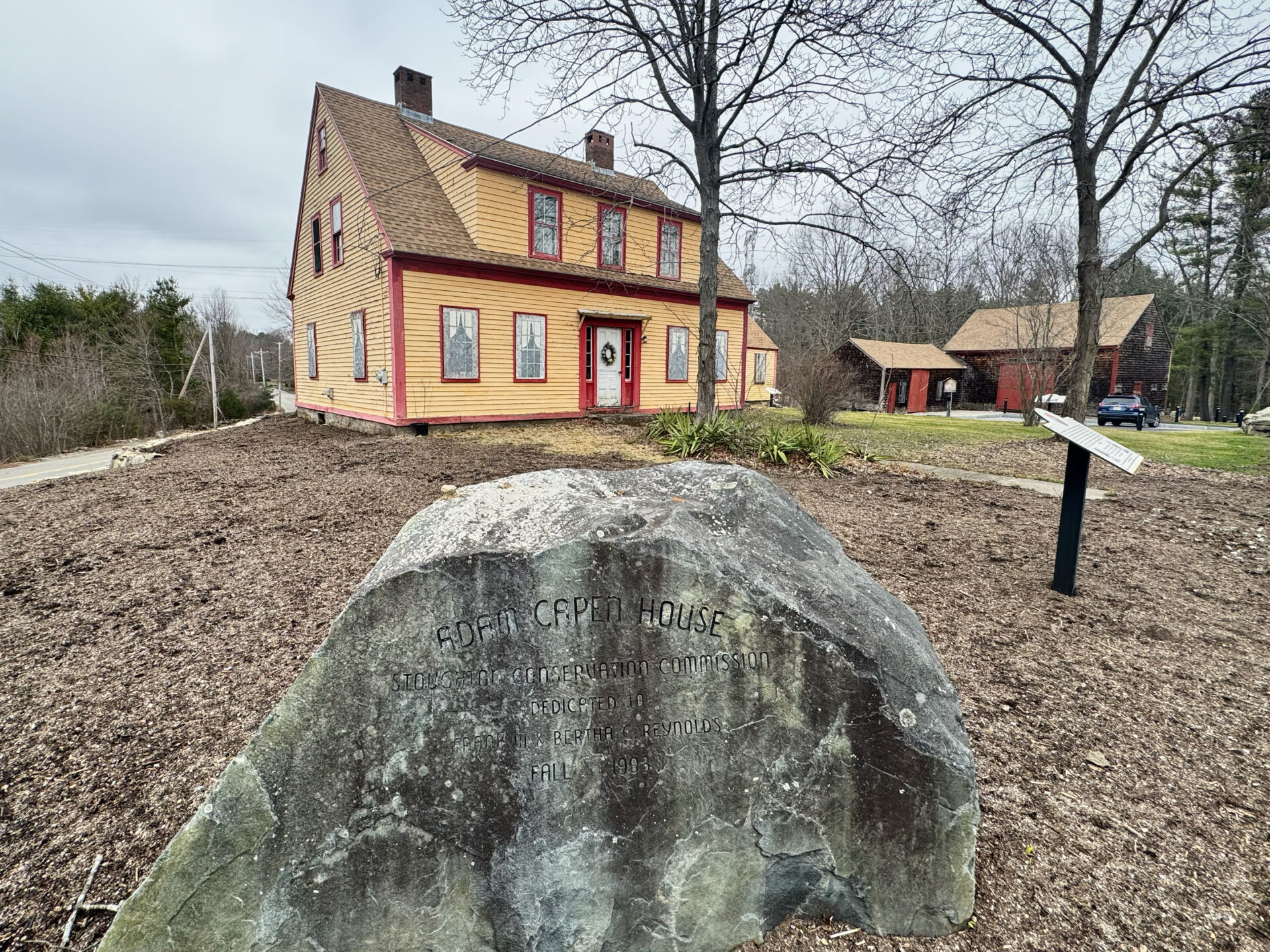
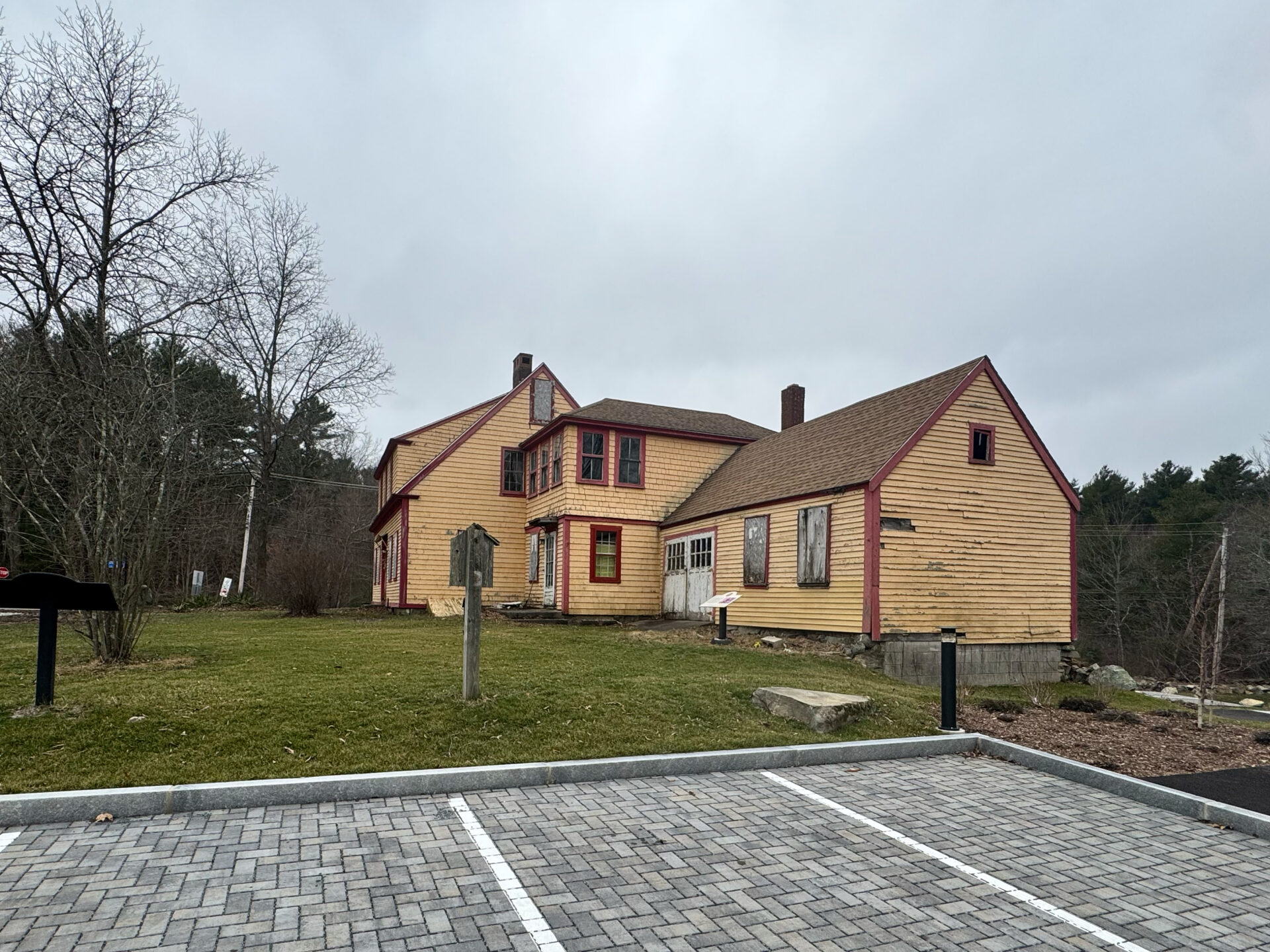
The Capen-Reynolds Farm in Stoughton, Massachusetts, is one of the town’s oldest surviving farmsteads, with origins dating back to around 1750. Built by members of the Capen family, early settlers who migrated inland from coastal Massachusetts, the farmhouse and surrounding land played a central role in the town’s agricultural beginnings. The Capens were among the first families to establish permanent farms in the area, contributing to the development of what would become the community of Stoughton.
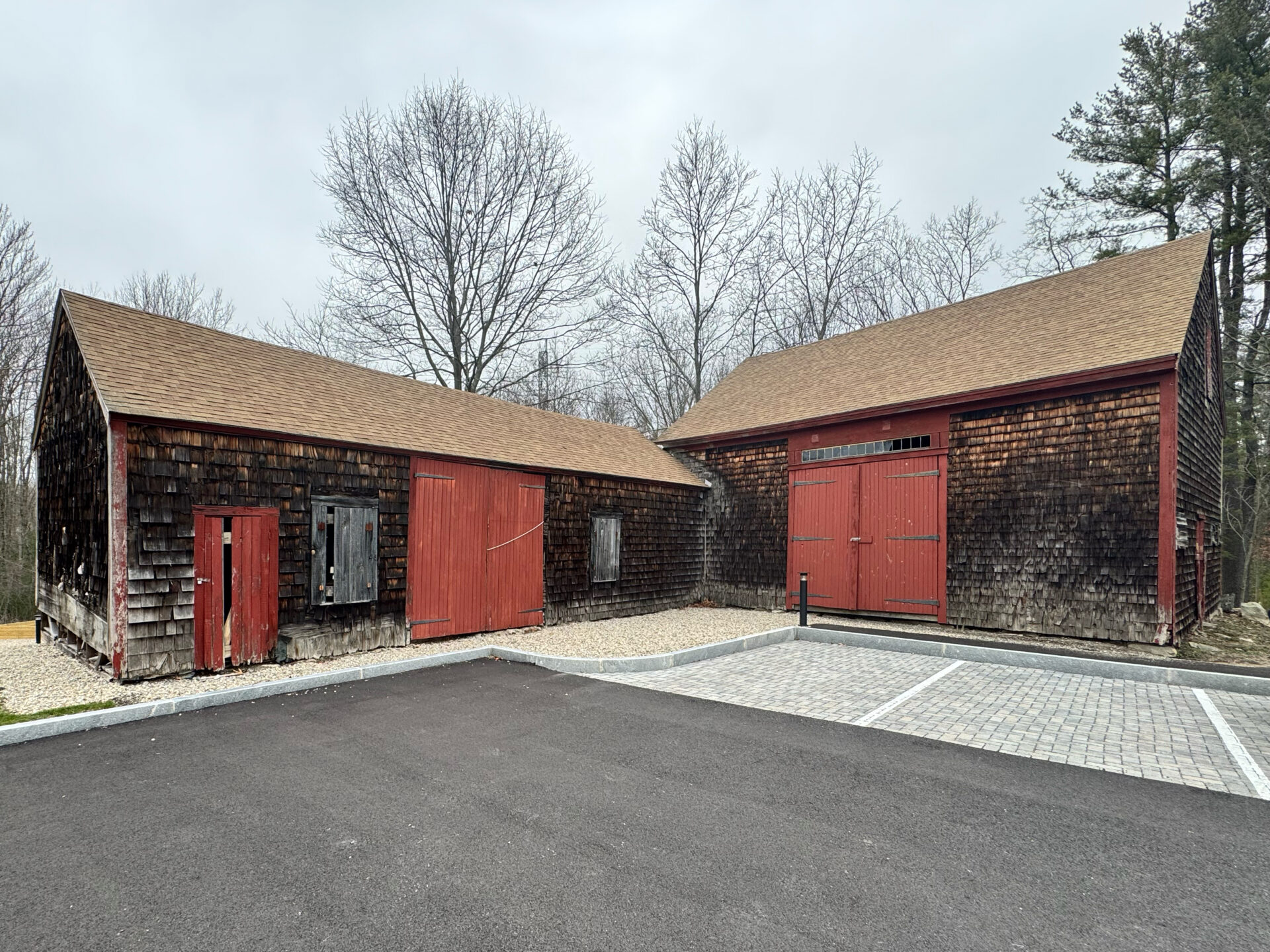
By the early 1800s, the property came under the ownership of the Reynolds family, who maintained its use as a working farm throughout the 19th and early 20th centuries. The Reynolds family adapted the land to changing agricultural practices over time, but its function remained largely consistent—fields for crops, pastures for animals, and a post-and-beam barn for storage and livestock. Deeds and town records document the property’s steady use and value as part of Stoughton’s rural economy during a period of industrial growth in nearby towns.
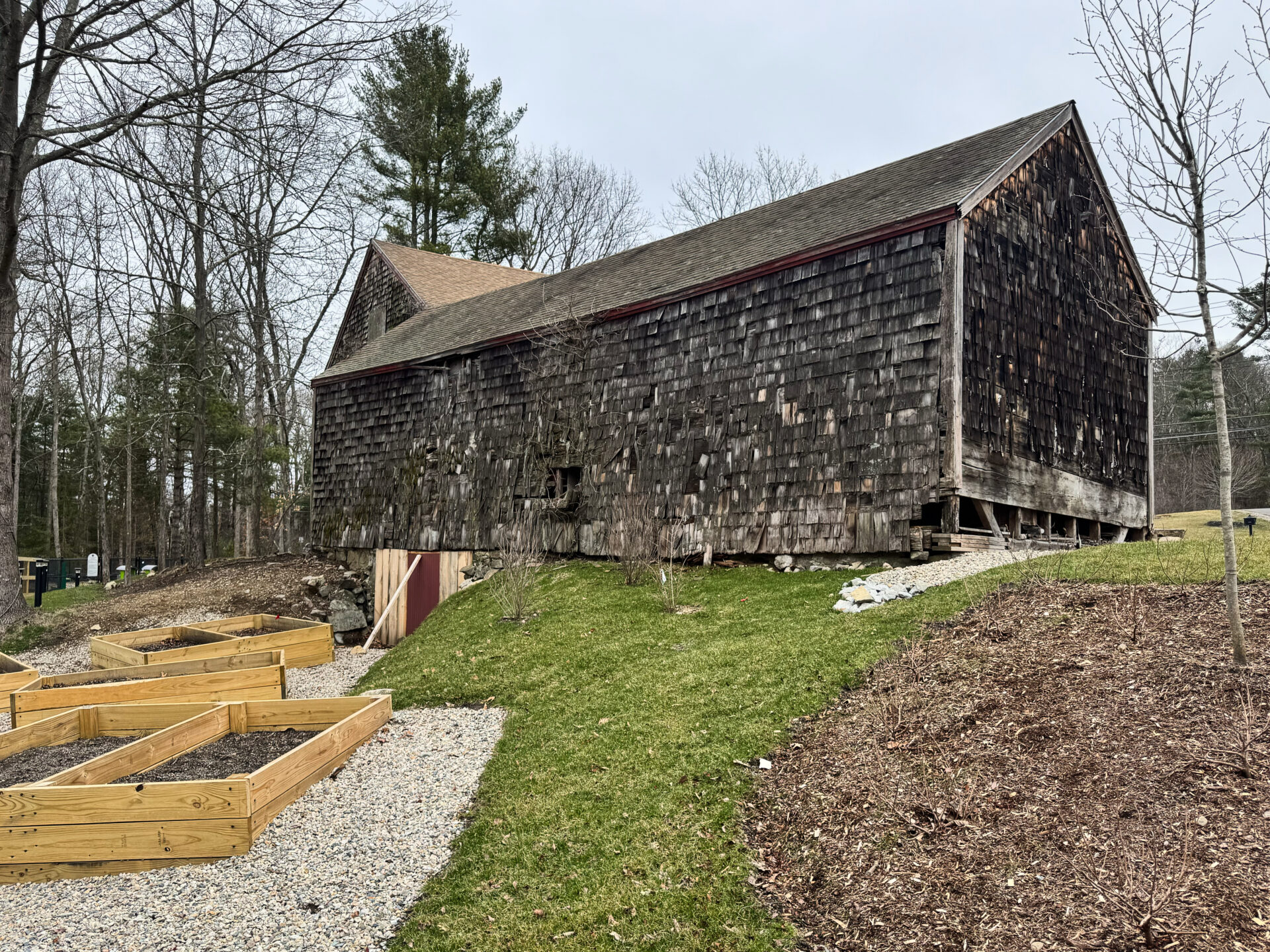
The farmhouse itself is a classic example of colonial New England architecture, featuring a center chimney layout, clapboard siding, and simple, symmetrical lines. While it has seen some updates over the centuries, much of the original structure and character remain. The barn behind the house, though weathered, is a tangible reminder of the property’s working past and the everyday labor that once defined life in the area.
Today, the Capen-Reynolds Farm stands as one of the few remaining intact examples of an 18th-century farmstead in Stoughton—and there’s even a public dog park directly behind it, giving the land a new kind of community purpose.








 Continue with Google