On June 14, 1777, the Second Continental Congress—meeting in Philadelphia, then the capital of the United States—passed a resolution that gave the new nation its first official flag. “Resolved,” it read, “That the flag of the thirteen United States be thirteen stripes, alternate red and white; that the union be thirteen stars, white in a blue field, representing a new constellation.” There was no official design—just a symbol to unify a country still at war with Britain.
Fast forward to 1885, when a 19-year-old schoolteacher in Waubeka, Wisconsin, stuck a small flag in an inkwell and asked his students to write essays about what it meant. His name was Bernard J. Cigrand, and that simple classroom lesson would spark a decades-long campaign to make June 14 a national observance. Cigrand wrote thousands of articles, gave speeches across the country, and pushed tirelessly for official recognition of the flag’s birthday.
That recognition finally came on May 30, 1916, when President Woodrow Wilson issued a proclamation establishing June 14 as Flag Day. It wasn’t a federal holiday, but it gave the date national significance—tying Cigrand’s passion to a moment of Revolutionary resolve. From a wartime congress in Philadelphia to a quiet schoolhouse in Wisconsin, the flag’s legacy was built one act of belief at a time.


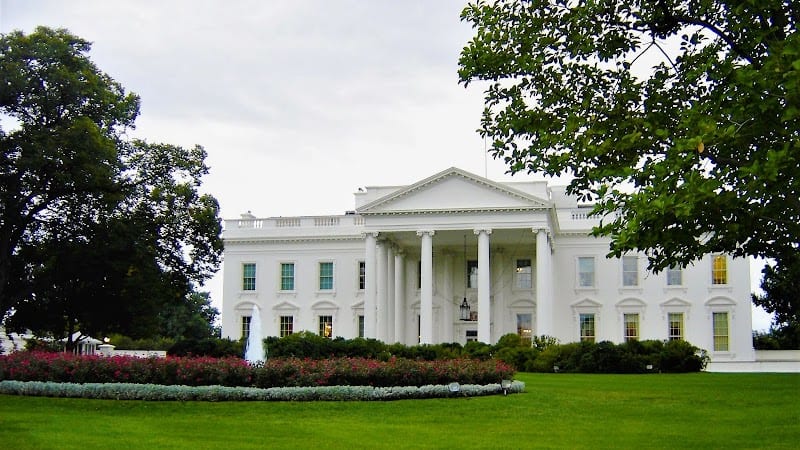
 Location: Washington DC

 Top
Top