Chaos at the New York Stock Exchange: The Events of October 24, 1929
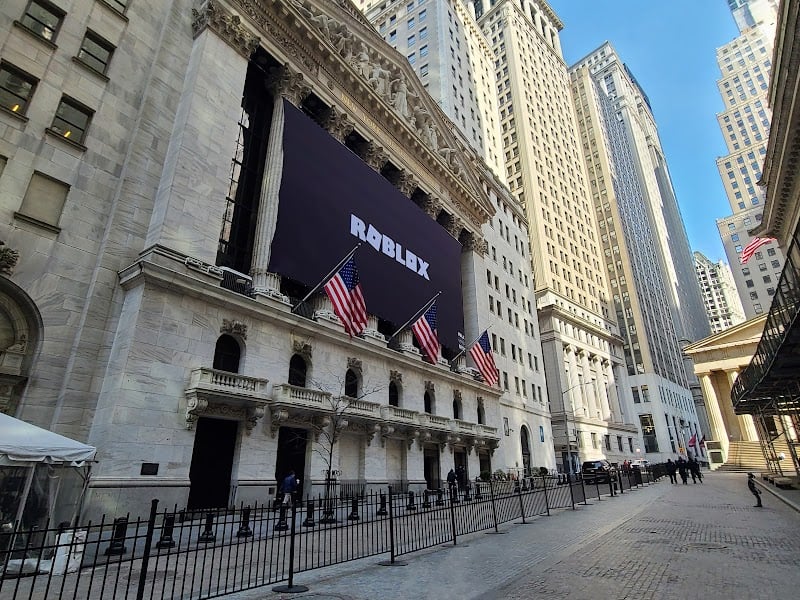
The New York Stock Exchange at 11 Wall Street has long been a symbol of American capitalism. Its neoclassical façade, opened in 1903 and designed by architect George B. Post, was built to project power, order, and permanence. But on the morning of October 24, 1929—Black Thursday—those ideals were put to the test.
The Roaring Twenties had been fueled by speculation and easy credit. Stock prices soared well beyond their actual value, and millions of Americans—many of them first-time investors—poured their savings into the market. When prices began to slide that Thursday morning, panic hit fast. 12.9 million shares changed hands, and the ticker tape fell hours behind. Crowds gathered outside the Exchange, staring up at the building that, for many, now represented financial ruin.
Bankers tried to calm the chaos by buying up blue-chip stocks, and it worked—for a moment. But the decline continued into the following week, culminating in Black Tuesday on October 29. That’s the day history marks as the start of the Great Depression.
The crash didn’t cause the Depression on its own, but it exposed deep flaws in the American economy. Within months, thousands of banks had failed. Businesses closed. Unemployment soared. By 1933, one in four Americans was out of work. Bread lines stretched for blocks. And the ripple effects went global—destabilizing economies and governments across Europe. It would take more than a decade, and the industrial mobilization of World War II, for the U.S. to fully recover. And it all started behind the marble columns at 11 Wall Street.
Matt Lambros Aug 07, 2025 New York NY Disasters Economy History

Aug 07, 2025

SHARE