

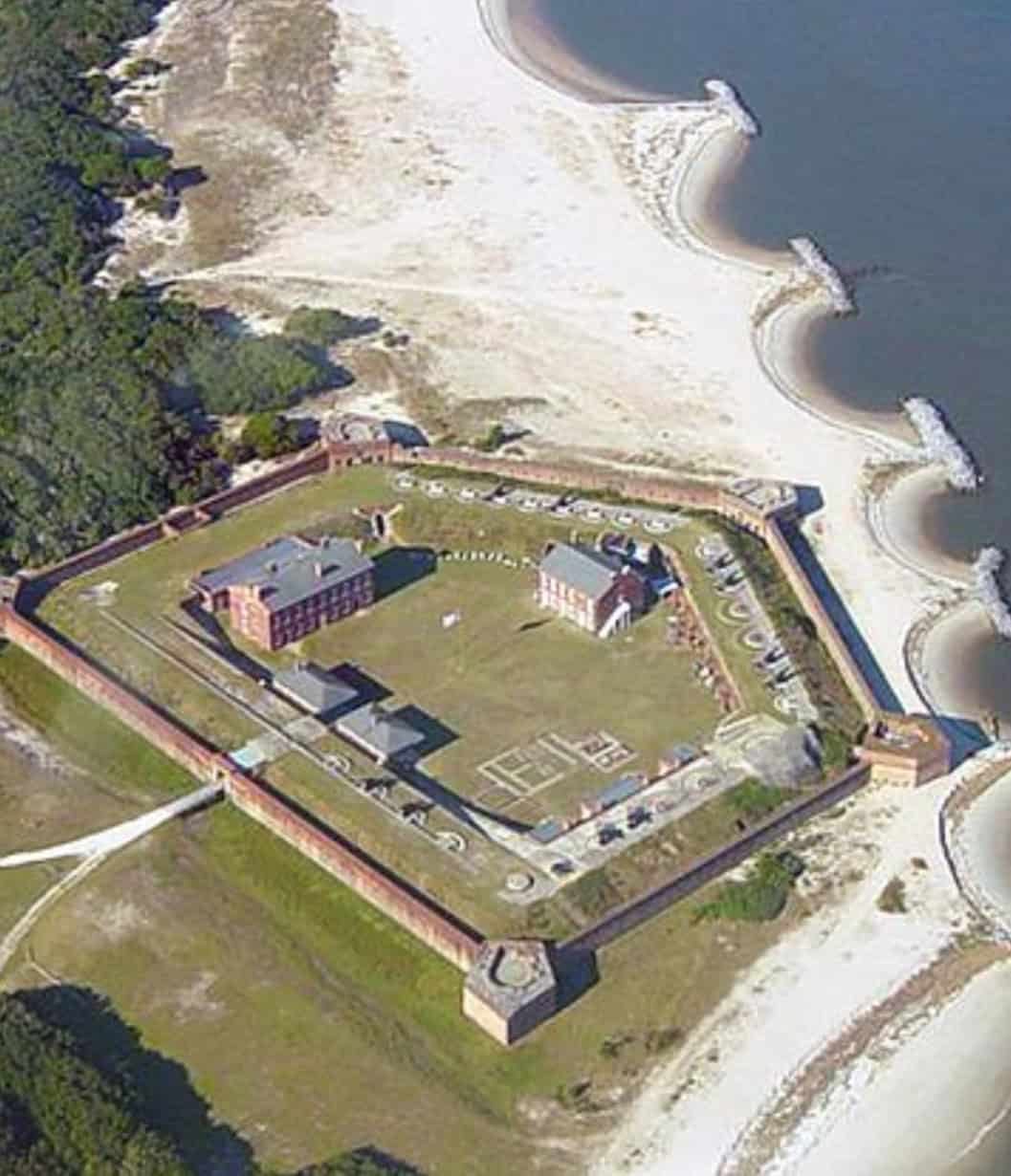
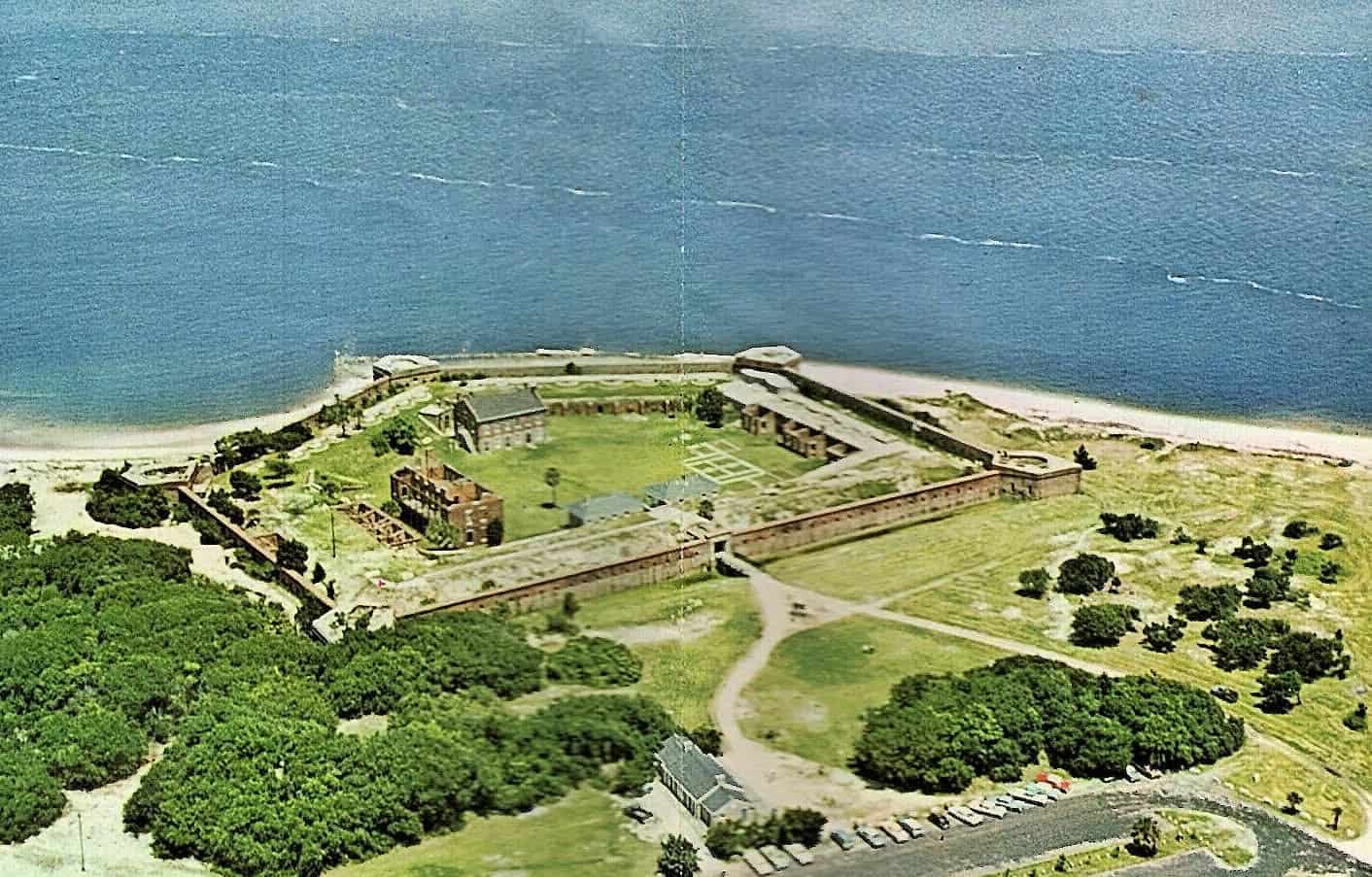
Nestled at the northernmost point of Amelia Island in Nassau County, Florida this historic structure overlooks the serene waters of Cumberland Sound, once a bustling maritime route.
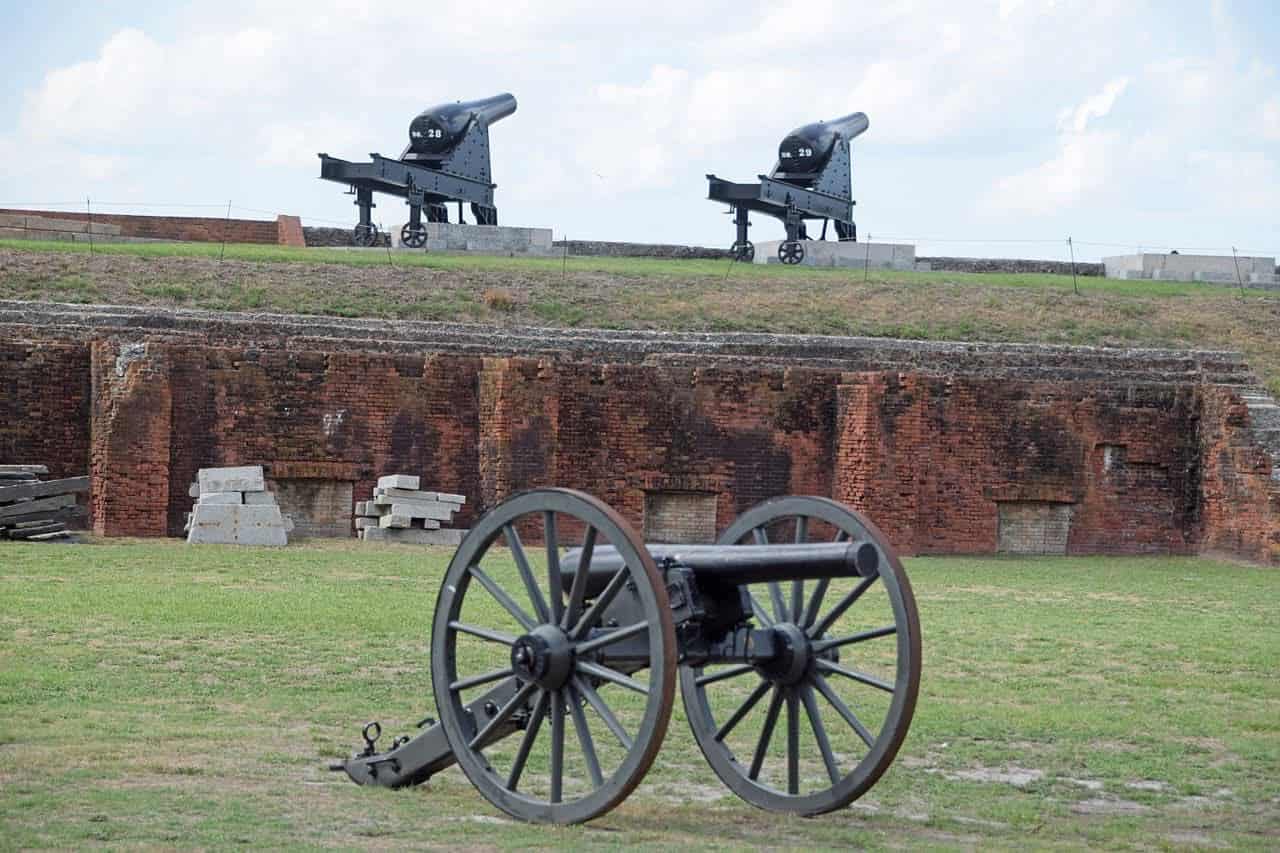
A row of cannons pointing across the St Mary’s River into Georgia are silent testimony to the strategic importance of Fort Clinch during the Civil War.
The story of Fort Clinch begins in 1736 when the Spanish first recognized its strategic importance and fortified the site during their colonial reign over Florida.
In the wake of the Second Seminole War, the United States embarked on a bold venture, breaking ground on Fort Clinch in 1847. This ambitious construction project adhered to the principles of the Third System of coastal defenses, aiming to bolster the nation’s military readiness along its shores.
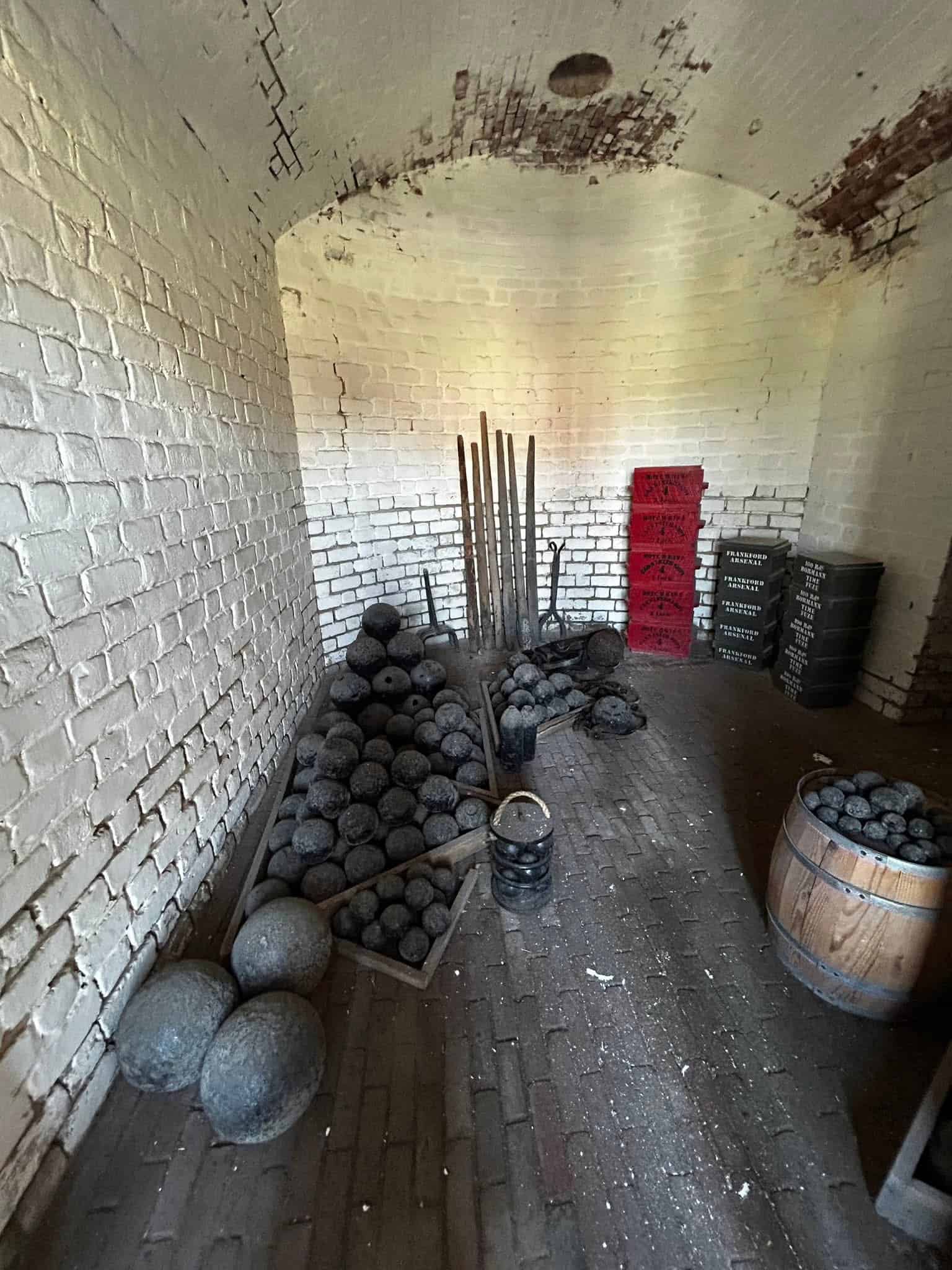
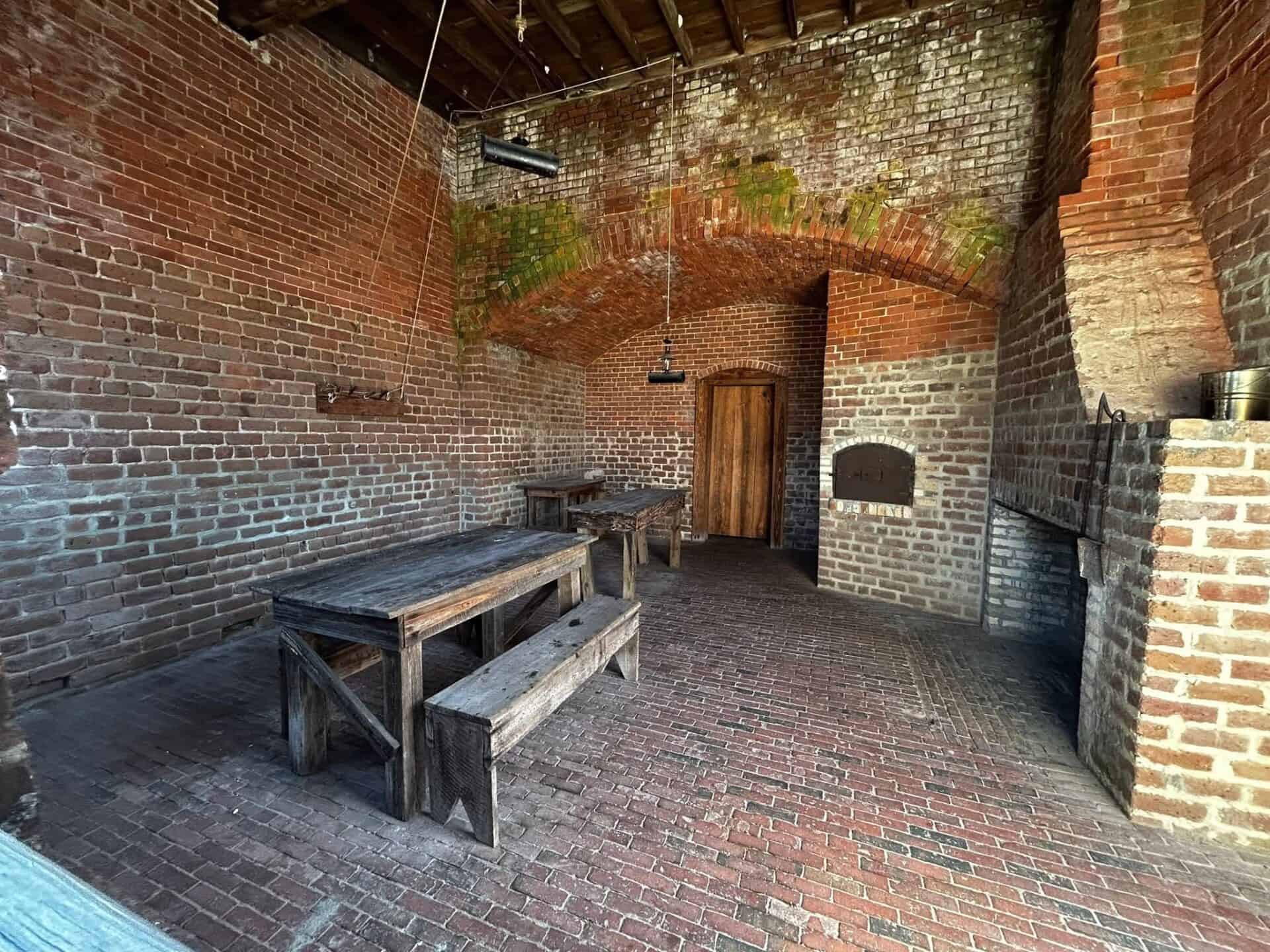
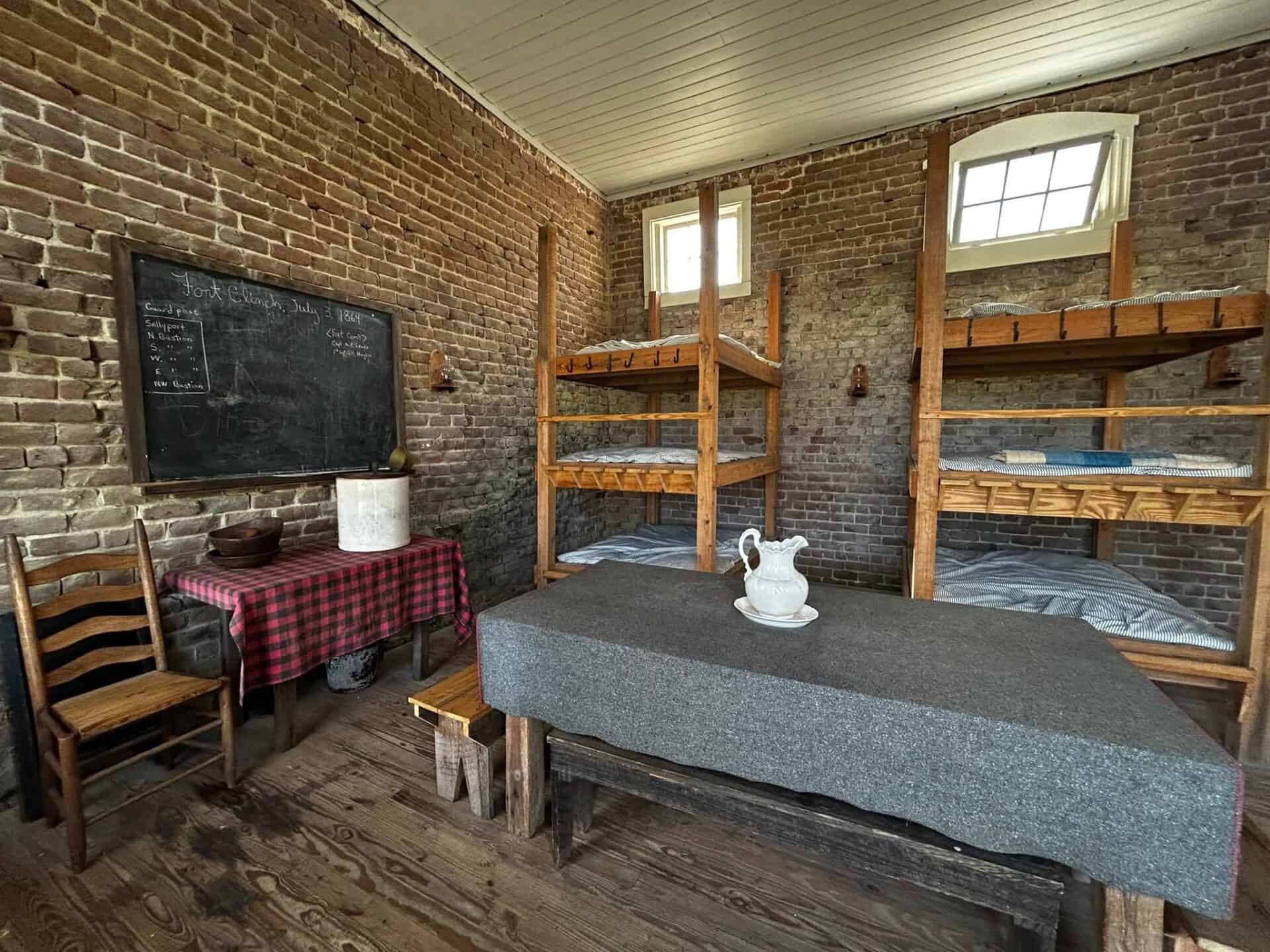
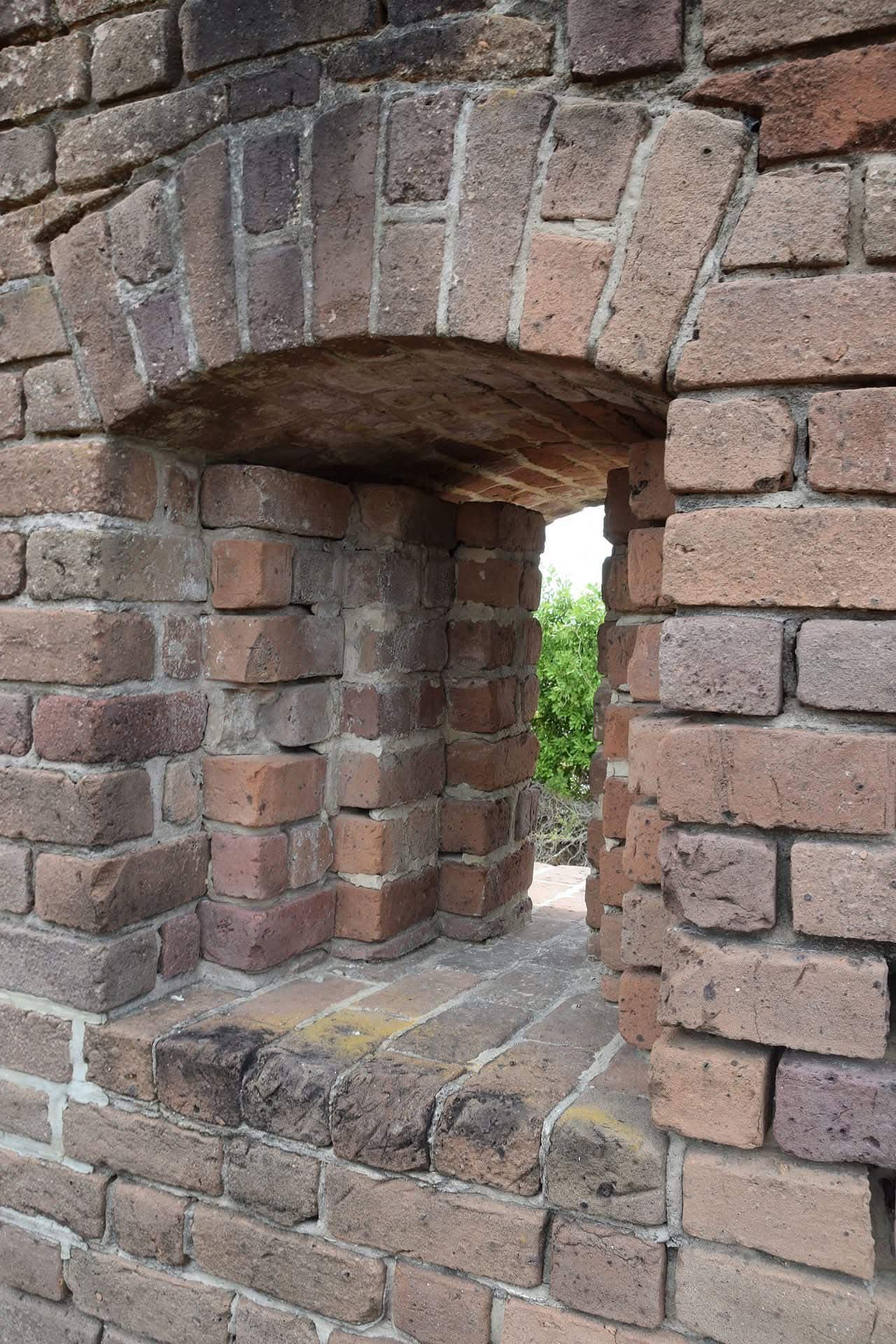
The fort’s unique pentagonal design is a marvel, featuring robust inner and outer walls built from nearly 5 million bricks. Corner bastions and embrasures in the outer wall enhance it’s formidable presence, while functional structures like the two-story barracks reflect the daily life of the troops stationed within.
Named after the esteemed General Duncan Lamont Clinch, a key figure in the War of 1812 and both Seminole Wars, the fort pays homage to a military leader whose legacy endures.
As the storms of the Civil War gathered in 1861, Confederate forces seized control of Fort Clinch, transforming it into a haven for blockade runners. However as military technology advanced and rifled cannons came into play the fort’s sturdy brick walls begin to show signs of vulnerability.
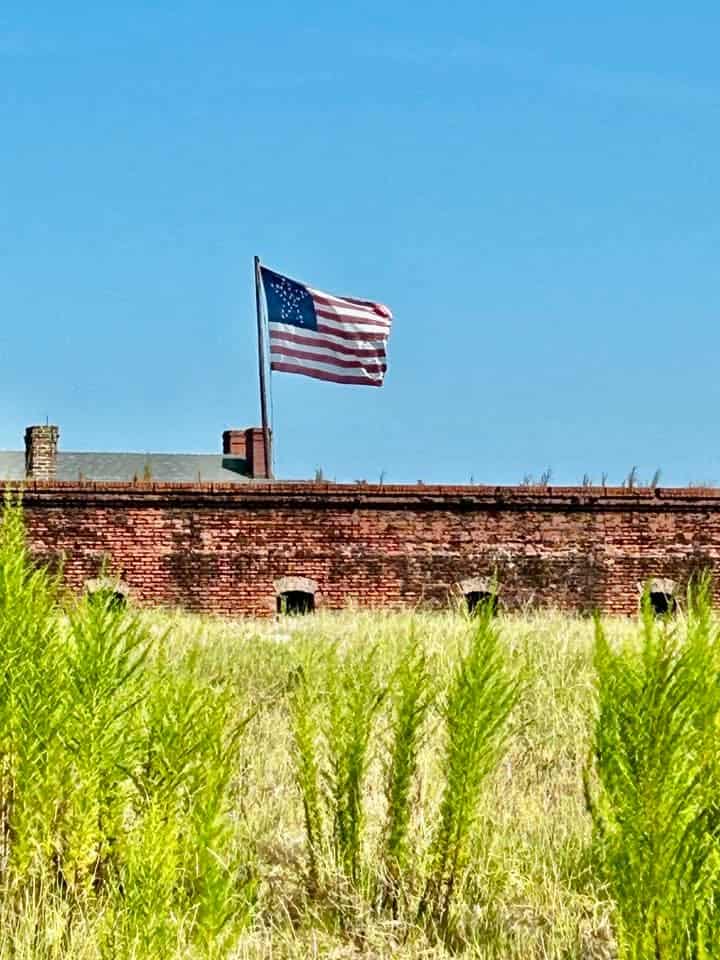
In March of 1862 under the orders of General Robert E Lee, the Confederates abandoned Fort Clinch, diverting their troops to more pressing fronts. Soon after, it became a strategic base for Union troops, who utilized the fort for military operations along the Georgia and Florida coasts throughout the tumultuous years of the Civil War.
A beacon of hope emerged during the Great Depression, as the Civilian Conservation Corps undertook restoration efforts in the 1930s returning Fort Clinch to its former glory reminiscent of the Civil War era.
In 1935 the State of Florida acquired 256 Acres surrounding the fort, a significant step in preserving this historical landmark. By 1938 Fort Clinch State Park was open to the public inviting visitors to discovered its storied past.
Dedicated staff and enthusiastic volunteers, donning appropriate uniforms, bring history to life through captivating reenactments and engaging activities, from bullet making to sewing.
Throughout the year events like the first weekend Confederate and Union Garrison’s, candlelight tours and large-scale military reenactments fill the fort with energy and excitement.
Hammocks with massive arching live oaks provide a striking backdrop for hiking or bicycling on the parks 3 miles of paved roads.
The 1400 acre park has a Visitors Center and museum that also sells bait and tackle, because the fishing is good here. Admission is $2.50 and parking is $6.00.
As you wander through Fort Clinch’s empty corridors and navigate it’s winding staircases, you embark on a mesmerizing journey back in time. The whispers of history echo from its walls inviting you to hear the stories of those who once called this formidable fort home.









 Continue with Google