St. Elizabeths Hospital: A Historic Landmark's Journey
St. Elizabeths Hospital opened in 1855 in Washington, D.C., as the Government Hospital for the Insane—the first federally operated psychiatric facility in the United States. The West Campus, which included the original Center Building designed under Kirkbride Plan principles, housed thousands of patients through the 19th and 20th centuries. During the Civil War, portions of the West Campus were used as a military hospital. At its peak in the 1950s, the hospital cared for over 8,000 patients annually.
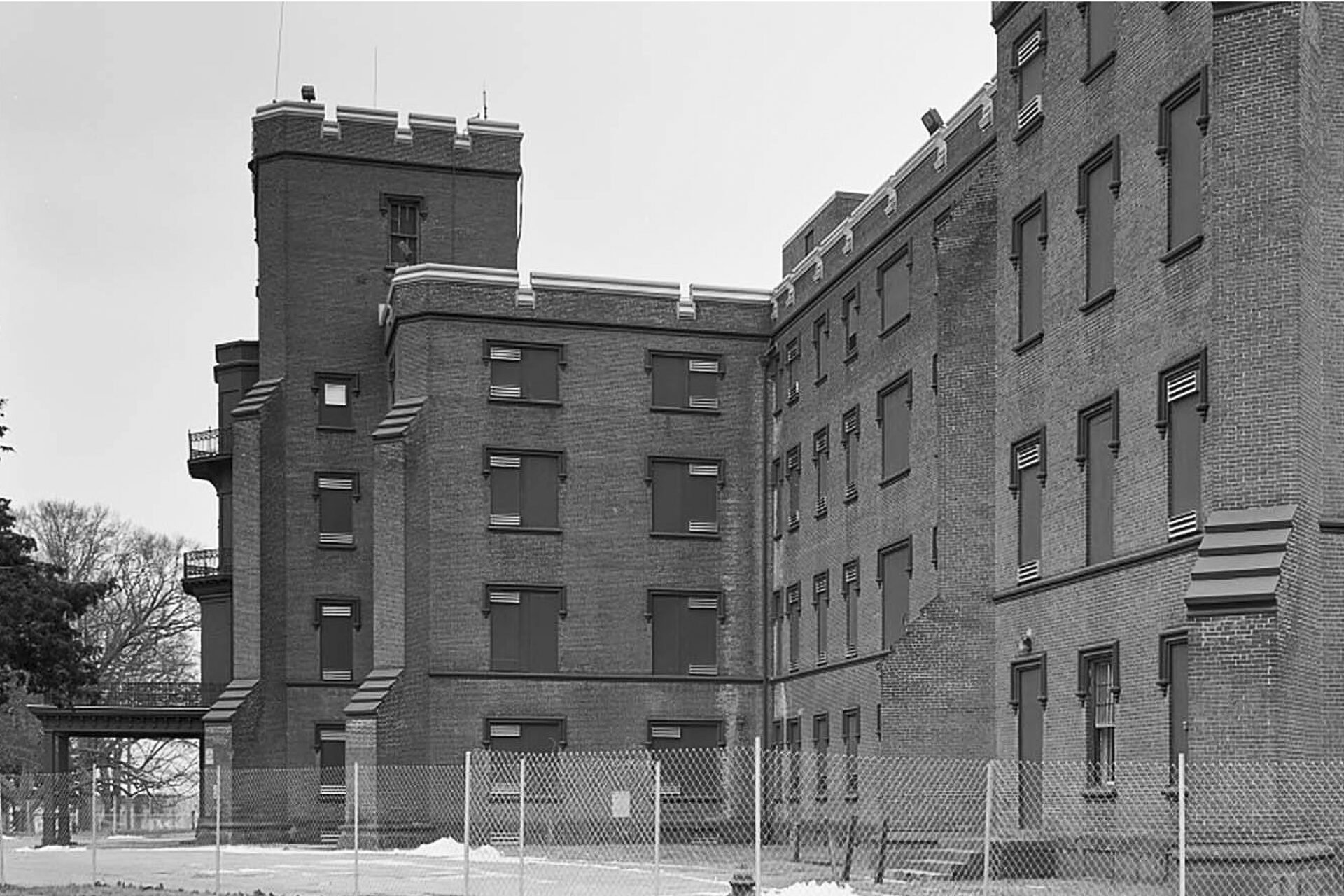
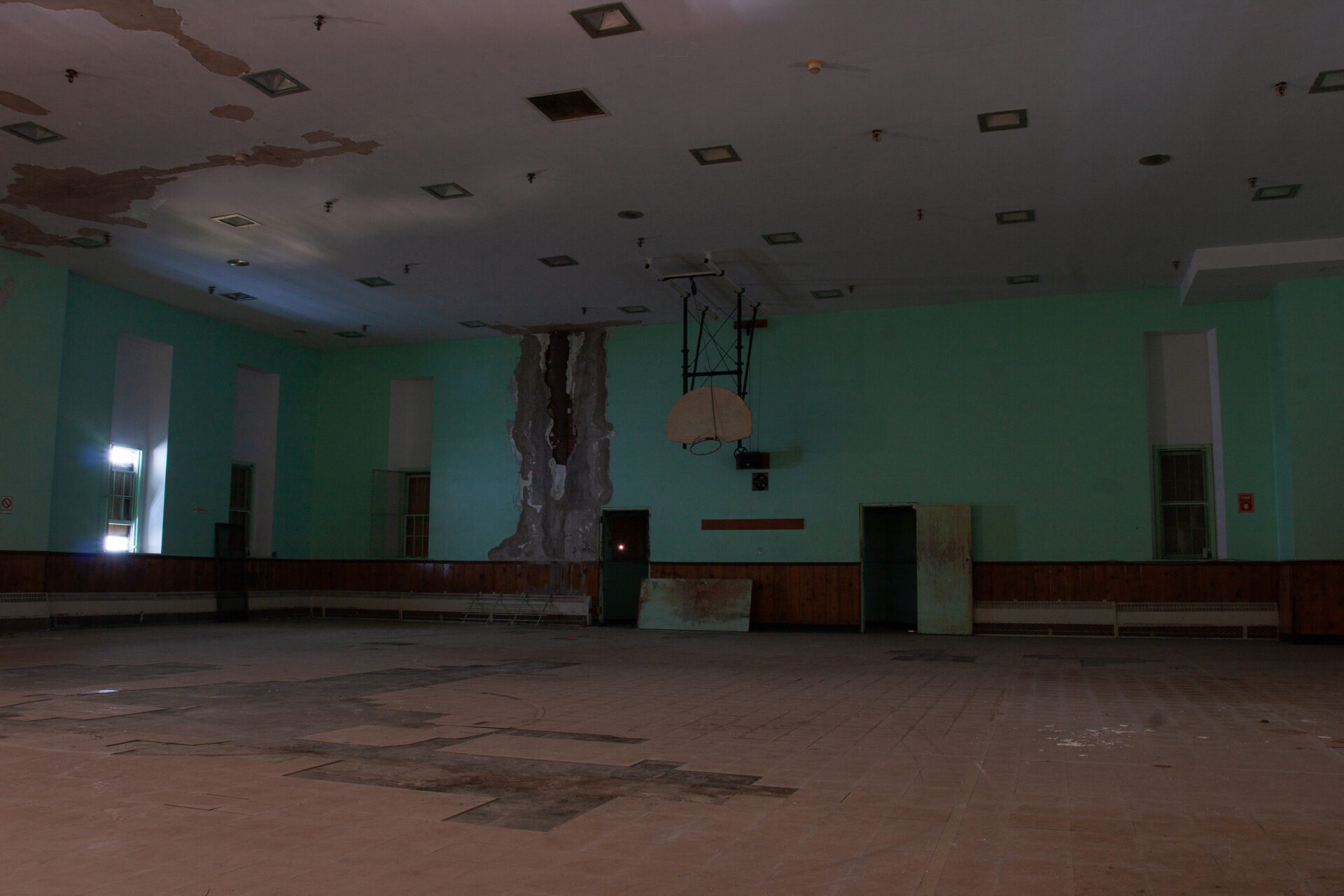
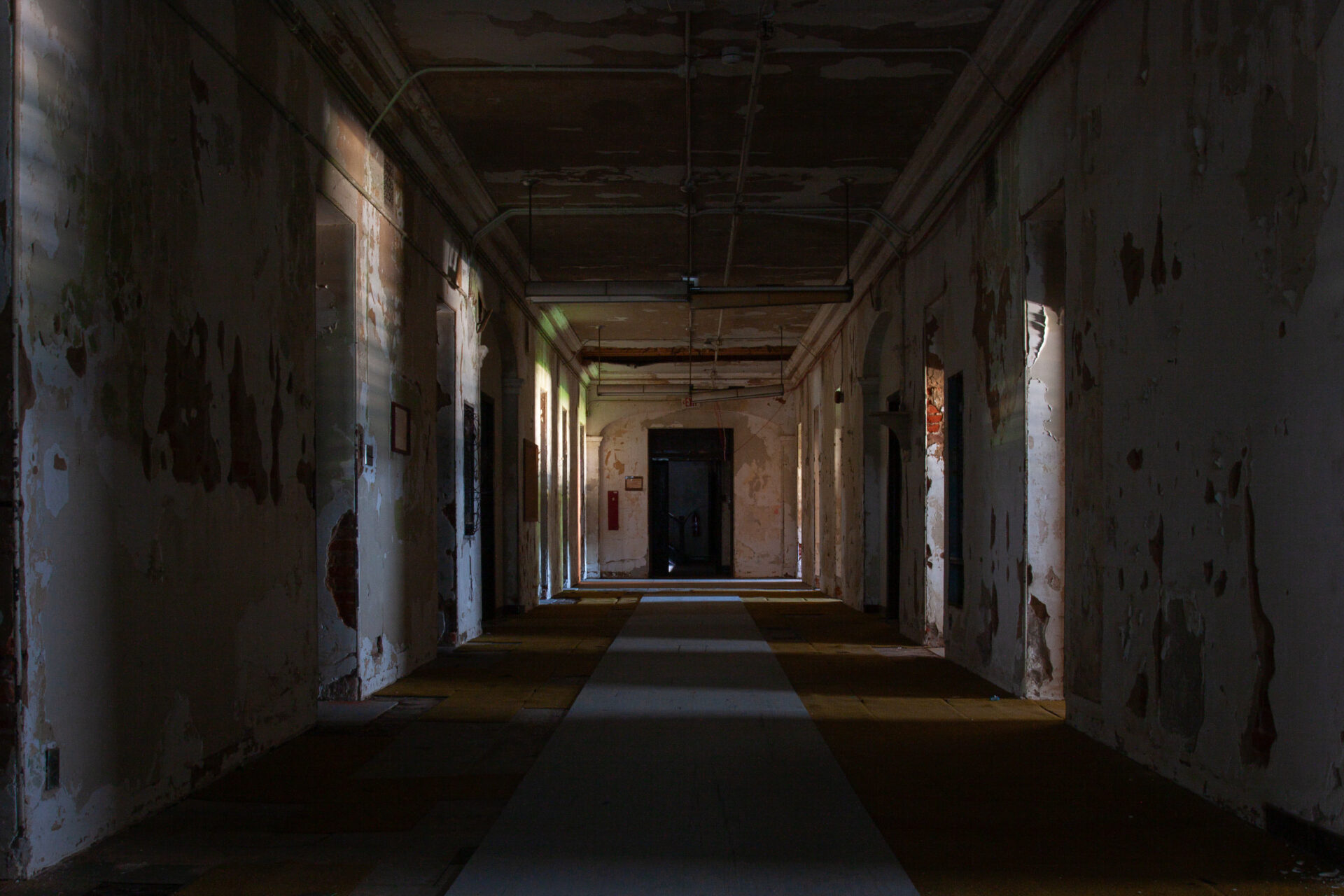
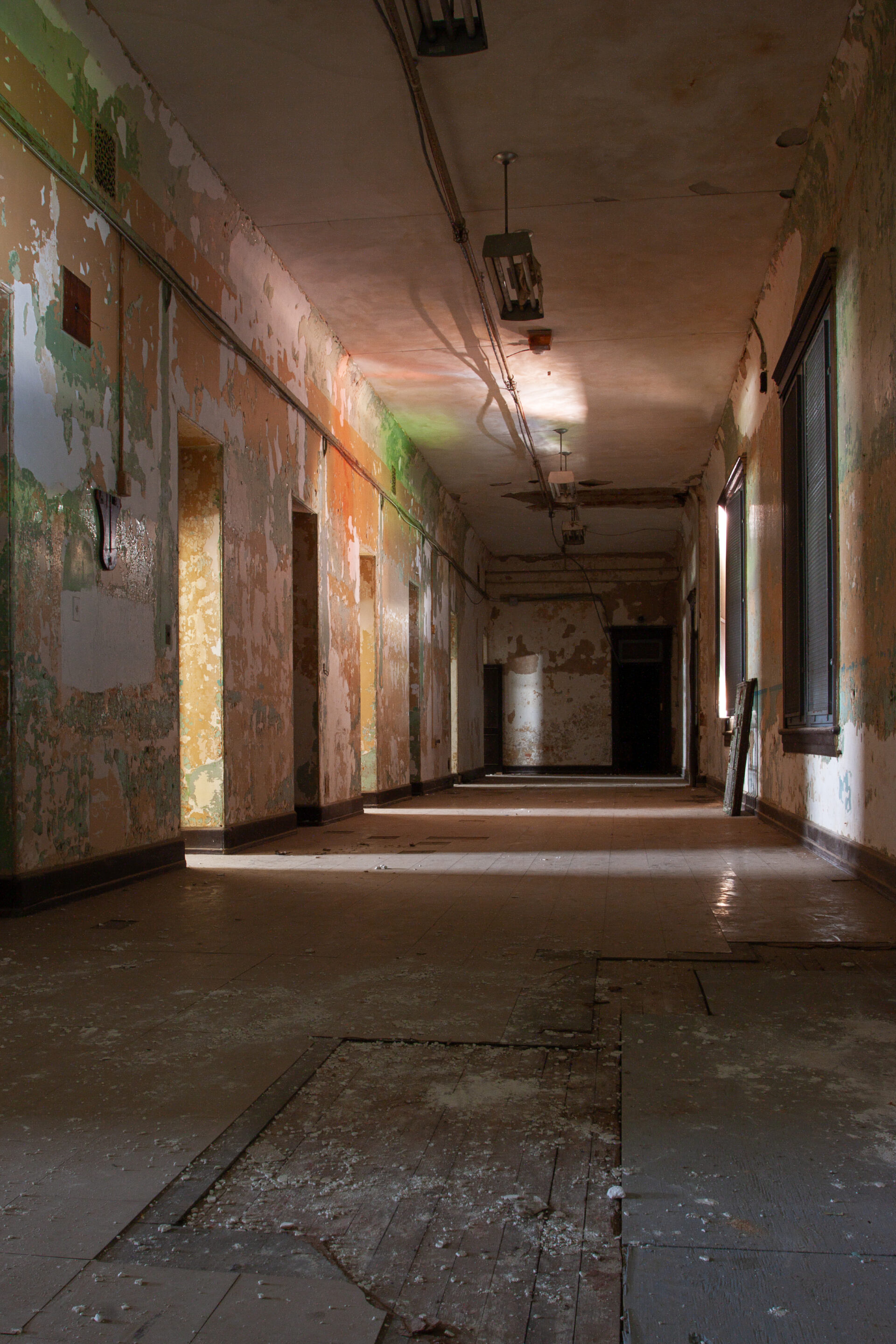
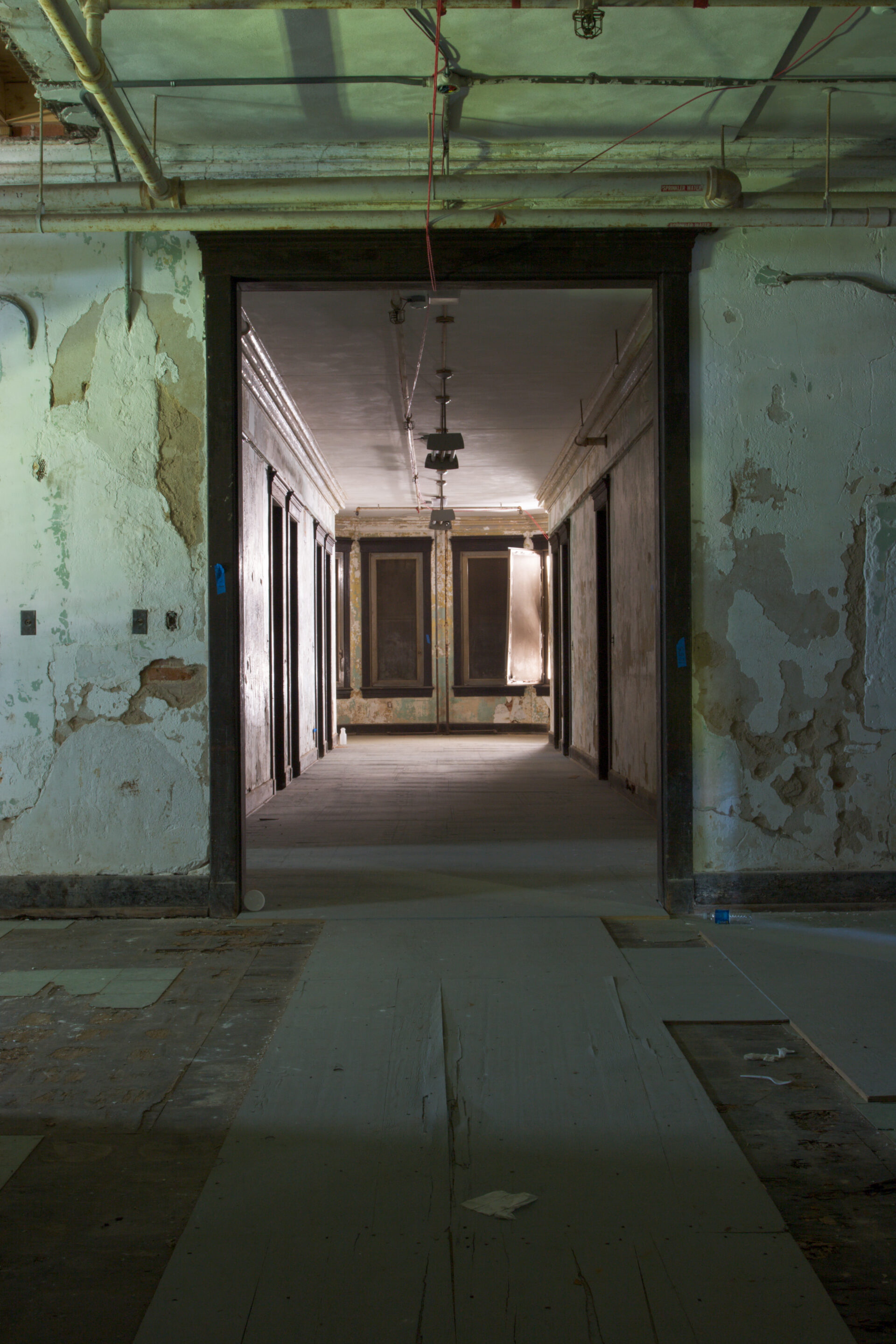
As patient populations declined in the second half of the 20th century, much of the West Campus fell into disuse. In 1987, hospital operations were split: the East Campus was transferred to the D.C. government, while the federal government retained control of the West Campus. Efforts to redevelop the West Campus faltered due to the high cost of restoring aging, unsafe buildings. By the early 2000s, most of the structures were vacant and deteriorating, with access restricted due to safety concerns and historic preservation considerations.
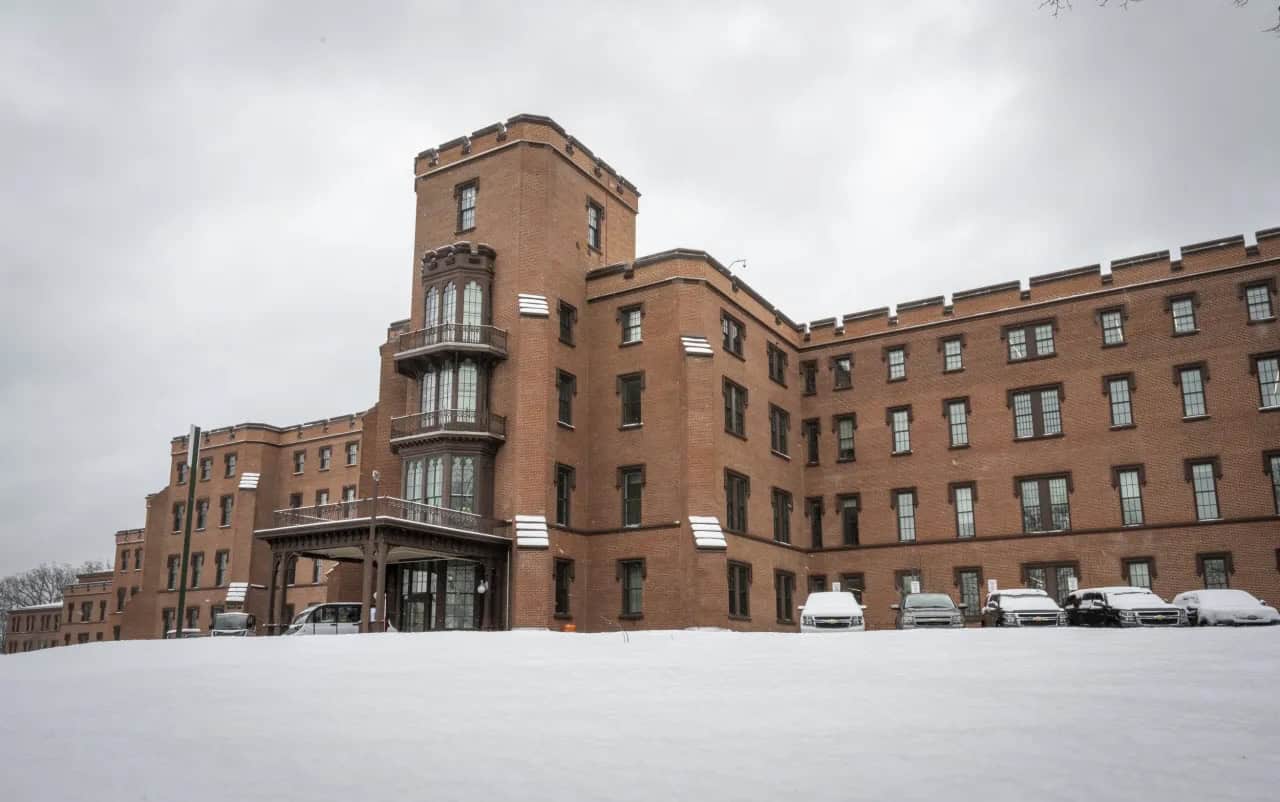
In 2007, the U.S. Department of Homeland Security announced plans to consolidate its Washington operations onto the West Campus. The General Services Administration began stabilizing buildings, including securing the historic Center Building. A multi-billion-dollar redevelopment effort followed, including the construction of a new Coast Guard Headquarters and the phased renovation of historic buildings for adaptive reuse. Preservation concerns were raised, but federal plans moved forward.
Between 2013 and 2019, various DHS components relocated to the redeveloped West Campus. The Center Building underwent full interior reconstruction while preserving its historic exterior. Despite the transformation, public access remains limited due to security. The redevelopment of the West Campus marks a significant chapter in the site’s evolution—from a historic psychiatric facility to a modern federal headquarters—preserving select historic elements while adapting to contemporary needs.
Matt Lambros Jun 04, 2025 Washington DC Abandoned Places Architecture History

Jun 04, 2025

SHARE