

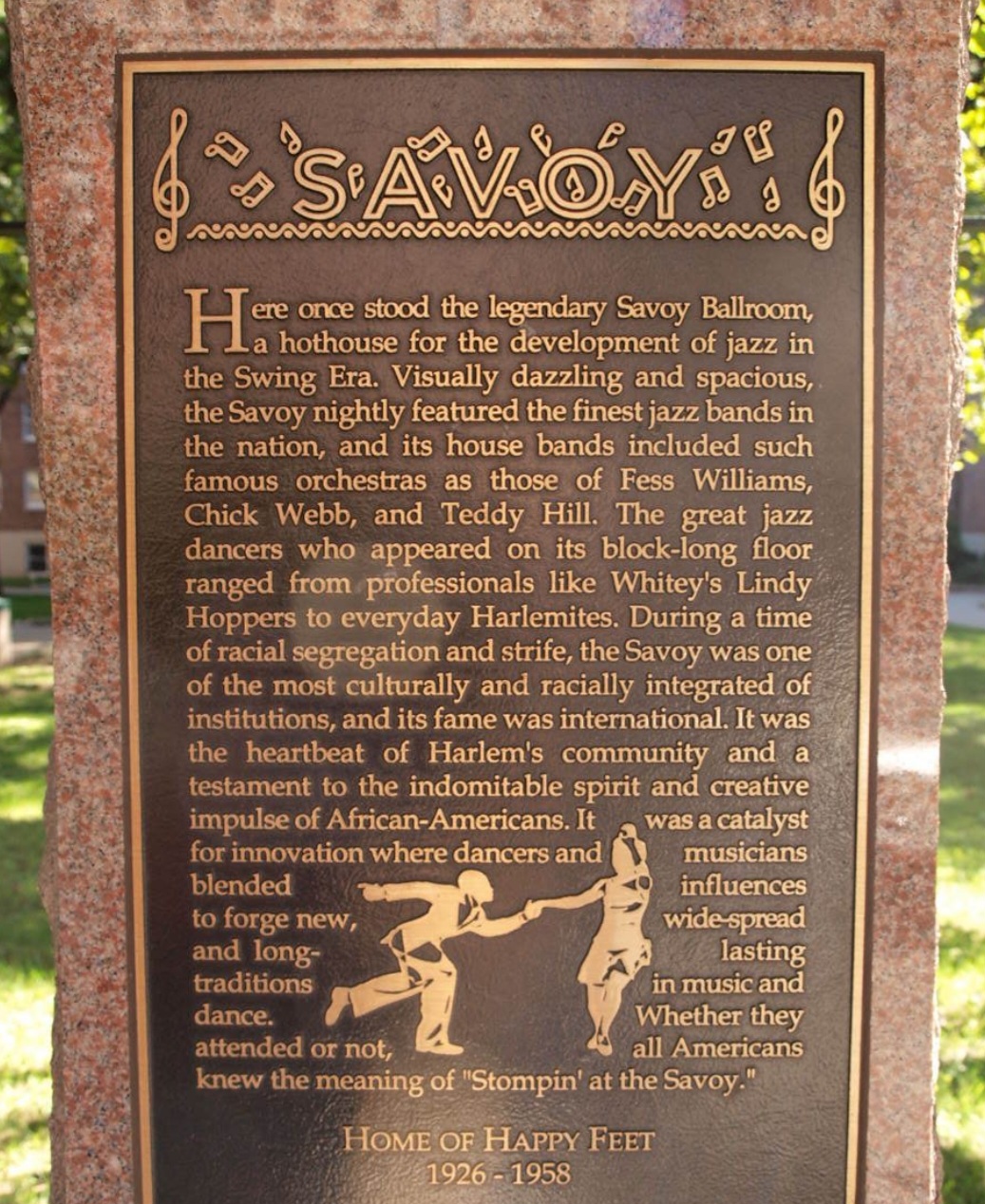
March 12th 1926, marked the 100th anniversary of the opening of the Savoy Ballroom in Harlem where it quickly became one of the most important dance halls in American history.
Built on Lenox Avenue between a 140 and 141 streets ( it took up the entire block), it emerged during the Harlem Renaissance as a place where music, dance, style and black cultural life came together in a single electric 10,000 square foot space.
In a city divided by race and class, the Savoy stood out because it was unusually open and socially mixed. It was the known as the “Home of the Happy Feet”, and unlike many other venues of the era, it welcomed integrated crowds on a dance floor that celebrated energy, skill and style.
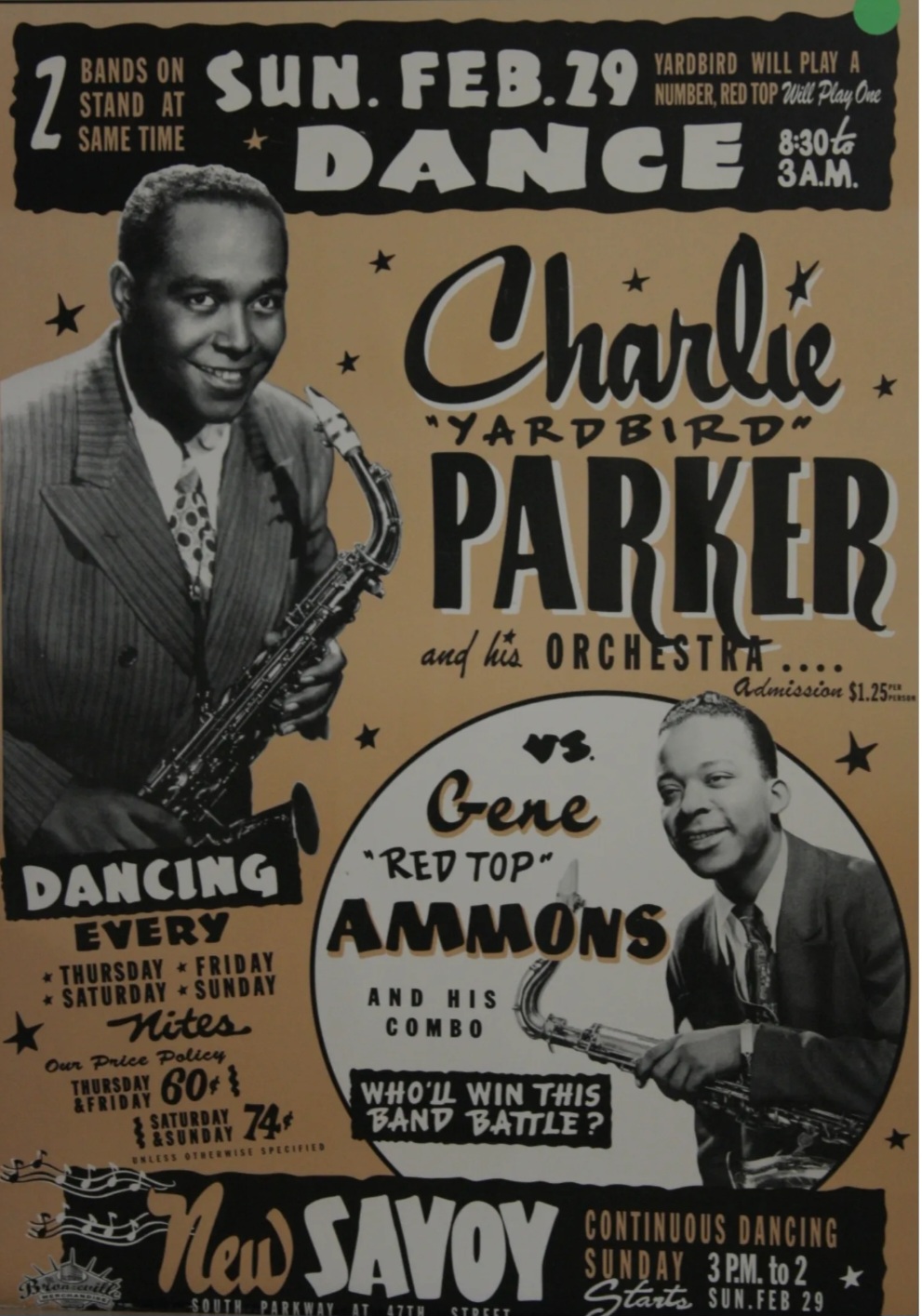
The music never stopped and the room felt almost alive with motion. The Savoy used two bandstands, which allowed one orchestra to begin playing before the other finished, so there was little silence and the dancing would continue without interruption. That design helped make it a favorite amongst swing musicians and dancers alike and it gave rise to some of the most memorable performances of the big-band era.
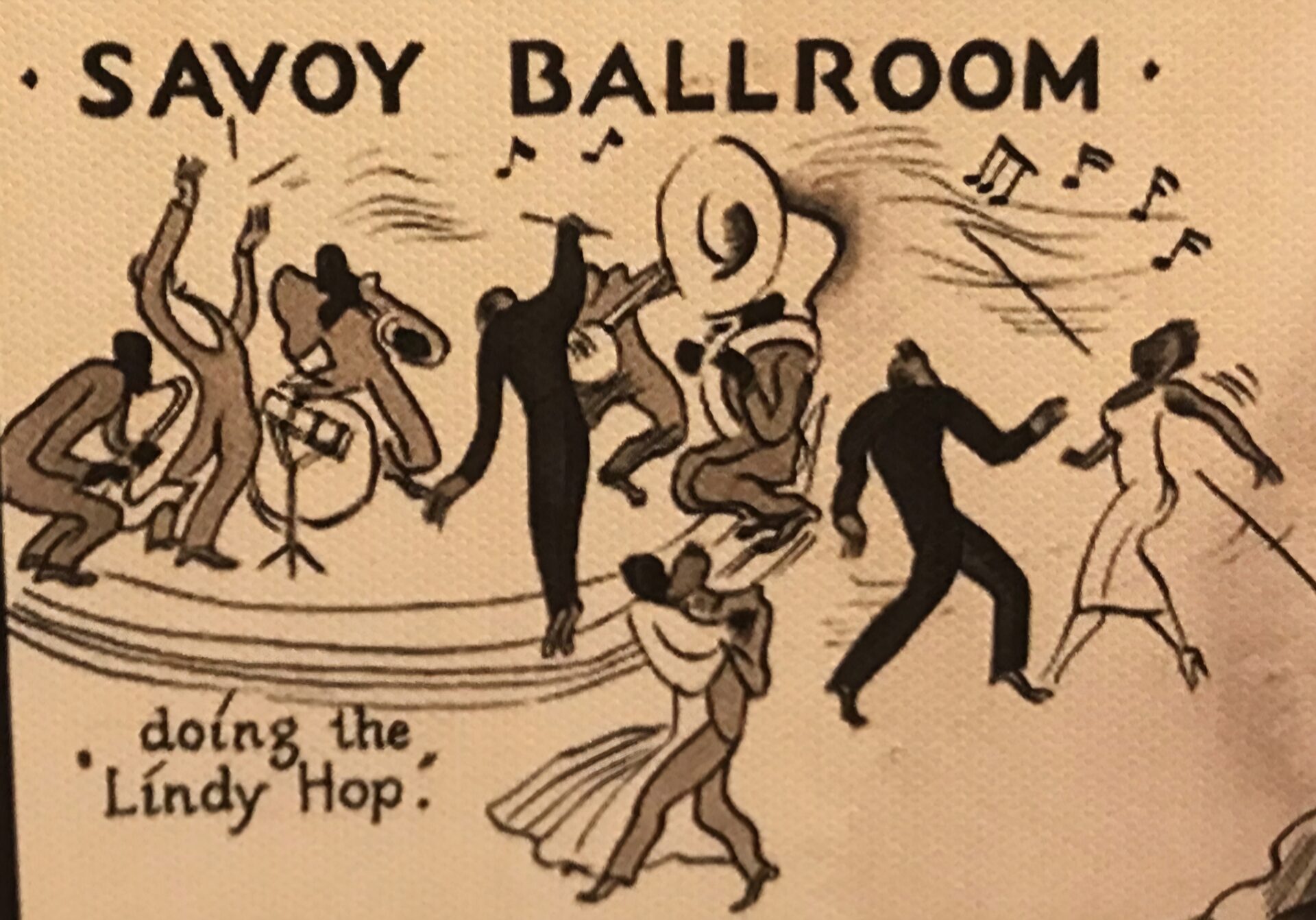
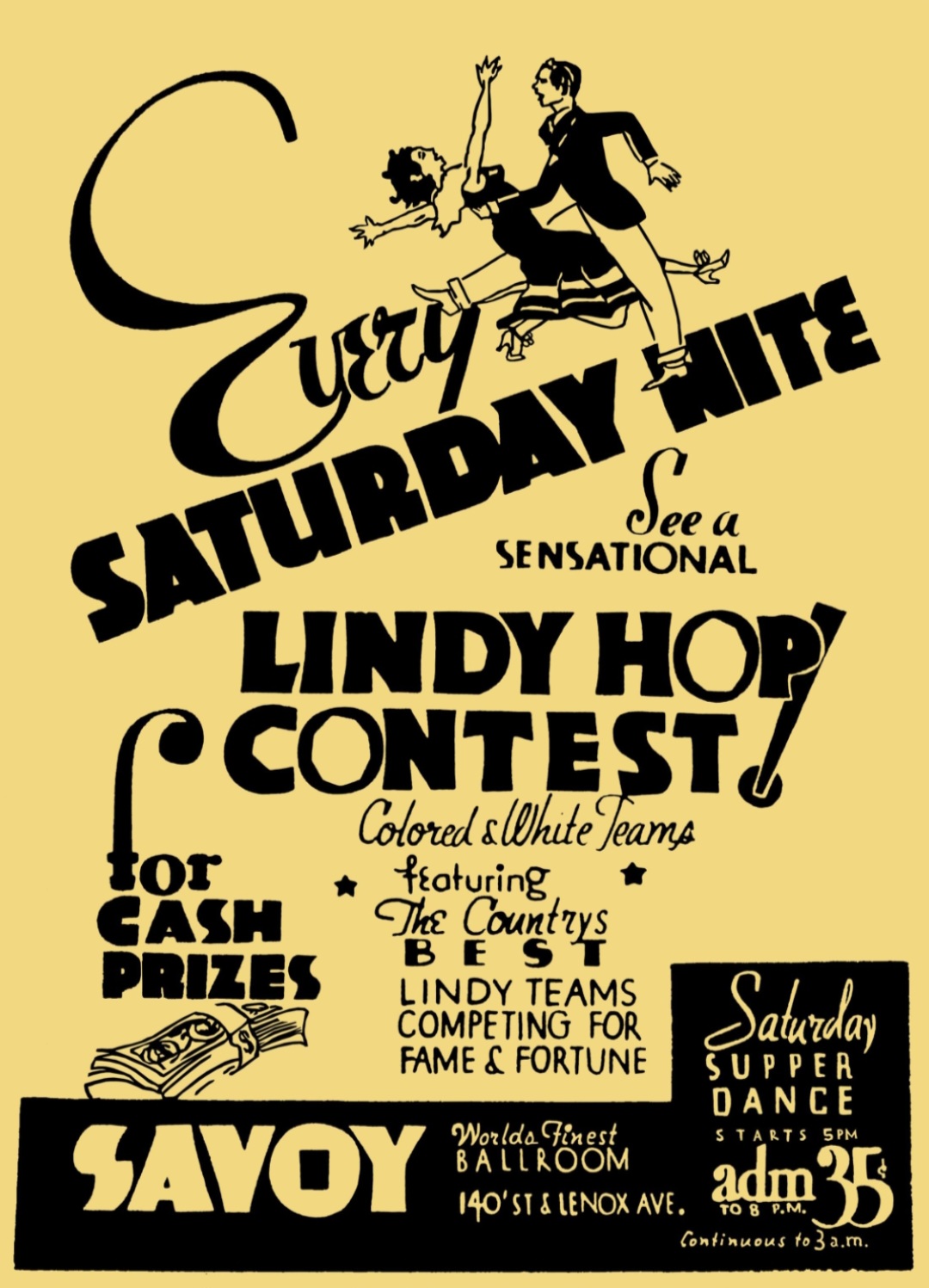
The ballroom was also a laboratory for dance. It was at the Savoy that the “Lindy Hop” flourished, shaped by black dancers who turned social movement into a fast, inventive, airborne style.
The maple and mahogany hardwood dance floor was so popular, it had to be replaced every three years.
Performers such as Frankie Manning and the Whitey’s Lindy Hoppers helped carry that dance from Harlem to the world, showing that the Savoy was not just a nightclub, but a cultural engine.
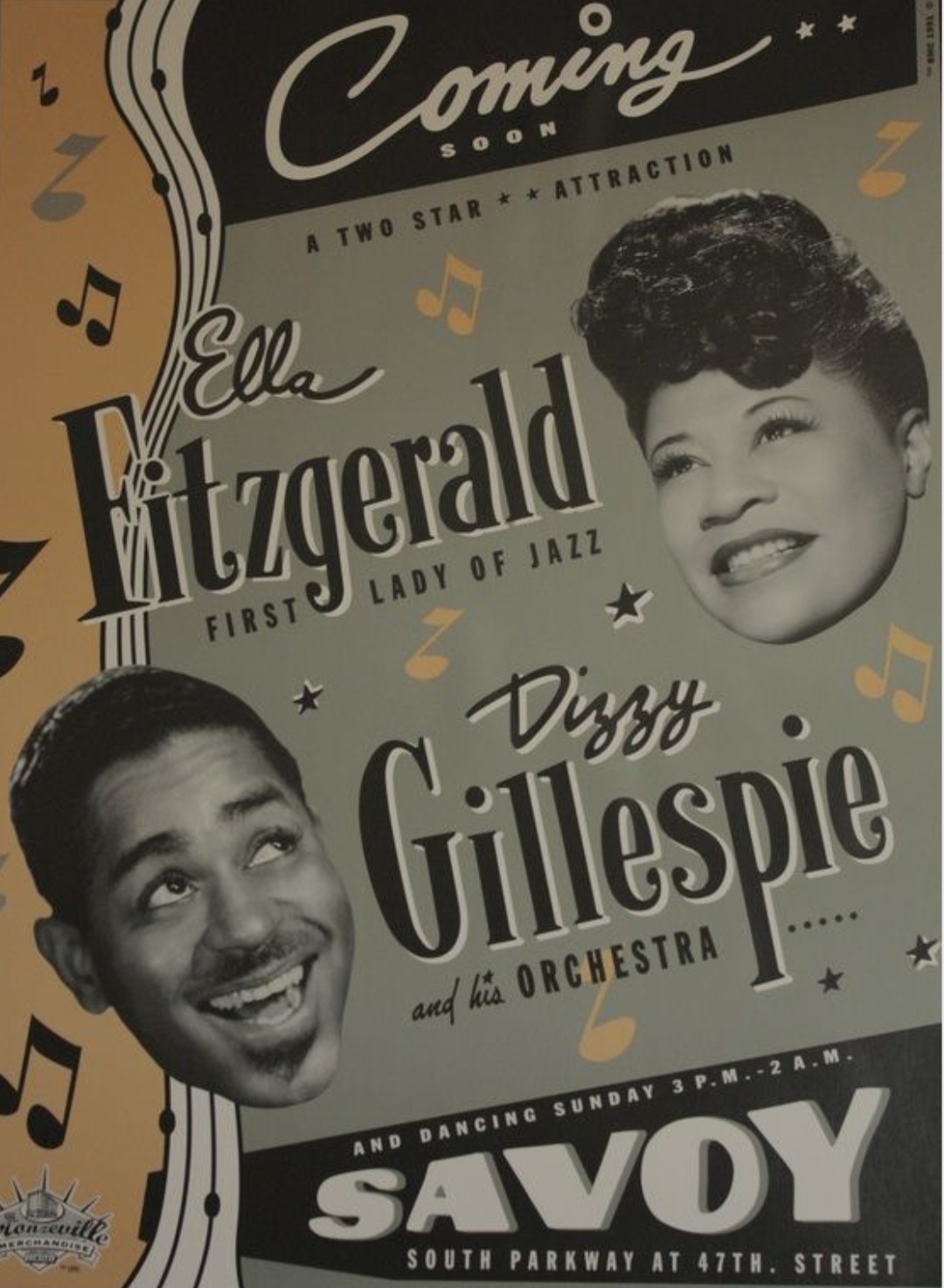
Legendary battles of the bands between jazz greats like Chick Webb, Count Basie, Benny Goodman and Tommy Dorsey were joined by Ella Fitzgerald, Billie Holiday, Lena Horne, Dinah Washington, Sarah Vaughn, Frank Sinatra, and the Andrew’s Sisters.
The Savoy’s importance went beyond music and dance. It offered a rare public space in which Harlem residents could see themselves reflected in elegance, joy and artistic excellence.
When it was hot and the windows were open and the music was blasting all the way down the street. For many visitors stepping inside meant entering a world where the ordinary rules of American segregation felt briefly suspended, replaced by a different social order built on rhythm, respect and communal pleasure.
Its story ended physically in 1958, when the building was demolished for a housing project, but its influence did not disappear. The dancers musicians and audiences who passed through its doors carried its spirit into clubs, theaters, films and future generations of swing and jazz culture.











 Continue with Google