Exploring the Enchanting Ruins of Bulow Plantation in Florida
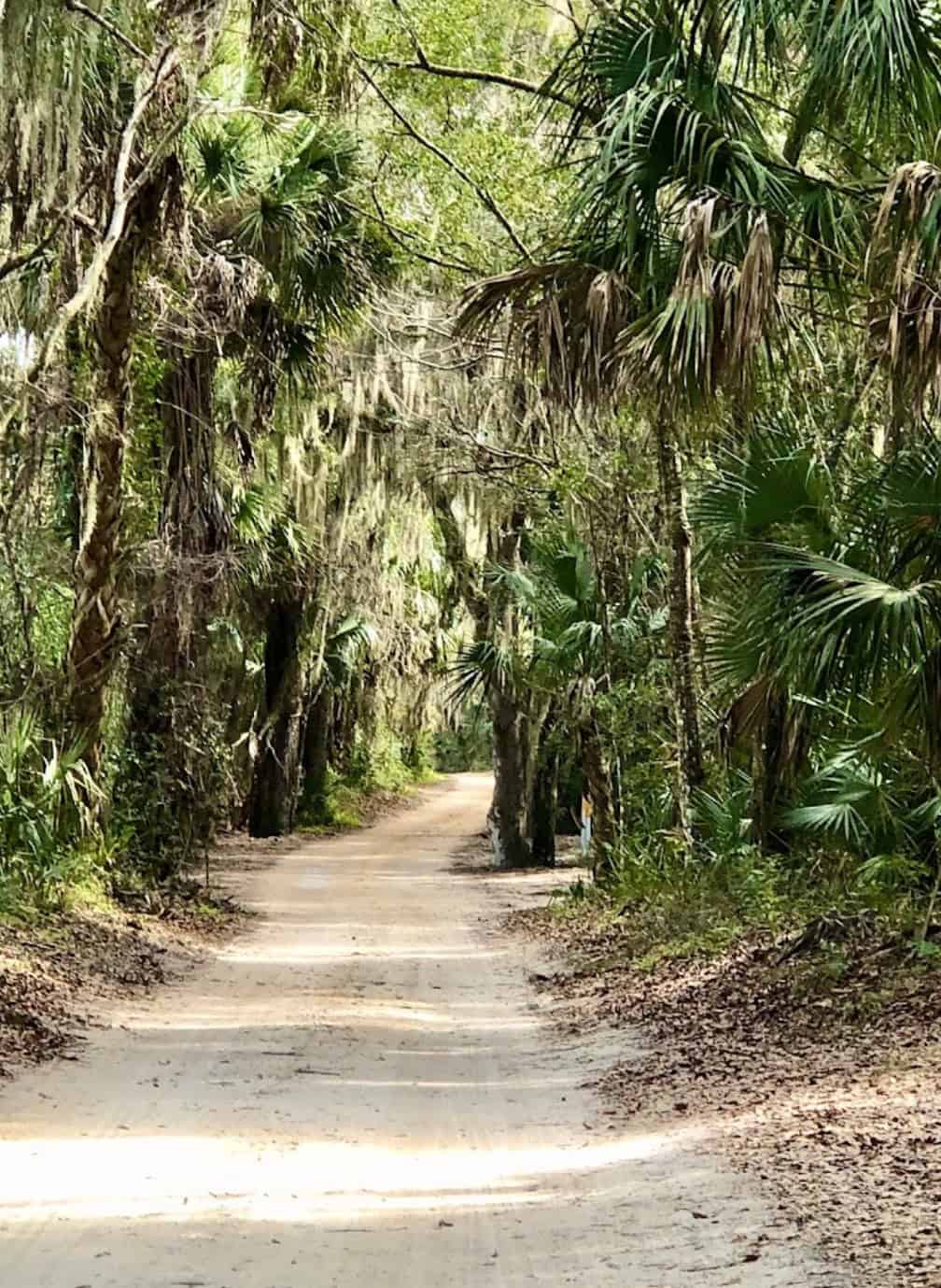
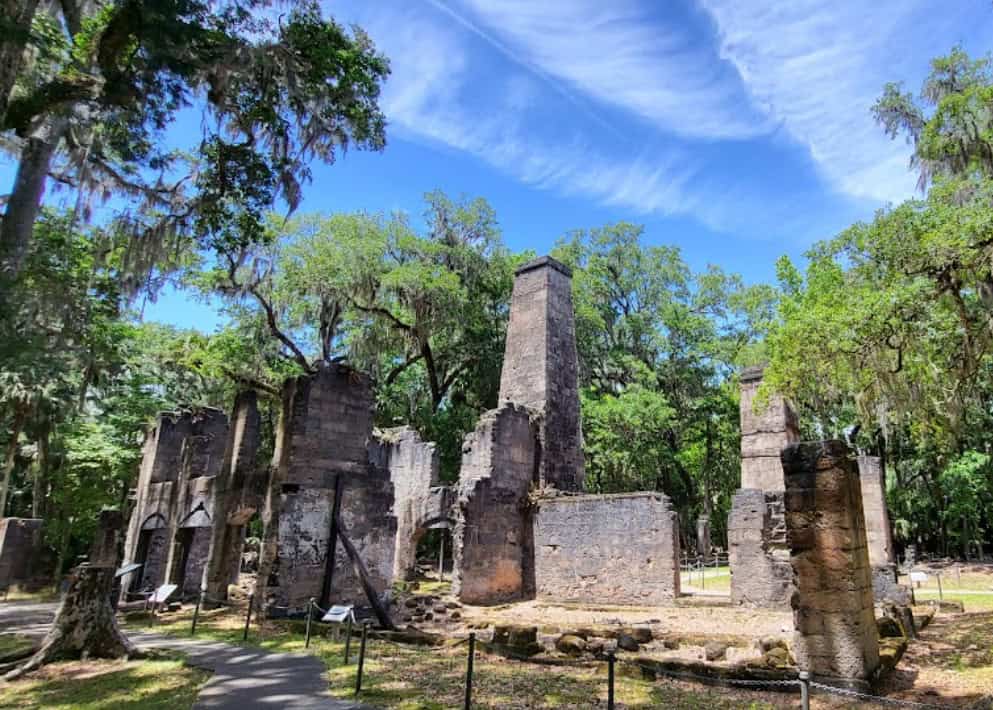
Shrouded in history through a mystical trail that winds through 150 acres of haunting woods to an erie abandoned sugar mill the Bulow Plantation Ruins stand as a monument to the rise and fall of sugar plantations in Florida.
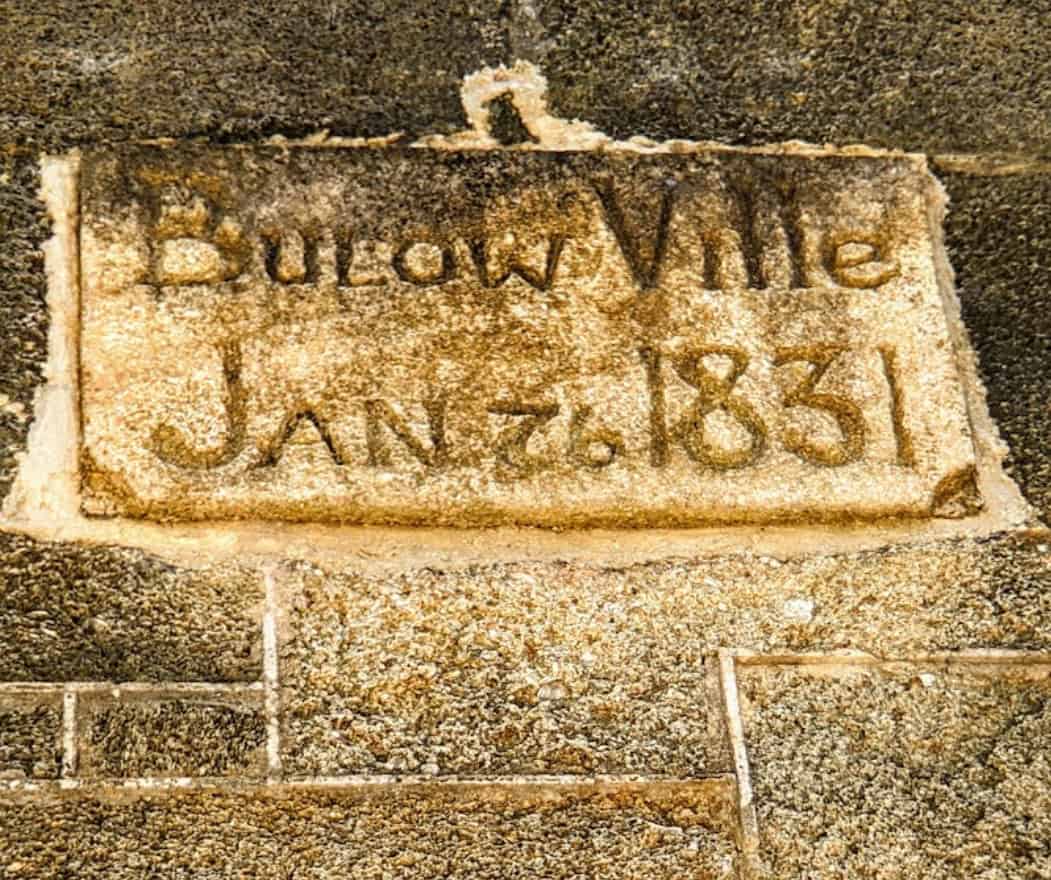
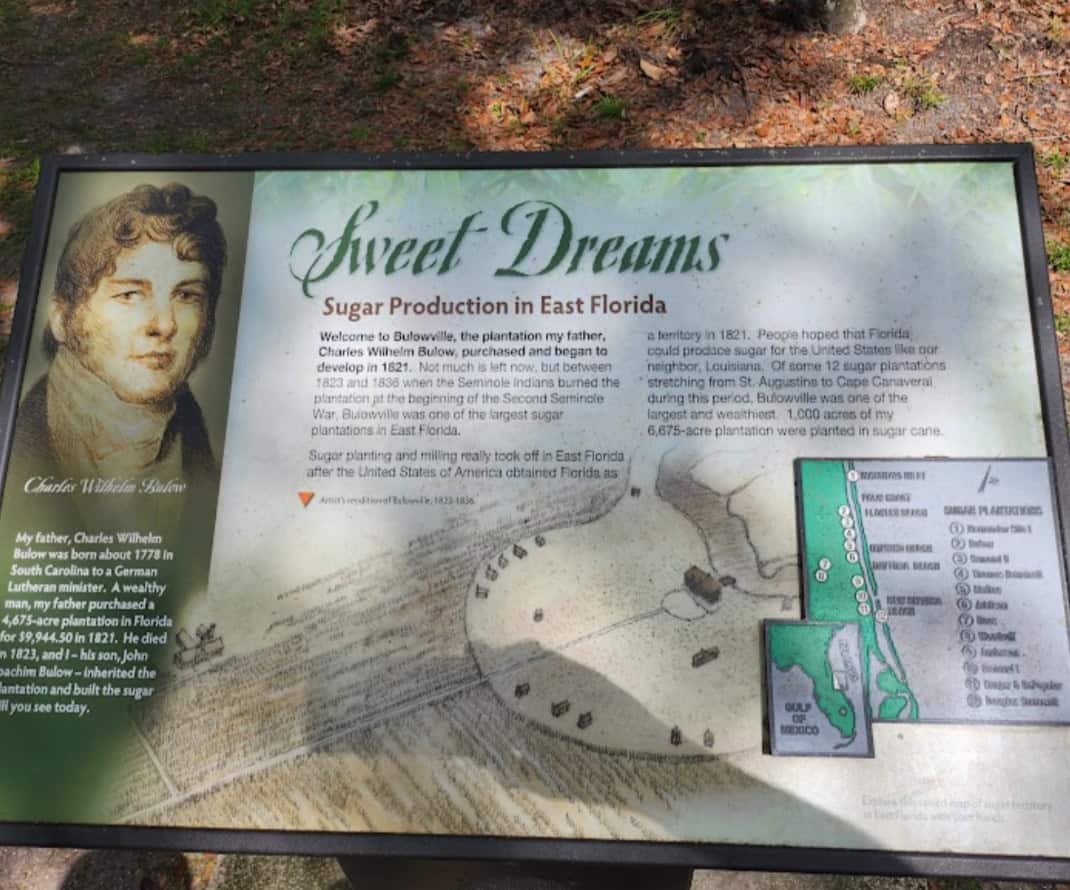
The plantation was developed beginning in 1821 by Major Charles Wilhelm Bulow where he had 6,675 Acres cleared by the labor of his enslaved workforce for cultivation of sugarcane, cotton, rice and indigo.
People hoped that Florida could produce sugar for the United States like Louisiana. Of the 12 sugar plantations stretching from St Augustine to Cape Canaveral Bulow Ville was the largest and wealthiest.
Burned to the ground by a war party during the second Seminole War in 1836, the Bulow Plantation fell into ruins.
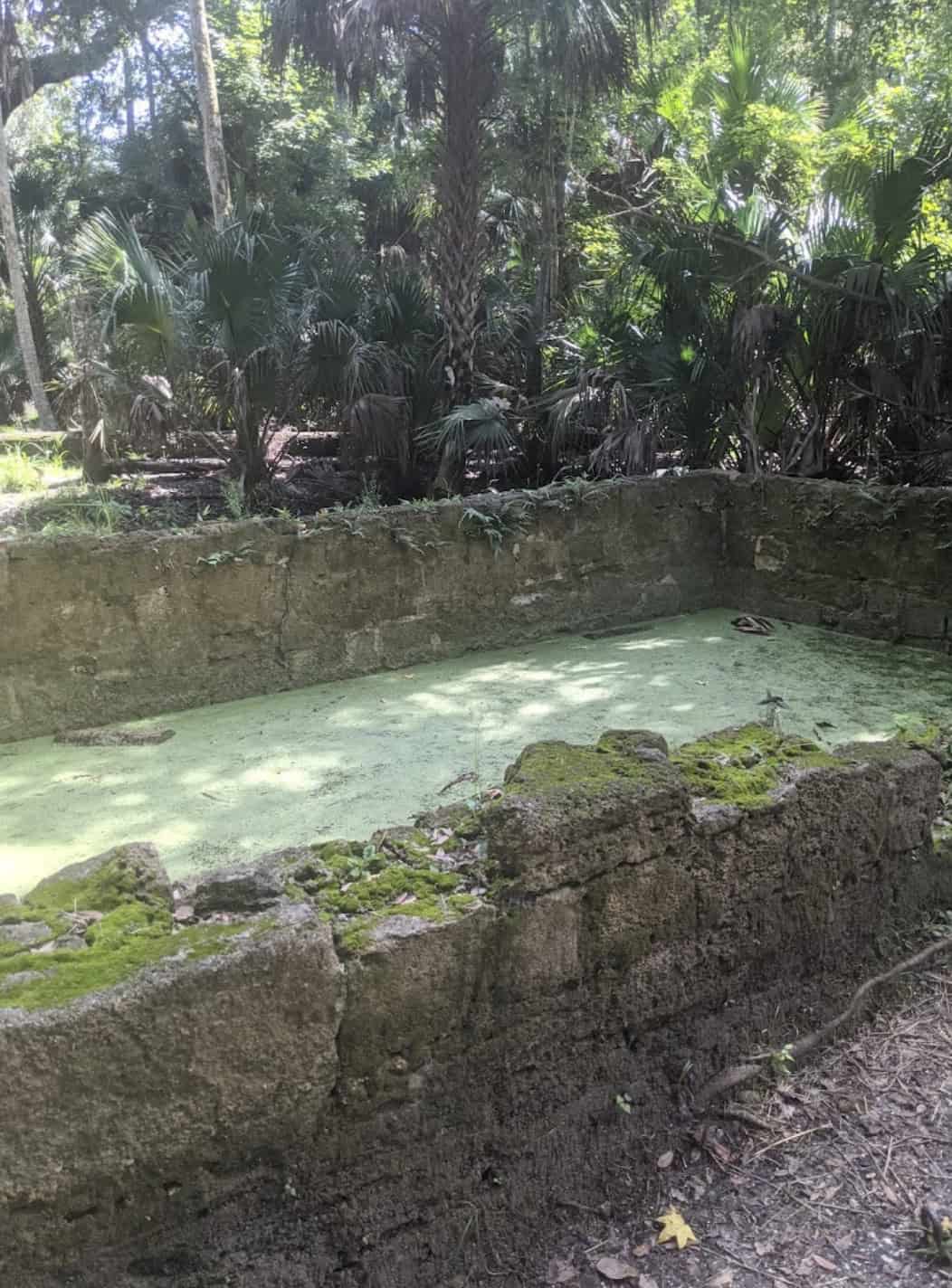
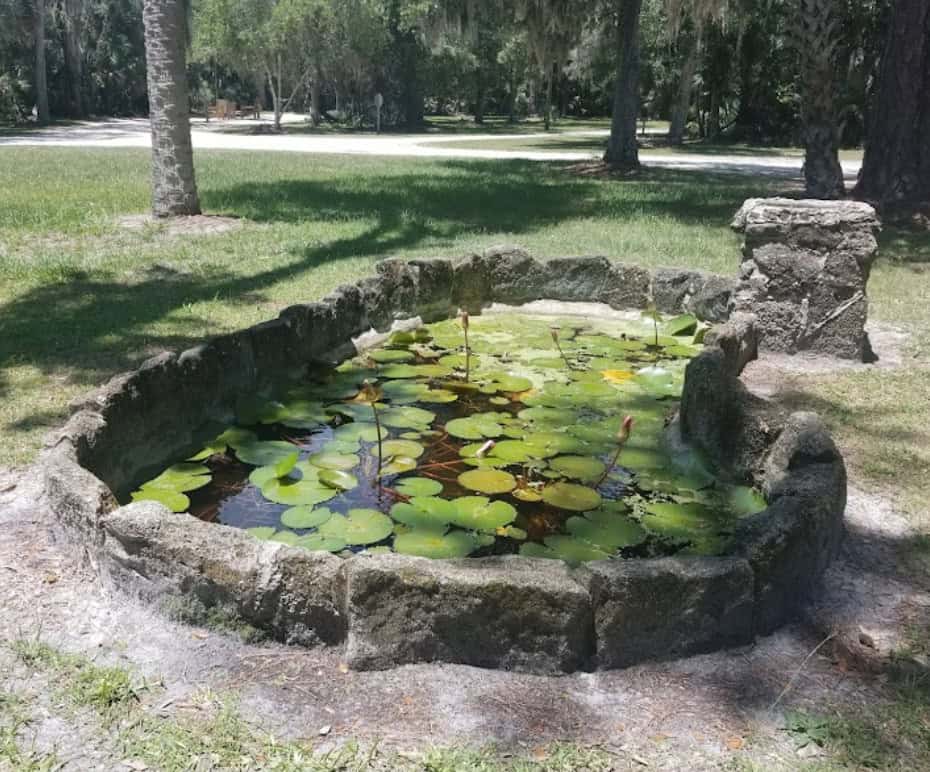
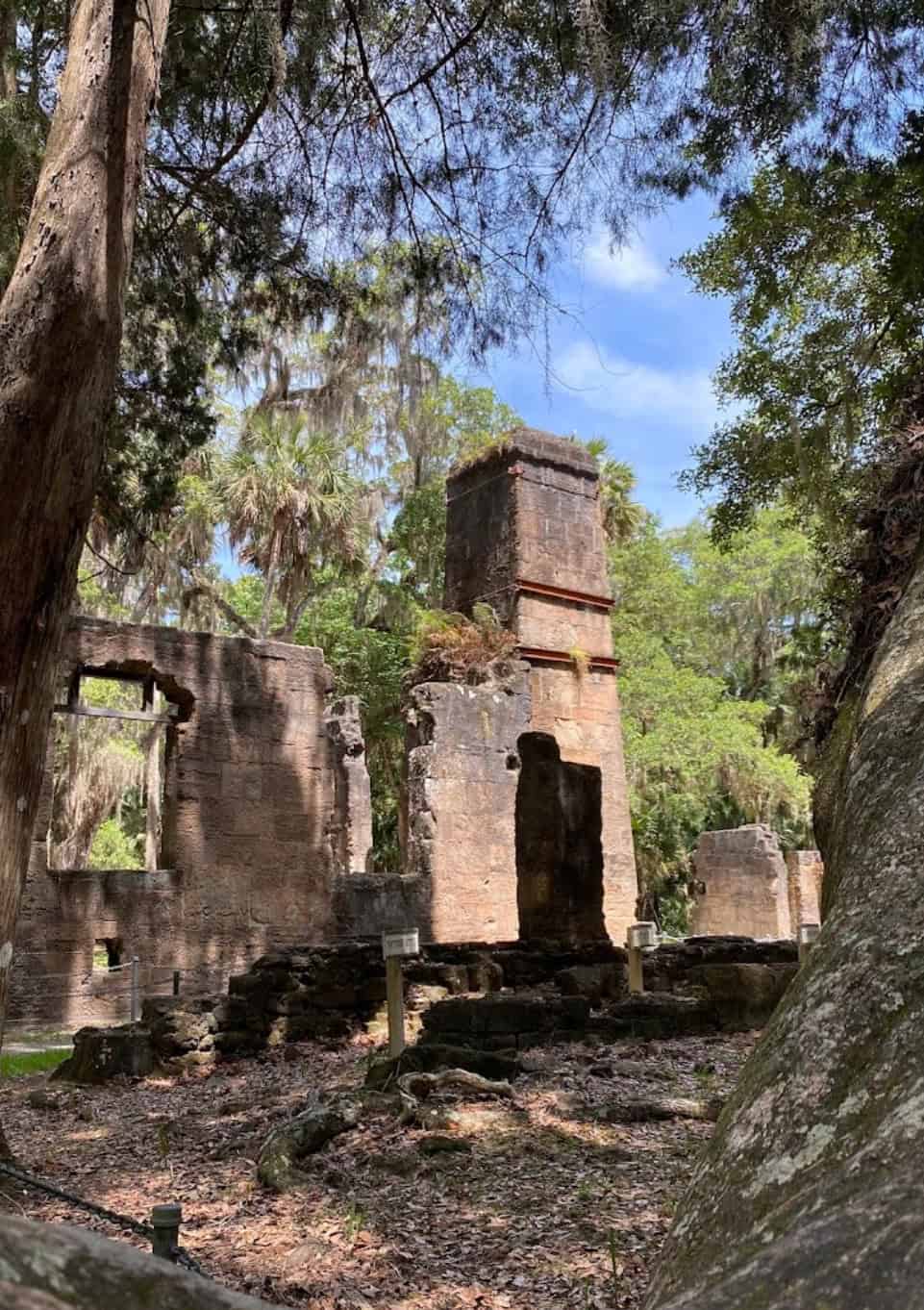
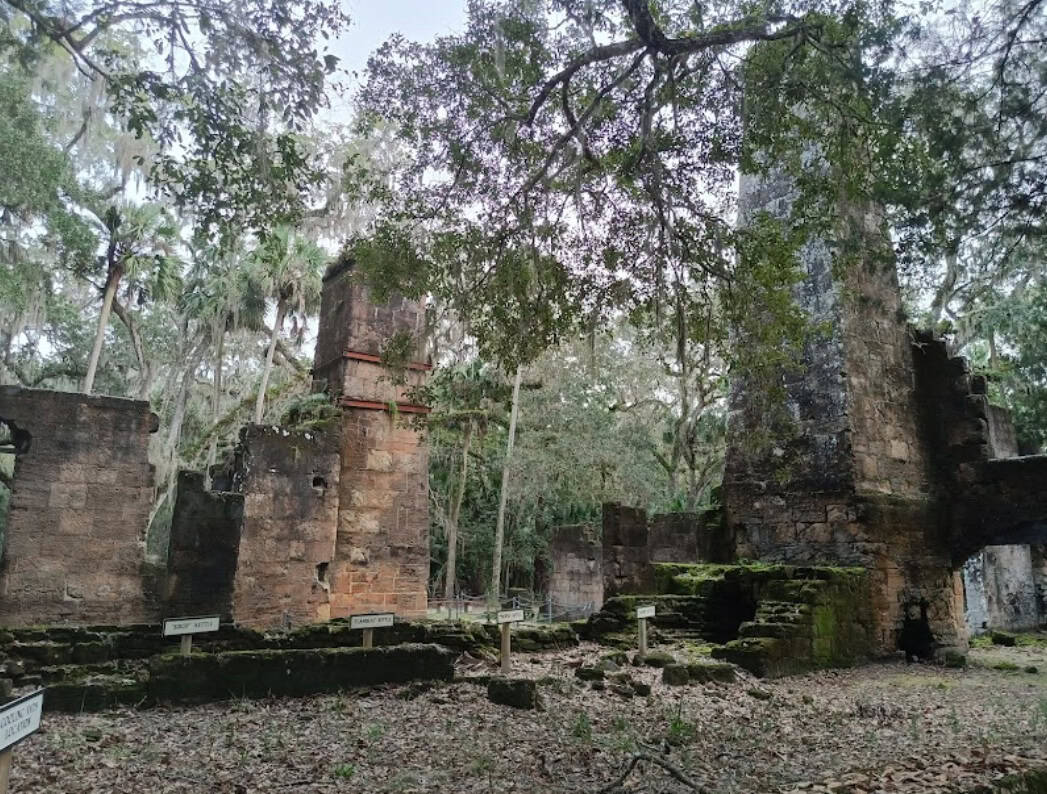
The storied ruins of the former plantation and sugar mill, is a unique spring house, several wells and the crumbling foundation of the plantation house and slave cabins, show how volatile the Florida frontier was in the early 19th century.
Venturing through the grand old oaks into the heart of the ruins, it’s not hard to picture the once bustling operation and the sweet smell of molasses, as nature has reclaimed the area draping the old structures with a blanket of vines and ferns.
If these walls could talk they would surely have tales to tell.
There are picnic tables, a barbecue grill and dogs are allowed. A boat ramp provides access for canoes and small power boats to scenic Bulow Creek, a designated State canoe trail.
Anglers can fish from the dock and admission is only $4 per vehicle.
David Garland Aug 08, 2024 Flagler Beach FL Agriculture Back in Time History

Aug 08, 2024

SHARE