

The Fore River Shipyard started as a small operation along the Fore River. It grew into one of the most important shipyards in the country.
Founded in 1884 by Thomas A. Watson, better known as Alexander Graham Bell’s assistant, the yard began with modest shipbuilding work. That changed quickly. By the early 20th century, it had expanded into a major industrial site capable of building large naval vessels.
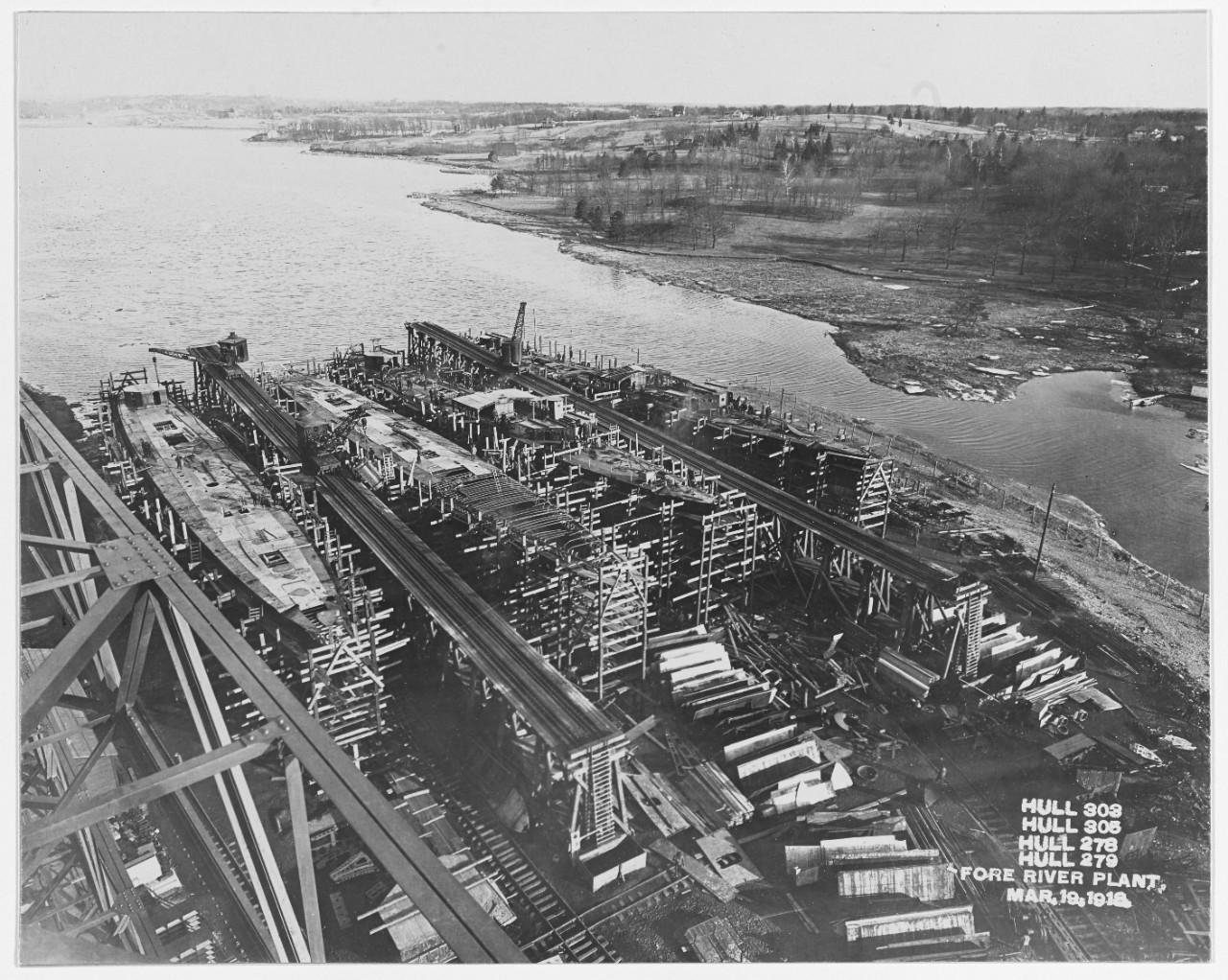
In 1913, Bethlehem Steel acquired the yard and scaled it further. Dry docks, cranes, fabrication shops, and assembly areas spread along the river. The yard became a key supplier for the U.S. Navy, producing destroyers, cruisers, and aircraft carriers.
During World War I and World War II, production ran at full capacity. Thousands of workers cycled through shifts. Hulls were assembled in stages along the waterfront, then launched into the river. Ships built here included major vessels like the aircraft carrier USS Lexington. The yard also handled repairs and refits, keeping ships in service during wartime.
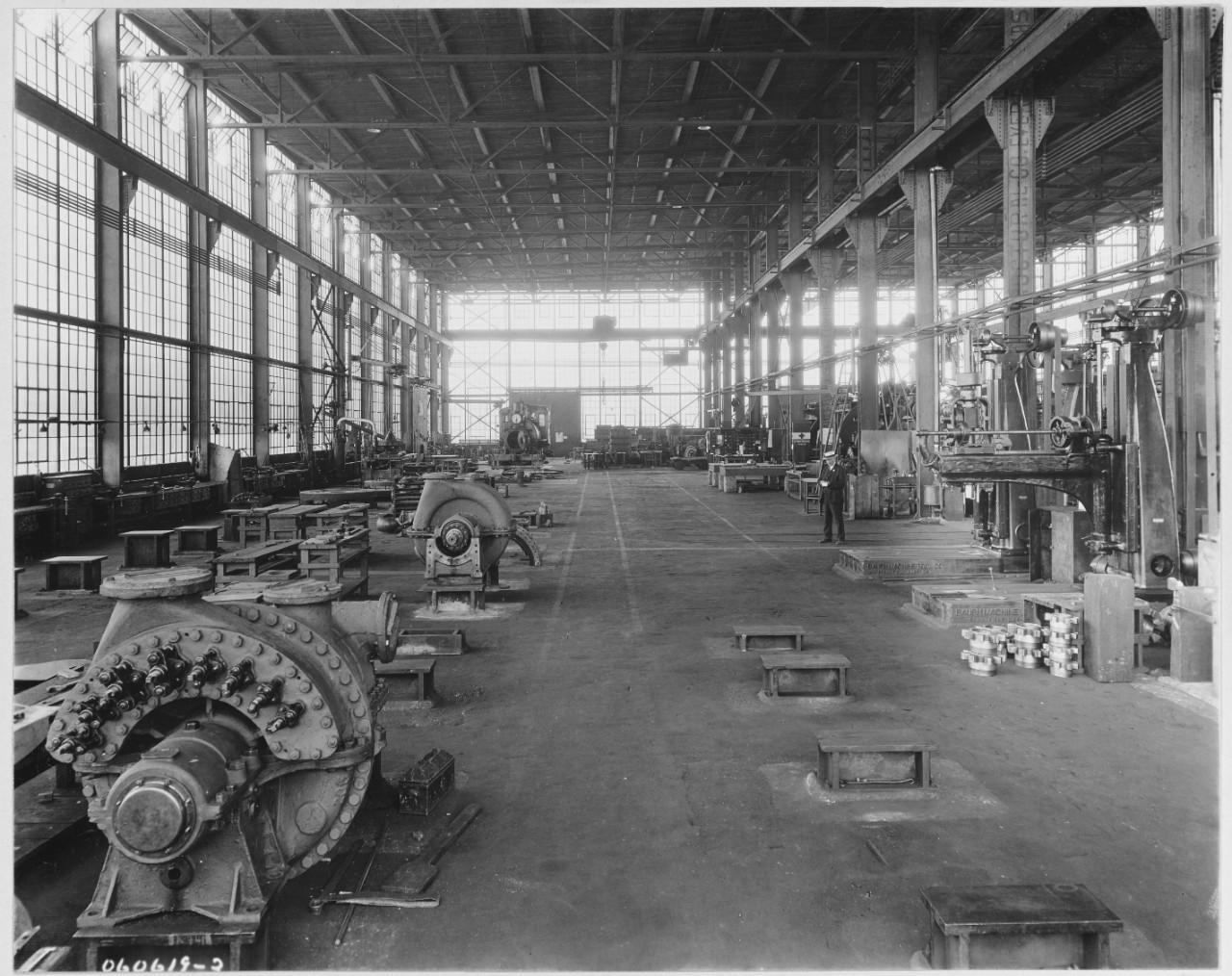
The site functioned as a complete industrial ecosystem. Steel arrived, was shaped, assembled, and launched as finished ships. Rail connections, machine shops, and skilled labor all fed into that process. For decades, this was one of the largest shipbuilding operations in the United States.
The decline followed broader changes in global manufacturing. By the 1960s and 1970s, U.S. shipbuilding struggled to compete with overseas yards. Costs rose, contracts fell off, and production slowed. Ownership changed hands, but the trend held.
The yard closed in 1986.
After closure, much of the infrastructure was dismantled. Cranes were removed. Buildings were demolished. Equipment was scrapped or sold. What remained was a large industrial waterfront with fewer and fewer visible traces of what had been there.
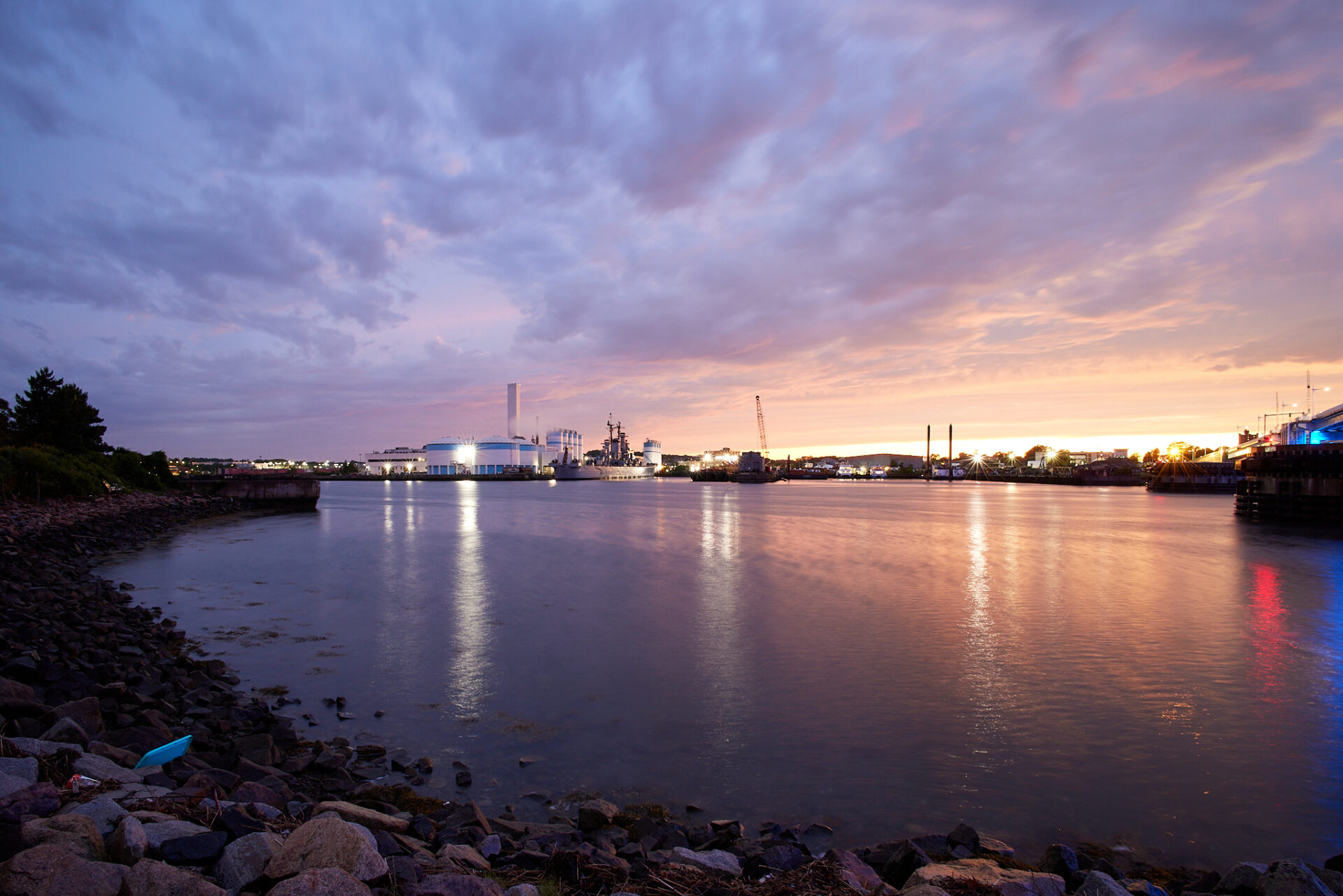
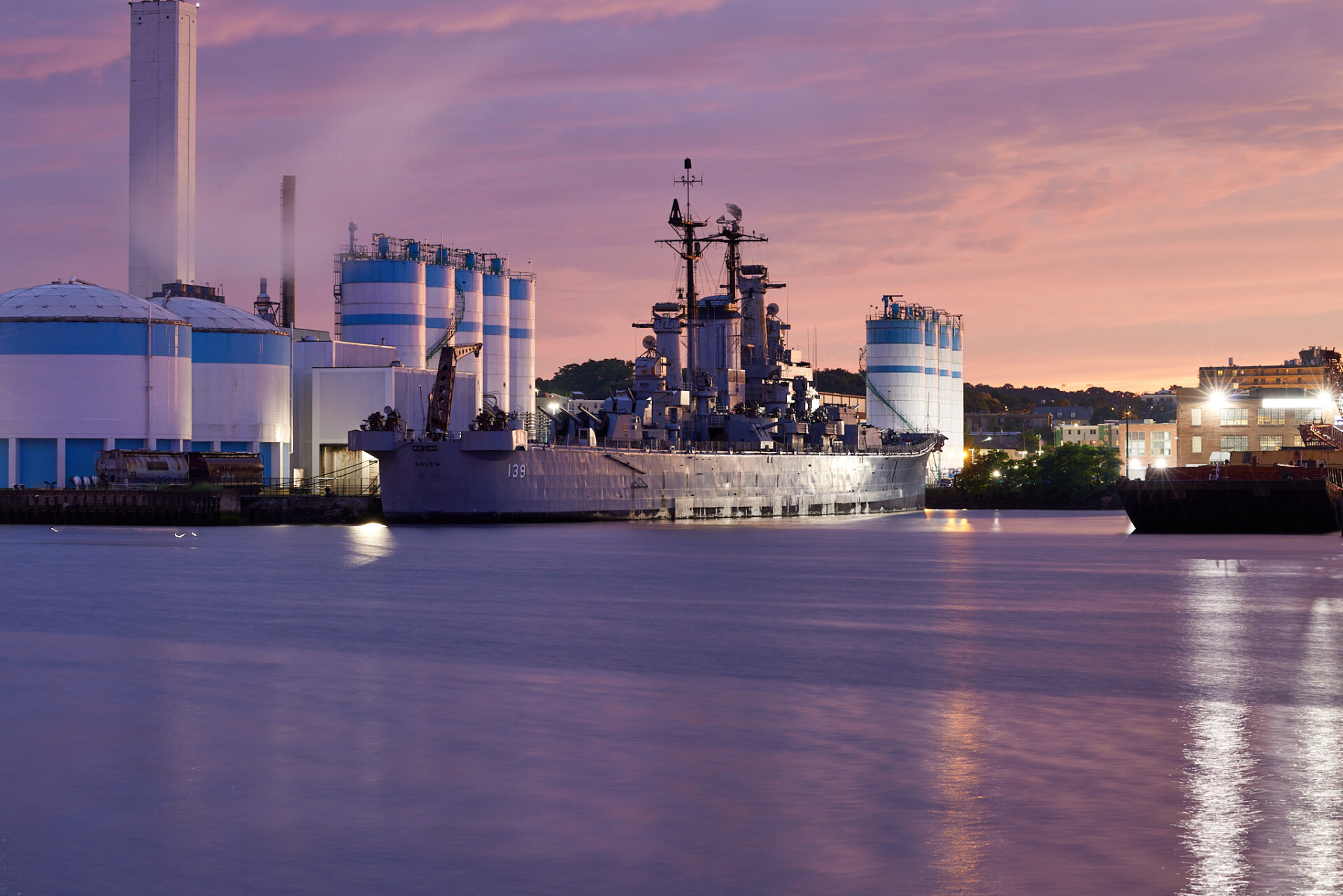
Today, the site is a mix of uses. Some industrial activity continues in smaller pockets. Other sections have been redeveloped or sit in transition. The scale of the original yard is harder to read, but not gone entirely. The river still defines the space. The layout still hints at where ships once took shape.
For nearly a century, vessels built here moved through war and trade across the world. Now the site carries fragments of that history, scattered across a changing shoreline.









 Continue with Google