

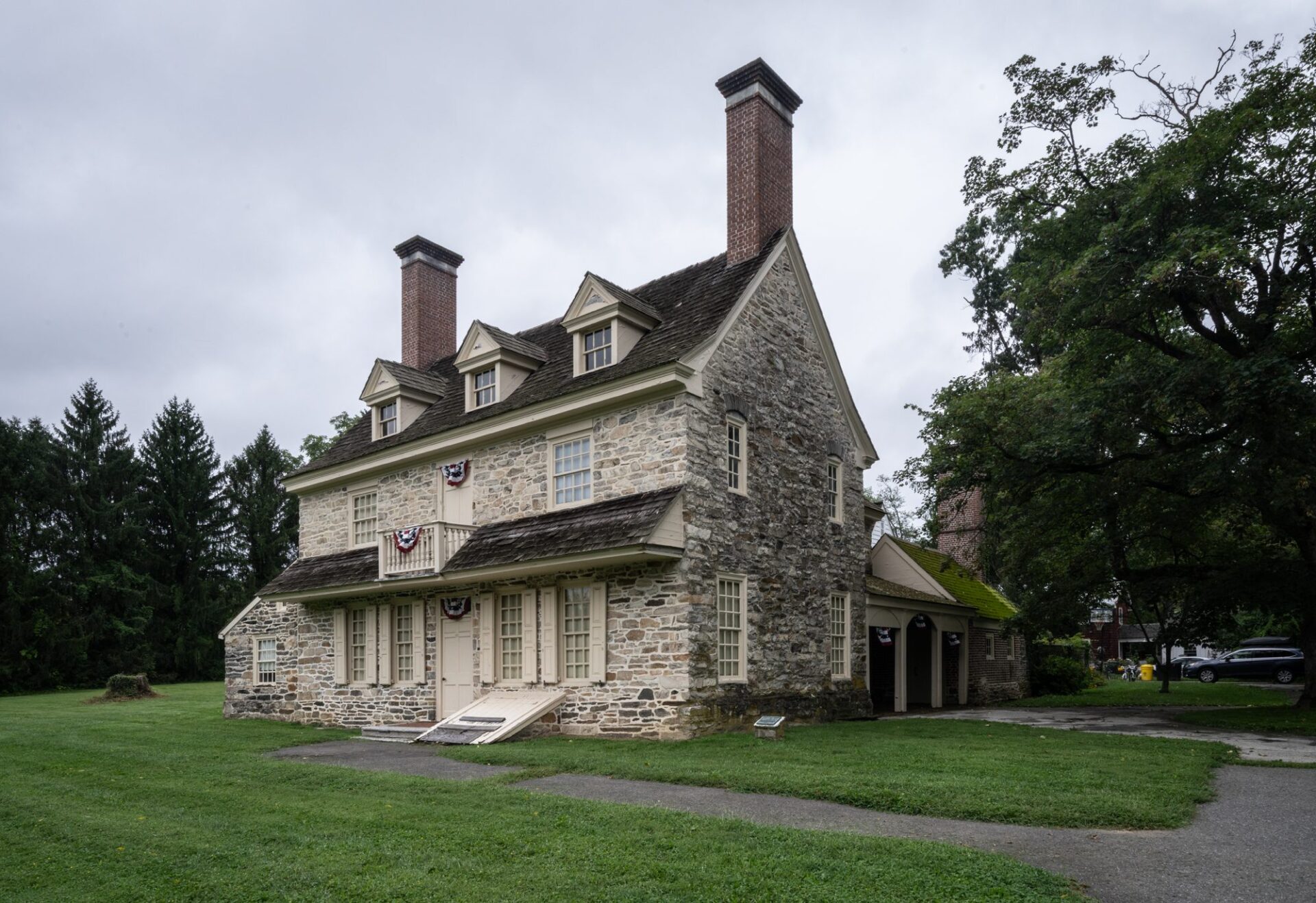
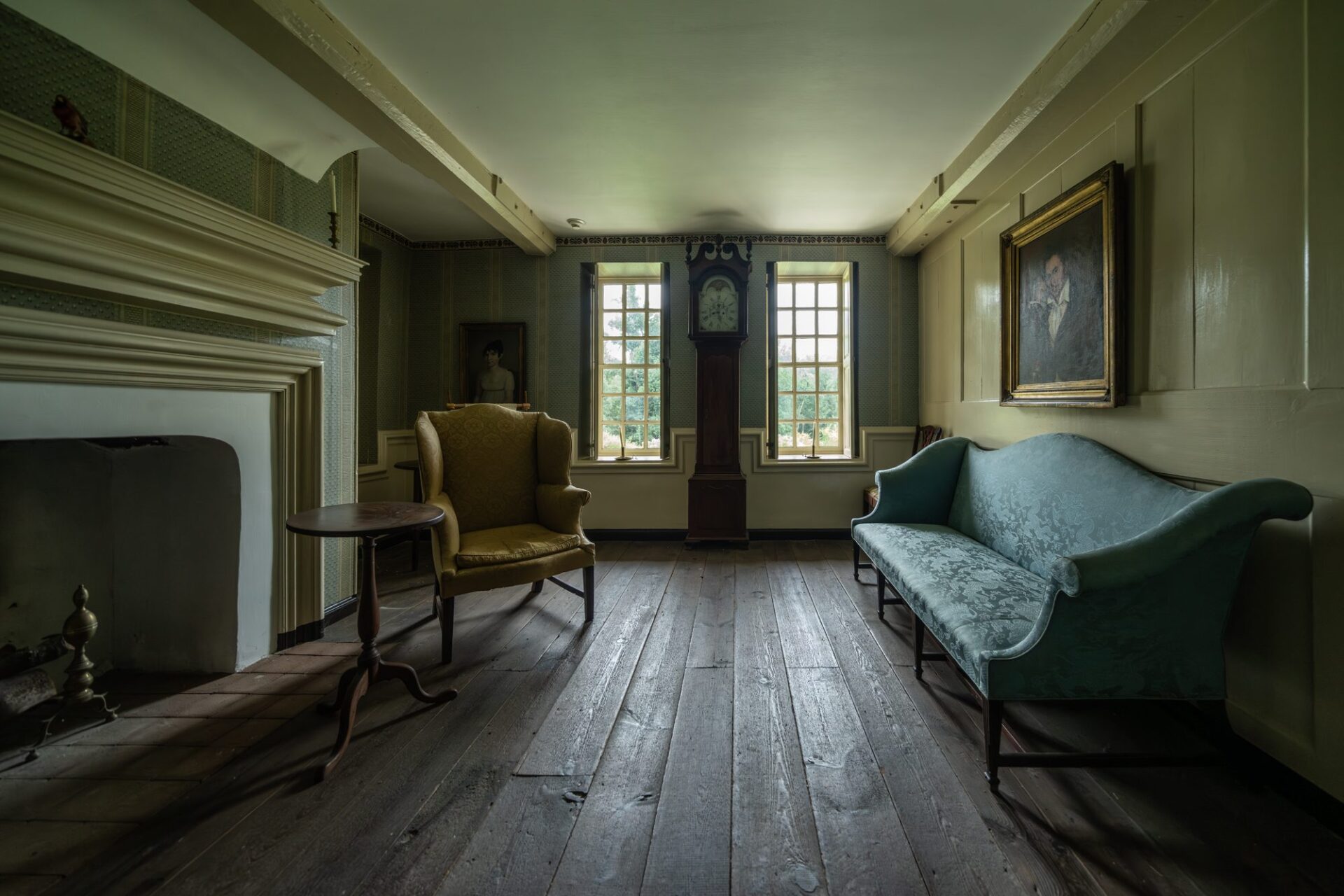
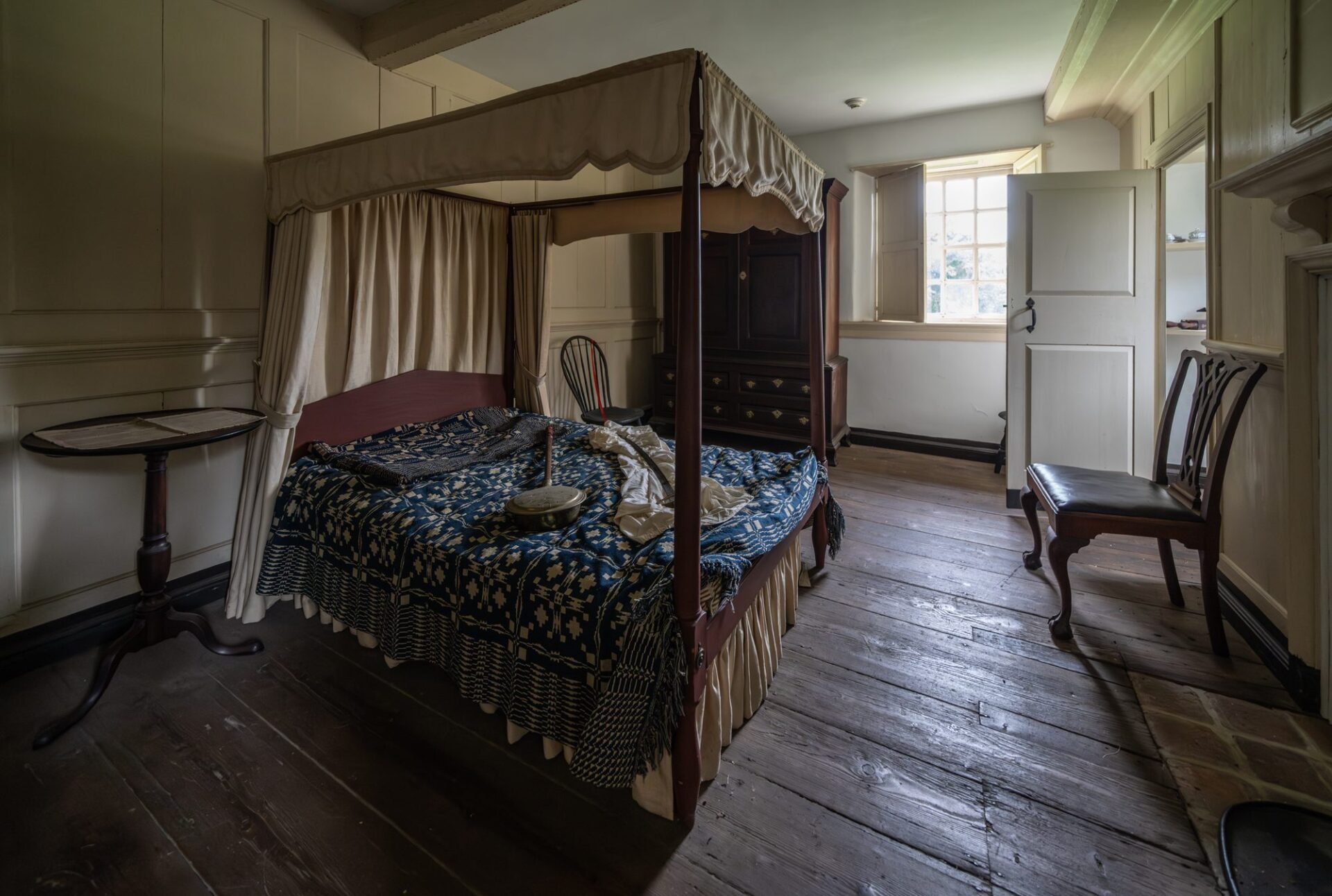
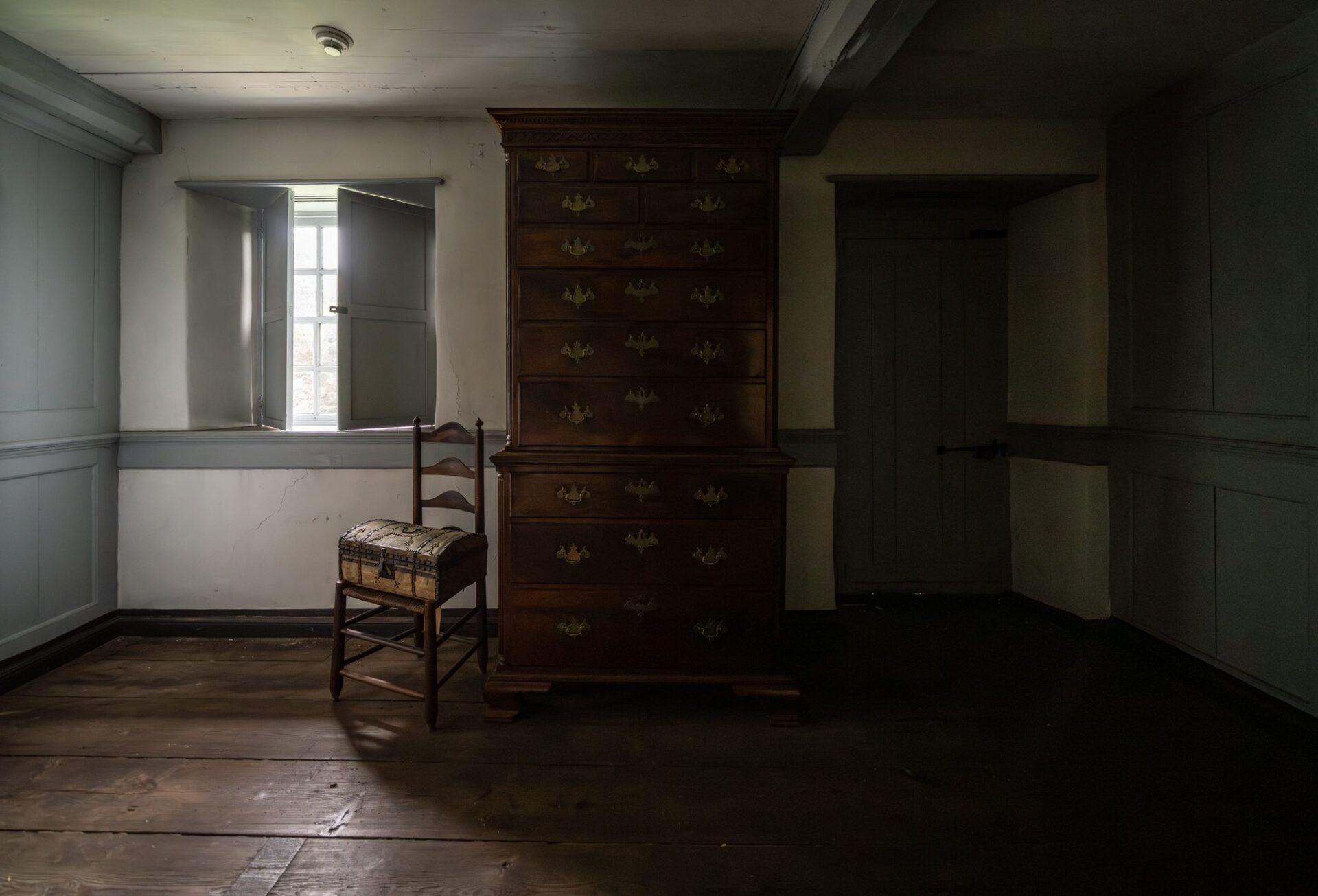
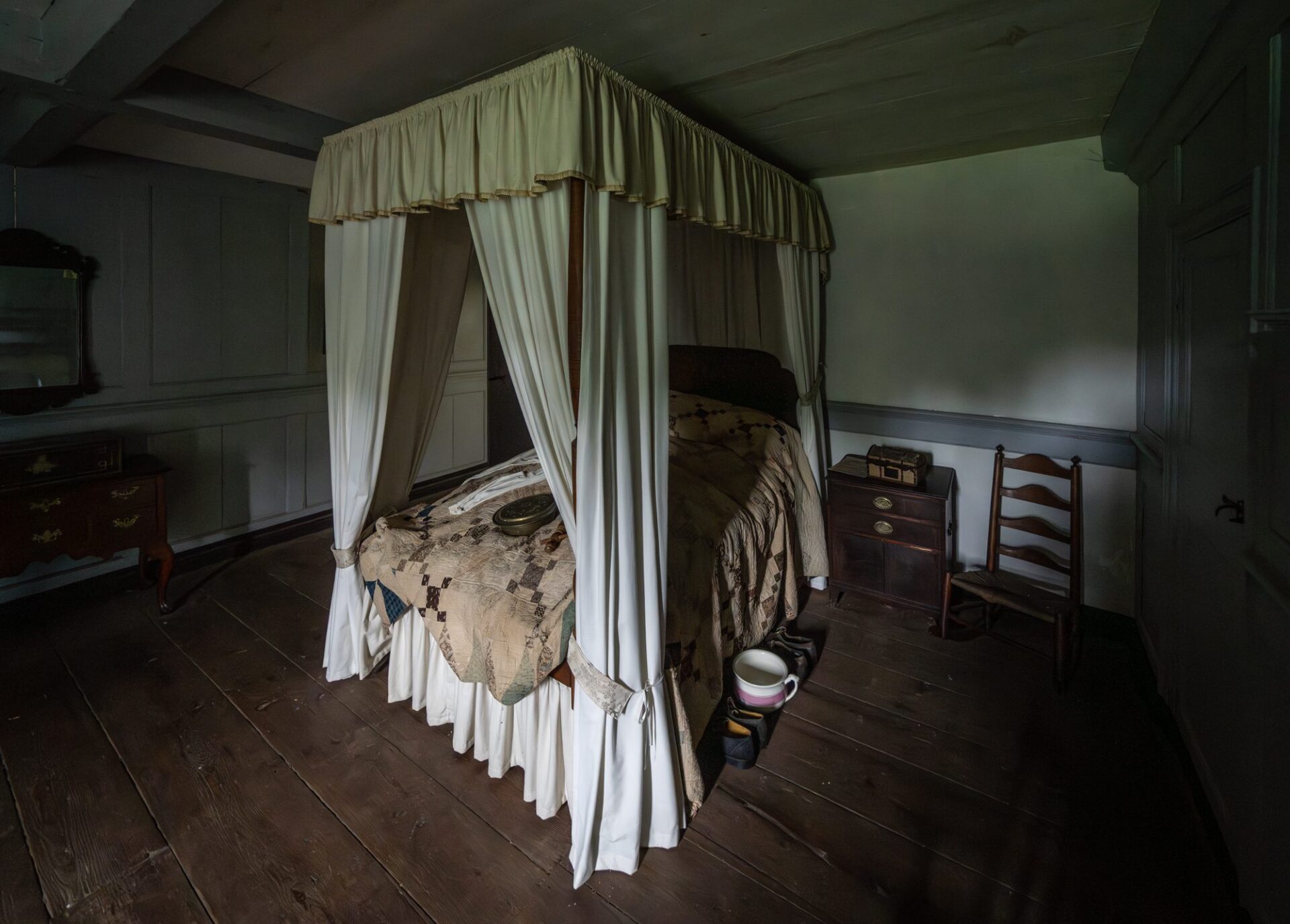
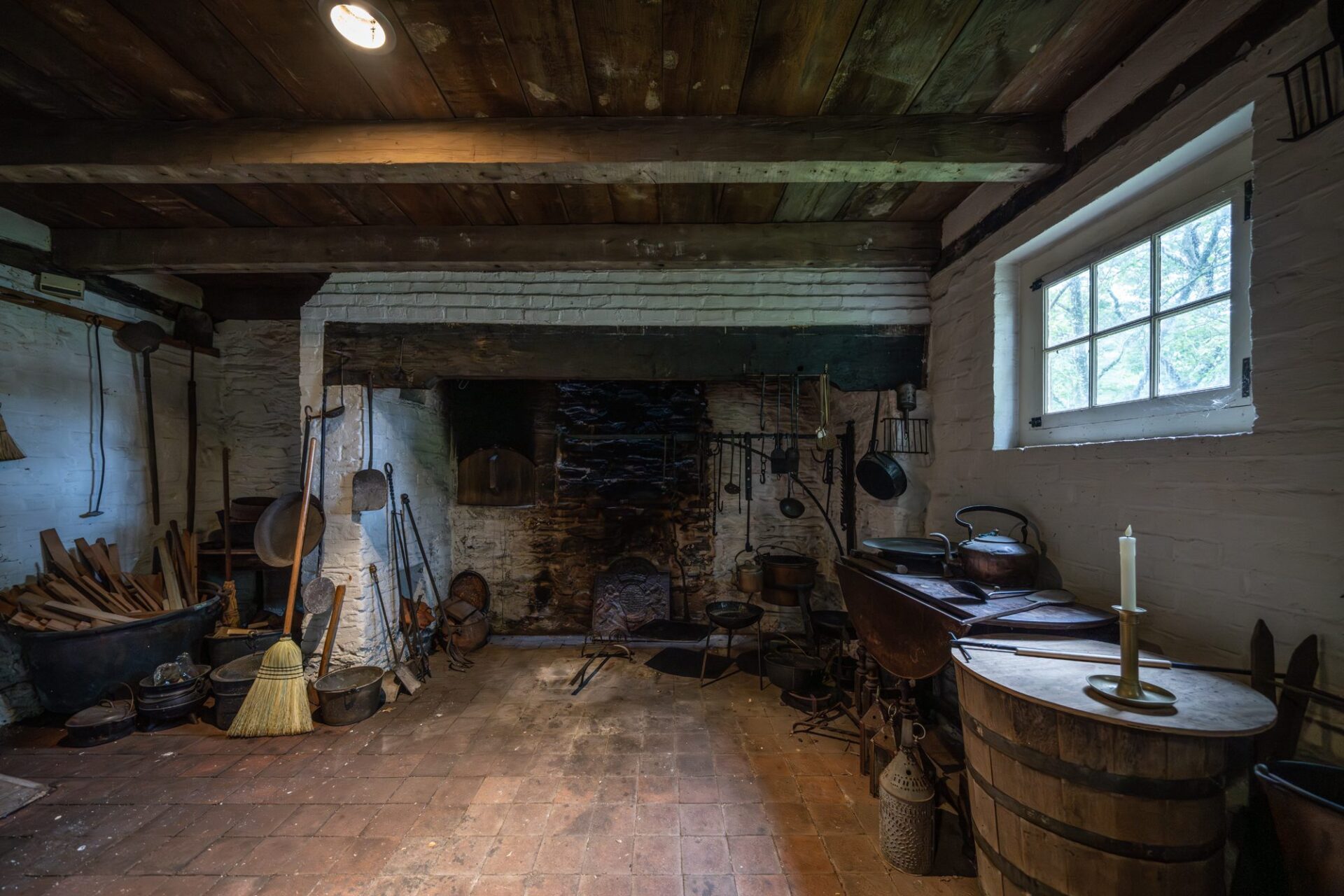
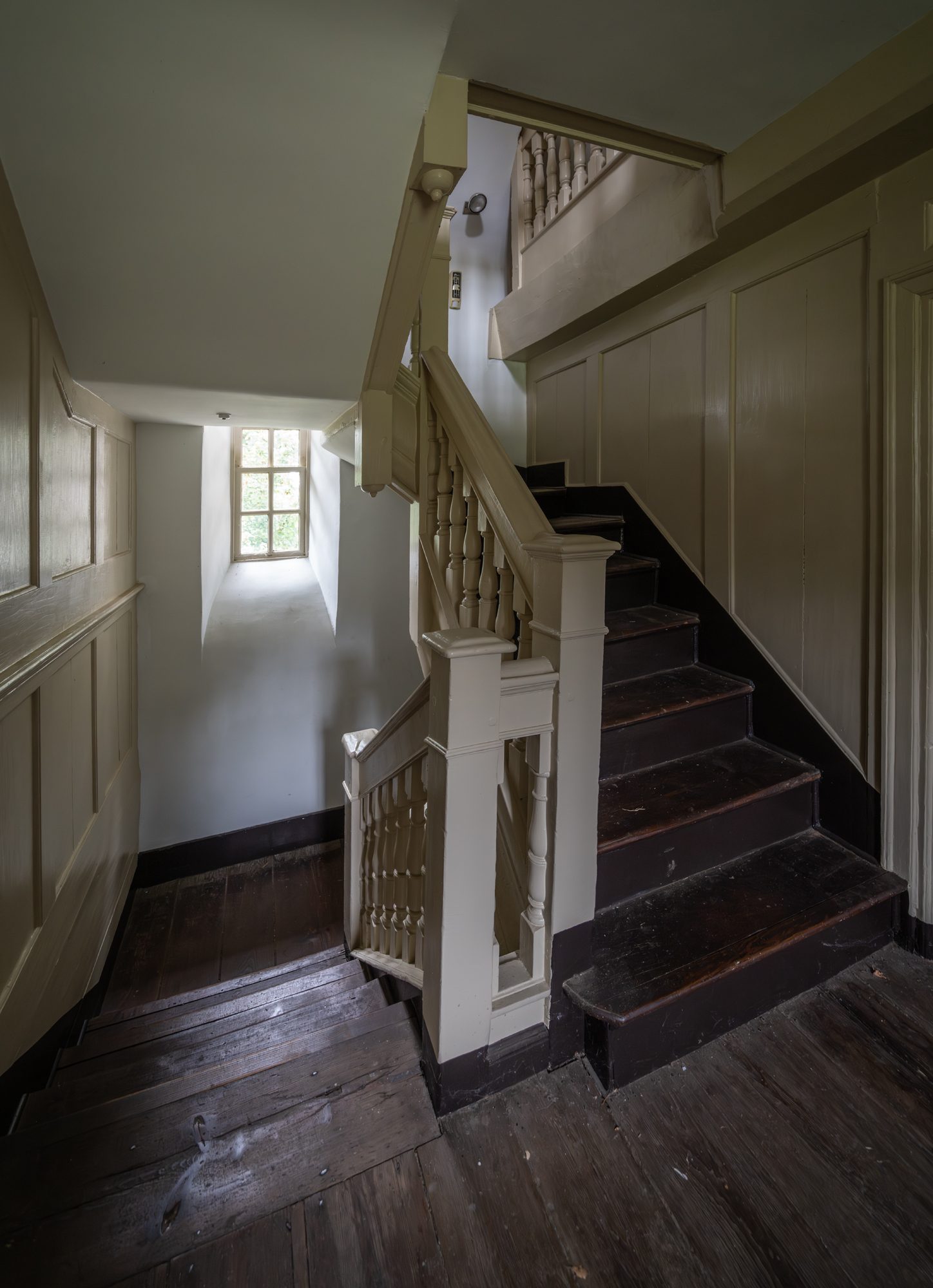
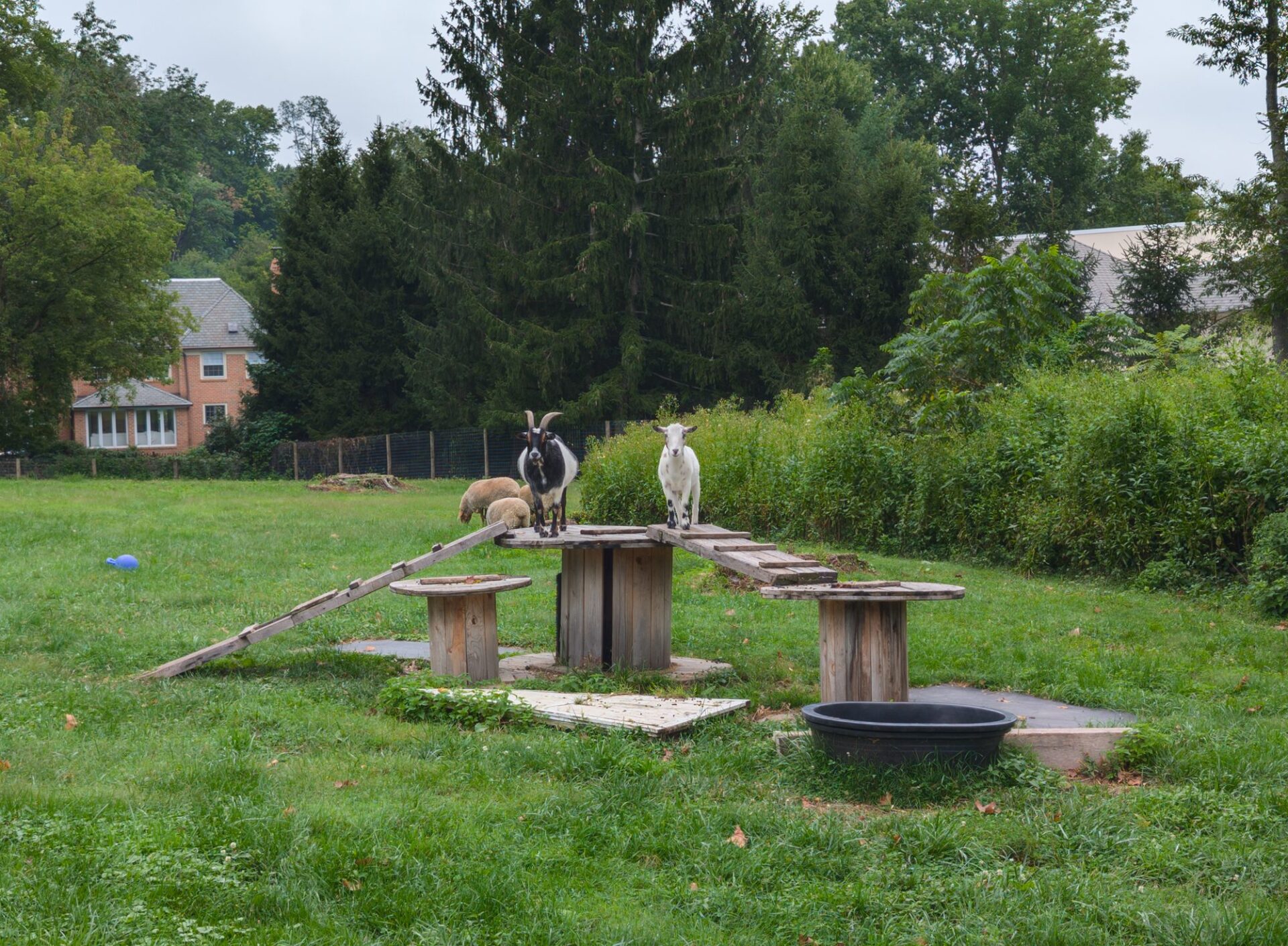
The Harriton House may not be one of Philadelphia’s better known historic properties, but it’s certainly one of the more interesting ones! The land on which the Harriton House was part of the Province of Pennsylvania granted to William Penn by King Charles II in 1681. A Welsh Quaker named Rowland Ellis acquired the land in 1683 and built a log cabin there. After officially receiving the deed in 1702, he replaced his log cabin with the residence that stands today. Completed in 1704, Ellis named the farm Bryn Mawr, which is Welsh for “big hill”, and is what the present-day name for that area of the city derives from.
Ellis sold the farm to a Quaker named Richard Harrison in 1719. Harrison moved there with his wife, Hannah Norris. Norris’ family properties were known as Norriton, so Harrison went with the naming convention and called his estate Harriton. They ran a tobacco farm operated by so many enslaved people that his fellow Quakers criticized him for it.
In 1774, Richard’s daughter Hannah married Charles Thomson, an Irish immigrant who was making a name for himself in Philadelphia politics as an outspoken critic of British occupation. Thomson served as the Secretary of the Continental Congress, and his name and John Hancock’s appeared on the first printed version of the Declaration of Independence – a bold move that could have had dire consequences for his family. Charles Thomson synthesized earlier proposals for the Great Seal into the design adopted by Congress in 1782, which was subsequently revised by William Barton, and traveled with Congress during the Revolutionary War keeping official records.
When Charles retired in 1789, he and Hannah moved to Harriton. Charles was an abolitionist and ended slavery on the property during his ownership. Hannah passed away in 1807, and Charles lived there for another 17 years until he passed away in 1824. The couple had no surviving children, and the home passed to Hannah’s great-niece Naomi McClenachan, at which point it was passed down through the family, and the property was divided and sold off. The parcel containing the home was used as the Harriton Guernsey Dairy from 1908 into the late 1920s, and sold out of the family in 1927.
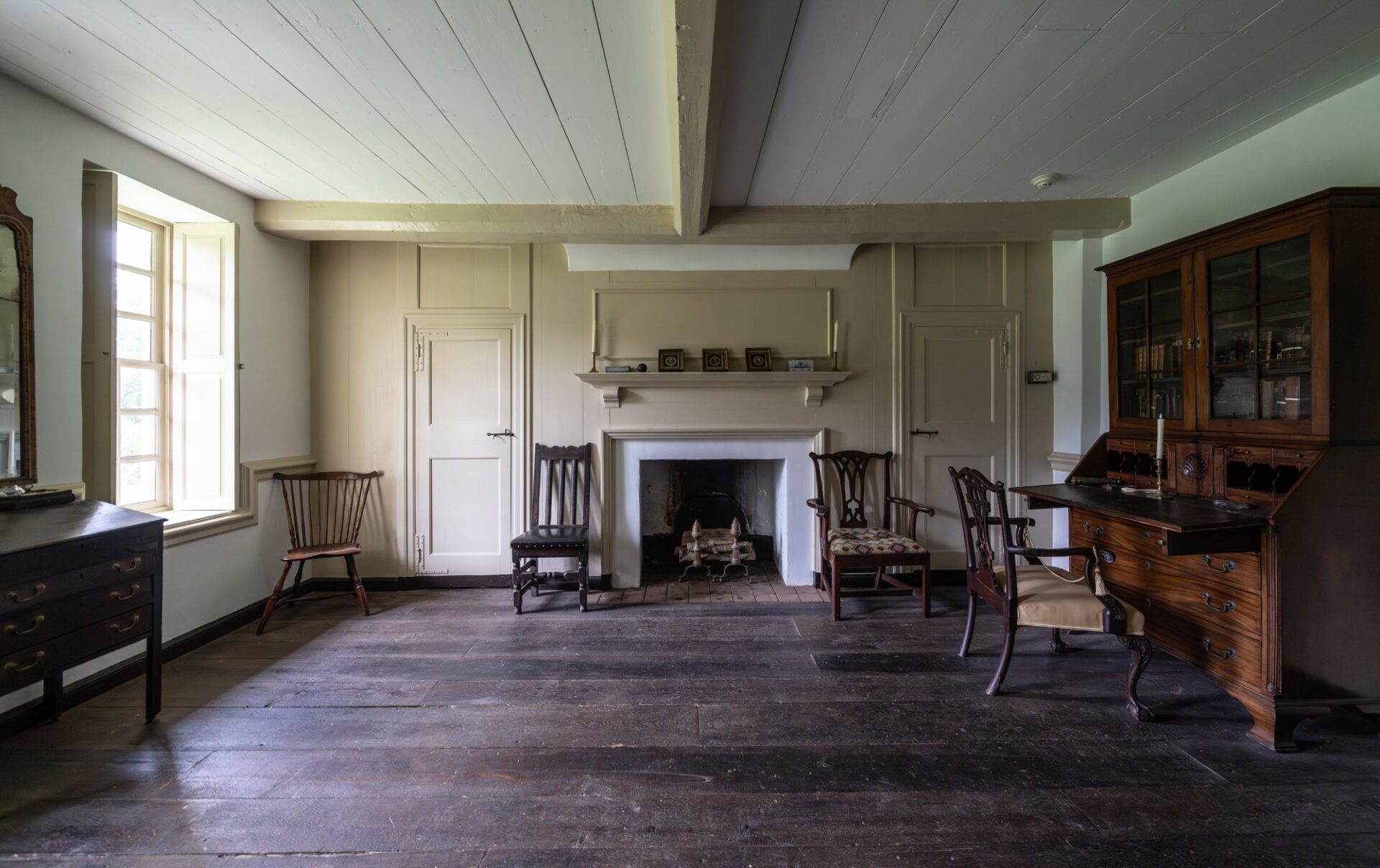
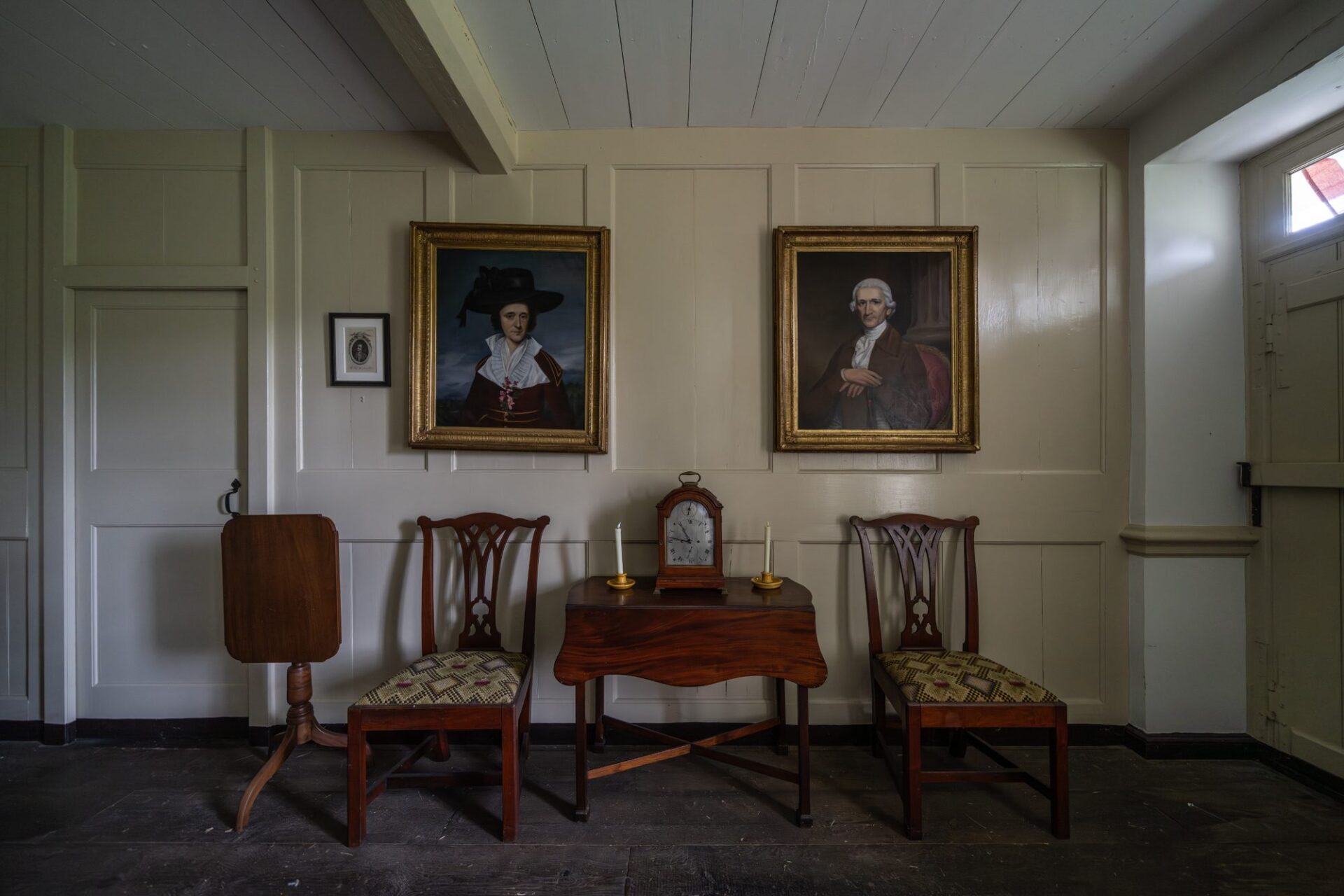
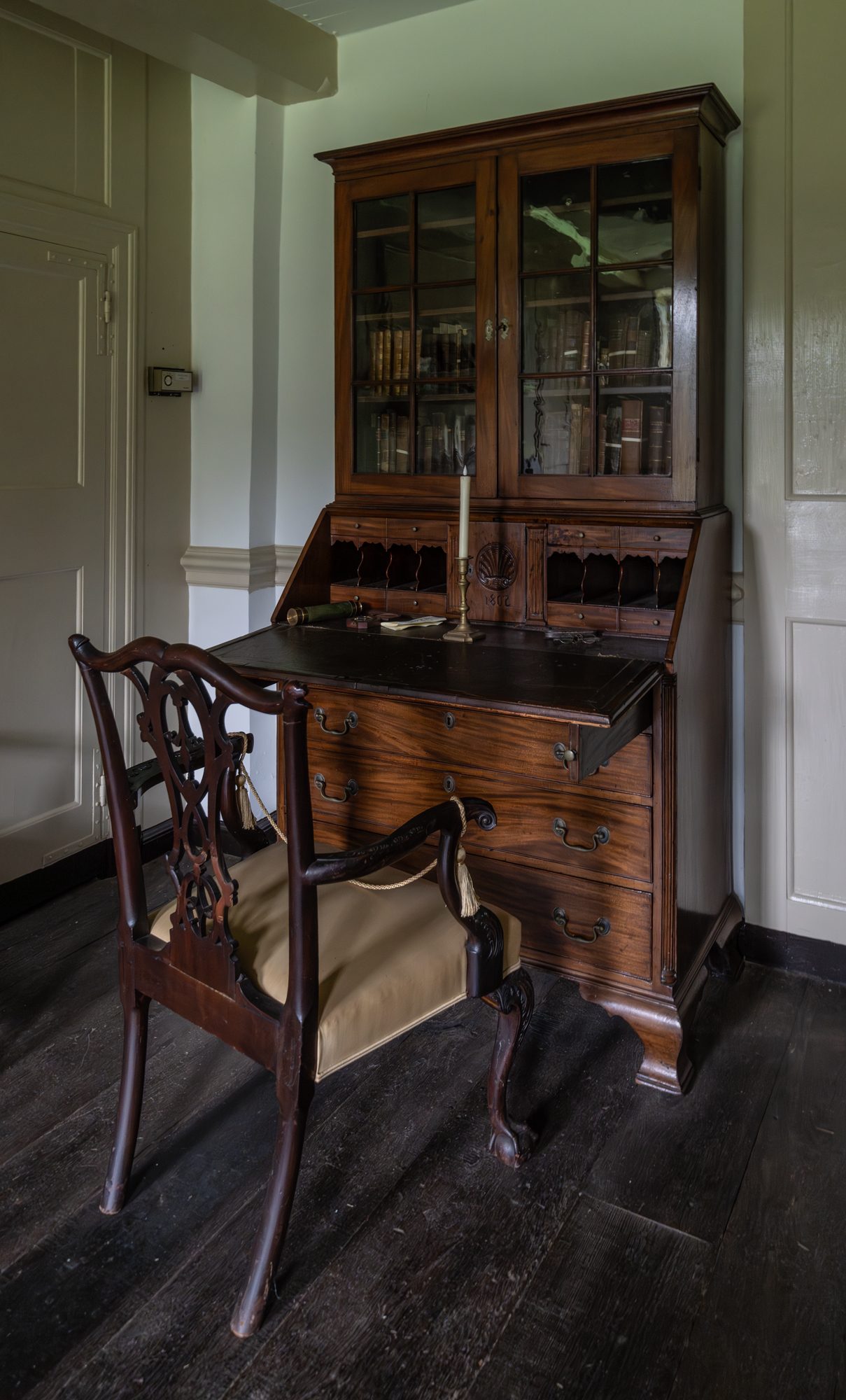
In 1969, the historic house was acquired by Lower Merion Township, after a preservation campaign led by a group of citizens known as the Harriton Association who were concerned that the house would be subdivided and developed. The independent nonprofit Harriton Association currently manages the property, offering tours and preserving the house. Touring the museum today offers a fascinating glimpse into one of Pennsylvania’s oldest surviving colonial houses. You can visit the Harriton Association’s website for more information on tours and events – if you’d like to visit it outside scheduled events, guests are advised to set up an appointment. It’s well worth the visit, and public support helps ensure that the home will be open to the public for generations to come!






 Continue with Google