

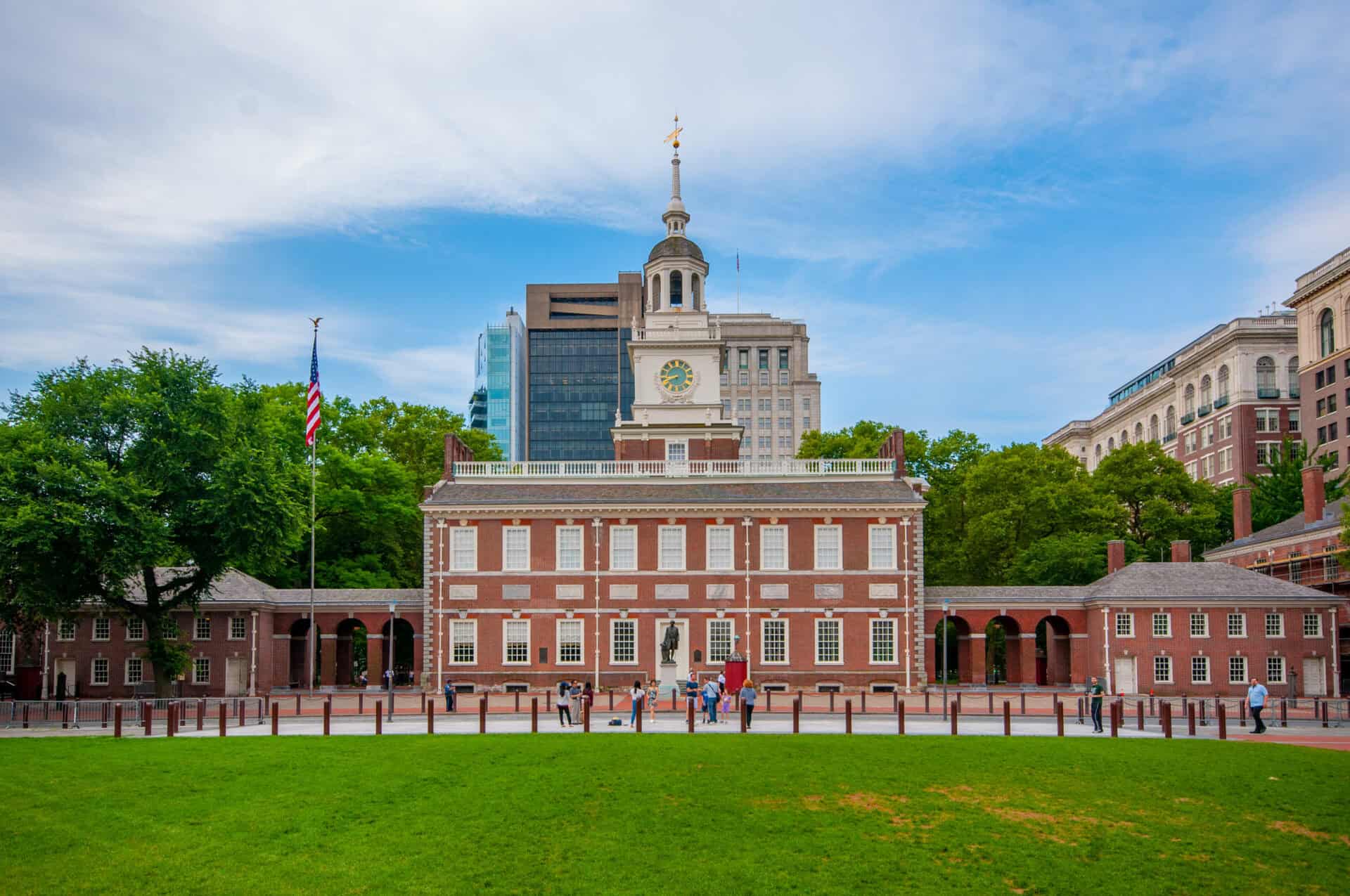
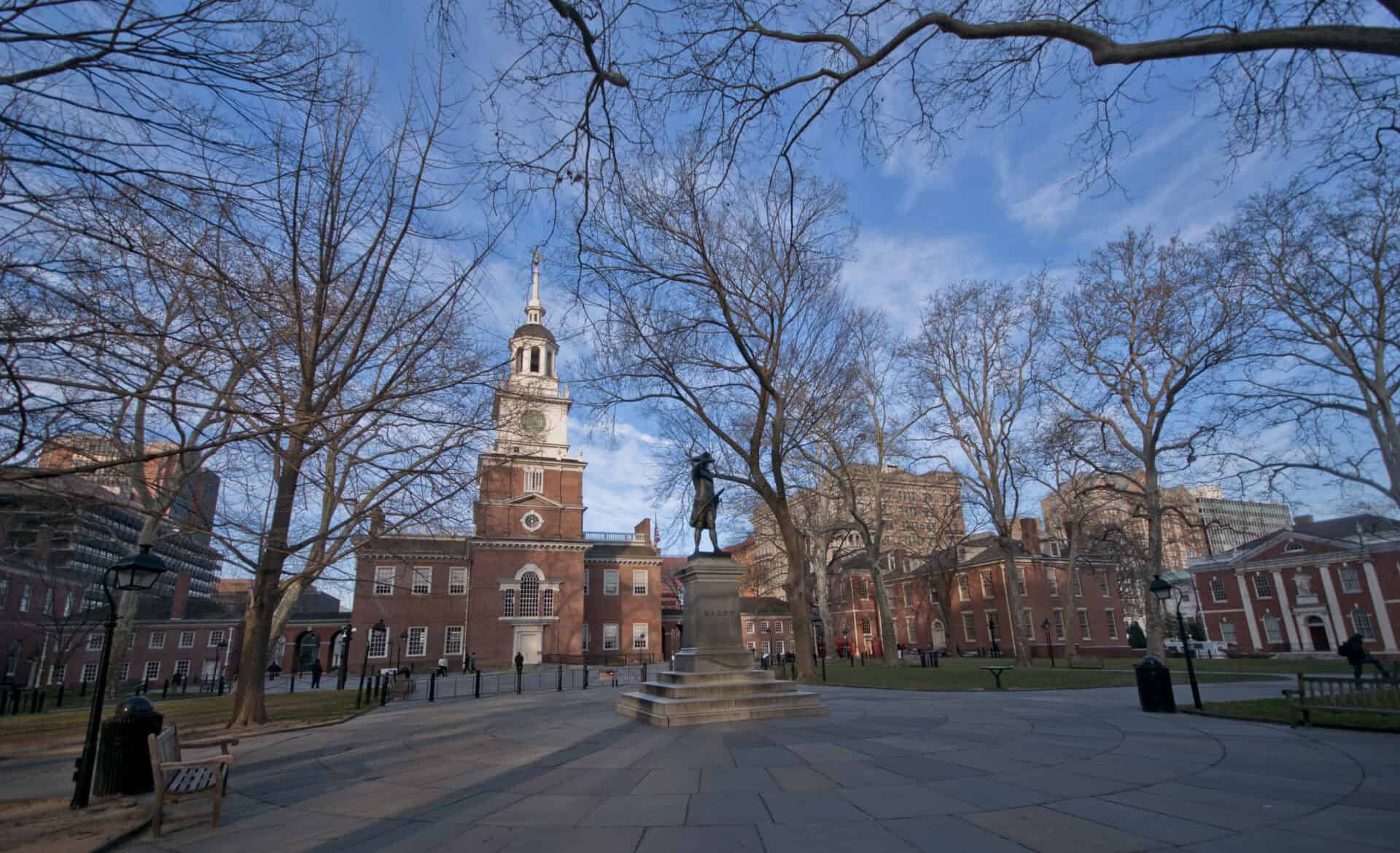
Independence Hall: Where the Declaration of Independence Was Signed
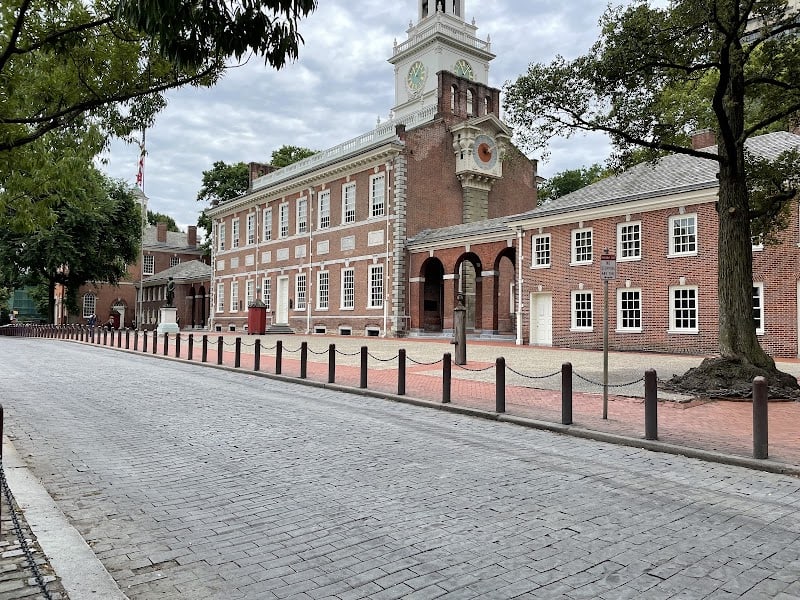
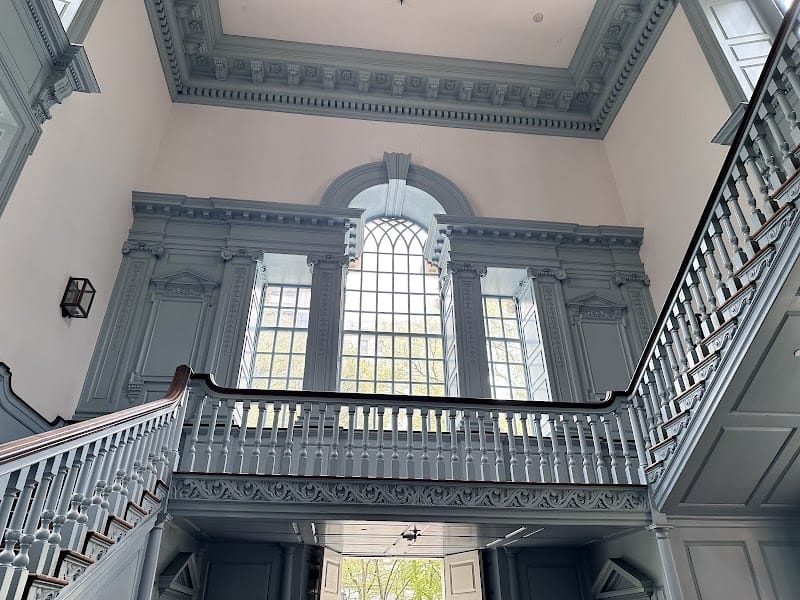
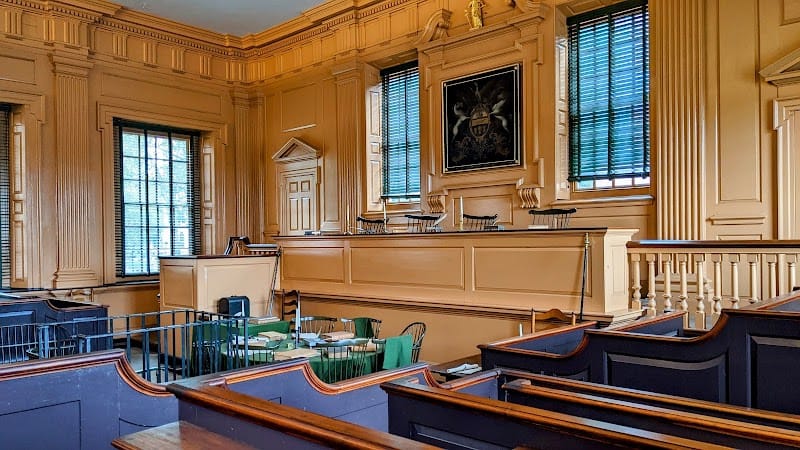
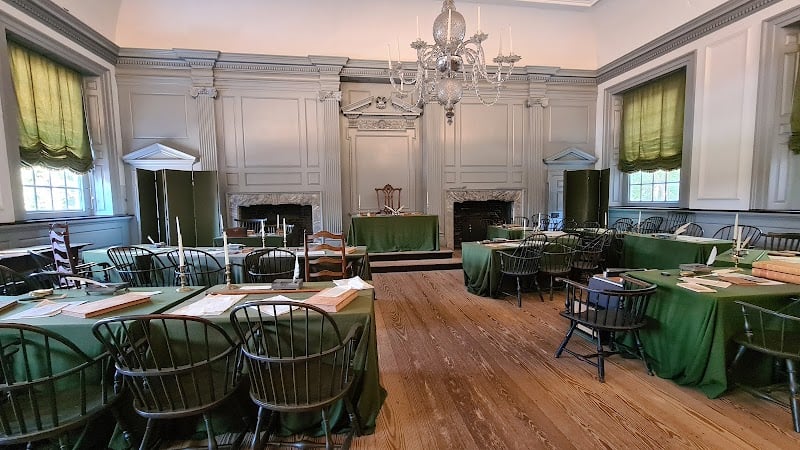
On July 4, 1776, the Continental Congress approved the final wording of the Declaration of Independence inside the Pennsylvania State House — better known today as Independence Hall. The brick building, finished in 1753, was never meant to host a revolution. It was built for colonial politics. But in the Assembly Room, with its green felt-covered tables and high windows, fifty-six delegates agreed to sever ties with Britain and risk their lives in the process.
Despite the popular painting by John Trumbull, no dramatic mass signing took place that day. The document was first engrossed — carefully handwritten on parchment by Timothy Matlack — and the official signing began on August 2, 1776. John Hancock and Charles Thomson (secretary of Congress) had already signed the earlier version on July 4, but the full roll call stretched on for months as absent delegates returned.
The signers, grouped by colony, were:
New Hampshire: Josiah Bartlett, William Whipple, Matthew Thornton
Massachusetts: John Hancock, Samuel Adams, John Adams, Robert Treat Paine, Elbridge Gerry
Rhode Island: Stephen Hopkins, William Ellery
Connecticut: Roger Sherman, Samuel Huntington, William Williams, Oliver Wolcott
New York: William Floyd, Philip Livingston, Francis Lewis, Lewis Morris
New Jersey: Richard Stockton, John Witherspoon, Francis Hopkinson, John Hart, Abraham Clark
Pennsylvania: Robert Morris, Benjamin Rush, Benjamin Franklin, John Morton, George Clymer, James Smith, George Taylor, James Wilson, George Ross
Delaware: Caesar Rodney, George Read, Thomas McKean
Maryland: Samuel Chase, William Paca, Thomas Stone, Charles Carroll of Carrollton
Virginia: George Wythe, Richard Henry Lee, Thomas Jefferson, Benjamin Harrison, Thomas Nelson Jr., Francis Lightfoot Lee, Carter Braxton
North Carolina: William Hooper, Joseph Hewes, John Penn
South Carolina: Edward Rutledge, Thomas Heyward Jr., Thomas Lynch Jr., Arthur Middleton
Georgia: Button Gwinnett, Lyman Hall, George Walton
To spread the news, Congress ordered copies printed by John Dunlap, its official printer. Roughly 200 “Dunlap broadsides” were struck overnight on July 4–5, 1776. These were rushed out on horseback to assemblies, militias, and taverns across the colonies. Only about 26 are known to survive today. The signed parchment copy, kept in the National Archives, is the one most people think of — but the real revolution was carried in ink and paper that could be nailed to a door or read aloud in a town square.
Independence Hall later hosted the Constitutional Convention and became a shrine long before anyone called it one. The bell tower no longer holds the Liberty Bell, but the room where the break was declared still stands.
Matt Lambros Sep 03, 2025 Philadelphia PA Architecture Back in Time History

Sep 03, 2025

SHARE



More Views For You!


Loading Views . . .
Go on a journey through East Coast States

 Continue with Google