

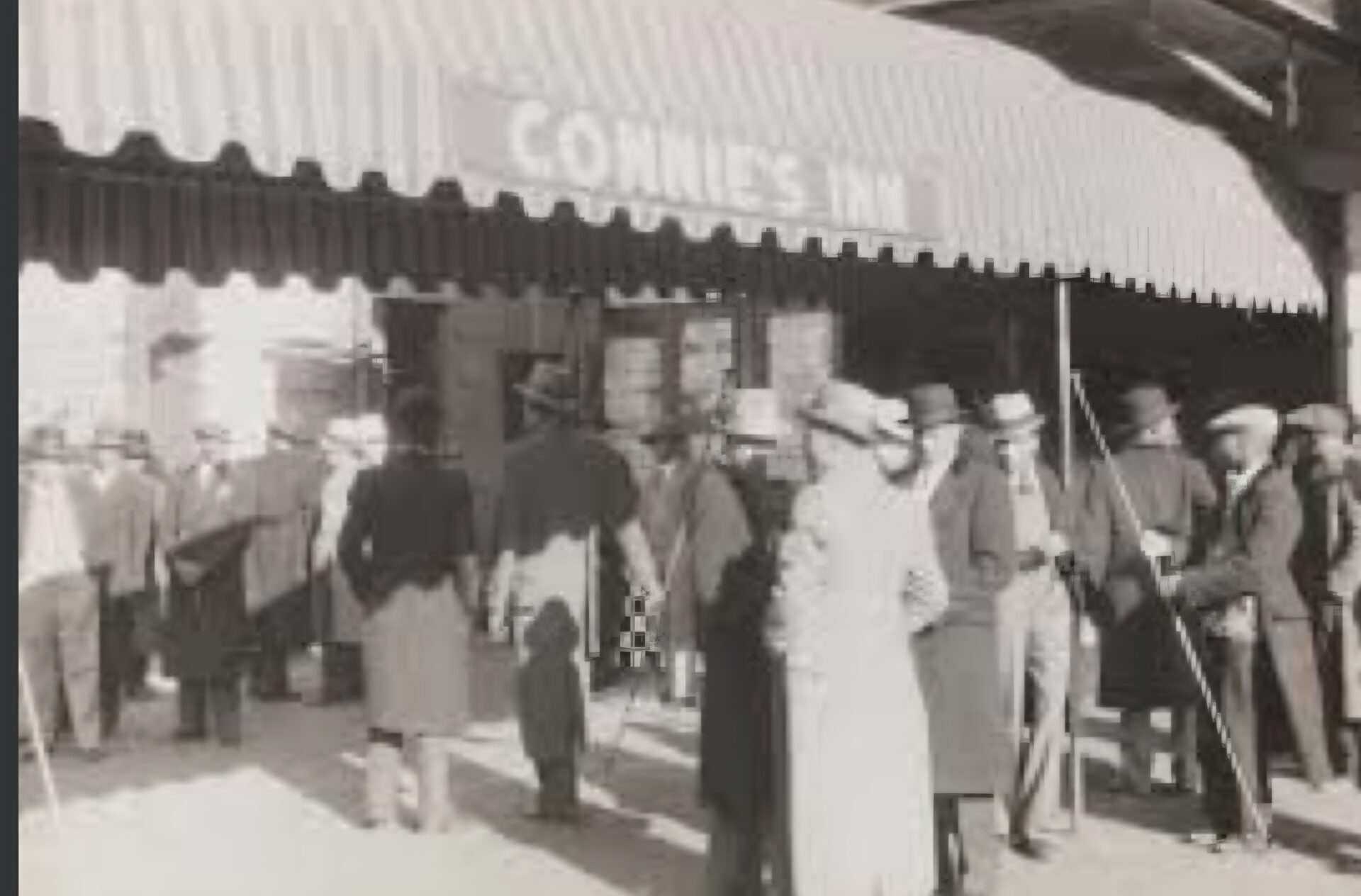
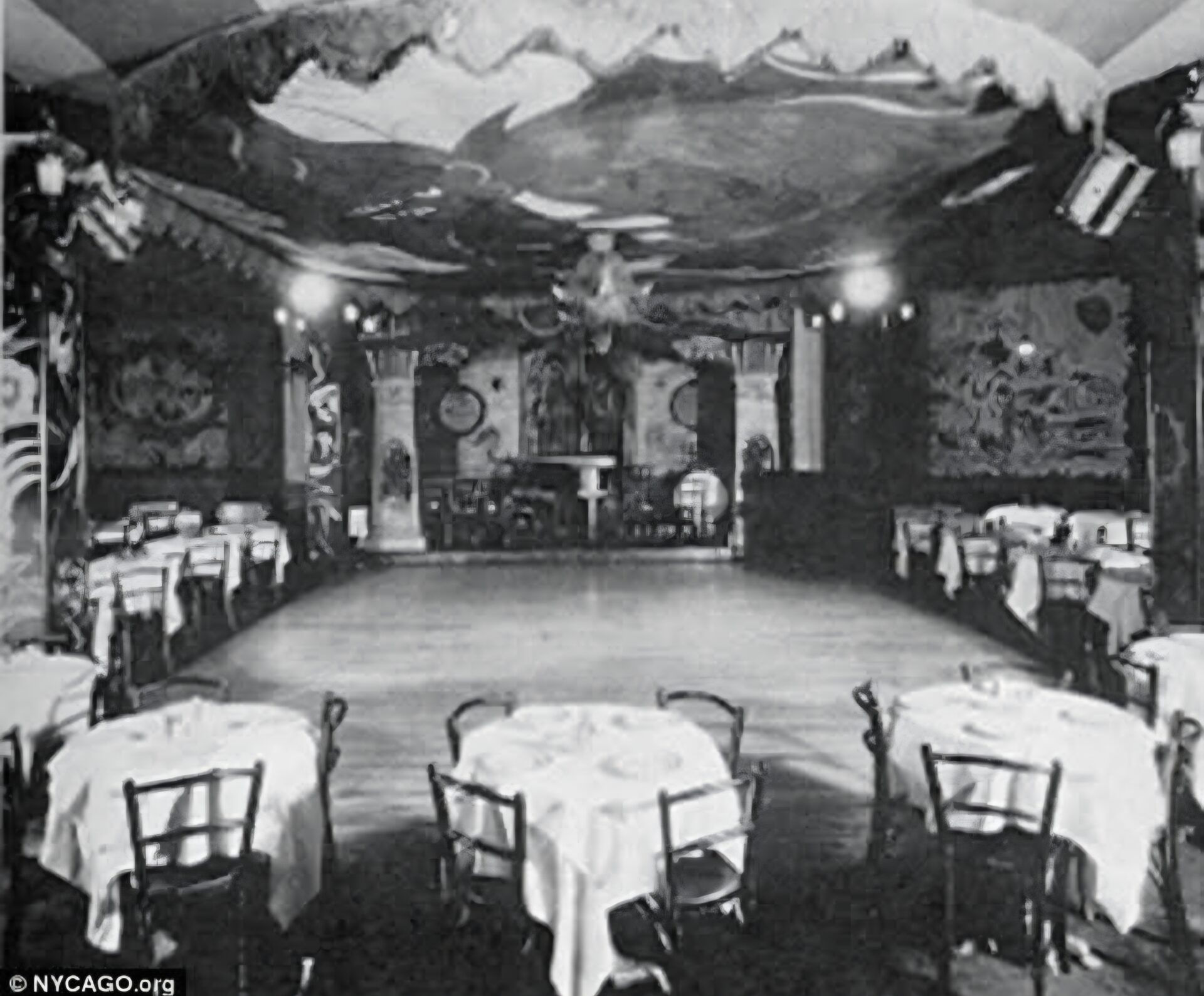
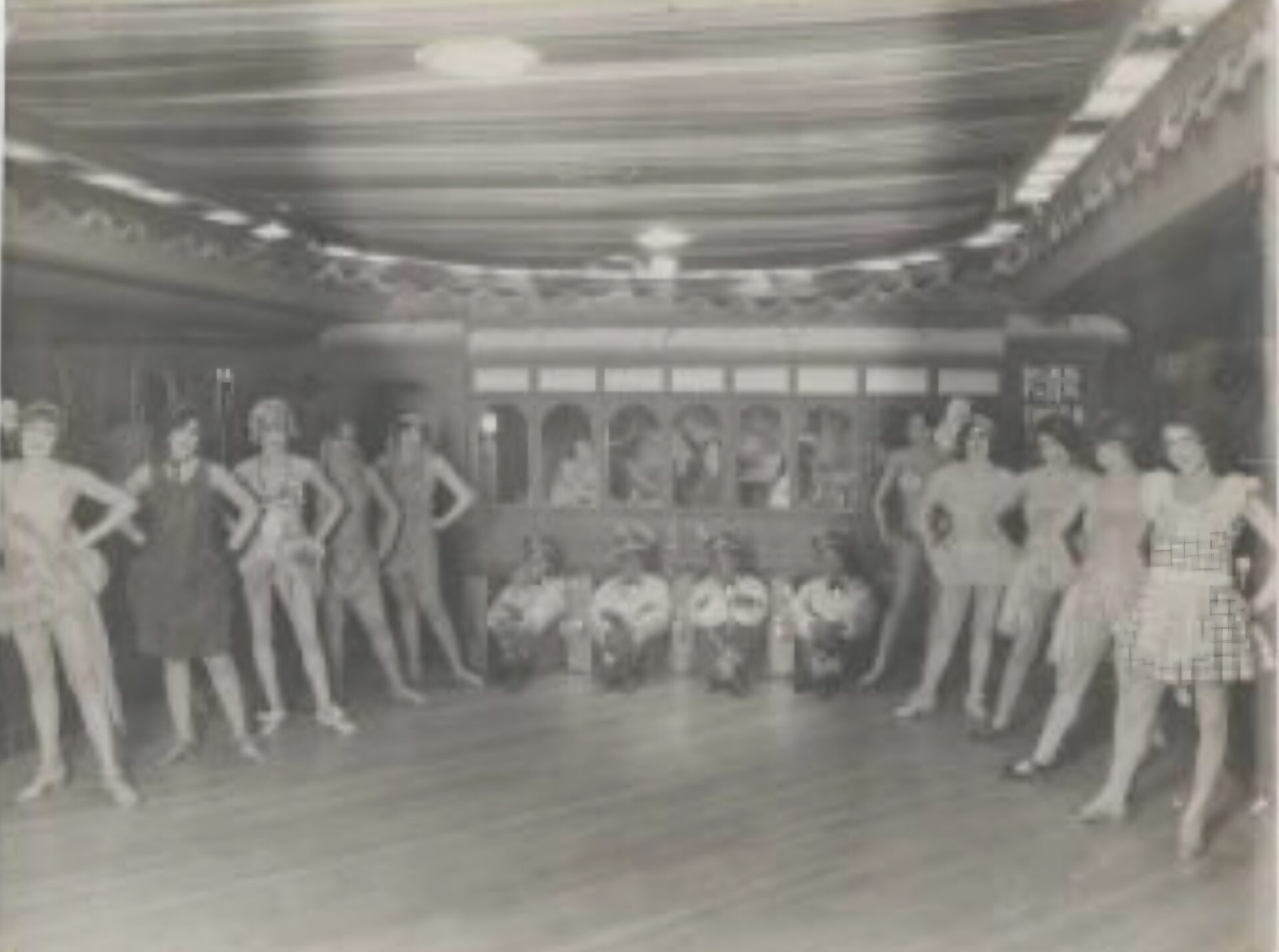
Connie’s Inn was one of the most famous and controversial nightclubs of the Harlem Renaissance, a place where groundbreaking black artists flourished on stage while strict racial barriers shaped who could sit in the audience.
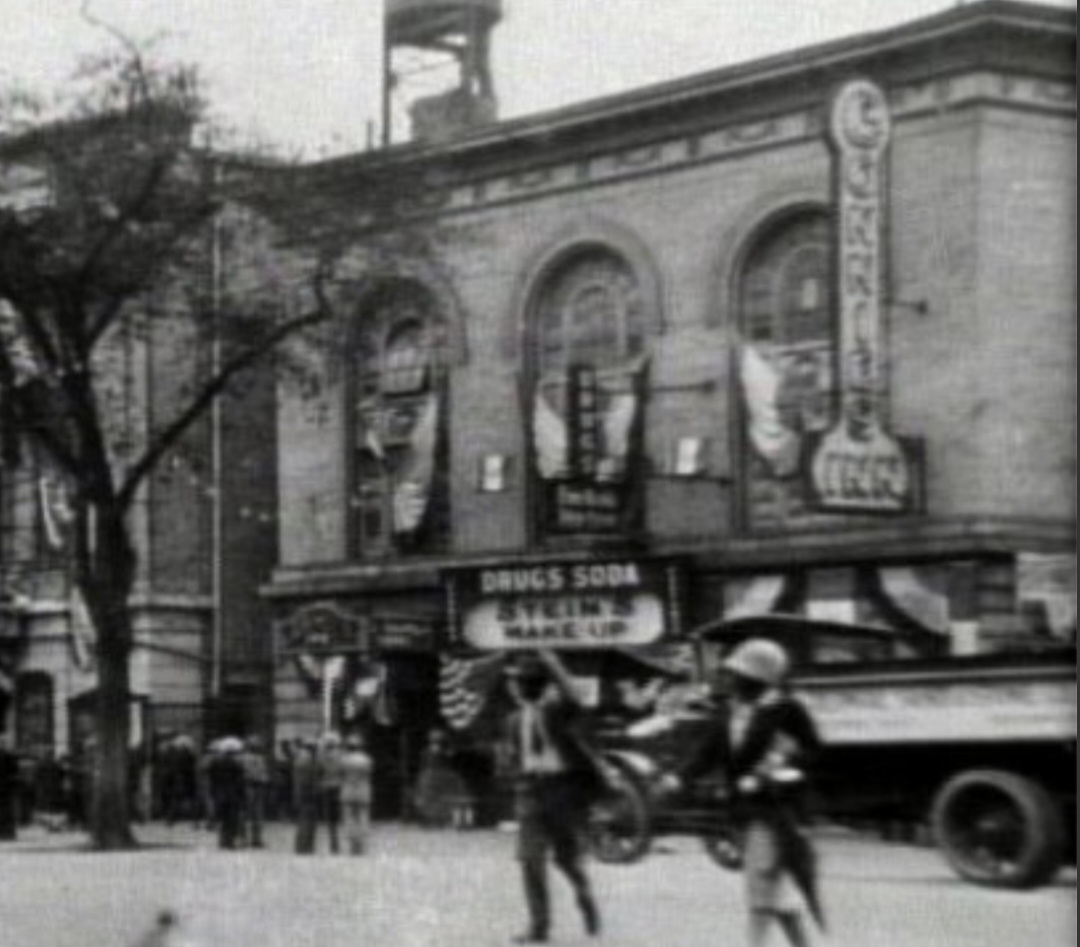
Connie’s Inn opened in 1923 in Harlem at 131st Street and 7th avenue during the height of Prohibition. It was founded by Latvian immigrants Connie Immerman and his two brothers, George and Louis, who made money through bootleging before entering the nightclub business.
The club was located in a basement, but quickly became one of the most fashionable destinations in the city. Wealthy white patrons travelled uptown from downtown Manhattan, paying a relatively high cover charge of $2.50 to experience Harlem’s vibrant jazz scene.
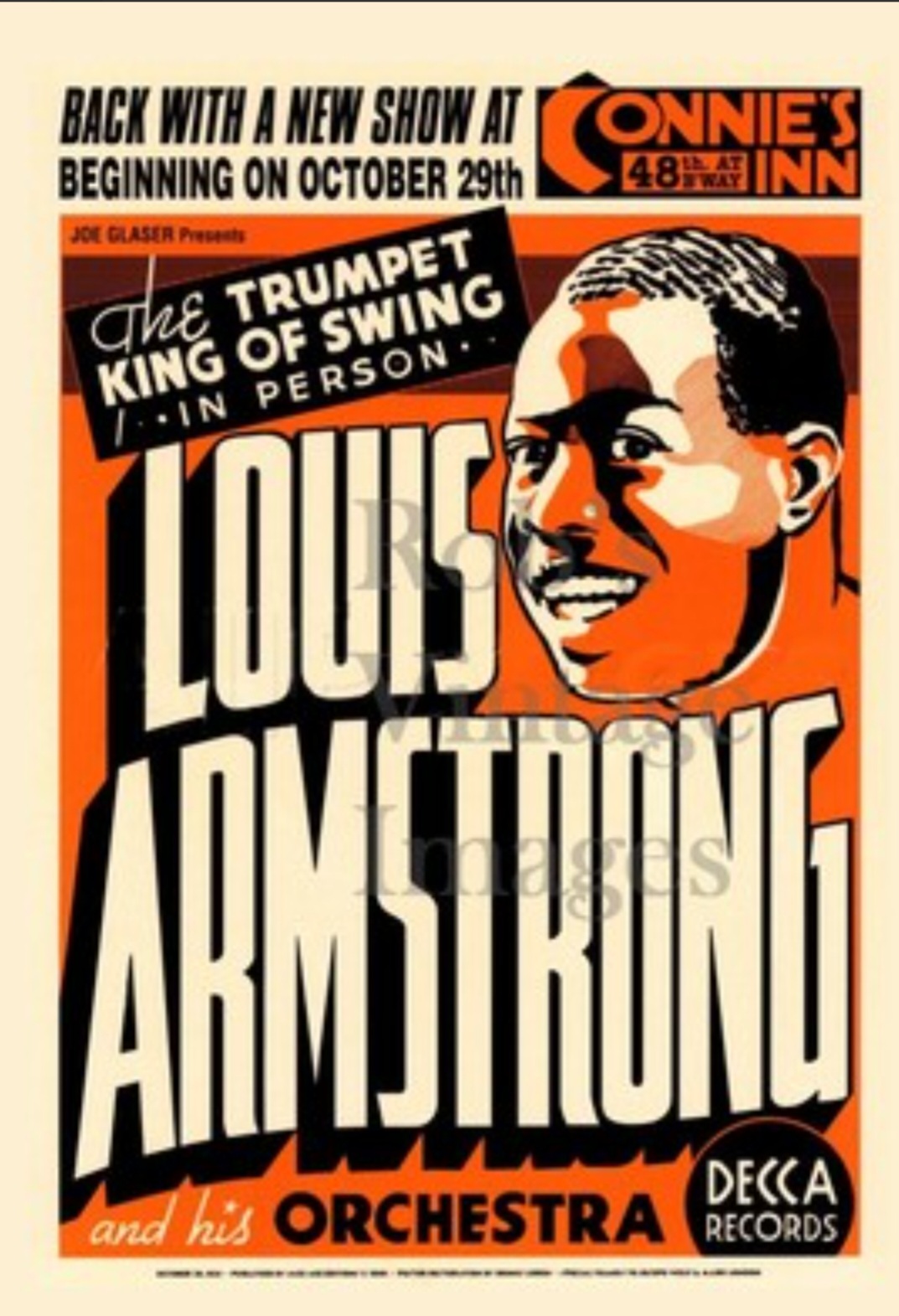
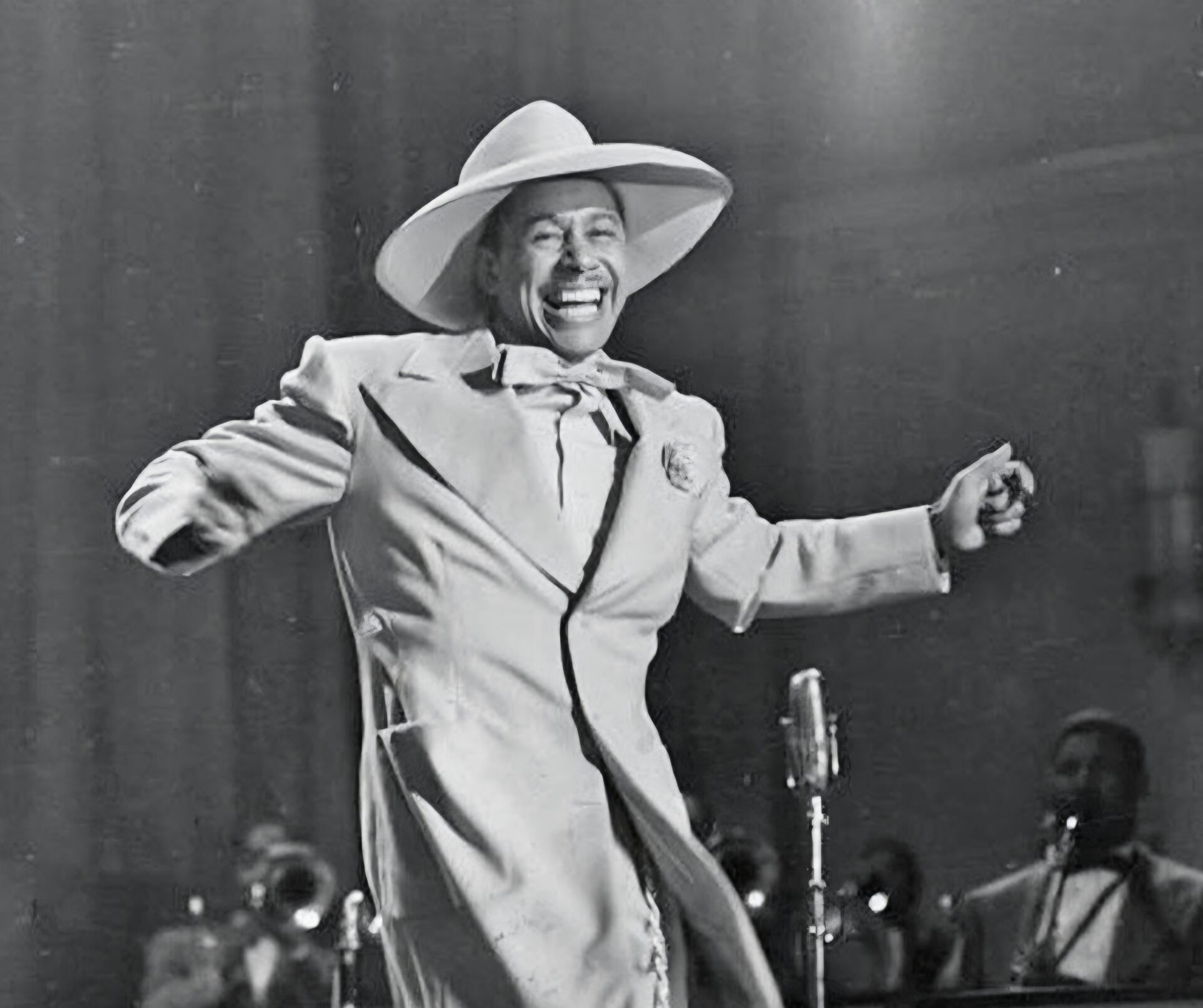
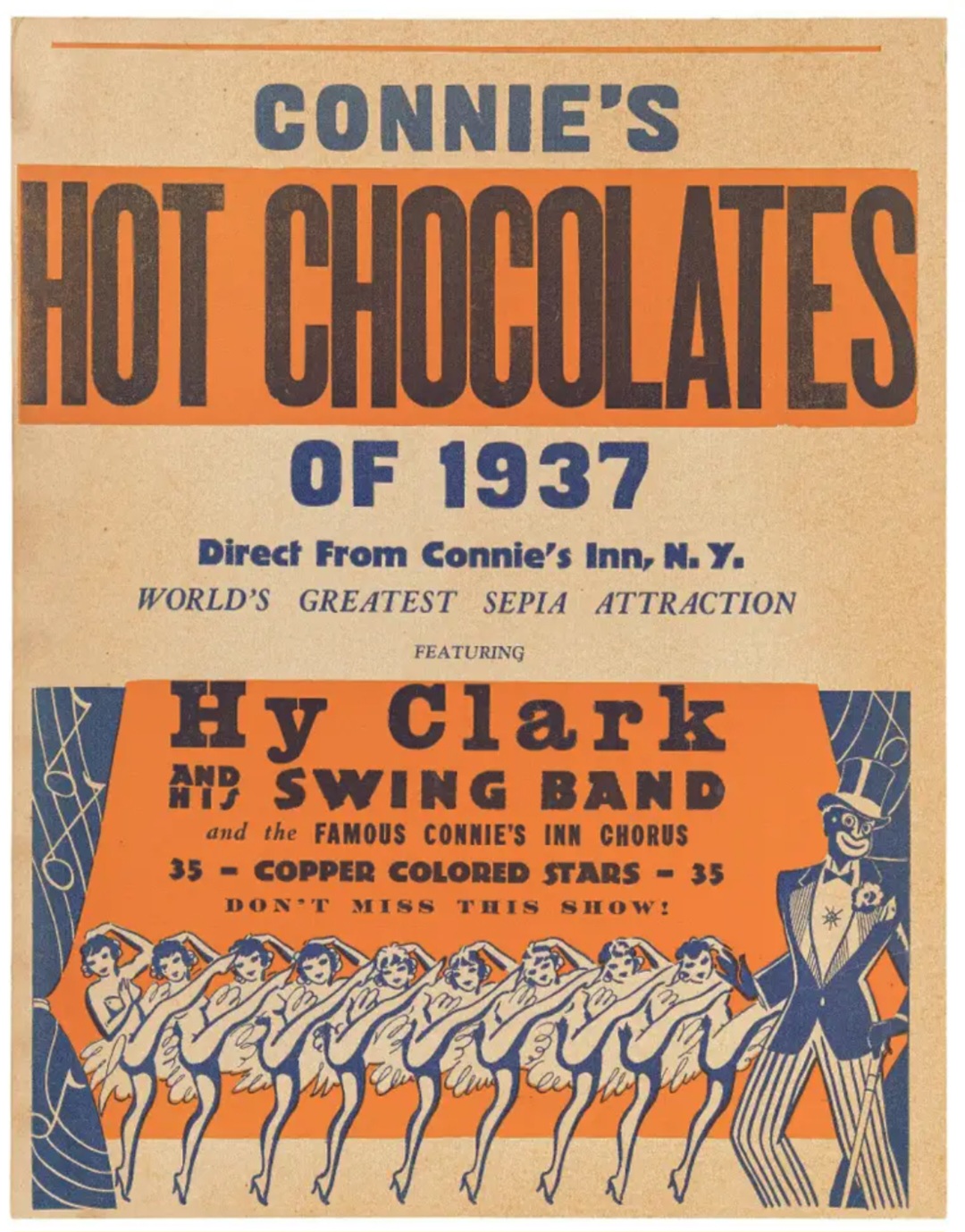
Cab Calloway, famous for his scat-jive vocals and impressive showmanship, starred in 1929’s “Connie’s Hot Chocolates”, a show created by Fats Waller. Calloway found himself sharing the stage with a young trumpeteer named Louis Armstrong, who played with his orchestra at the club in 1935.
Calloway later recorded his smash hit “Minnie the Moocher”.
Despite the small stage, Connie’s Inn hosted some of the biggest names of the era like Fletcher Henderson, Bricktop, Moms Mabley, Wilbur Sweatman, Peg Leg Bates, Gladys Bentley, Bessie Smith and Billie Holiday.
These performers helped define the sound and spirit of the Harlem Renaissance
The club also staged elaborate reviews which later moved to Broadway and introduced songs such as “Ain’t Misbehaven”.
Some black newspapers and critics condemned the club for it’s whites only policy even as it provided major career opportunities for black entertainers.
Connie Inn became known as one of the swankiest clubs in Harlem, attracting celebrities, socialites and even members of the Broadway productions.
The club’s clientele often included figures tied to the underground world of prohibition, bootleggers, gamblers and nightlife elites.
Though the club no longer exists (condominiums today), Connie’s Inn remained historically significant alongside venues like the Cotton Club and Savoy Ballroom, it shaped what became known as Harlem’s Great Black Way.










 Continue with Google