

Show List
See Map
Map
List
 Location: Manhattan NY


 Top
Top
NYC'S Famous Luchow's German Restaurant
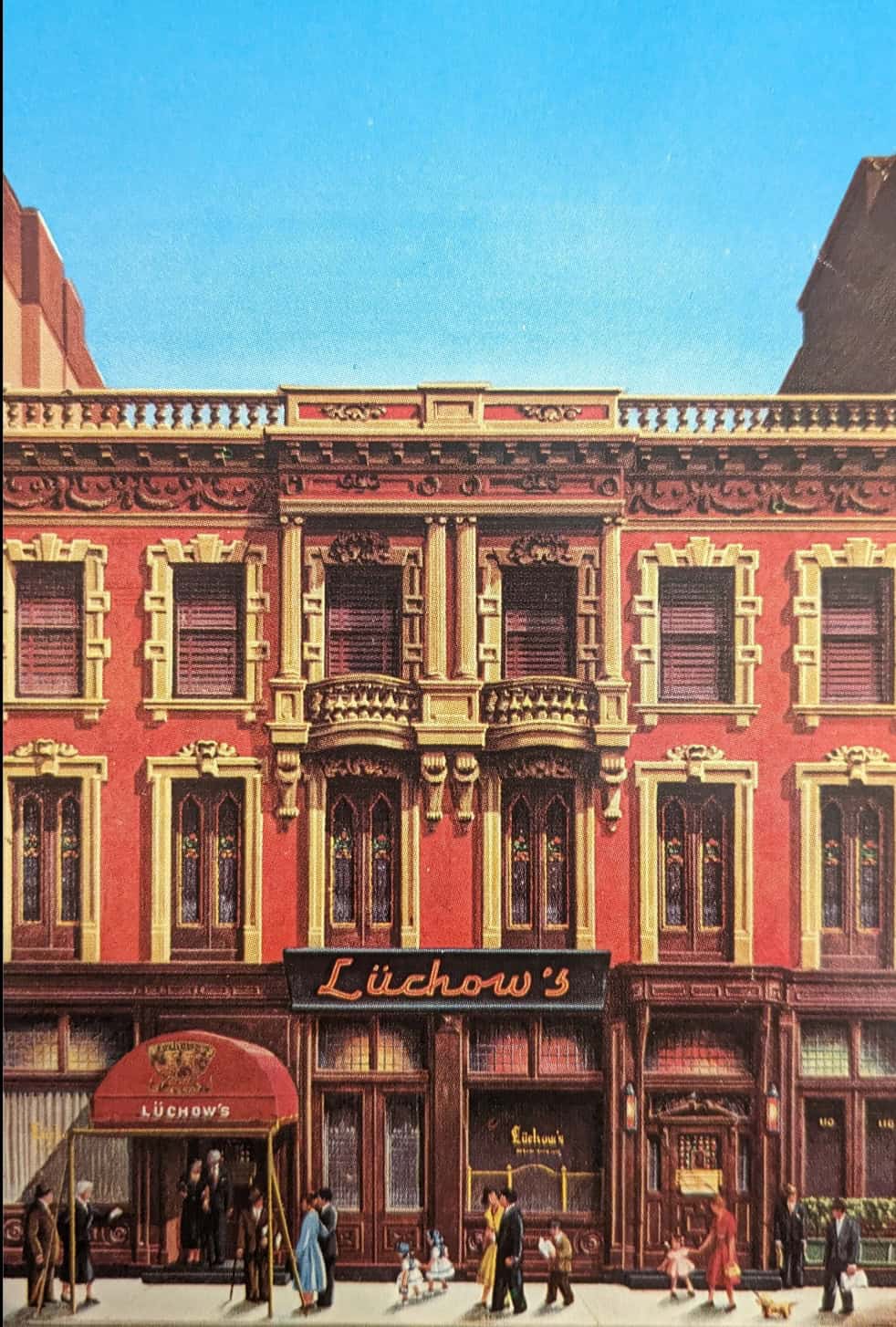
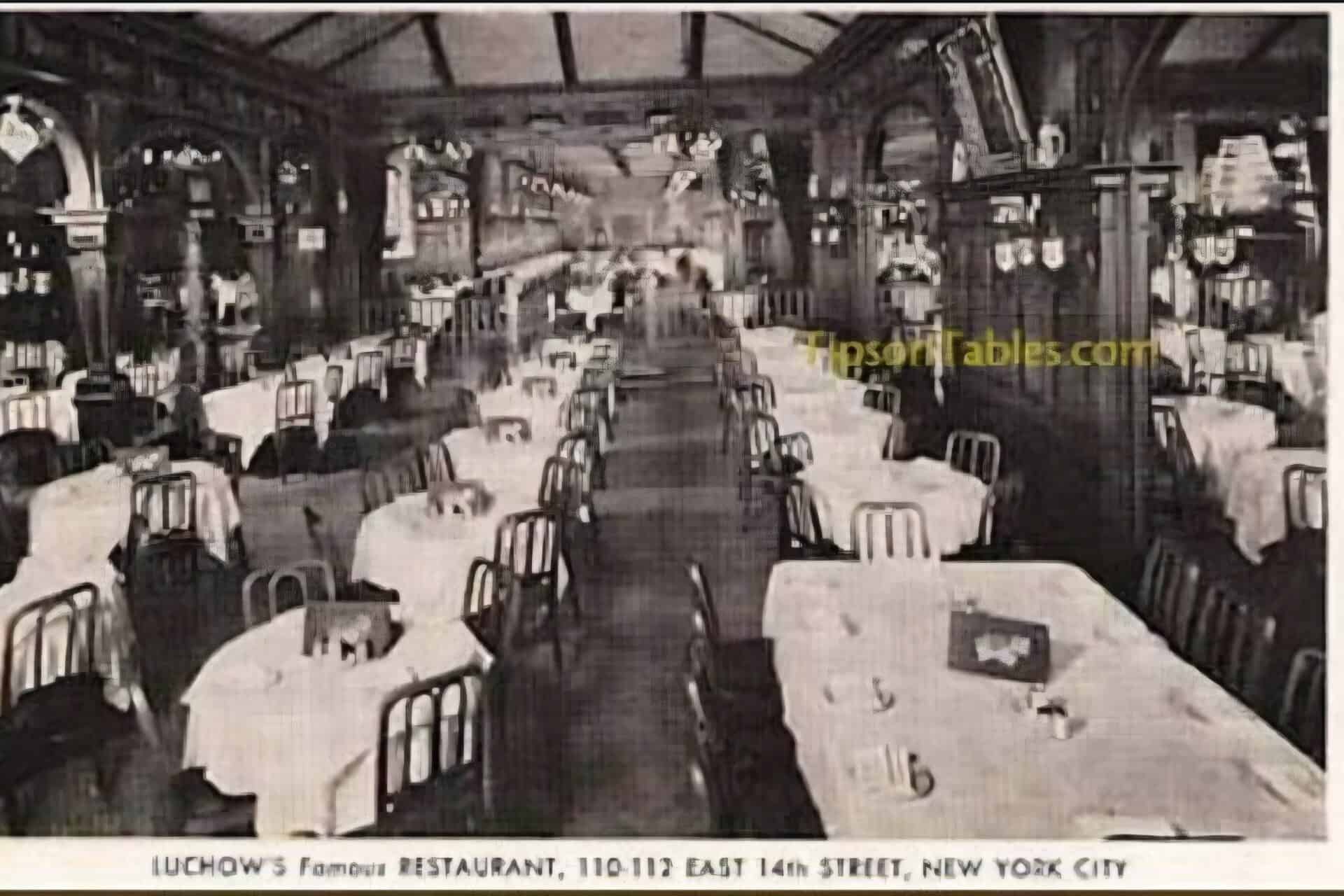
In 1882 at 110 East 14th Street in Manhattan, a young German immigrant named August Guido Luchow bought a modest cafe, where he worked behind the bar and as a waiter.
With a $1500 loan from his friend piano magnate, William Steinway, he opened the iconic German restaurant Luchow’s, that was once one of New York city’s most celebrated culinary and cultural institutions.
Steinway’s nearby Steinway Hall, a center of music and performance, made the restaurant a natural gathering place for musicians and artists, and it wasn’t long before the establishment became known as “the capital of 14th Street”.
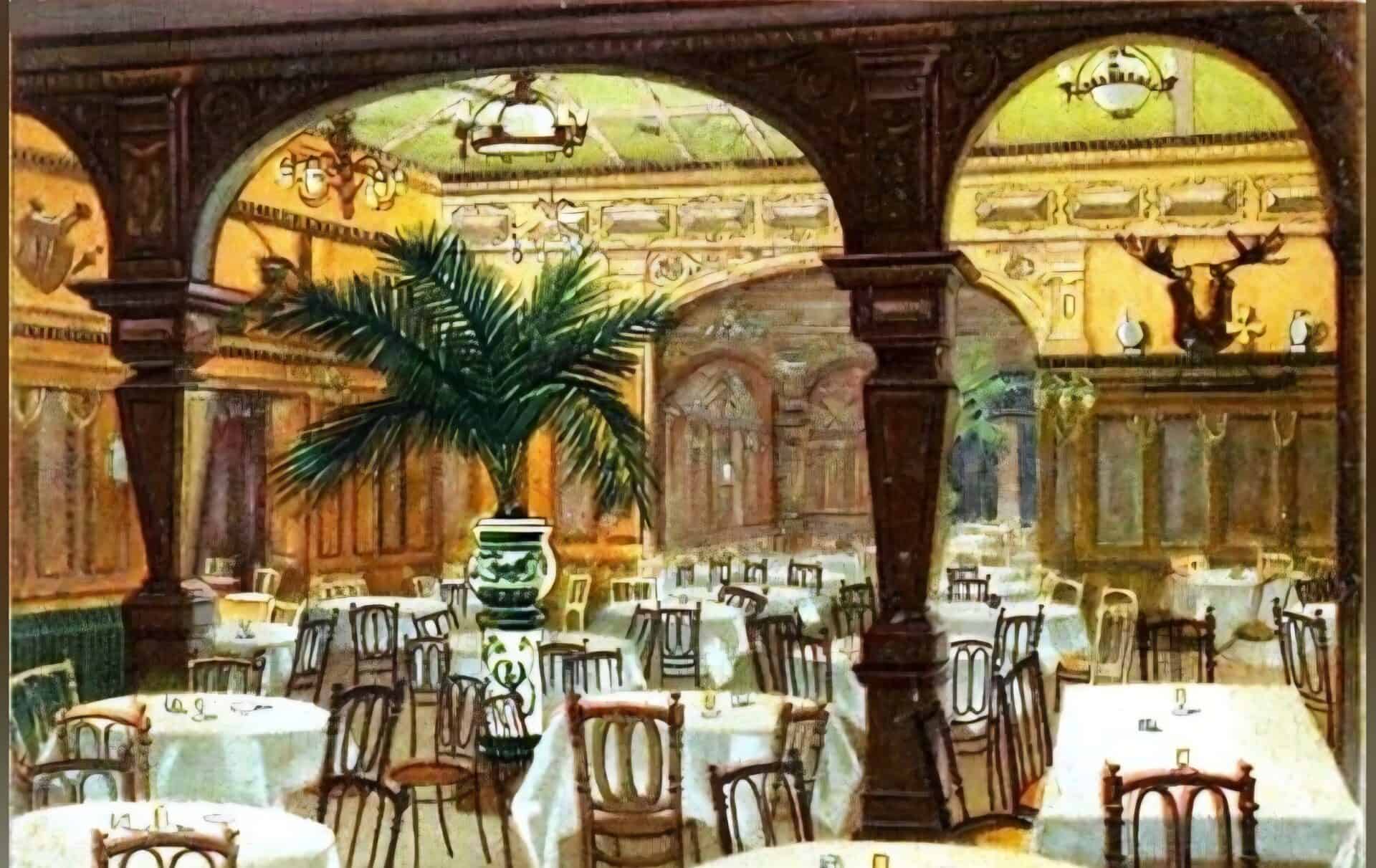
Luchow’s offered more than just food, it’s dark panelled rooms ornate with paintings, beer steins, animal mounts and even a massive model of the clipper Great Republic, created an atmosphere that felt like Old Europe transported to Manhattan.
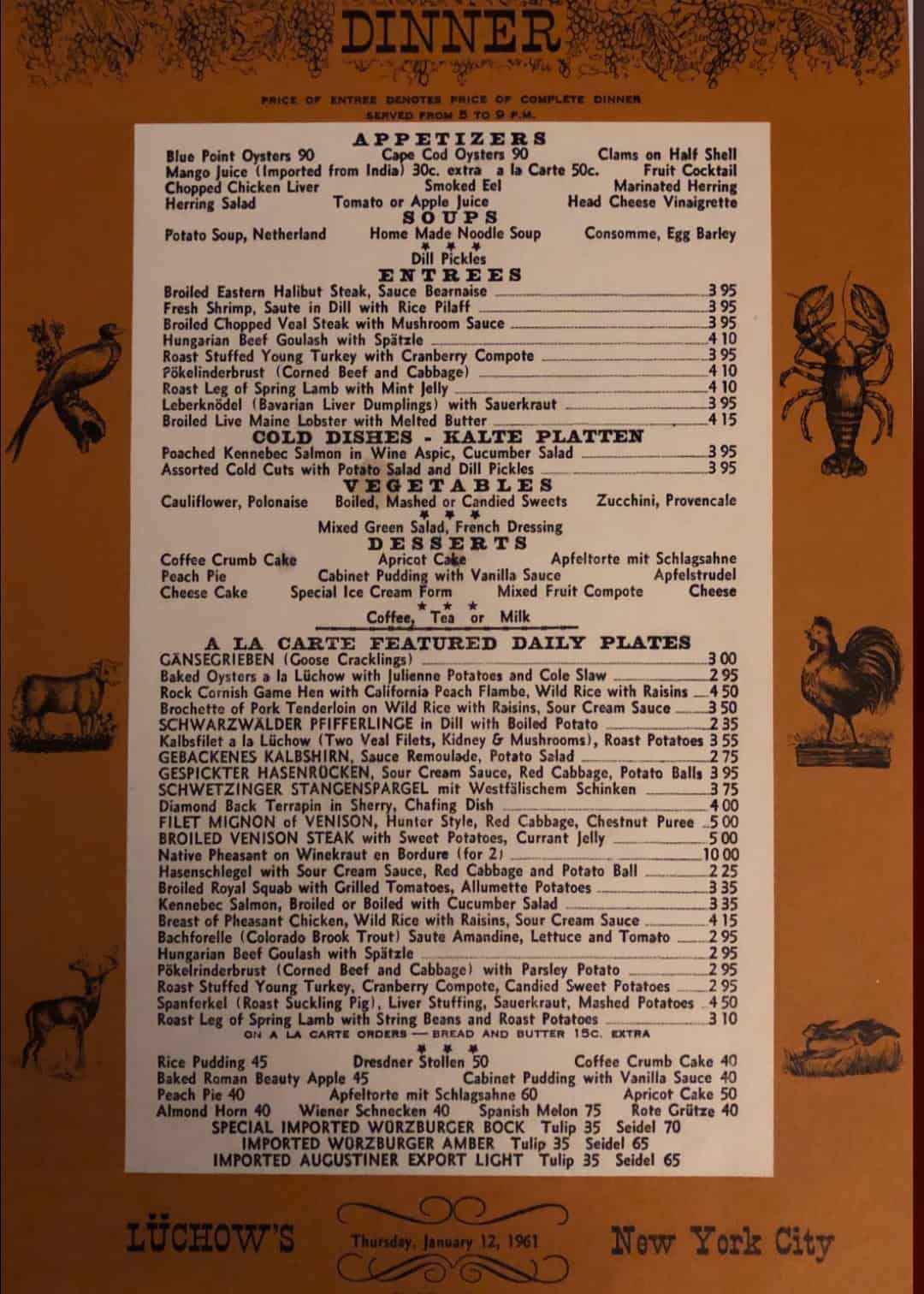
The restaurant’s menu was classic German cuisine: Wiener Schnitzel, brarwurst, knackworst with sauerkraut, sauerbraten, pumpernickel, roast goose, wiener schnitzel, pig’s knuckles, potato dumplings, venison, beefsteak and cheese.
It’s cellar boasted some of the finest European wines and by 1885, Luchow’s was the sole American agent for Wurzburger Beer, an amber Bavarian brew that became inseparable from the Luchow’s dining experience.
When a shipment arrived, the beer had to rest in the cooler for at least three days before it could be served. It was maintained in a cellar at a temperature of forty degrees and if a guest wanted it colder, they got a chilled mug.
Over the decades Luchow’s became a home away from home for New Yorkers who treasured its unique blend of hearty cuisine and cultural significance.
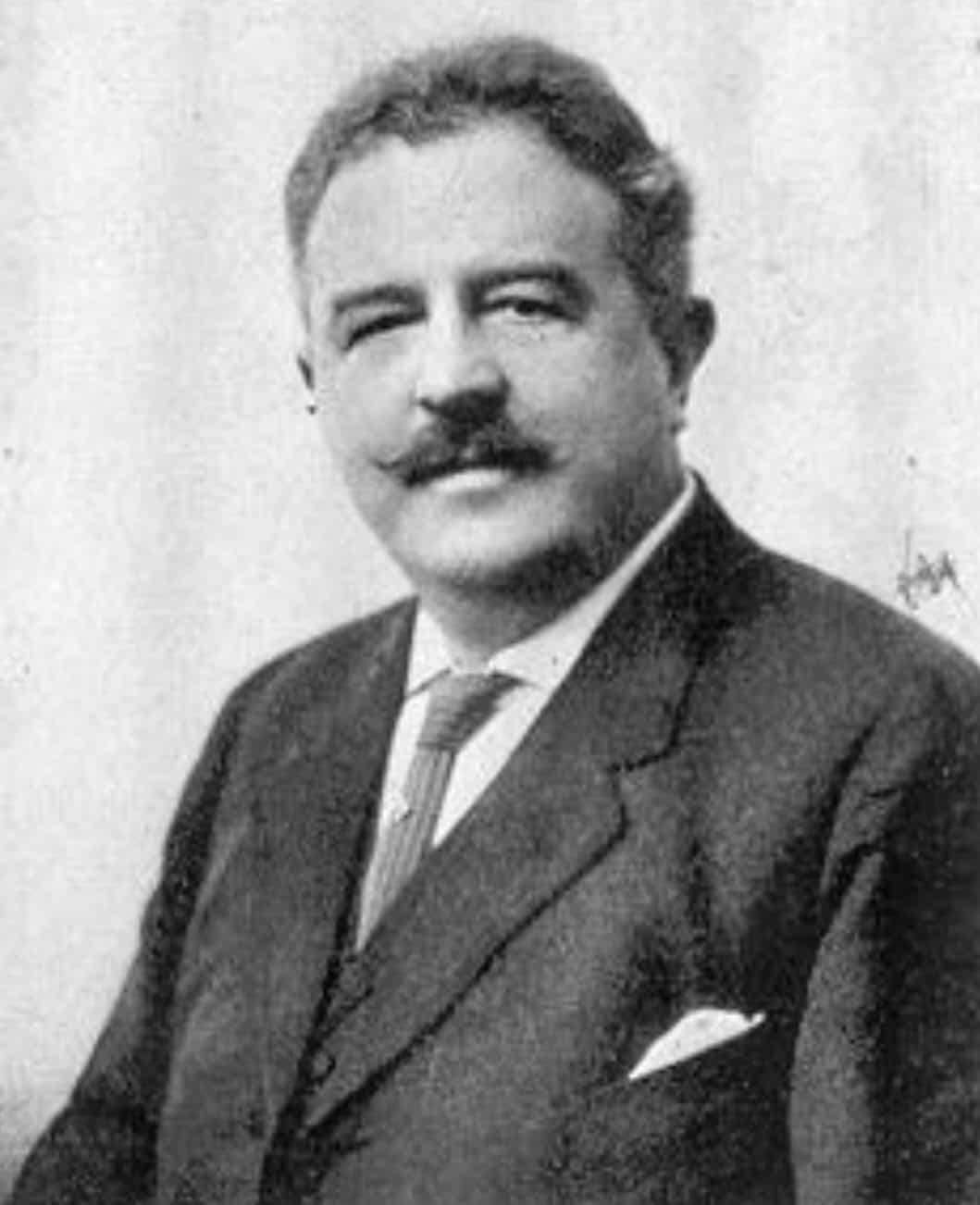
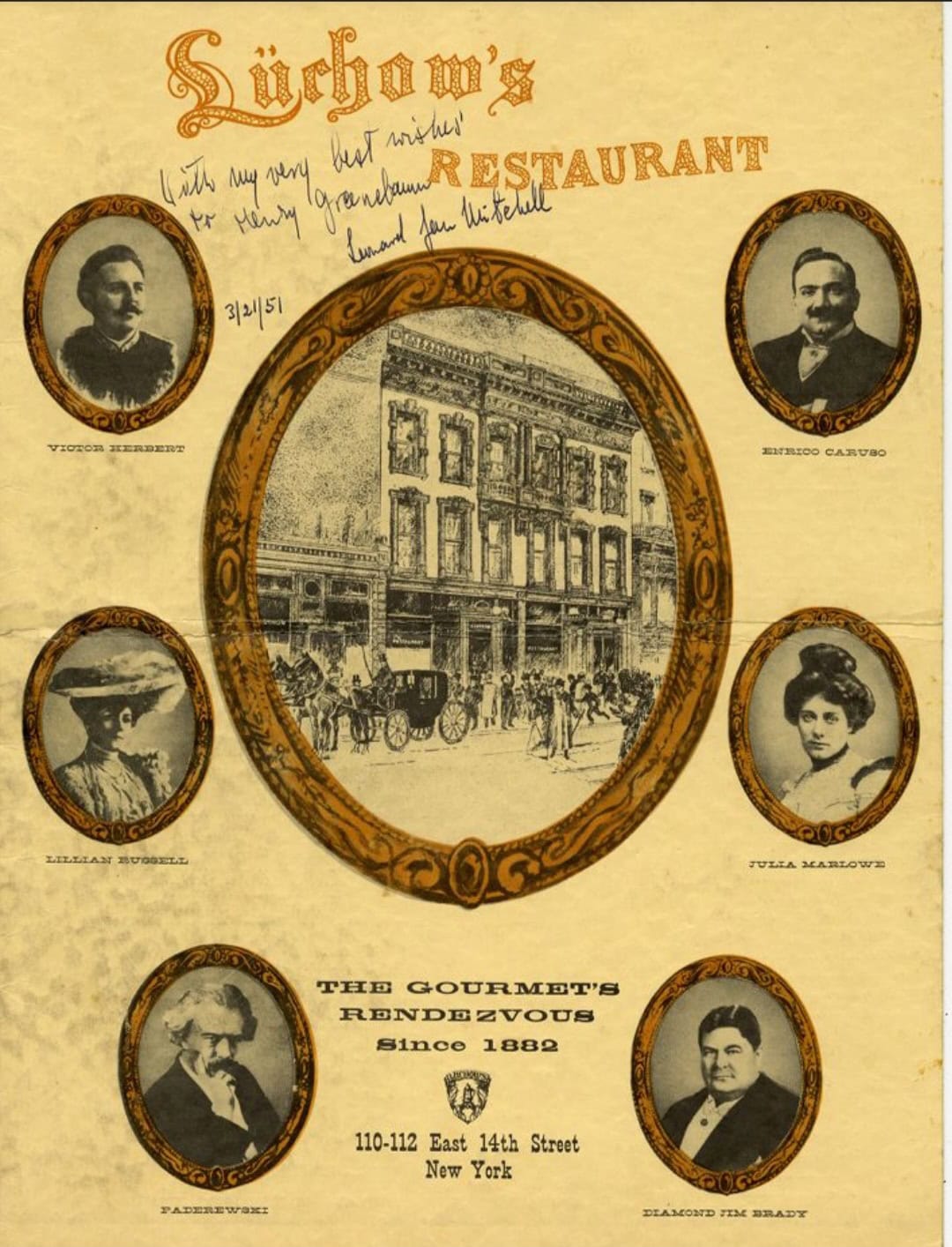
Famous patrons included actors, musicians, writers, and politicians : Theodore Roosevelt, Richard Strauss, O’Henry, HL Mencken, Caruso, Lillian Russell, Victor Herbert. Irving Berlin, Richard Rogers and more.
The infamous Diamond Jim Brady had banquets where 20 ladies of the chorus, were engaged to be company for his dinner guests. At the table, each lady would find tucked in her dinner napkin $500 plus a piece of diamond jewelry.
The aroma of sweet and sour German cooking, with hearty laughter of patrons enjoying themselves and music from the Vienna Quartet reached to embrace all who entered.
While World War I brought intense anti-German sentiment, and Prohibition threatened even greater troubles, but Luchow’s survived. When alcohol became legal again in 1933, it received the very first liquor license issued in New York city, symbolizing its resilience and place in local life.
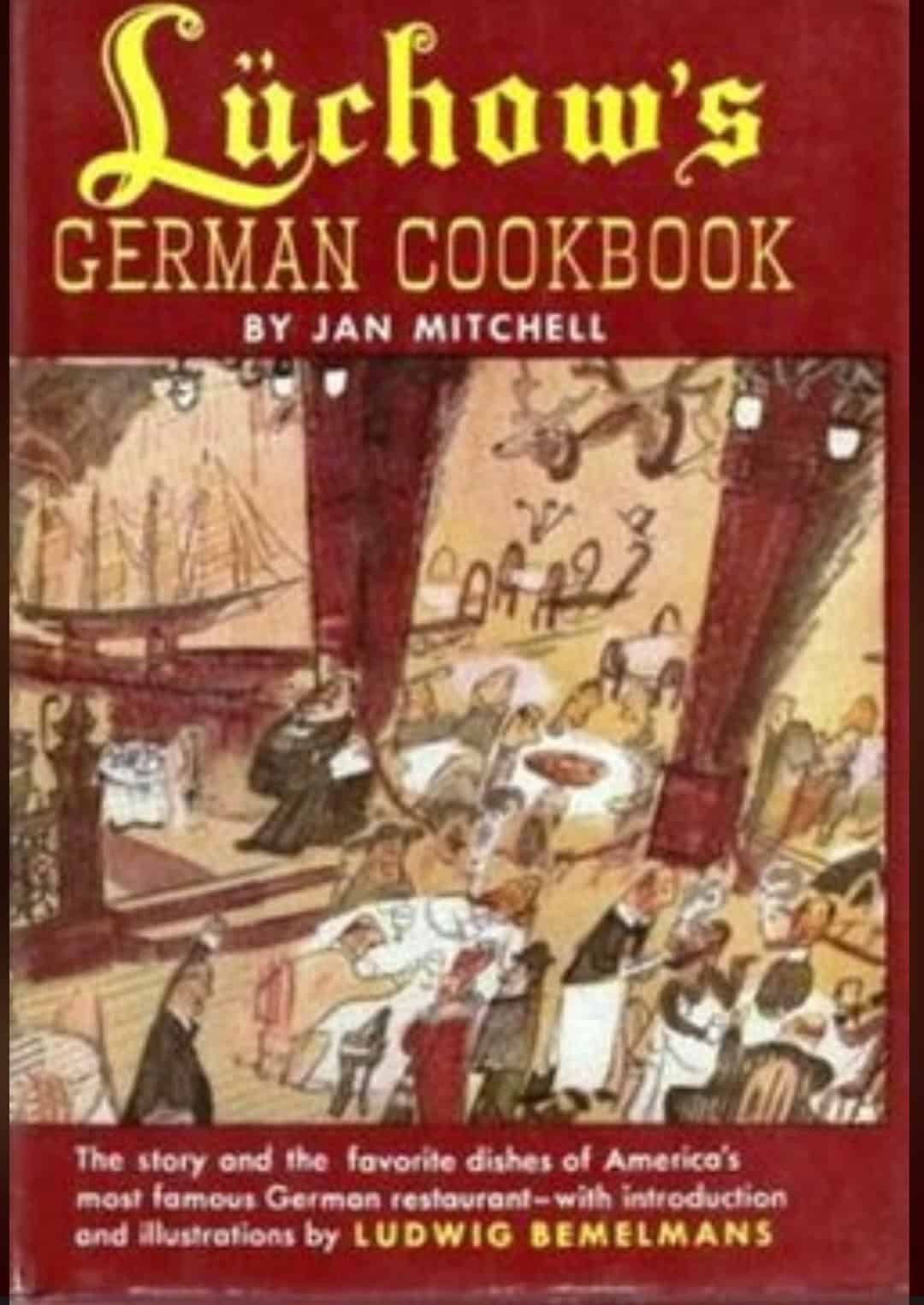
After August Luchow’s death in 1923, his nephew-in-law kept the spirit alive through mid-century, reinstating classic traditions and publishing Luchow’s German Cookbook full of the restaurant’s recipes.
By the 1970’s and 80s the neighborhood around Union Square had changed dramatically and in 1994, the original building suffered a mysterious fire and was demolished in 1995.
Today, where once German beer flowed and laughter echoed, part of New York University’s University Hall dormitory now stands.
A reminder that even the grandest institutions must yield to the cities ceaseless change.
Though the doors of Luchow’s closed years ago, its legacy lives on in it’s renowned recipes and memories of the countless diners who gathered there and in the stories of a restaurant that for a century embodied, a unique piece of New York’s cultural and culinary history.
David Garland Jan 29, 2026 Manhattan NY Food Restaurants Theaters
Next
David Garland
Jan 29, 2026
Jan 29, 2026
Share NYC'S Famous Luchow's German Restaurant
SHARE
Used to have
2 months ago1mo ago
yes , took pur German landlady there for dinner in 1974. She loved it because it was a nostalgic memory for her, with the traditional german cuisine. and the “Umbaar” band. Both restaurant and my landlady were long gone, I don’y remember much about the food, but I was glad that it made her day for my lanbdlady.
1
David created this post 2 months ago