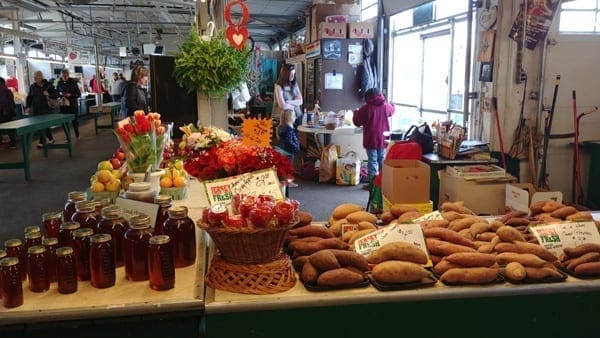
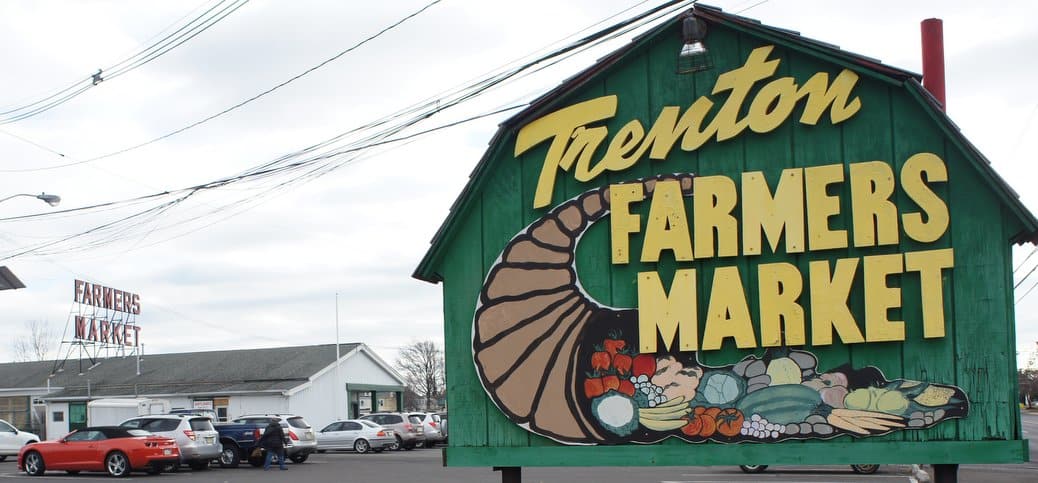
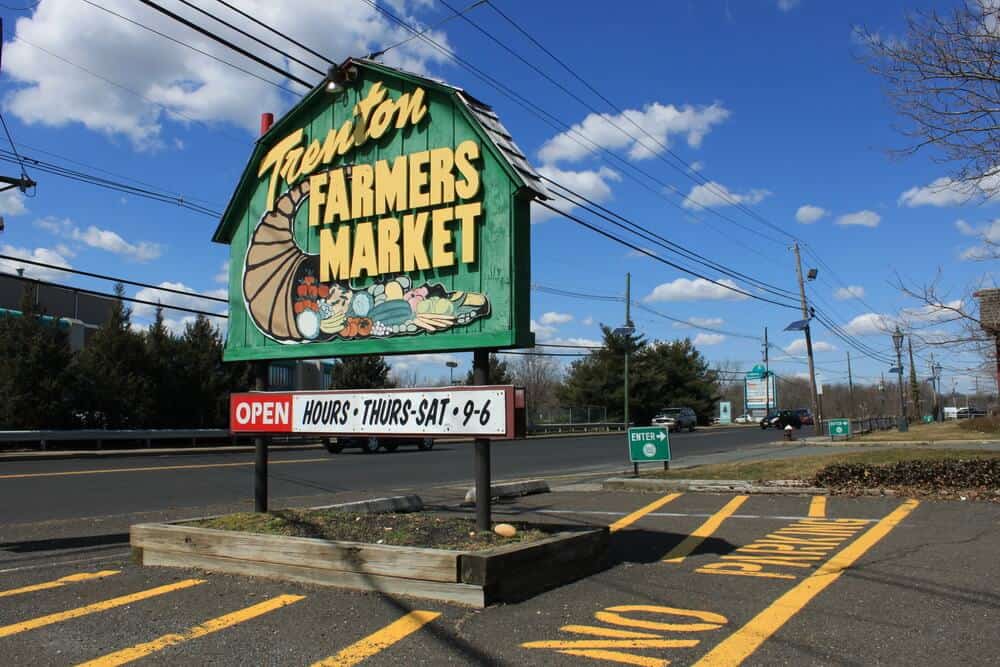
The Trenton Farmers Market is New Jersey’s oldest continuously running farmers market, established as a farmer-owned cooperative in 1939 and located on Spruce Street in Lawrence Township since 1948. It offers a vibrant selection of Jersey Fresh fruits and vegetables, Amish meats and poultry, Polish deli specialties like kielbasa, artisan cheese, baked goods, BBQ, rotisserie chicken, vegan options, clothing, jewelry, handbags, home goods, essential oils, handcrafted soaps and body care, sweets, donuts, local wine, burgers, fries, and more.
Check them out at https://thetrentonfarmersmarket.com/
Market History
- Founded by local farmers who originally sold produce near the Trenton Makes bridge in the early 1900s.
· The Trenton Market Growers Cooperative Association purchased property on Spruce Street in 1939 due to city infrastructure needs.
· The market opened at its current location in 1948, evolving from outdoor stalls to an indoor, cross-shaped building by 1968.
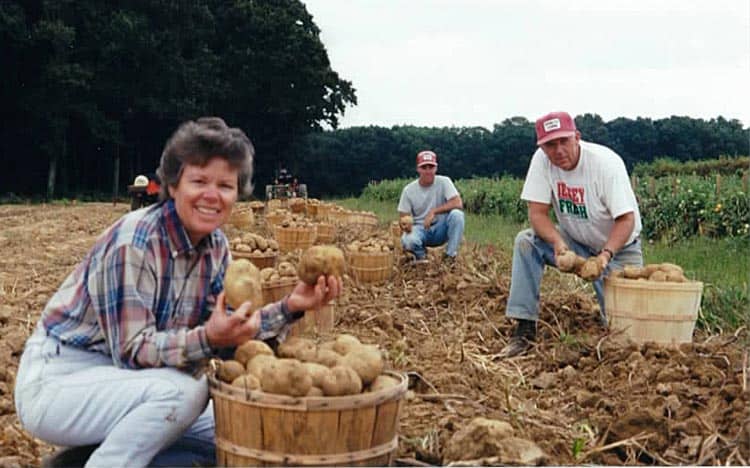
· The market currently includes six or seven farms in its cooperative, some of which serve on the board.
What’s Available
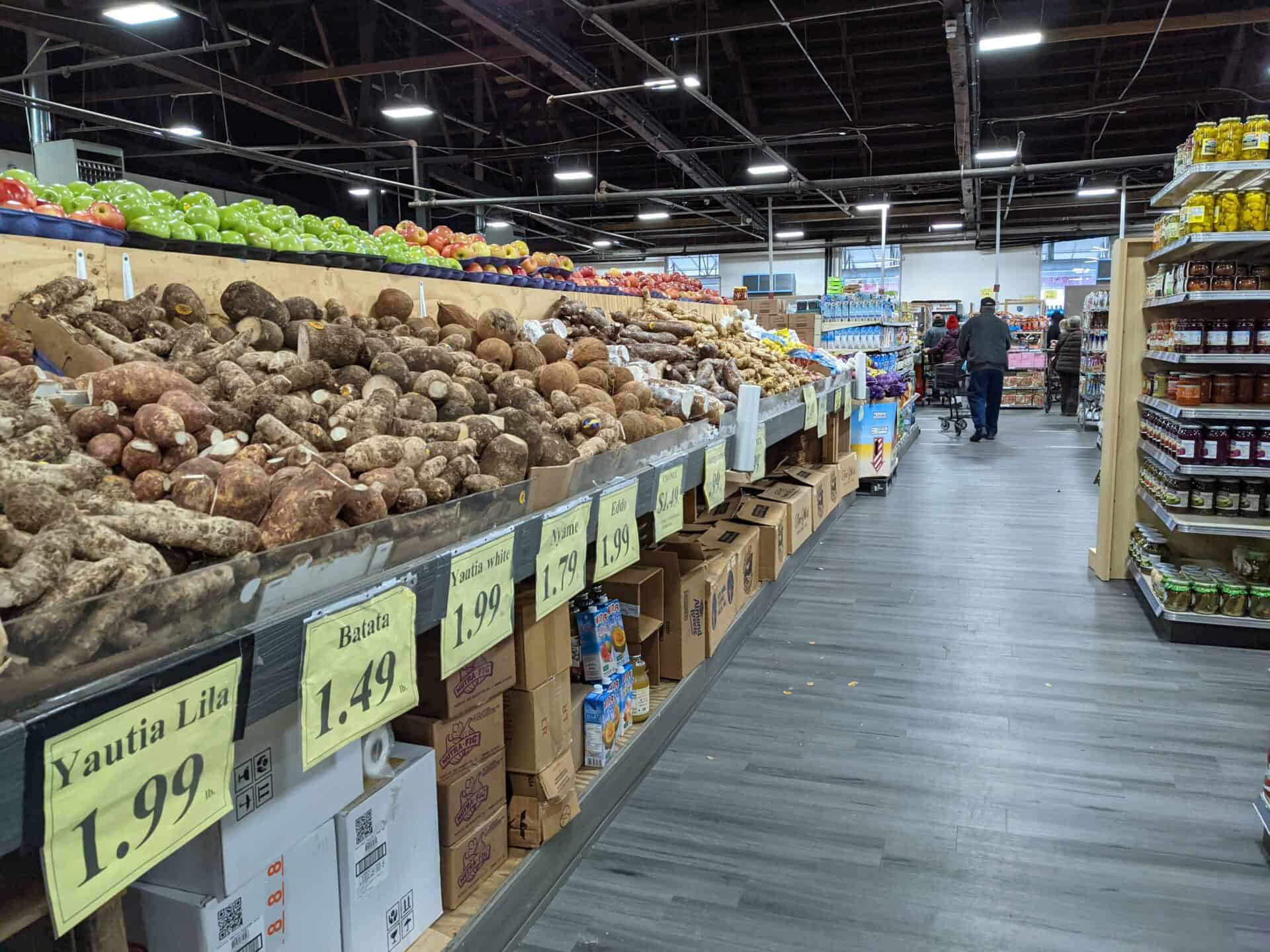
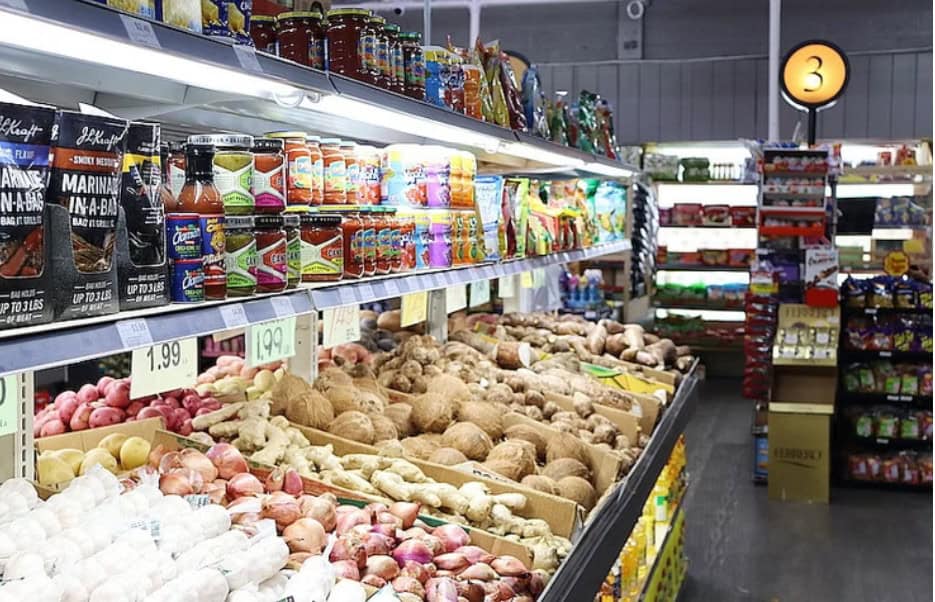
- Local produce: Fresh fruits, vegetables, root crops, and greens year-round.
· Meats and poultry: Amish vendors provide high-quality chicken, beef, and pork; Polish and Eastern European vendors supply kielbasa and other ethnic meats.
· Prepared foods: Baked goods, rotisserie and BBQ chicken, sandwiches, crepes, pierogis, vegan and gluten-free dishes at notable vendors such as Lady and The Shallot.
· Artisan and craft goods: Handcrafted soaps, body care products, essential oils, clothing, jewelry, handbags, homewares, and gifts.
· Specialty items: Sweets, donuts, local wine, burgers and fries, teas from around the world, and seasonal specialties.
Notable Features
- The market features around 40 different vendors and operates year-round, indoors and out, depending on the season.
· Shoppers include locals and visitors seeking ethnic foods (Polish, Amish, Spanish), vegan options, and Jersey Fresh produce at competitive prices.
The market building is organized in a cross-like shape, with each section specializing in different goods.













 Continue with Google