

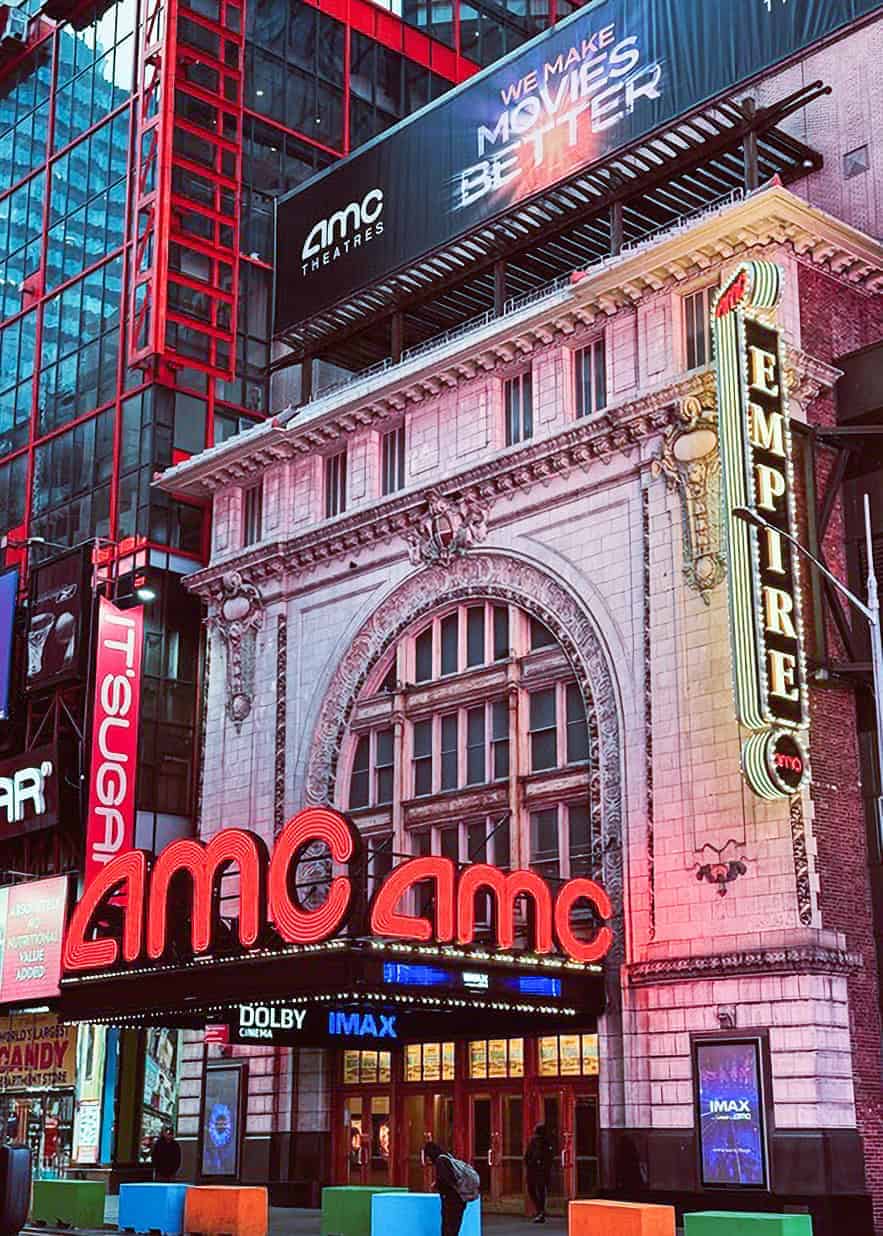
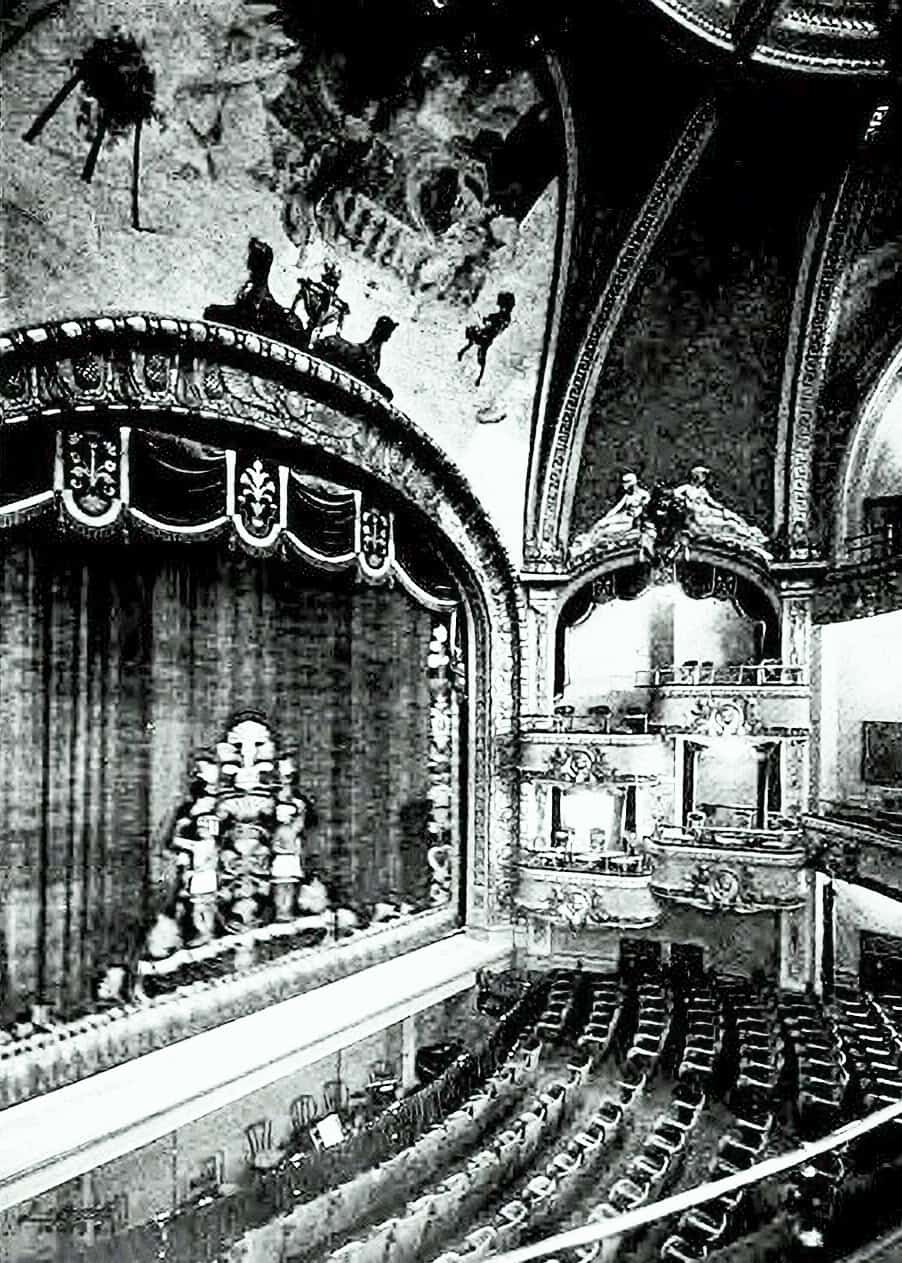
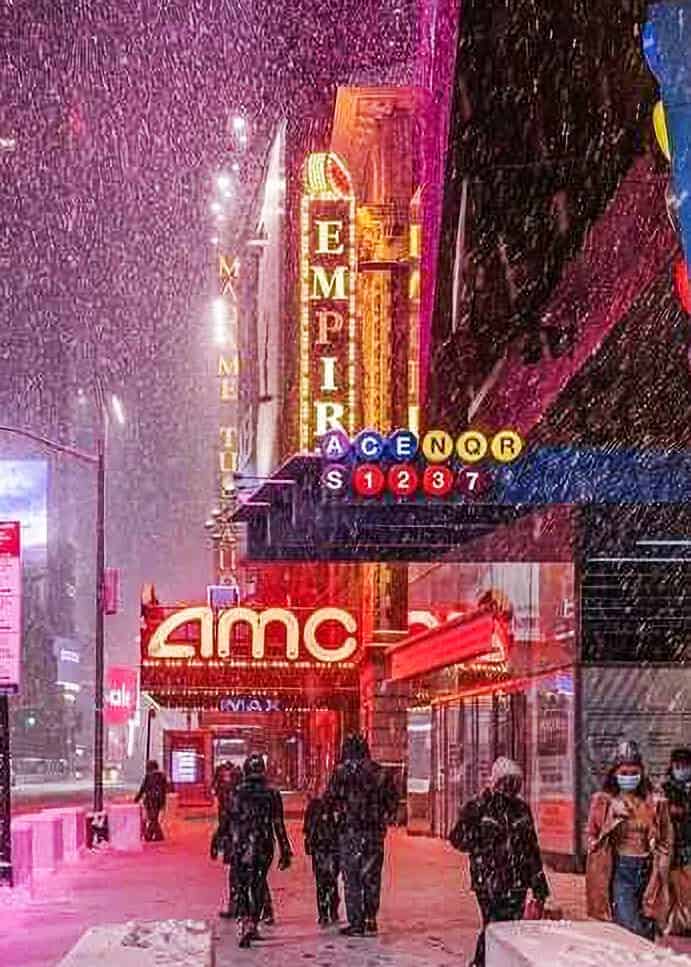
Originally built in 1912 as the Eltinge 42nd Street Theatre, the Empire Theatre was designed by architect Thomas W. Lamb for producer Al H. Woods. It was named after Julian Eltinge, a renowned female impersonator, though he never performed there. The theatre opened with the successful melodrama Within the Law, running for 541 performances. Over the years, it hosted notable productions featuring stars like John Barrymore, Laurence Olivier, Alice Brady, and Clark Gable before transitioning to burlesque in 1931 and later becoming a movie theatre in 1942.
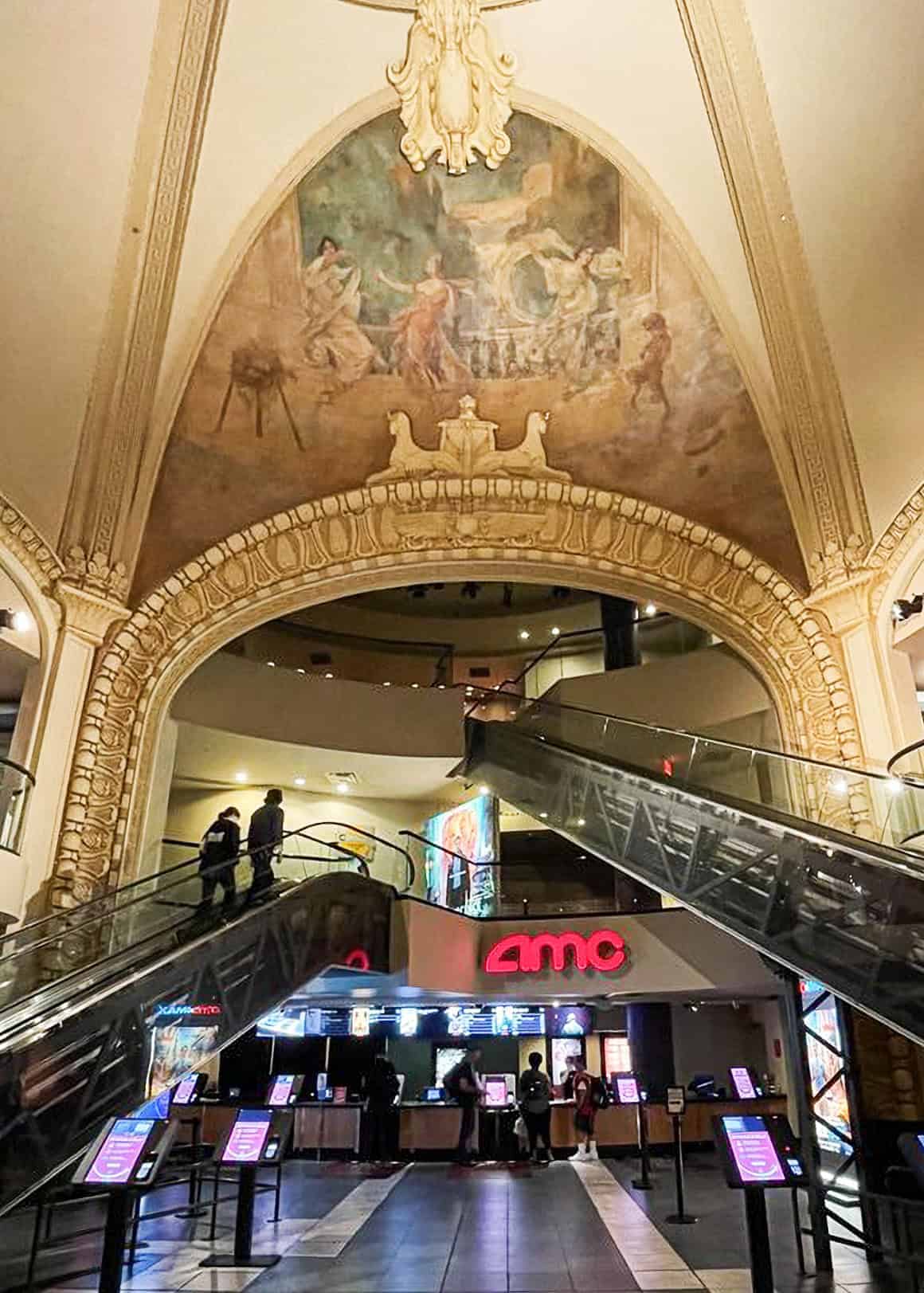
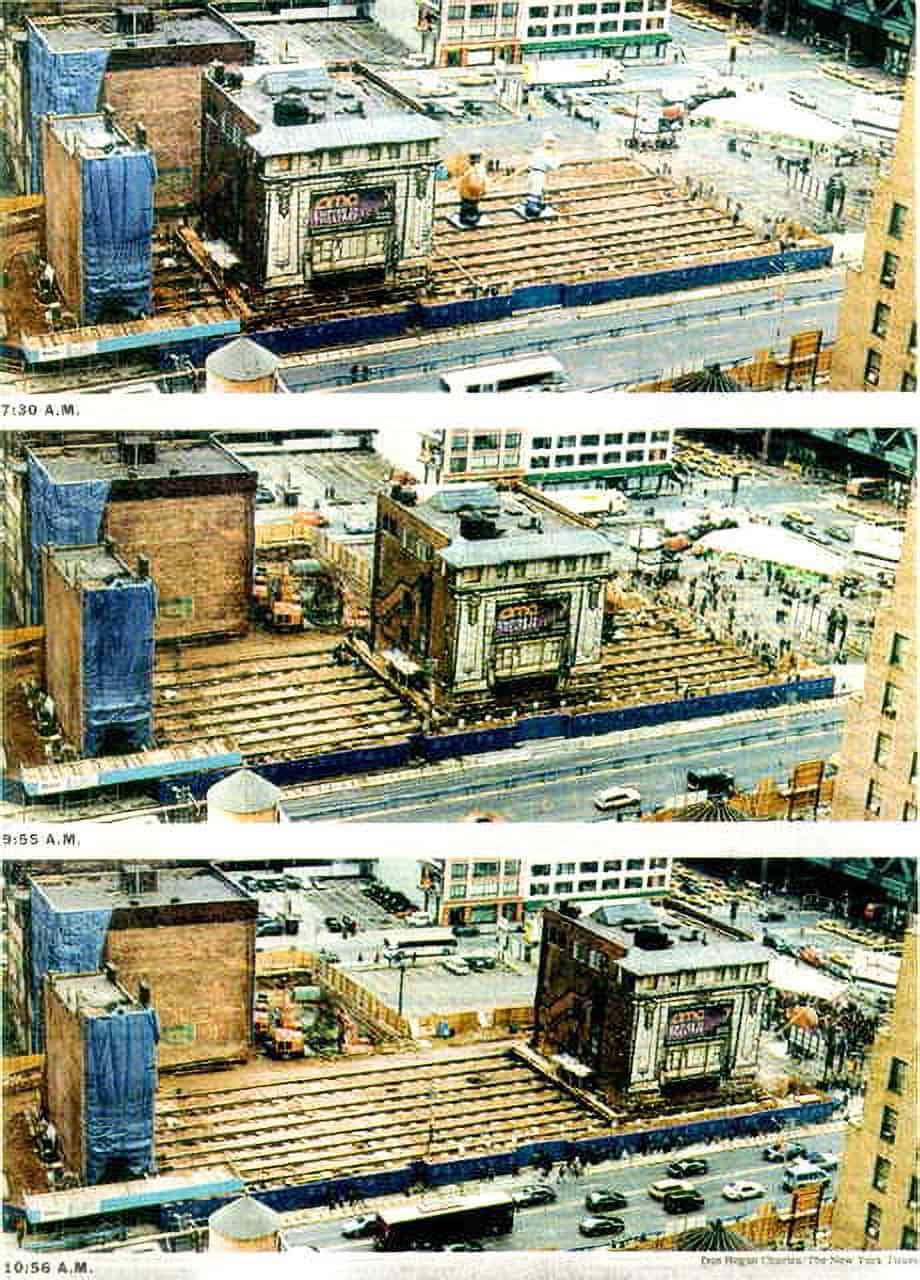
By the mid-1980s, the Empire Theatre had closed, but its story didn’t end there. With the revitalization of West 42nd Street, AMC repurposed the historic theatre as the lobby for its new flagship 25-screen megaplex. In a remarkable engineering feat, the 3,700-ton structure was lifted and moved down the street in 1998 to make way for the new multiplex, which officially opened on April 21, 2000. The architectural firm Beyer Blinder Belle led the design, and the theatre debuted New York City’s first digital IMAX screen in 2008.
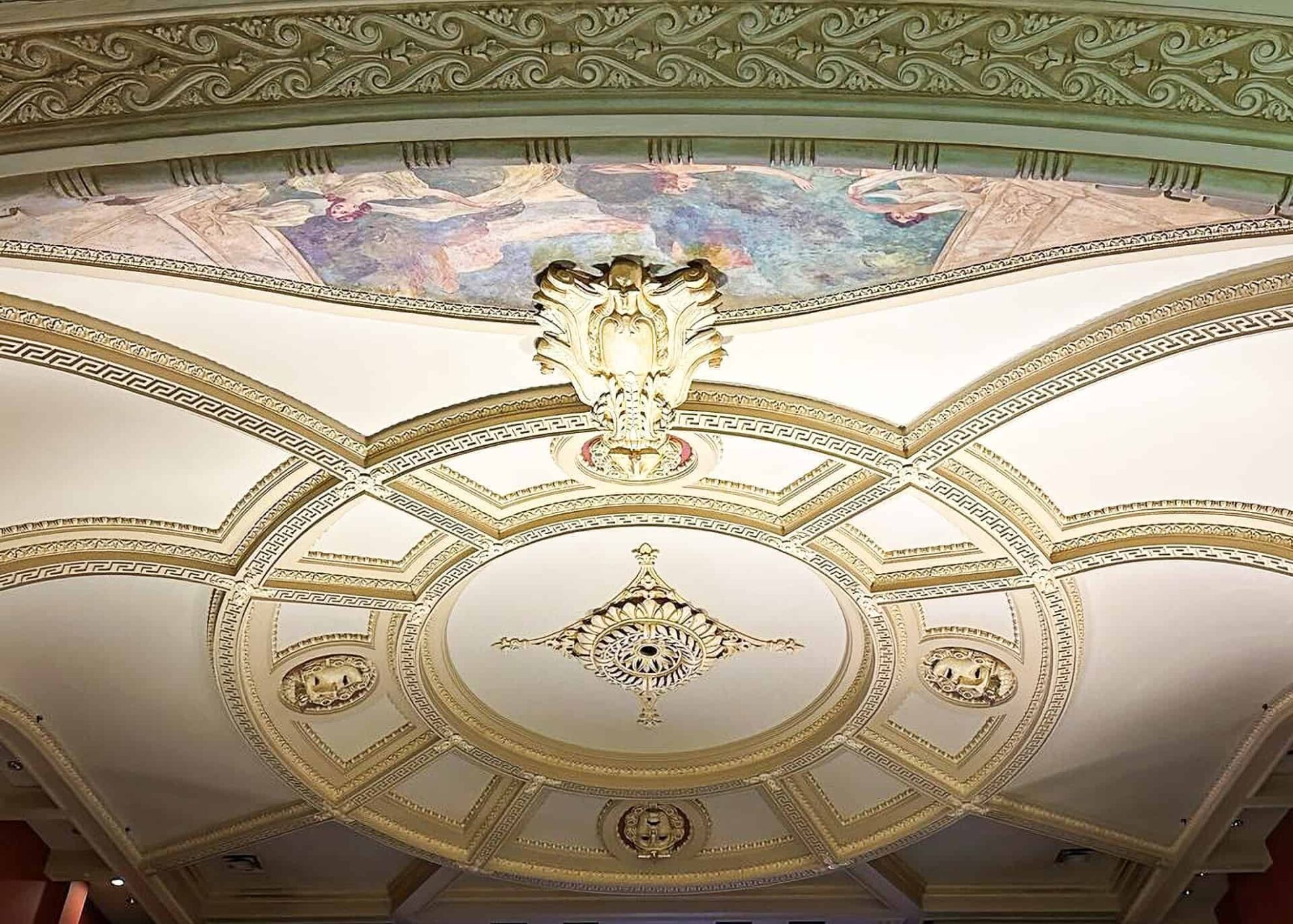
The original façade remains largely intact, preserving the theatre’s historic charm. A striking mural of Julian Eltinge, painted by Arthur Brounet and restored by Harriet Irgang, sits above the box office. Although the former balconies were briefly used as the Times Square Café, they are now vacant. The Empire’s transformation is a testament to blending preservation with modern entertainment.
Today, the AMC Empire 25 continues to be a major entertainment hub in Times Square, showcasing a mix of mainstream blockbusters and independent films.












 Continue with Google