


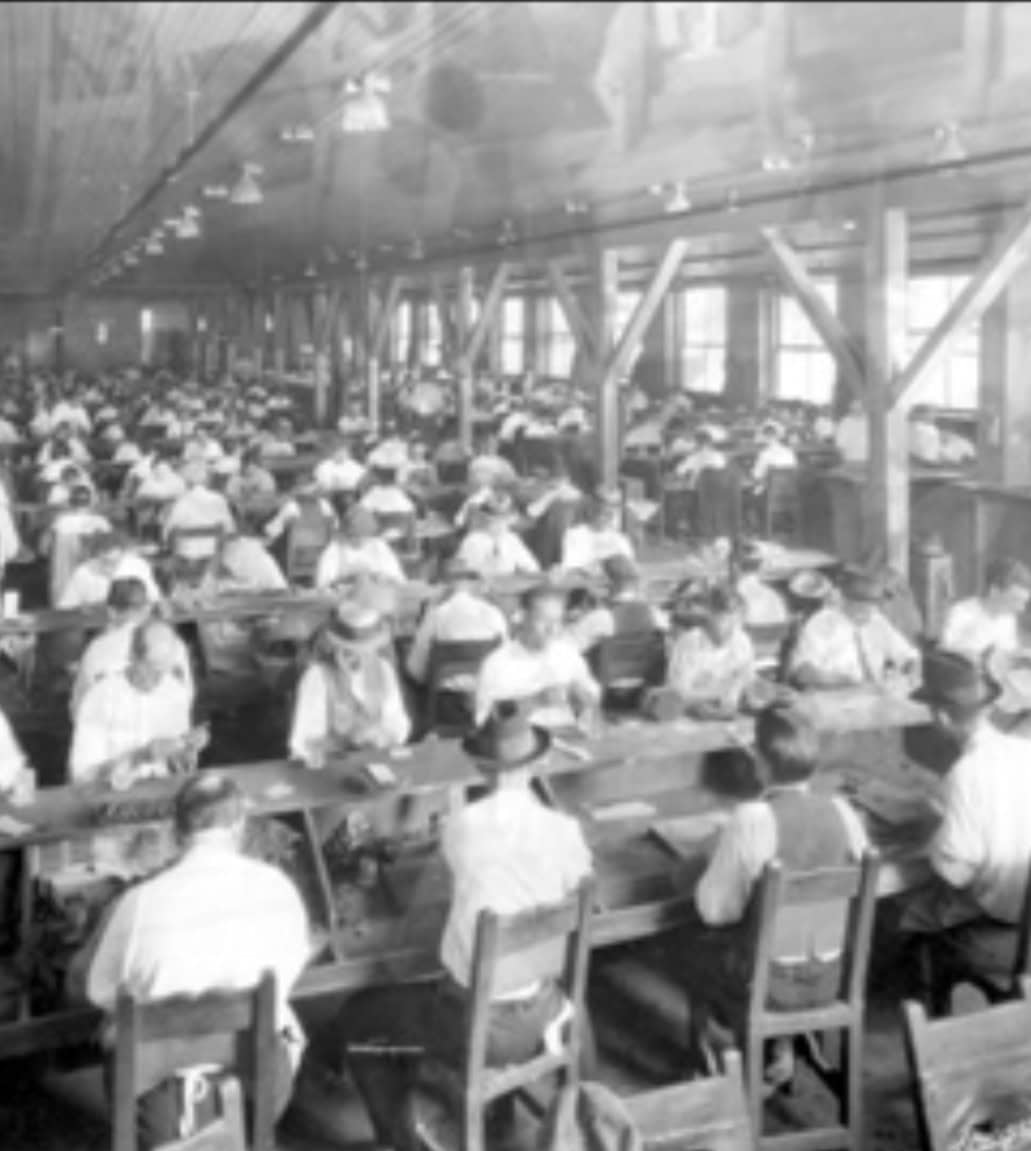
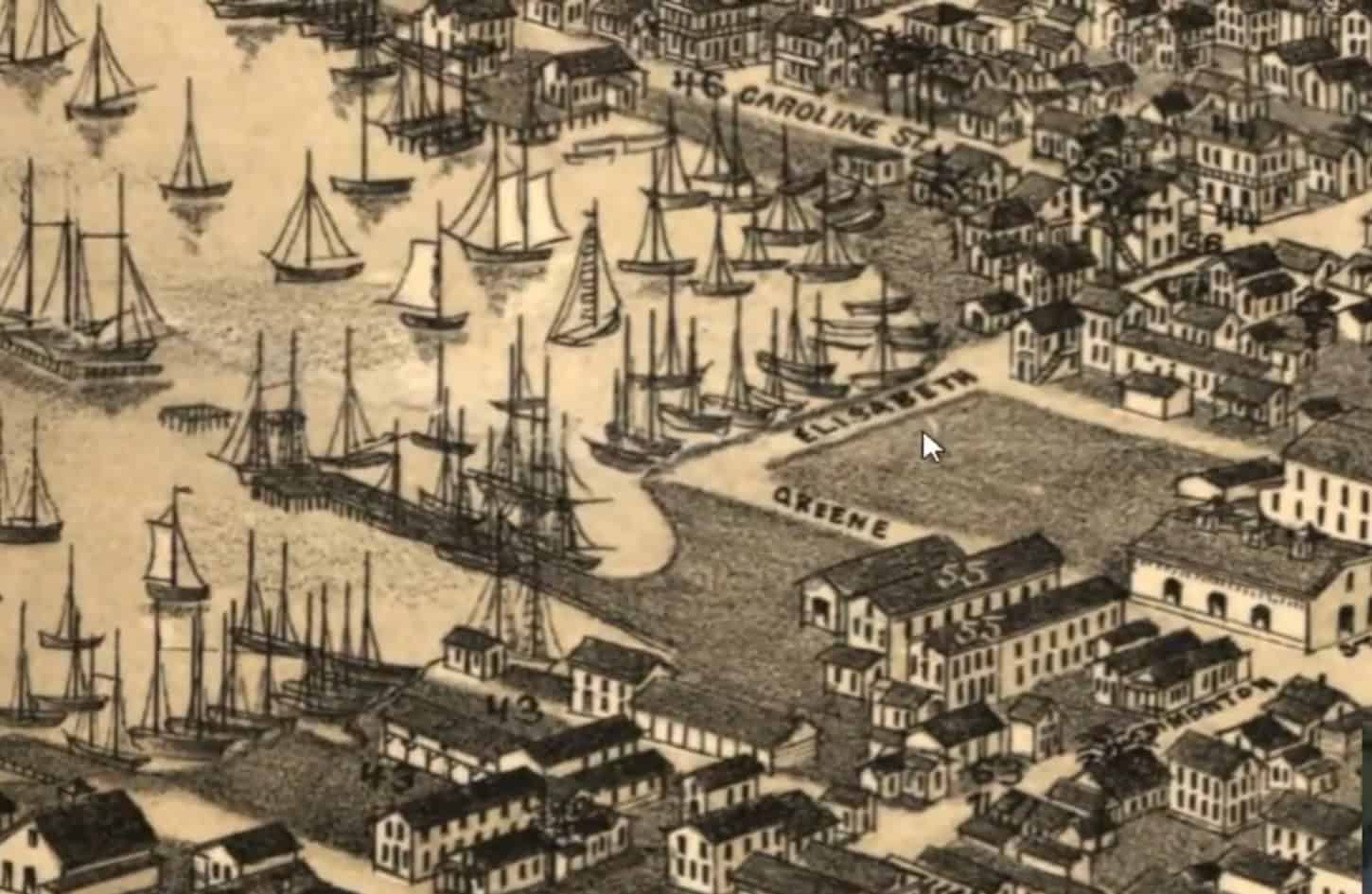
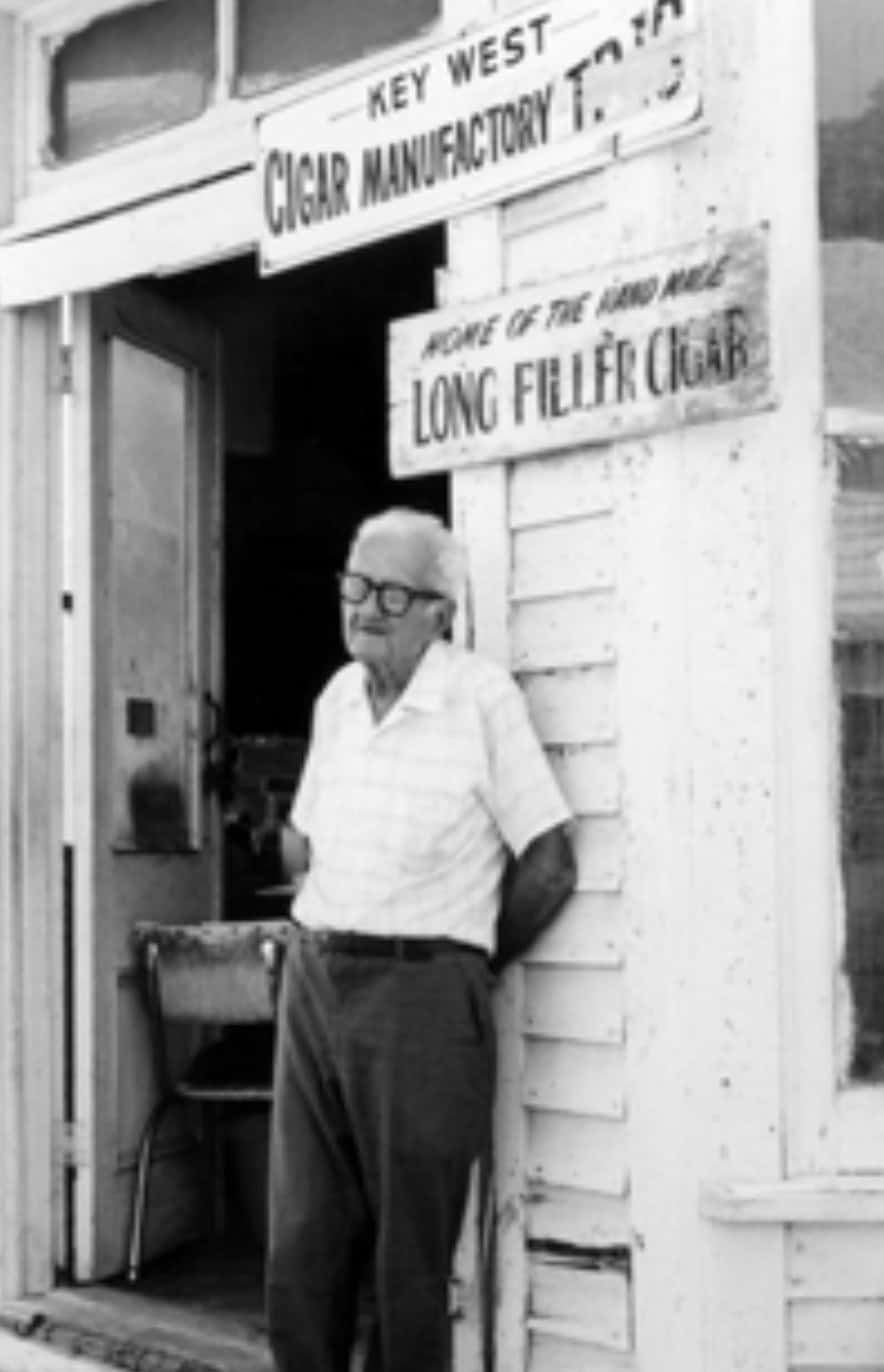

Cigar making in Key West dates back to 1831 when William H Wall opened a small factory on Front Street that employed about 50 workers to roll cigars.
The Cuban Revolution of 1868 brought thousands of Cuban refugees to the island in droves escaping Spanish repression.
The cigar makers imported tobacco leaf from Cuba and started rolling.
Their product was called “Clear Havana” because little tax was demanded by Spain for raw leaf product compared to finished cigars, “clear” meaning without tax due and with that benefit they began producing Havana cigars in Key West.
Factories were built where Cuban immigrants lived, worked and taught their skills to more than one generation of rollers.
Businesses were able to pay less for Cuban cigars made in the states just 90 miles from Cuba, so business boomed.
The following decades Key West became the largest producer of cigars in the United States, producing 100 million a year.
The Cuban population soon became the majority of the island and cigars became an island pastime.
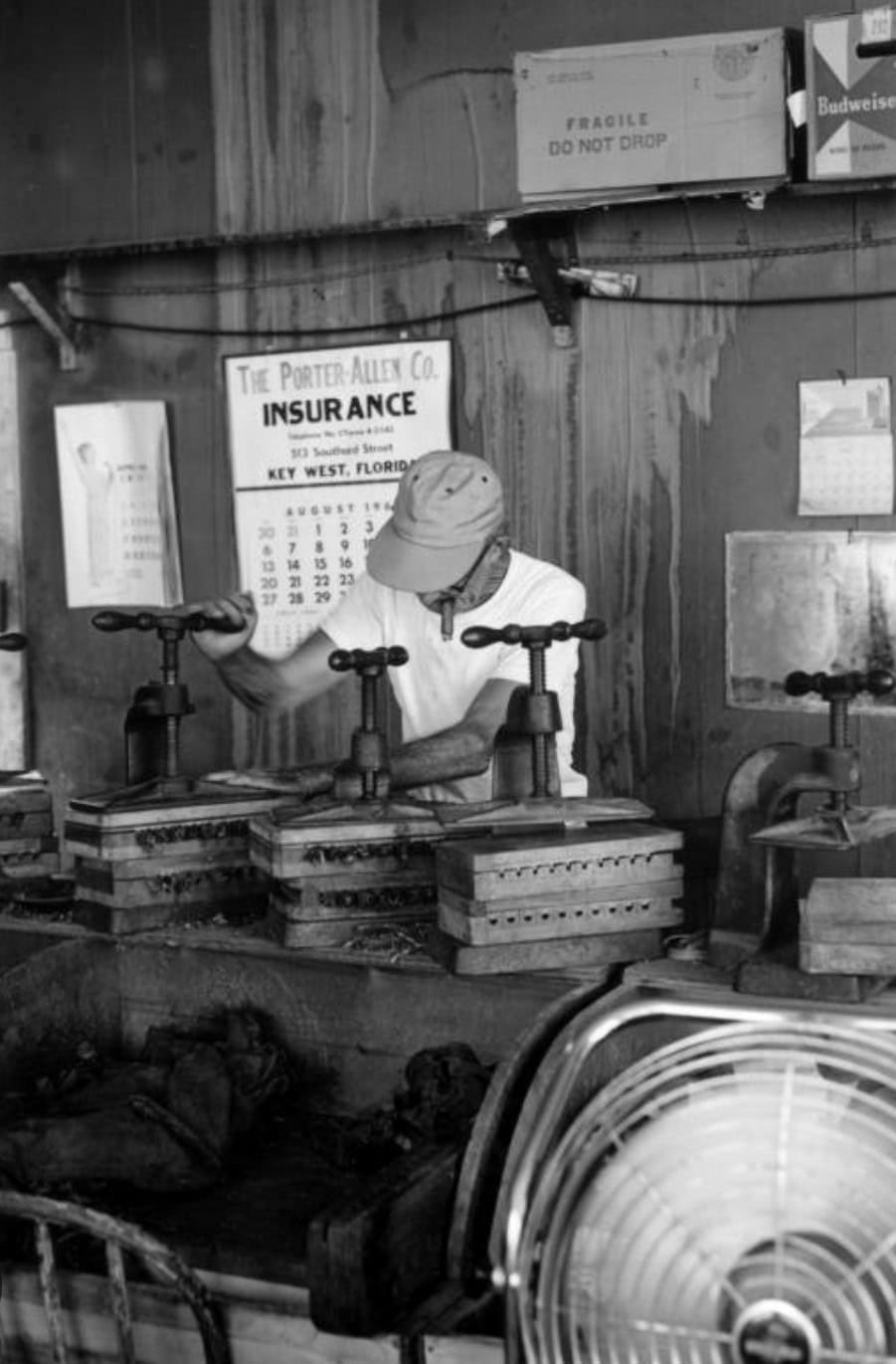
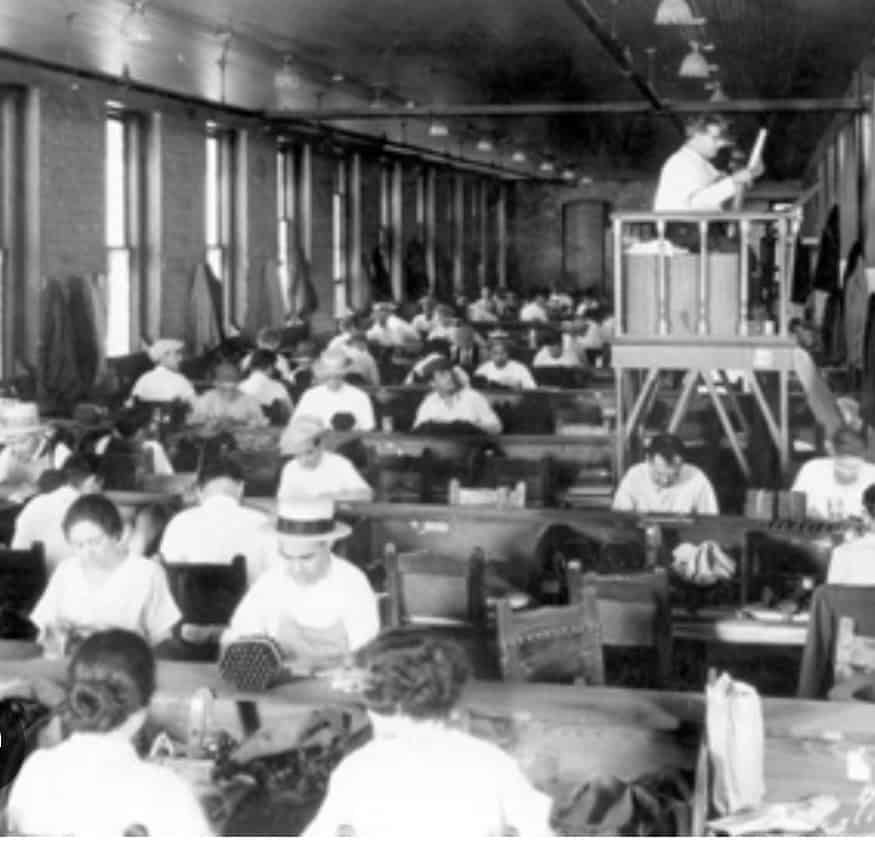
Hand-rolled cigars require precision, but they also require speed. Tobacco leaves absorb moisture and oil easily so the cigar maker must work definitely so the cigar doesn’t absorb sweat.
An interesting aspect of the factories in that time was they hired “lectores” who would read to the factory workers sitting on a platform taking 30 minutes shifts, reading to an audience of 150 “torcedores or cigar rollers.
The lector would read books, newspaper articles from New York to Cuba, horoscopes and literary classics.
This obviously helped to pass time and made for well-read cigar makers.
Hearing The Count of Monte Cristo, while rolling “montecristos” created the popular brand.
The good times were short-lived and in 1885 a labor strike crippled the industry and started the exodus of manufacturers from Key West.
Then in 1886 just as the strike was over, a devastating fire swept across the island. The fire destroyed fifty buildings, including many cigar plants and the cigar box manufacturer.
Back to back hurricanes in 1909 and 1910 wiped out the cigar makers.
Finally the cigar business migrated to machine made stogies and the nickel cigar was born just in time for the Great Depression, when no one could afford the luxury of Cuban cigars.
Also there was the rumor that cigars caused tuberculosis which killed the cigar business.
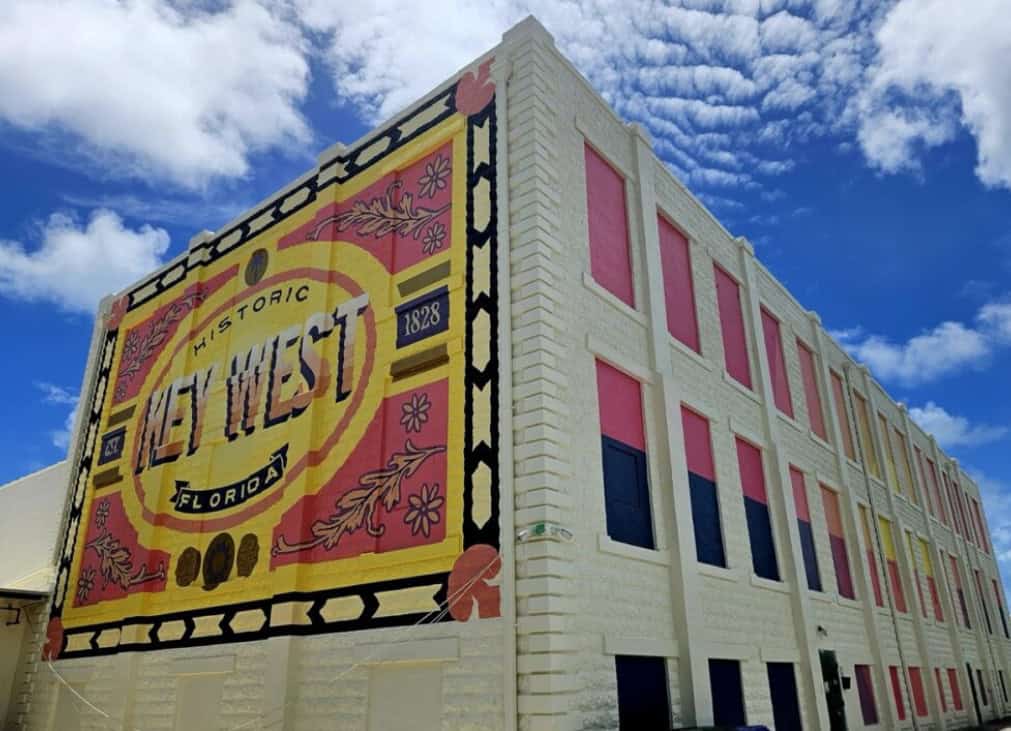
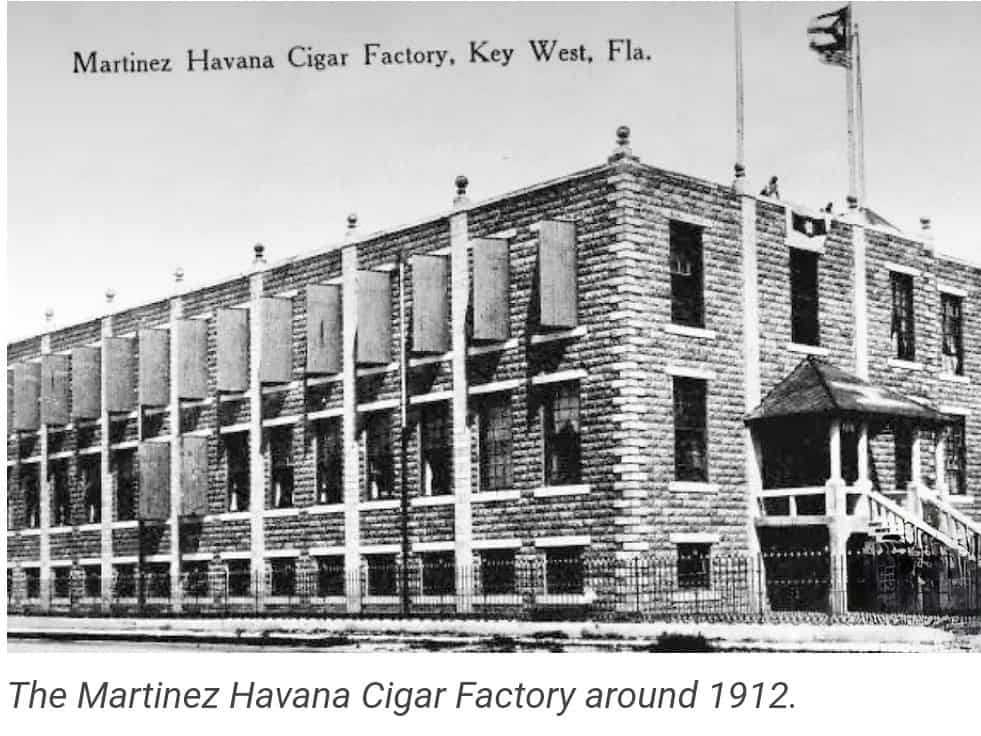
The Martinez Havana Cigar Factory was one of the only three masonry cigar Factory buildings still remaining in what was called The Cigar Capital of the United States.
They had been crafting cigars with vintage leaves that have been cured, aged, and rolled using traditional Cuban methods.
Don Lewis Martinez was born in 1856 in Cuba and was rolling cigars when he was 12 years old, by age 20 he was a cigar manufacturer in Havana and by the time he was 25 he owned San Geronimo Tobacco.
In the early 1960s Key West was the beneficiary of a huge influx of Cuban people running from Fidel Castro.
Today on a little side street off Duval you’ll find the only cigars in Key West worthy of a Cuban name and that’s Rodriguez Cigars.
The Rodriguez Cigar Factory was established in 1984. The Rodriguez family has a long history crafting cigars starting in 1947 with Angel and Daniela Rodriguez’s plantation in Las Villos in Cuba.
You can buy cigars throughout Key West but today most are ordered online.









 Continue with Google