

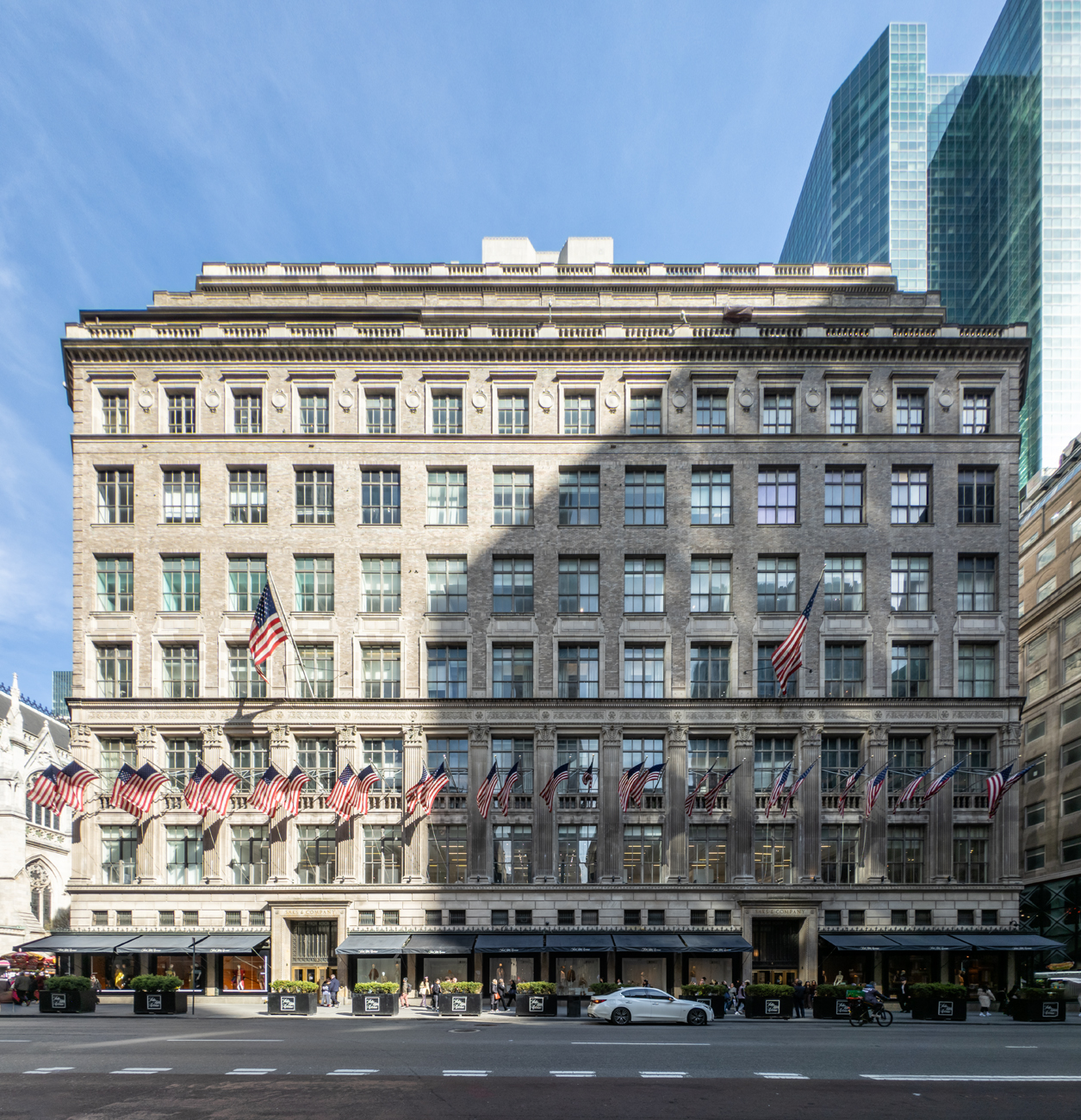
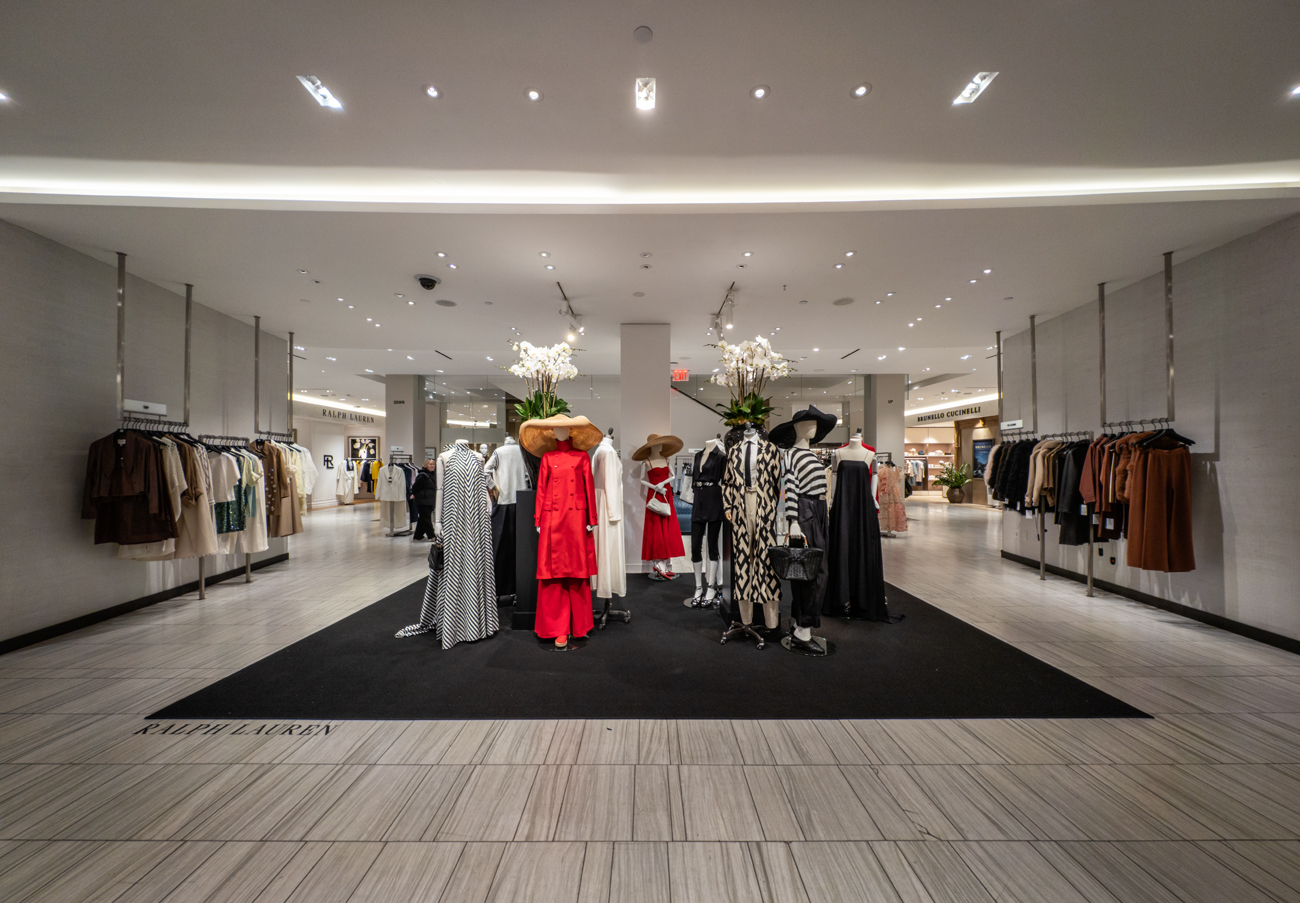
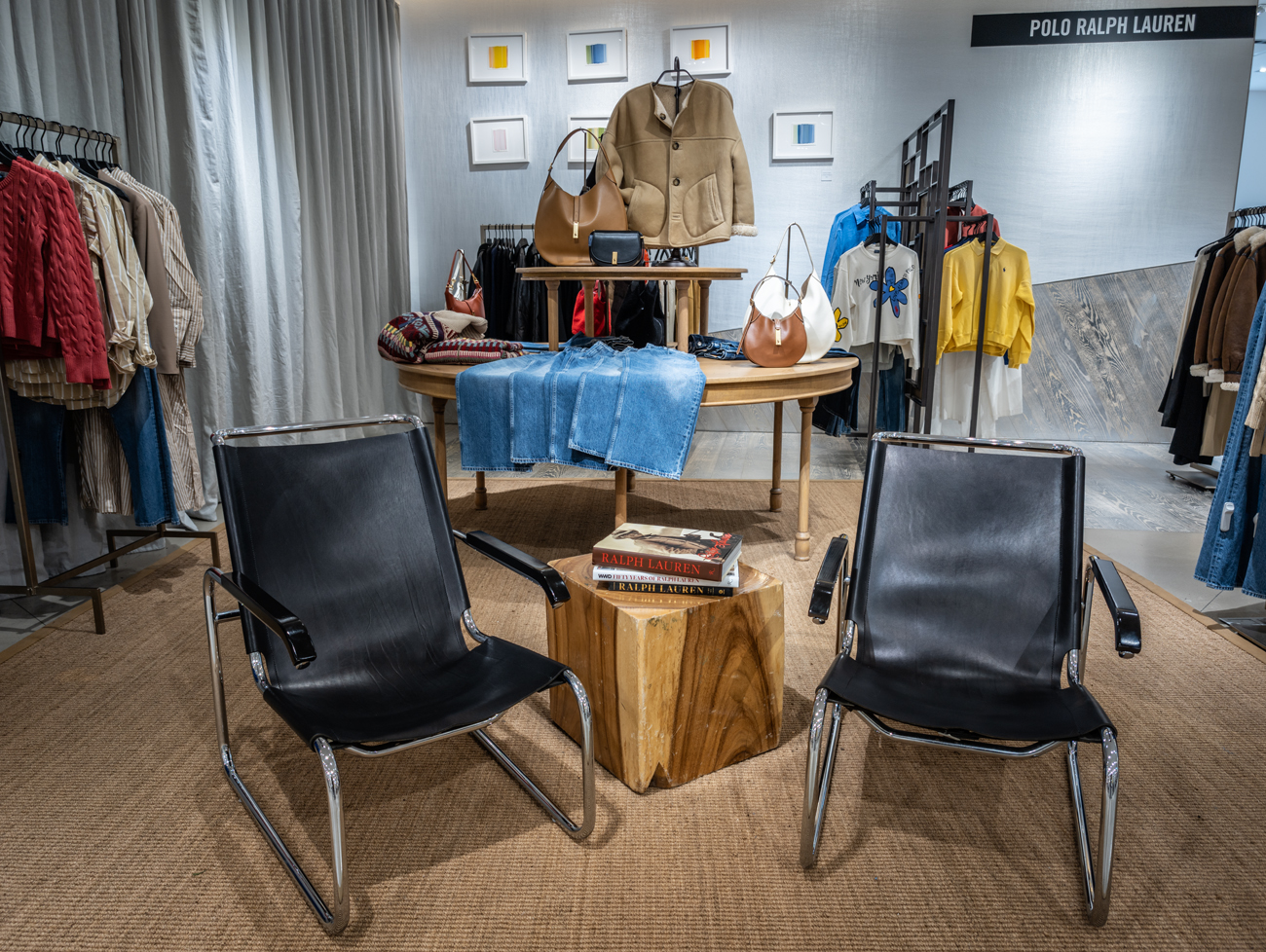
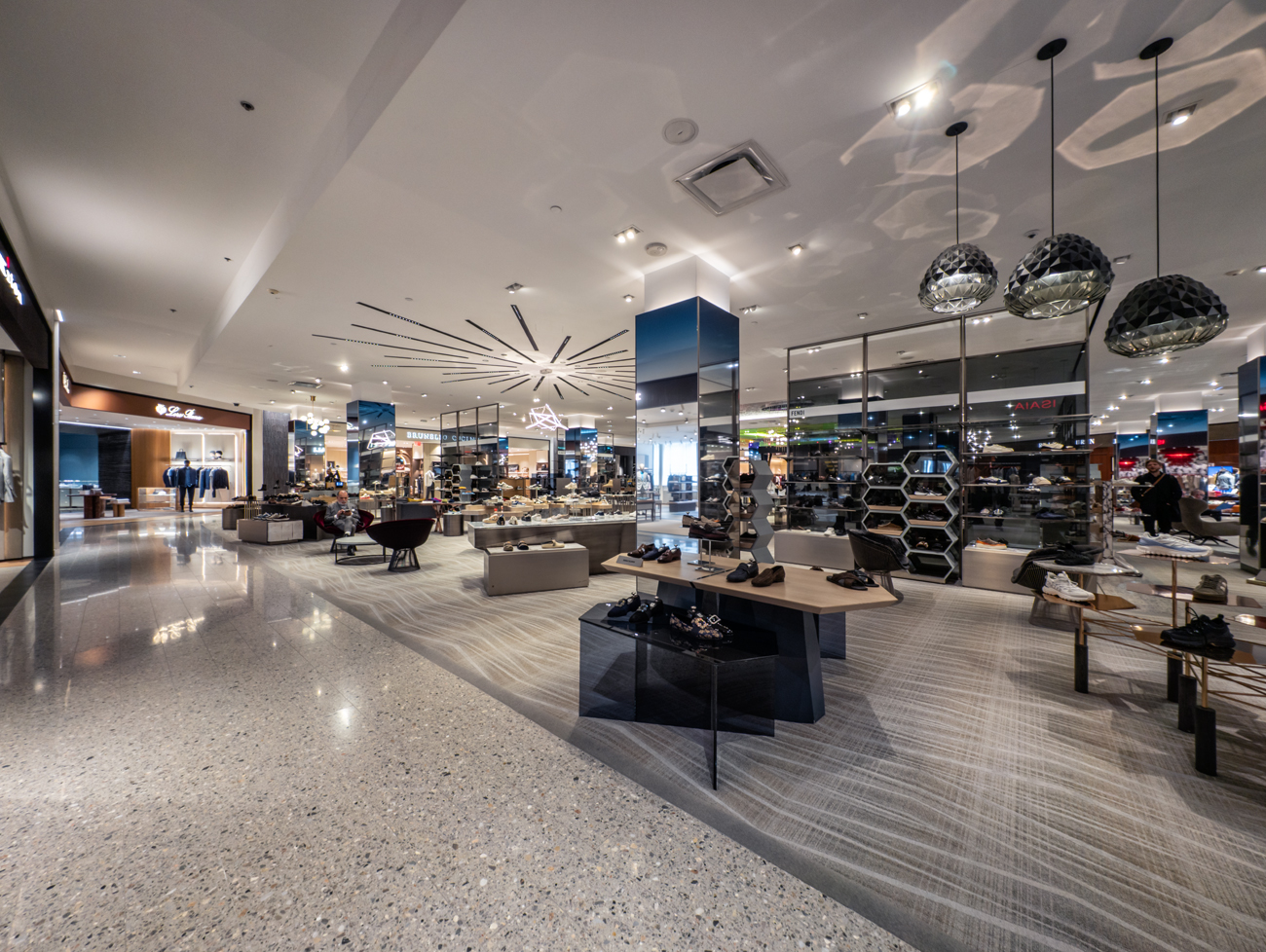
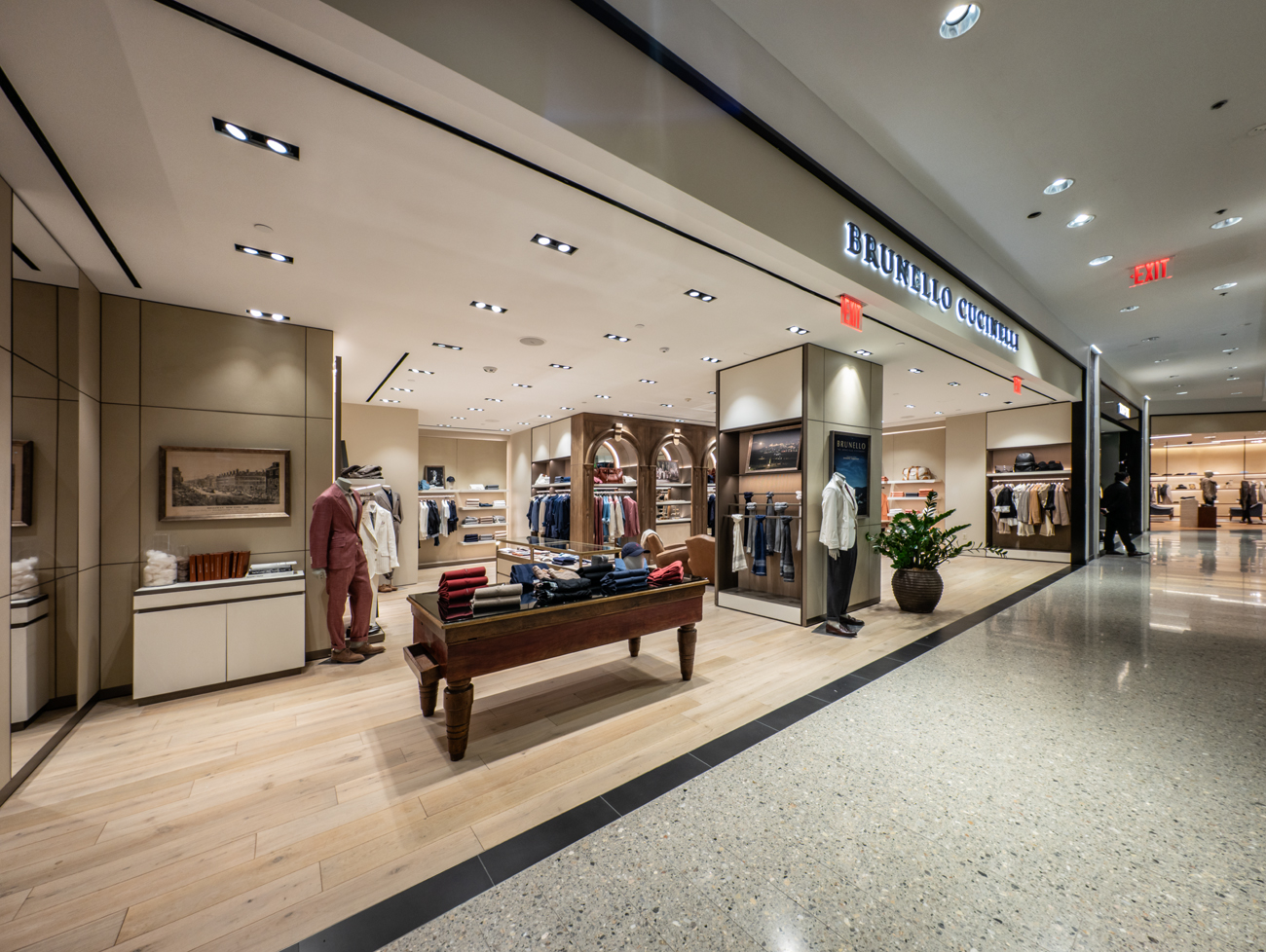
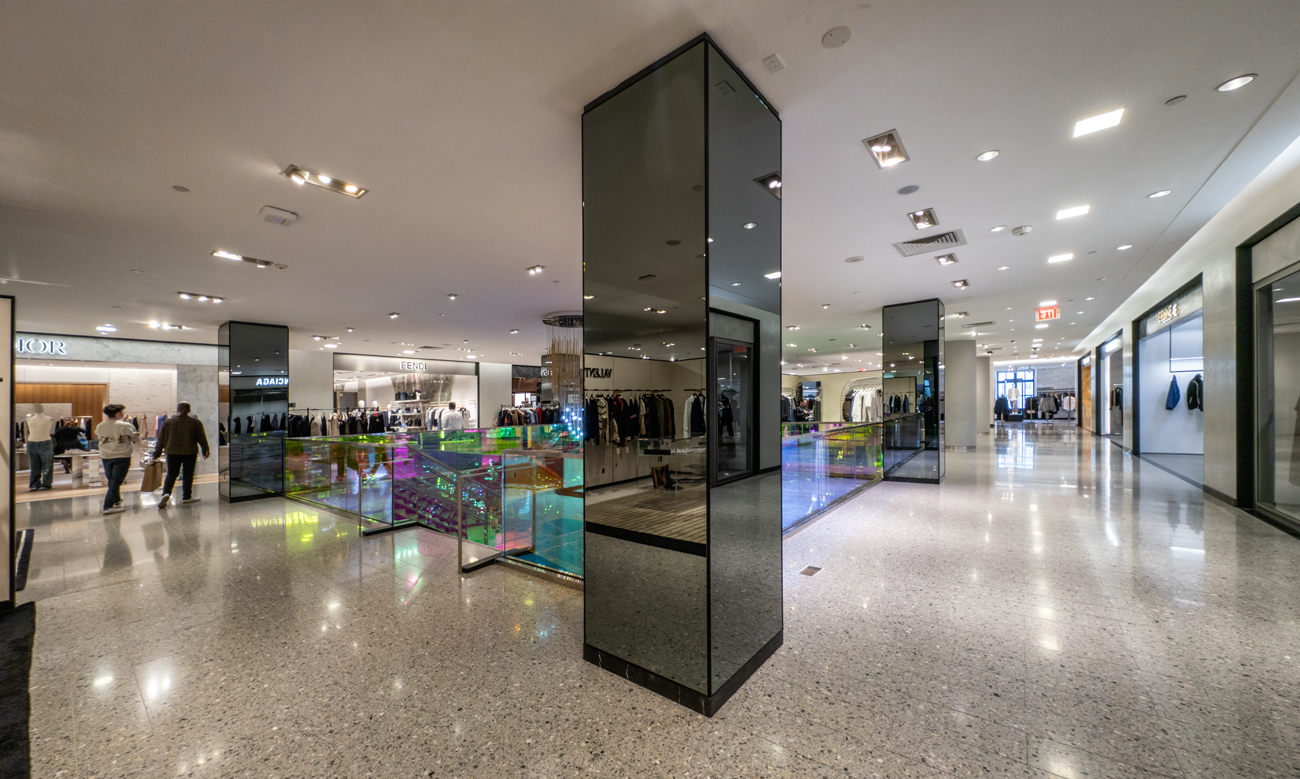
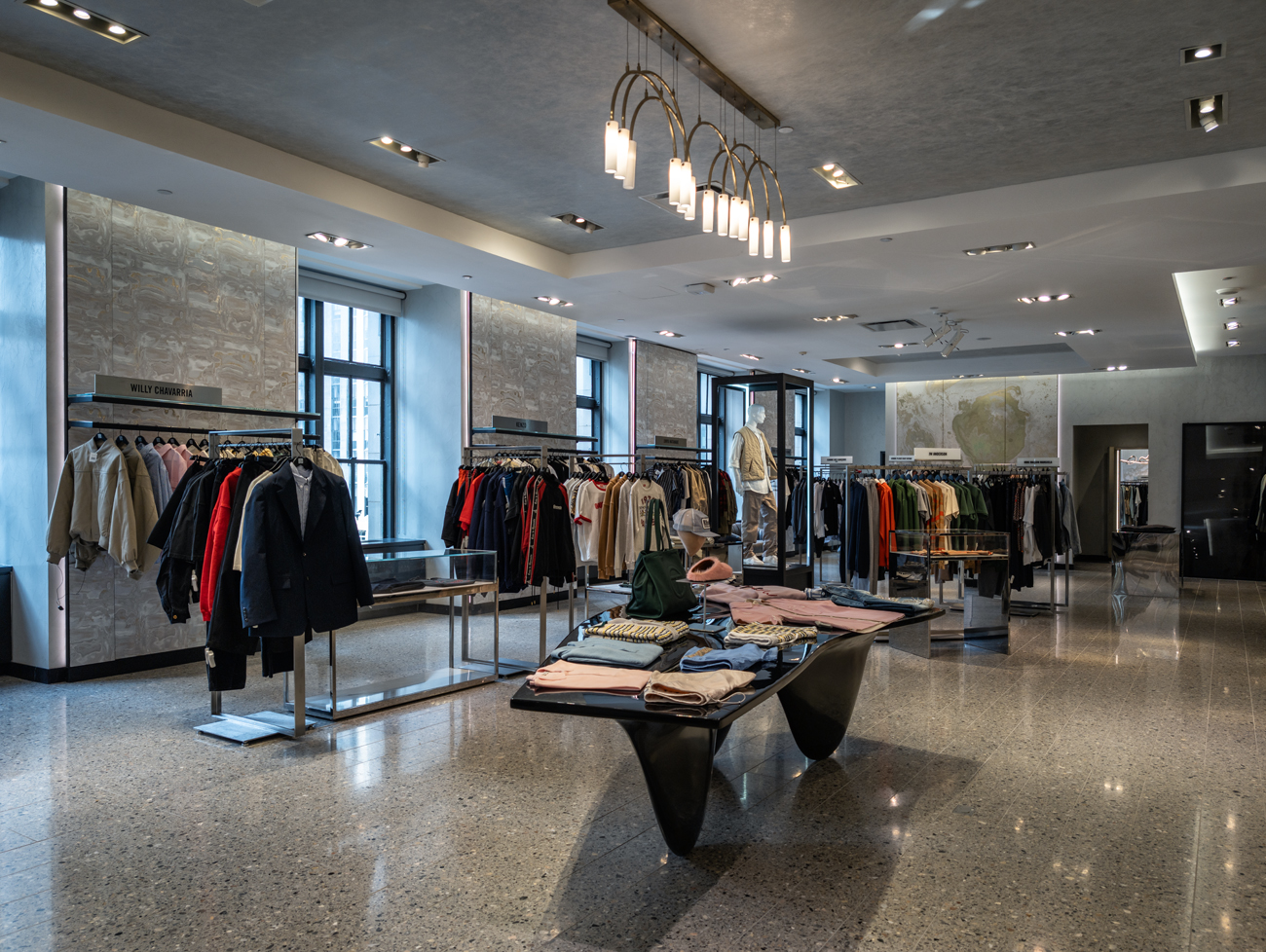
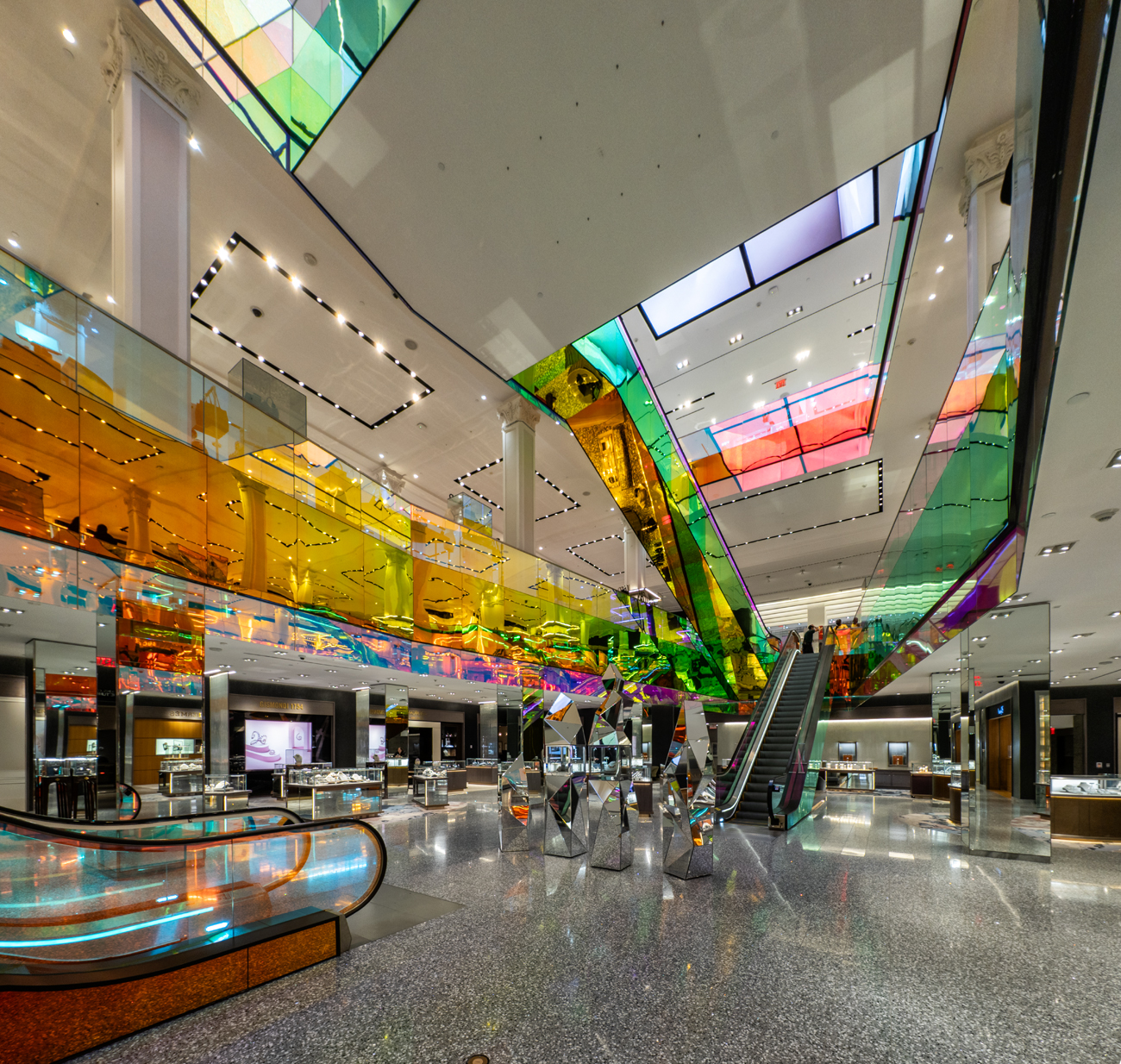
As part of my descent into obsession with the current implosion of many retail giants, I’ve discovered a newfound fascination with flagship stores in New York City. Their history and opulence are unmatched, but many are struggling, leading to a real fear that the opportunity to visit them may not last forever. As once-untouchable icons like Macy’s and Nordstrom close dozens of stores across the United States, one has to wonder how long expensive downtown locations can survive. This brings us to my recent visit to Saks Fifth Avenue – the one that is actually located on Fifth Avenue in Manhattan.
Saks Fifth Avenue has long stood as a symbol of upscale retail in the United States, blending tradition with reinvention. Founded in 1867 by Andrew Saks, the company began as a modest clothing shop in Washington, D.C. before expanding to New York City at the turn of the 20th century. Its move into Manhattan marked the start of its transformation into a major fashion destination, culminating in the opening of its legendary Fifth Avenue flagship in 1924.
During the early and mid-20th century, Saks grew under the ownership of Gimbels, establishing both urban flagships and seasonal resort branches in fashionable locales. This expansion helped shape its identity as a retailer catering to affluent shoppers, offering carefully curated apparel and luxury goods. Over time, ownership shifted through several corporate hands, reflecting broader changes in the retail industry, yet the brand retained its association with prestige and style.
In the late 20th century, Saks adapted to evolving consumer habits by launching Saks Off 5th, extending its reach through discounted merchandise. The company later became part of Hudson’s Bay Company and, more recently, a division of Saks Global, aligning it with other high-end department stores.
Today, Saks Fifth Avenue continues to operate its landmark New York store while maintaining a smaller but focused network of locations. However, the company has faced mounting financial pressures in recent years. Heavy debt tied to major acquisitions, shifting consumer preferences in the luxury market, and rising prices have all strained its business model. These challenges culminated in a 2026 Chapter 11 bankruptcy filing by its parent company, underscoring the difficulties traditional department stores face in adapting to digital competition and changing shopping habits.
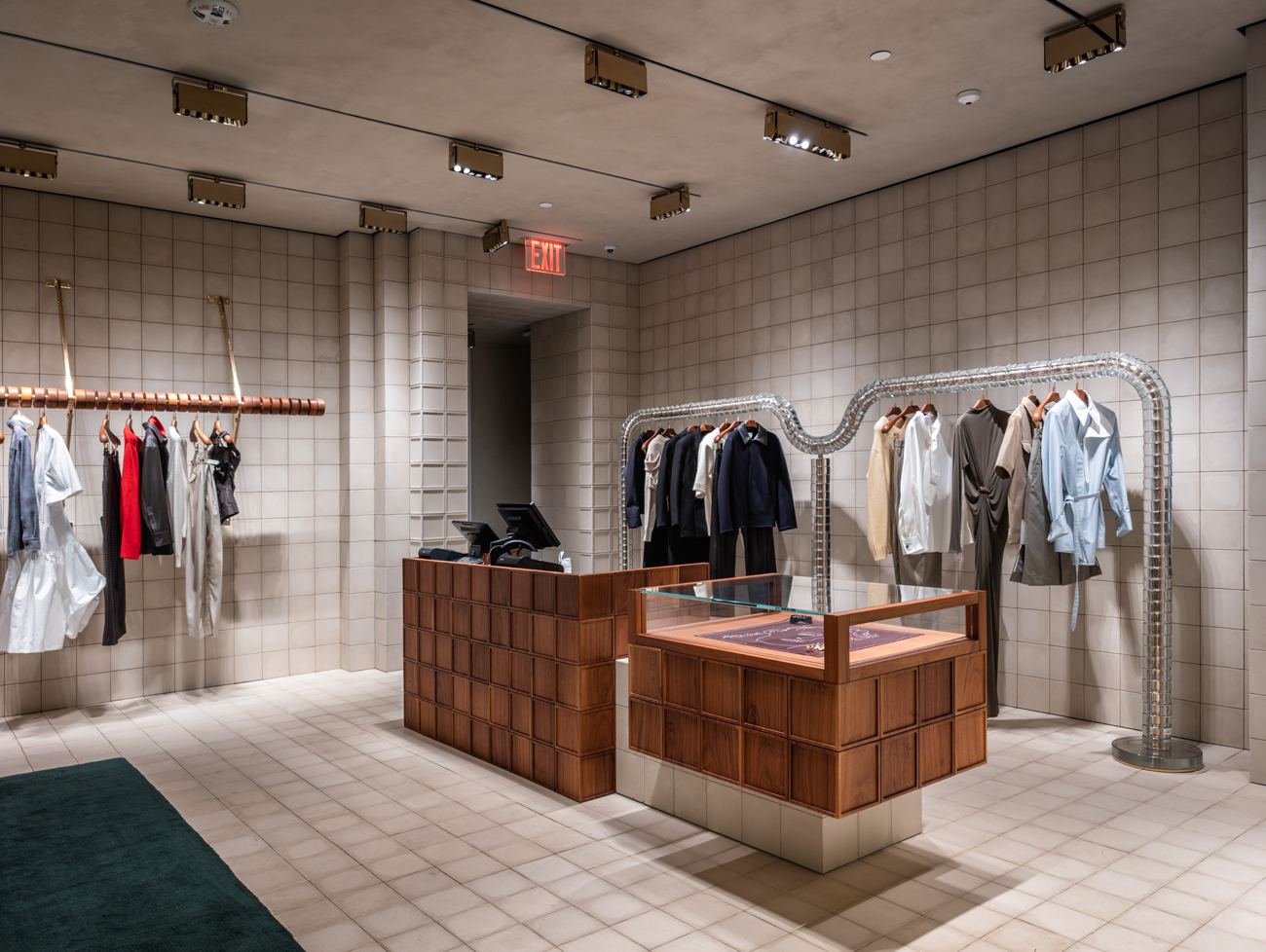
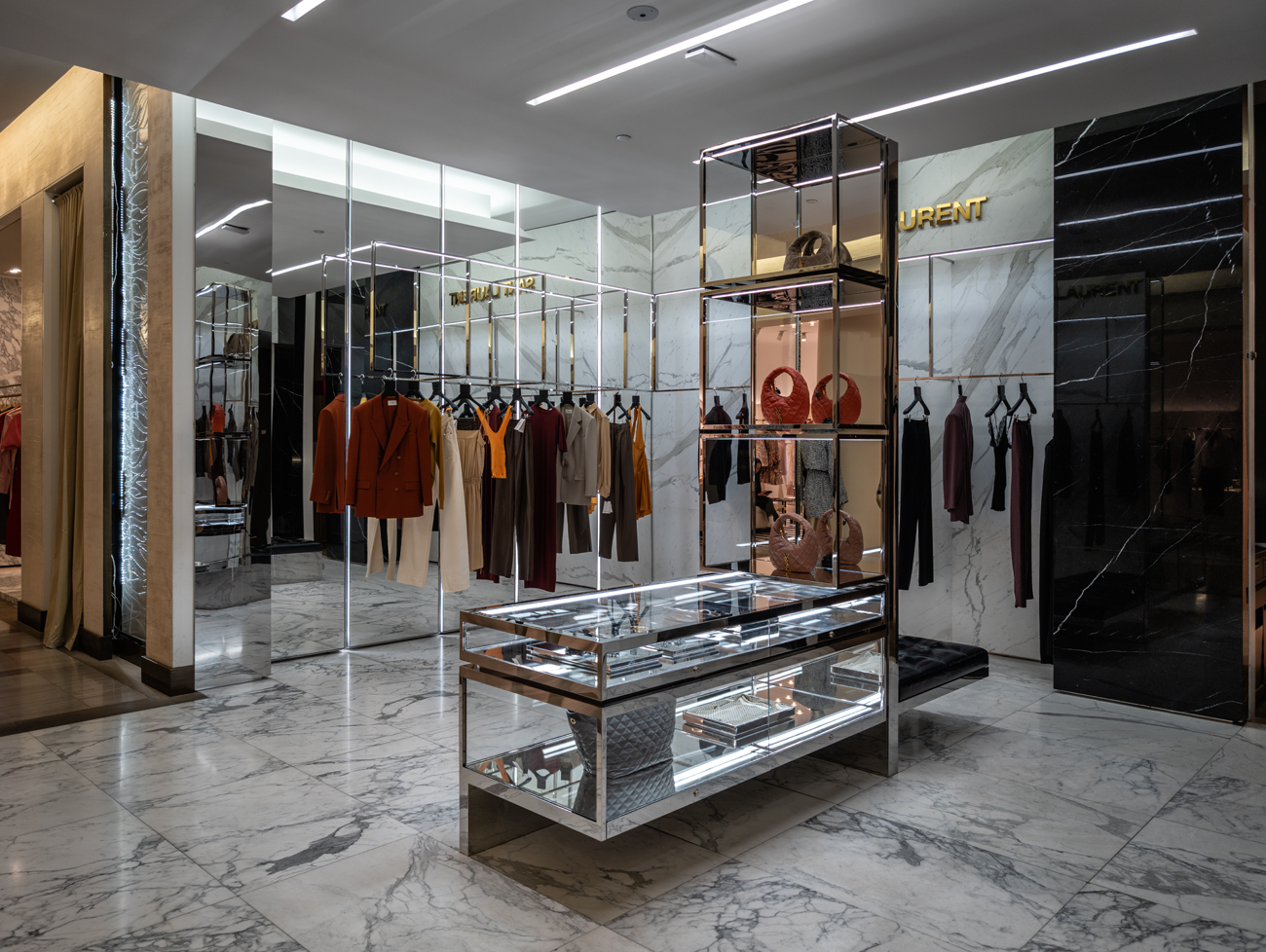
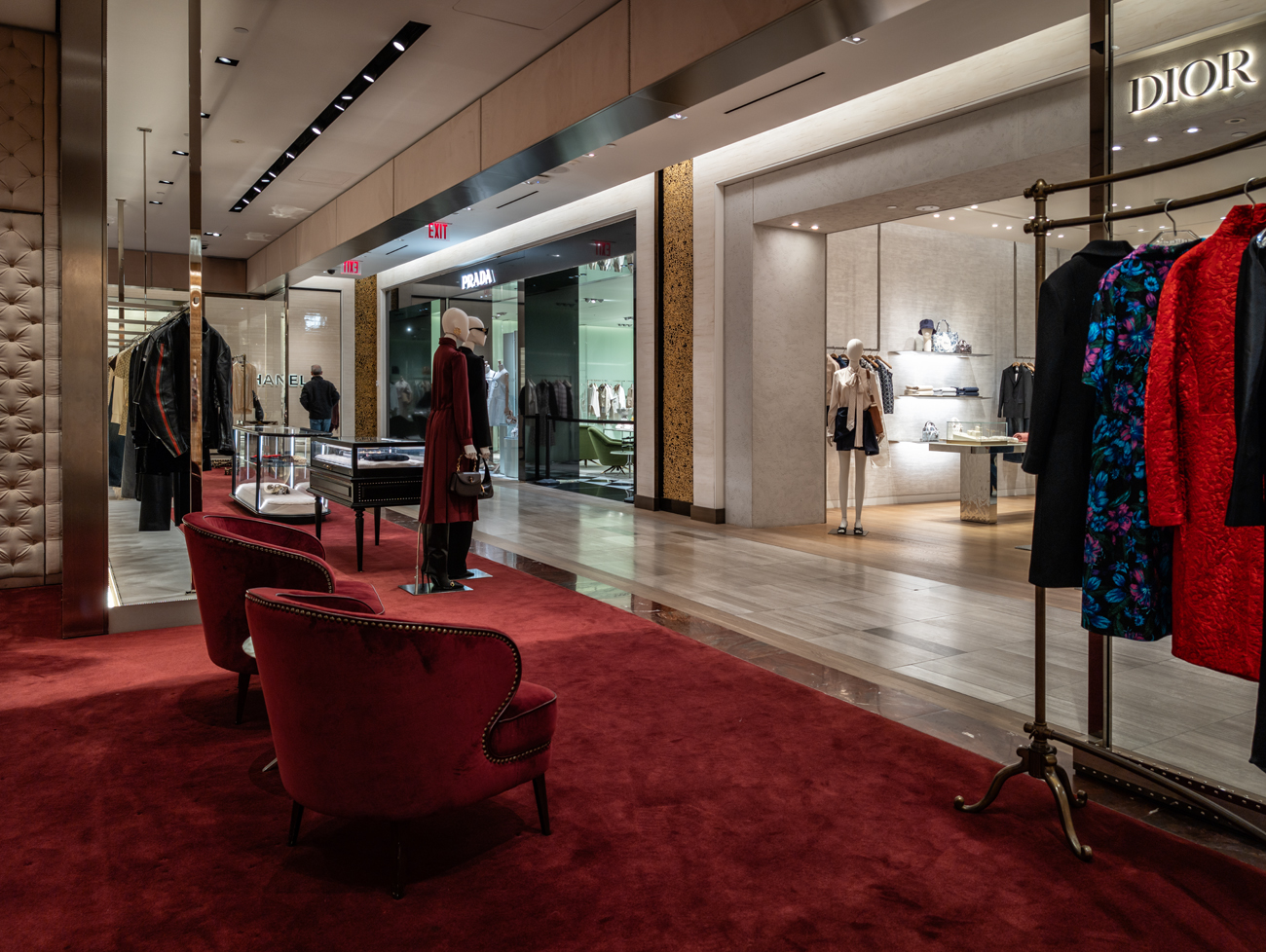
Inside the Fifth Avenue store today, there are few signs of distress: displays appear well-stocked and vibrant, and bougie brand names abound. It’s a huge location with a lot to take in. It appears much more modernized and contemporary than Macy’s. This a bit sad if you are interested in the store’s history but likely much less so if you’re one of their clients, considering their image as the standard-bearers of cutting-edge fashion – although I did enjoy the wood-paneled elevators! Another pleasant surprise was how friendly the staff were, despite the fact that they could probably tell a mile away that I am not the sort of fashionista that makes large purchases at stores like Saks. None were pushy, just welcoming, which I appreciated immensely.
Retail stores represent more than just purchases – ideally, you can see and try out new things you might never have thought of, aided by salespeople who can help you find something that is unique to your style and budget. This human element can never be replaced by an algorithm in a digital storefront, and while I can’t claim to be Saks’ target audience, I hope they continue on for decades to come. Just wandering around their store was an experience well worth having, regardless of whether you buy your shirts at Target or Printemps.









 Continue with Google