

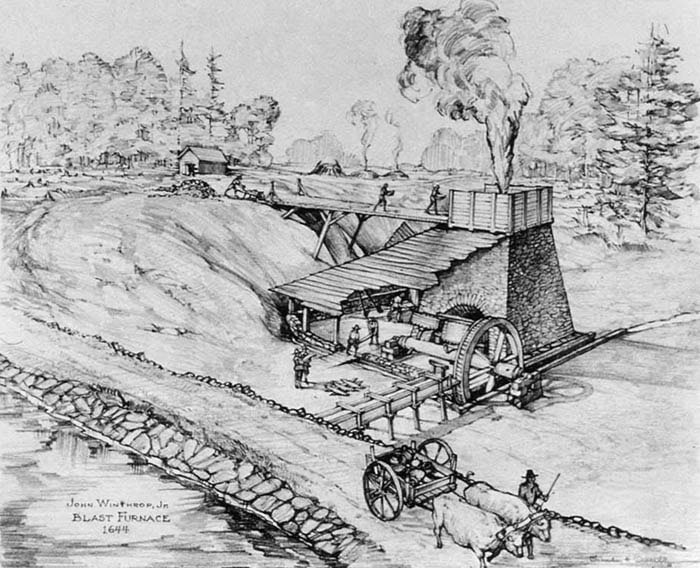
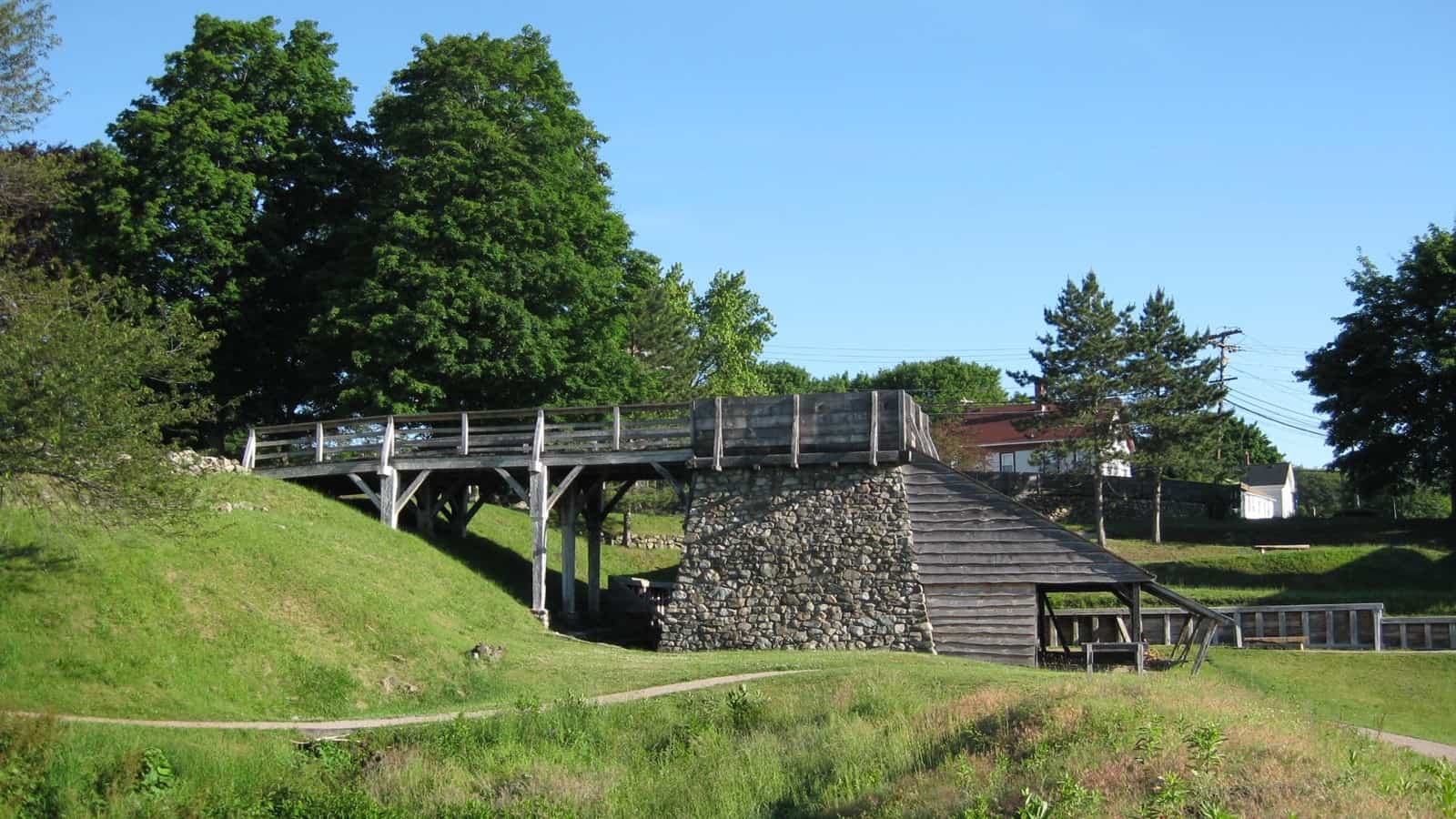
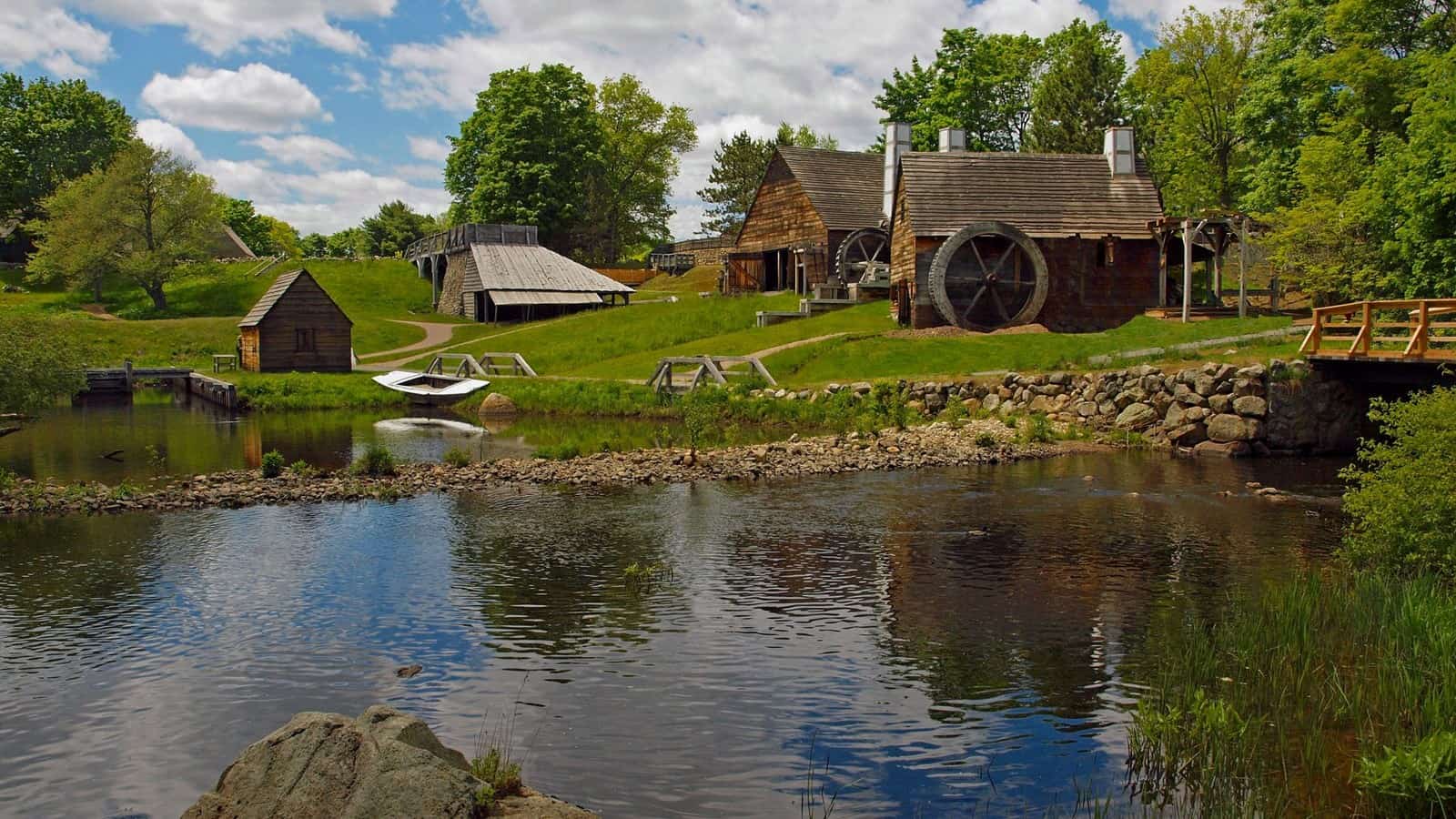
Tucked behind a line of trees just off Route 1, the Saugus Iron Works looks like something out of a museum diorama—except it’s real. The site was home to the first integrated ironworks in colonial America, established in 1646 by English settlers who saw potential in the Saugus River’s fast-moving current. They built a full-scale iron production facility here: blast furnace, forge, rolling mill, and slitting mill. It was a self-contained industrial operation long before the word “industrial” meant anything in New England.
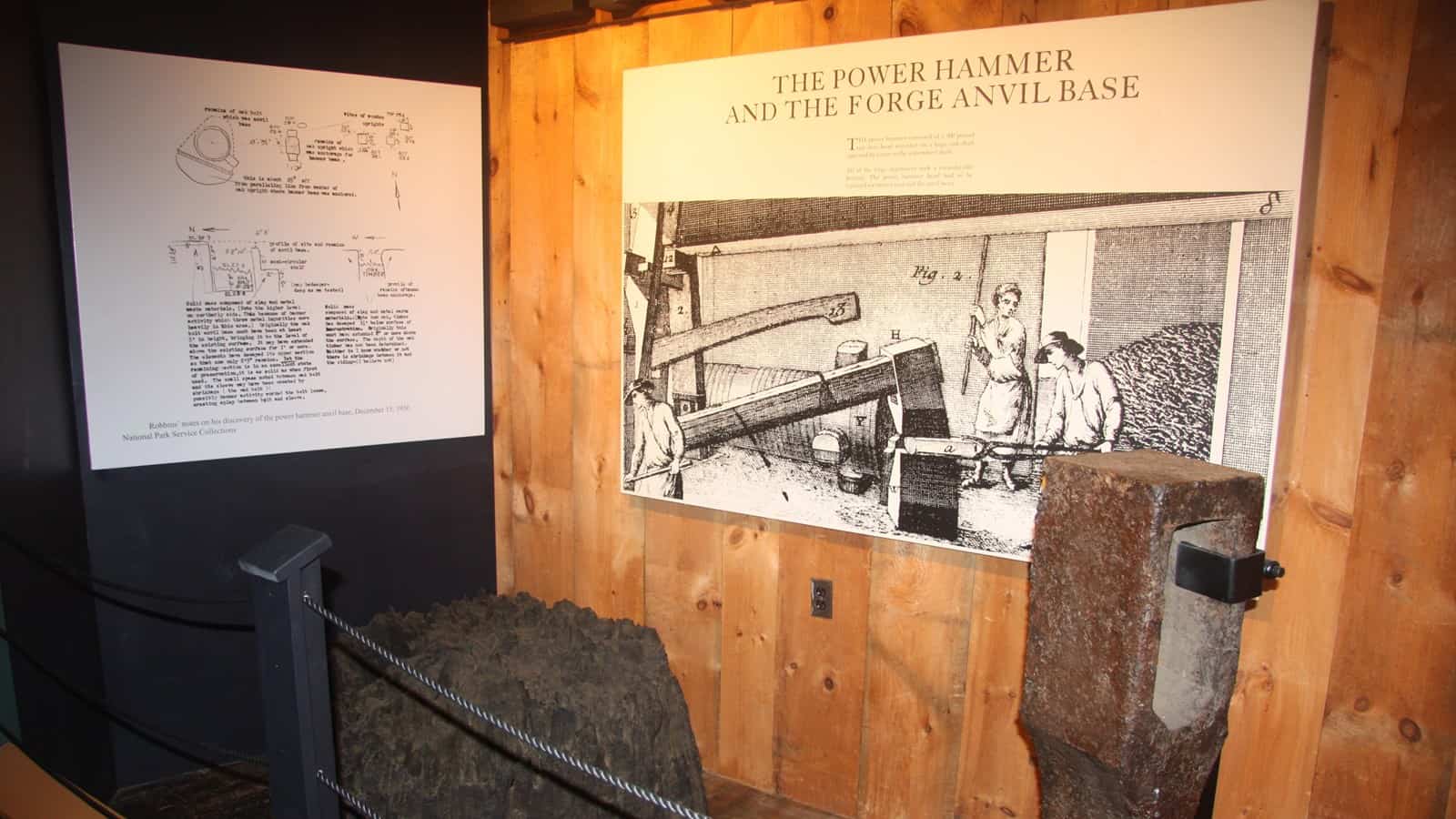
The ironworks ran for about twenty-five years before shutting down in the early 1670s. Financial problems, lawsuits, and a lack of skilled labor all contributed. The structures were abandoned and eventually forgotten. In the 1940s, archaeologists excavated the site and uncovered the original foundations. The National Park Service stepped in and reconstructed much of the works in the 1950s, using period tools and techniques as references.
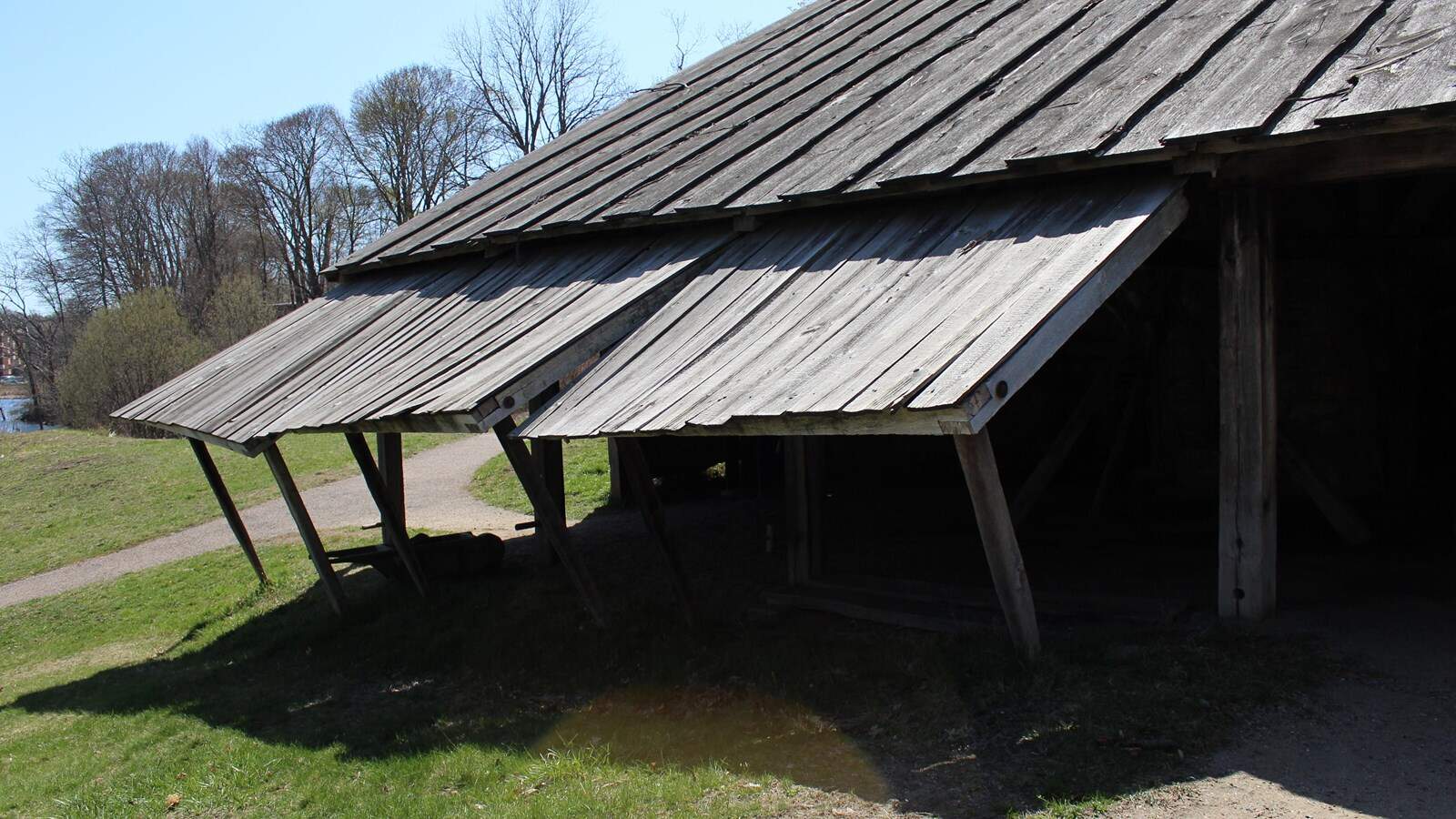
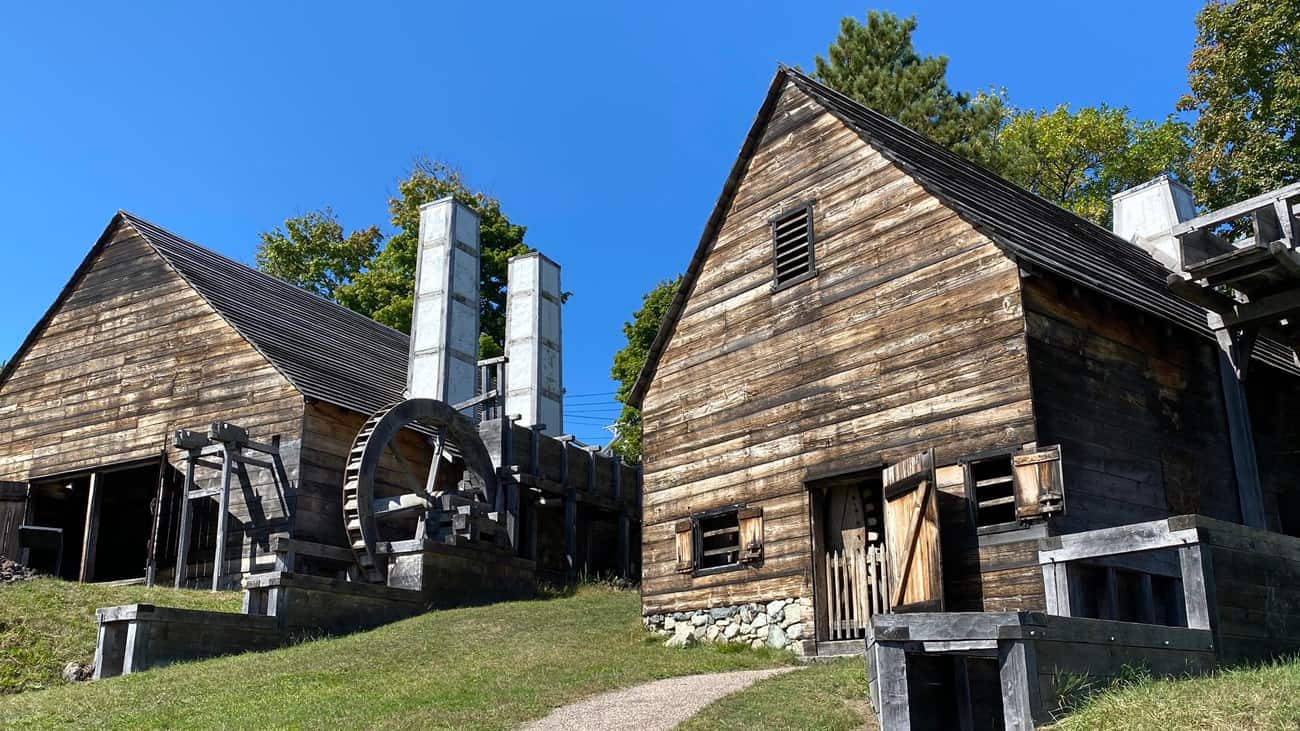
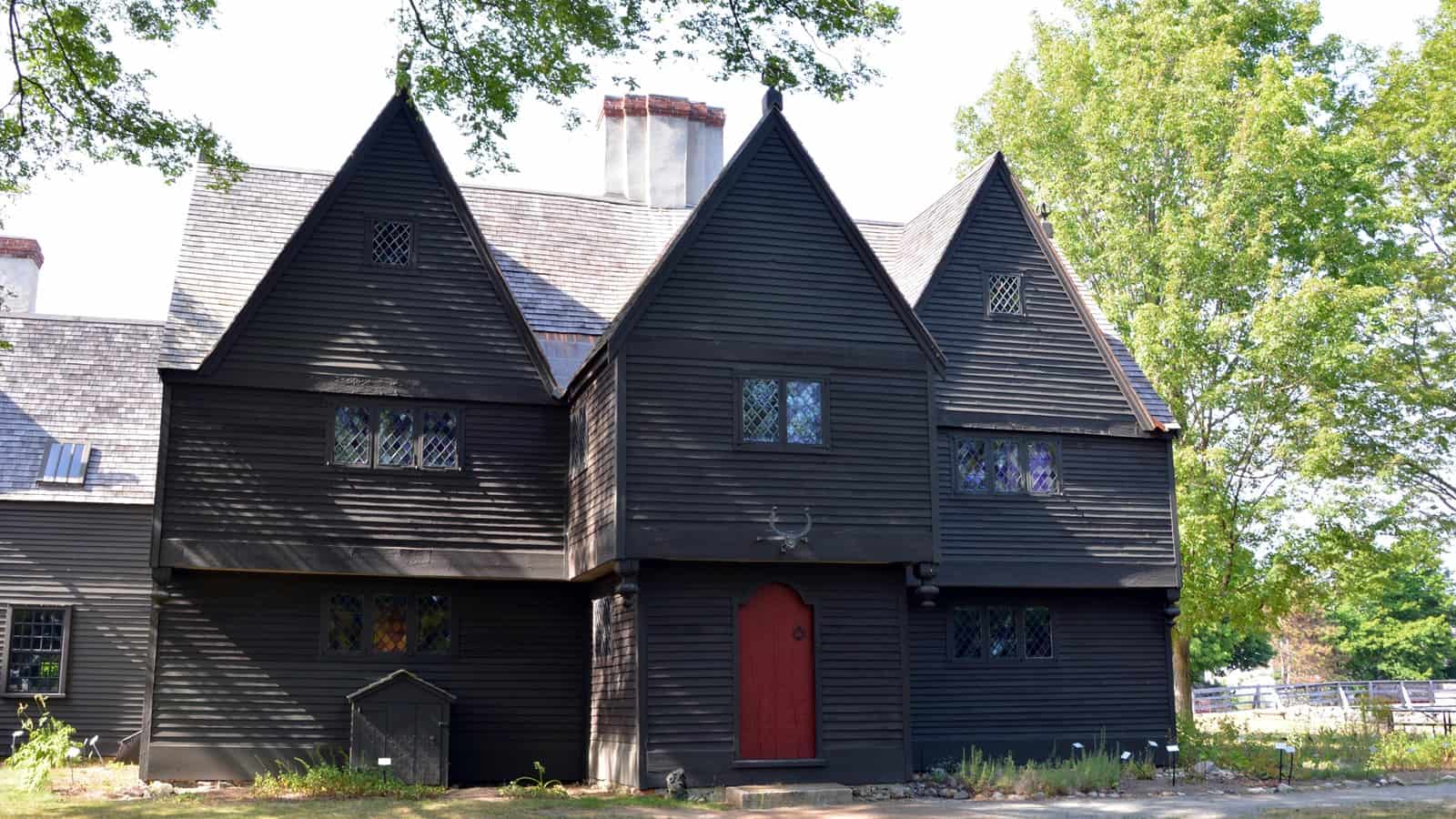
Today, the twelve-acre site includes working water wheels, a rebuilt furnace, and a blacksmith shop. There’s also the Iron Works House, which dates to the late 1600s and sits just uphill from the industrial complex. A short trail follows the river past interpretive signs, millponds, and the remnants of the original dam. Most of the machinery runs in warmer months, usually with a ranger on hand to explain how the pieces fit together.
It’s one of the more overlooked historic sites north of Boston, despite sitting just a few turns off Route 1. Quiet, compact, and surrounded by marshland, it’s easy to forget there’s a four-lane highway just a few hundred yards away. But this was once the center of iron production in the New World—tools, nails, horseshoes, and axe heads made here helped build the early colonies. What’s left still tells that story.












 Continue with Google