The Allman Brothers Band and The Beacon Theater a Legendary Residency
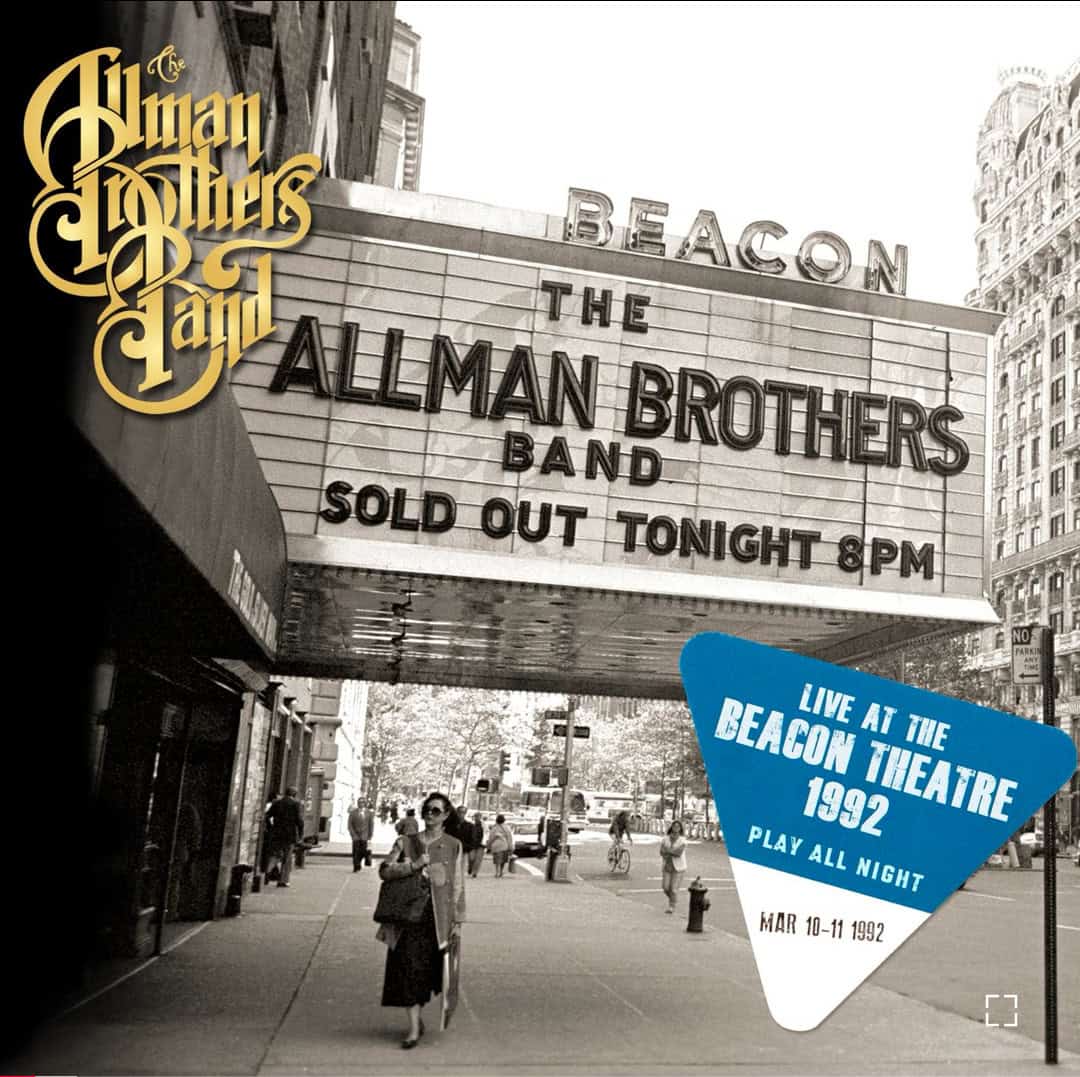
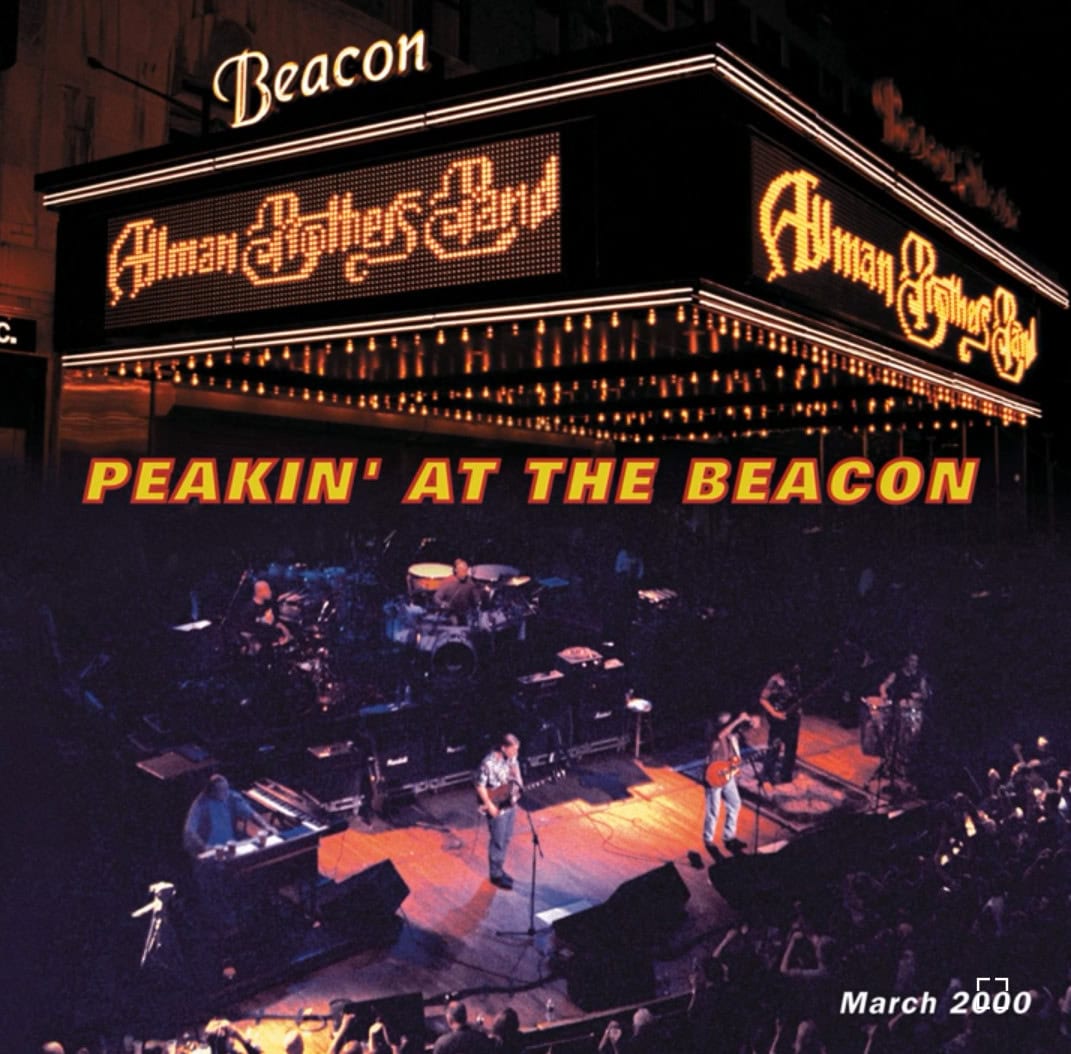
On a crisp March evening in New York City, the marquee outside The Beacon Theater on Broadway glowed in vintage neon: The Allman Brothers Band- SOLD OUT. It was a familiar sight, one that had repeated more than 200 times over the course of two decades.
The Beacon had become more than a venue-it was a spiritual home for the band, a cathedral of Southern rock and improvisation where history was made night after night.
Following the closure of the rock venue Fillmore East in the mid-70s, The Beacon became the venue of choice with ticket prices up to $7.50.
The love affair between the Allman Brothers Band and The Beacon Theater began in 1989 when the group reunited and decided to return to the stage not with a massive arena tour, but with a residency.
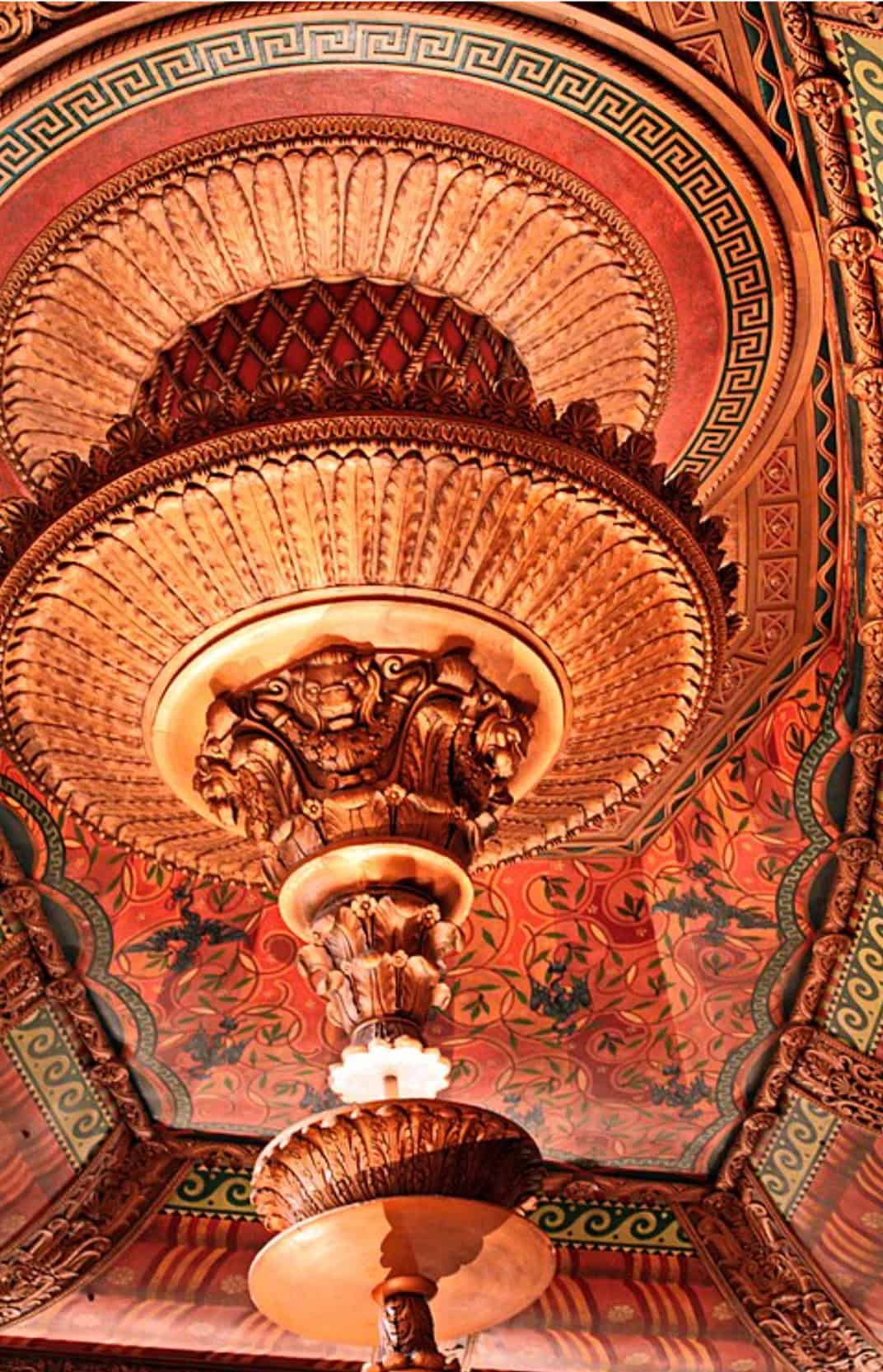
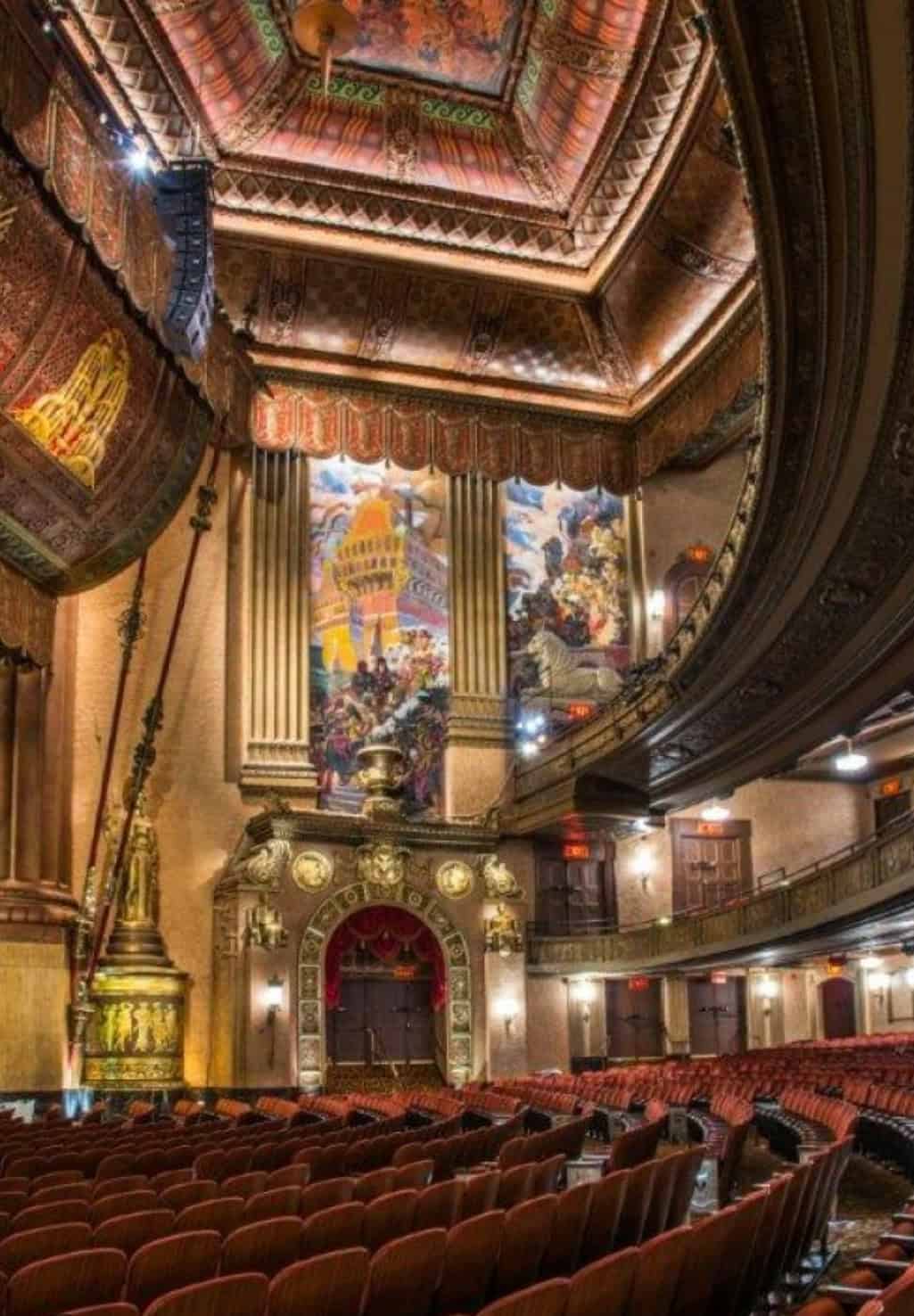
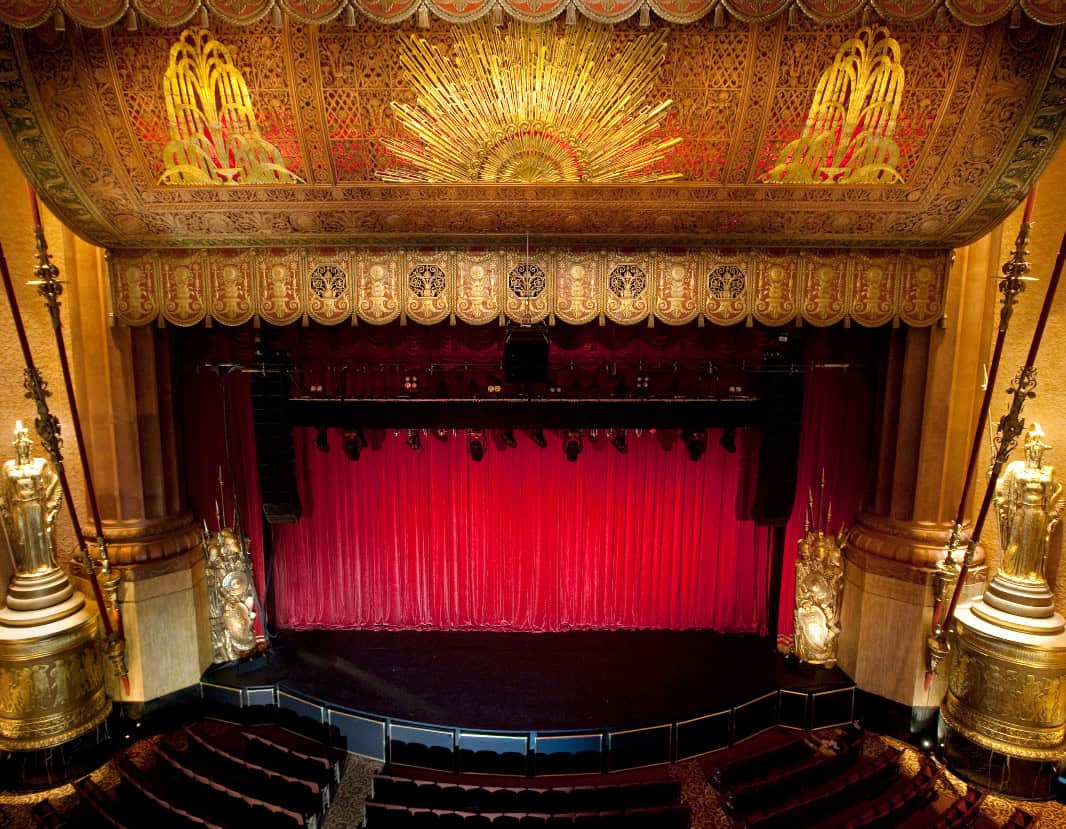
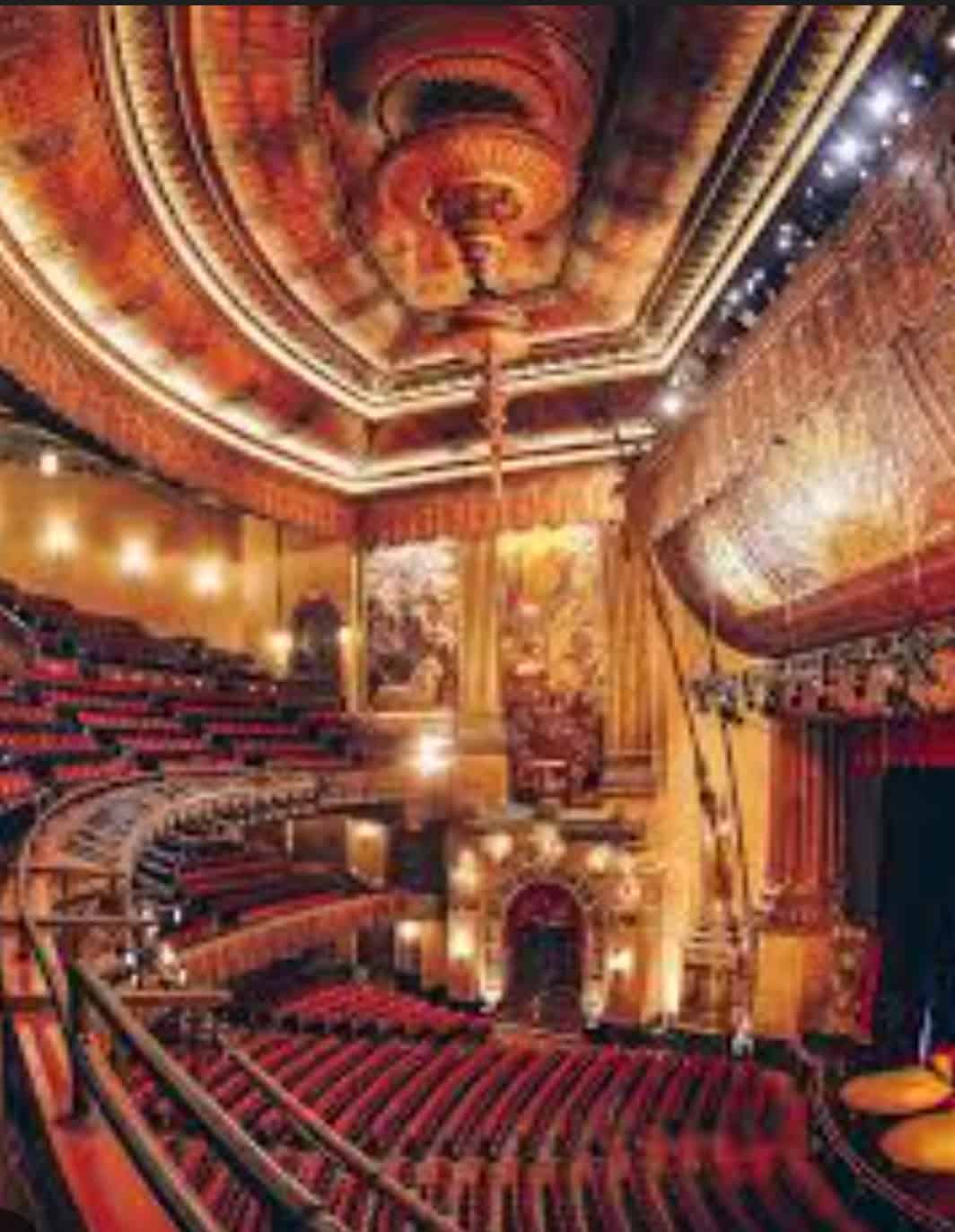
The idea was bold– play multiple nights in one place, build a home base, and invite the fans in. The Beacon with their gilded ceilings, perfect acoustics, and 2,800 red velvet seats was the perfect setting. Intimate, historic, and drenched in the echoes of music legends. It offered the band, after something rare the chance to stretch out and explore.
From the first dates the Beacon shows became a spring ritual. March meant Allman Brothers. Die hard fans flew in from around the country, even the world to catch the bands evolving set-list.
No two nights were ever the same, one night might close with “Whipping Post”, while the next night would unleash a 30-minute “Mountain Jam” that tore the roof off the place. They played deep cuts, classics, blues covers, and brought on a parade of guests from Eric Clapton and Bob Weir to Sheryl Crow and members of the Grateful Dead.
Gregg Allman, his voice weathered and soulful, sat behind his Hammond B3, pouring his heart into every note of “Melissa” and “Ain’t Wastin’ Time No More”.
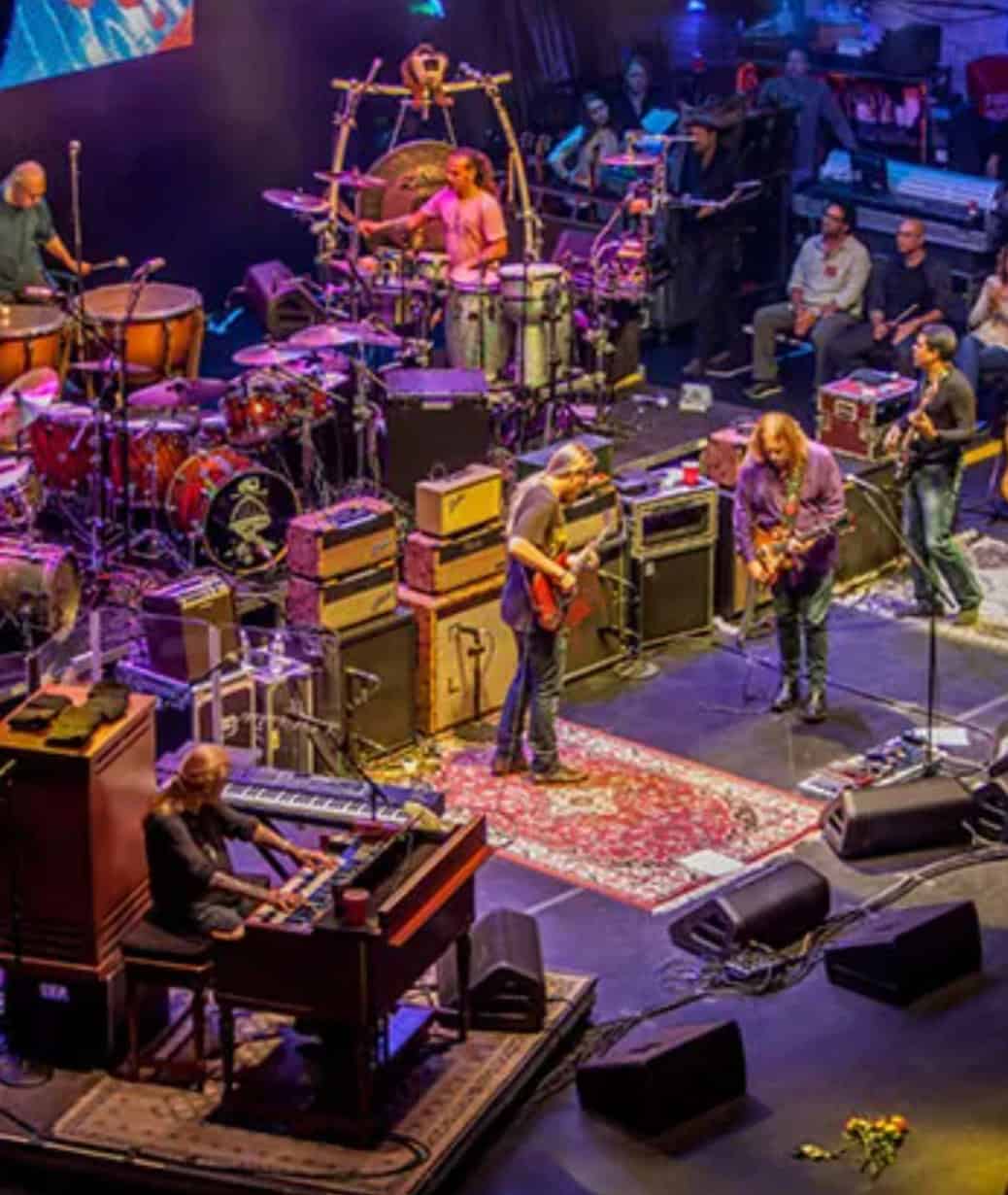
The twin guitar attack, originally pioneered by Duane Allman and Dickey Betts, found new life in the hands of Warren Haynes and Derek Trucks. Their interplay–fiery and fluid became the stuff of legend, especially in those magical Beacon jams that could stretch until the early mornings.
The Beacon became a place of pilgrimage. Fans lined up early to get close to the stage. Inside, the walls seemed to pulse with the energy of decades.
It wasn’t just a concert–it was a gathering of the tribe. Hippies, bikers, bankers, teenagers who inherited vinyl from their parents– everyone came for the music, and the music delivered.
In 2014 after their final Beacon run of 238 sold out performances, the band announced it was time to say goodbye.
The last show ended on October 28th with the echoes of “Trouble No More” and the spirits of Duane Allman and Berry Oakley hovering over every note.
The Beacon seats may now host Broadway musicals and other acts, but for many it will always belong to the Allman Brothers Band.
They transformed the theater into a temple of sound, built not from bricks and mortar but from blues, sweat and six string sorcery.
And if you stand there on a quiet night, when the lights are low and the stage is empty, you might just hear the faint echo of “Midnight Rider” drifting through the halls.
David Garland Jun 29, 2025 New York NY Back in Time Music Places to Visit
Jun 29, 2025

SHARE