

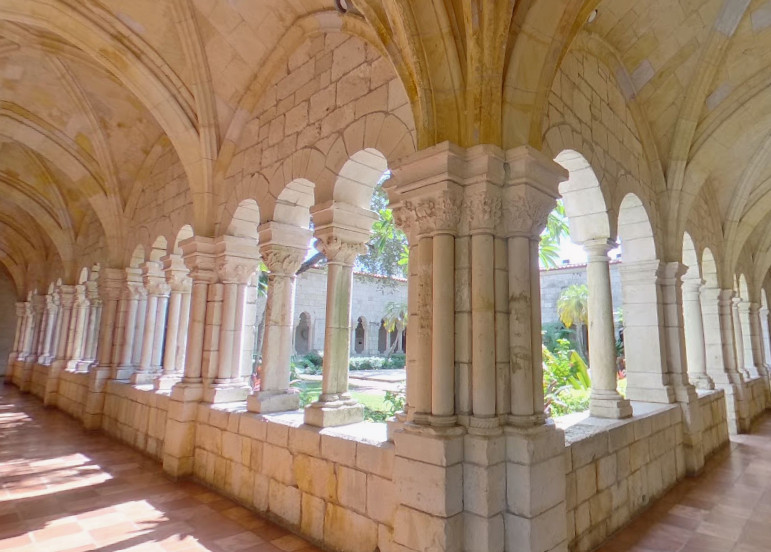
During the turn of the 19th century, the ultra wealthy socialites of America, desperate to establish their cultural legitimacy, adopted the practice of shipping whole historical structures from Europe to America. Following the end of WWI, many European nobles were left ruined and liquidated their assets, selling their estates to wealthy Americans. These European structures would be dismantled and then shipped across the Atlantic to be used as trophies of wealth by the American aristocracy.
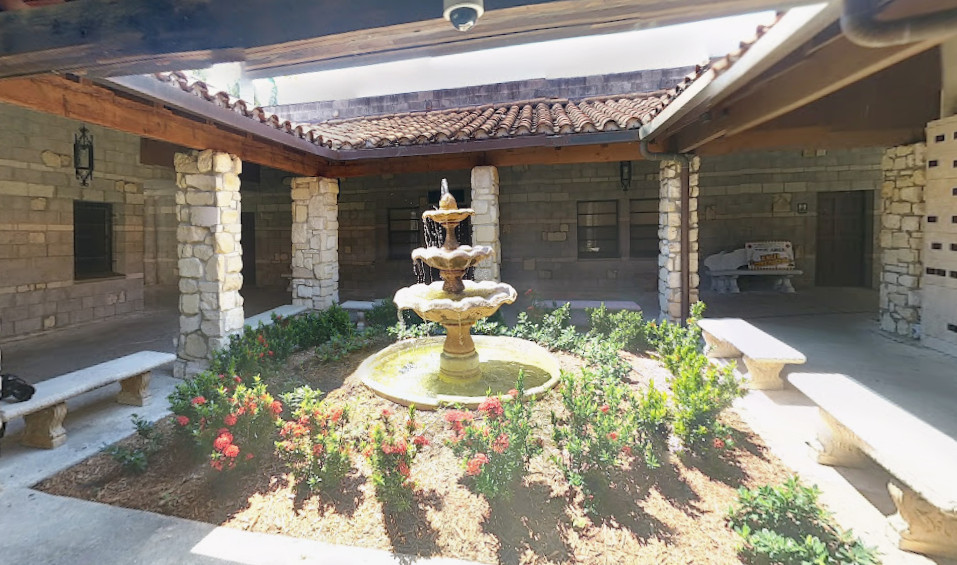
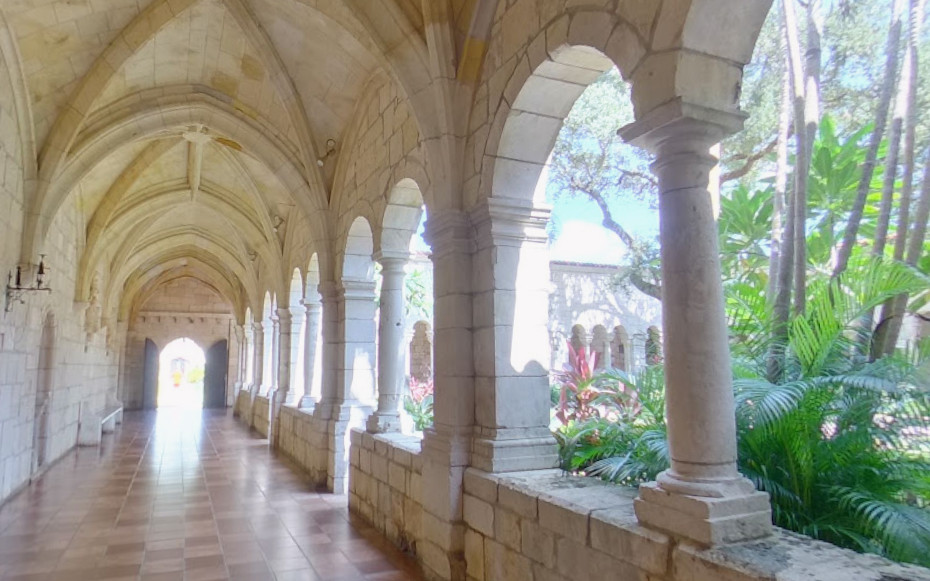
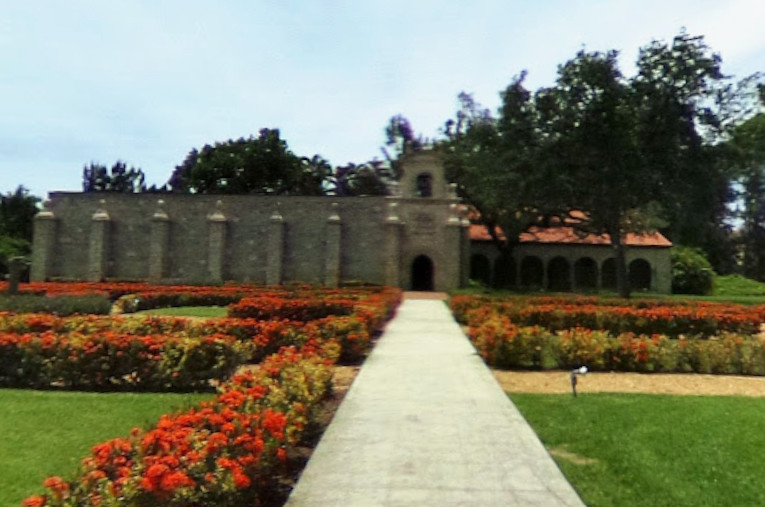
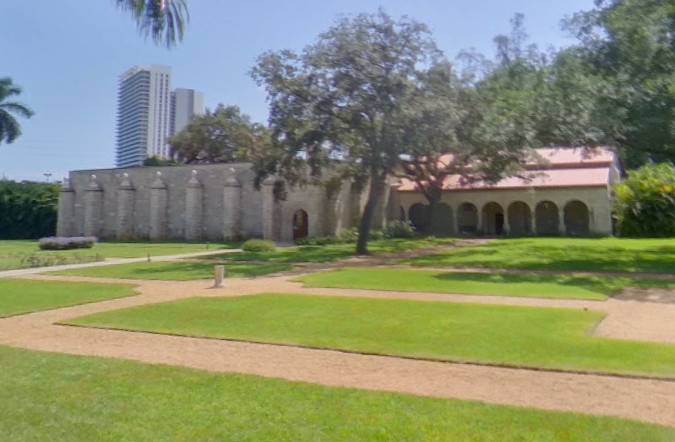
The oldest of these structures is the St. Bernard de Clairvaux Church. Or more commonly known as The Ancient Spanish Monastery, which now sits off of Route One in Miami, Florida. The St. Bernard de Clairvaux Church was constructed during the years 1133–1141. The monastery was established by Alfonso VII of Castile and León and constructed in the traditional style of Cistercian Romanesque architecture. The structure functioned as a Cistercian monastery for around 700 years. It ceased this functionality in 1830, when it was sold off to be used as a stable and granary. In 1926 the church was illegally purchased by U.S House Representative William Randolph Hearst, who evaded Spanish government restrictions, in order to move the structure to the United States.
The building was shipped across the Atlantic in around 11,000 crates. However, during this time, William Randolph Hearst fell into financial ruin, and was unable to reconstruct the Church in California, as he had originally planned. The building sat in pieces at a warehouse in Brooklyn, New York, for thirty years. Until in 1952, when the building pieces were purchased by Raymond Moss and William Edgemon, who eventually reconstructed the monastery on the site of their small plant nursery in northern Miami. The church was then purchased in 1964 by Bishop Henry I. Louttit.
Today the St. Bernard de Clairvaux Church functions as an ordinary church. You can visit for $10 (adults) and take a tour of the property. The church hosts weddings and private events as well. They are committed to the historical preservation and upkeep of the site, multicultural experiences, and community involvement.










 Continue with Google