


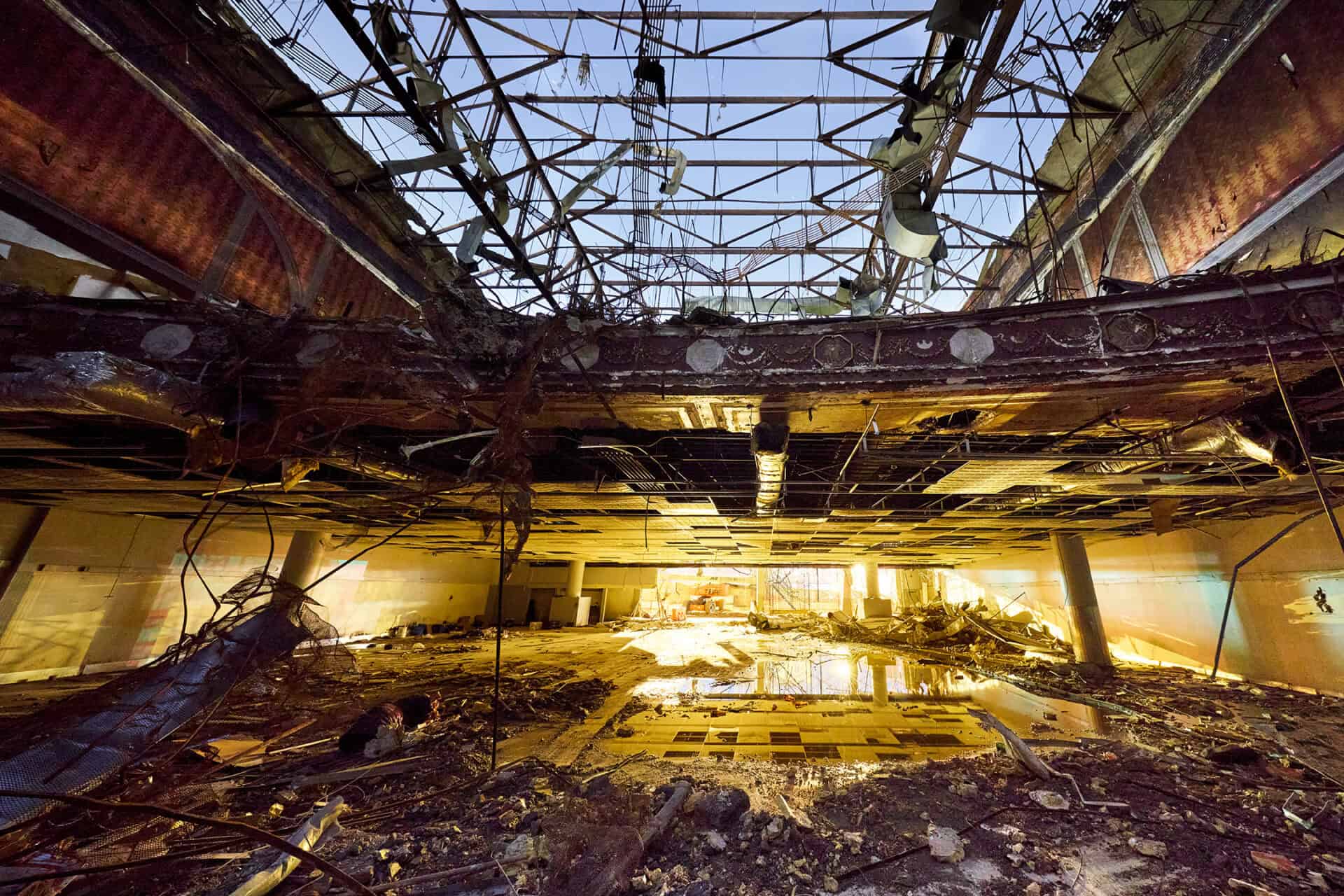


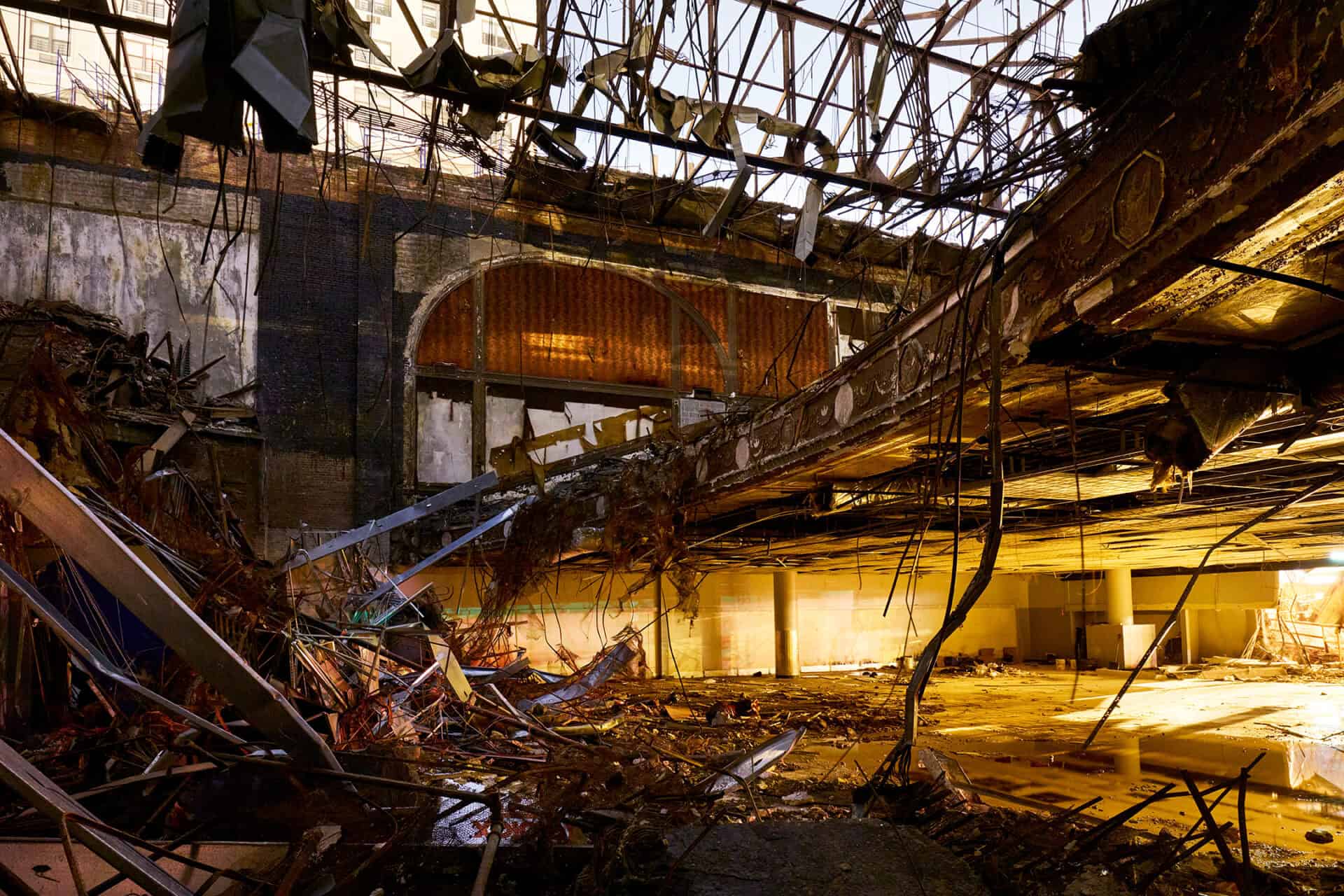
The Bronx Burnside Theatre - Documented on the way down
Loew’s Burnside Theatre stood on the northeast corner of East Burnside Avenue and Walton Avenue at 57 East Burnside Avenue in the Bronx. The site was developed during Loew’s early 1920s expansion into neighborhood theaters serving growing residential areas.
The Burnside opened on January 31, 1924. Seating capacity varies by source, most often listed between 2,178 and 2,219 seats. Architectural credit is generally given to John J. Dunnigan, with Eugene De Rosa also cited in period records. The building followed the Loew’s neighborhood palace format, with a large auditorium and full stage facilities.
Marcus Loew attended opening night, along with Eddie Cantor and performers from the Ziegfeld Follies. The feature film was Thy Name Is Woman. Director Fred Niblo appeared onstage following the screening, a common promotional practice at Loew’s openings during this period. Installed in the theater was an M. P. Möller pipe organ, Opus 3773. The instrument featured three manuals and twenty eight ranks and was intended for film accompaniment and live stage use.
By the mid 1950s, the Burnside had ceased operating as a motion picture theater, though some sources indicate limited use into the early 1960s. The building was later converted for retail purposes. The lobby became storefront space, while the auditorium was used for storage. In subsequent decades, the structure housed a Rite Aid pharmacy, with no public access to the former theater interior.
In late 2025, redevelopment permits were filed for a nine story mixed use building at 2060 Walton Avenue, encompassing the former Burnside property. Demolition took place in December 2025. The Loew’s Burnside Theatre is gone.
Matt Lambros Jan 05, 2026 The Bronx NY Abandoned Places History Theaters

Jan 05, 2026

SHARE





More Views For You!


Loading Views . . .
Go on a journey through East Coast States


 Continue with Google