

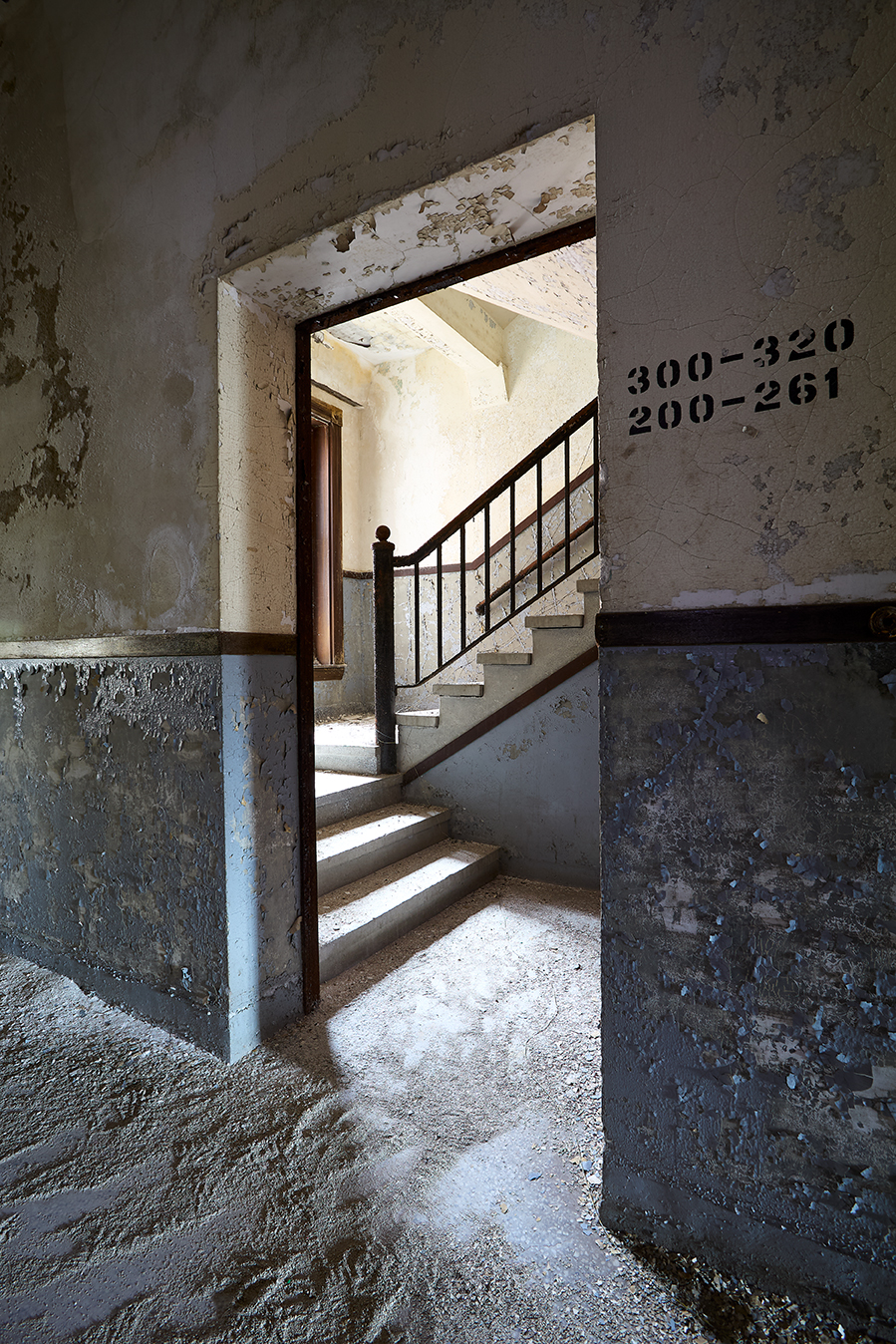
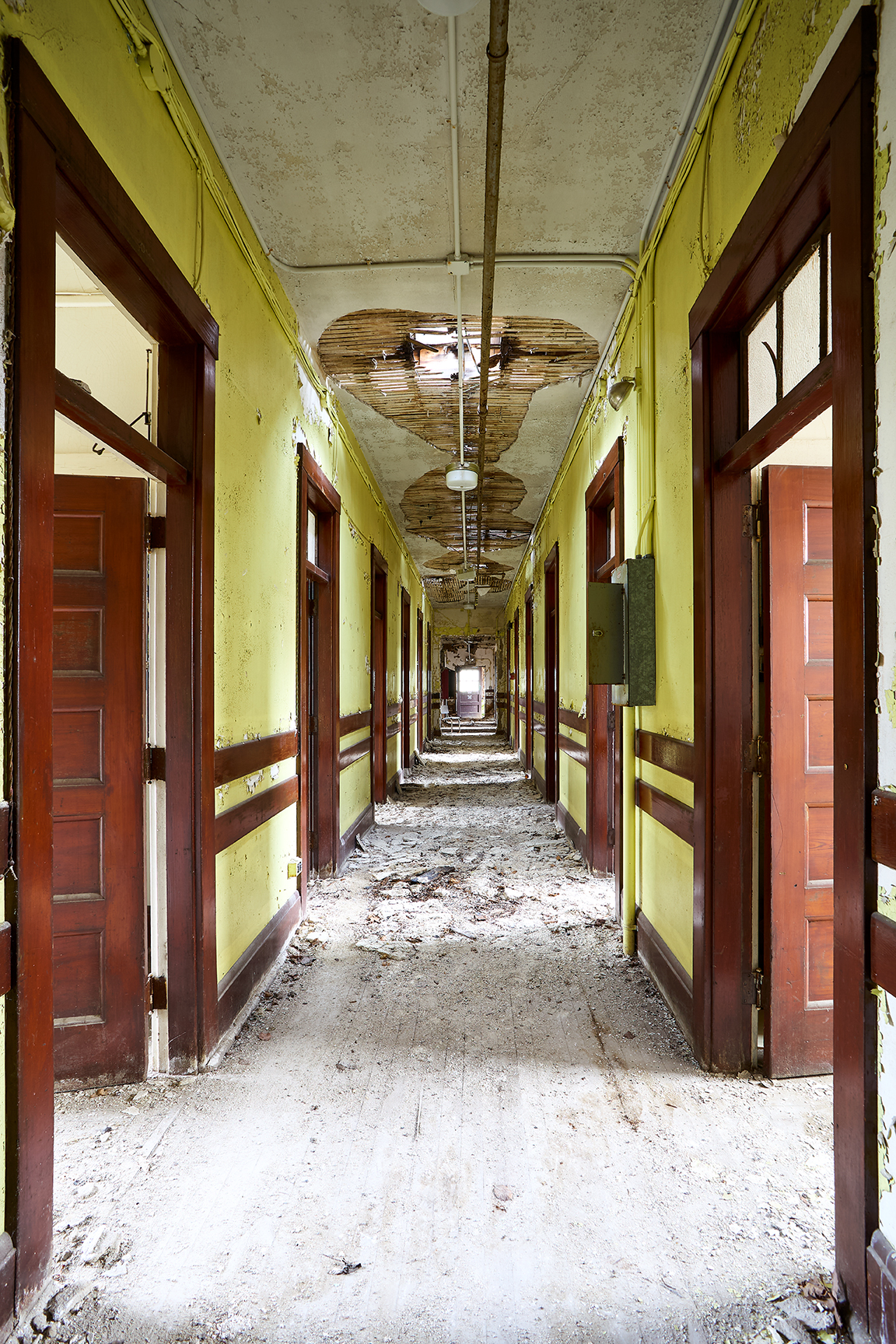
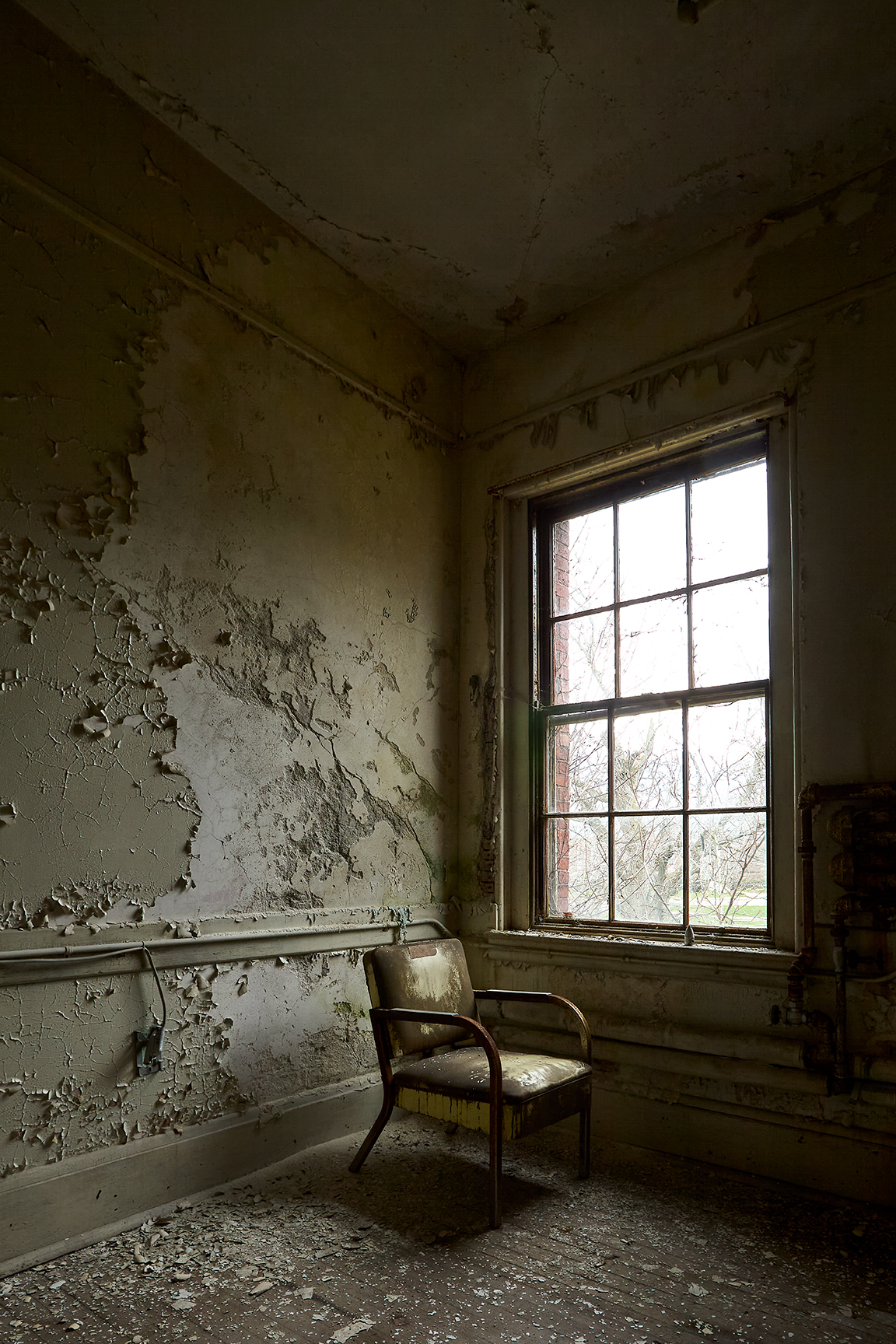
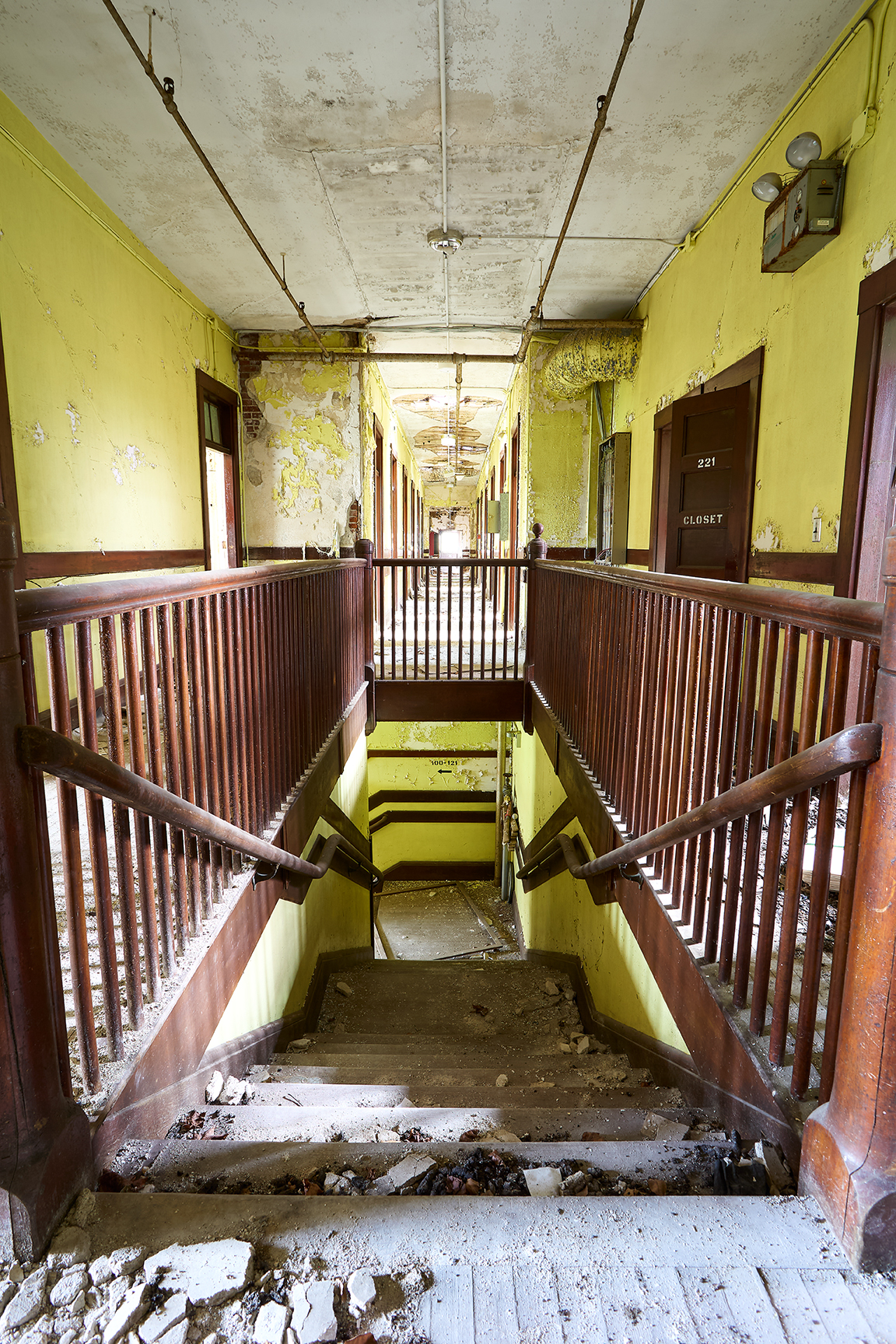
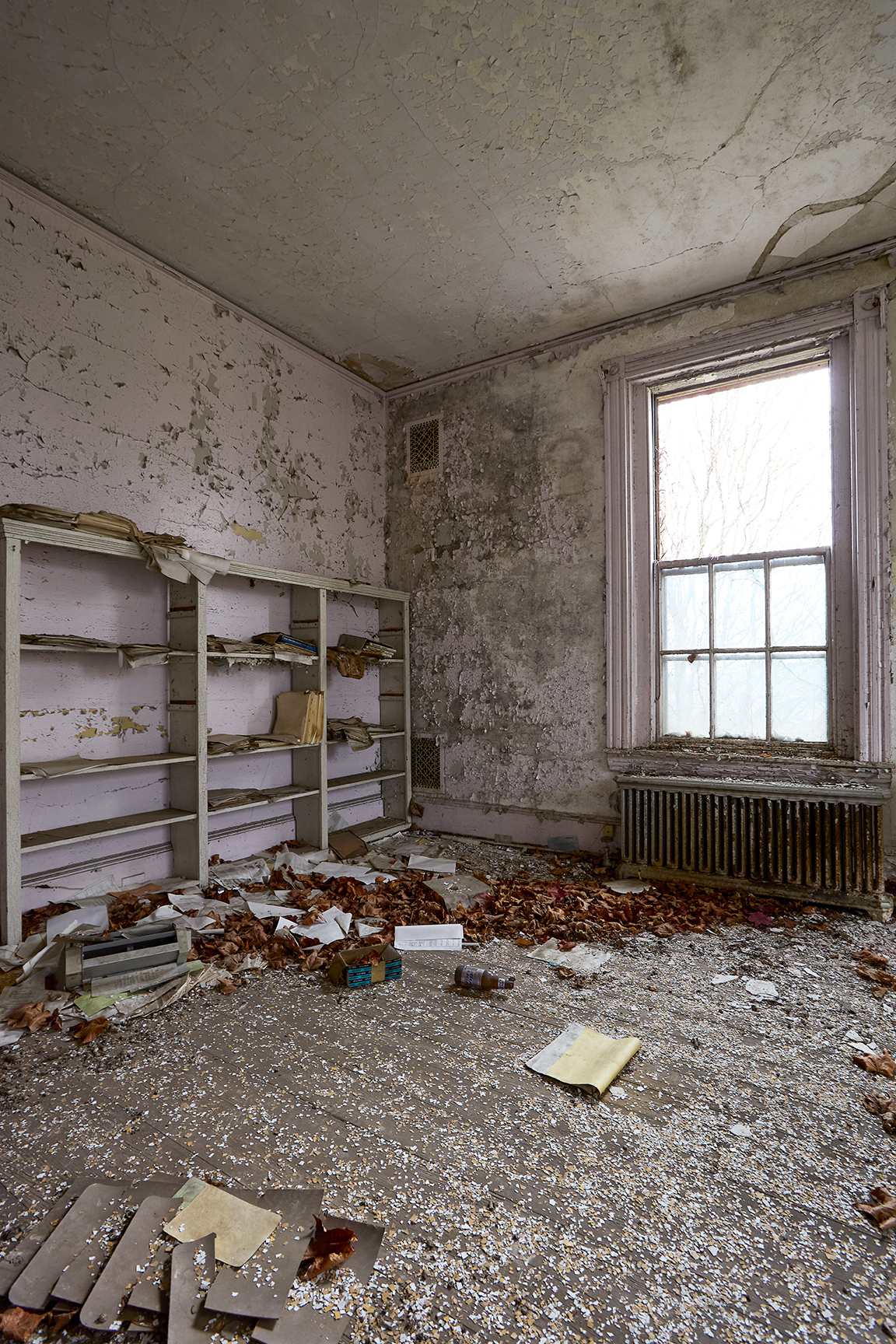
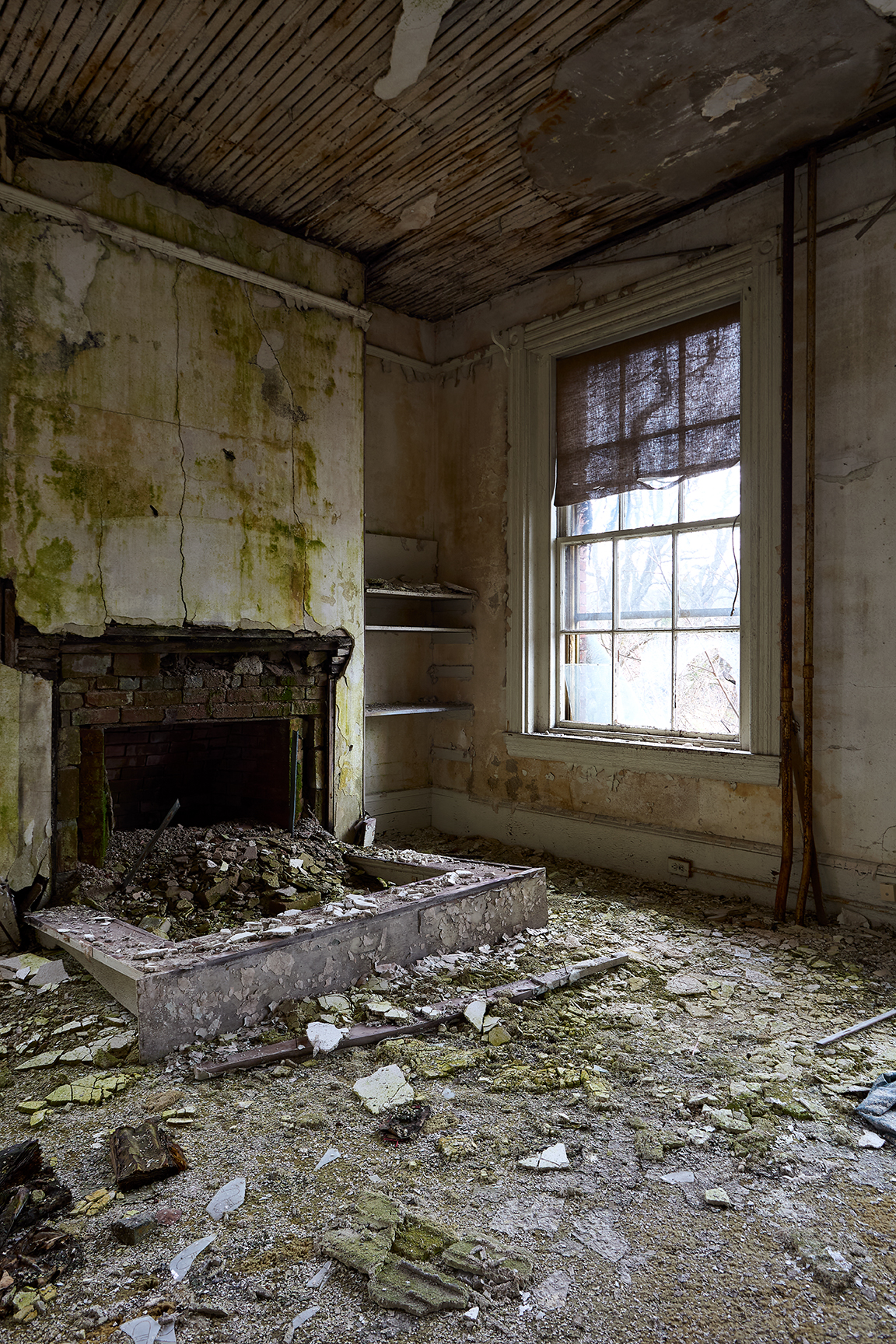

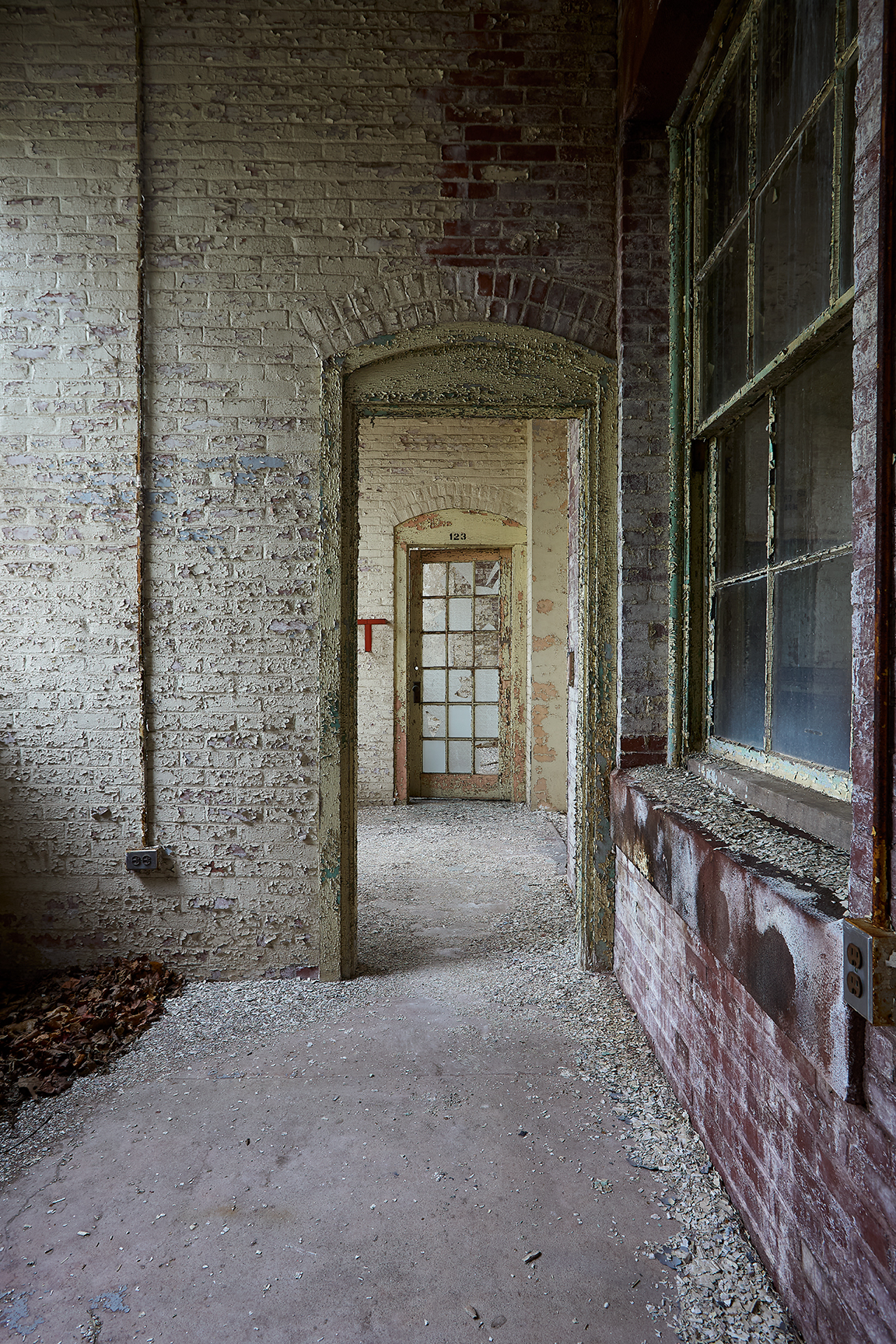
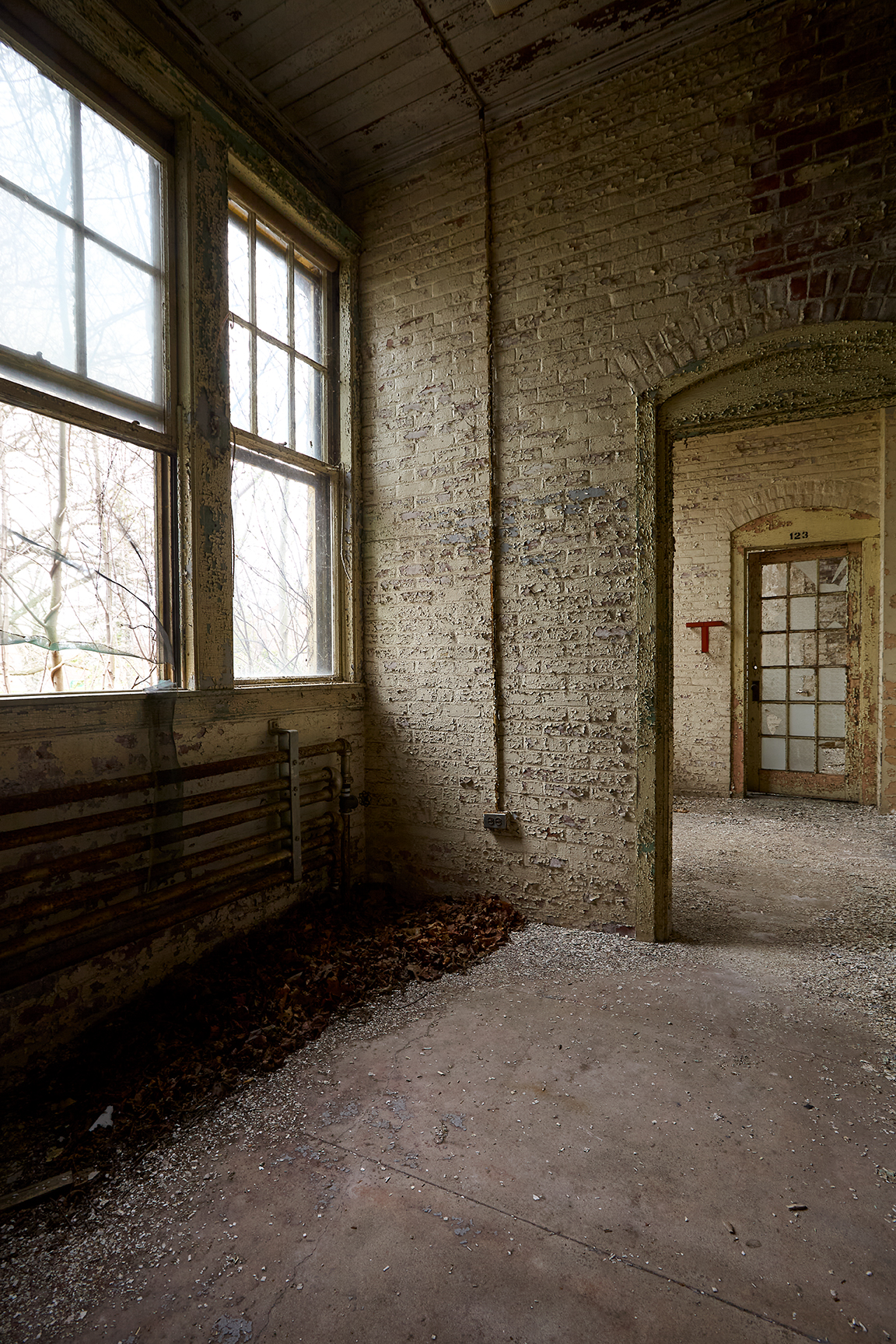
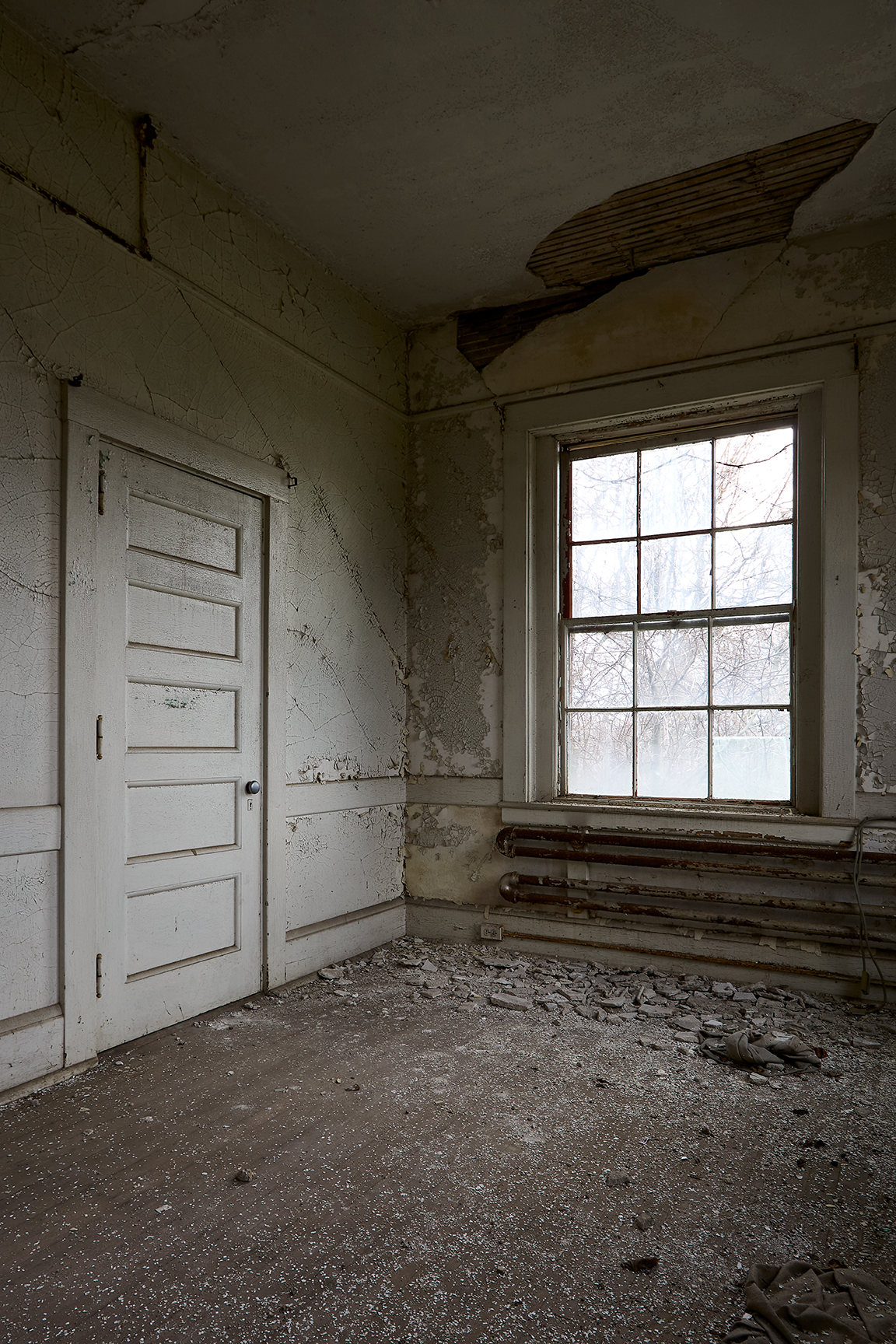
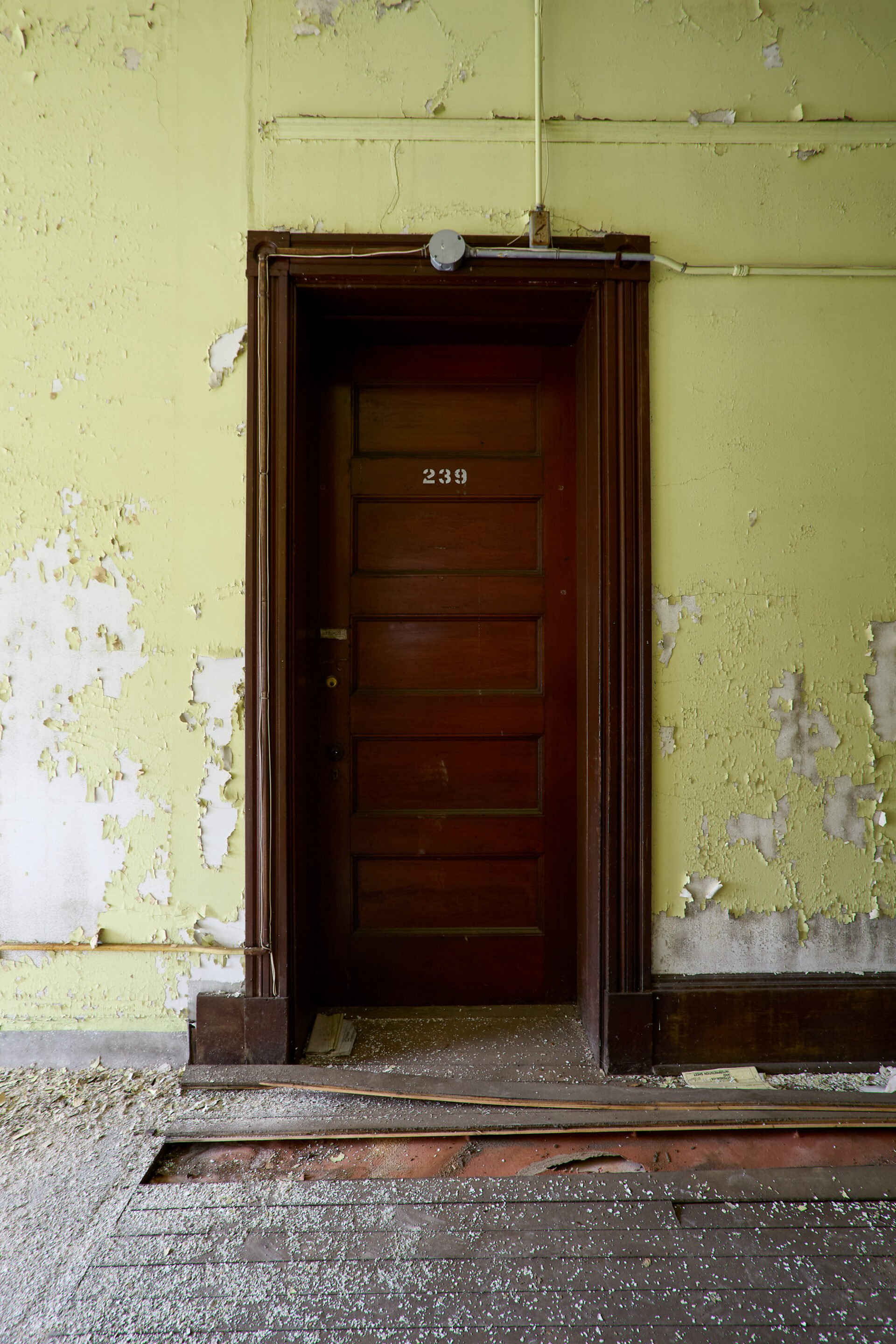
The Fernald State School began in 1848 in South Boston as the Massachusetts School for Idiotic and Feeble-Minded Youth, established under the direction of Samuel Gridley Howe. It is widely cited as the first publicly funded institution of its kind in the Western Hemisphere. What started as a reform effort quickly grew into something much larger and harder to control.
By 1887, the state purchased farmland along Trapelo Road in Waltham and began relocating operations. Over the next several decades, the site expanded into a self-contained institutional city. At its peak, the campus covered close to 200 acres and included dozens of buildings, farms, workshops, and housing for both staff and residents. By 1970, the total population, residents and staff combined, exceeded 7,000.
In 1925, the institution was renamed for longtime superintendent Walter E. Fernald. His tenure helped shape the school’s national reputation, but it also tied the institution directly to the American eugenics movement. Admission standards broadened over time, and many residents were not intellectually disabled at all. Some were poor, some were immigrants, some were simply considered “unmanageable.”
The most disturbing chapter came in the mid-20th century. From 1946 to 1953, Fernald became one of several sites used in a series of nutrition experiments later known as the “Science Club” studies. Researchers from institutions including Massachusetts Institute of Technology and Harvard University worked with the school to study how the body absorbed nutrients.
Boys at Fernald were recruited into a so-called science club and given breakfasts that contained radioactive isotopes, including calcium and iron tracers. The substances were used to track nutrient absorption. Consent forms were vague or misleading, and in many cases parents were not fully informed about the nature of the experiments. Participation was framed as a privilege, with promises of better food and outings.
The studies were funded in part by the Atomic Energy Commission, which had a vested interest in understanding how radioactive materials moved through the human body. The experiments remained largely unknown to the public until the 1990s, when investigations into Cold War-era human testing brought them to light. Lawsuits followed, and the state eventually reached a settlement with surviving participants and their families.
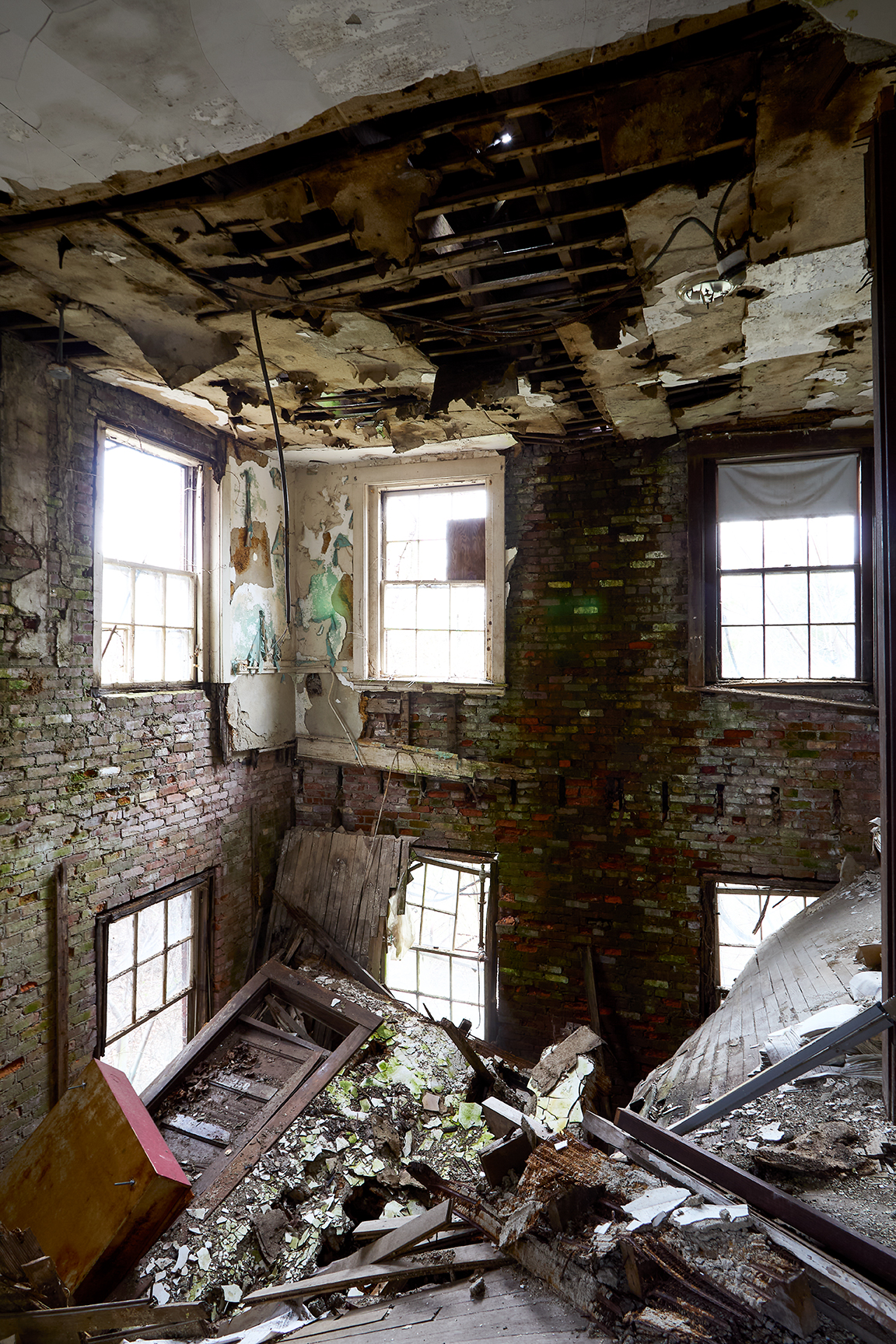
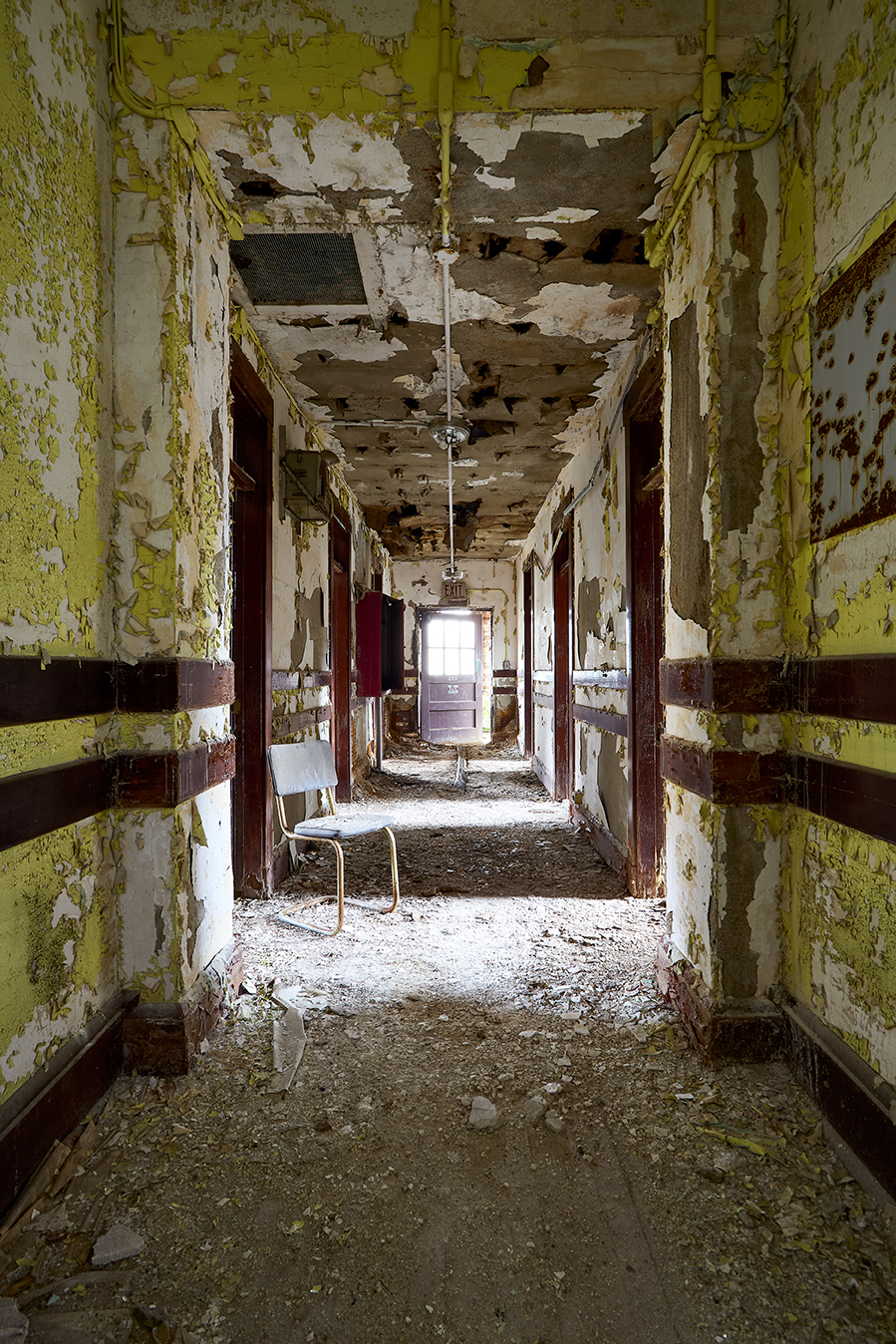
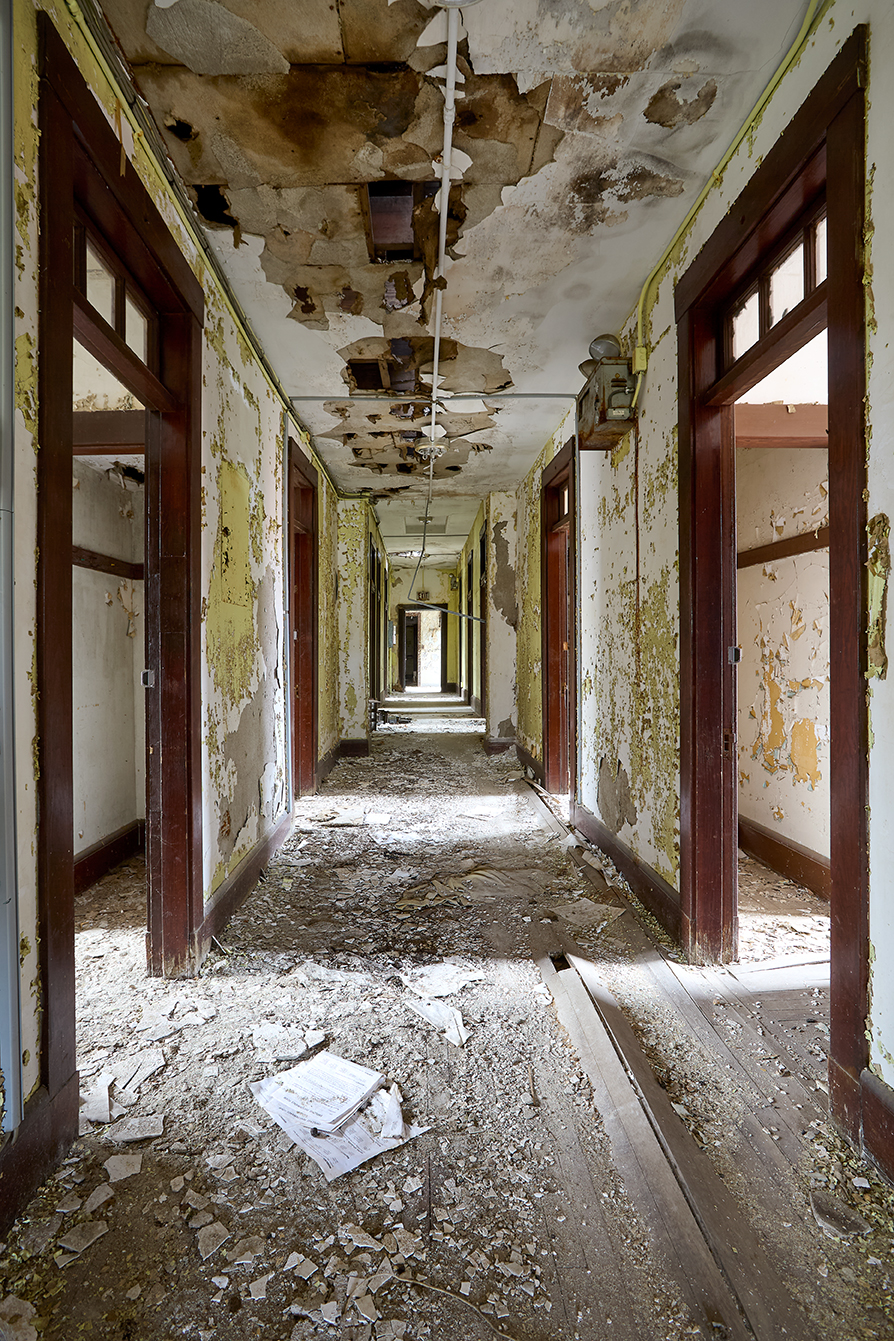
Fernald closed in 2014, one of the last large state institutions of its kind in Massachusetts. Portions of the campus were listed on the National Register of Historic Places in 1994. Plans for the Fernald State School have sat in limbo since the site closed. The state selected a team led by Jones Street Investment Partners and The Davis Companies in 2019 to build roughly 700 to 800 housing units with limited retail and preserved open space, and the Waltham City Council approved zoning changes in 2020. Progress stalled over density, traffic, school capacity, and how much of the historic campus should be demolished. Most of the nearly 190 acre site still stands, while a portion has been transferred to the Massachusetts Department of Conservation and Recreation for public use, leaving the likely outcome a delayed redevelopment that keeps fragments of the campus and clears the rest, unless the plan resets again.











 Continue with Google