

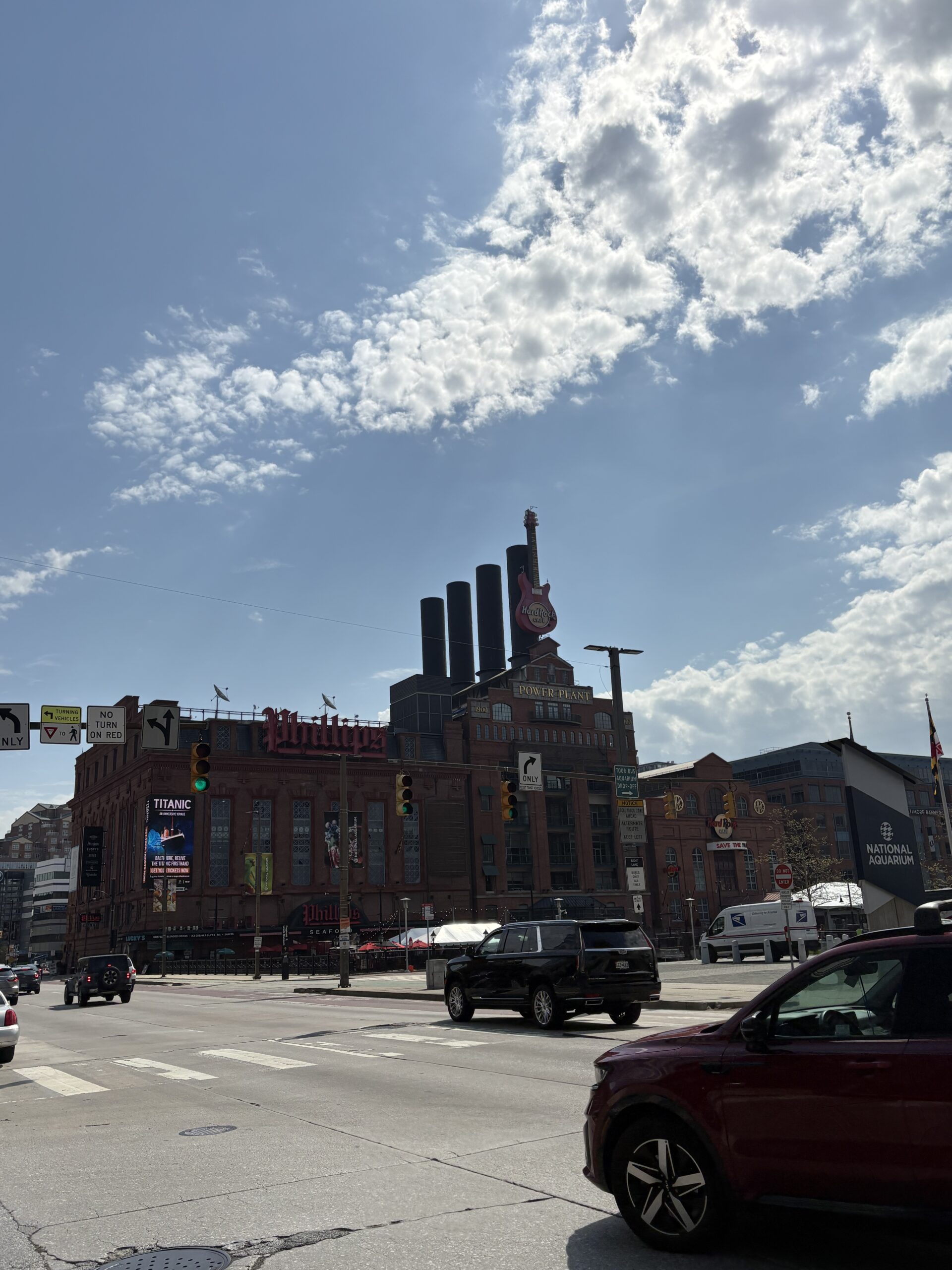
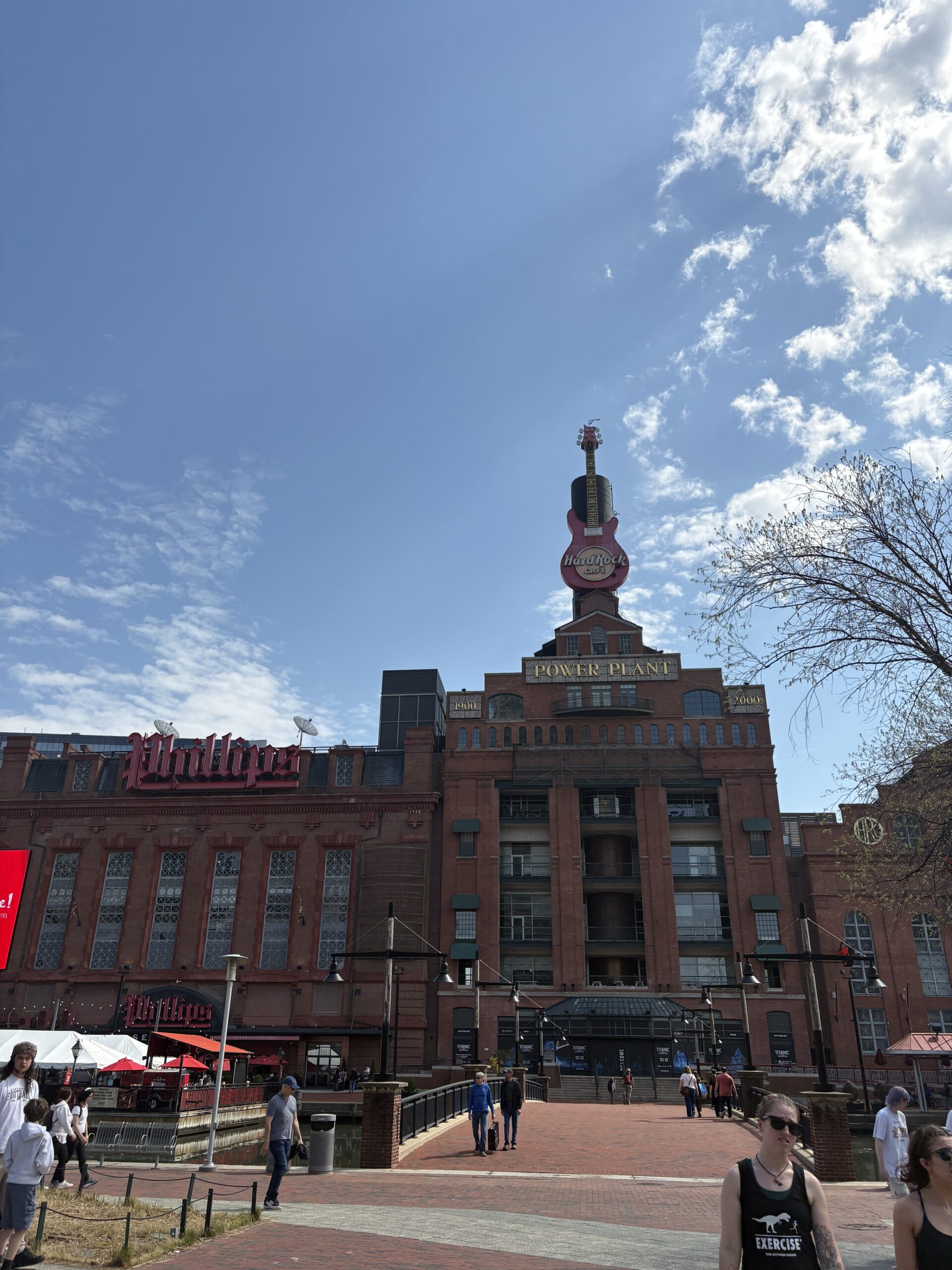
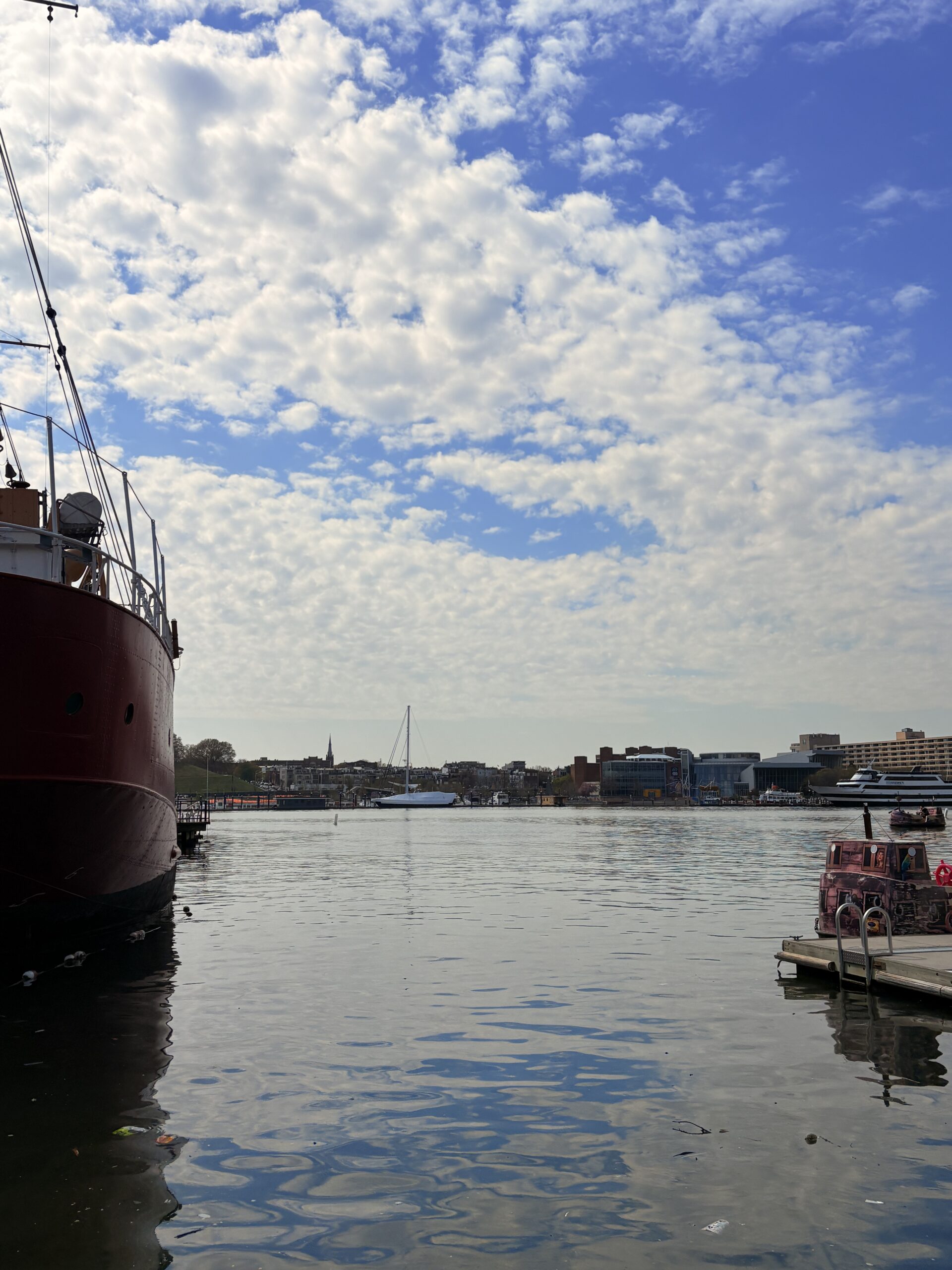
Standing proudly along the waterfront since its listing on the National Register of Historic Places in 1987, the Pratt Street Power Plant is a noticeable landmark in the heart of Downtown Baltimore. Known by locals as The Power Plant, Pier IV Power Plant, or Pratt Street Station, this former industrial powerhouse retired from its original duties in 1973. Since then, it has reinvented itself time and again as a vibrant hub for travelers and locals alike—even briefly hosting a whimsical indoor theme park.
In its early days, the plant served as the beating heart of the city’s transit system, providing power to the electric streetcars operated by the United Railways and Electric Company. This surge of energy helped connect neighborhoods and open up Baltimore’s scenic suburban horizons. Later, it transitioned to providing central steam heat for the Consolidated Gas, Electric Light and Power Company—a precursor to today’s Baltimore Gas and Electric Company.
After falling into disrepair in 1973, the charming brick structure caught the eye of the City of Baltimore, which acquired it in 1977. The first chapter of its revival saw the pier warehouse transformed into the welcoming Chart House seafood restaurant, offering diners fresh local catches right on the water.
In 1982, the city sought ideas for further development and to breathe new life into the complex. Various proposals were made, including a vineyard concept and a maritime venture backed by news anchor Walter Cronkite. Ultimately, the winning vision was an ambitious indoor Six Flags attraction, designed around turn-of-the-century America, with creative ideas contributed by sci-fi author Ray Bradbury and Hollywood legend John DeCuir.
Guests were invited into the fantastical laboratory of fictional inventor Professor Phineas Templeton Flagg—a whimsical world inspired by Jules Verne, H.G. Wells, and P.T. Barnum. Visitors could explore sensory walk-through exhibits, enjoy animatronic shows, play arcade games, and experience The Sensorium—the world’s very first 4D theater experience.
The theme park era came to a close in 1990, following low sales. Yet, the building’s story was far from over. The city of Baltimore set out to find new developers for the structure, drawing interest from prominent cultural institutions like the Baltimore Center for the Performing Arts and the Maryland Children’s Museum.
Today, the historic Power Plant is a bustling harbourfront destination where visitors can shop, dine, and soak in the vibrant atmosphere. You won’t miss it, with its iconic architecture and a giant, illuminated guitar, marking the Hard Rock Cafe, perched right at the top.







 Continue with Google