

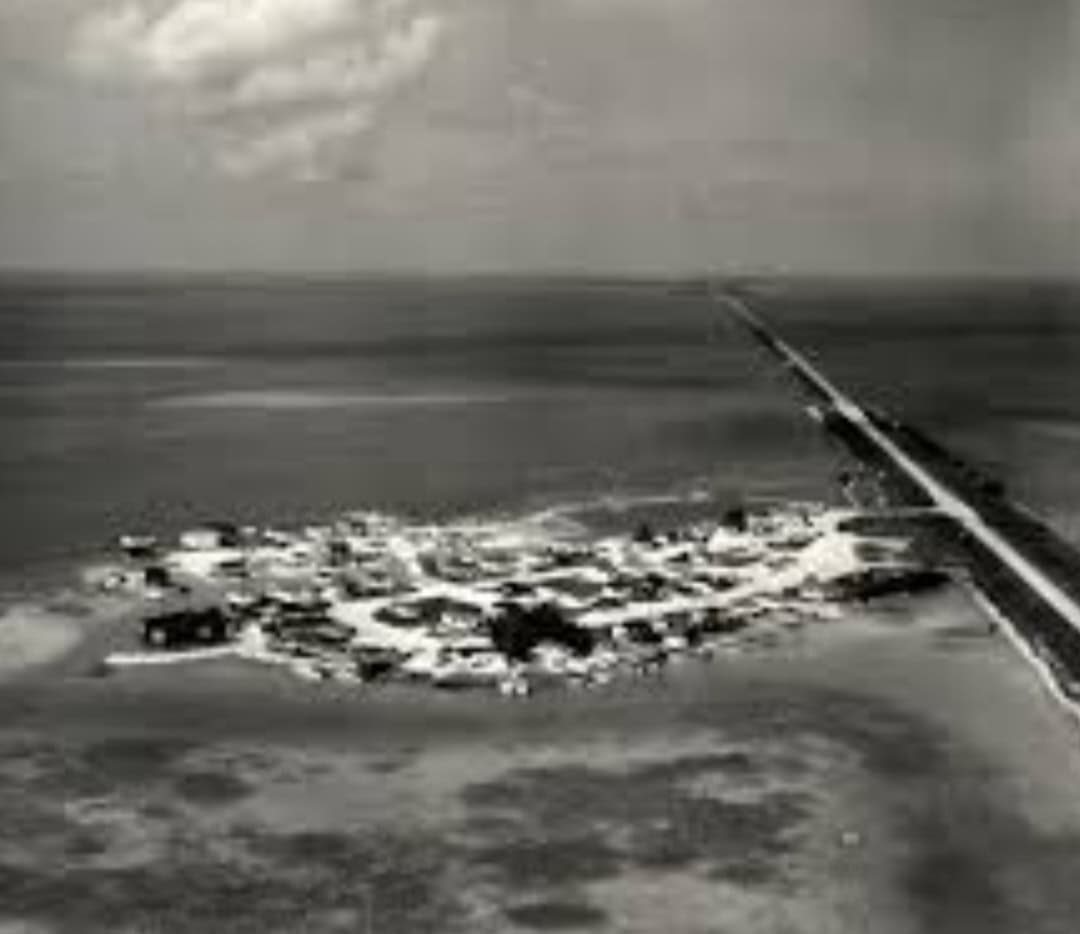
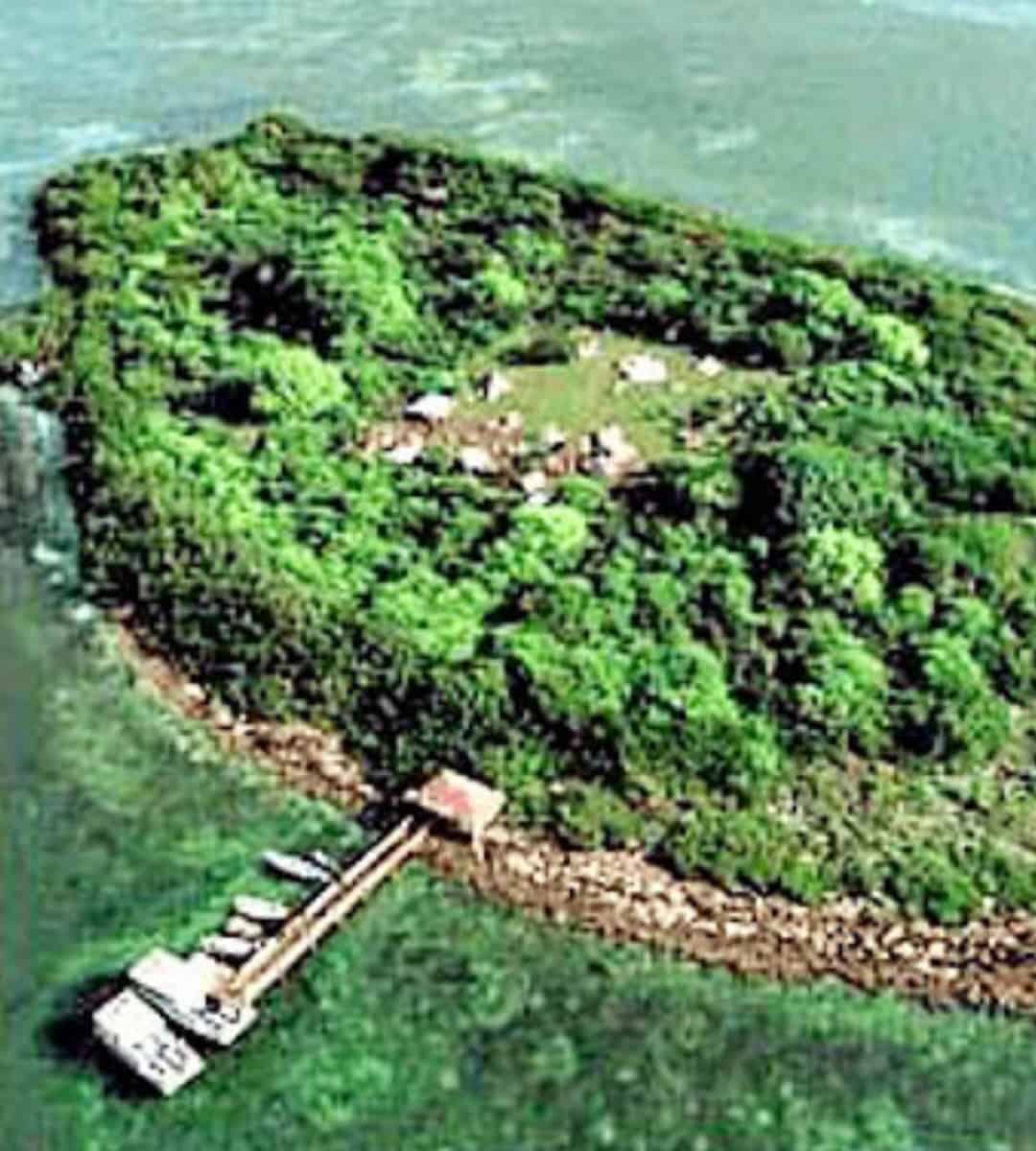
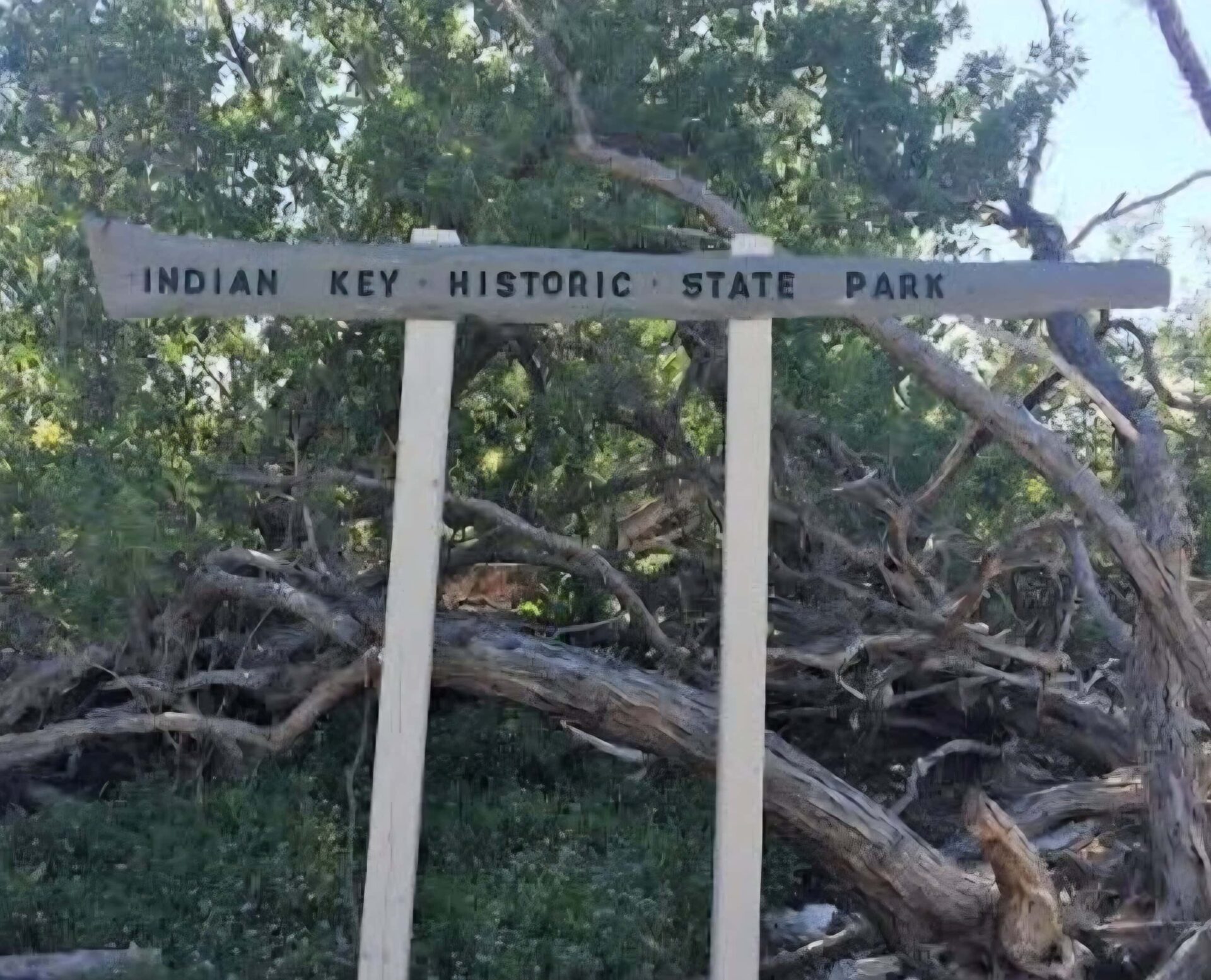
Just a half mile offshore from Route 1 is the uninhabited ghost town Indian Key Historic State Park. It’s in Upper Matecumbe Key at Mile Marker 78.5 and is accessible only by boat, kayak or paddleboard.
Before the Overseas Highway stitched the Florida Keys together, this tiny island, barely 11 acres of coral rock and scrub, once bustled with commerce, ambition and quiet danger.
In the early 1800s, the Florida Keys were a sailor’s nightmare, treacherous reefs, sudden storms and unpredictable currents. Shipwrecks were so common that an entire industry grew around salvaging cargo. Among the many islands in the chain, none were a more strategic fit for this trade than Indian Key.
In 1831, a bold and controversial man named Jacob Housman set his sights on the island. He was a wrecking captain with a reputation as sharp as the. reefs he worked. Some called him brilliant, others called him ruthless.
Indian Key with its location near the most dangerous reefs was his ticket to independence. Housmen bought nearly the entire island and began transforming it.
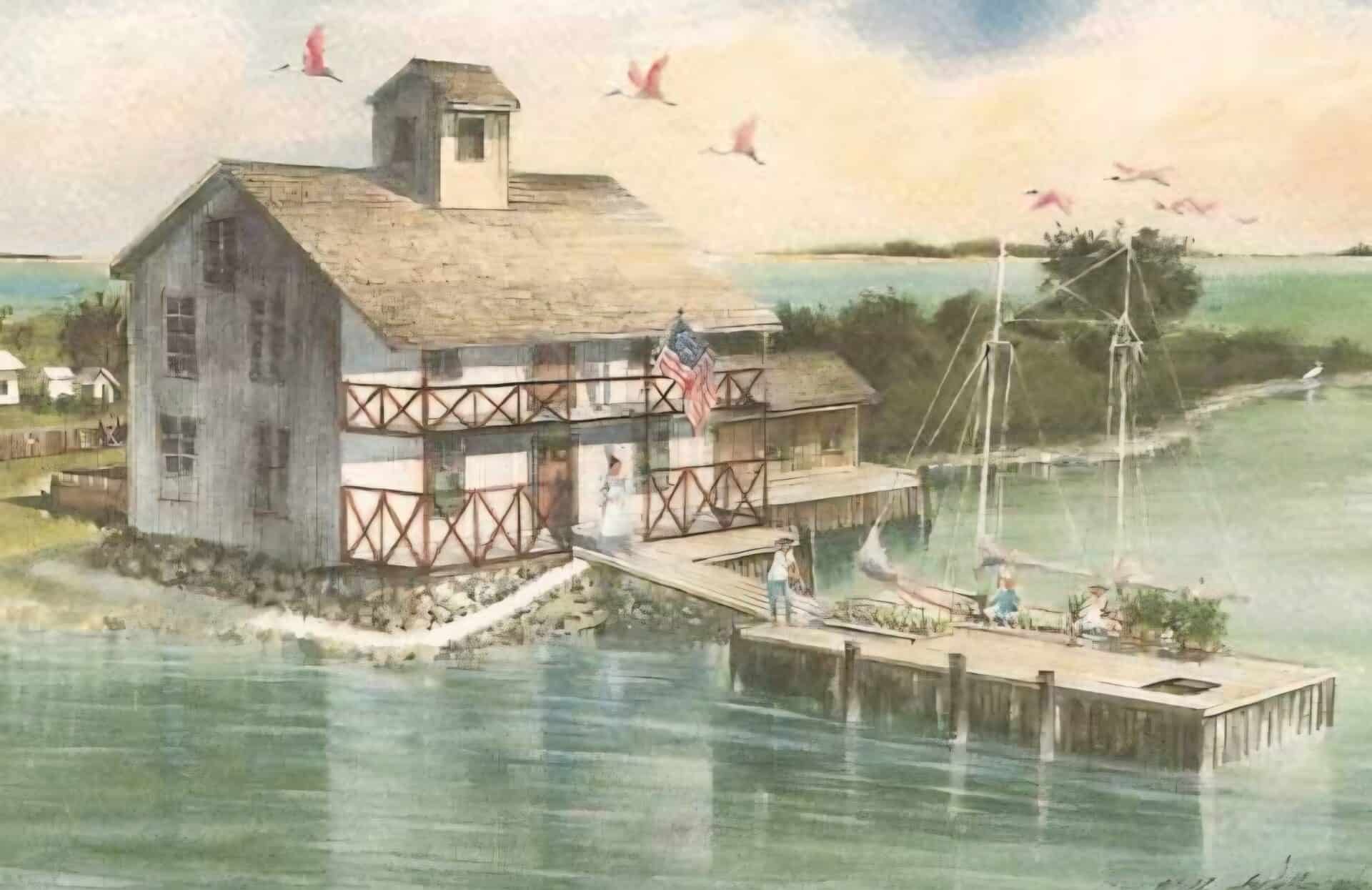
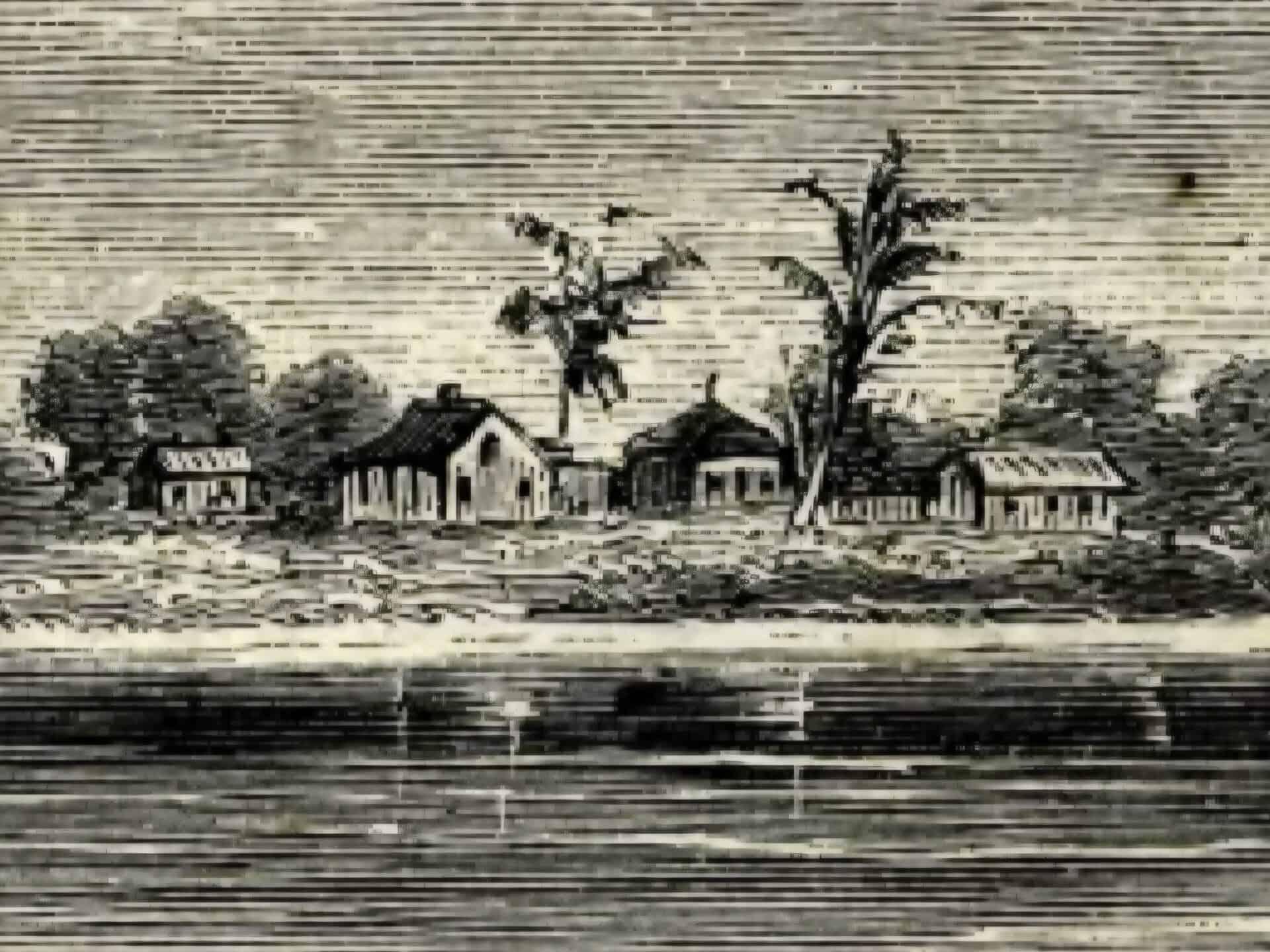
A hotel rose along with a courthouse, saloon, a store to serve passing sailors, two 3-story warehouses to store salvaged cargo, a tropical garden flourished under the constant sun and homes dotted the sandy paths shaded by gumbo limbo and key lime trees.
At its peak, Indian Key was a thriving little village with a population of about 100. Remarkable for such a small island, sailors often remarked that at night, the island glowed like a lantern in the vast darkness of the ocean.
But prosperity came with tension. The Keys were not isolated from conflict. As the Second Seminole War unfolded on the mainland, frontier settlements and isolated outposts became anxious. Indian Key remained lightly defended, and Housmen believed the island would be spared. He had even traded with North American Indians. in the past.
He was wrong.
In the early hours of August 7,1840, the stillness of the island shattered. A Seminole raiding party came silently across the water as residents slept. The island erupted in chaos. Flames. engulfed the buildings, shouts bounced off the coral walls as families hid in cisterns and crawl spaces.
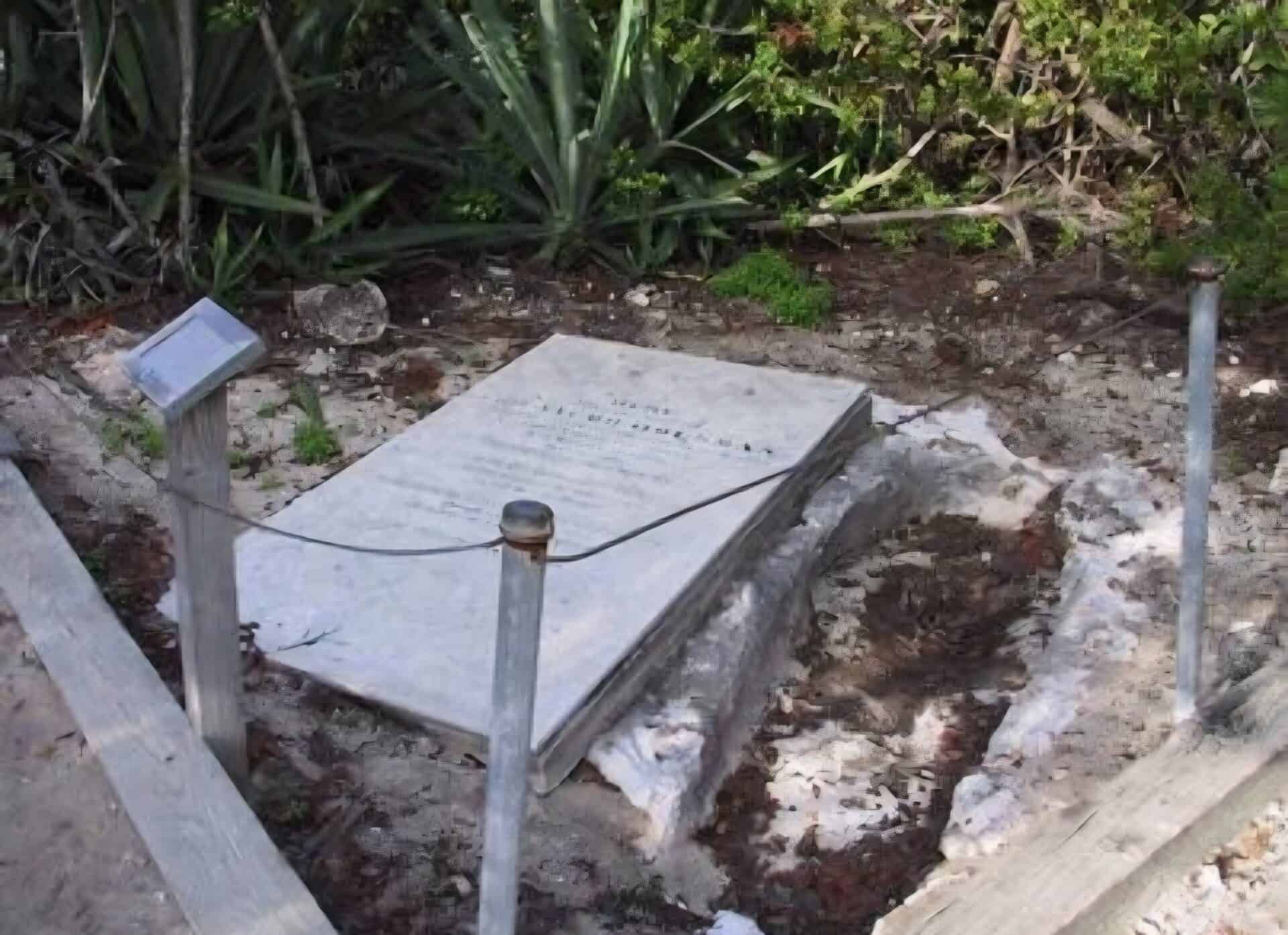
Dr Henry Perrine, a botanist living on the island under special government protection, was killed as he attempted to hide in the brush. Others escaped by boat into the mangroves or across open water. When the smoke had cleared, Indian Key was reduced to charred ruins. Thirteen people living on the island were killed and seventy escaped. Housman’s empire was gone. He himself died a year later in a boating accident, a final twist of fate and a life spent dancing with danger.
Today, Indian Key Historic State Park is a ghost town without roofs or walls, but with memories lying just beneath the sand. Walk the island now, quiet, wind blown, sun bleached and the remnants whisper their stories. Saw-cut coral foundations hidden under sea grapes, the outlines of Housman’s store, the old stone well, crumbling cisterns and paths that once carried wagons, now used by hermit crabs.
Kayakers visiting from nearby Islamorada drift over clear turquoise water, unaware that below them lies the same reef system that built and broke the fortunes of a daring wrecker and his island community.
Don’t forget to pay the ranger $2.50 when you get there.







 Continue with Google