

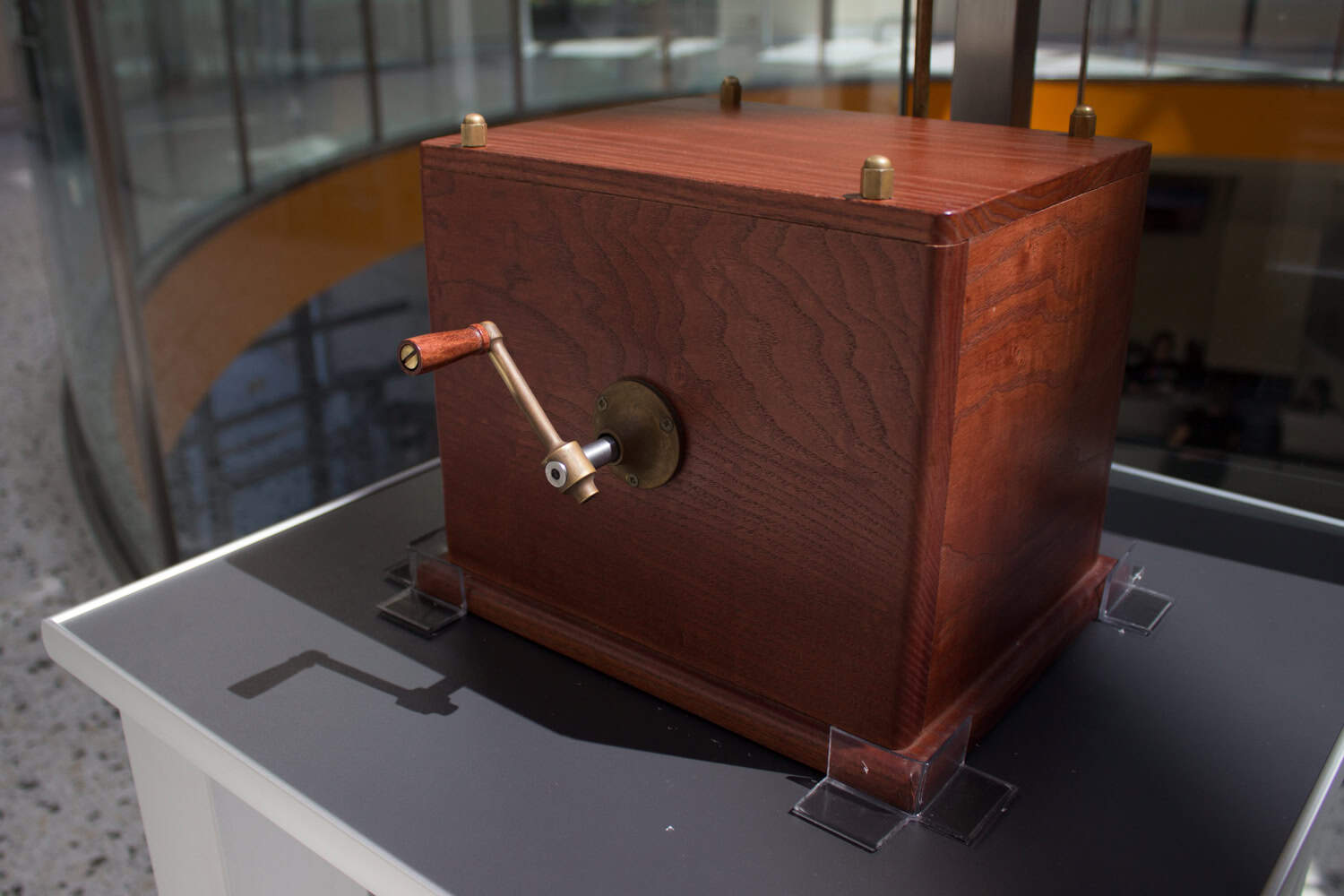
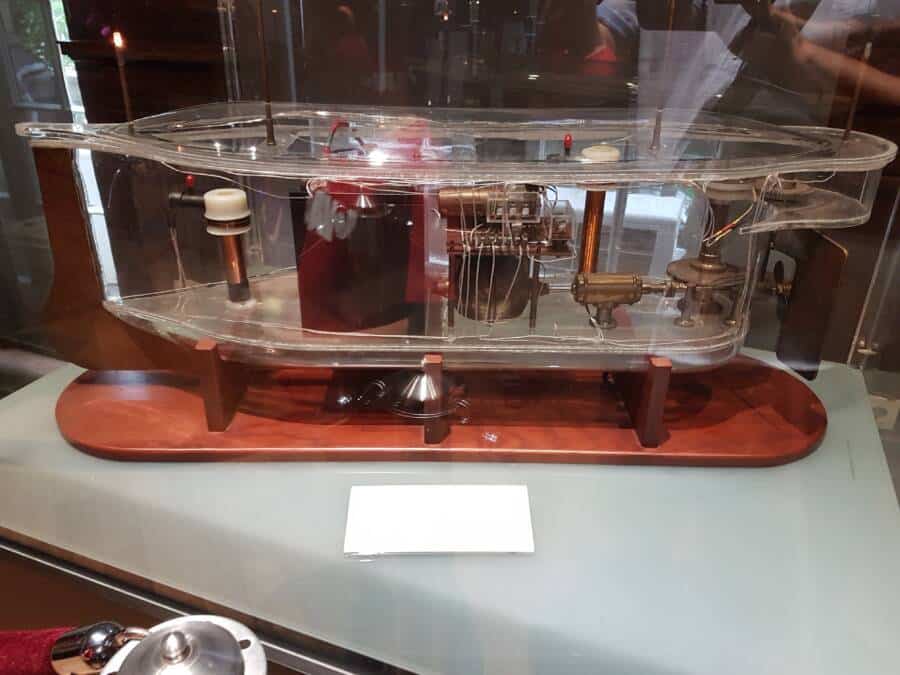
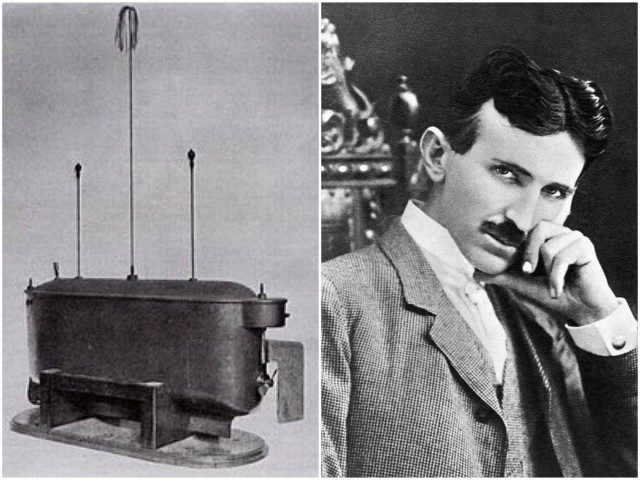
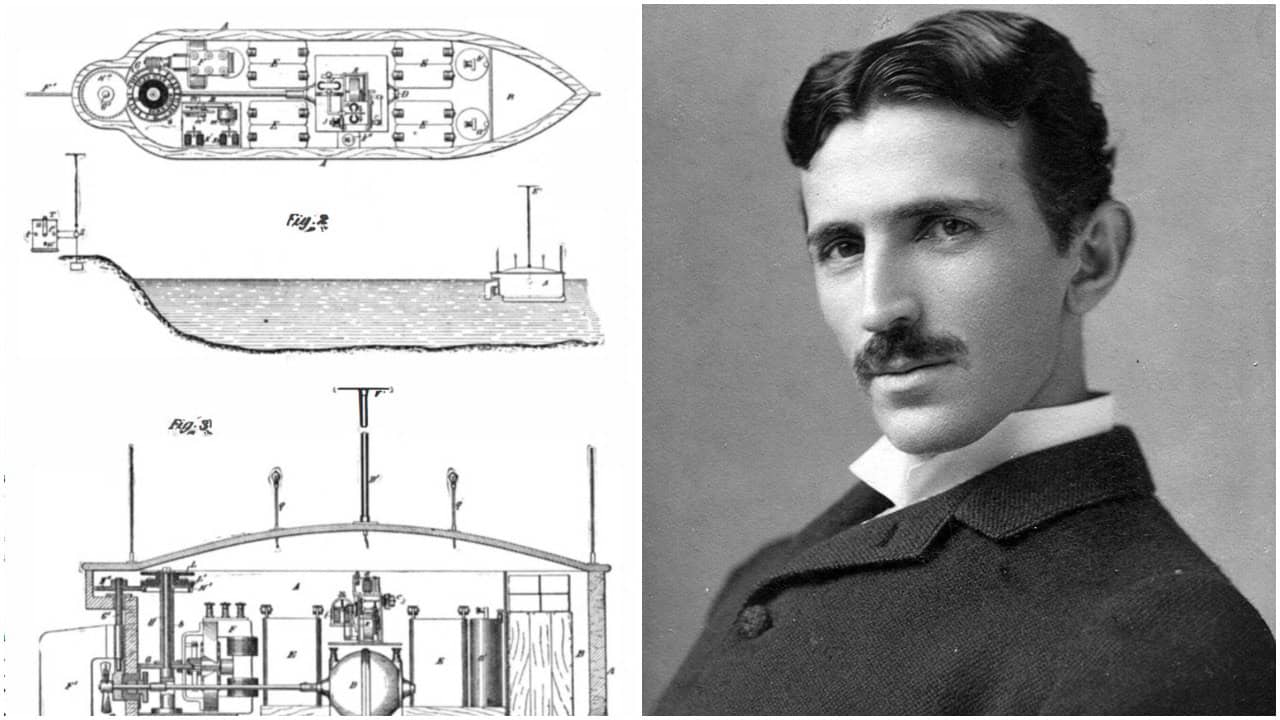
Everyone will probably think that this is impossible, but the truth is that the first remote control was invented and developed Nikola Tesla in 1898.
Invention and Demonstration
In 1898, Nikola Tesla demonstrated a radio-controlled boat at the Electrical Exhibition in Madison Square Garden, New York City. The boat was about four feet long, equipped with antennae, lights, and an electric motor, and was controlled wirelessly using radio waves—a concept that was revolutionary at the time.
Public Reaction
The audience was astonished, with some believing the boat was being controlled by telepathy, magic, or even a trained monkey hidden inside. The technology was so advanced for its time that Tesla was initially denied a patent, as the idea seemed incredible to patent examiners and the public alike.
Technical Details
Tesla’s system used a device called a *coherer* to receive radio signals, which then activated relays to control the boat’s movements. He was able to control the boat’s rudder and propeller, demonstrating full remote navigation.
Vision for the Future
While newspapers speculated about military uses (such as guided torpedoes), Tesla envisioned his invention as the birth of robotics and automation, hoping it would eventually relieve humans from hard labor.
Historical Significance
Tesla called the device a “teleautomaton.” It is widely recognized as the first practical demonstration of wireless remote control and is considered a precursor to modern robotics, drones, and remote-controlled vehicles.
In summary, Tesla’s 1898 demonstration of the radio-controlled boat was a groundbreaking event that introduced the world to wireless remote control, laying the foundation for numerous technologies in use today. The public’s disbelief and the initial patent rejection highlight just how far ahead of his time Tesla was.











 Continue with Google