The Invention of the Toilet Paper
Before Toilet Paper
The history of toilet paper is a fascinating journey from makeshift natural materials to the soft, disposable rolls we rely on today. For most of human history, people used whatever was at hand for personal hygiene, including leaves, moss, grass, hay, corn husks, shells, and even snow, depending on the environment and climate. Wealthier individuals could afford wool or fabric, while in Ancient Rome, the communal “tersorium”—a sponge on a stick, soaked in saltwater or vinegar—was common in public latrines.
The History of Toilet Paper
The first recorded use of something resembling modern toilet paper dates back to China in the 6th century, where paper products were used for wiping long before paper was available elsewhere. Mass production of toilet paper in China began by the 14th century, with the imperial court receiving millions of sheets annually. In contrast, Europe only saw widespread use of paper for this purpose in the 16th century, with people using old newspapers and book pages.
In the United States, the late 19th century saw the rise of free catalogs like the Farmers’ Almanac and Sears Roebuck, which were printed on soft paper and even designed for easy hanging in outhouses, making them popular alternatives before commercial toilet paper became mainstream.
Toilet Paper Enters the Market
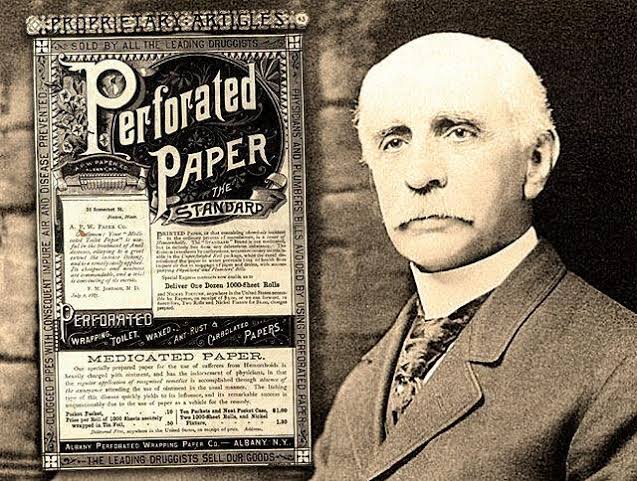
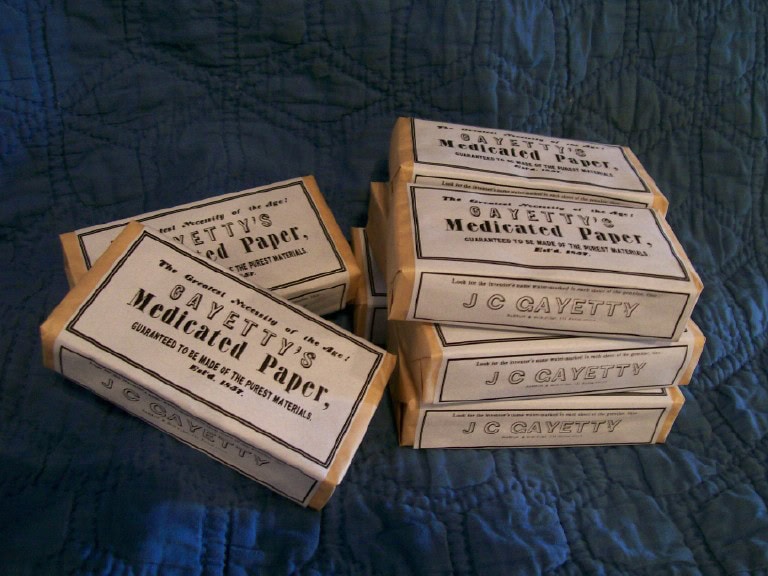
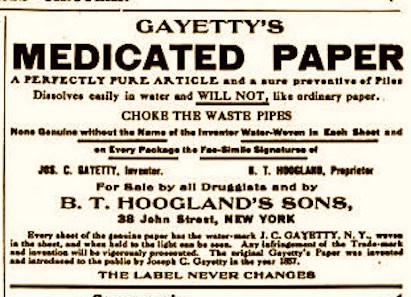
The first commercial toilet paper designed specifically for personal hygiene was introduced in the US in 1857 by Joseph C. Gayetty, in Manhattan, NY. His product, made from aloe-infused manila hemp sheets, was marketed as a medical product to treat hemorrhoids and was sold in boxes. The modern toilet paper roll, as we know it, was introduced in 1890 by two American brothers, making the product more convenient and widely accessible. The rise of indoor plumbing further boosted toilet paper’s popularity, as alternatives like leaves and catalog pages could clog pipes.
Toilet Paper Today
In the mid-20th century, colored and patterned toilet papers became a fashionable, upper-class indulgence, though concerns over chemicals and environmental impact led to their decline by the 1970s. Today, toilet paper is available in a wide range of textures, plies, and even scents, catering to every preference. Despite its ubiquity in much of the world, toilet paper is not universal—many cultures use water or bidets for cleaning, and some regions still rely on traditional methods due to lack of infrastructure.
Toilet paper’s evolution reflects broader changes in technology, hygiene standards, and cultural attitudes, making it a surprisingly significant marker of human progress.
Christopher Gentile Jun 11, 2025 New York NY History Inventions on Rt 1

Jun 11, 2025

SHARE