

The World Trade Center PATH station, a key part of Lower Manhattan’s transit landscape, has a long and transformative history, deeply tied to New York City’s shifting urban identity and the events of 9/11. Originally, the site was home to Hudson Terminal, opened in 1909 by the Hudson & Manhattan Railroad. This terminal operated until the 1960s, when the Port Authority of New York and New Jersey acquired and rebranded the system as PATH. As part of the original World Trade Center project, Hudson Terminal was replaced by a new PATH station, which opened on July 6, 1971, integrated beneath the Twin Towers.
The devastating attacks on September 11, 2001, destroyed the original station. In the aftermath, rebuilding the transportation link became a priority for both symbolic and practical reasons. A temporary station opened in 2003 to restore service to New Jersey commuters. However, plans were already in motion for a new, permanent terminal that would not only replace what was lost but redefine the area as a modern transit and retail hub.
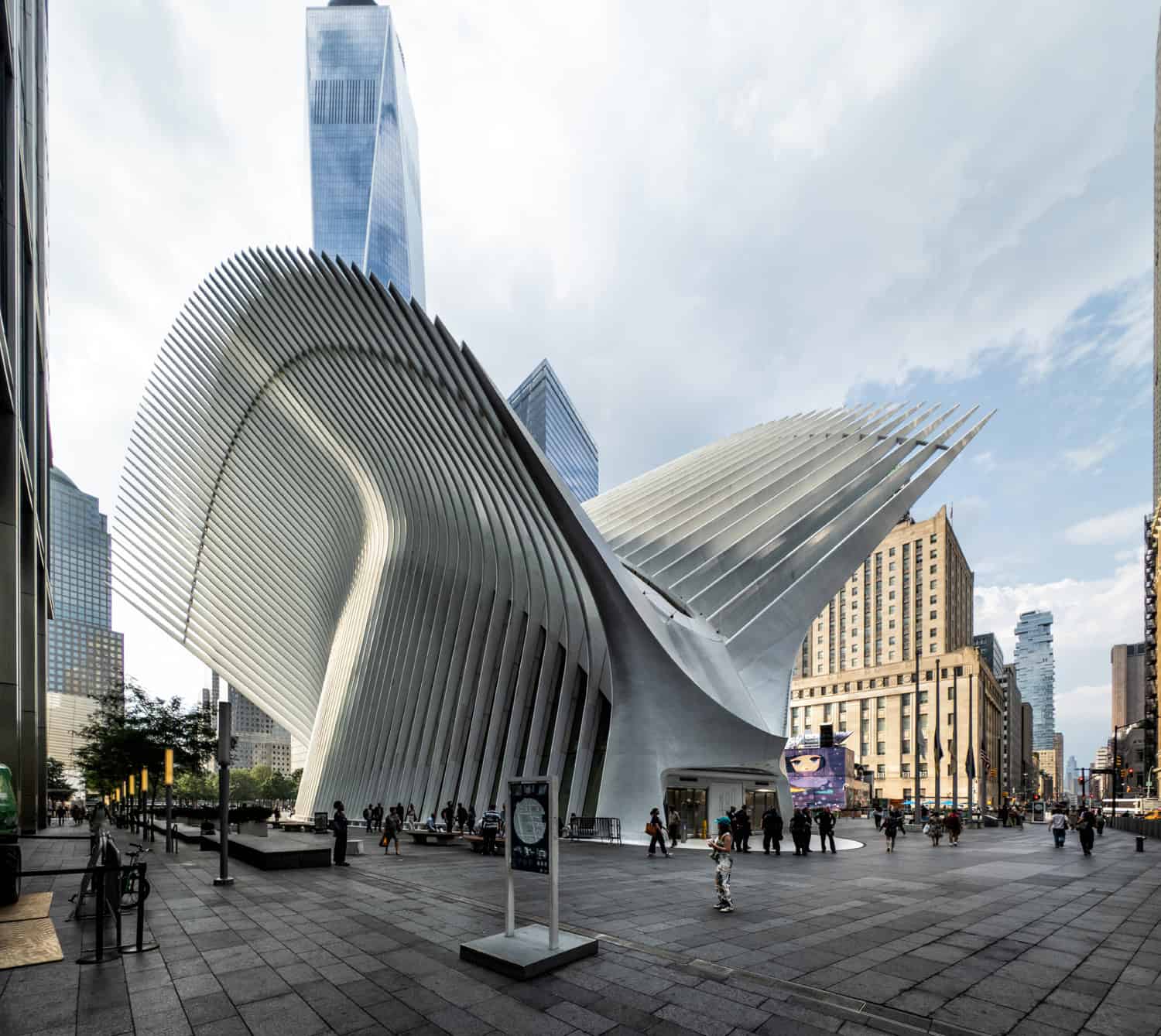
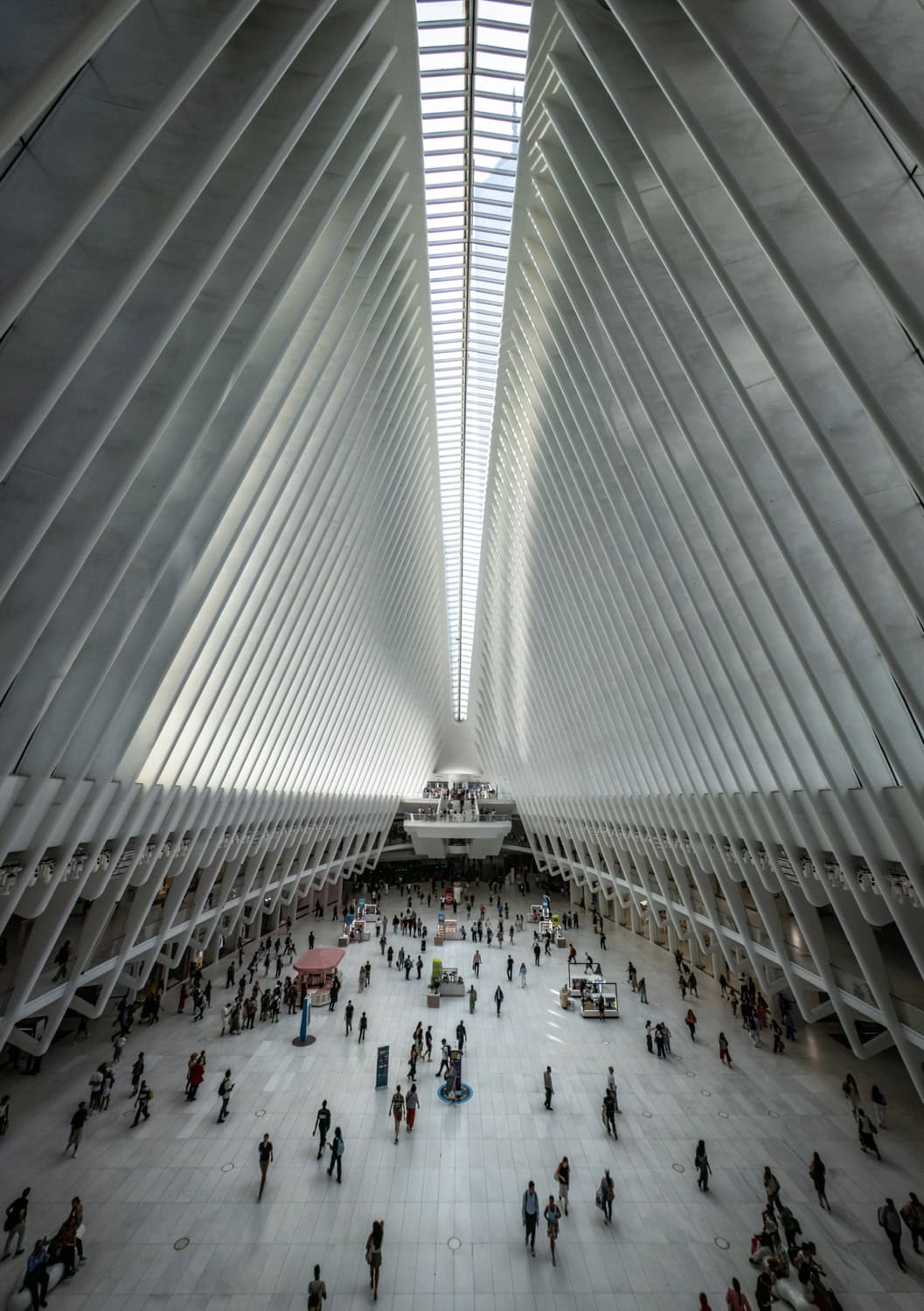
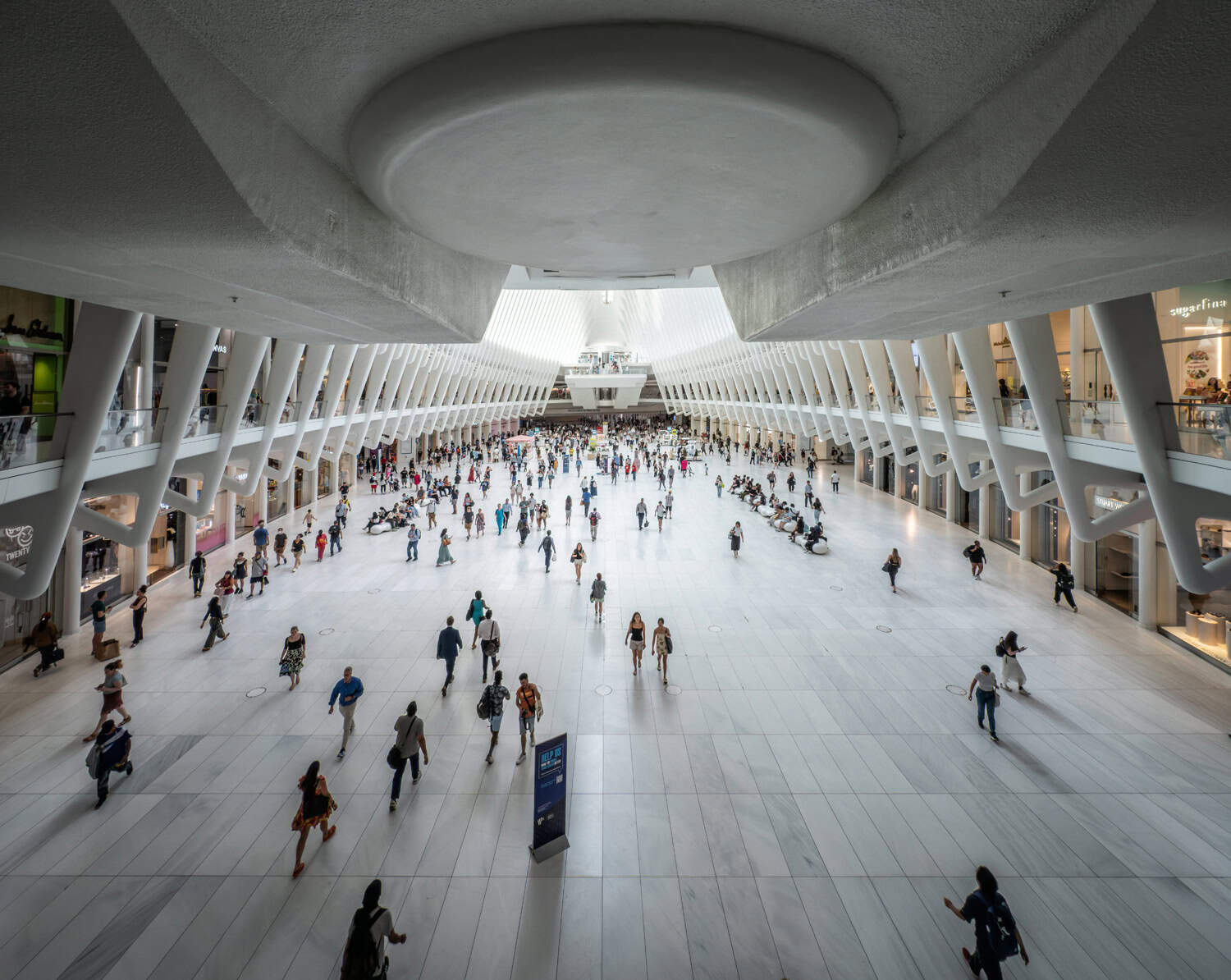
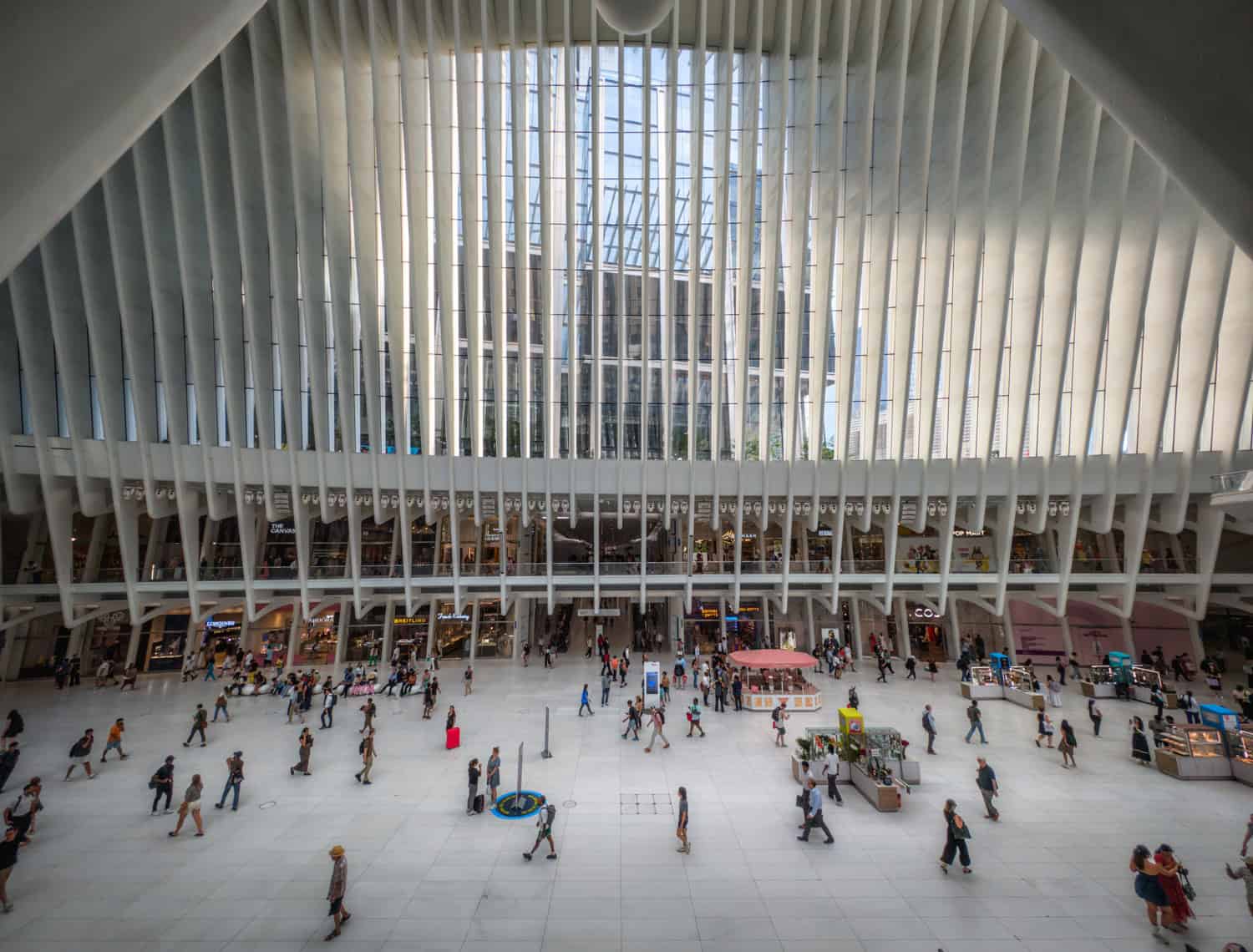
Construction of the new World Trade Center Transportation Hub began in 2008. Spanish architect Santiago Calatrava was commissioned to design the station’s centerpiece—dubbed the Oculus. Inspired by the image of a bird in flight, the structure features soaring white steel ribs that arch toward the sky, creating a dramatic and light-filled space. The station opened to the public on March 3, 2016.
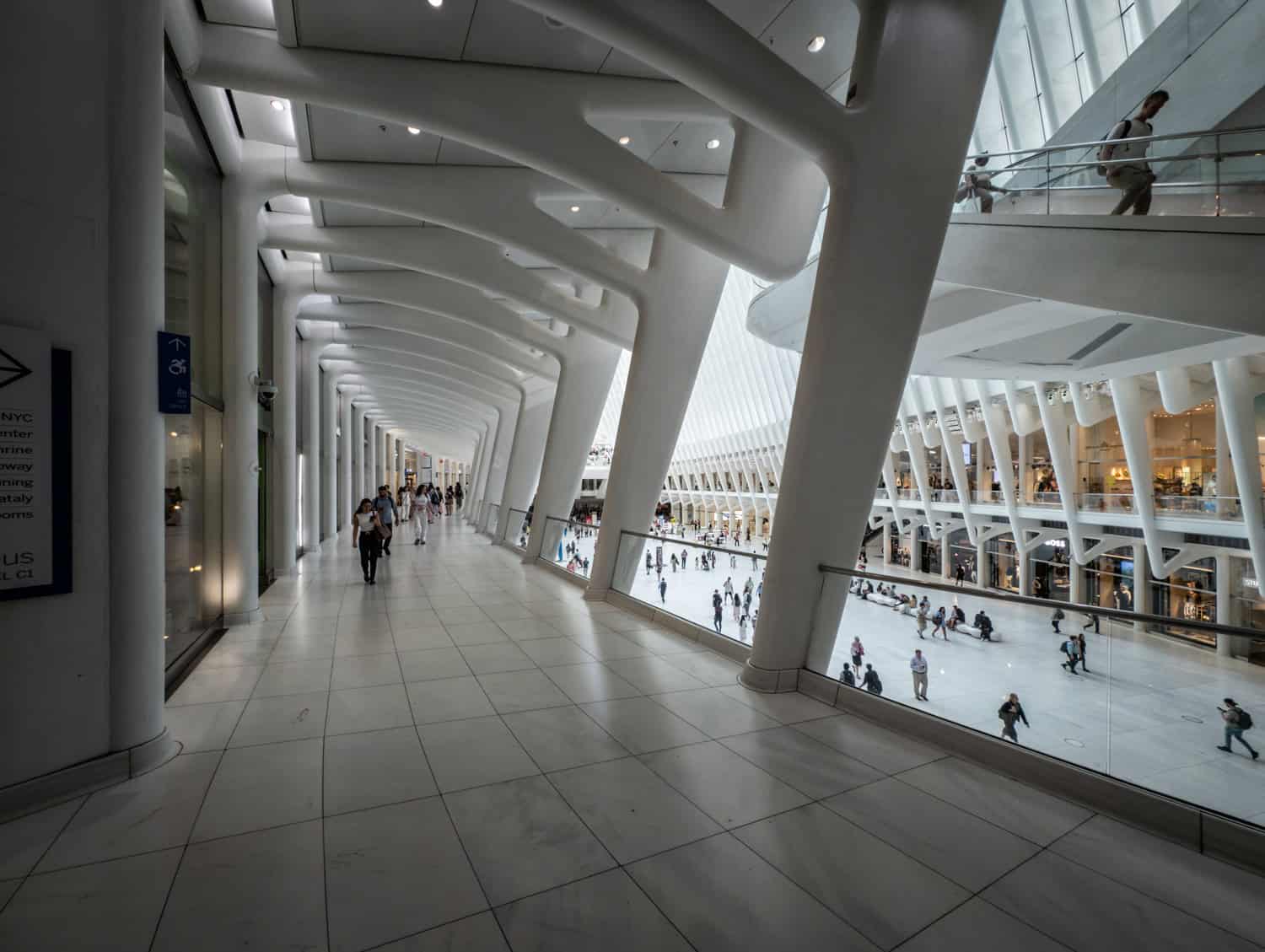
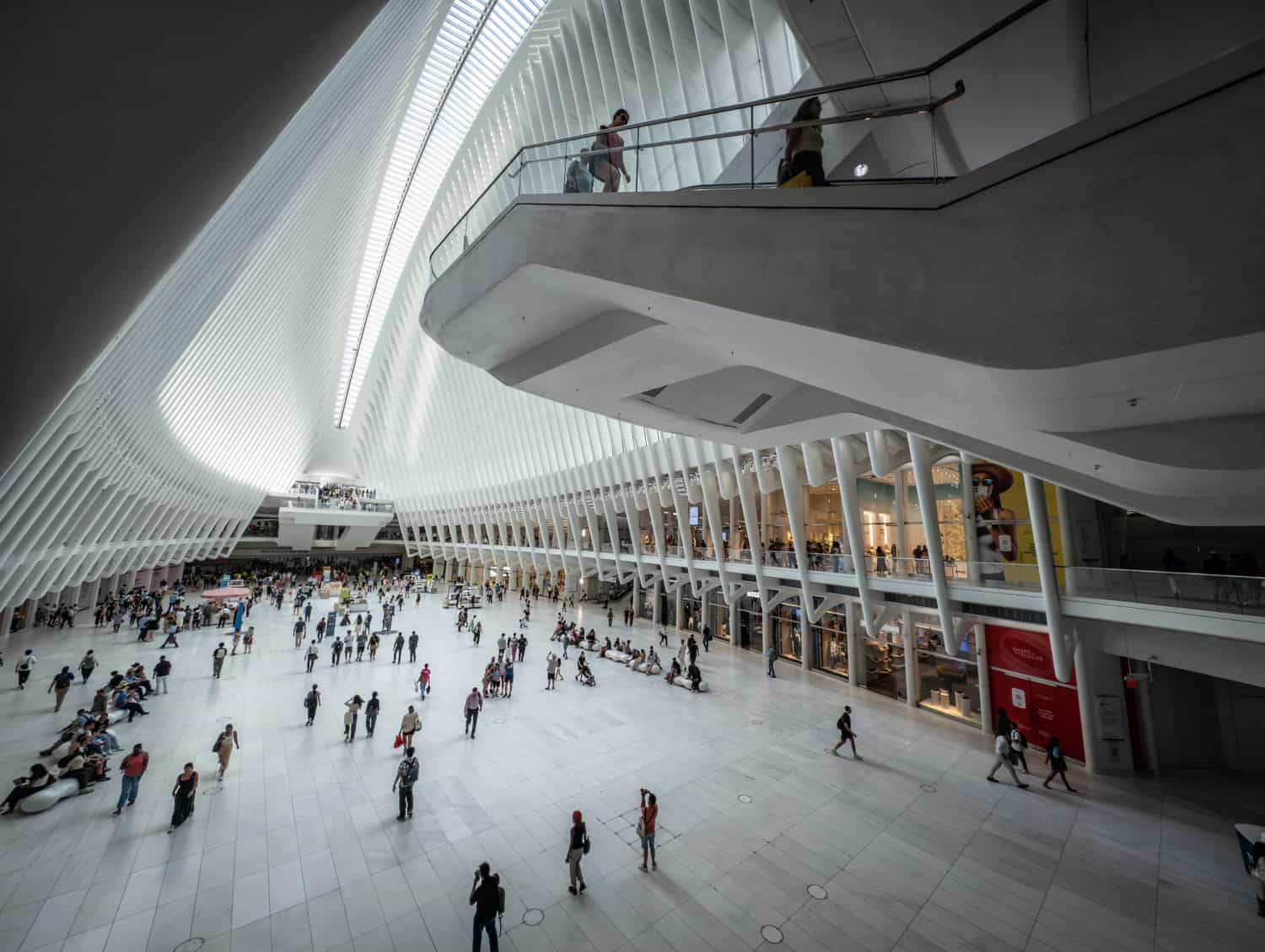
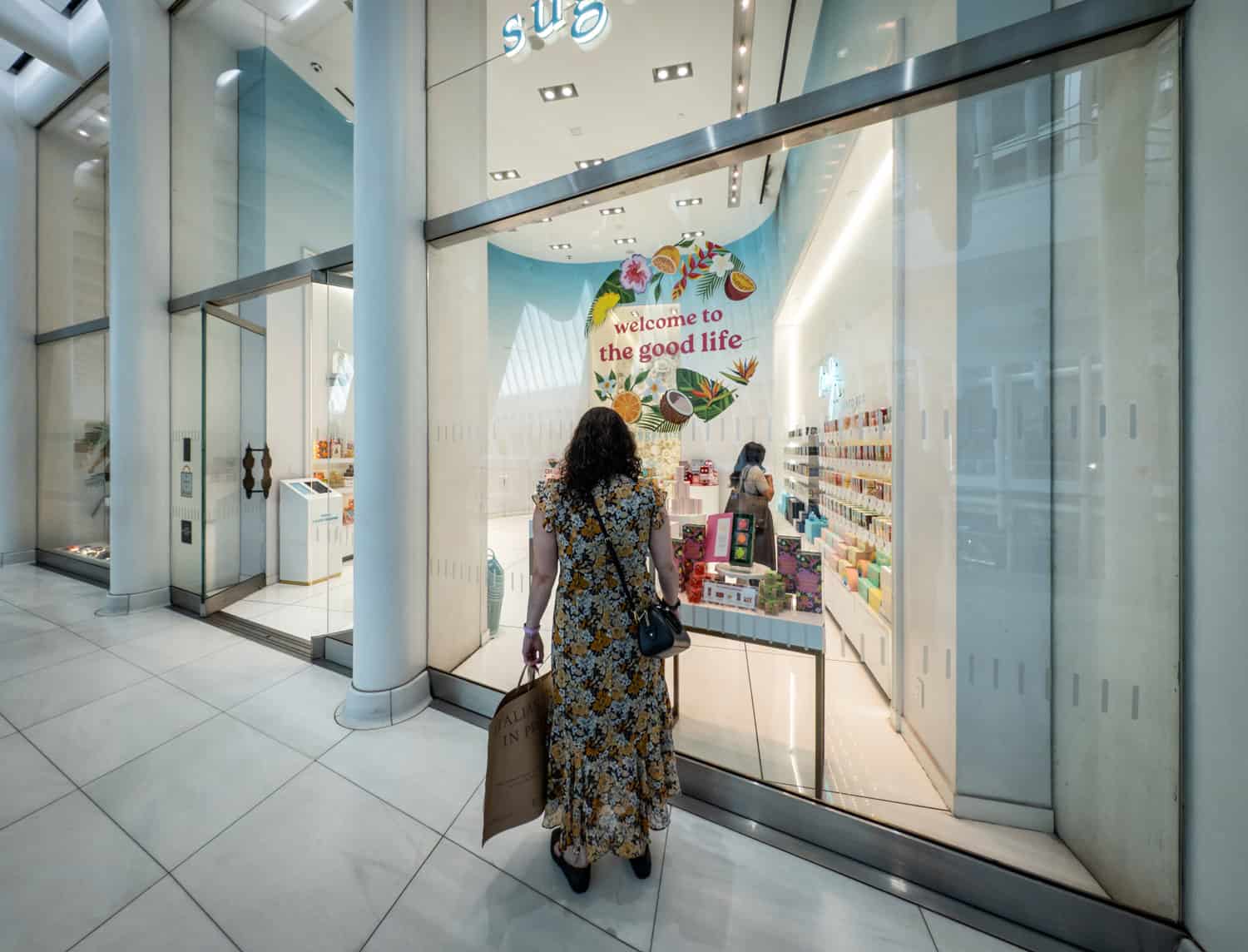
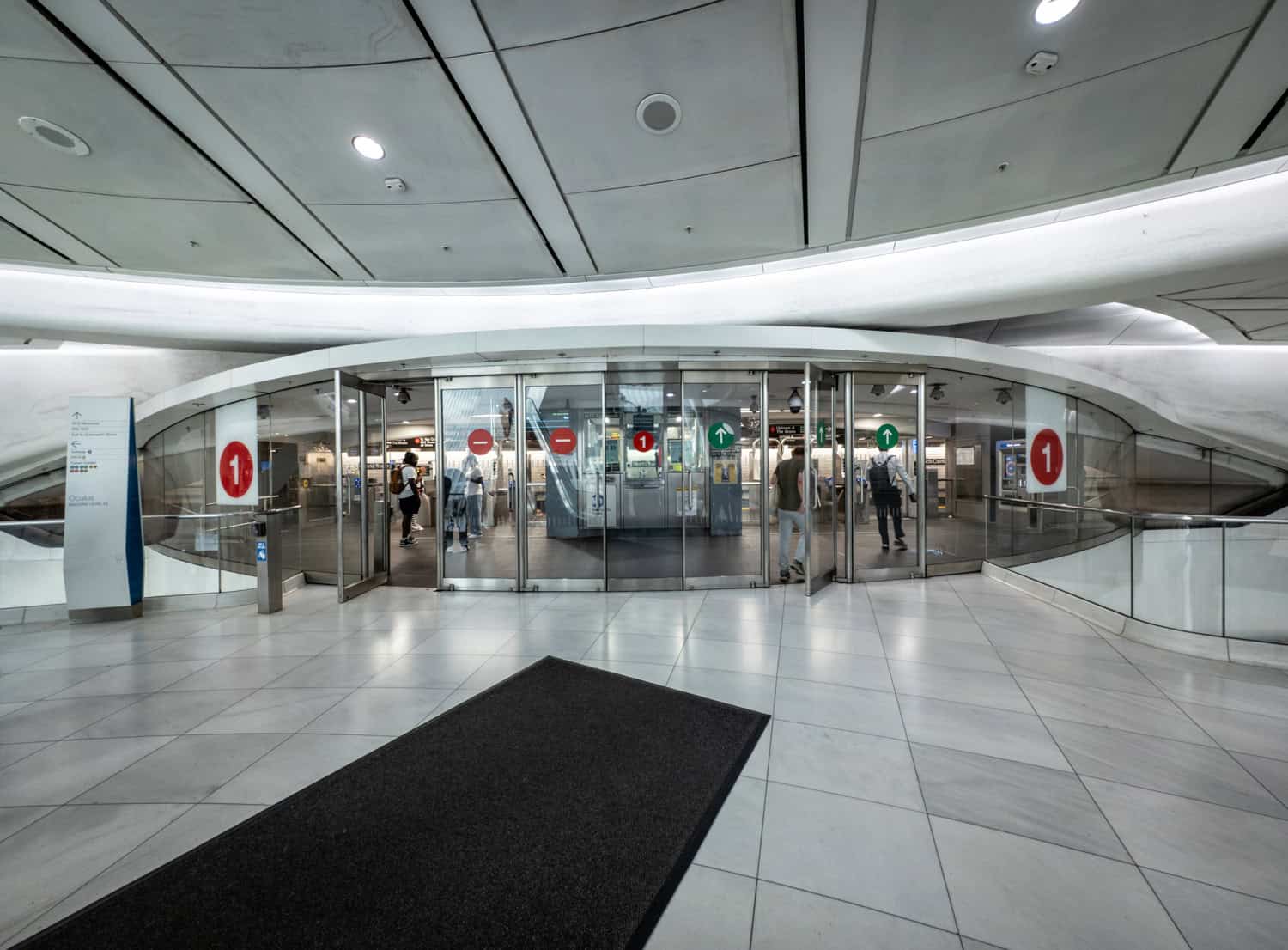
The Oculus houses two subterranean levels of the Westfield World Trade Center shopping mall and serves as a major connector for Lower Manhattan. It links PATH trains with multiple NYC subway lines and stretches from the Fulton Center in the east to the Battery Park City Ferry Terminal in the west. The completed hub includes five tracks, four platforms, and an expansive mezzanine, all built four levels underground.
Despite its architectural ambition, the hub faced sharp criticism over its $4 billion cost and construction delays. While some hailed it as a spiritual and cultural landmark, others viewed it as a costly extravagance. Still, the station today stands as both a functional transit facility and a symbol of resilience, anchoring the rebuilt World Trade Center complex in post-9/11 New York.












 Continue with Google