

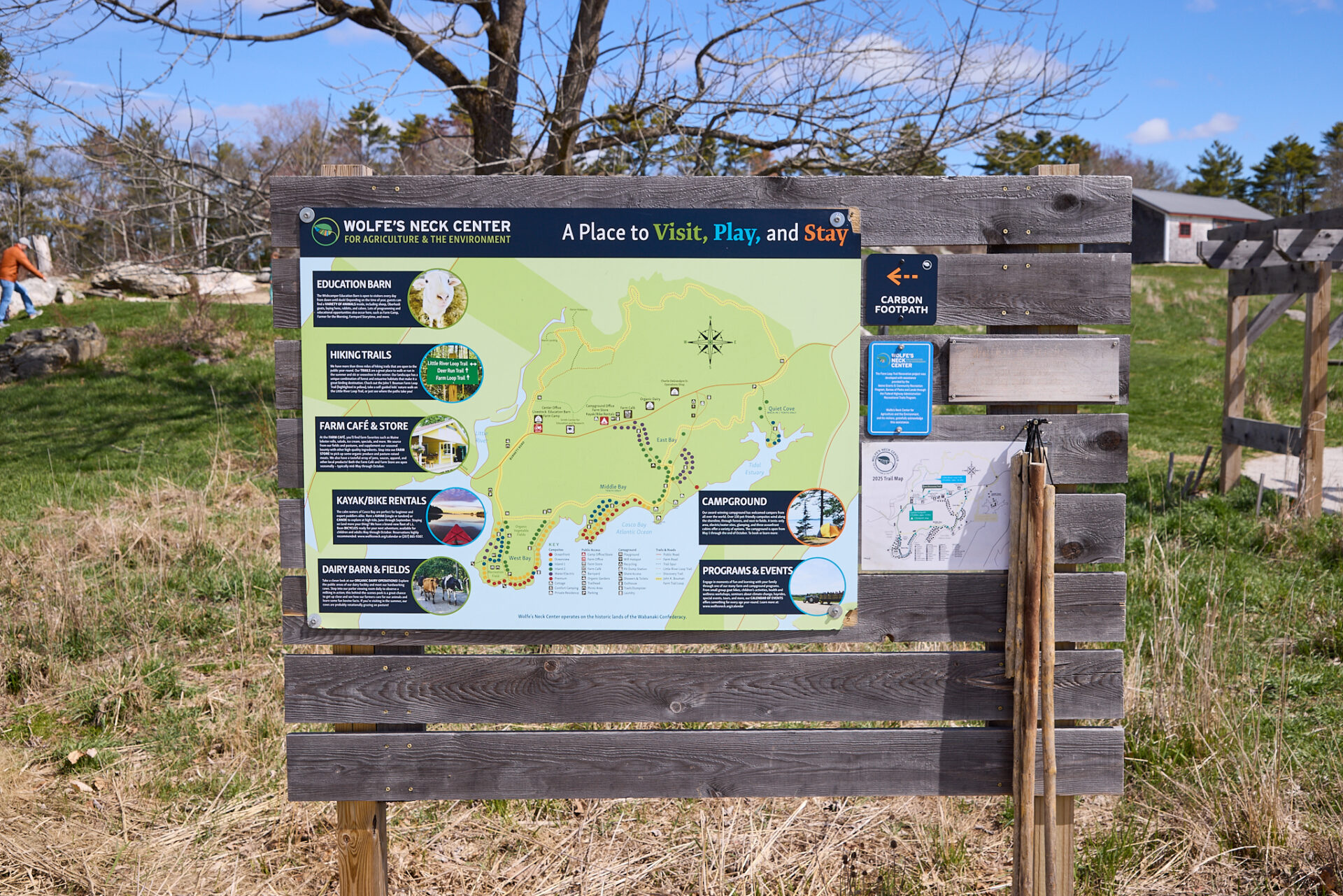
Wolfe’s Neck Farm sits on a narrow peninsula along Casco Bay in Freeport, Maine, a short turn off Route 1 that trades outlet stores for open fields and working pasture. The land has been farmed for generations, but the current property took shape in the mid-20th century under the ownership of Lawrence M.C. Smith and Eleanor Houston Smith.
The Smiths began assembling the farm in the late 1940s, pulling together several older farmsteads into a single working property. By the 1950s, they were operating an organic beef farm, well ahead of the curve for what would later become a national shift toward organic and sustainable agriculture. Their approach was deliberate. They wanted the land to remain productive, not subdivided, and not turned into seasonal housing carved up along the shoreline.
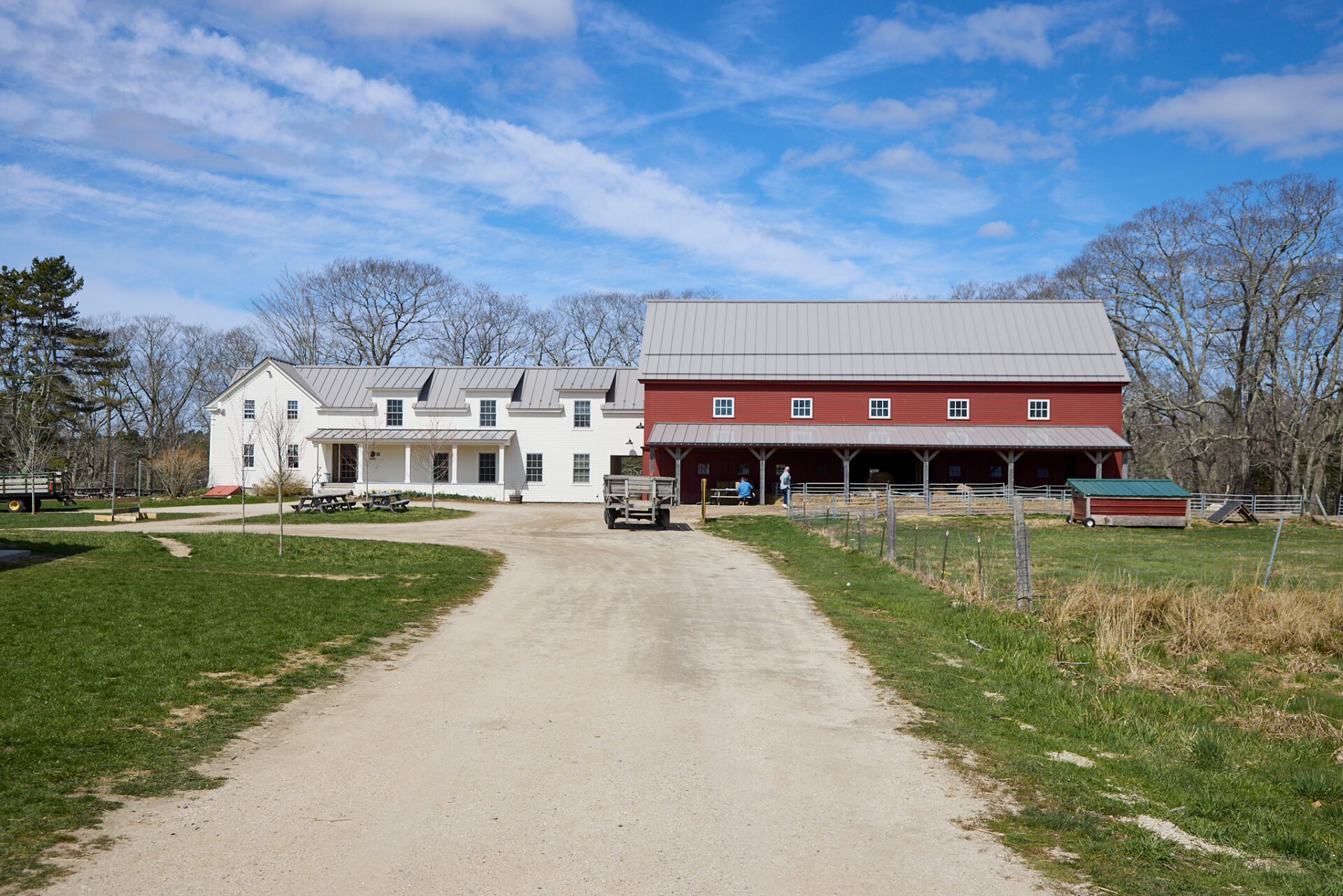
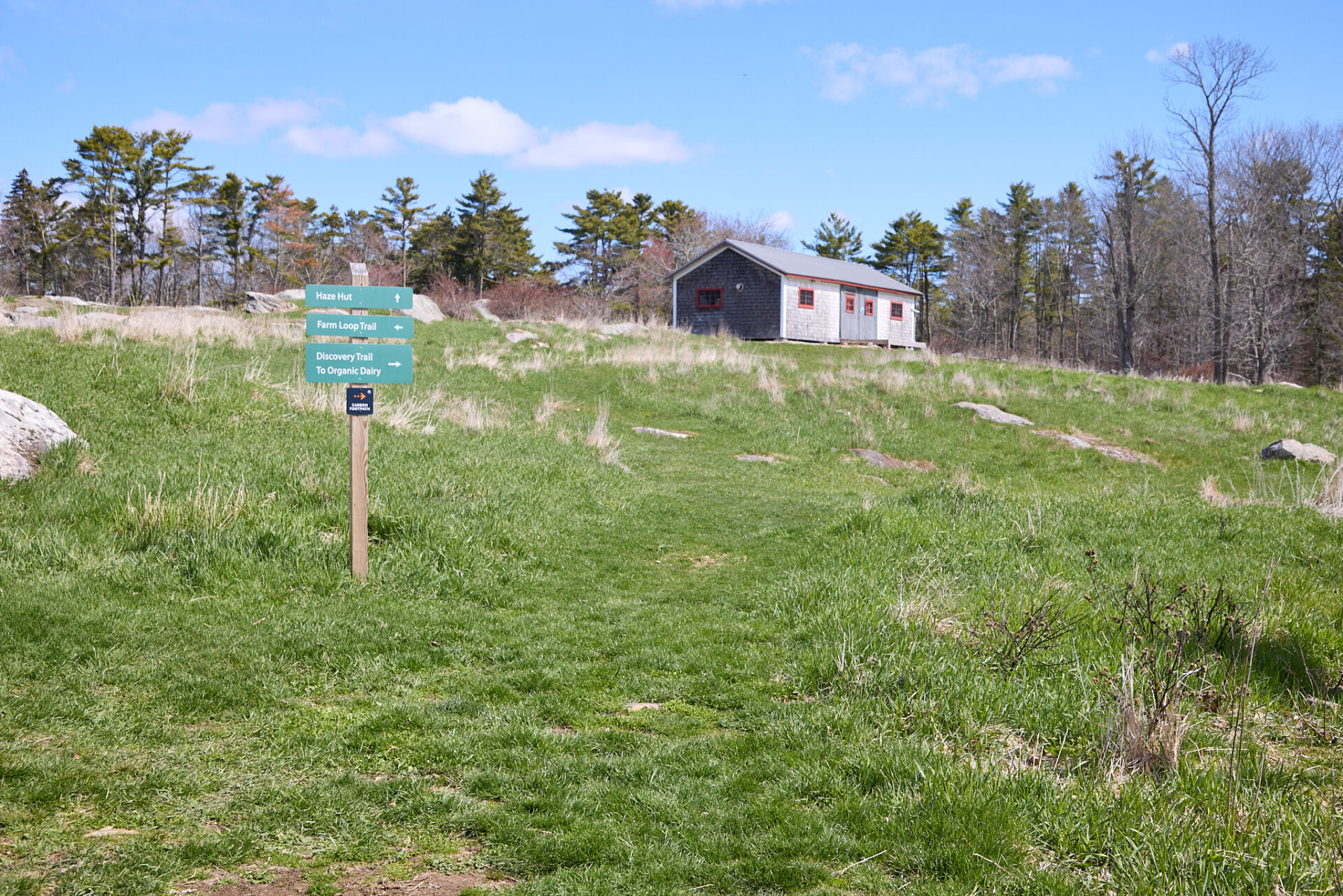
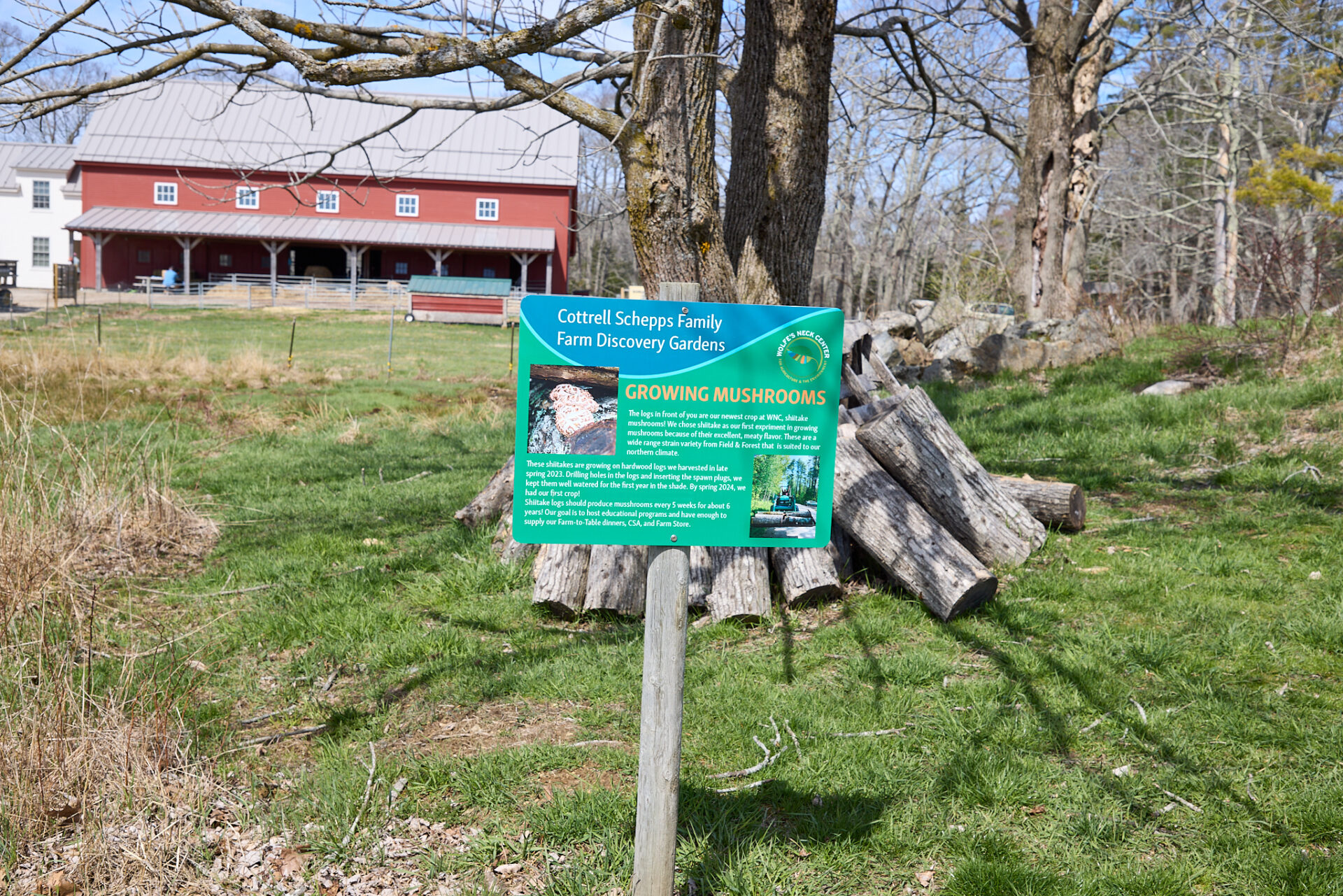
Several historic structures on the property reflect that earlier agricultural history. The Mallet Barn, built around 1890, remains one of the most prominent features on the farm. The Pote House and its associated barn date to earlier ownership of the land and were incorporated into the Smiths’ operation in 1954. The Banter House and other outbuildings round out a collection of structures that have survived because the farm never stopped functioning as a farm.
In 1985, Eleanor Smith transferred Wolfe’s Neck Farm to the University of Southern Maine, with support from her family. A little over a decade later, in 1997, the Wolfe’s Neck Farm Foundation assumed management of the property as a nonprofit. That shift marked the transition from a private farming operation to a public-facing one, focused on education, agriculture, and conservation.
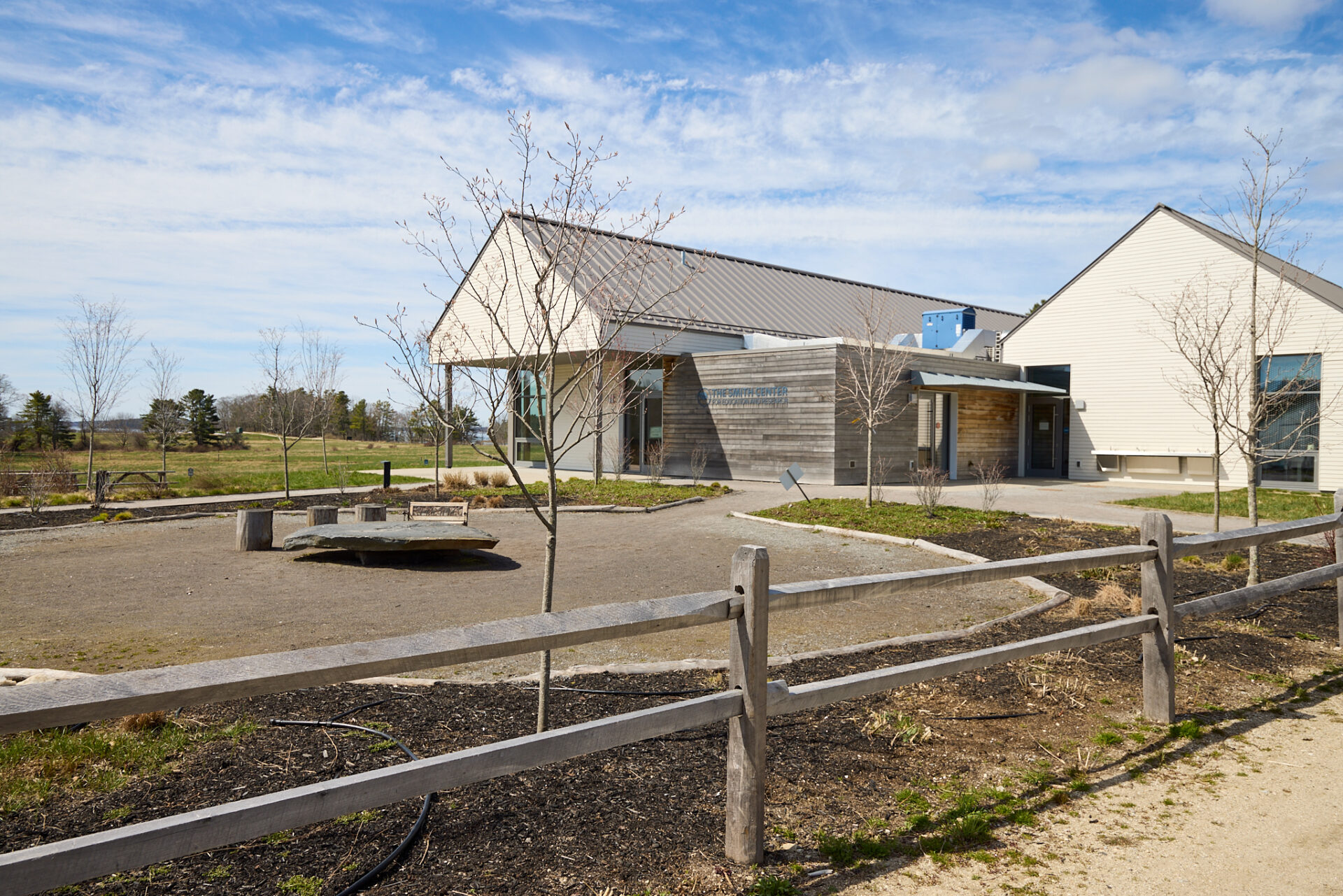
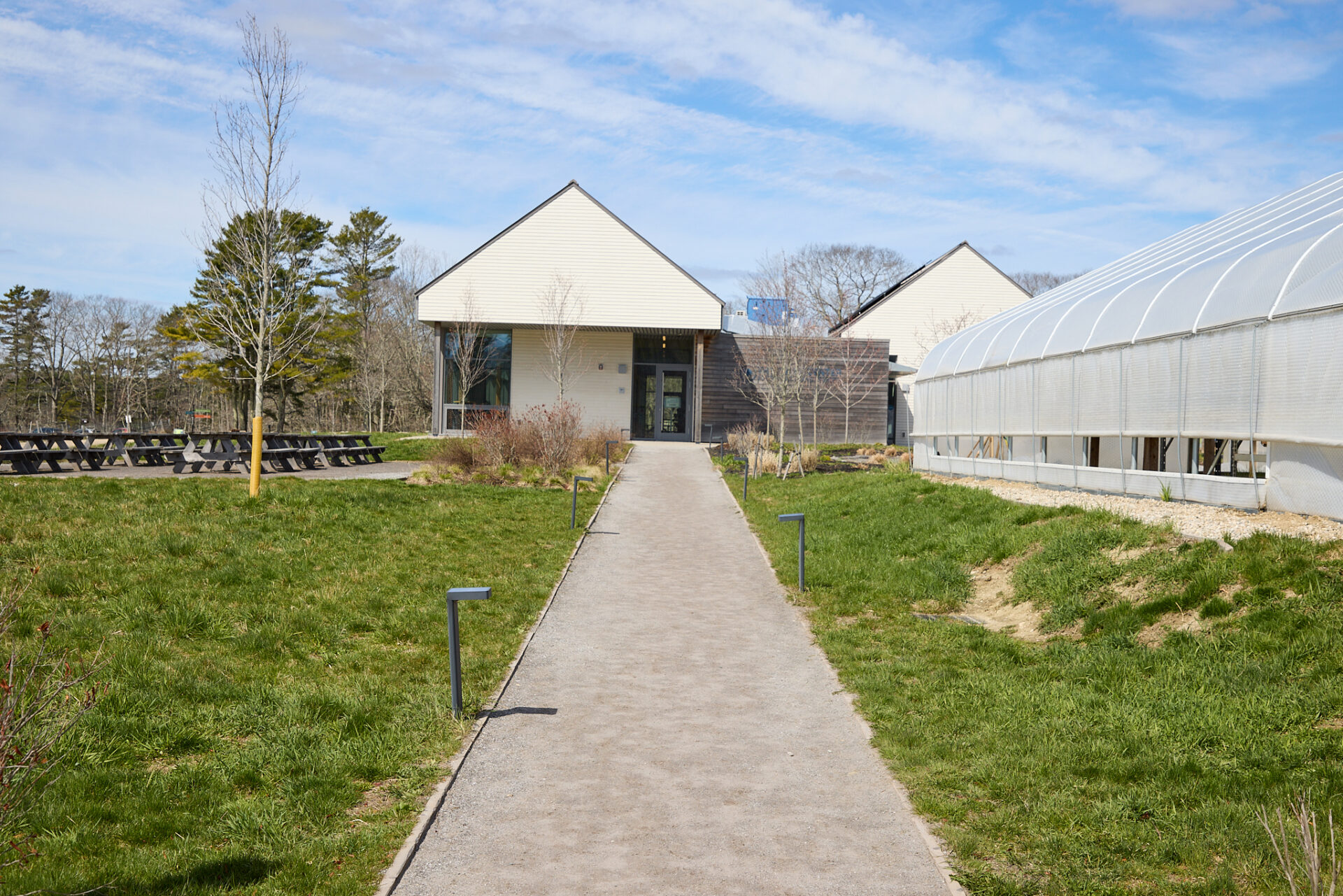
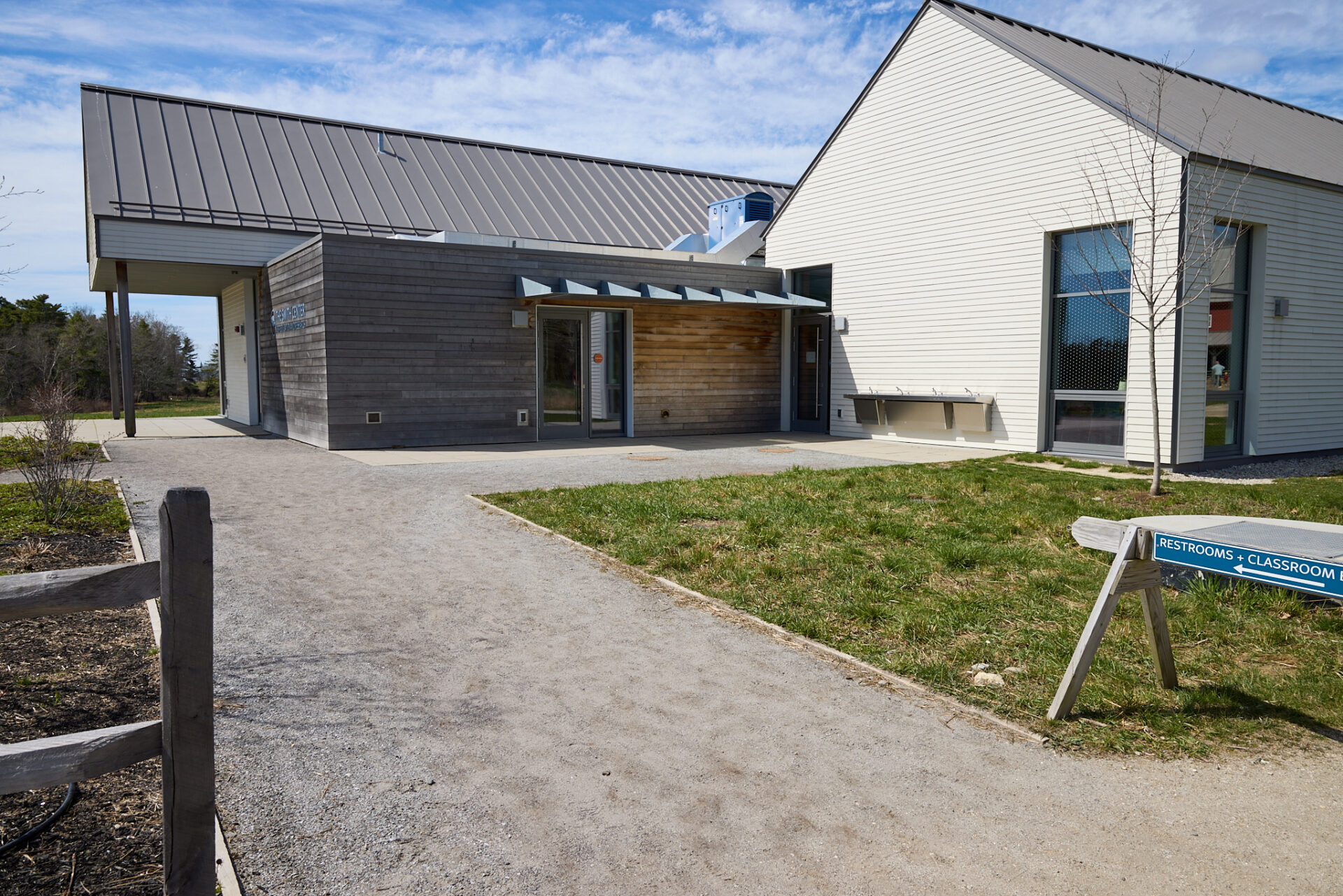
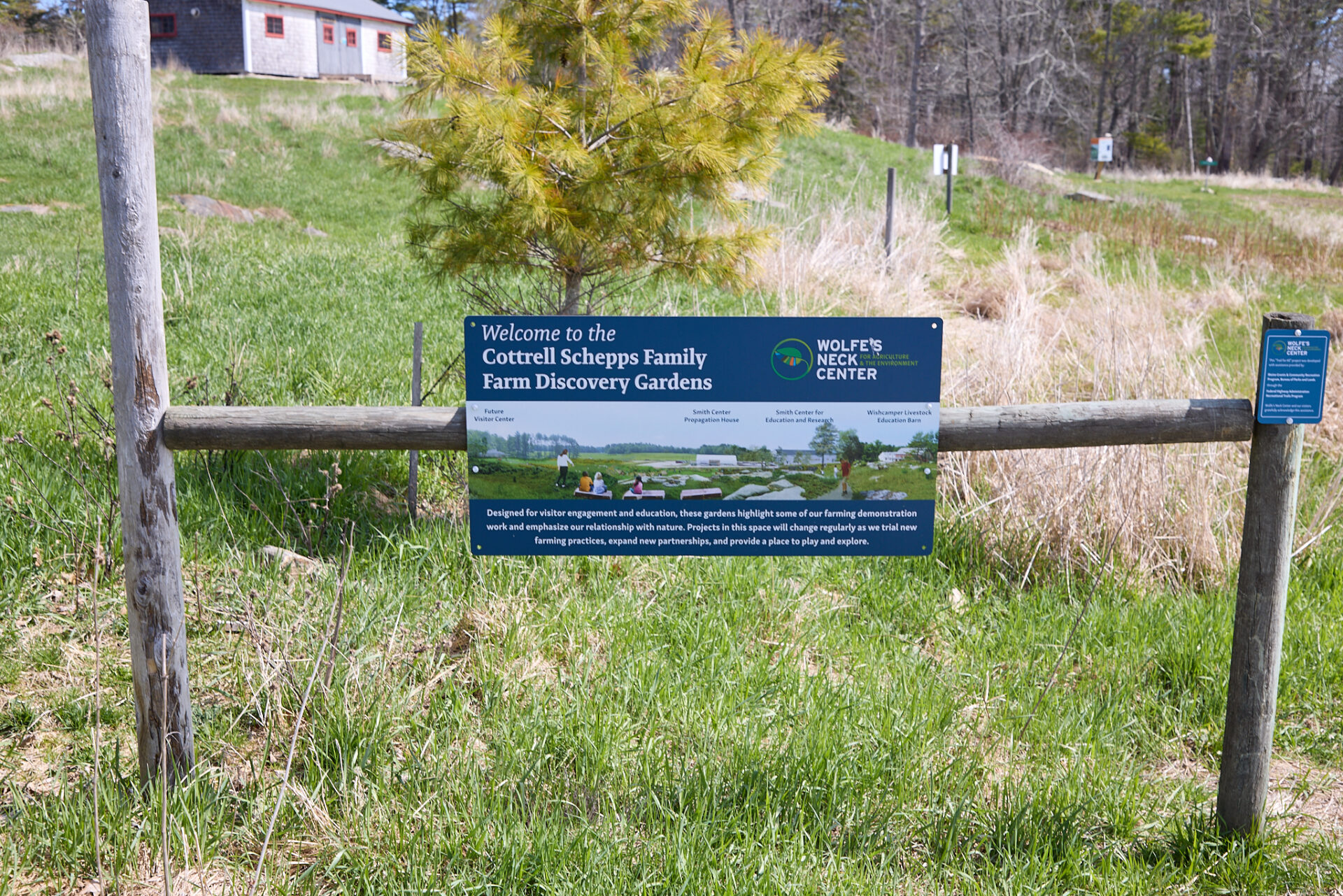
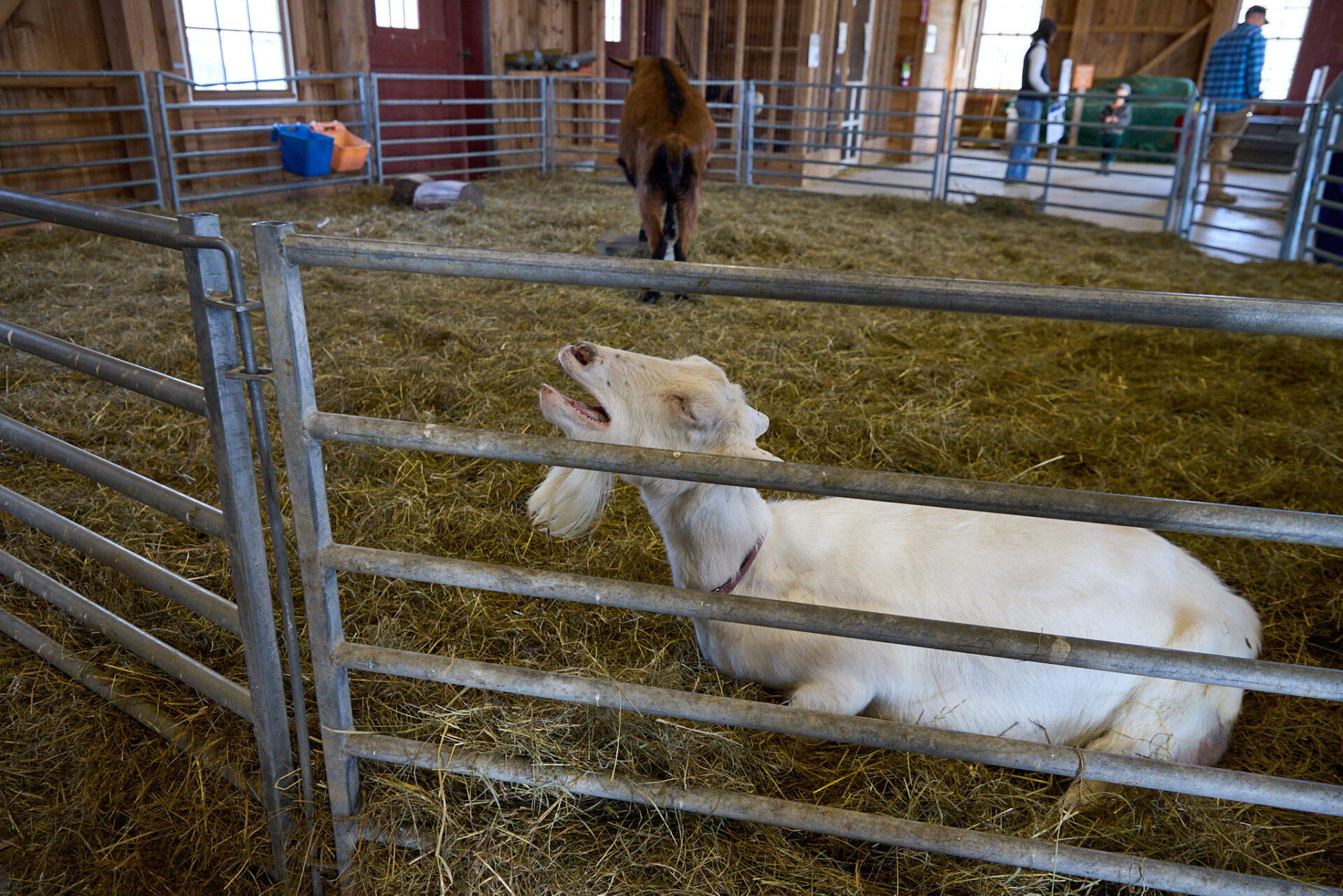
The organization expanded its mission over time, and in 2017 it adopted the name Wolfe’s Neck Center for Agriculture & the Environment. The farm is now both a working agricultural site and a research and education center focused on regenerative farming, soil health, and climate-resilient agriculture. Livestock remains part of the operation, along with crop production and long-term research projects tied to farming practices.
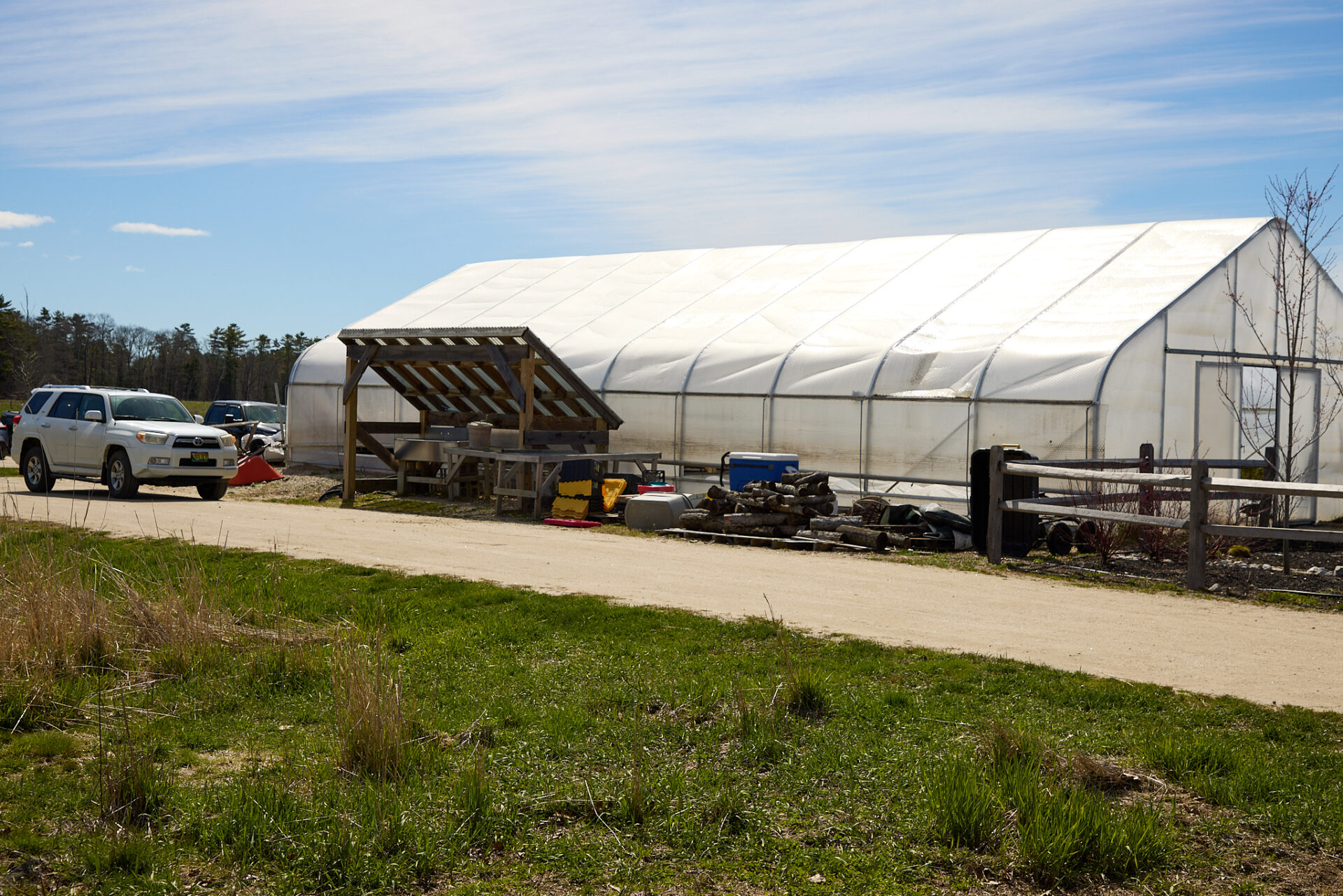
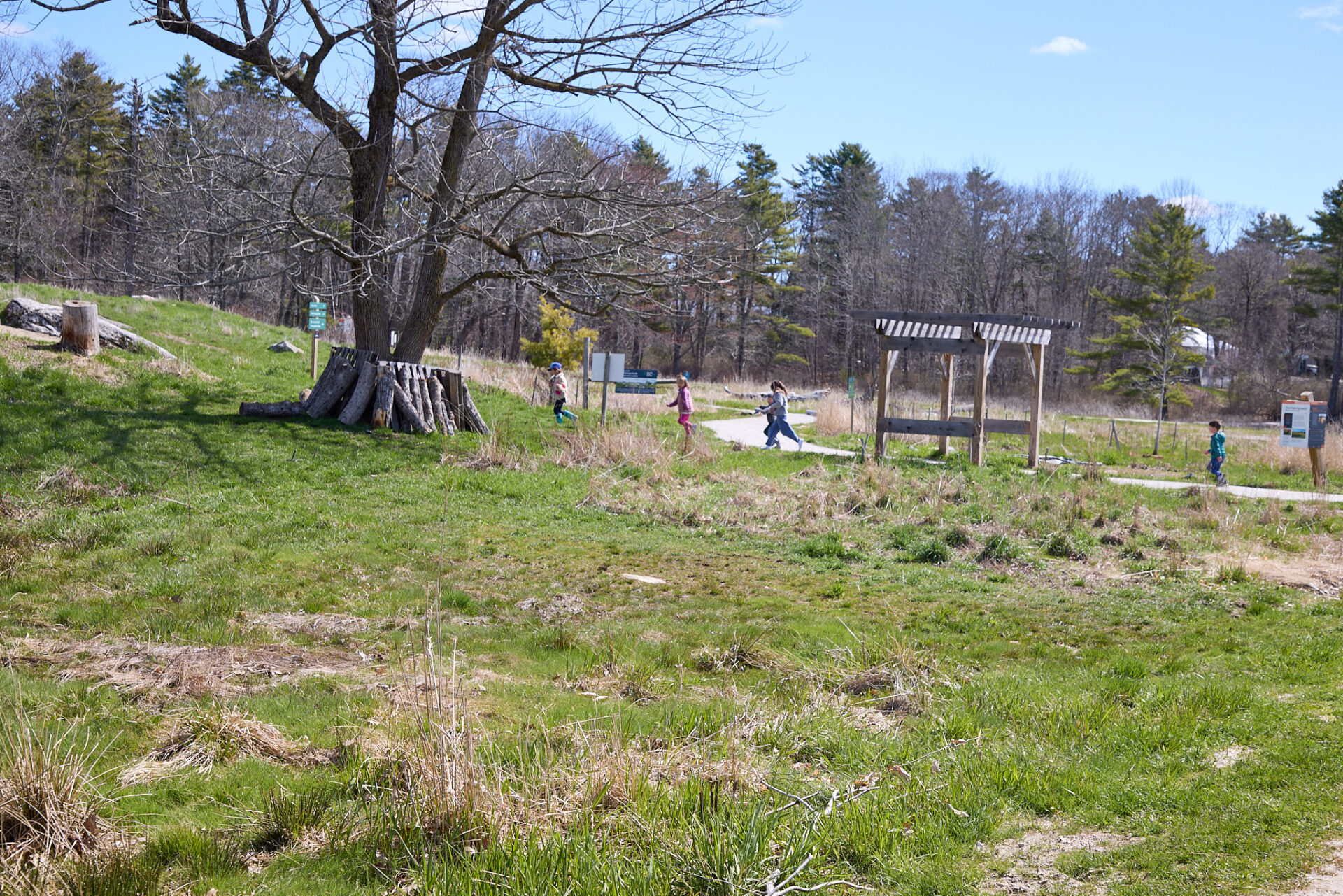
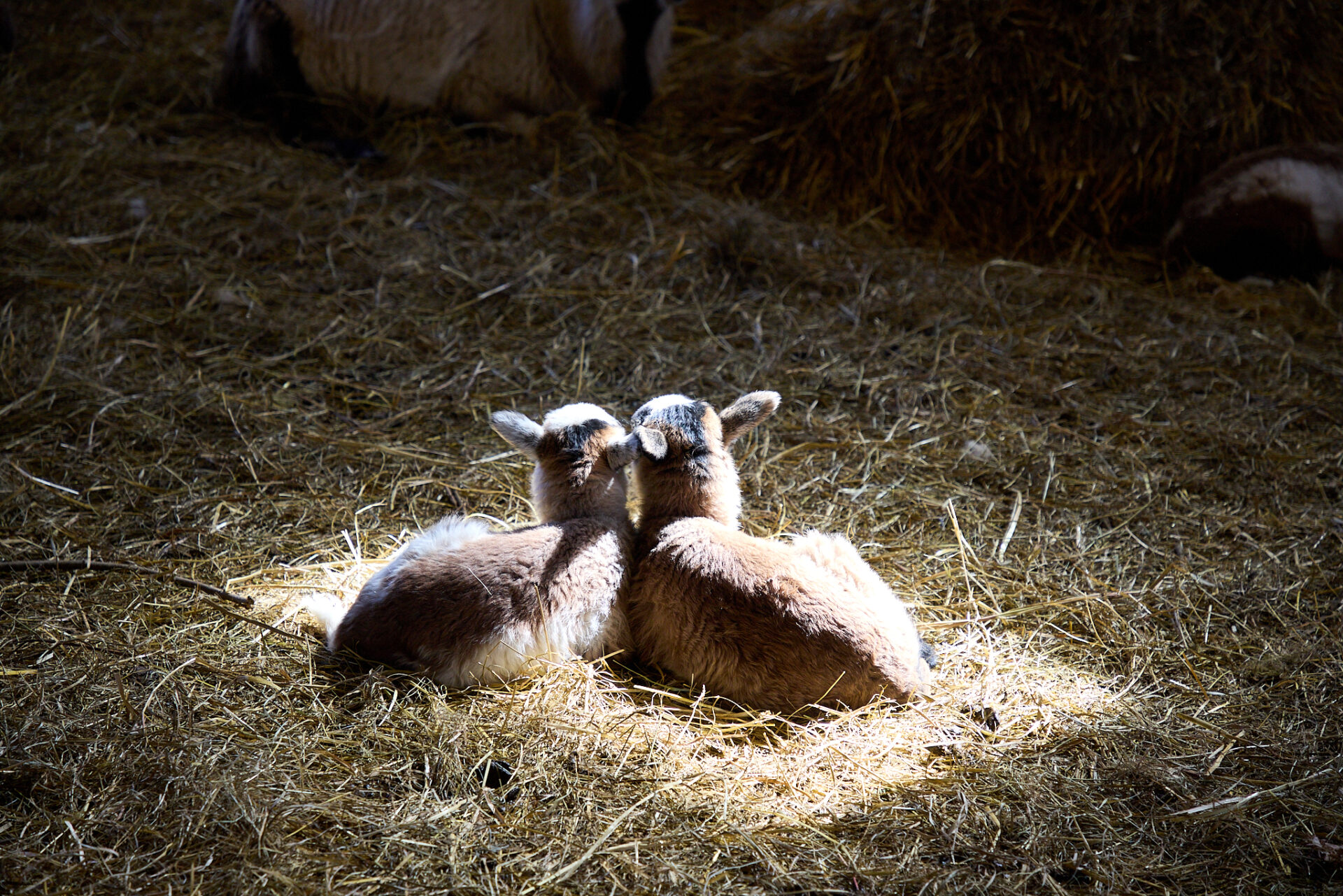
Unlike many historic farms that survive as static museum pieces, Wolfe’s Neck Farm still operates daily. Fields are planted. Animals are raised. Buildings are used for their original purpose or adapted without losing their character. The result is a site where the history is not separated from the present. It is baked into the work being done on the land.








 Continue with Google