

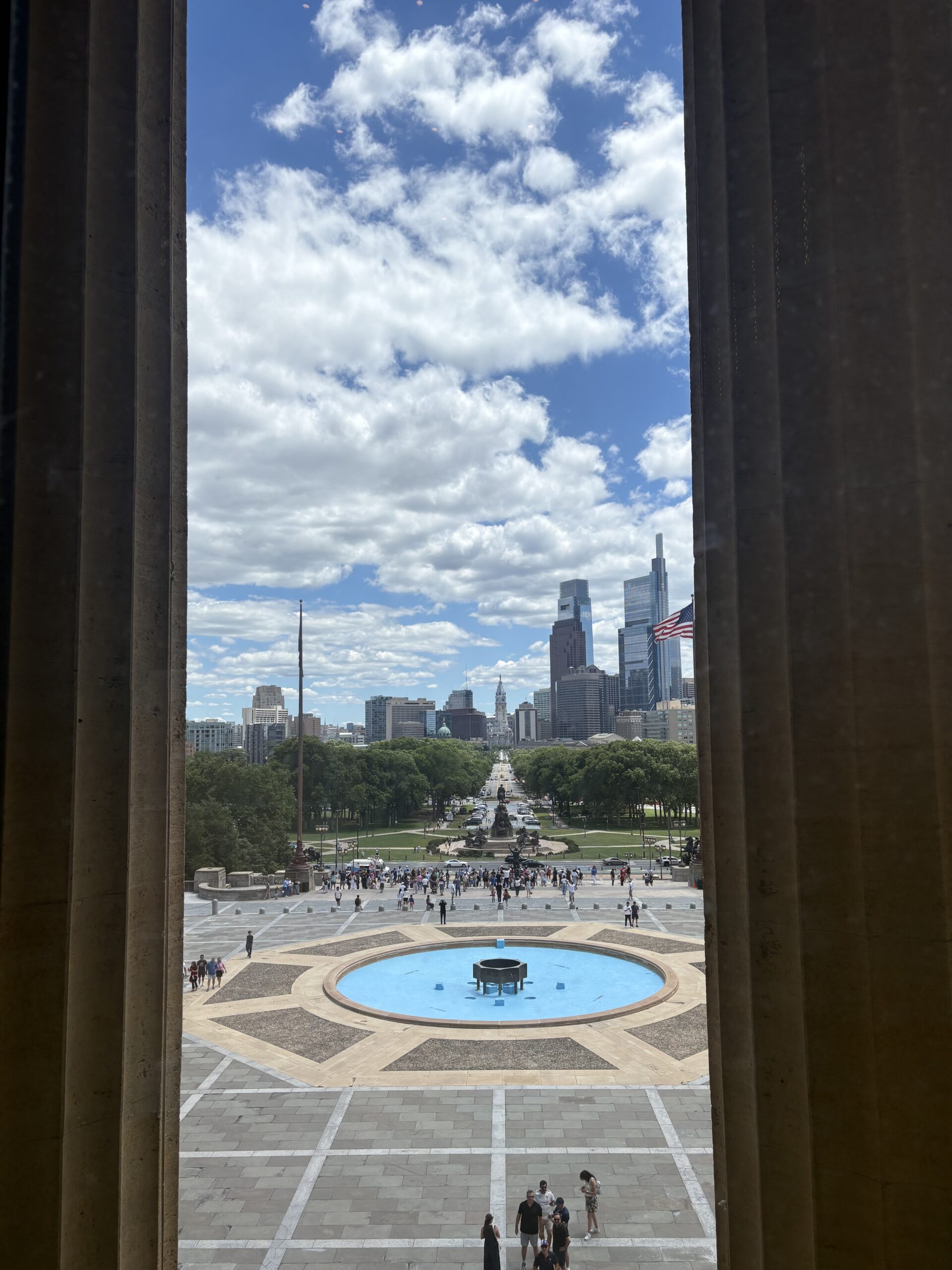
In 1878 the first official World’s Fair to be held in the United States, the Centennial Exposition, was held in Philadelphia, Pennsylvania. During the Exposition, an art gallery was hosted at Memorial Hall, accruing over ten million visitors between May and November of that year. The Philadelphia Museum of Art was founded the subsequent year to oversee the gallery at Memorial Hall. The pieces displayed during the exposition would eventually become the beginning of the Philadelphia Museum of Art’s expansive art and artifacts collection.
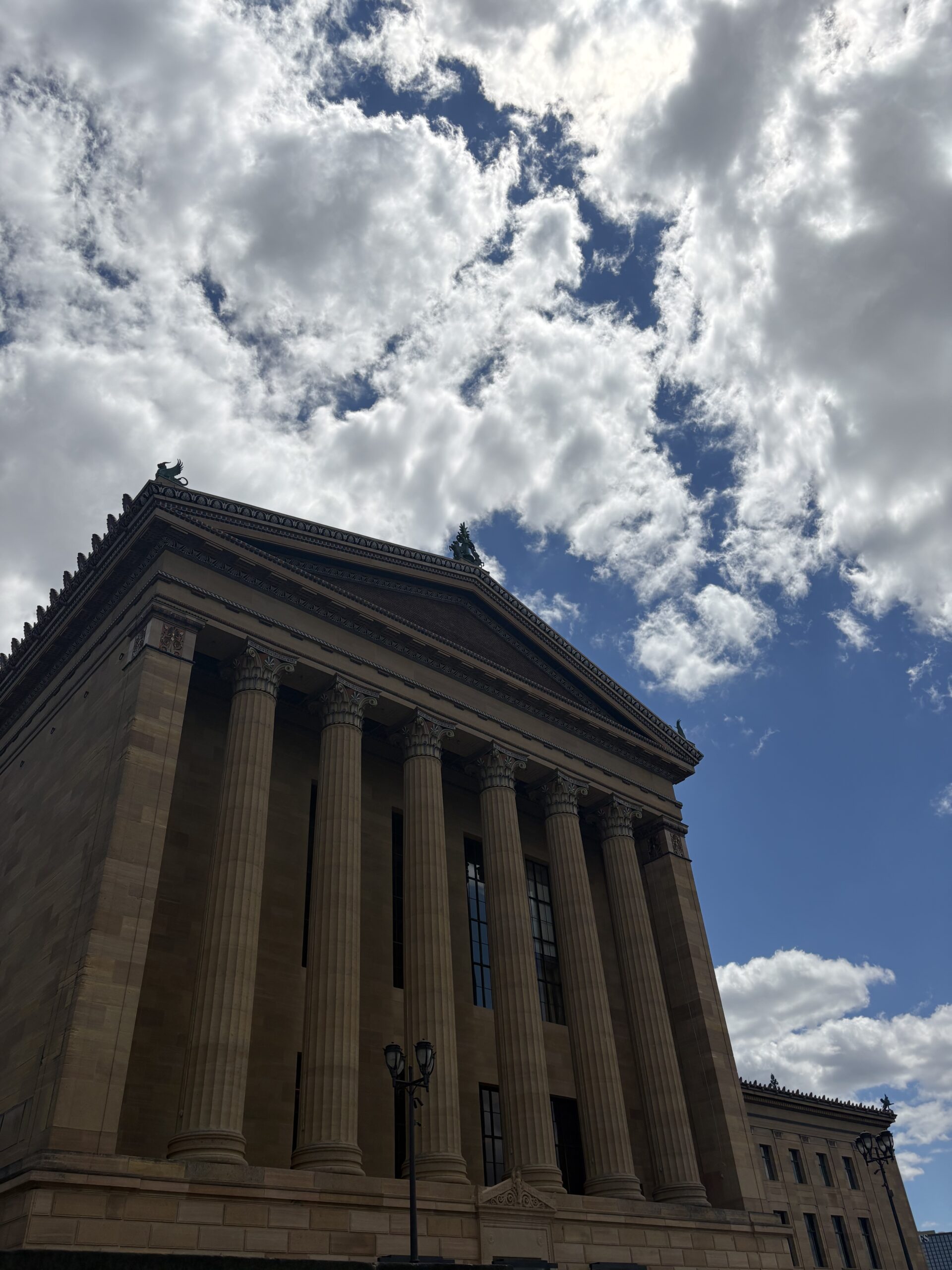
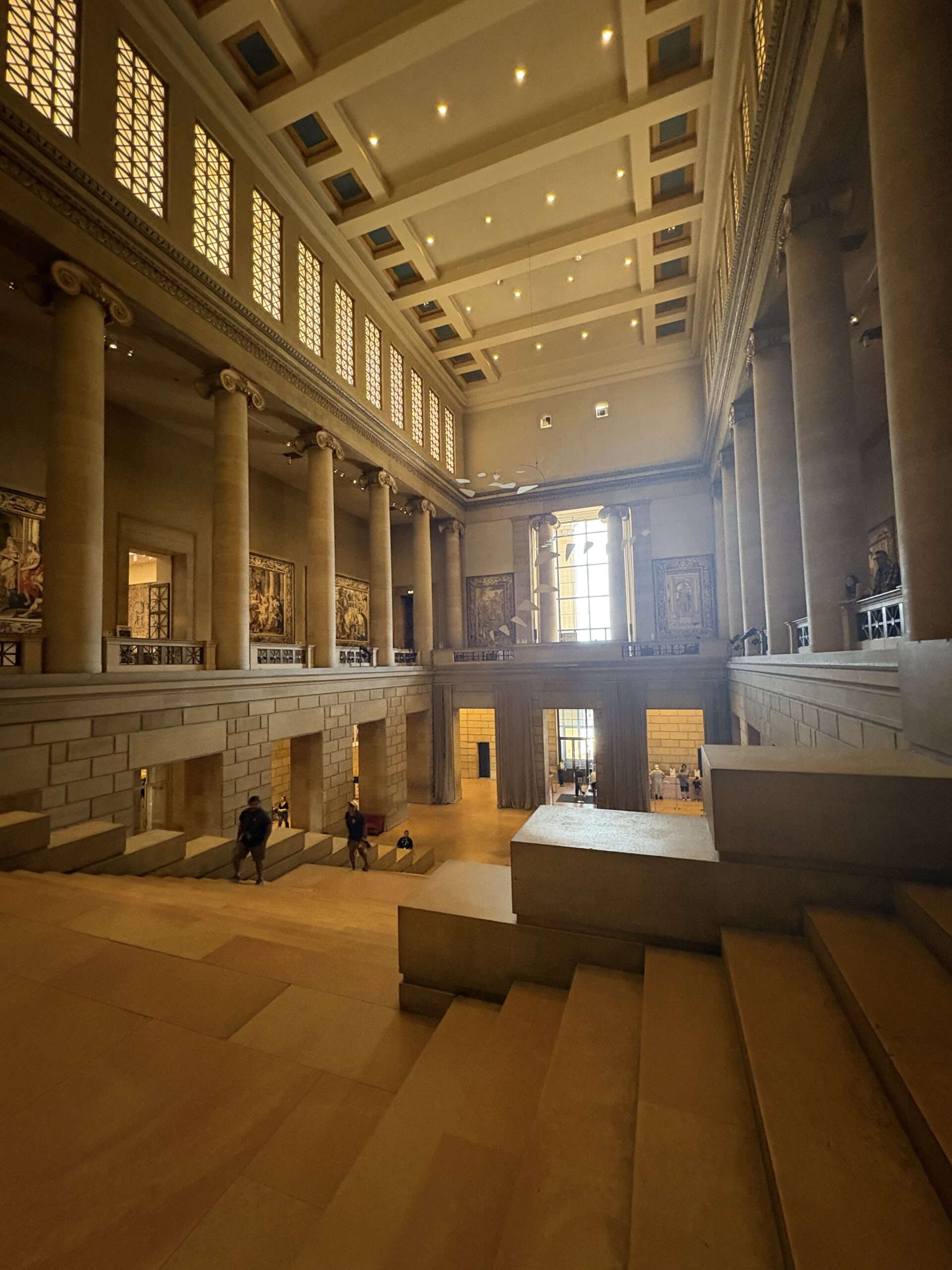
The main building that hosts the Philadelphia Museum of Art today was officially completed many years later, in 1933, though it was opened in 1928. The construction and design process of the building took place over the course of 33 years, having begun in 1895. The buildings design is accredited to two architects, Howell Lewis Shay, for the primary design and planning, and Julian Abele, for the artistic and detailed elements. The building is adorned with polychrome terracotta sculptures depicting scenes of Greek mythology, designed and completed by sculptor C. Paul Jennewein and painter Leon-Victor Solon.
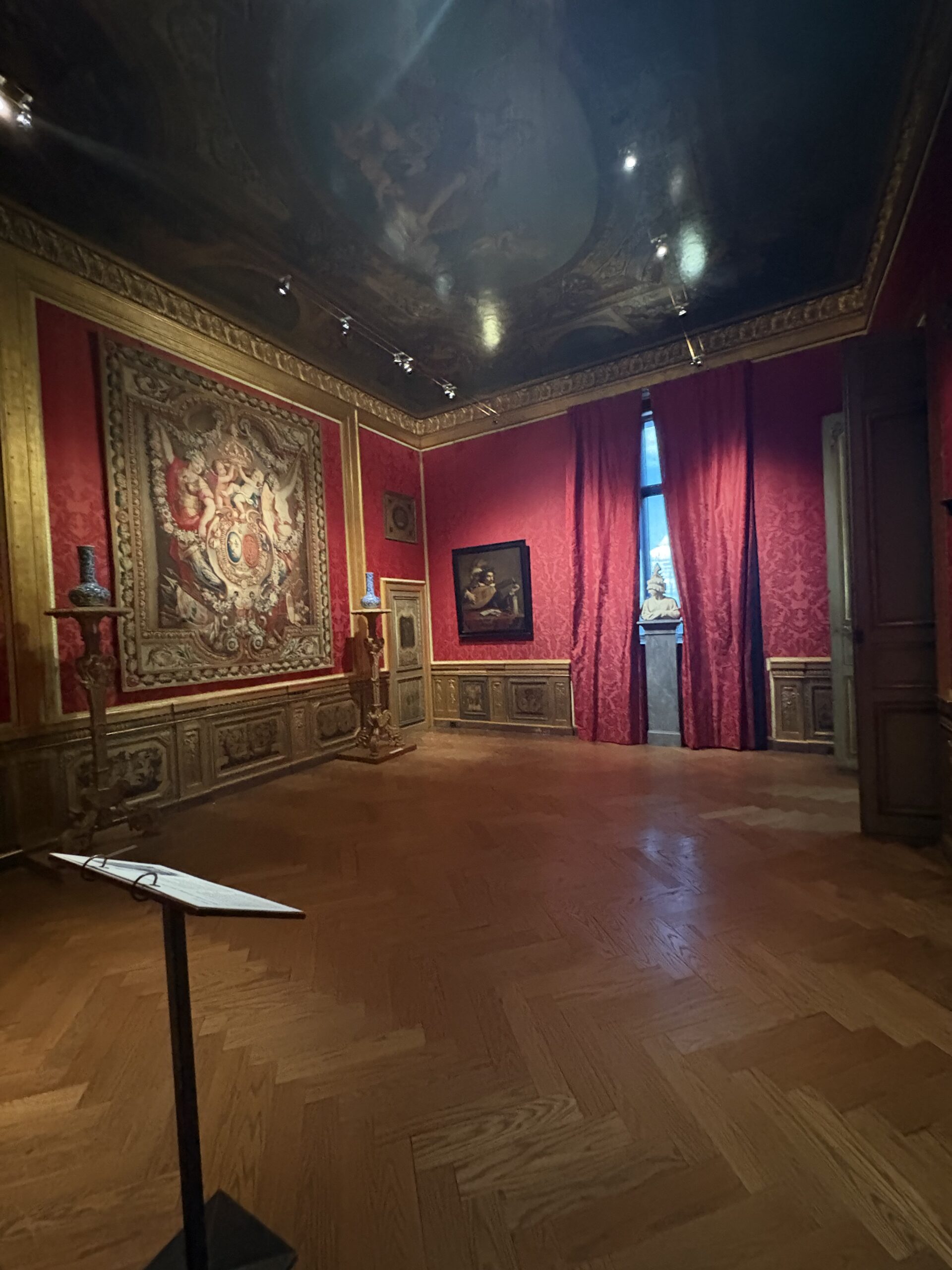
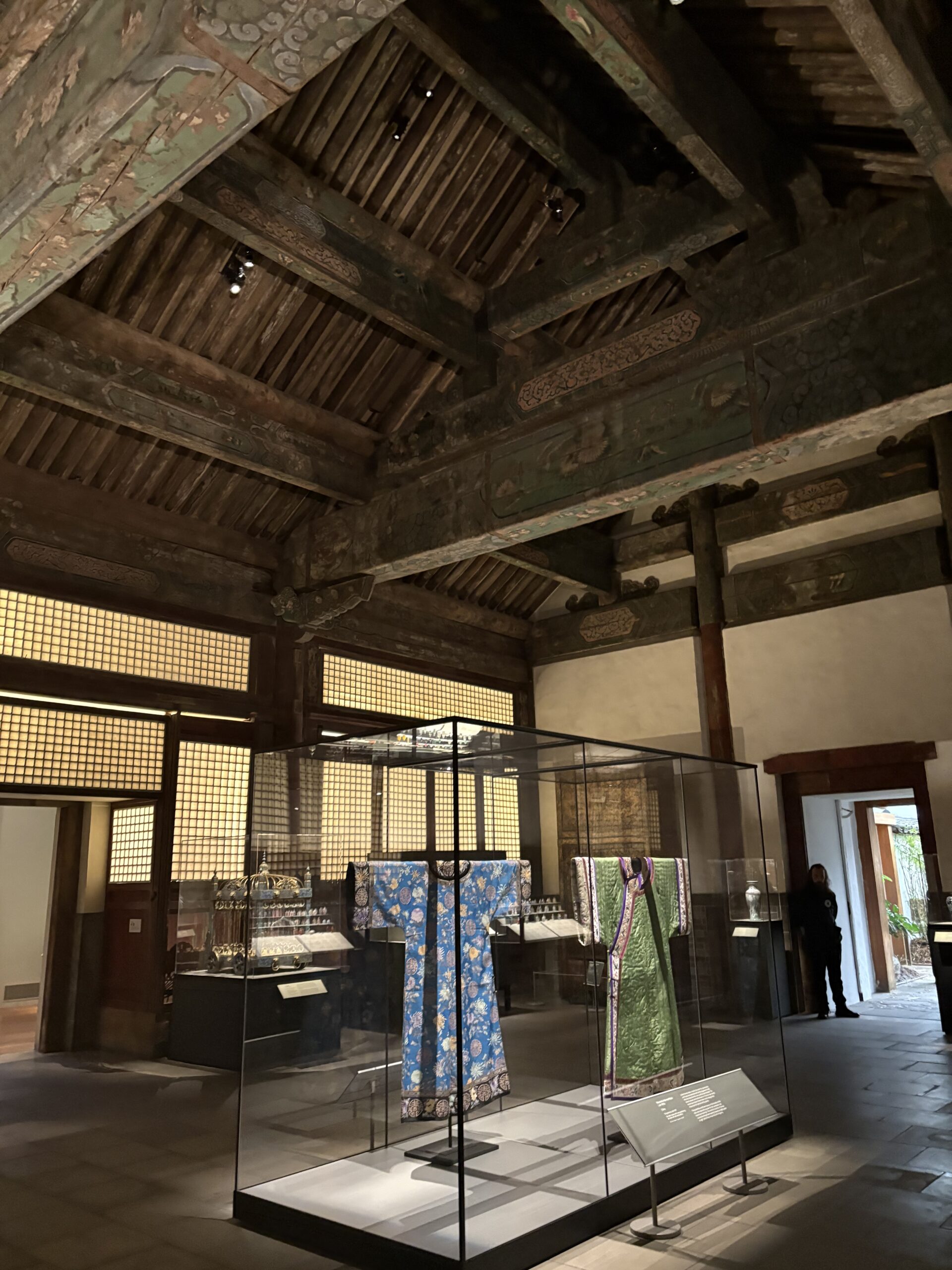
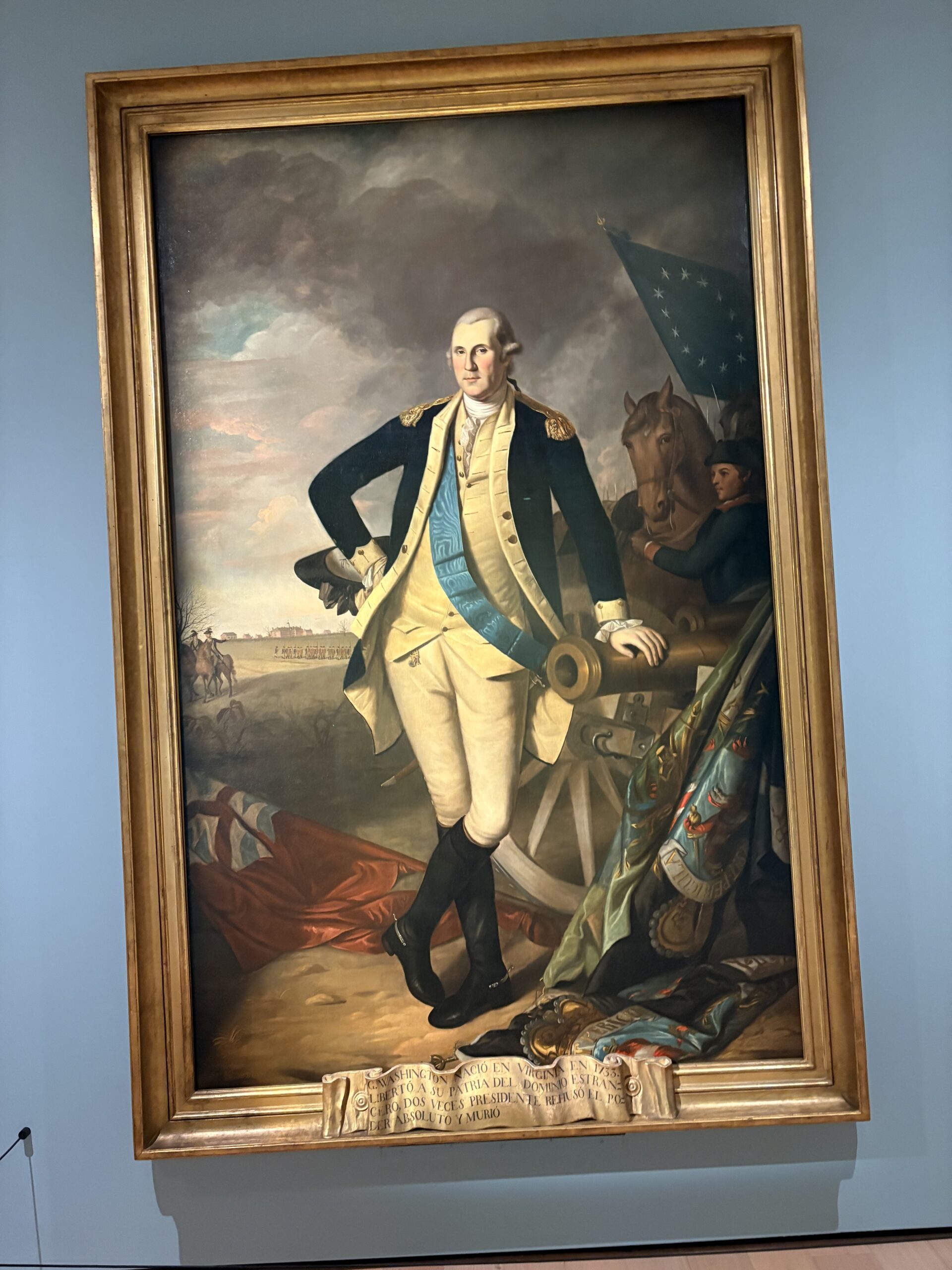
Today the museum features a collection of over 240,000 objects, across 200 galleries, spanning 2000 years worth of history. The museum features an extensive collection of American, Asian, and European works. Hosted are works by well known artists such as Monet, Van Gogh, and Picasso. This includes some of the museums most famous pieces, such as “Sunflowers” by Vincent van Gogh (1888 or 1889), “Portrait of Dr. Samuel D. Gross (The Gross Clinic)” by Thomas Eakins (1875), “Three Musicians” by Pablo Picasso (1921), and “Soft Construction with Boiled Beans (Premonition of Civil War)” by Salvador Dalí. All of which are available for viewing during a typical visit to the museums collection.








 Continue with Google