

There are four United Nations Educational, Scientific and Cultural Organization (UNESCO) World Heritage sites along Route 1. In addition, there are five sites that are “tentative”, which means that they can be nominated for a place on the permanent list in the future. The sites have been designated annually since 1978 by a rotating panel from member countries.
The impetus for designating World Heritage sites was to protect them from disruption, damage or loss. Their recognition has led to economic development in some areas because of tourism.
There are currently 1,273 permanent and tentative properties on the UNESCO World Heritage site list worldwide, 27 of which are in the United States. Italy has 62 on the list, and China has 61. One third of the US list is sited along Route 1.
The descriptions of the nine sites proximate to Route 1 have been taken directly from the UNESCO nomination summaries and updates.
Everglades: (1979)
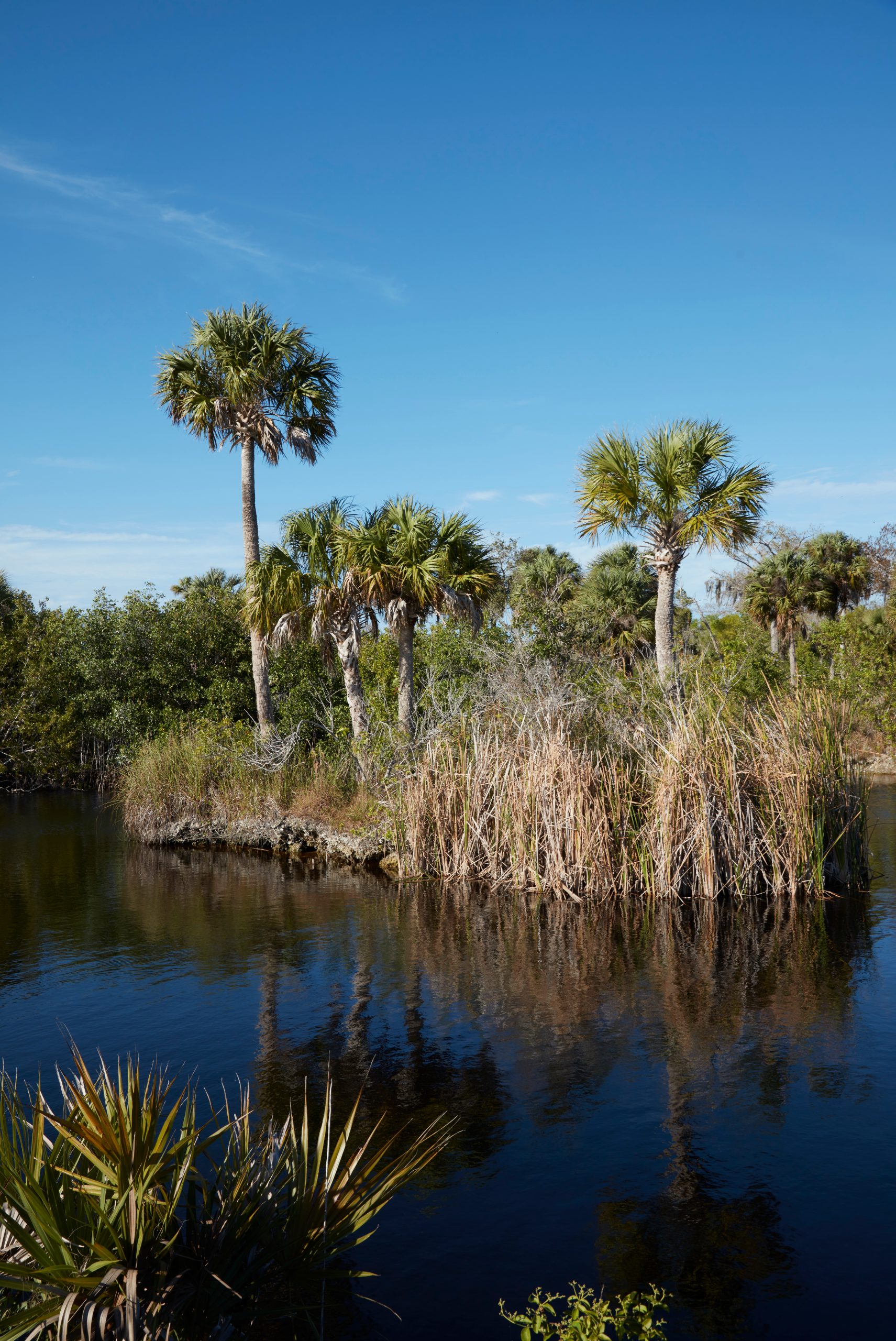
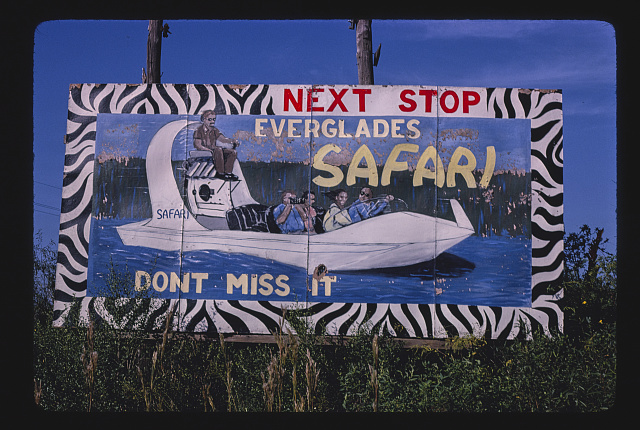
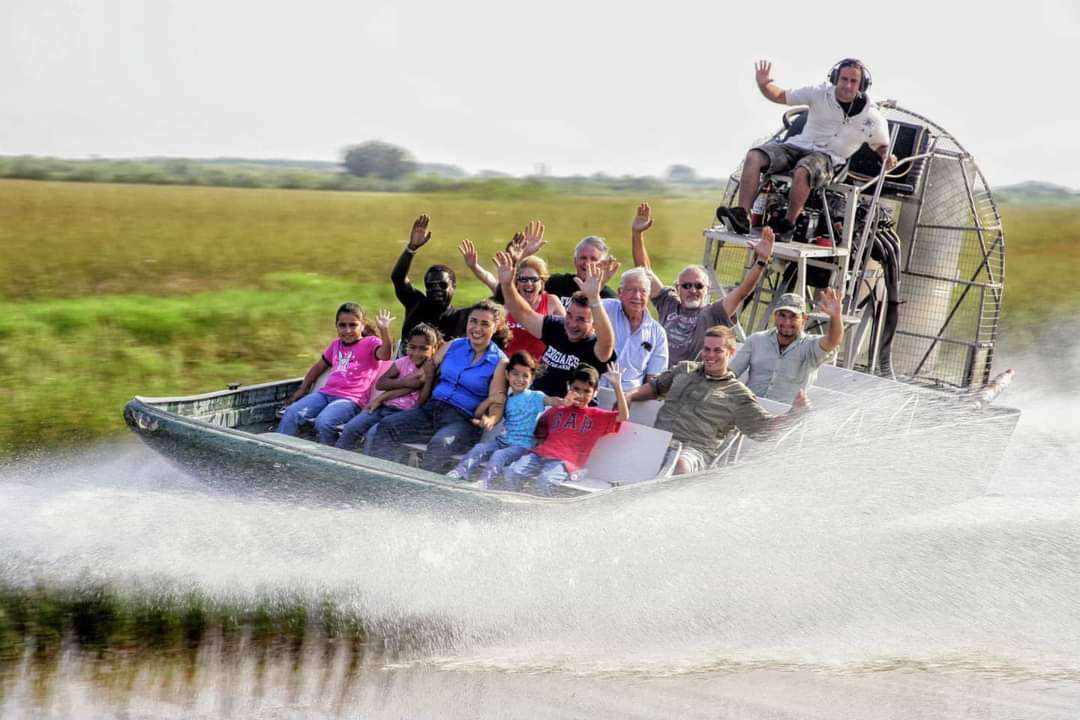
“This site at the southern tip of Florida has been called ‘a river of grass flowing imperceptibly from the hinterland into the sea’. The exceptional variety of its water habitats has made it a sanctuary for a large number of birds and reptiles, as well as for threatened species such as the manatee.
“Everglades National Park is the largest designated sub-tropical wilderness reserve on the North American continent. Its juncture at the interface of temperate and sub-tropical America, fresh and brackish water, shallow bays and deeper coastal waters creates a complex of habitats supporting a high diversity of flora and fauna. It contains the largest mangrove ecosystem in the Western Hemisphere, the largest continuous stand of sawgrass prairie and the most significant breeding ground for wading birds in North America.
“The park is also facing a challenge from the introduction of numerous non-native species, including in particular the Burmese python, which has proliferated in the park. Loss of organic soils across park habitats, due to wildfires and oxidation associated with overdrainage, occurred during and after the major elements of the water management system were constructed between 1900 and 1970. Although hurricanes are a natural phenomenon in the region, intense or frequent storms can damage the already strained ecosystem. Finally, increasing ocean acidification may affect biogeochemical processes related to carbonate precipitation, particularly along the southwestern boundary between Florida Bay and the Gulf of Mexico.”
https://route1views.com/travel/florida-python-challenge-10-days-to-hunt-invasive-snakes-for-cash/
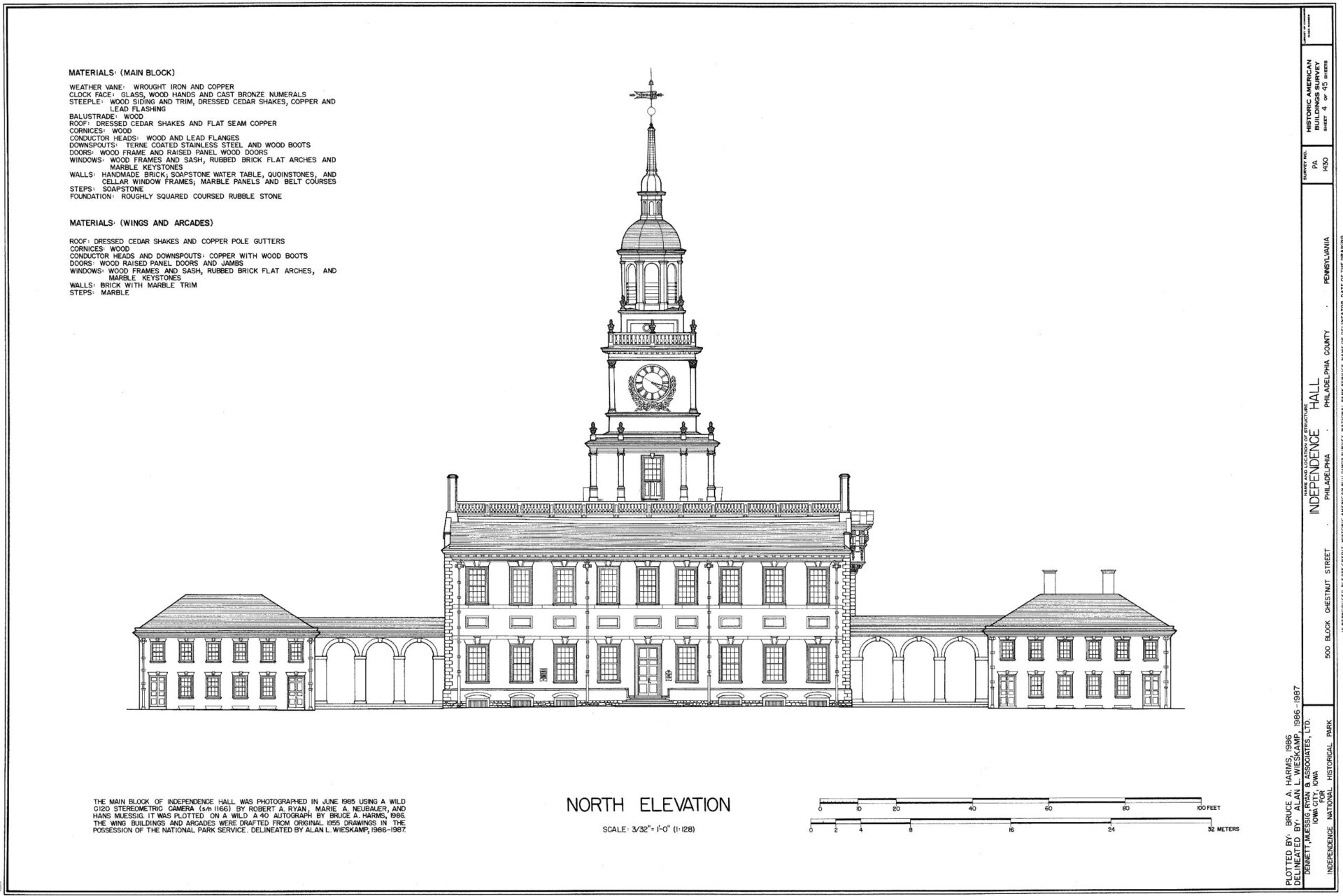
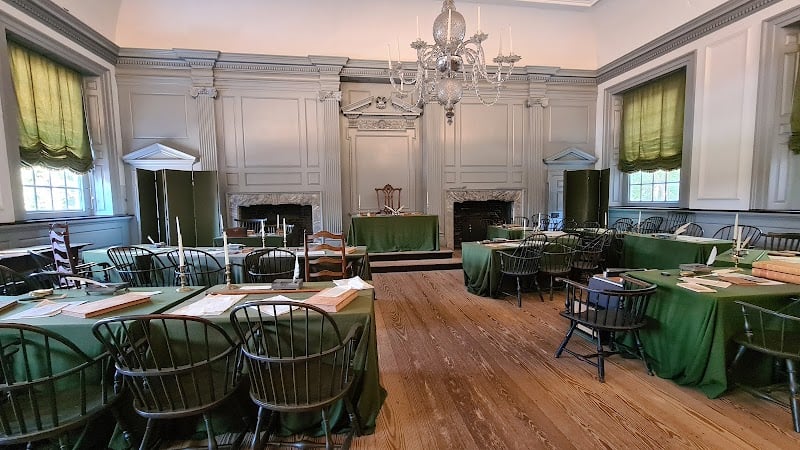
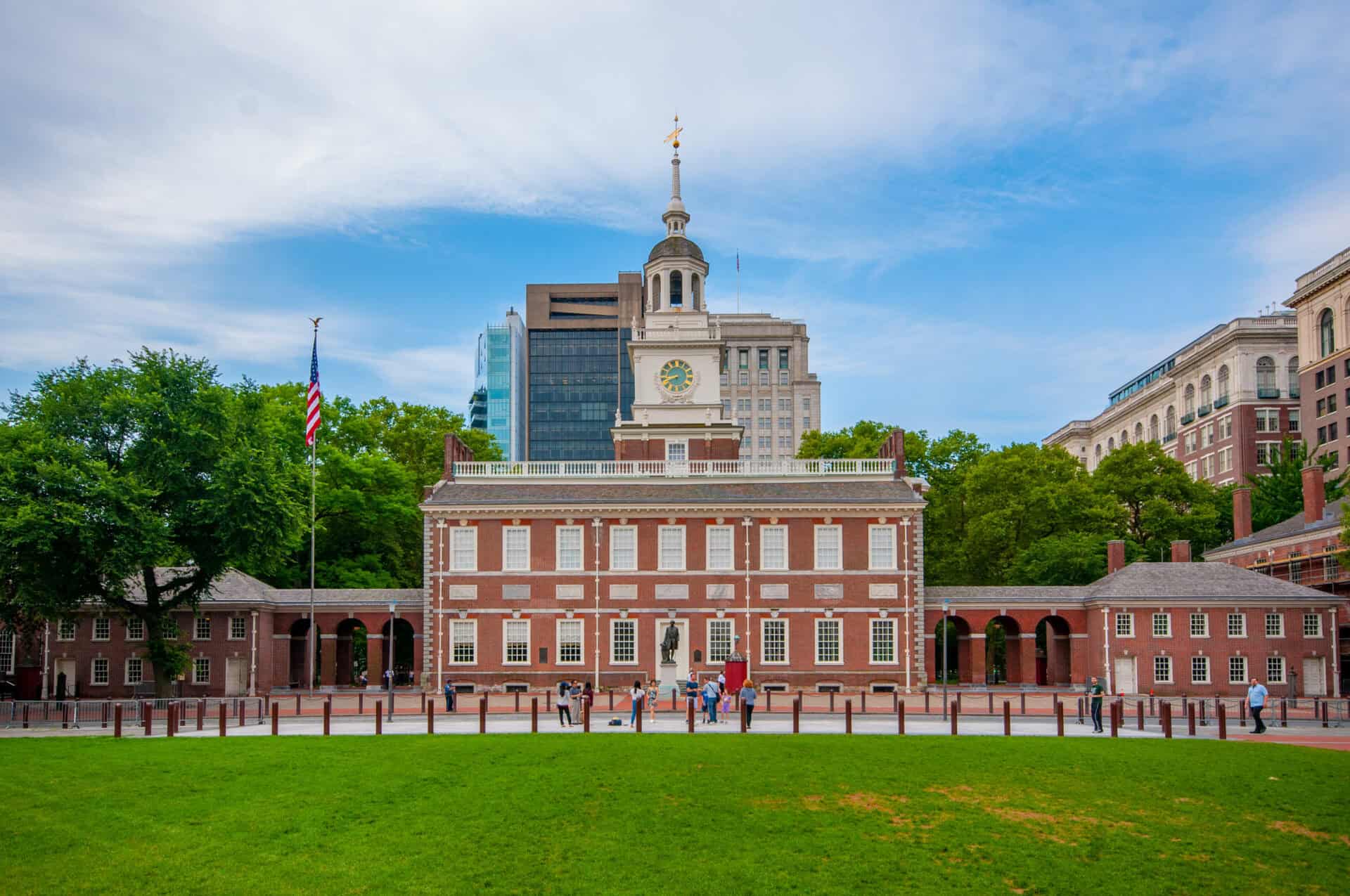
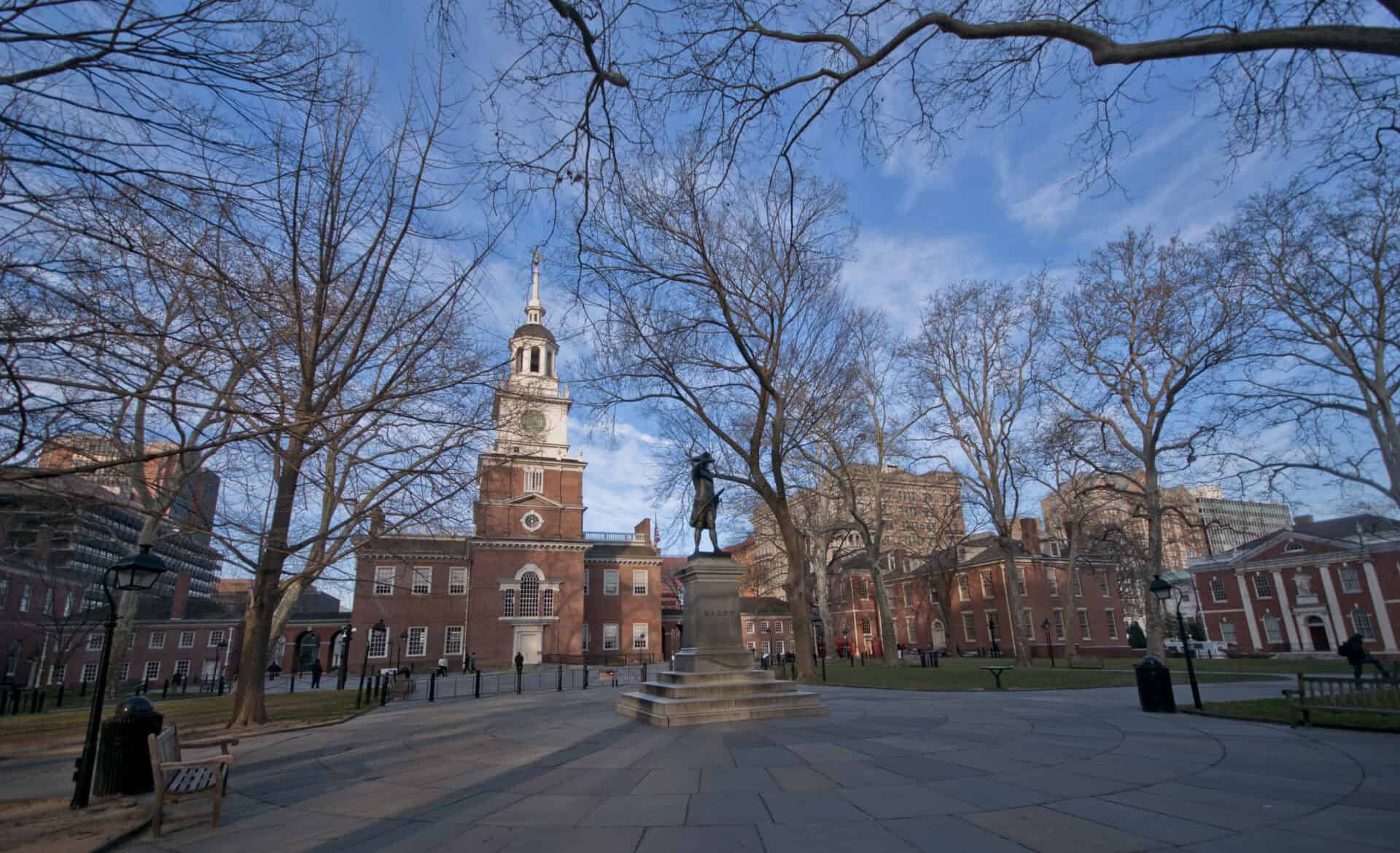
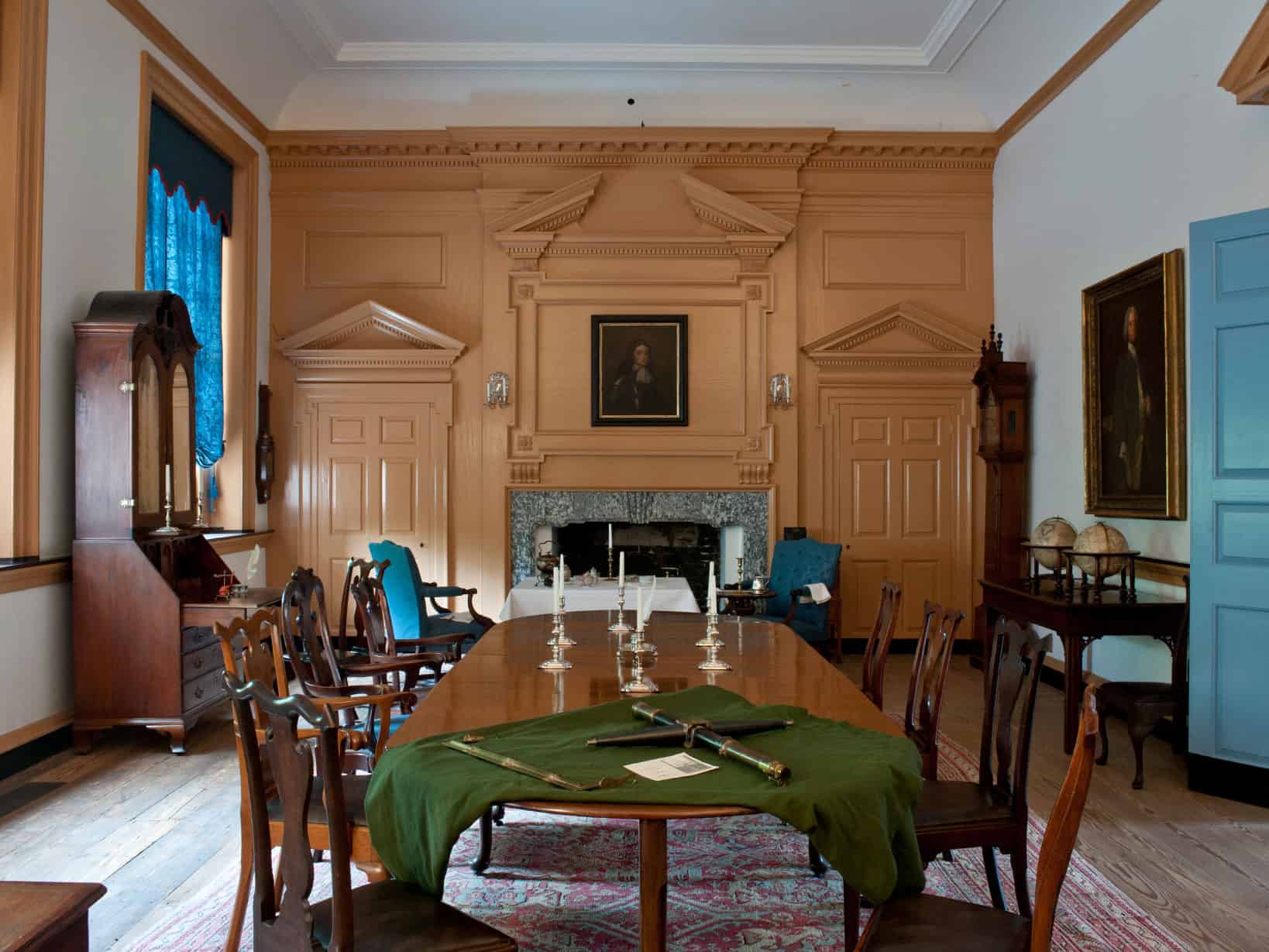
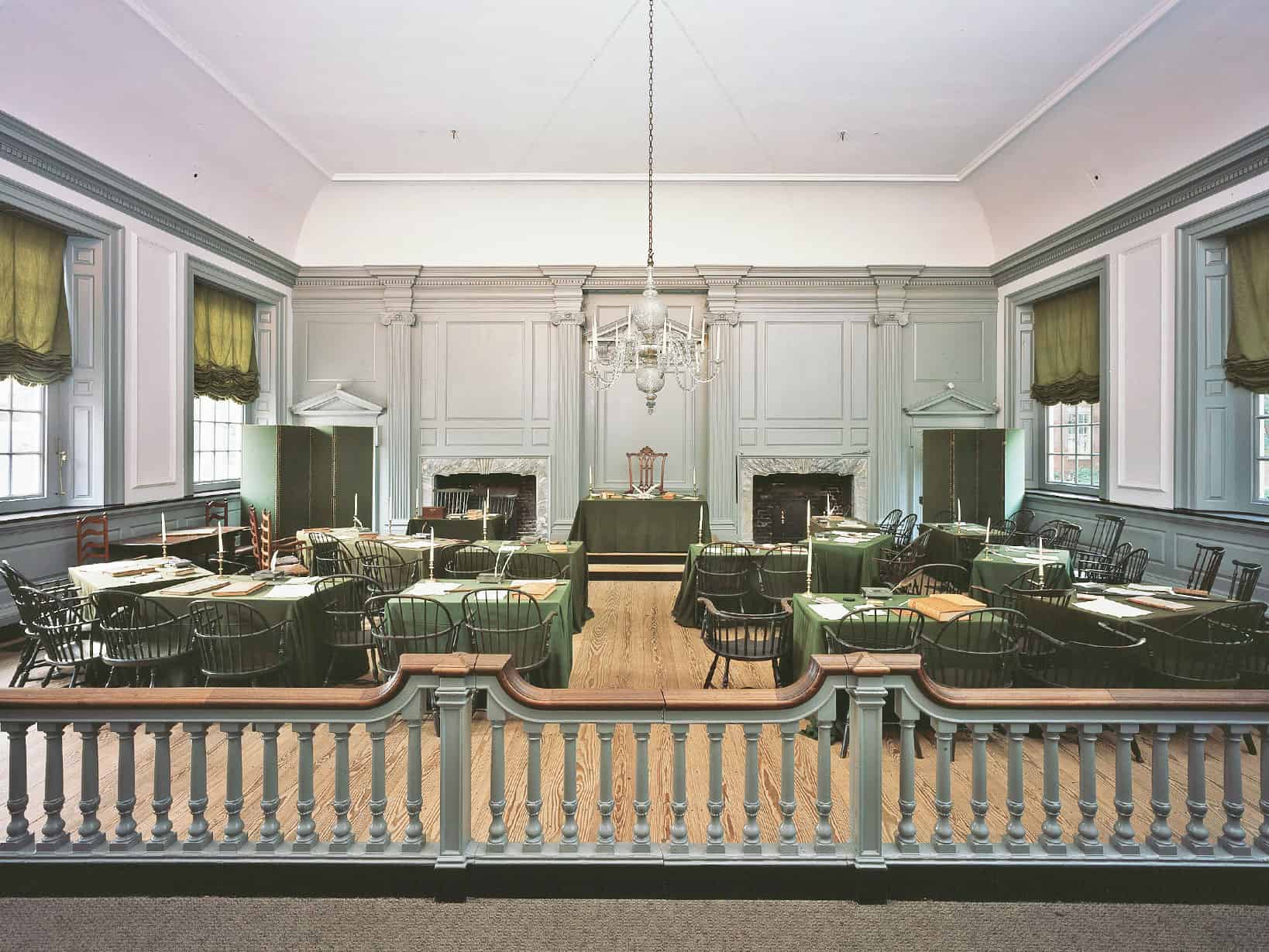
Independence Hall, Philadelphia (1979)
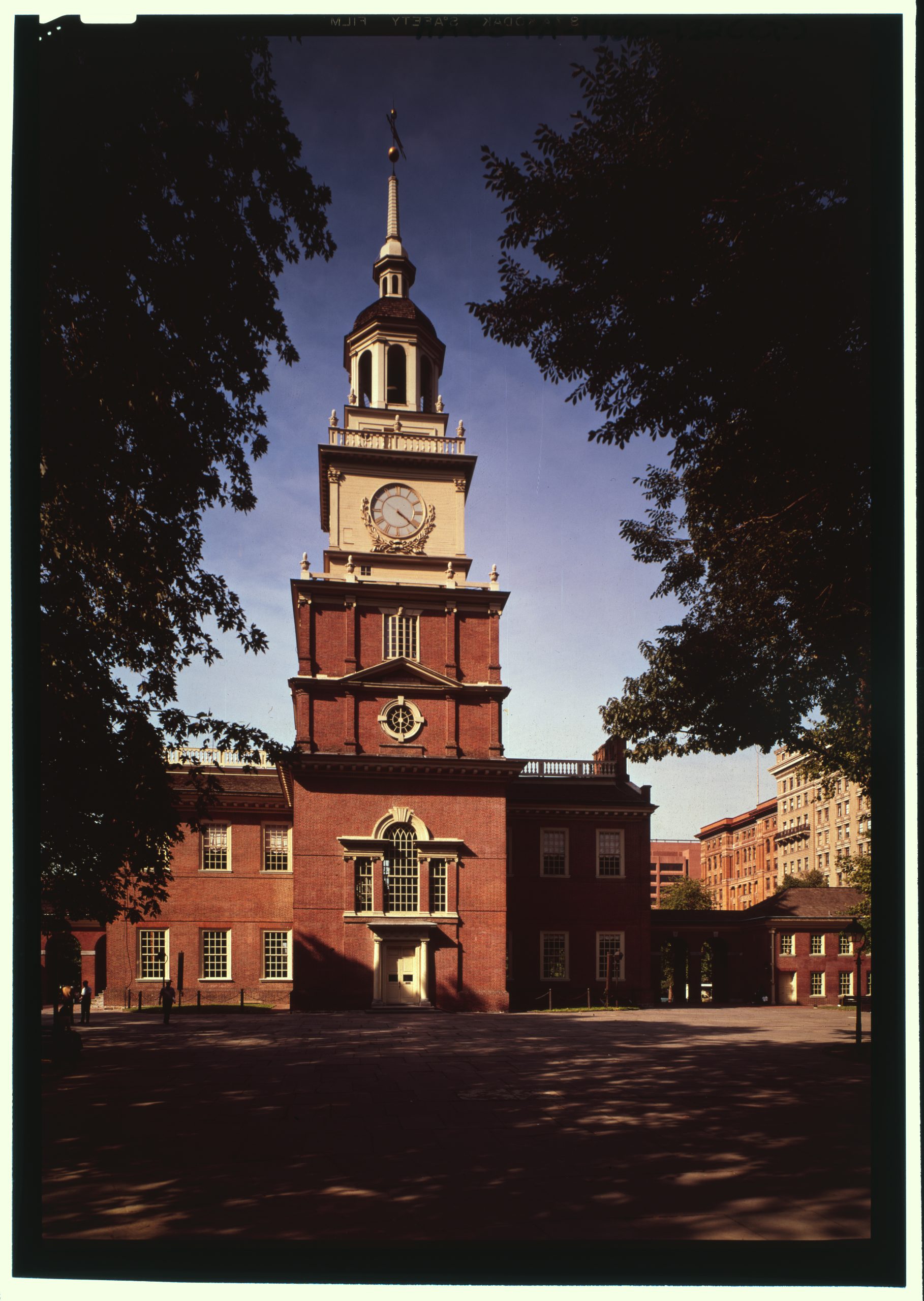
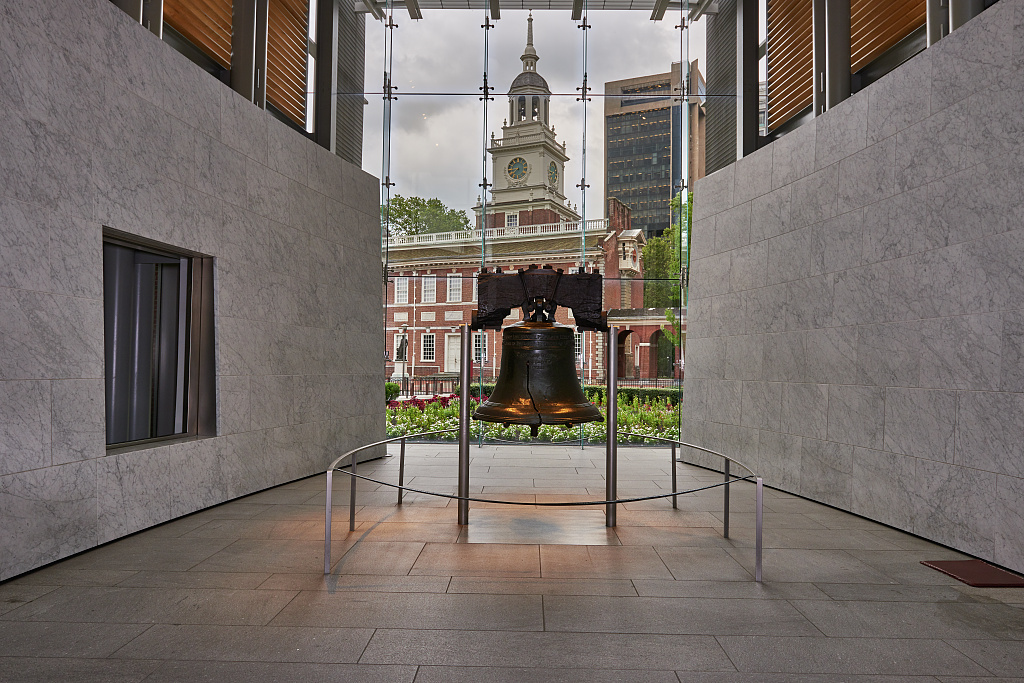
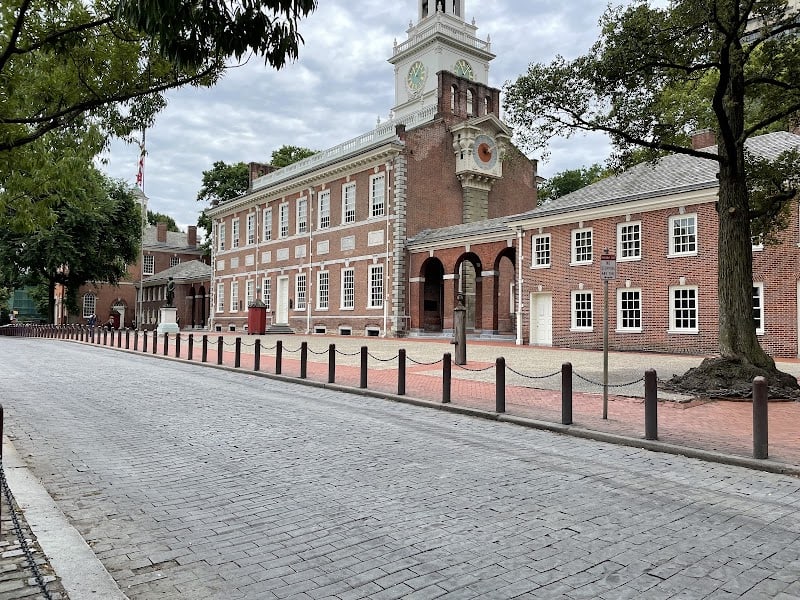
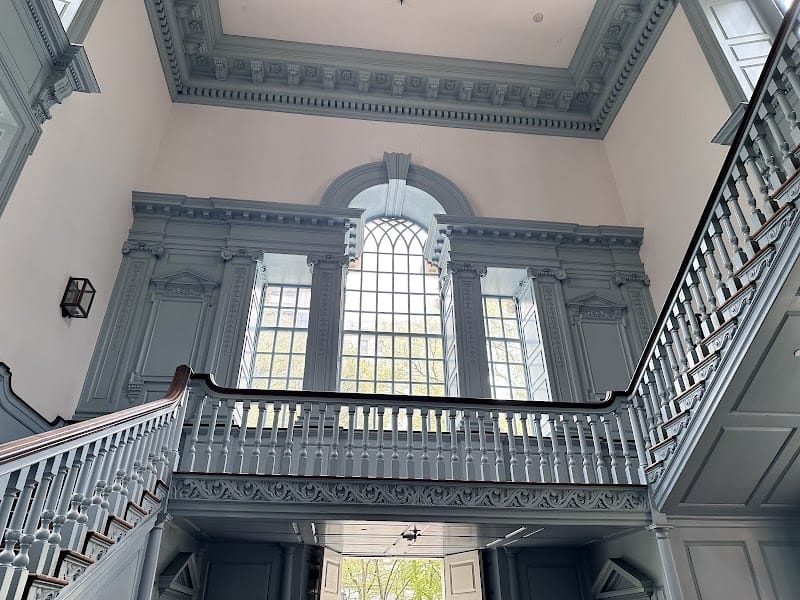
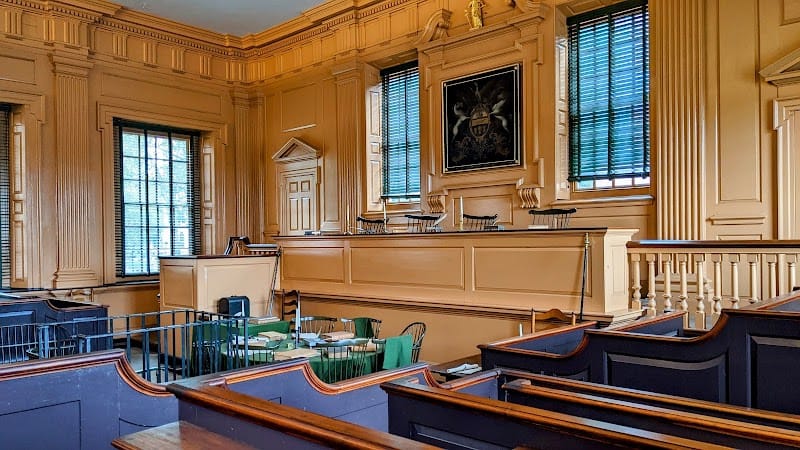
“The Declaration of Independence (1776) and the Constitution of the United States (1787) were both signed in this building in Philadelphia. The universal principles of freedom and democracy set forth in these documents are of fundamental importance to American history.
“The universal principles of the right to revolution and self-government, as expressed in the United States of America’s Declaration of Independence (1776) and Constitution (1787), which were debated, adopted, and signed in Independence Hall, have profoundly influenced lawmakers and politicians around the world. The fundamental concepts, format, and even substantive elements of the two documents have influenced governmental charters in many nations and even the United Nations Charter.
“Independence Hall is owned by the City of Philadelphia and administered by the National Park Service as a part of Independence National Historical Park under a formal agreement with the City. The 1948 law creating the National Park has as its express purpose the preservation of the historic structures. Inclusion of Independence Hall in the National Park system gives it the highest possible level of protection, as it is maintained by the federal government. Furthermore, as the country’s most important historical site, its preservation will always be of paramount importance, and periodic work is undertaken to further protect it.”
https://route1views.com/travel/independence-hall-where-the-declaration-of-independence-was-signed/
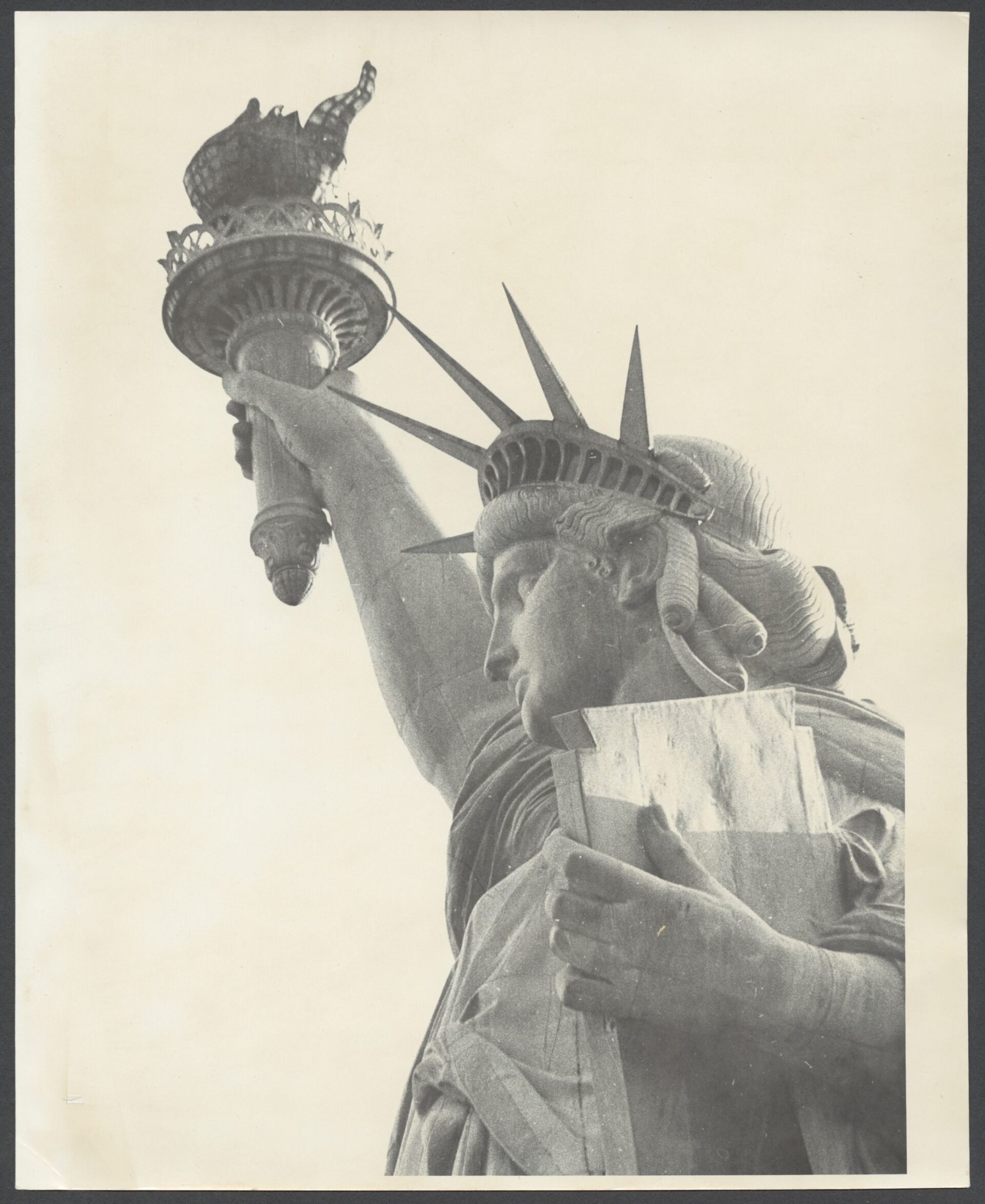
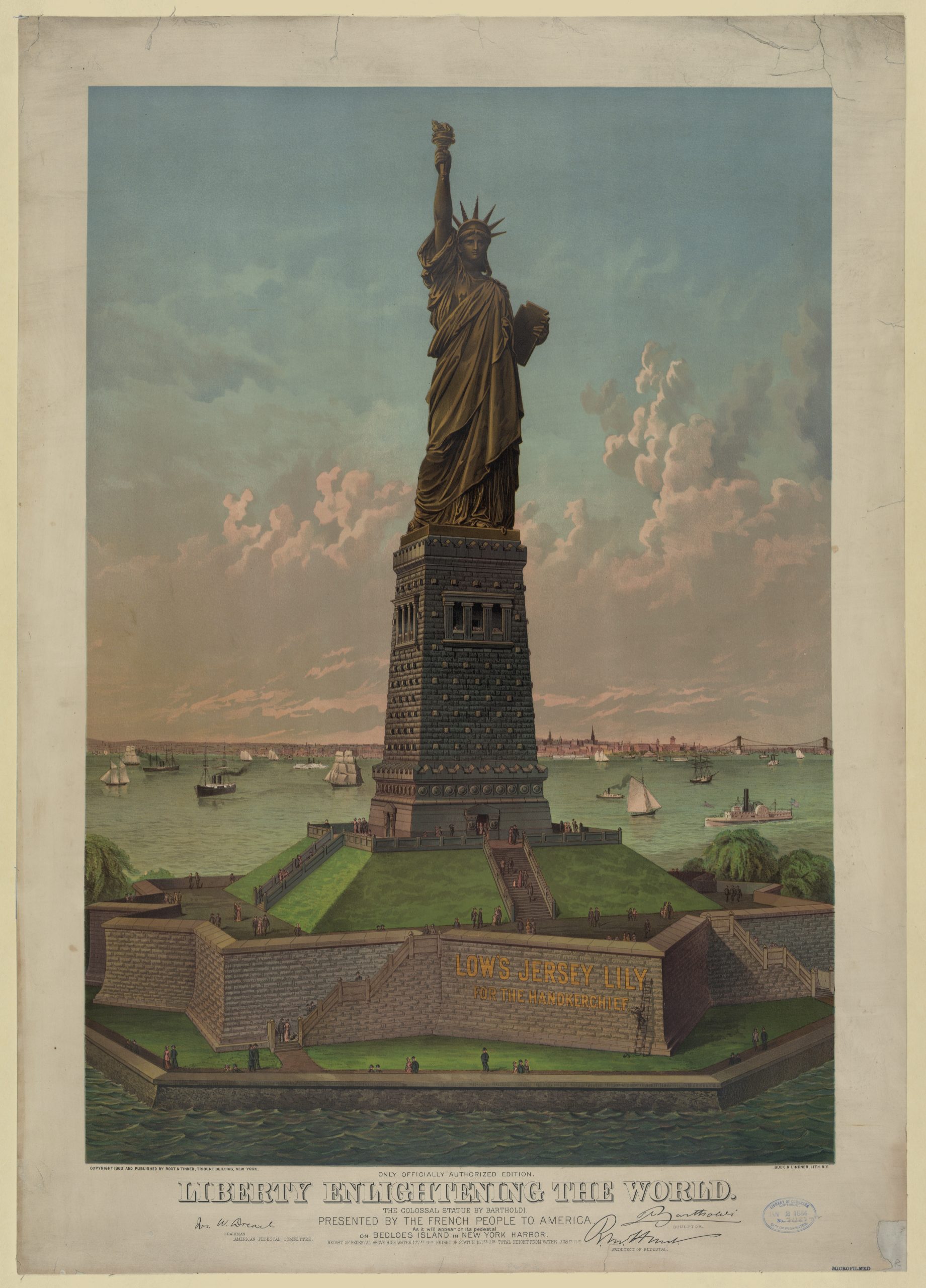
Statue of Liberty (1984)
“Made in Paris by the French sculptor Bartholdi, in collaboration with Gustave Eiffel (who was responsible for the steel framework), this towering monument to liberty was a gift from France on the centenary of American independence. Inaugurated in 1886, the sculpture stands at the entrance to New York Harbor and has welcomed millions of immigrants to the United States ever since.
“This colossal statue is a masterpiece of the human spirit. The collaboration between the sculptor Frédéric Bartholdi and the engineer Gustave Eiffel resulted in the production of a technological wonder that brings together art and engineering in a new and powerful way.
“The Statue of Liberty is authentic in terms of its location and setting, form and design, materials and substance, use and function, and spirit and feeling. The Statue’s design and purpose have been preserved from the time of its construction. The interior iron strapwork supporting the metal skin was replaced in 1986 with stainless steel that will prevent corrosion. All repairs were made with great fidelity to the original design and materials. Periodic mechanical, circulation, and security updates have not affected the sculptural and symbolic values of the monument, and have been done to ensure the safety of visitors. There is a formal monitoring program for the property. The known and potential threats to the authenticity of the property include pollution, severe weather, and large numbers of visitors.”
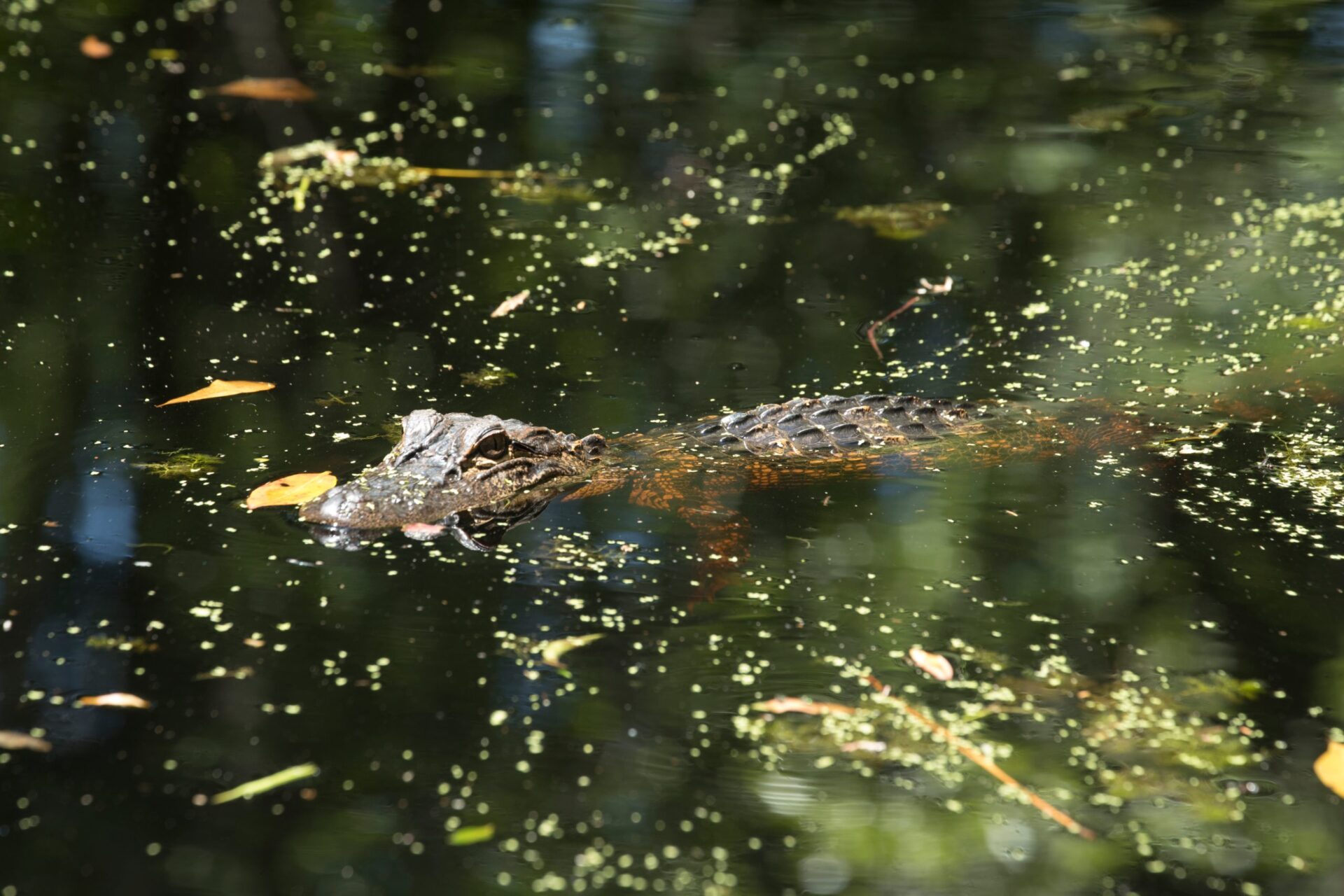
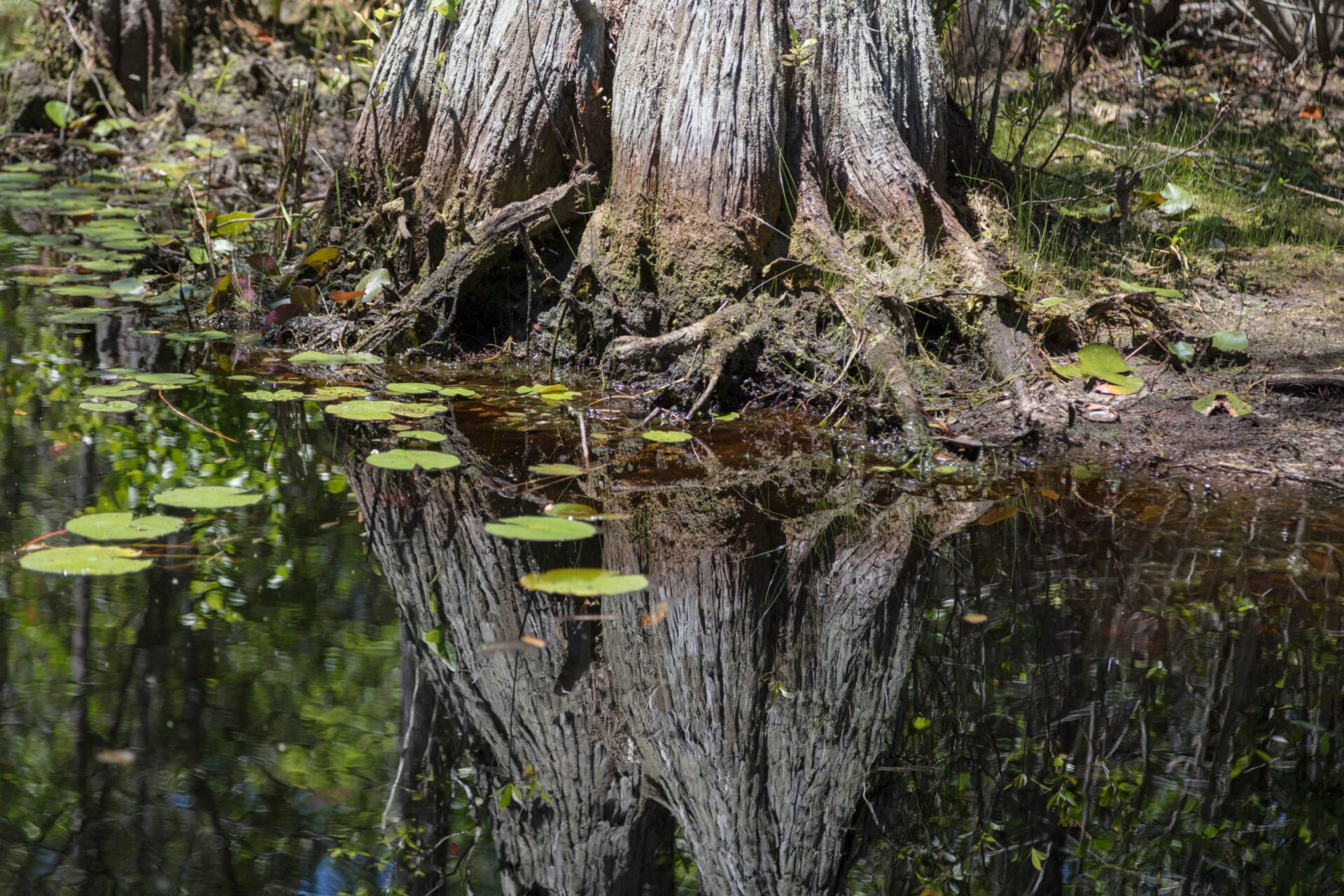
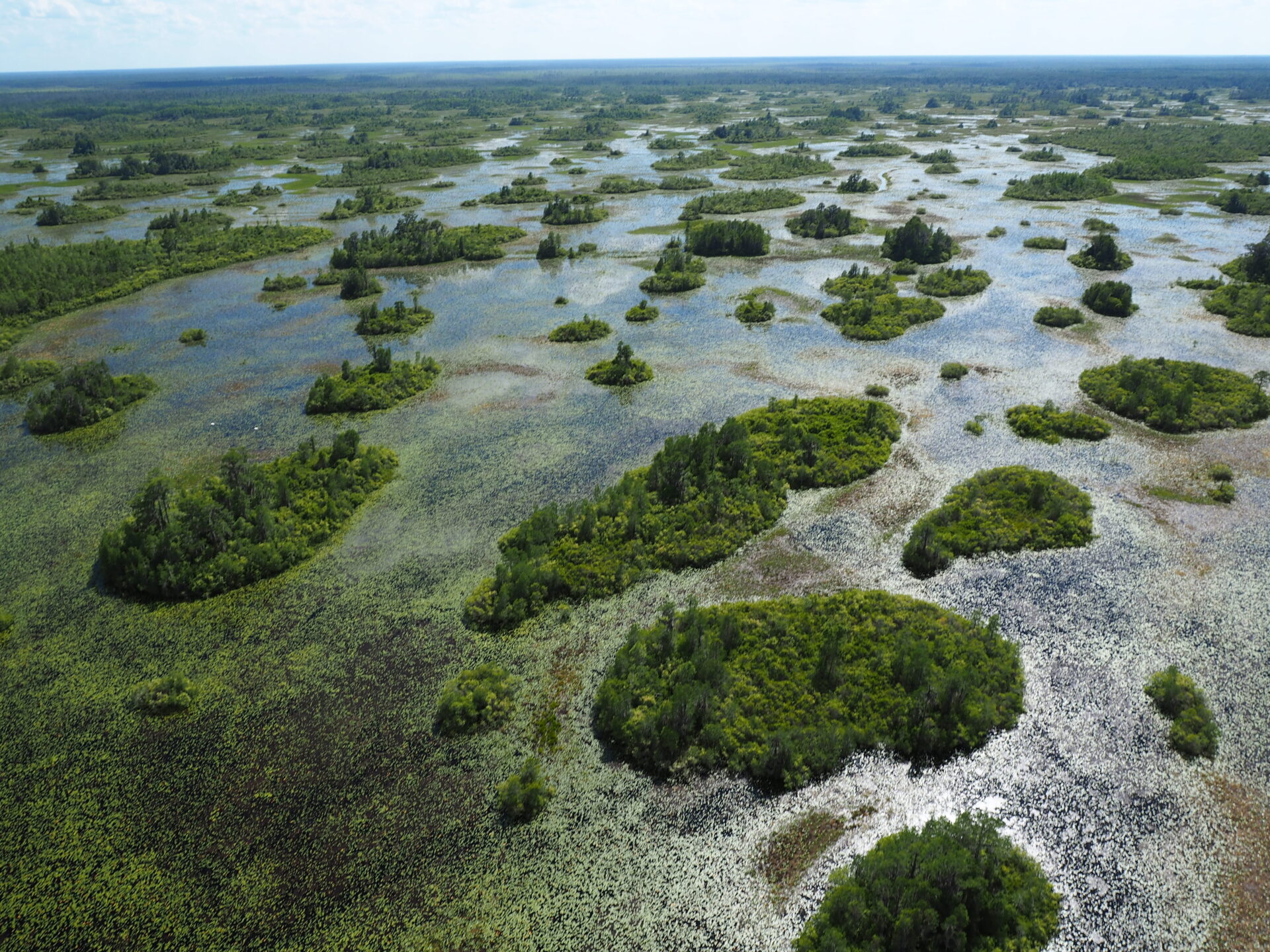
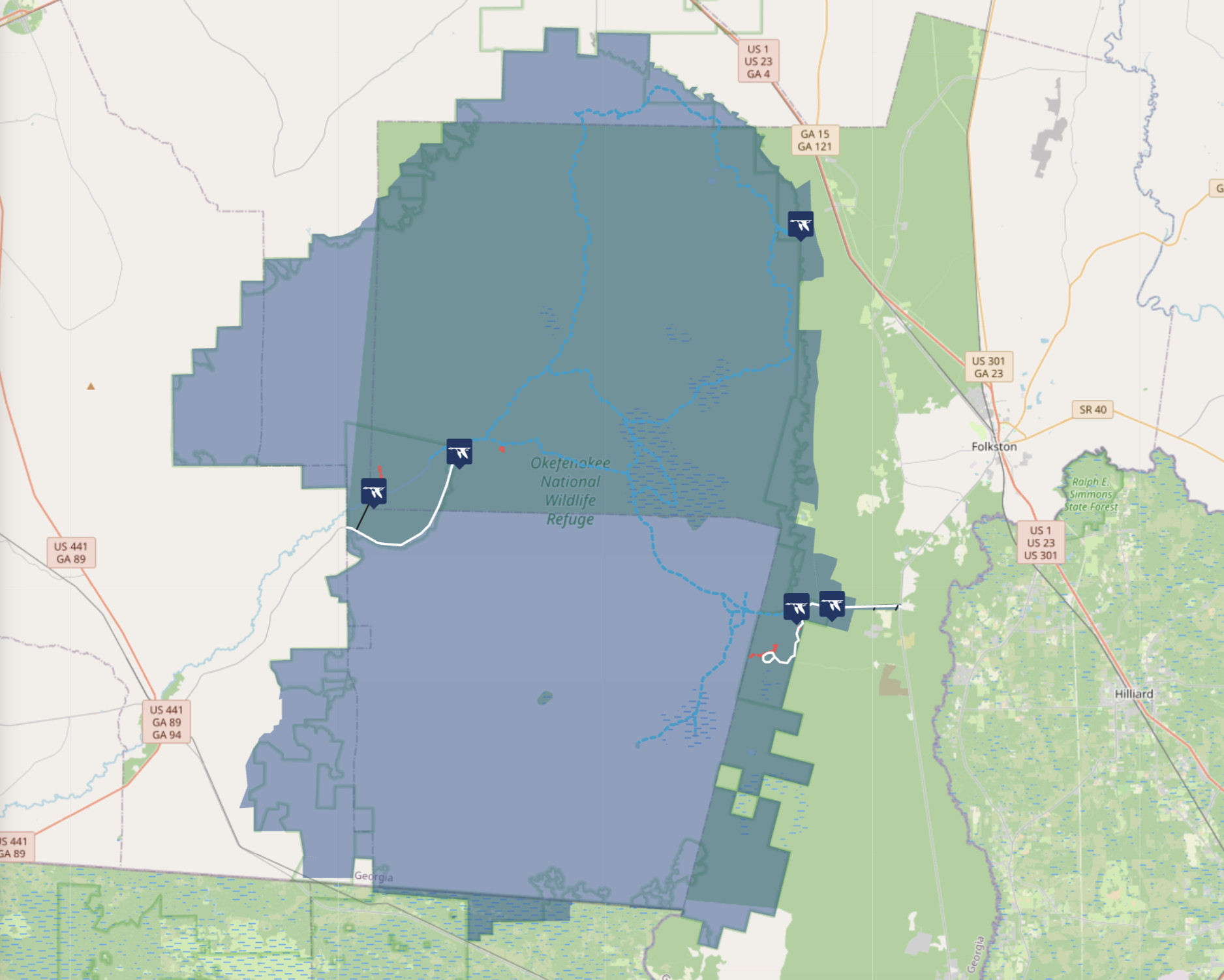
Okefenokee Swamp (2026)
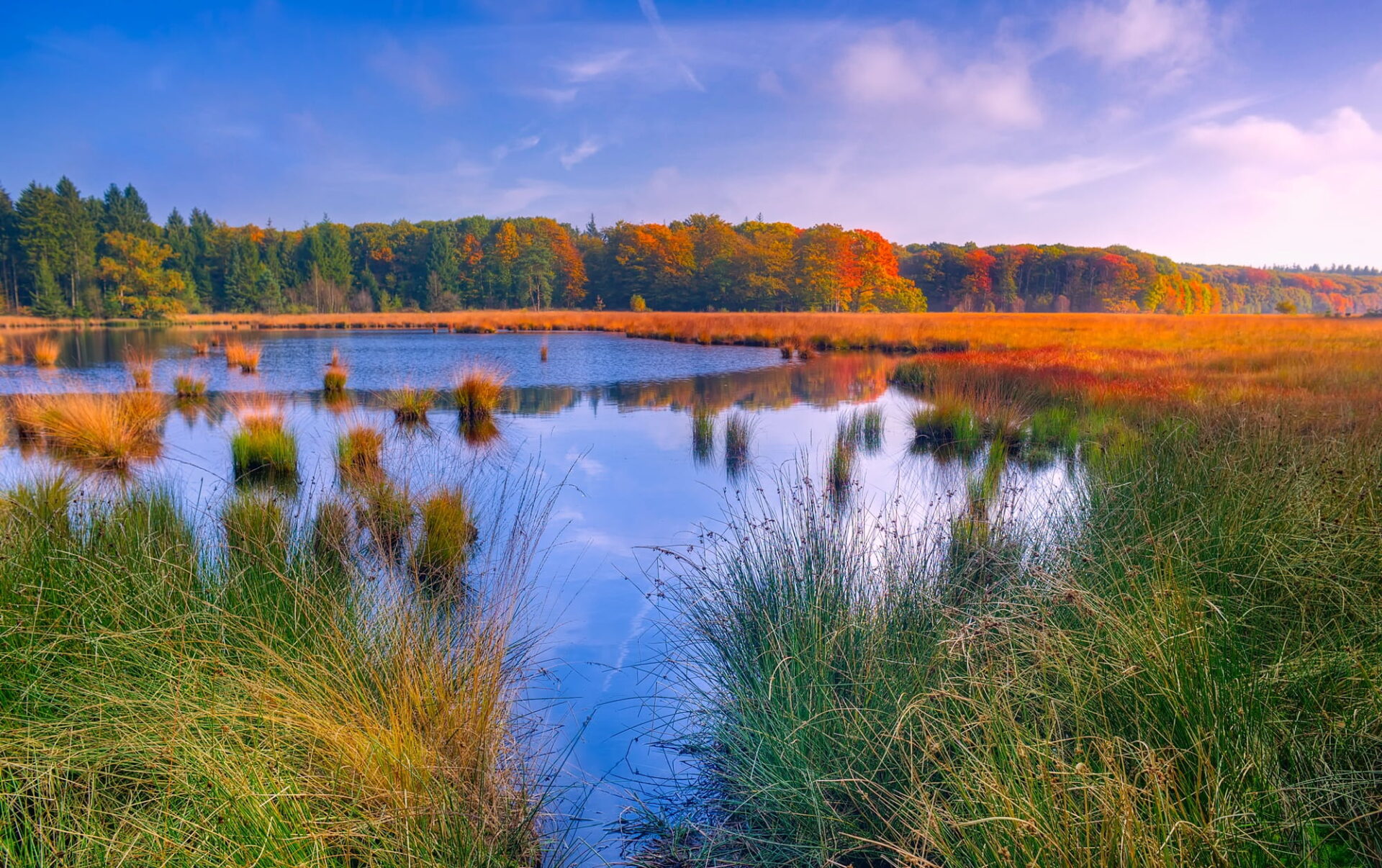
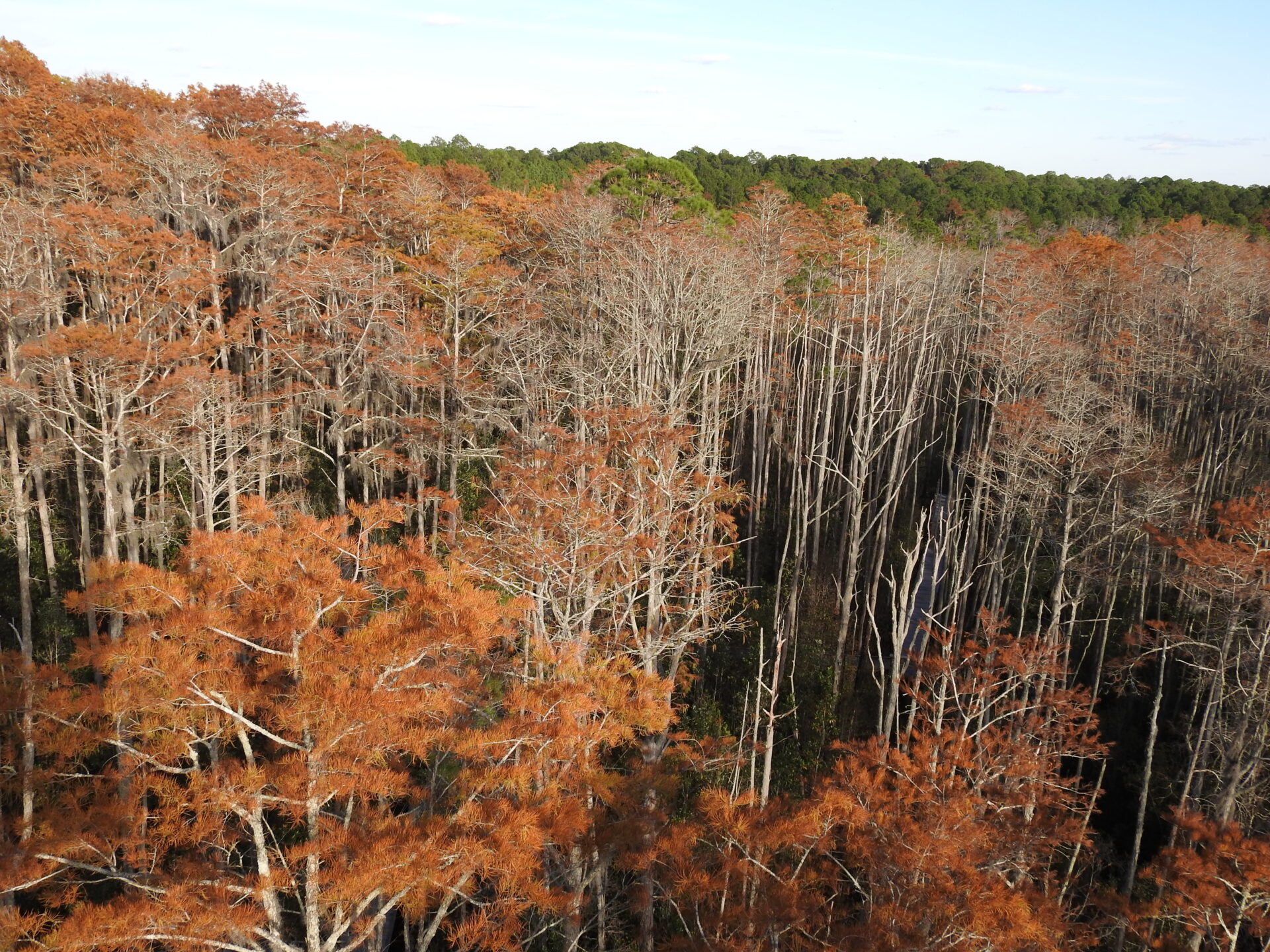
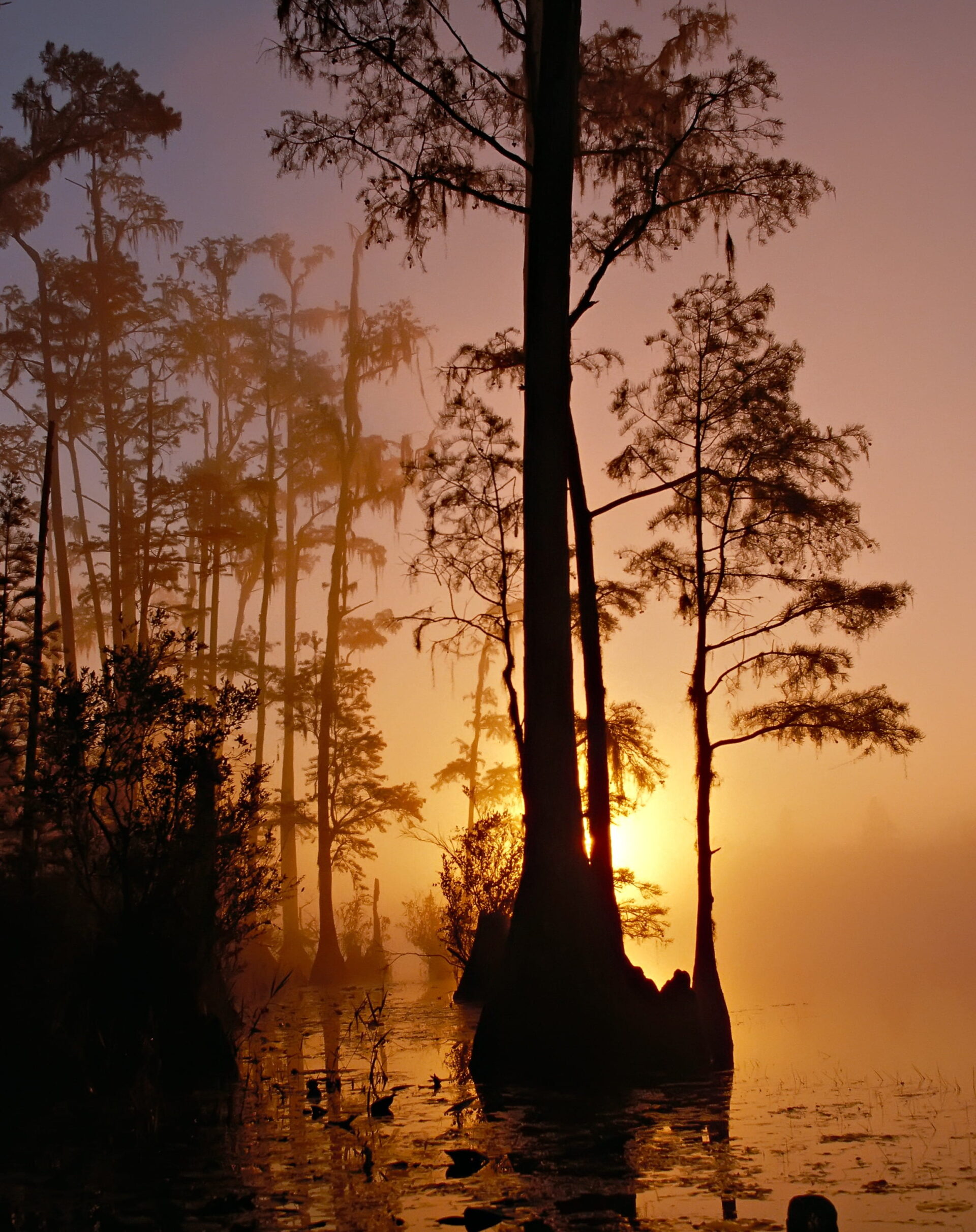
“The property, located in southeastern Georgia and northeastern Florida, protects the Okefenokee Swamp, the largest lowland freshwater peatland in the subtropical zone worldwide and one of the largest and most intact ecosystems within the North American Coastal Plain global biodiversity hotspot. The property comprises a diverse mosaic of wetlands, savannas, and forests shaped by the ongoing interaction of water, fire, vegetation, and wildlife, with alternating fire and rainfall processes driving peat formation, vegetation structure, and biodiversity.
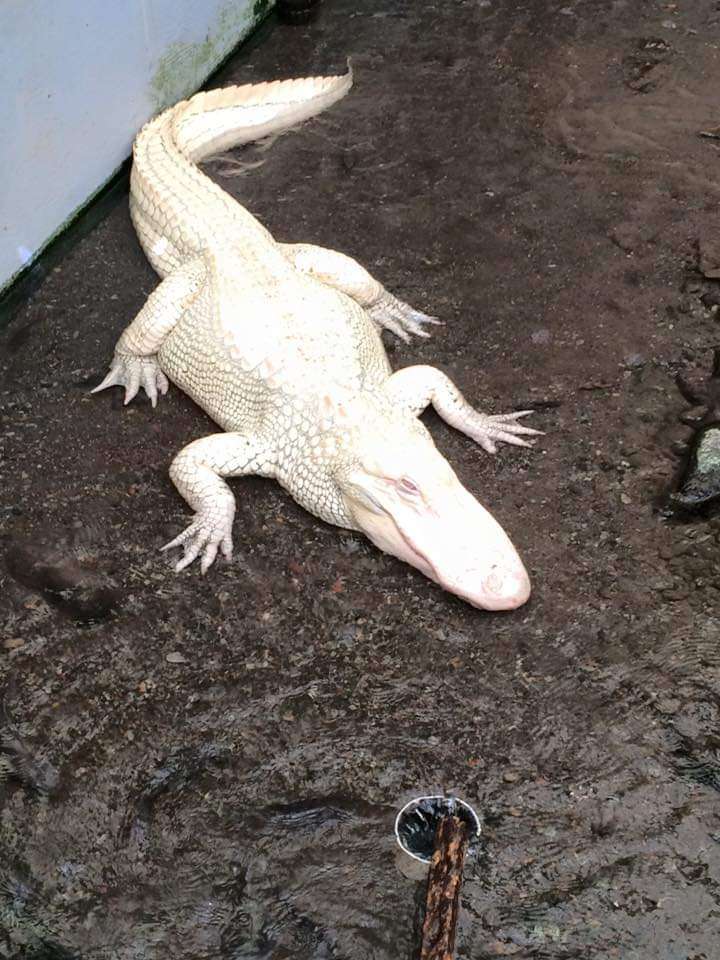
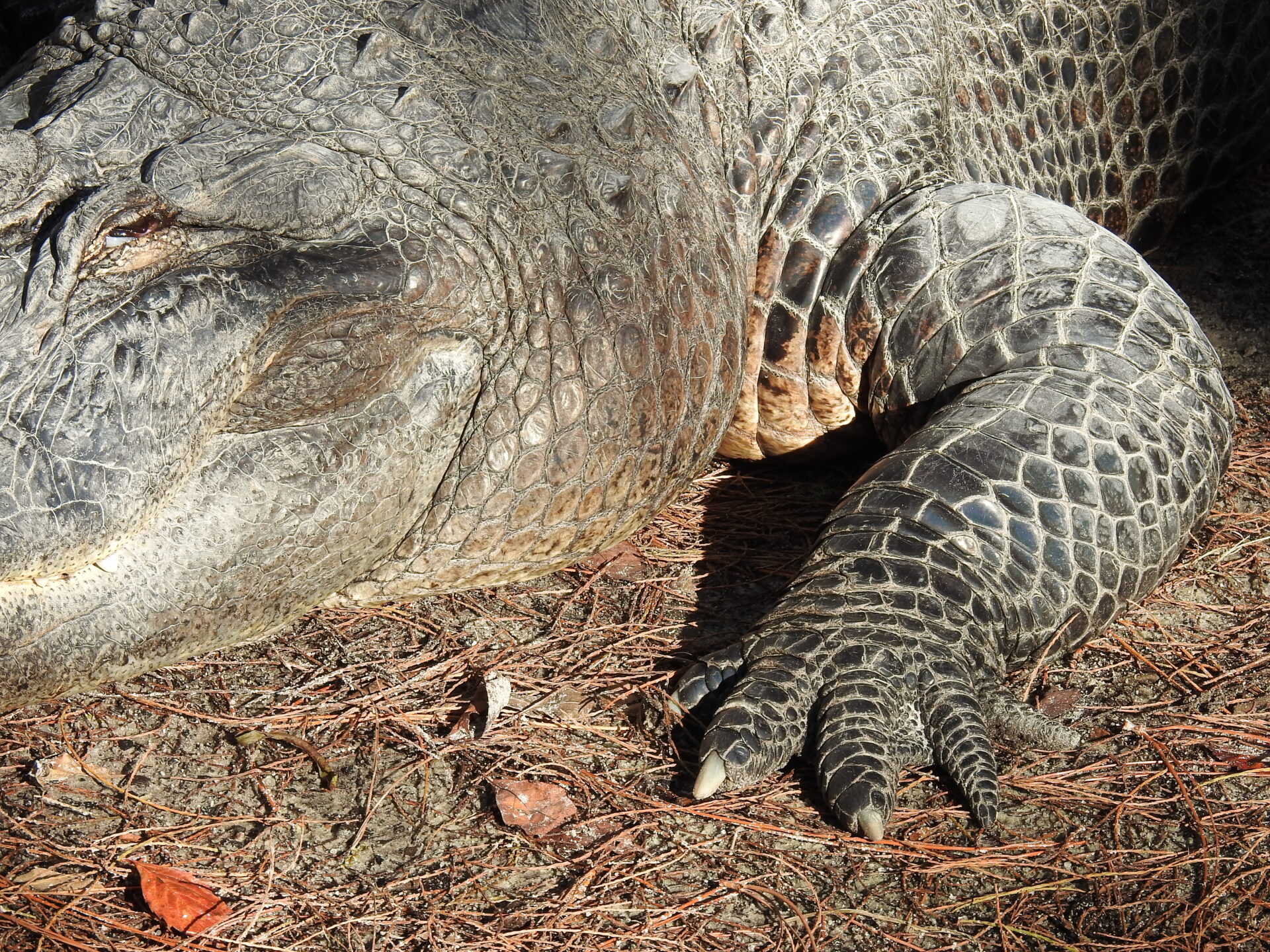
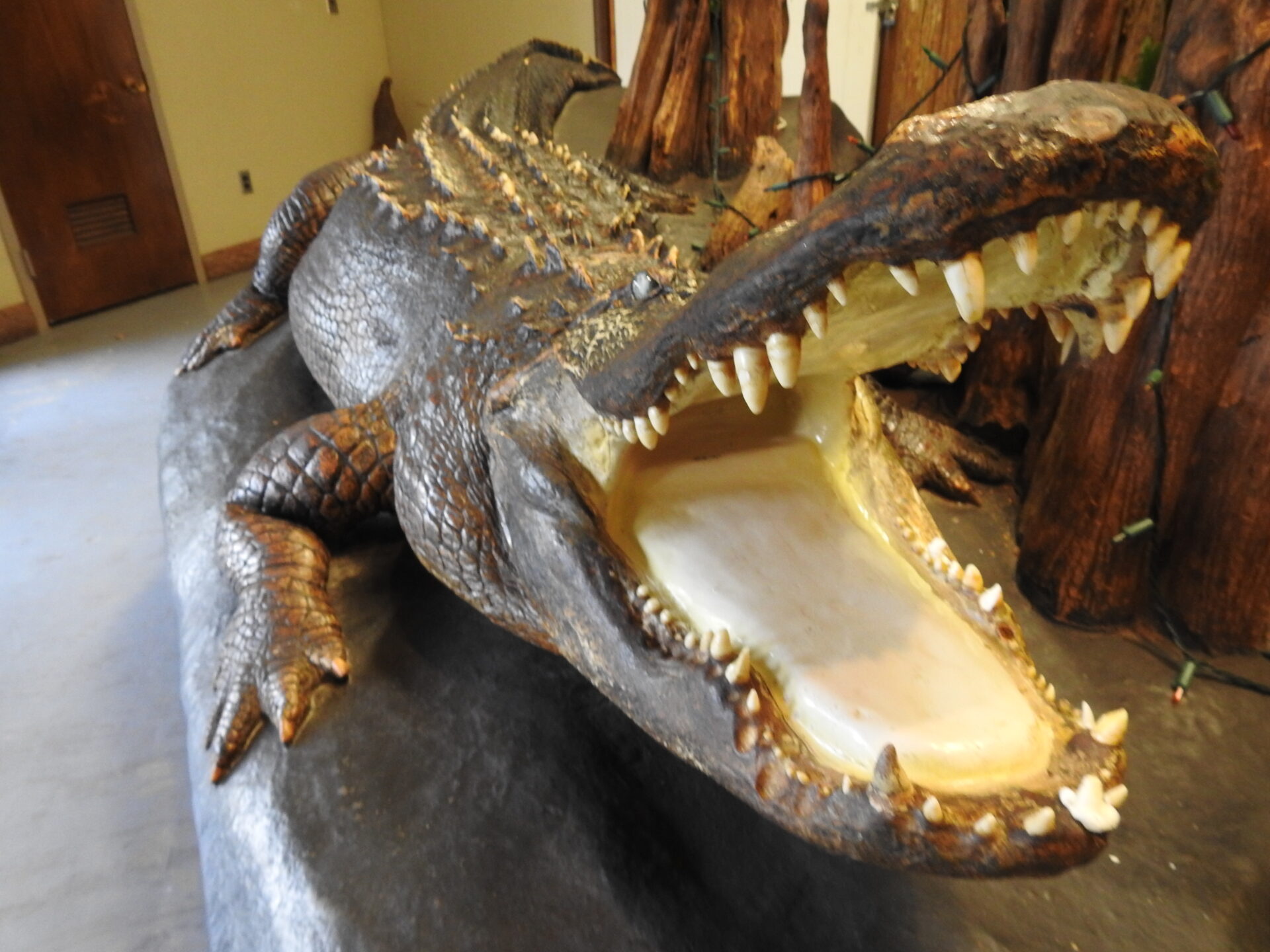
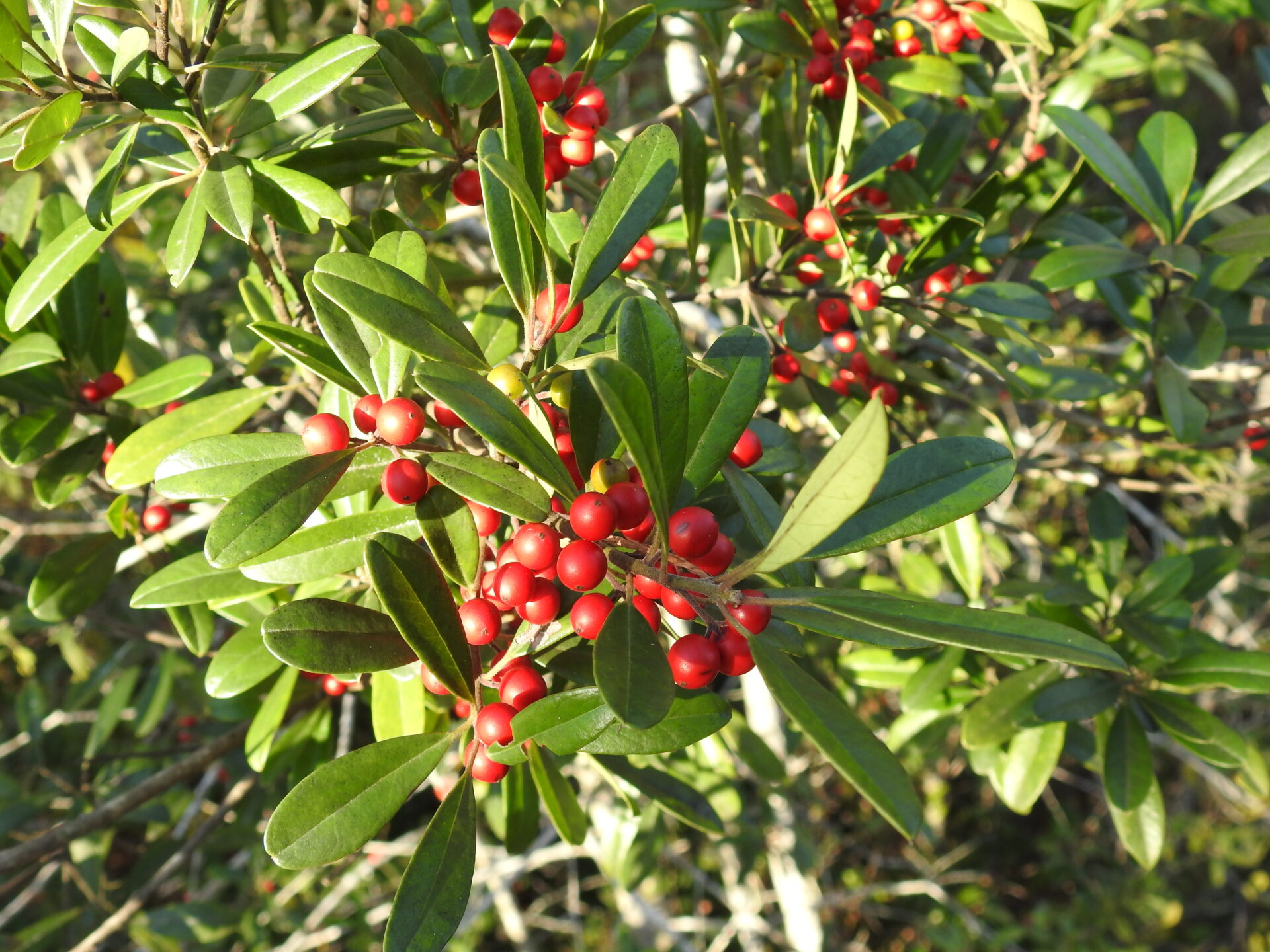
“The site also contains significant areas of endangered Longleaf Pine (Pinus palustris) savanna, of which less than 3% remains, supporting high concentrations of plant species endemic to the region. Its extensive peat deposits provide an important archive of paleo-environmental history and critical carbon storage. The property supports exceptional biodiversity, including at least 856 plant species, 48 mammal species, 238 bird species, 39 fish species, and 90 reptile and amphibian species, and provides important habitat for migratory birds, threatened species, and a significant population of American alligators.”
https://route1views.com/travel/exploring-the-okefenokee-georgias-new-unesco-world-heritage-swamp/
Tentative List:
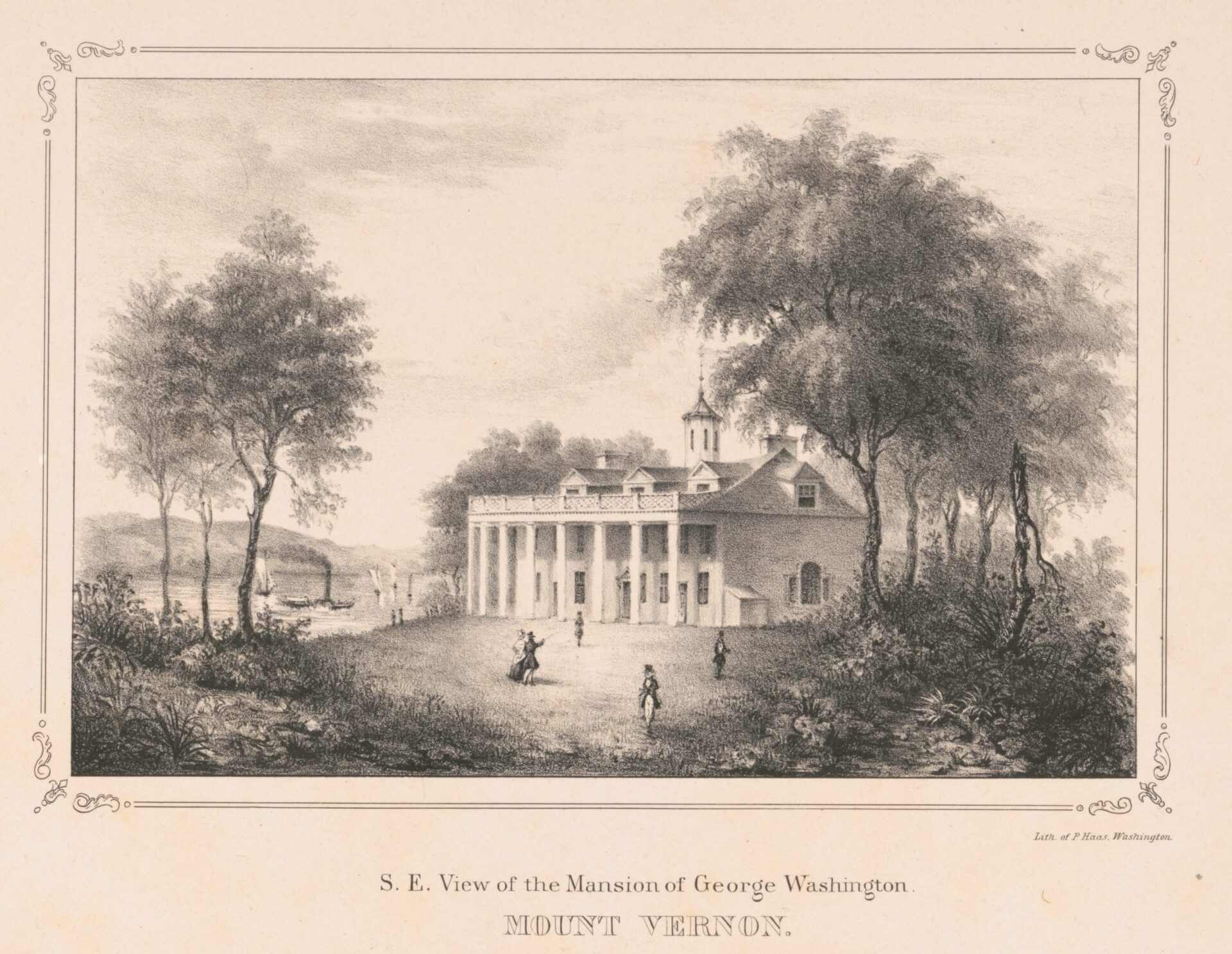
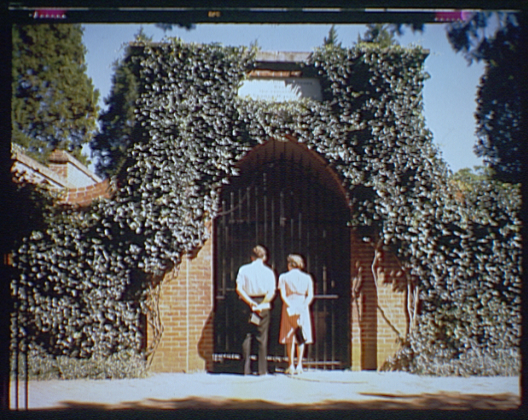
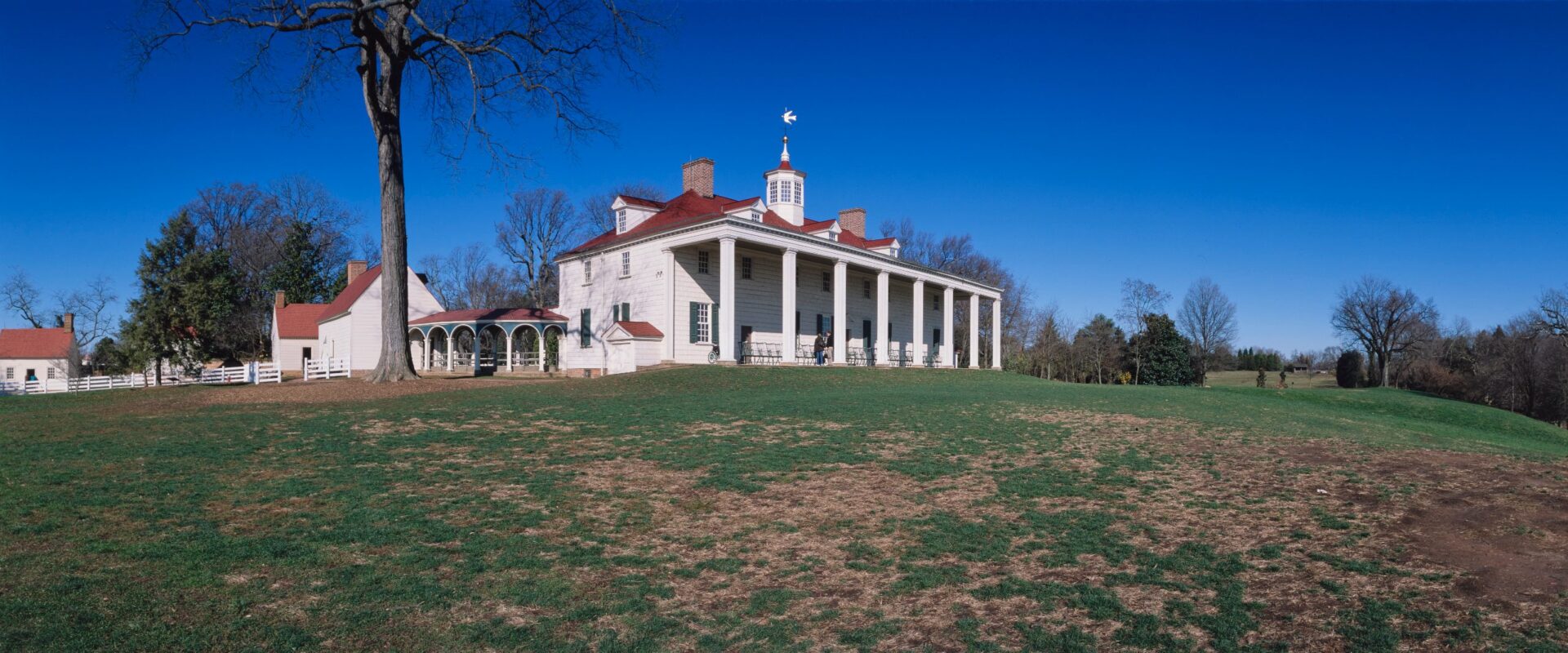
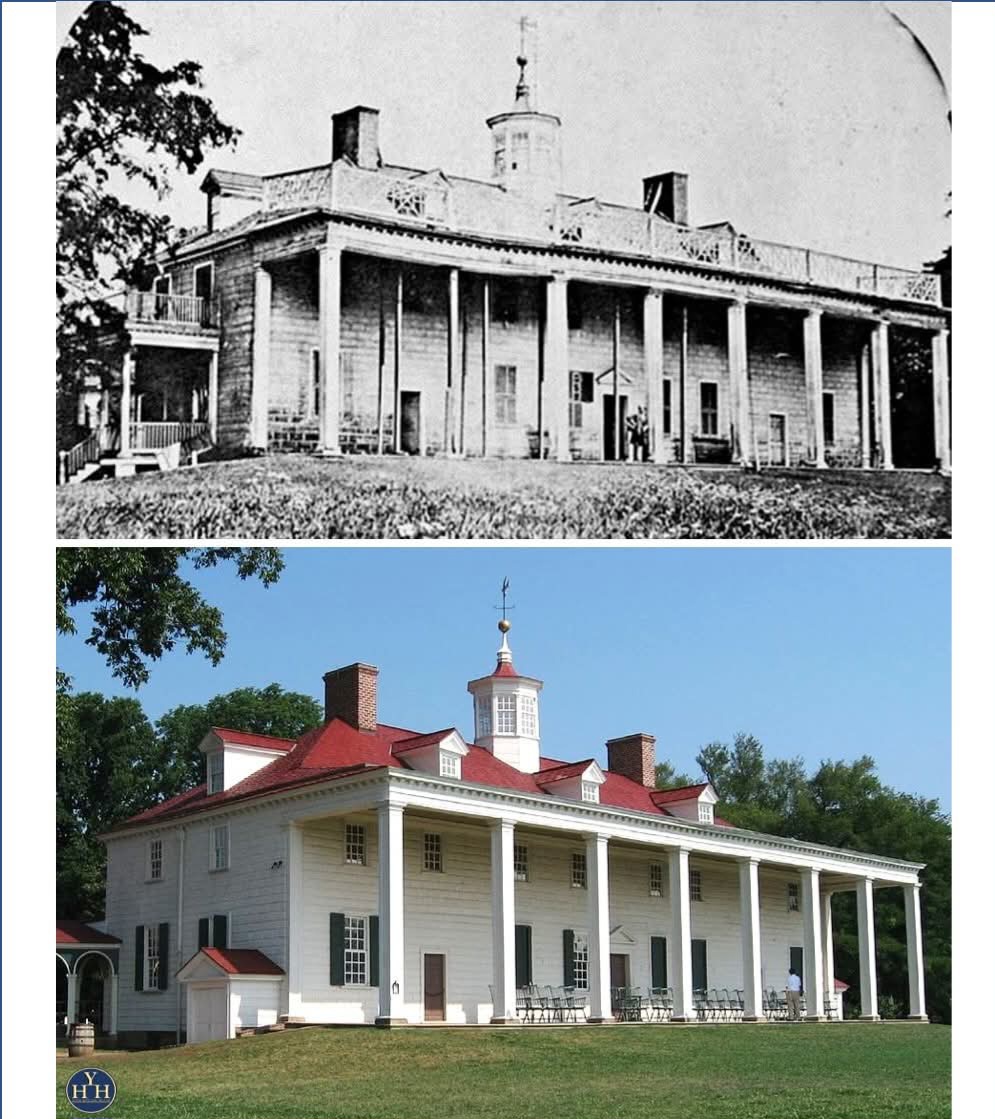
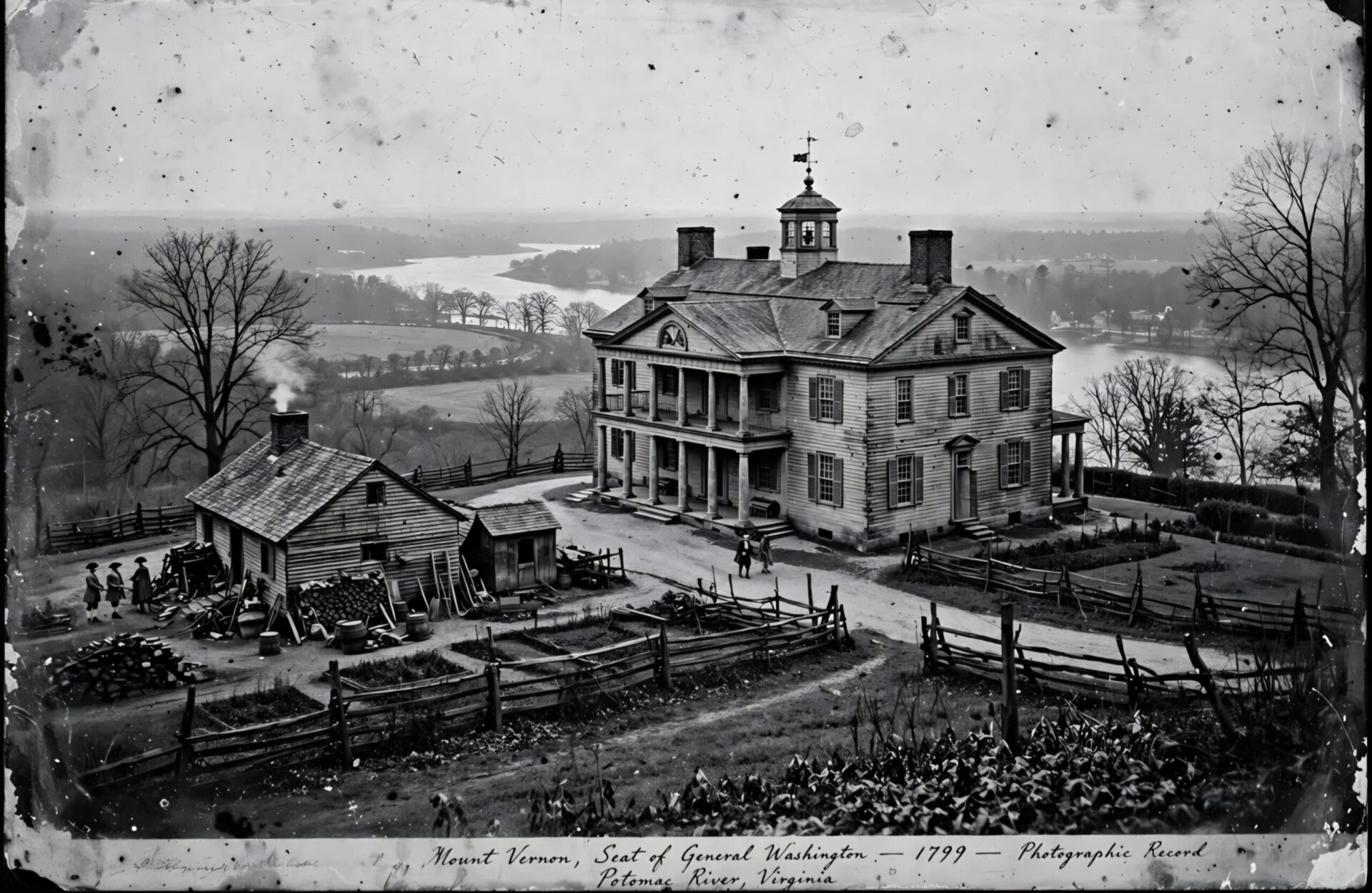
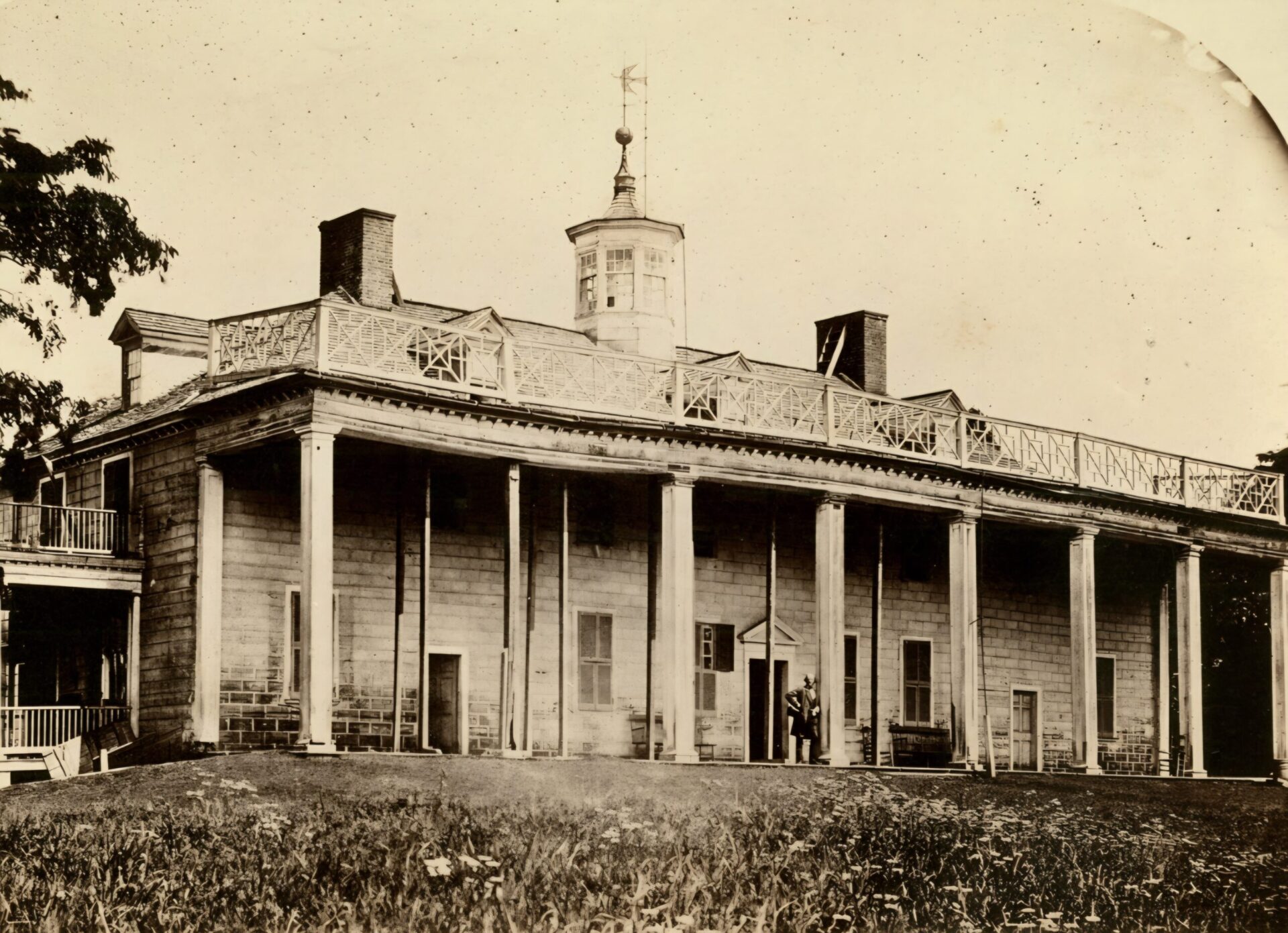
Mount Vernon (nominated 2008)
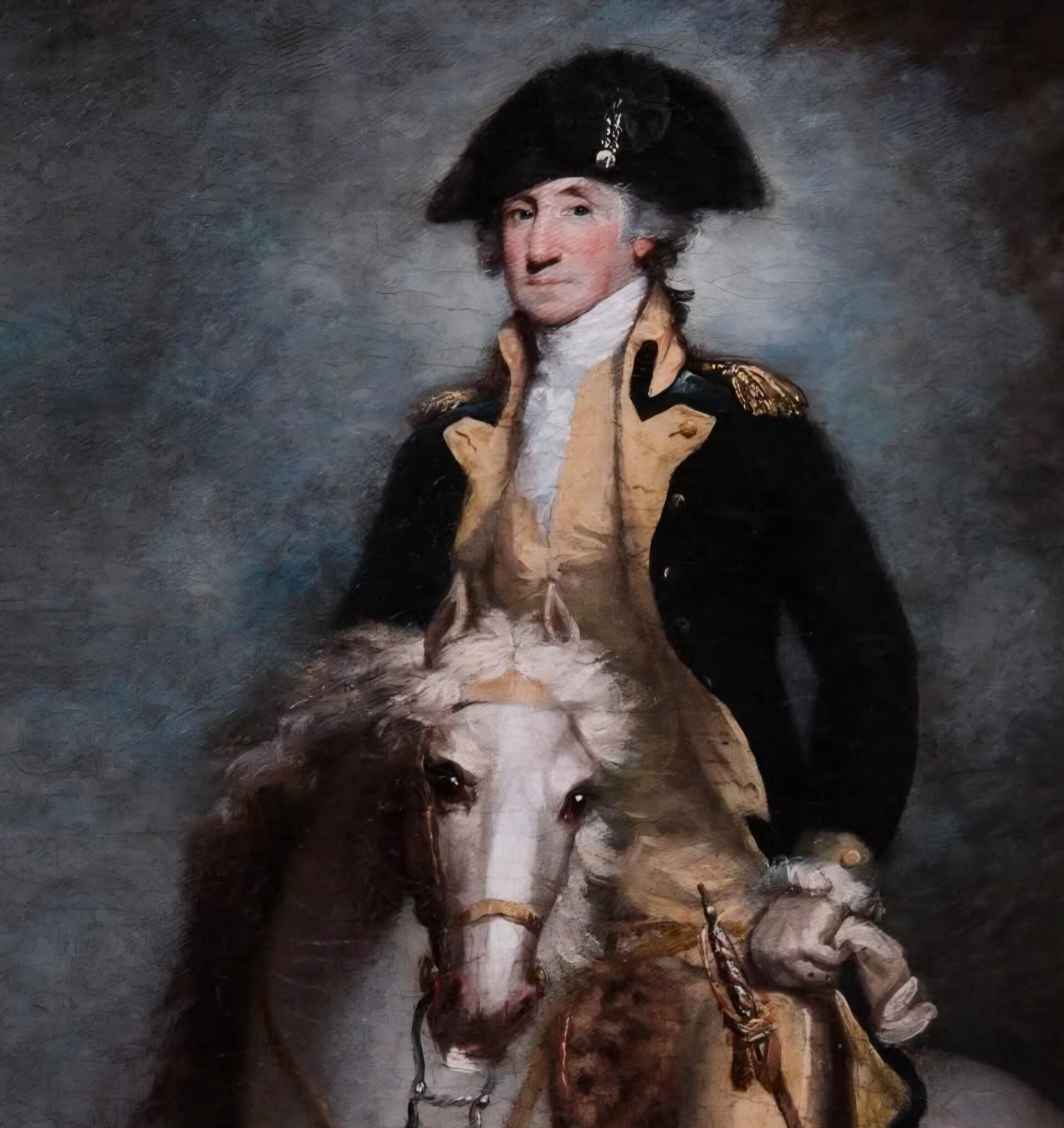
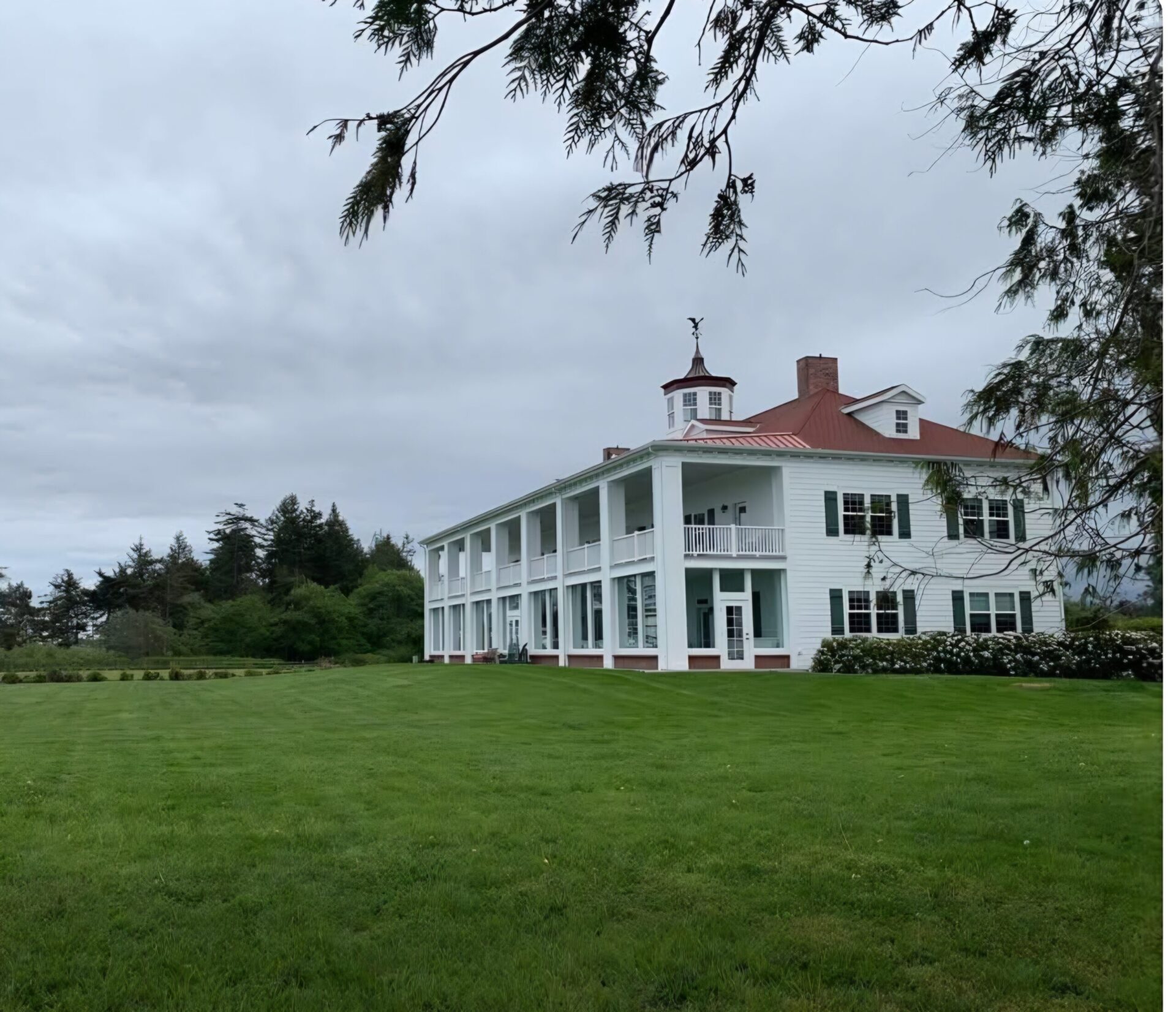
“Mount Vernon is a former plantation and home of George Washington, the first president of the United States. The property comprises 16 structures, including the mansion (pictured), houses for slaves, stables, and storage facilities. The complex represents a well-preserved cultural landscape of the 18th-century American South, inspired by English models”
https://route1views.com/travel/?city=Mount+Vernon
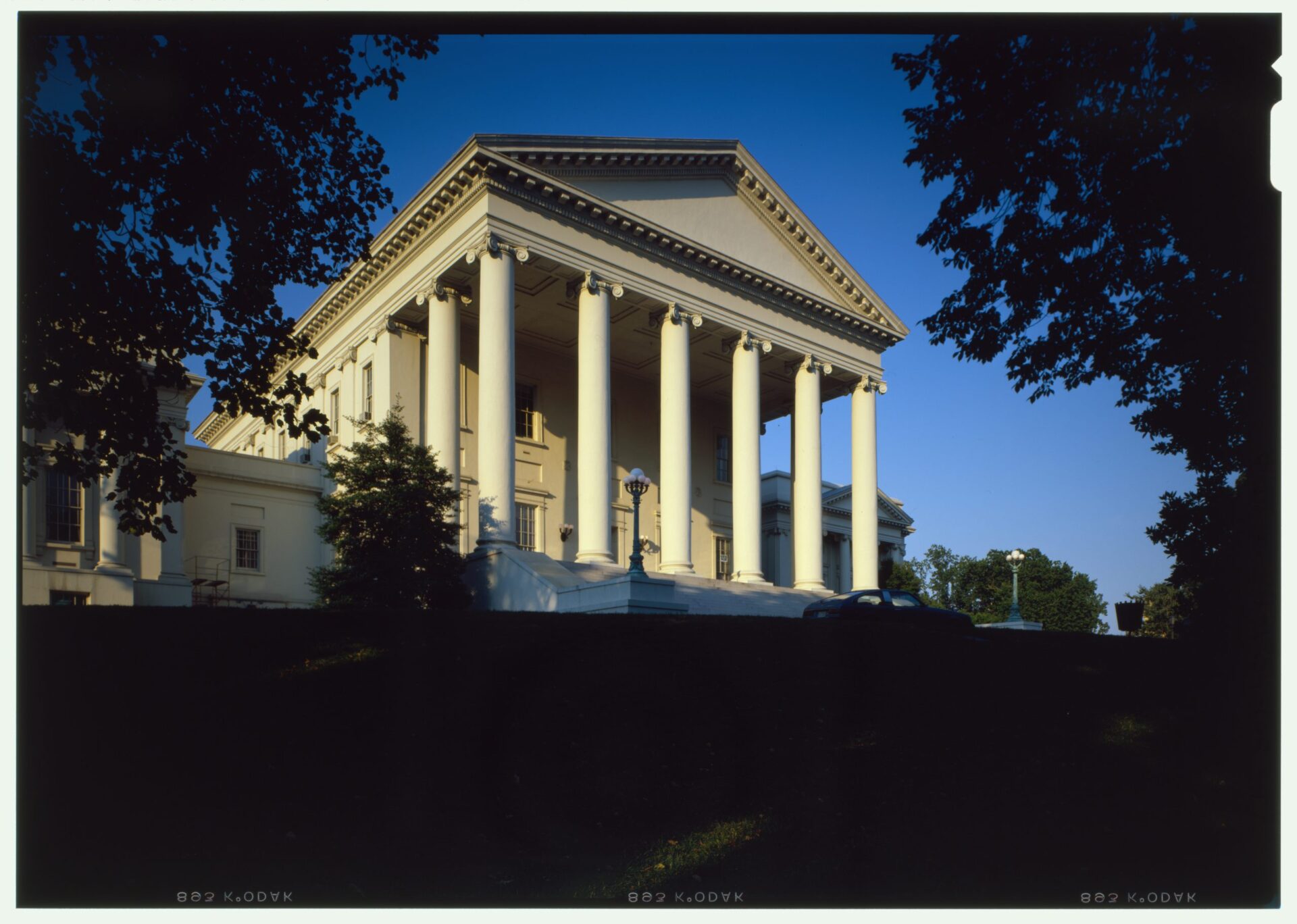
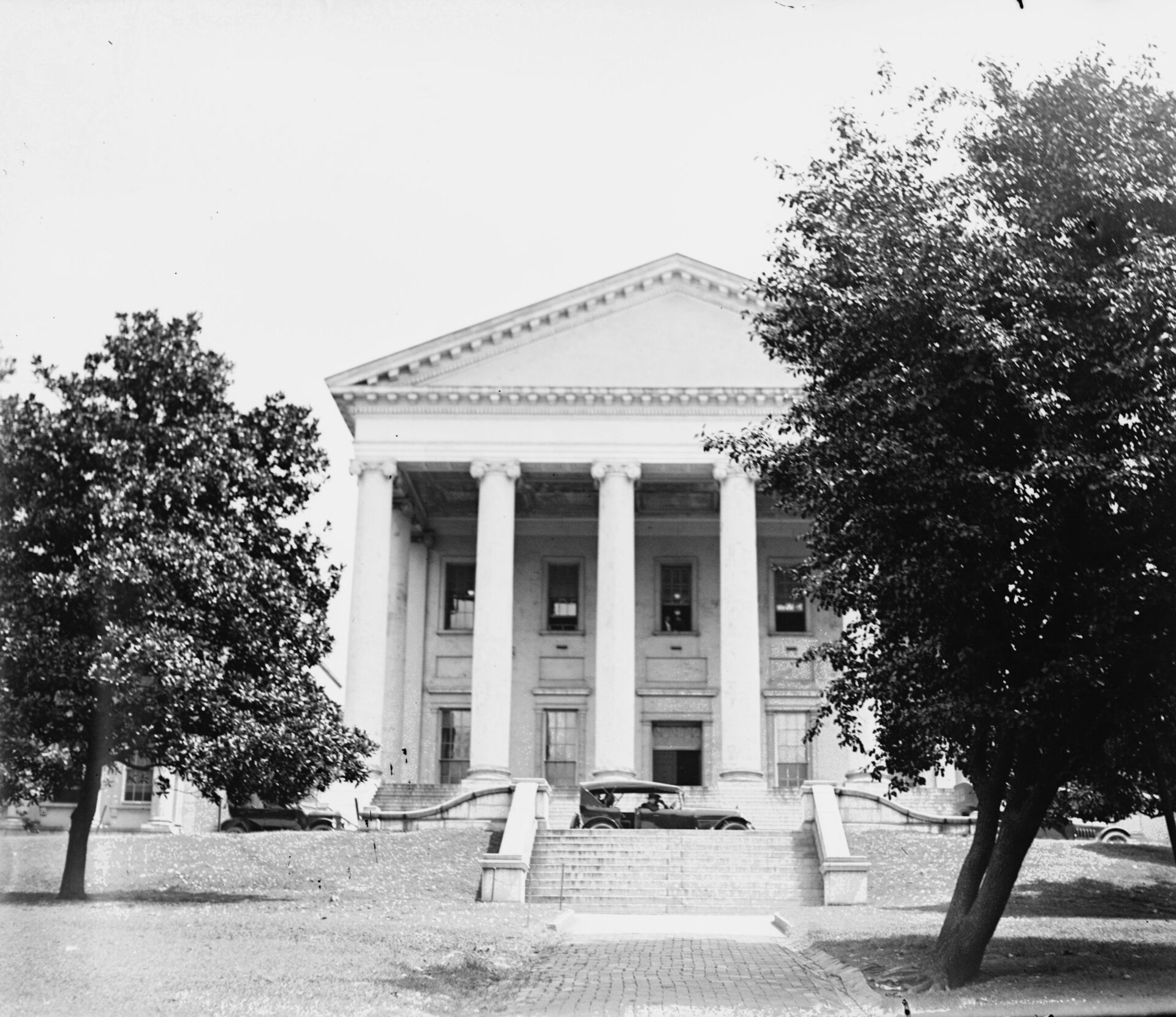
State Capitol, Richmond, VA (nominated 2008)
“This is a proposed extension to the Monticello and the University of Virginia in Charlottesville site, with two buildings designed by Thomas Jefferson. The Poplar Forest, a plantation house in Bedford Co. Virginia, was inspired by the architecture of Andrea Palladio. The Virginia State Capitol in Richmond was inspired by the Maison carrée in Nîmes, France. As an architect, Jefferson was mostly interested in buildings with domestic, educational, and governmental functions.”
https://route1views.com/travel/trolleys-the-civil-war-more-in-richmond-va/
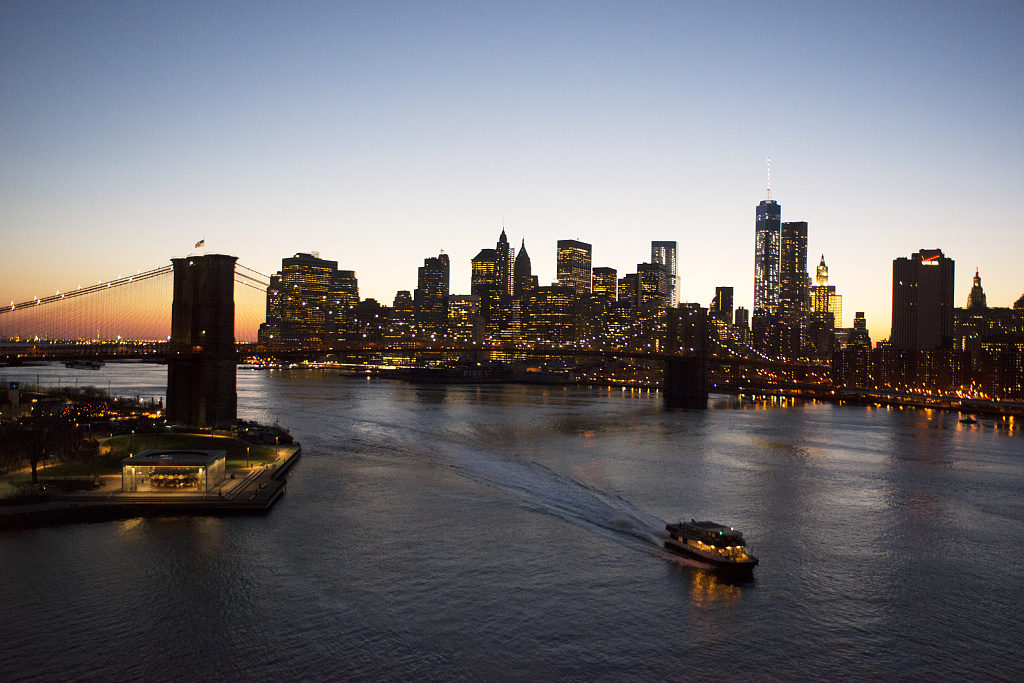
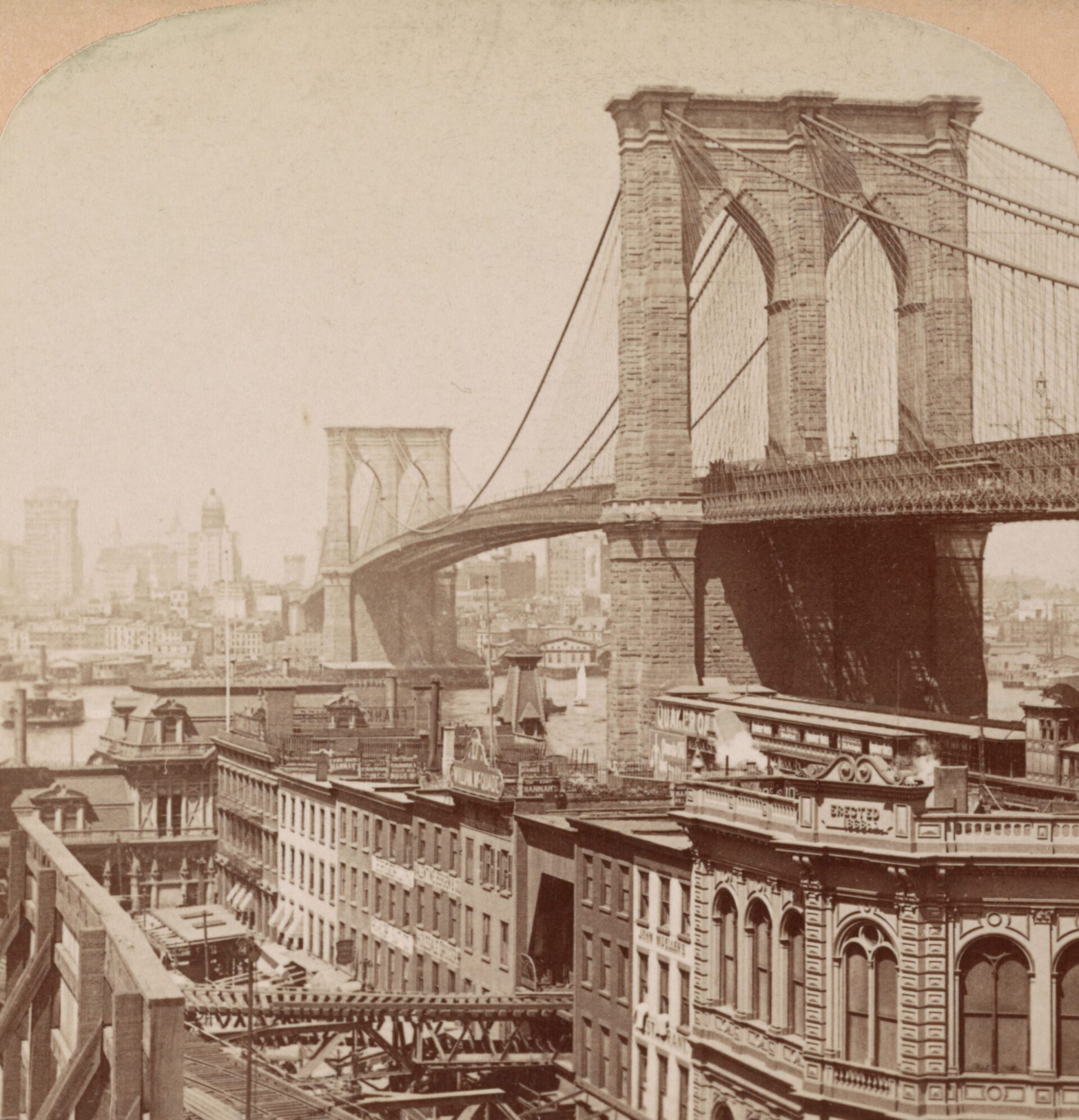
Brooklyn Bridge (nominated 2017)
“The Brooklyn Bridge is a cable-stayed suspension bridge that connects the New York City boroughs of Manhattan and Brooklyn. It was completed in 1883 and represents a milestone in construction of large bridges, with the use of novel materials and technologies, including steel cables and pneumatic caissons. The bridge is one of the symbols of the city and a monument to the development and construction in the second half of the 19th century.”
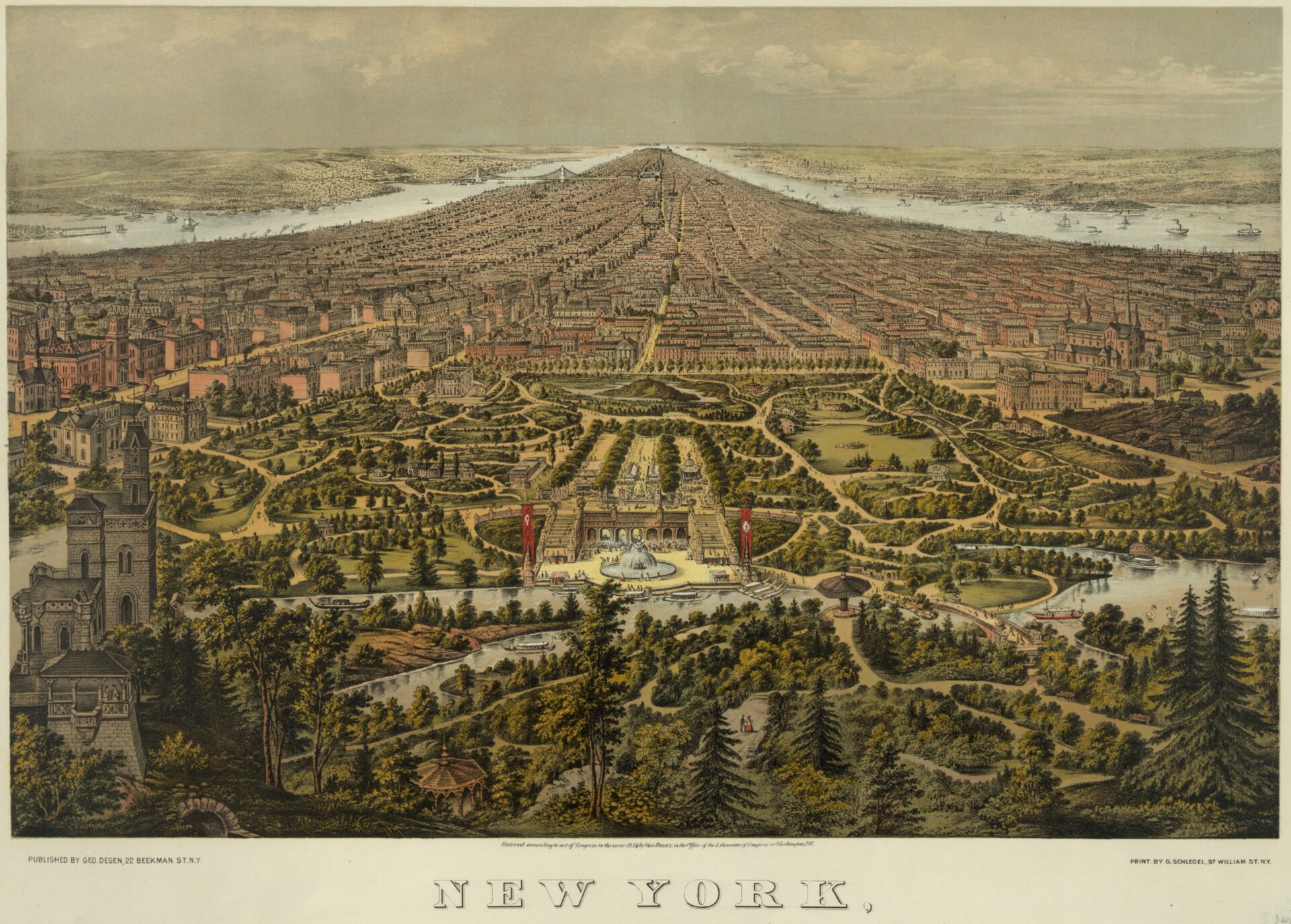
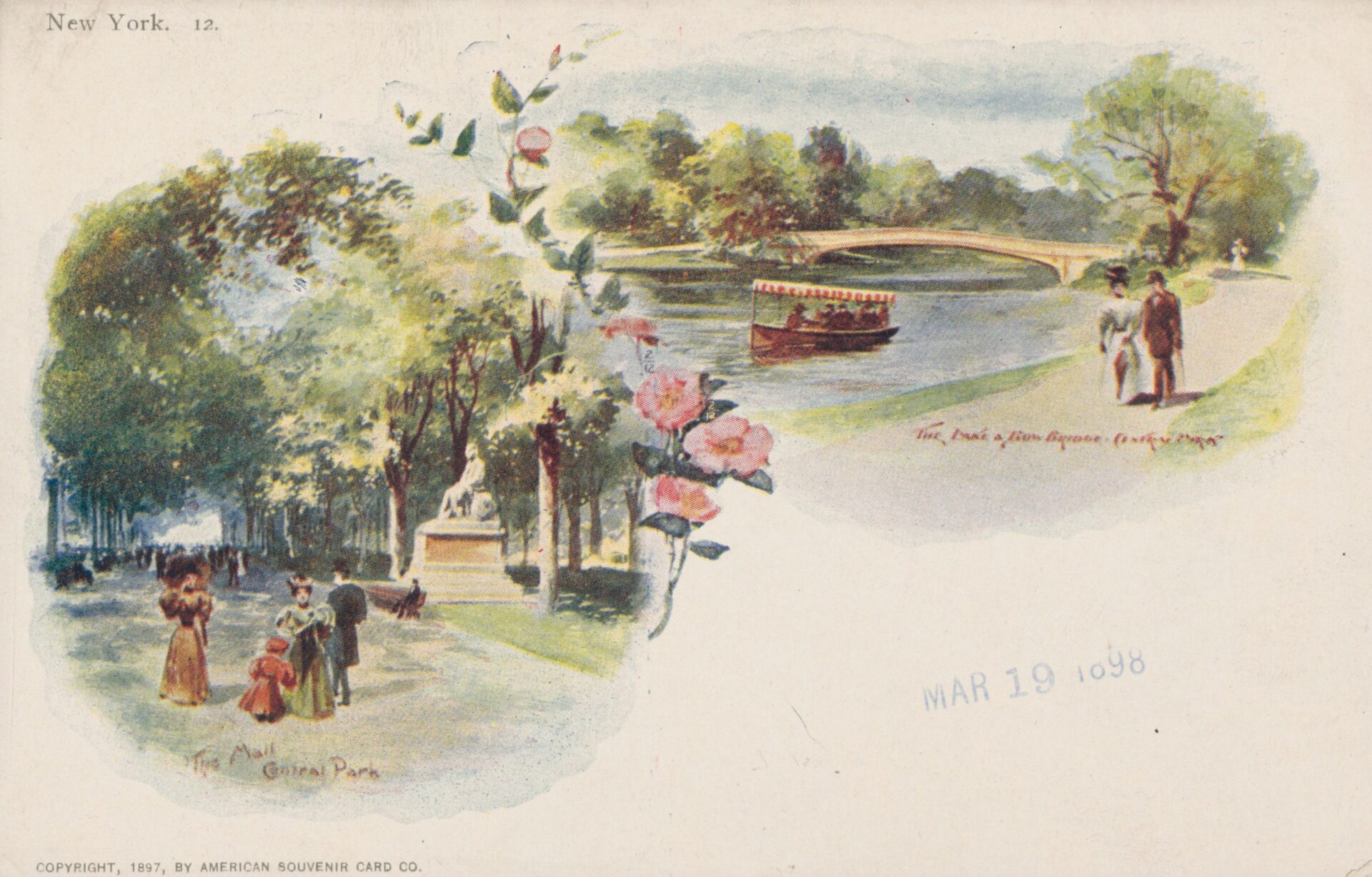
Central Park, NYC (nominated 2017)
“Central Park is a large urban park in the middle of Manhattan. It was designed by landscape architects Frederick Law Olmsted and Calvert Vaux and constructed between 1858 and 1873. The park illustrates the beginning of the movement at the turn of the 20th century to provide access to parks to people living in rapidly expanding and industrializing cities. The design of the park made use of the underlying topography, with wetlands and large rock outcrops, transforming it into a composition of meadows, lakes, and woods. There are also several decorative elements, such as arches, bridges, pavilions, and a castle.”
https://route1views.com/travel/famous-concerts-at-the-great-lawn-of-central-park/
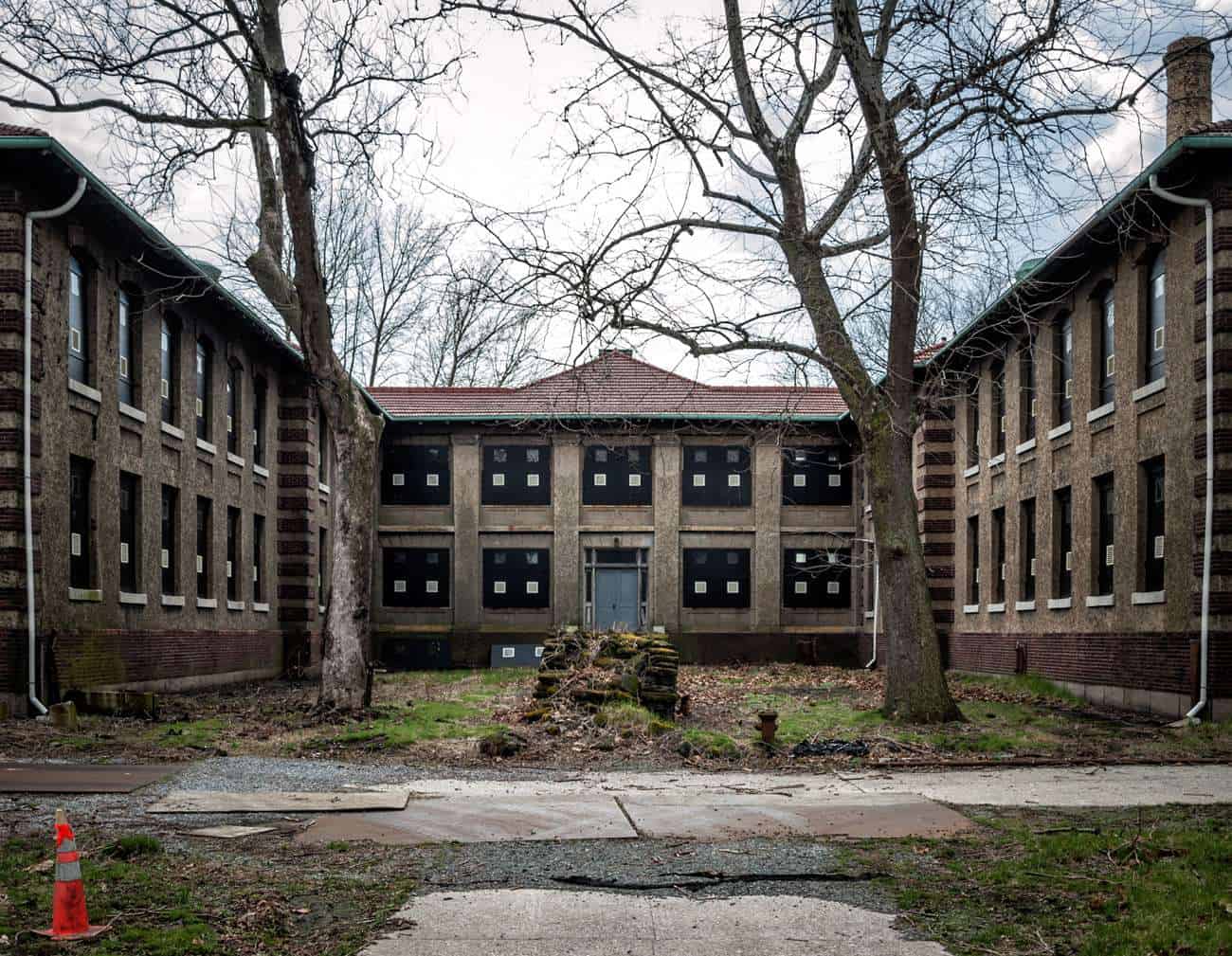
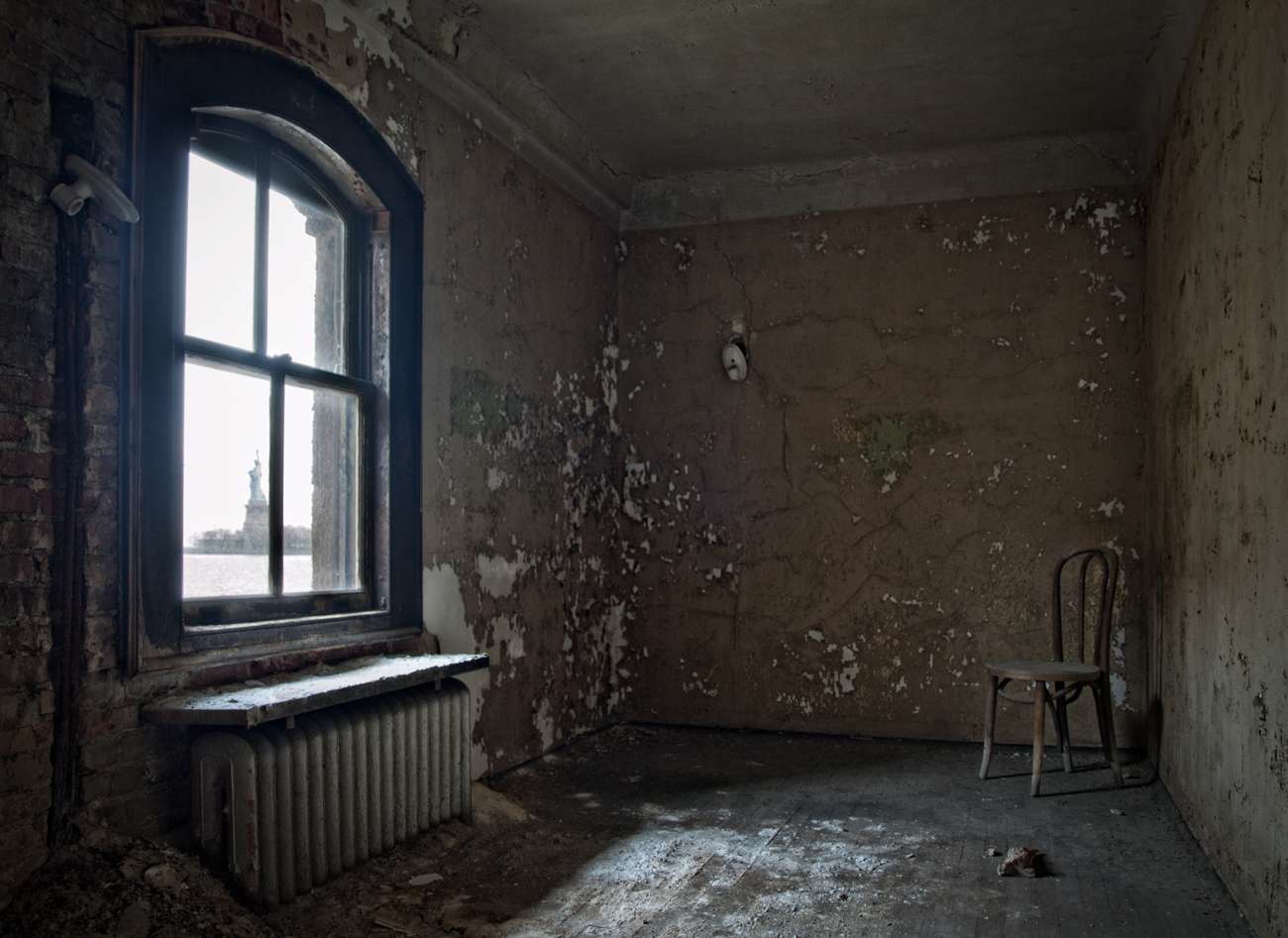
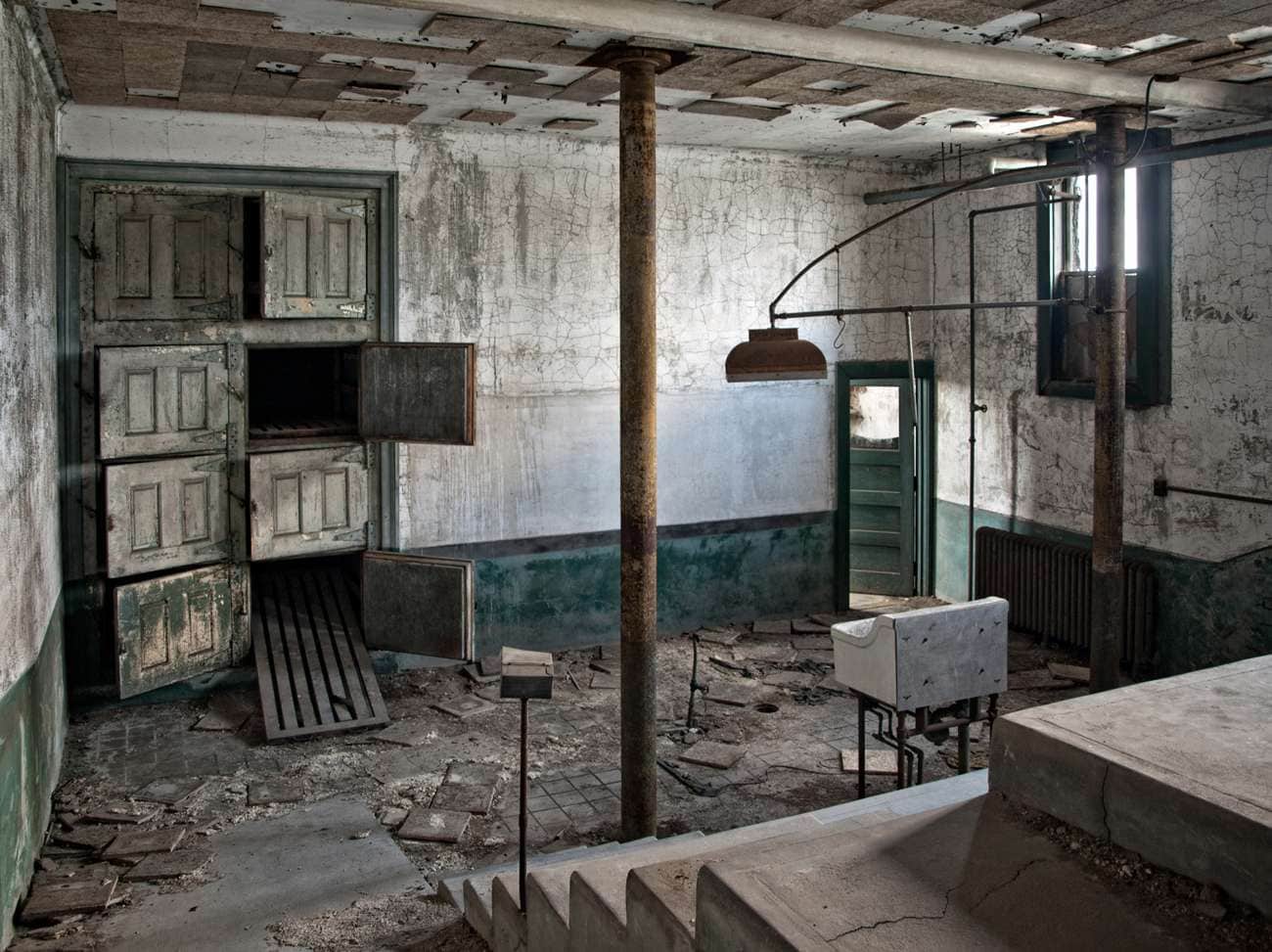
Ellis Island (nominated 2017)
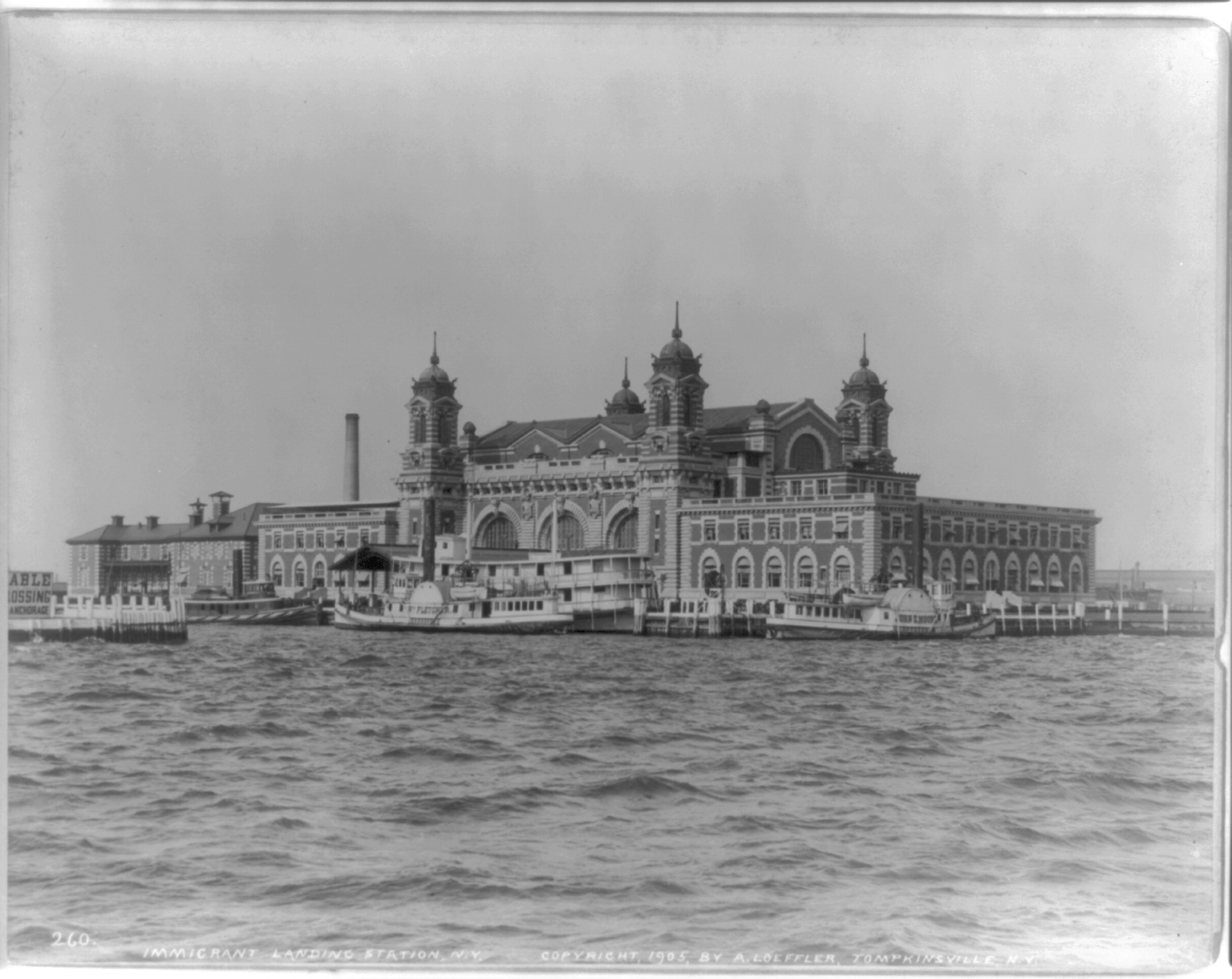
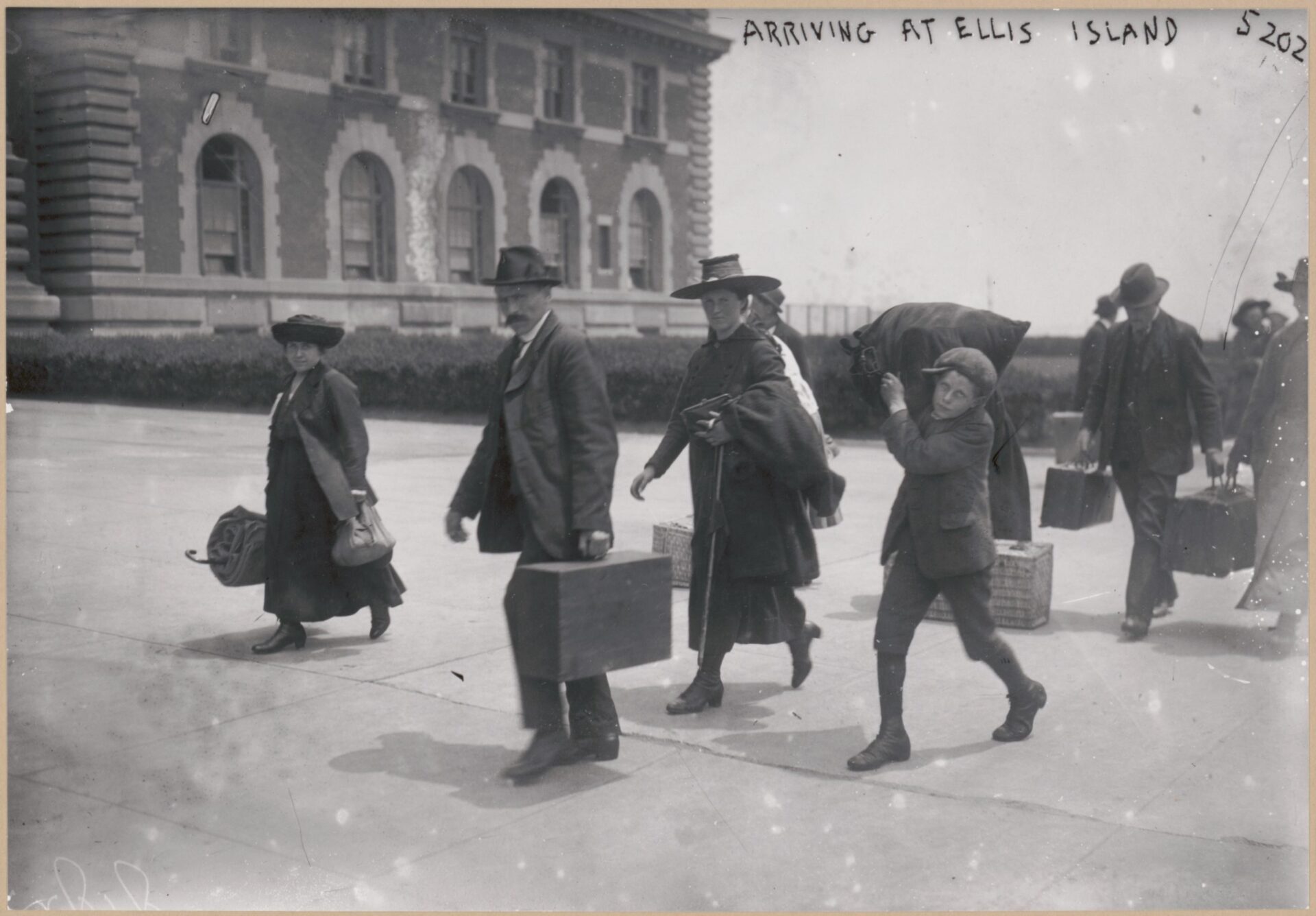
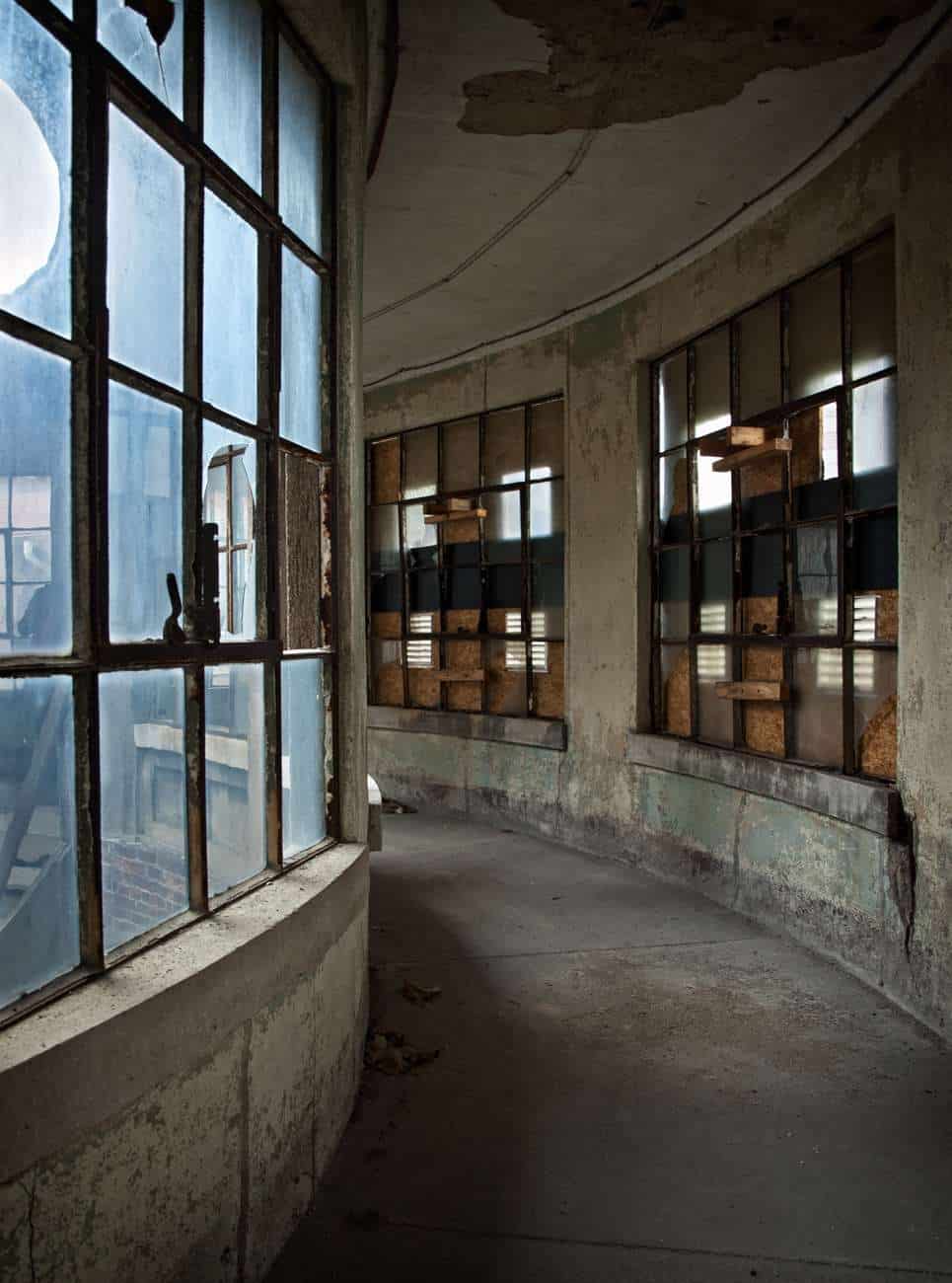
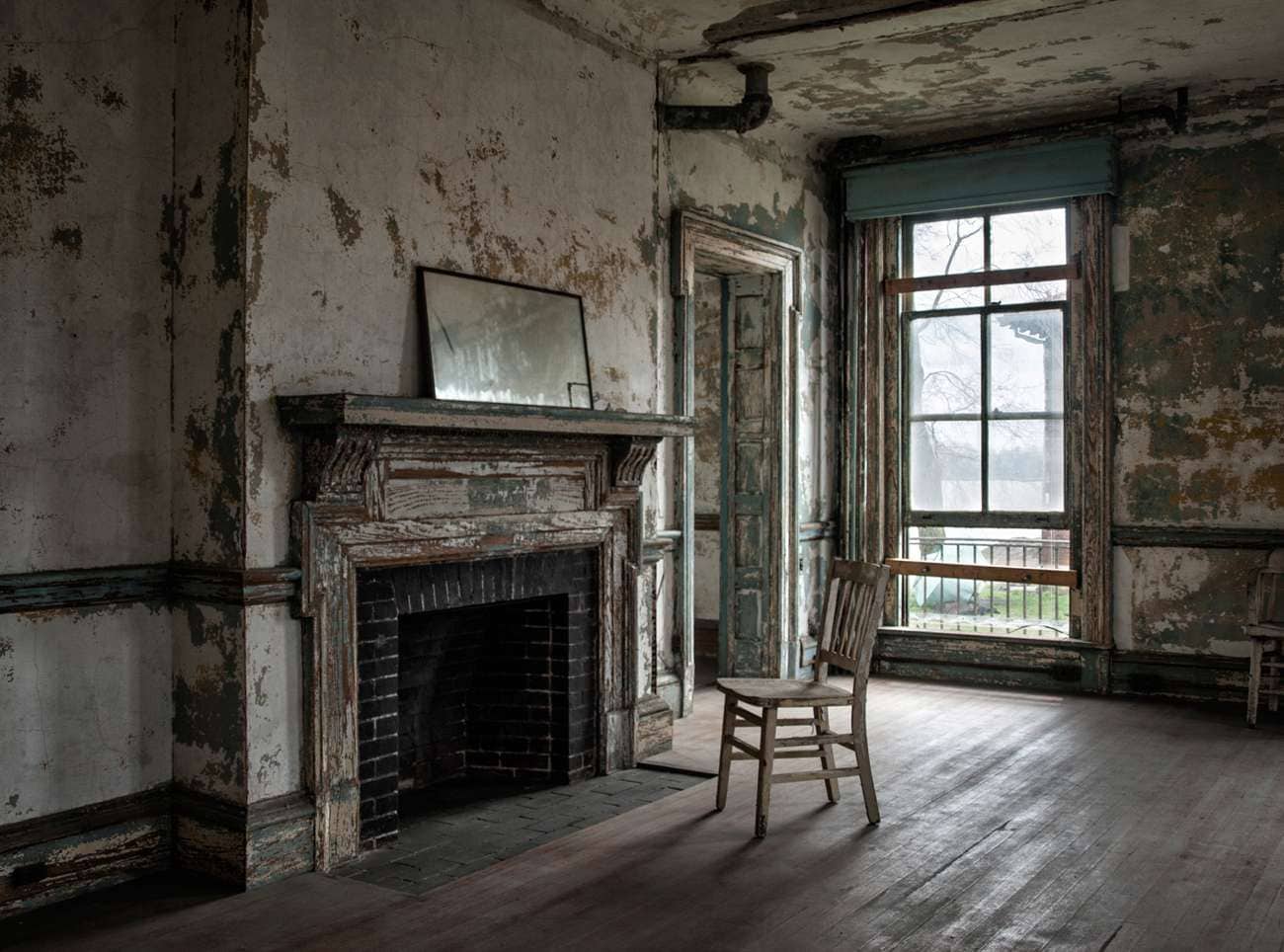
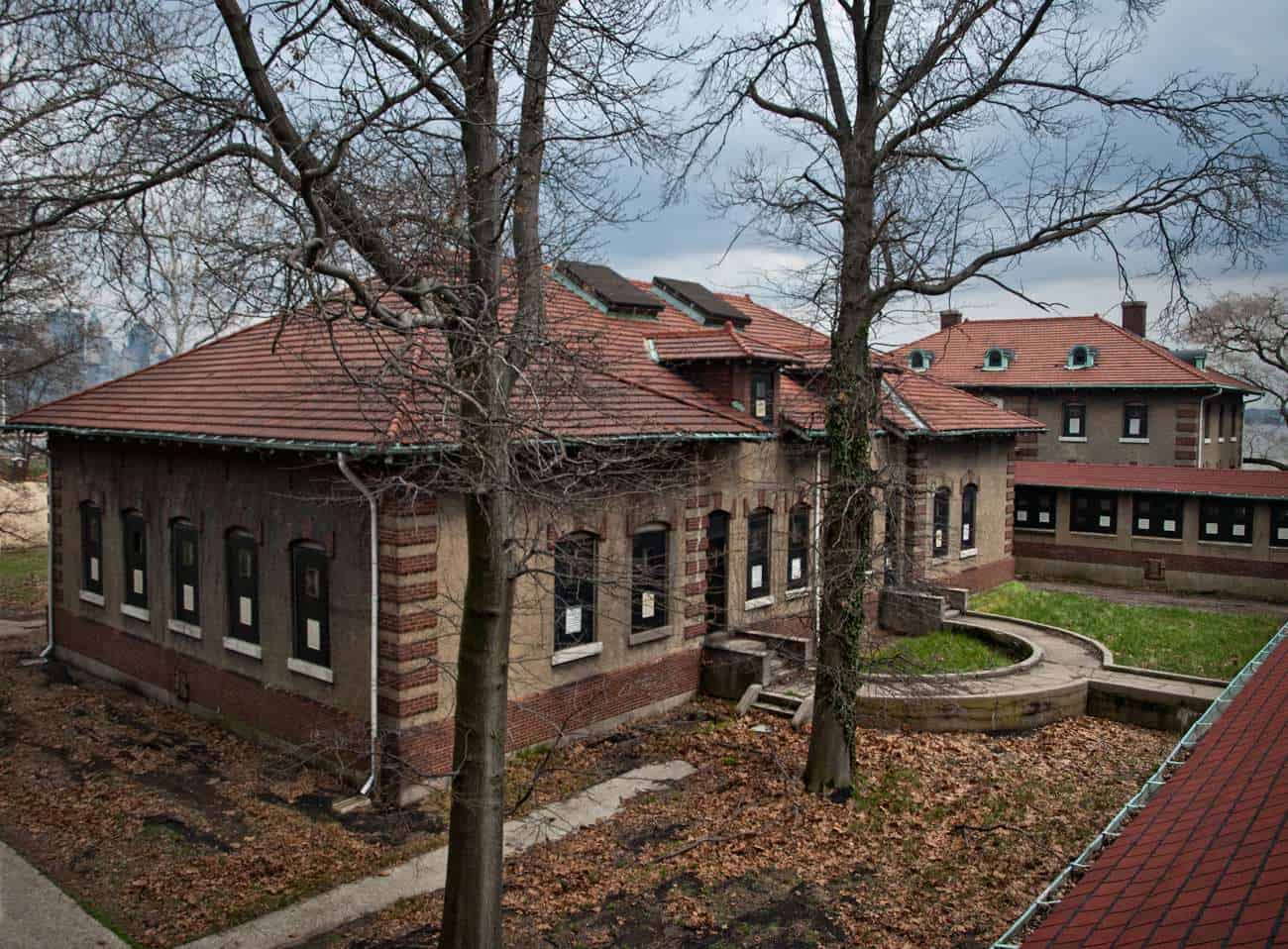
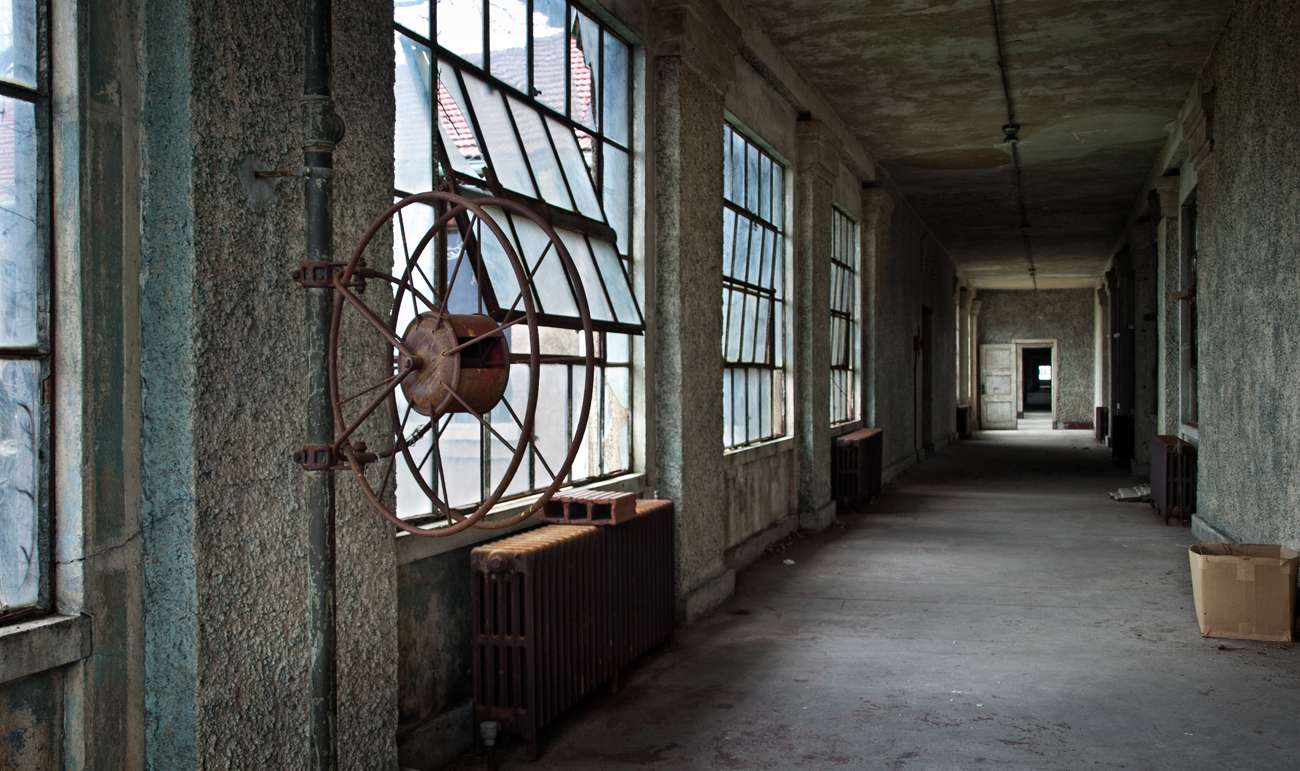
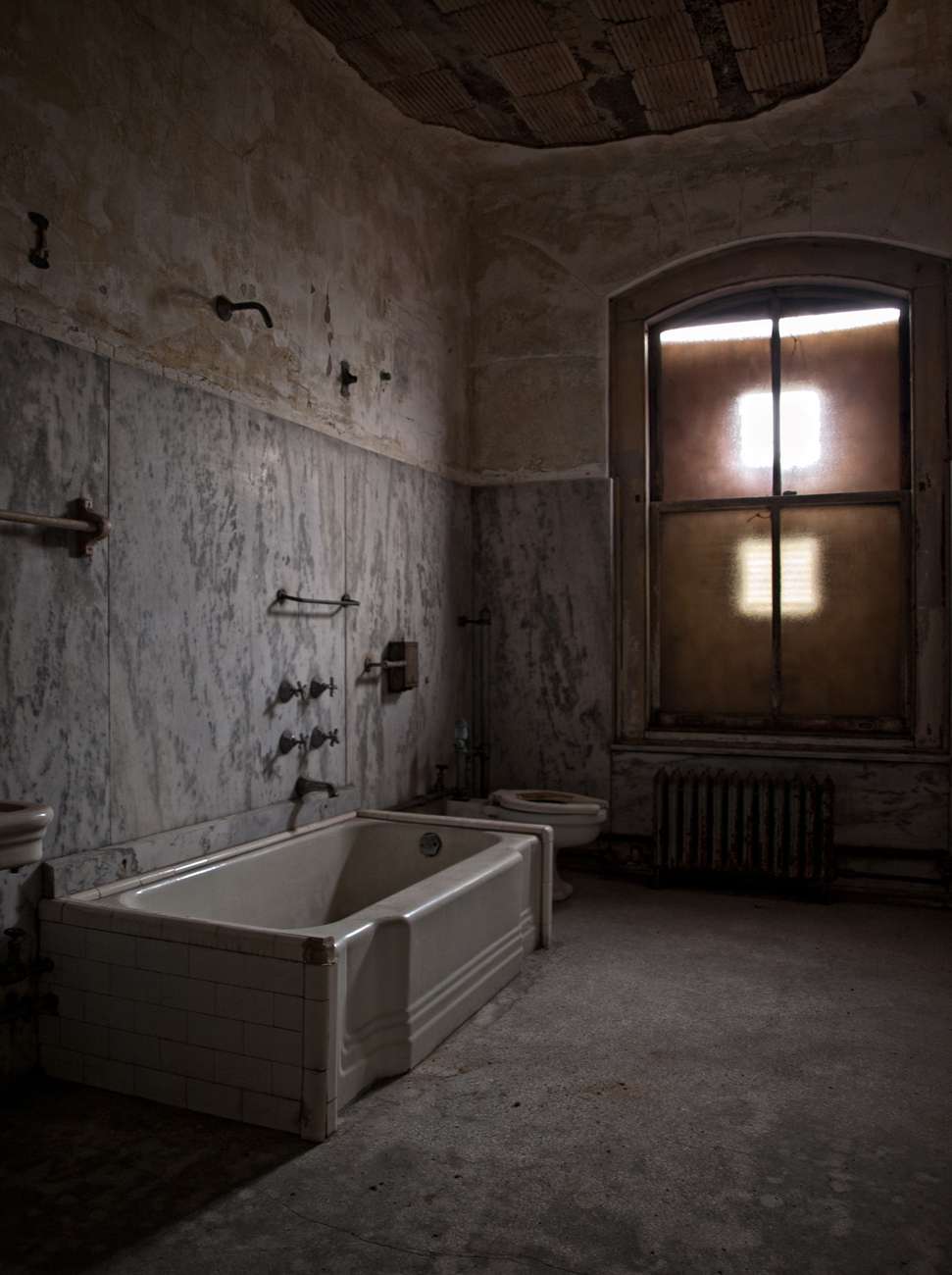
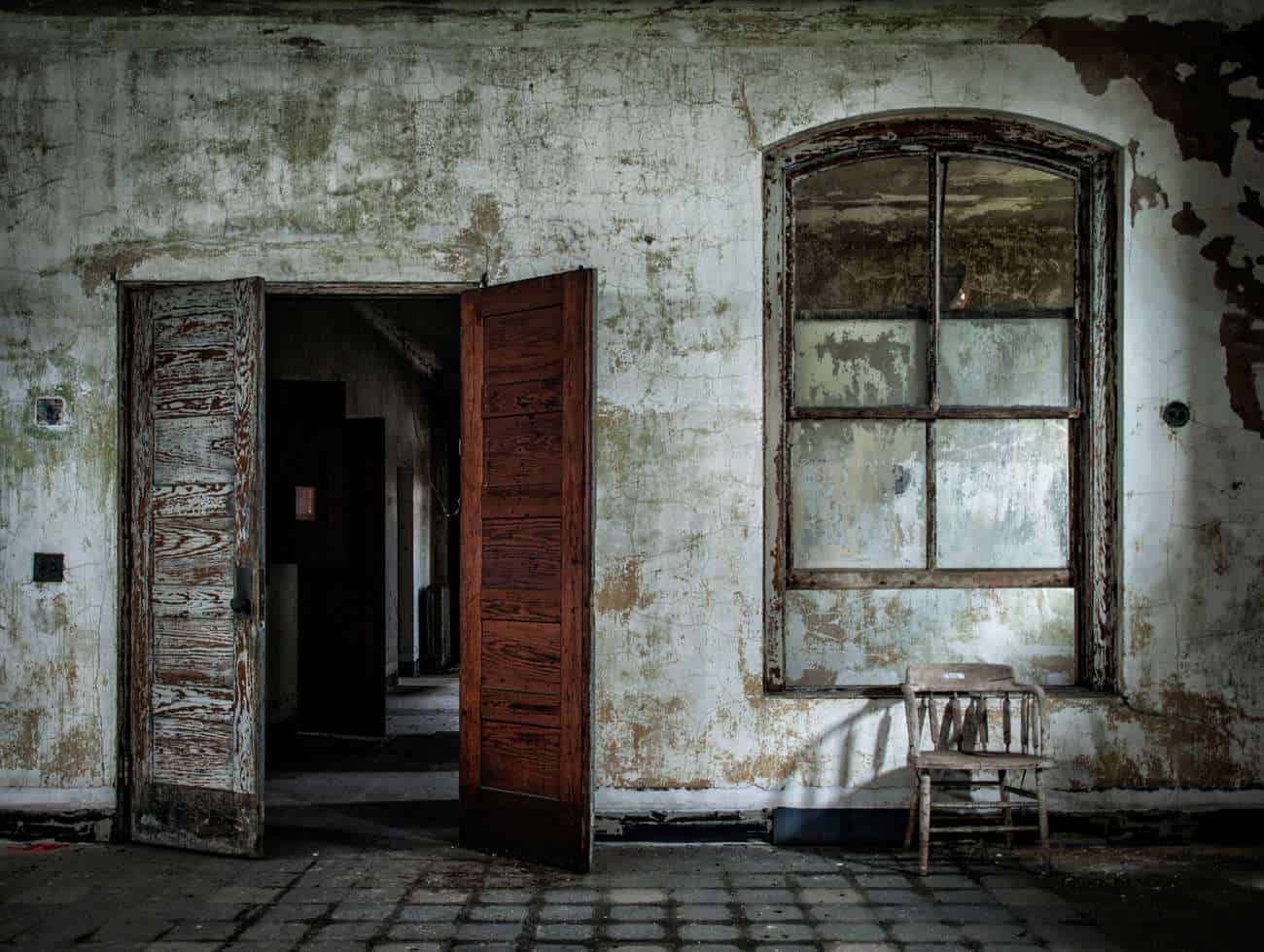
“Ellis Island is a small island in New York Harbor that served as the main entry point for millions of voluntary immigrants, mostly from Europe, entering the United States in the second half of 19th and early 20th century. The Main Building now houses the museum of immigration. Other buildings in the complex include the kitchen and laundry building, the bakery and carpentry shop, the baggage and dormitory building, the main hospital, and the contagious disease complex.”
https://route1views.com/travel/ellis-island-immigrant-hospital/














 Continue with Google