

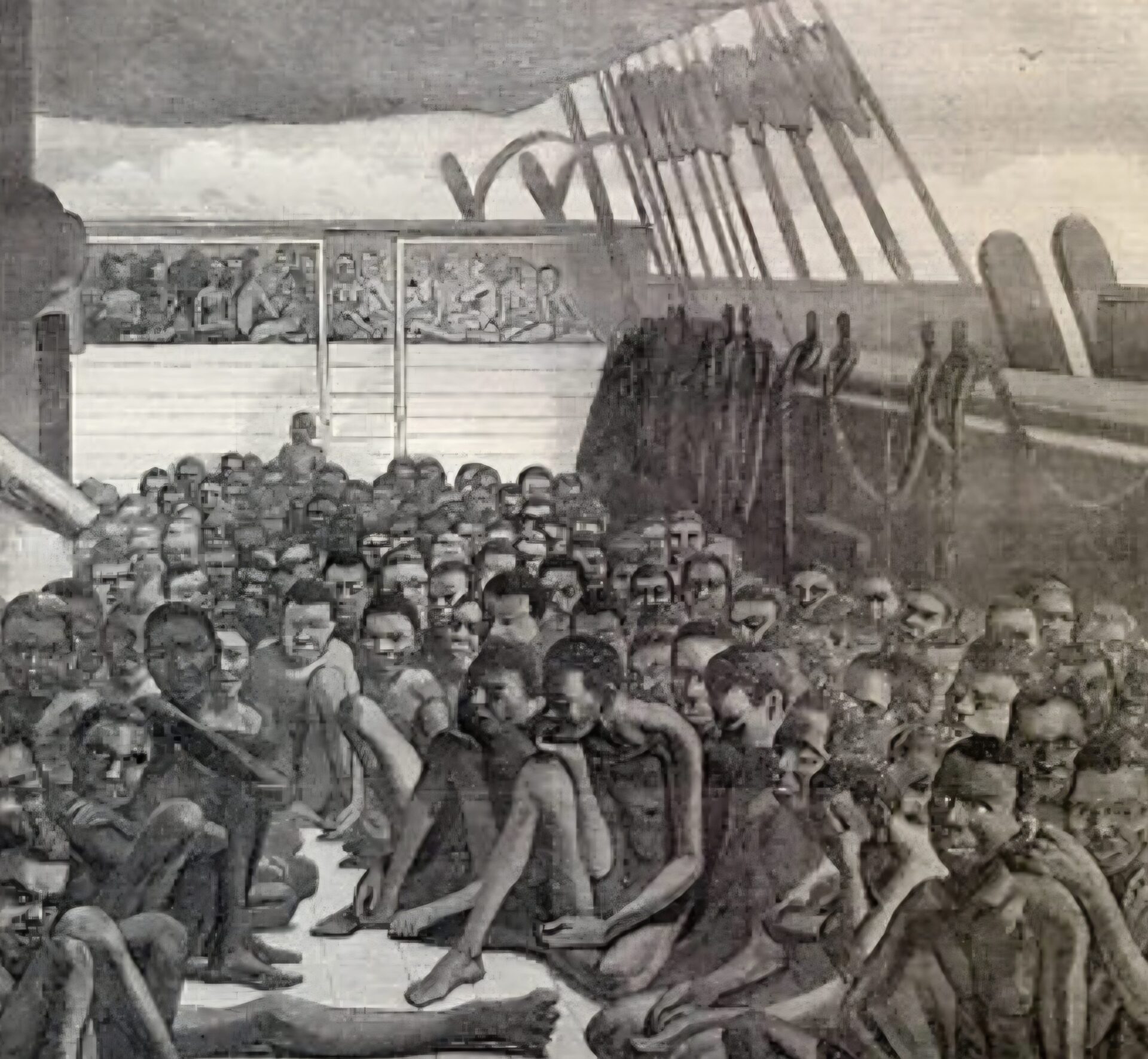
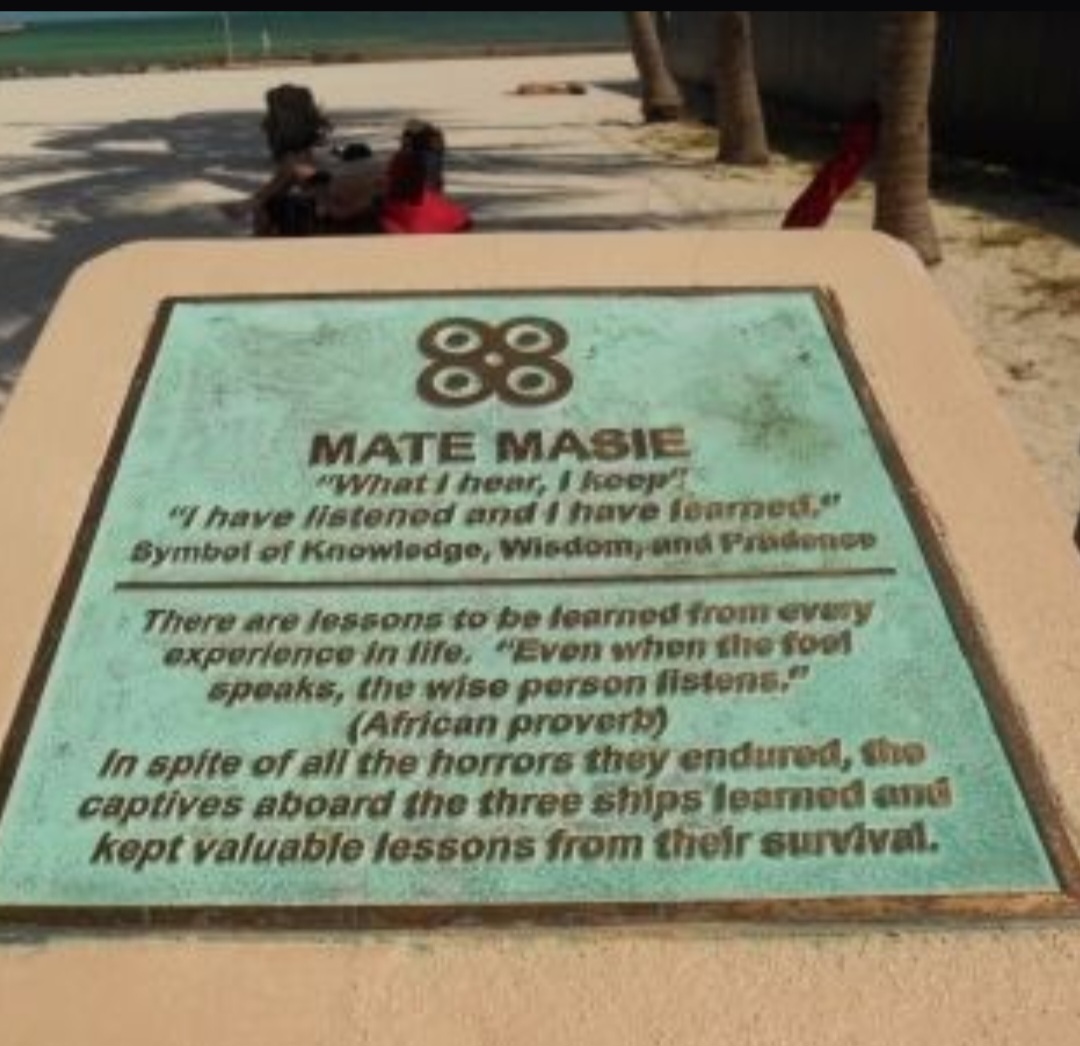
In 1858 U.S. warships had been ordered to enforce anti- slavery trade laws and five ships patrolled the Florida Straits where slave merchants for the tobacco and sugar fields in Cuba and Puerto Rico maintained a vigorous commerce for human cargo with several African coastal states.
The passage to the West Indies from Africa varied from 40-60 days of scorching heat, without room to sleep and scarecely enough water and food for the slaves.
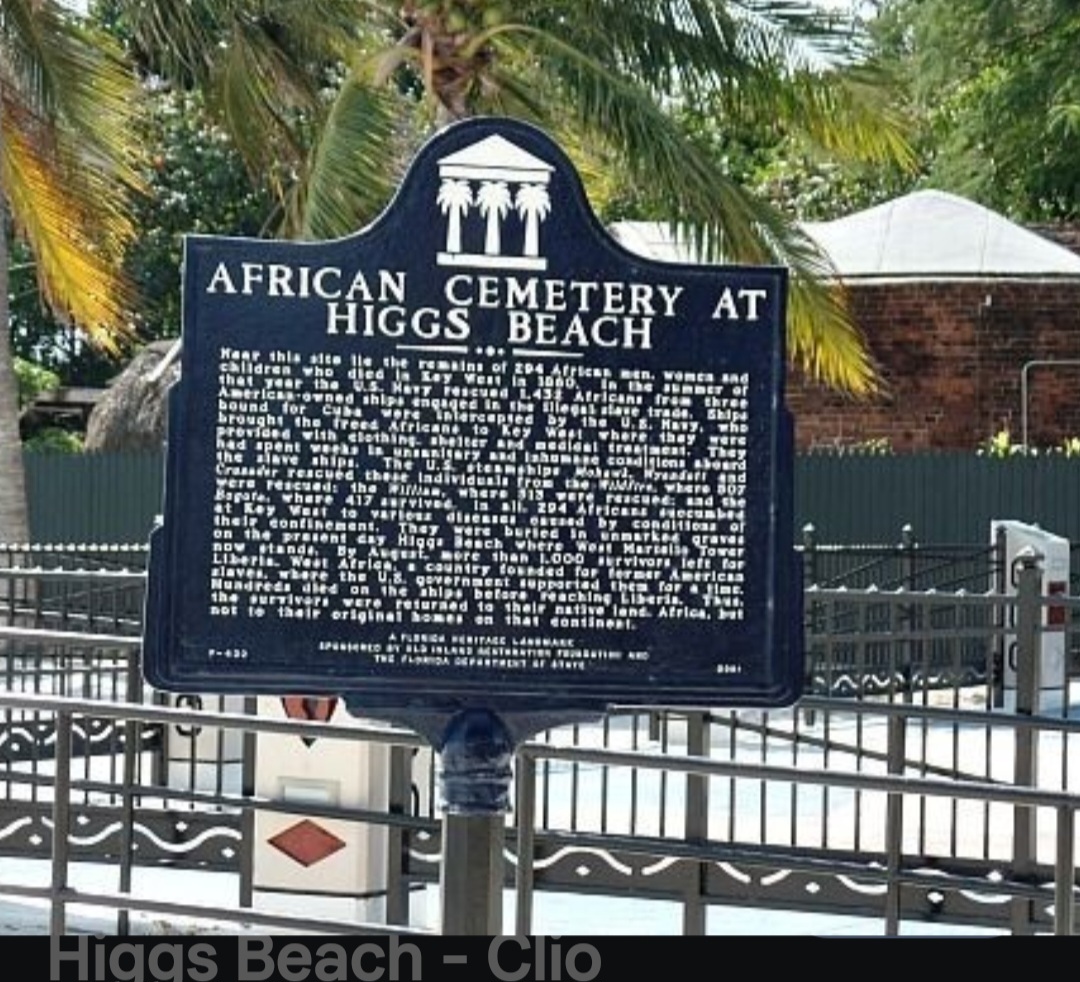
In the summer of 1860 the U.S. Navy intercepted three illegal slave ships heading to Cuba and rescued 1,432 African men, women and children.
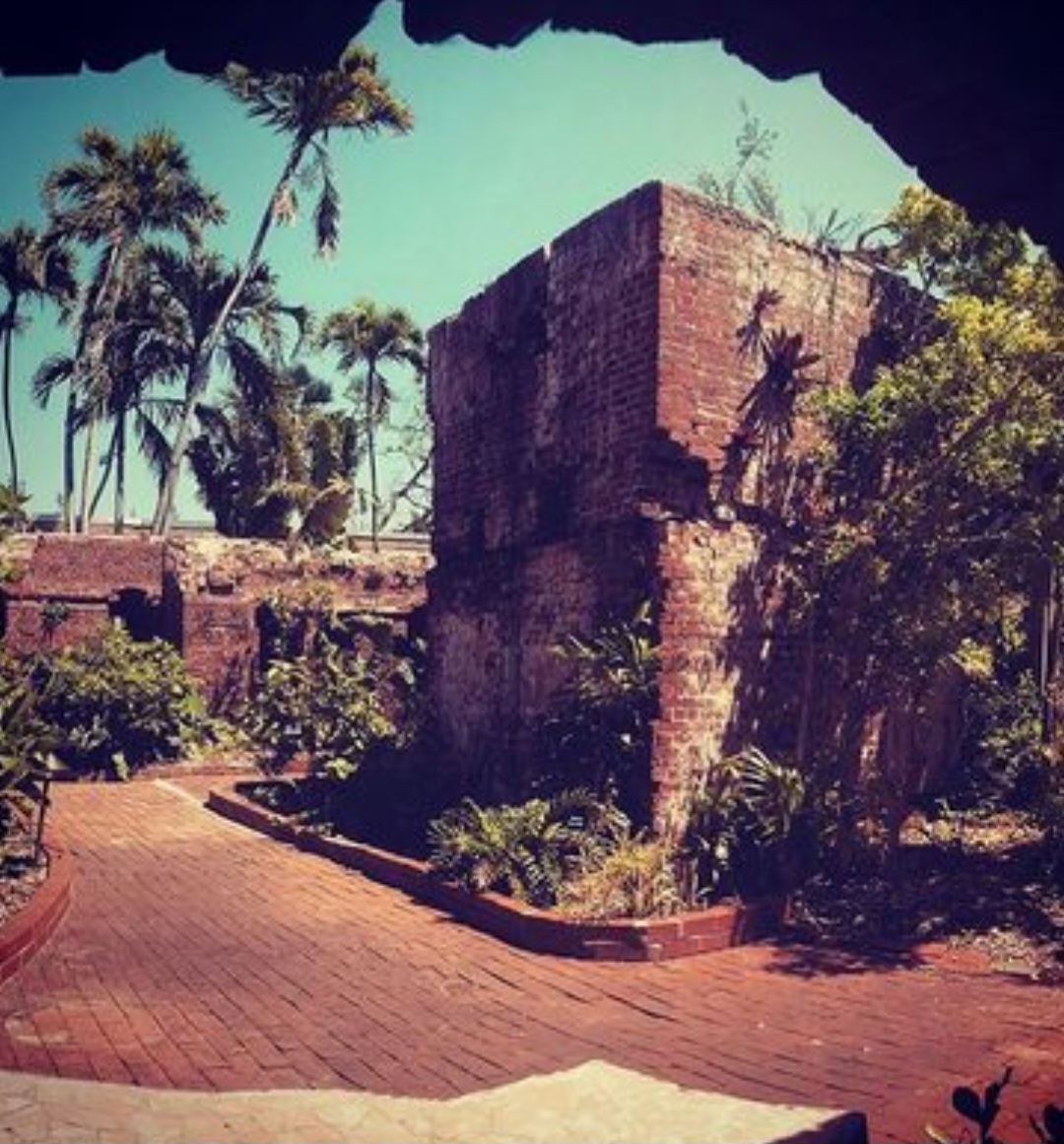
The survivors were brought back to Key West for shelter, where they were provided food and clothing, as workers quickly built housing and a hospital for them.
Suffering illnesses bought on by the brutal conditions of their journey including yellow fever and dysentery, 249 passed away and we’re buried along the beach.
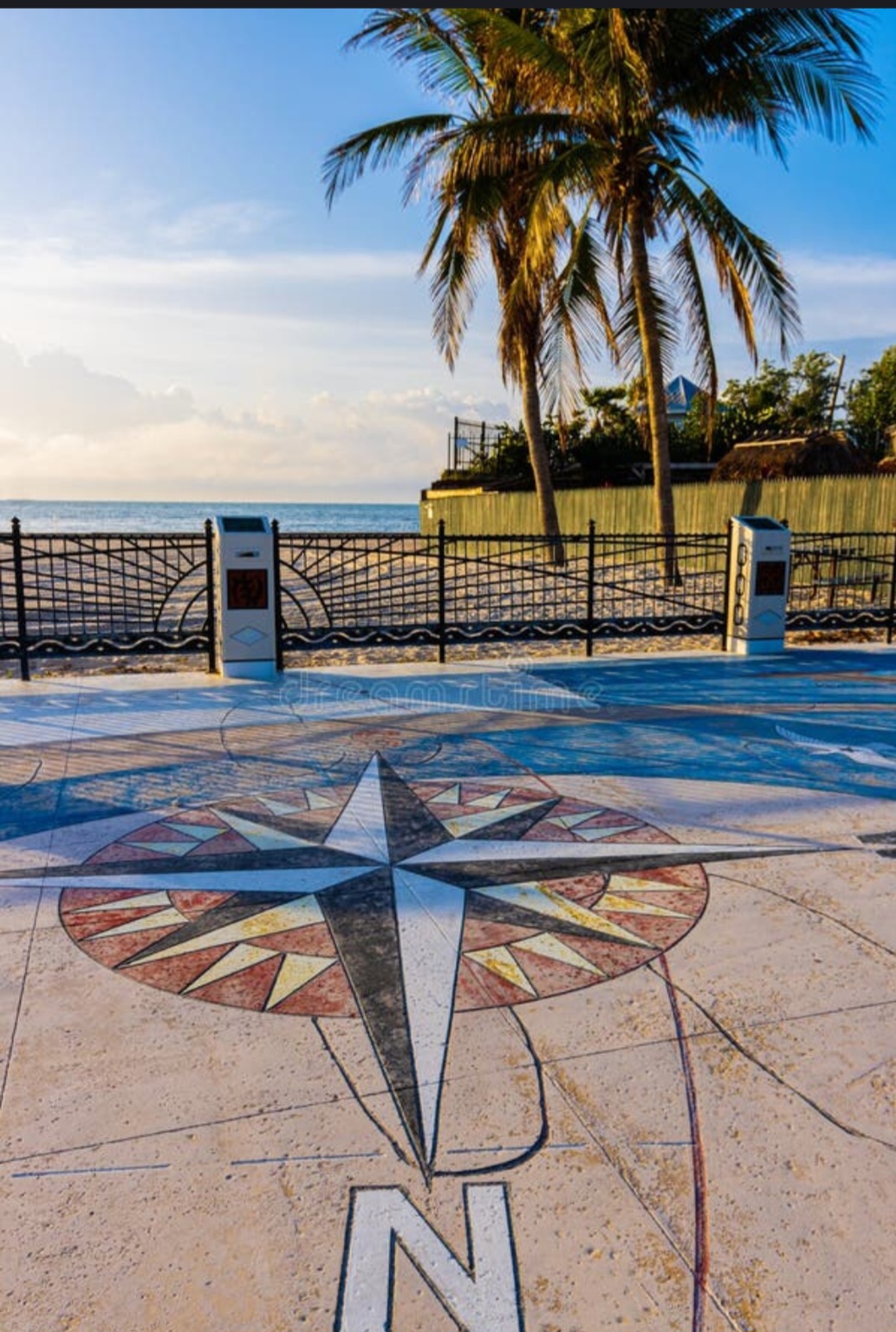
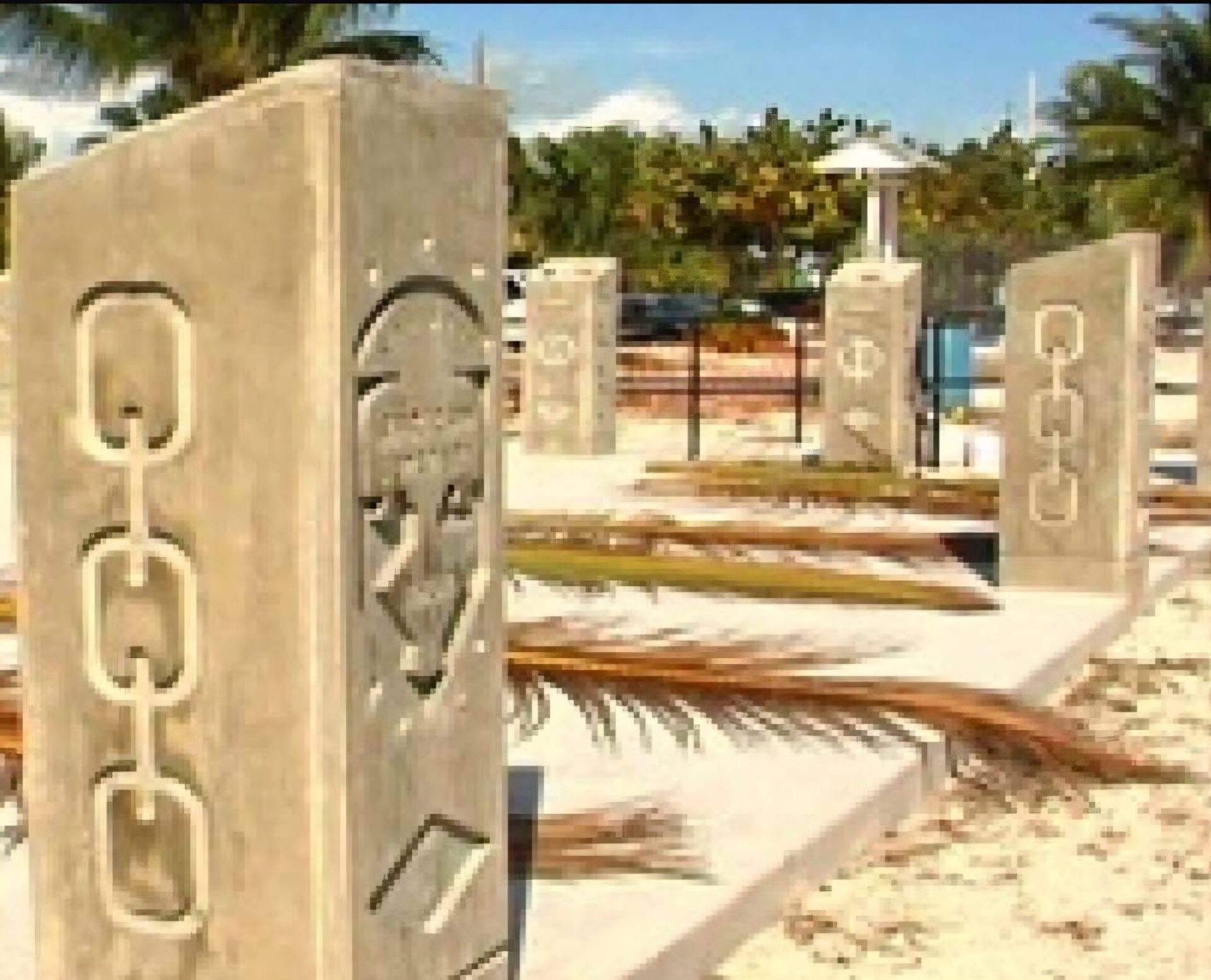
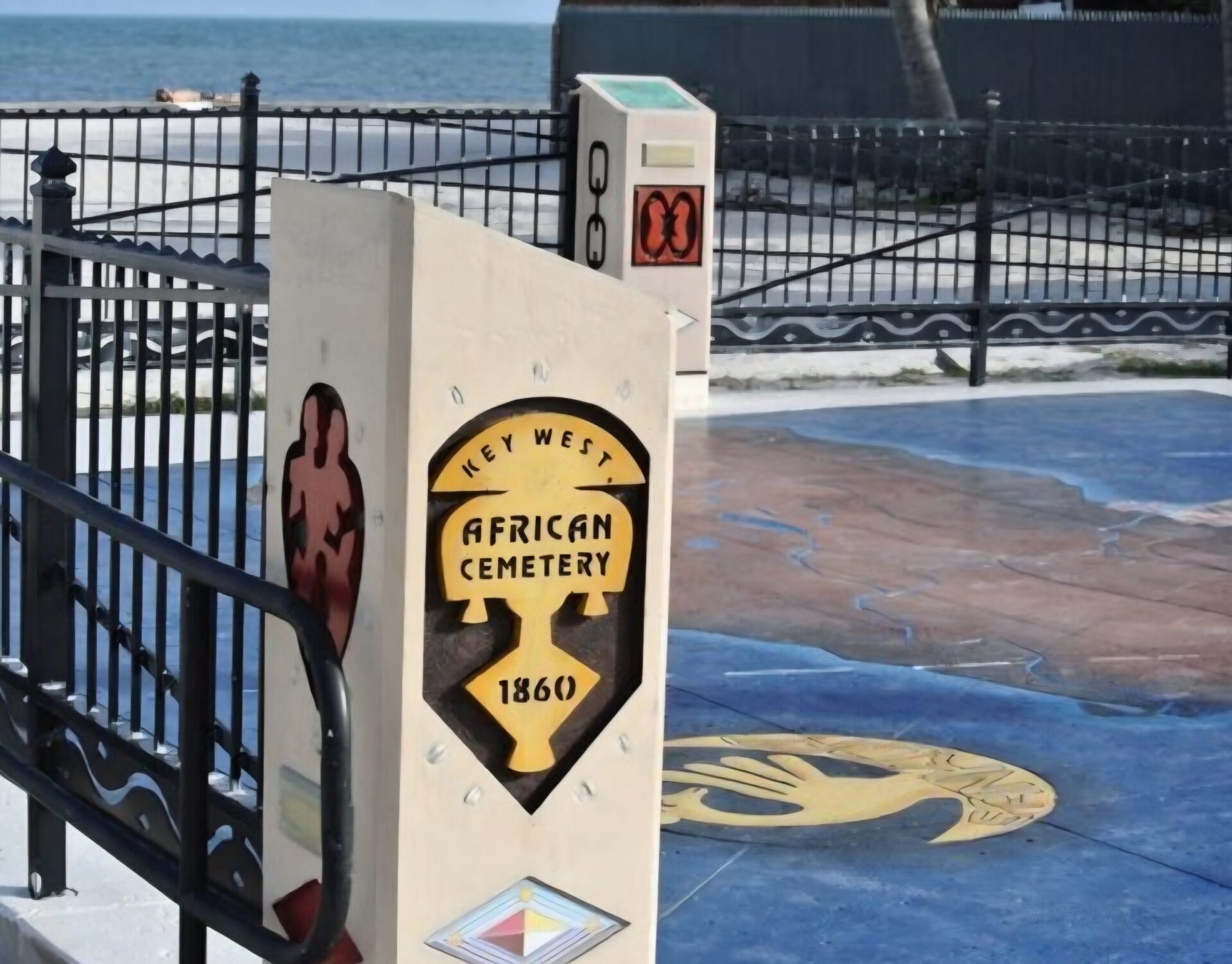
The cemetery was discovered in 2002 using ground penetrating radar and was added to the National Register of Historic Places In 2012 as a significant archaeological site honoring the victims.
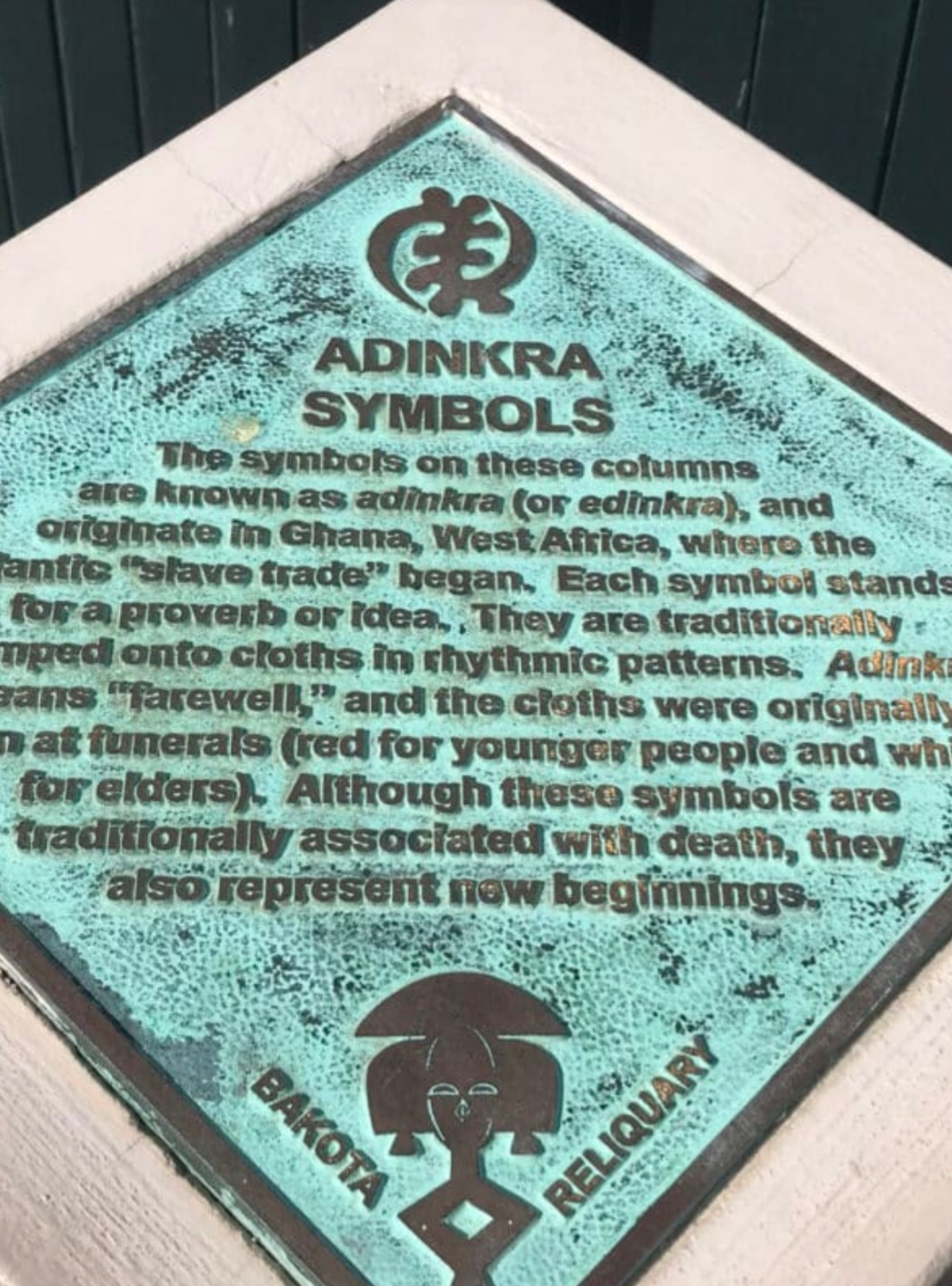
Located in Higgs Memorial Beach, it is known as the only African refugee cemetery in the U.S.








 Continue with Google