

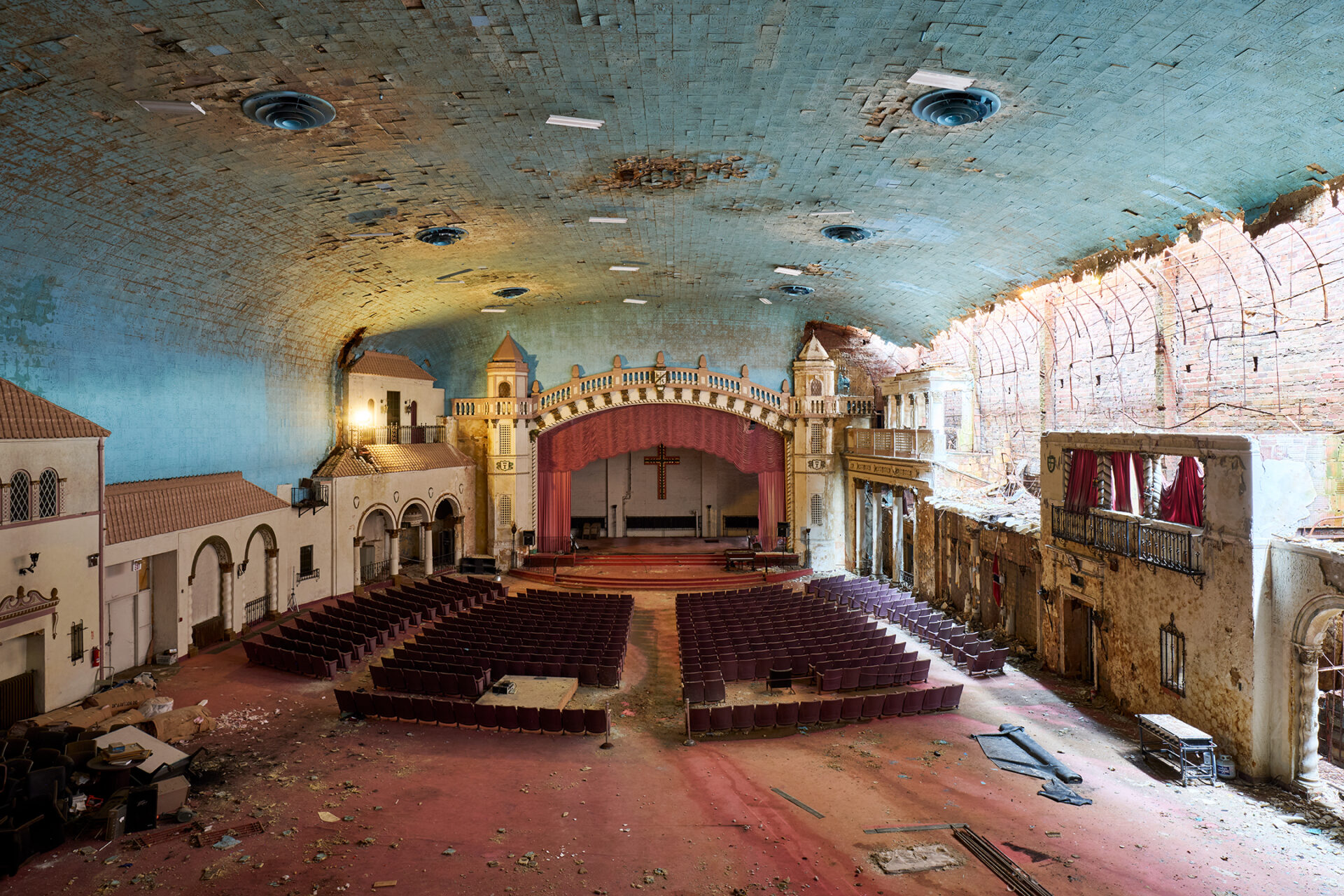
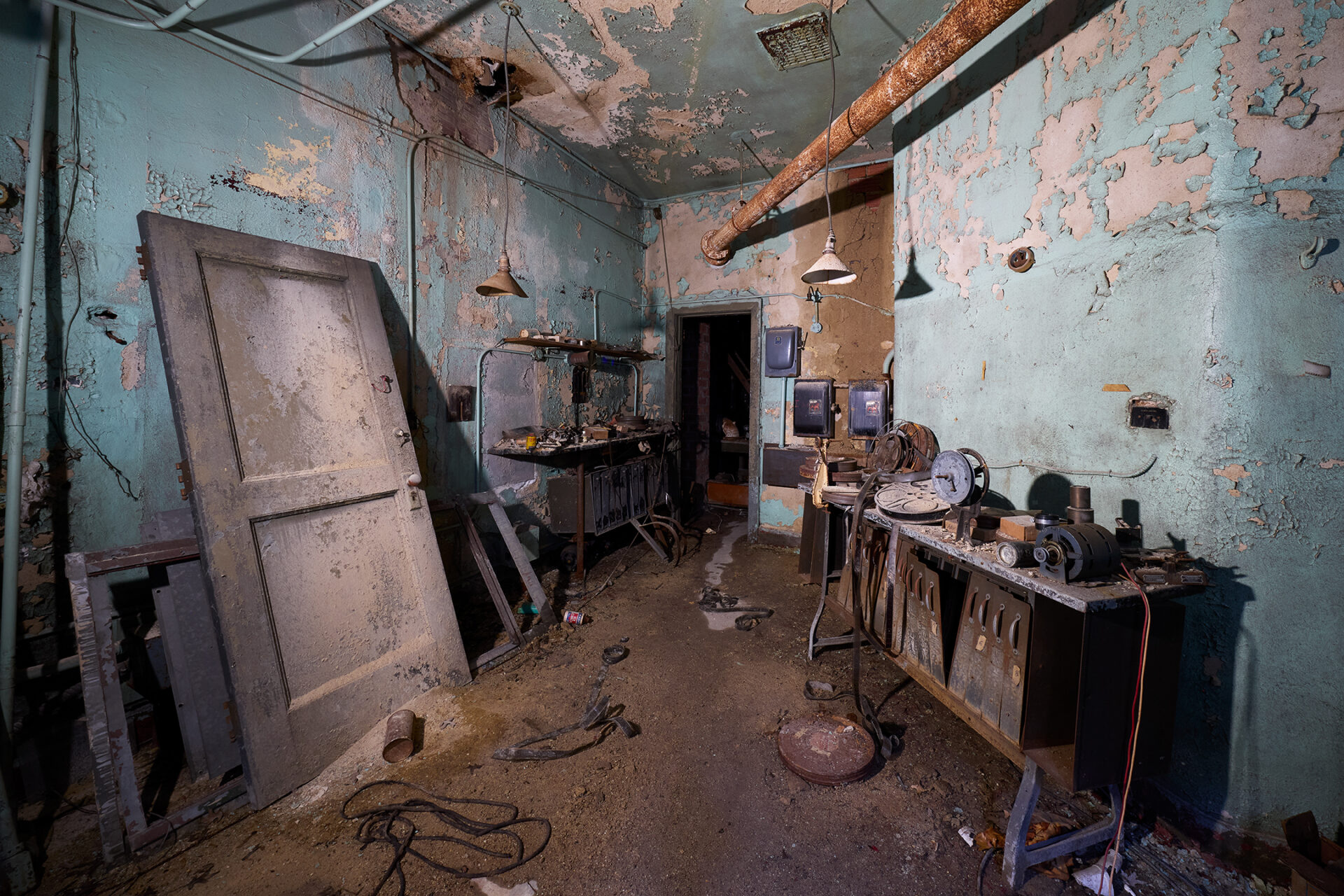
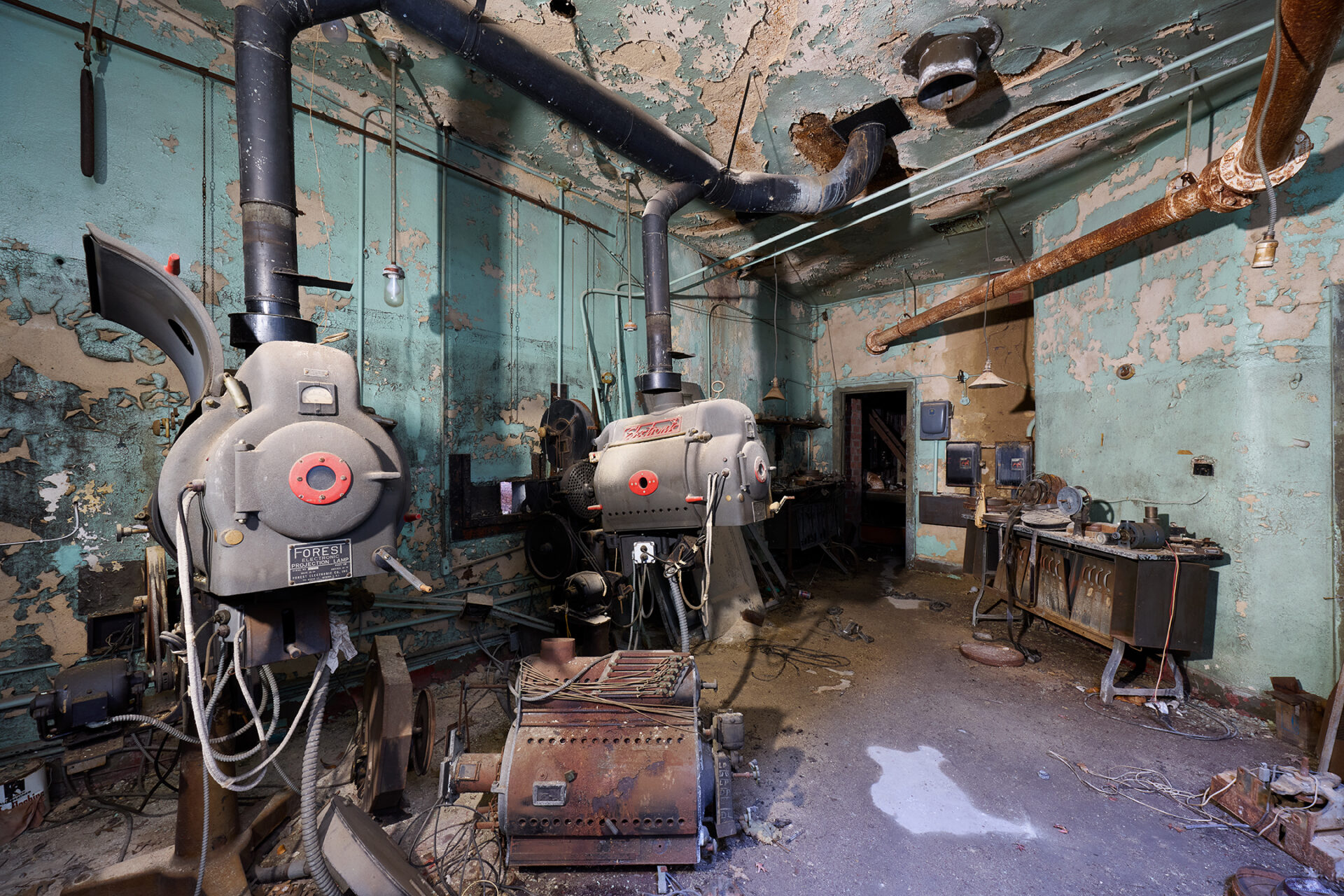
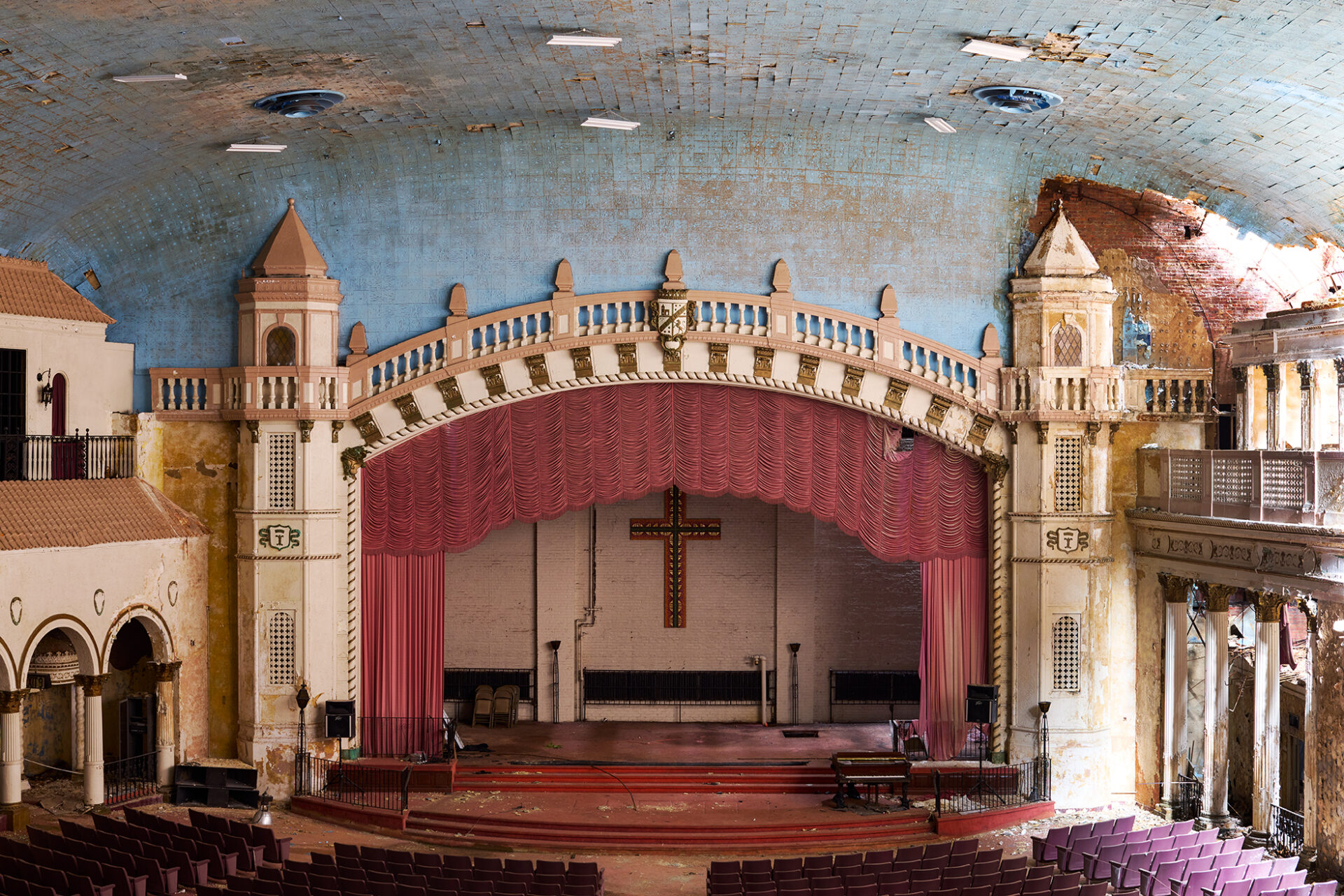
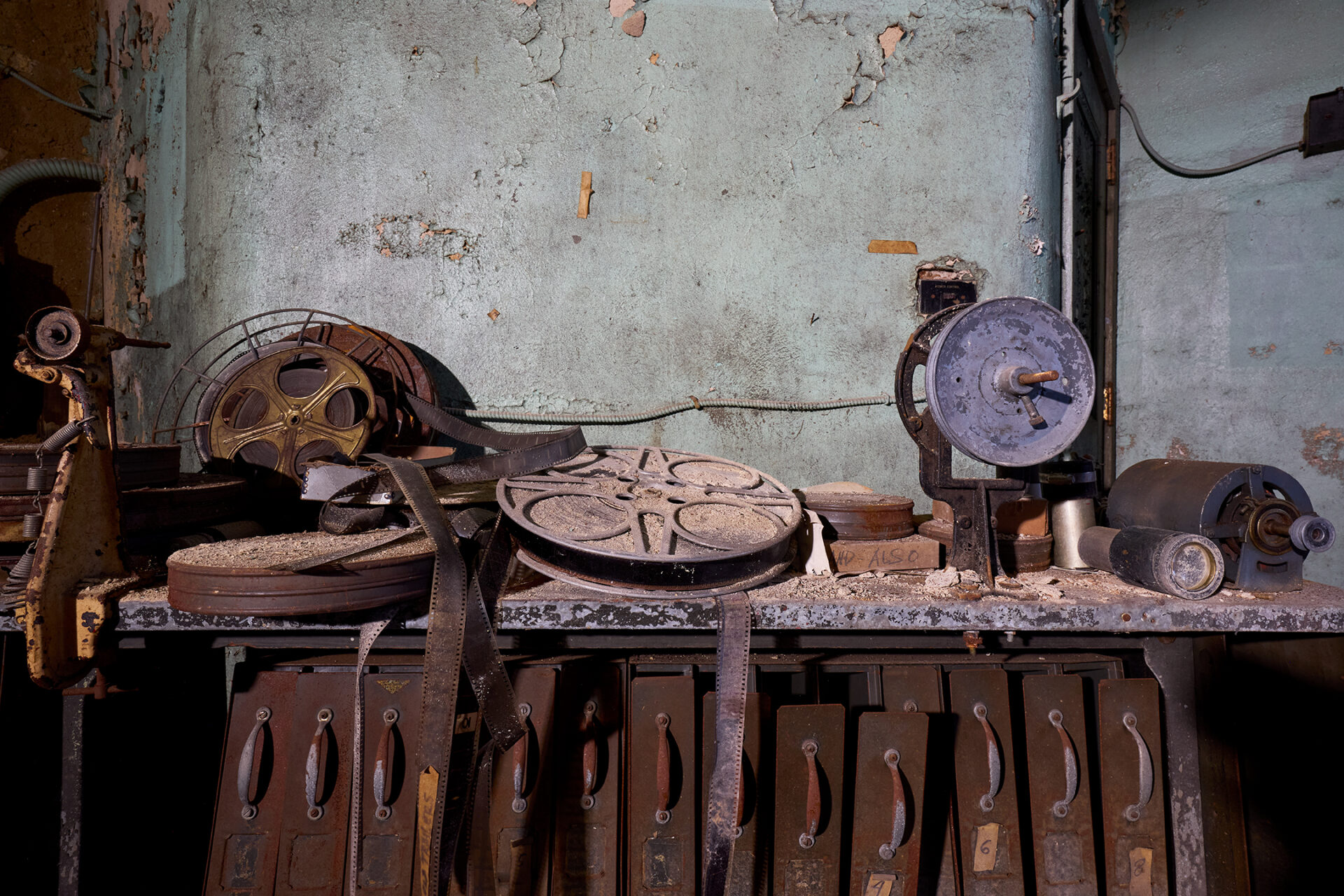
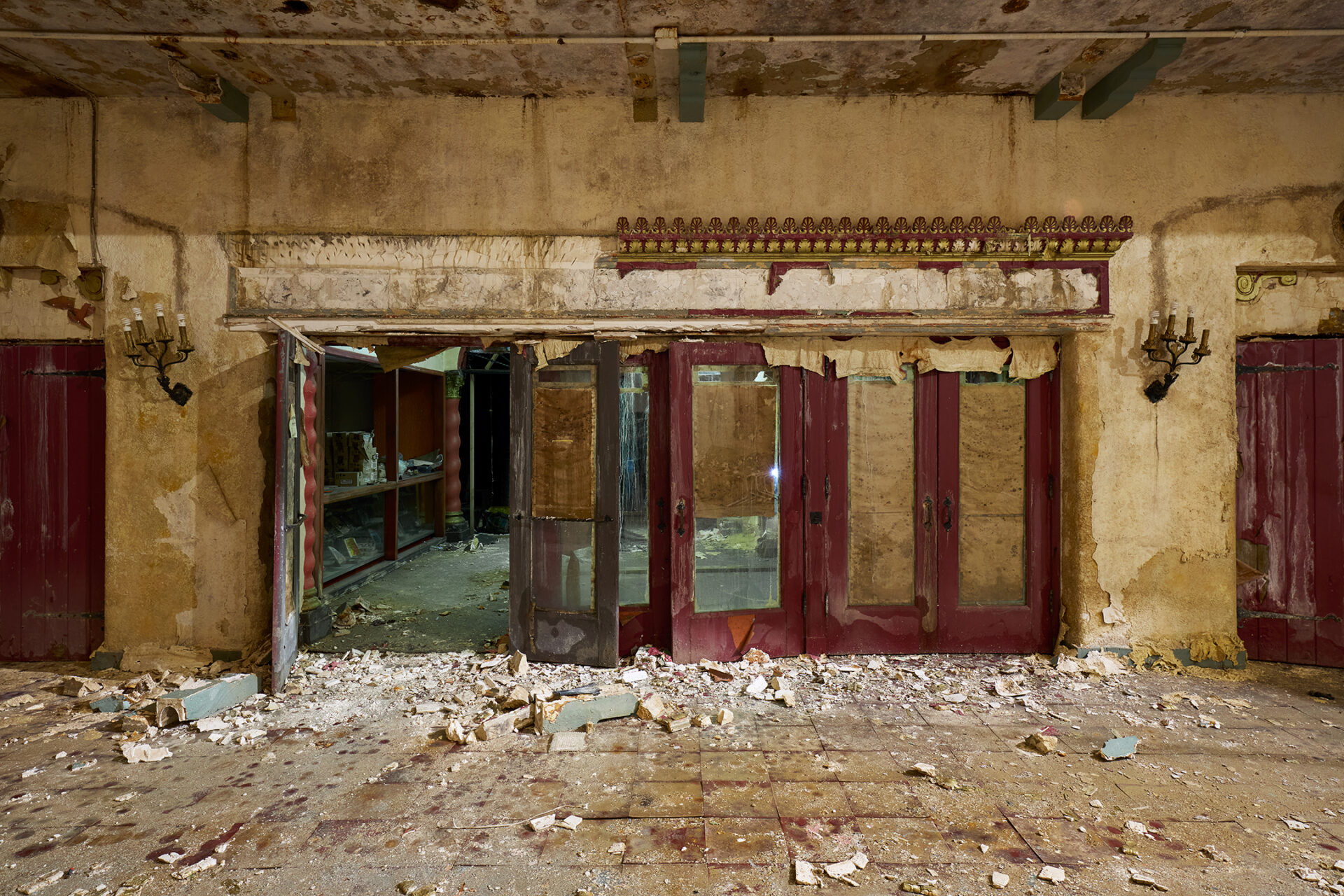
The Stanley Theatre opened on May 26, 1927, at 985 South Orange Avenue in Newark’s Vailsburg section. It was built for the Stanley Fabian circuit and designed by Newark architect Frank Grad.
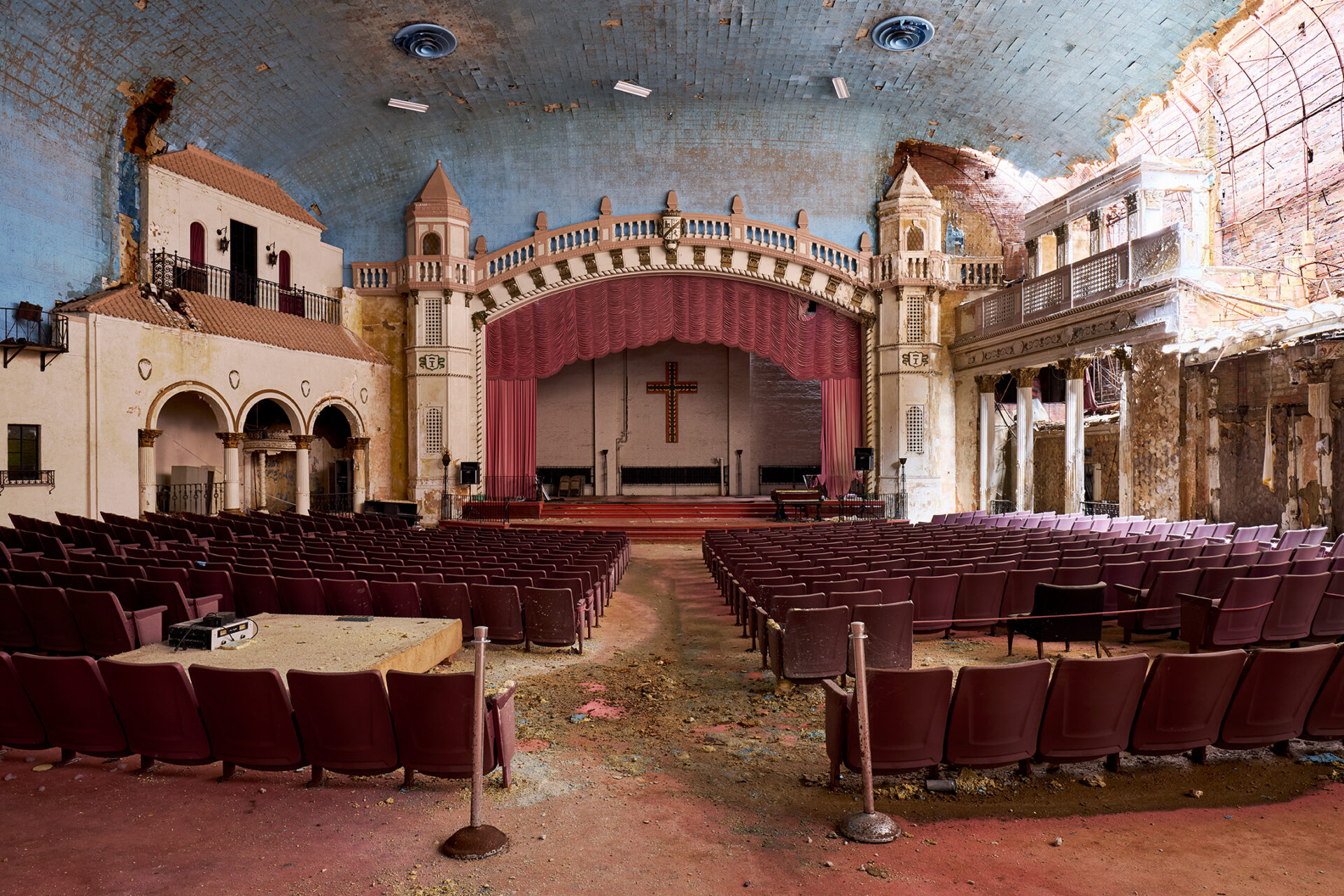
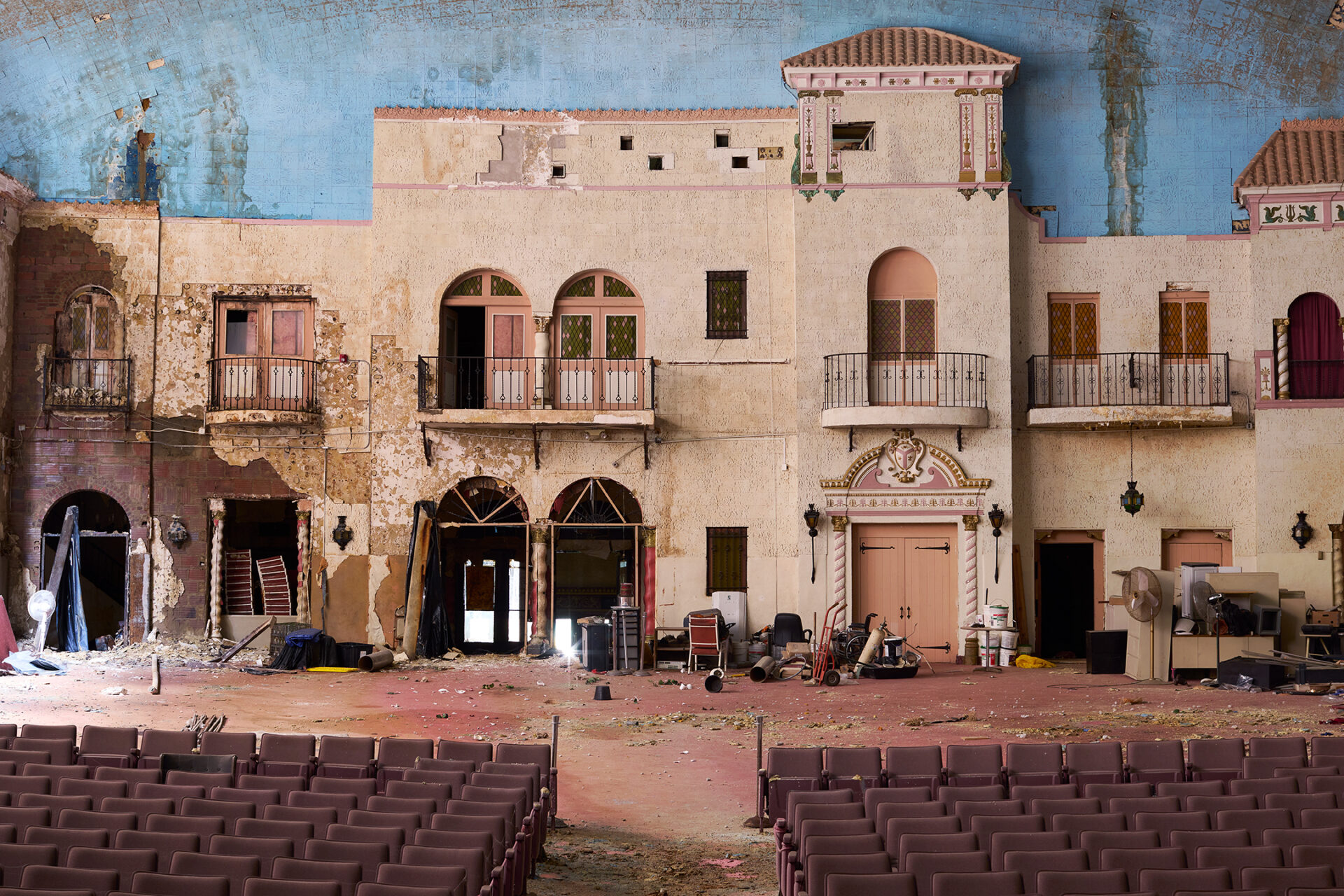
The theater seated roughly 2,000 people and was built as an atmospheric movie palace with a Spanish courtyard interior. Its facade used Spanish inspired details, including stucco, terra cotta ornament, tile, and wrought iron. Storefronts were incorporated into the South Orange Avenue frontage.
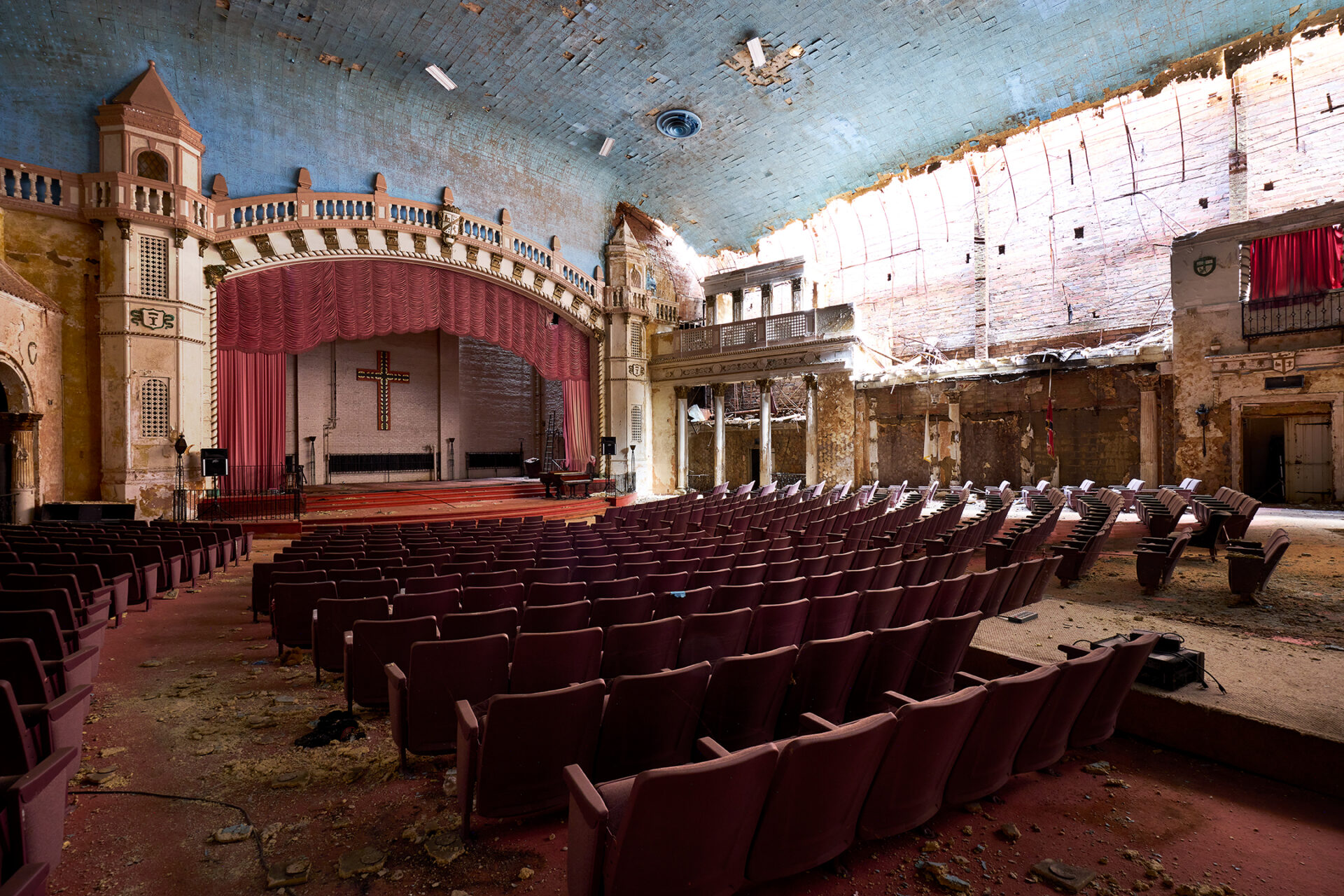
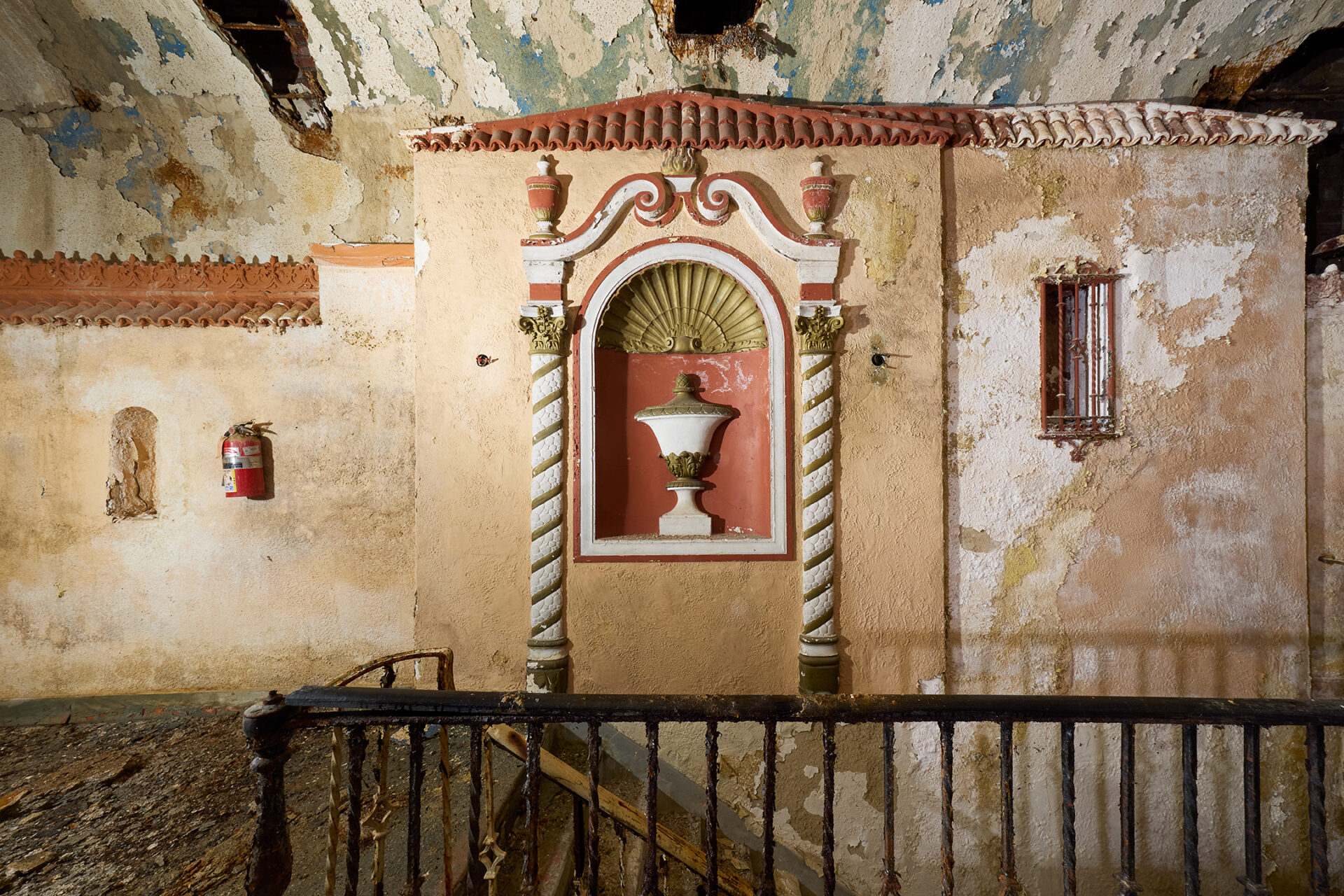
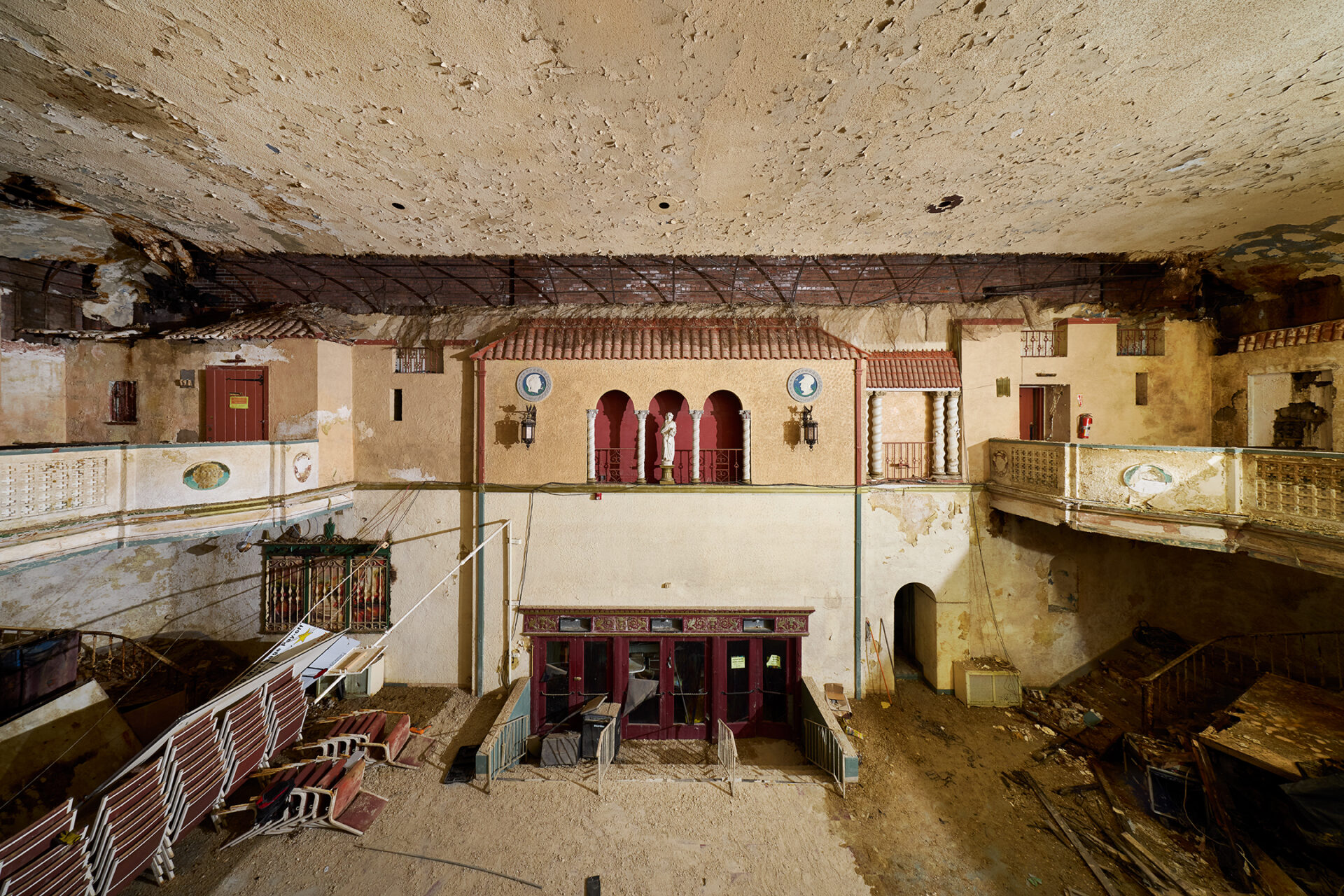
Inside, the auditorium was arranged as an outdoor courtyard, with architectural fronts, balconies, tile roofs, towers, loggias, grilles, and awnings along the side walls. The ceiling was painted deep blue and equipped for cloud and star effects. The theater also had a Wurlitzer organ for silent film accompaniment.
The Stanley opened with The Fire Brigade, starring May McAvoy and Charles Ray. In 1928, a stage curtain fire damaged the organ console, and a replacement console was installed.
The theater operated as a neighborhood movie house for several decades. By the late 1950s, it was no longer operating profitably as a cinema. It was later acquired by Seton Hall University and became Casa Italiana, also known as the Father Vincent Monella Center of Italian Culture. The building was adapted for cultural and social events, including dinners, dances, films, and stage programs. Portions of the seating were removed during this period, but much of the auditorium decoration remained intact.
In 1986, the Stanley Theatre was listed in the National Register of Historic Places. The nomination cited the building’s architecture and its role in Newark’s entertainment history. At the time of listing, the building retained much of its original exterior and interior design, including the atmospheric auditorium.
The building later became Newark Gospel Tabernacle. In 2004 and 2006, the New Jersey Historic Trust awarded grants for preservation work, including roof repairs, skylight work, and exterior restoration.
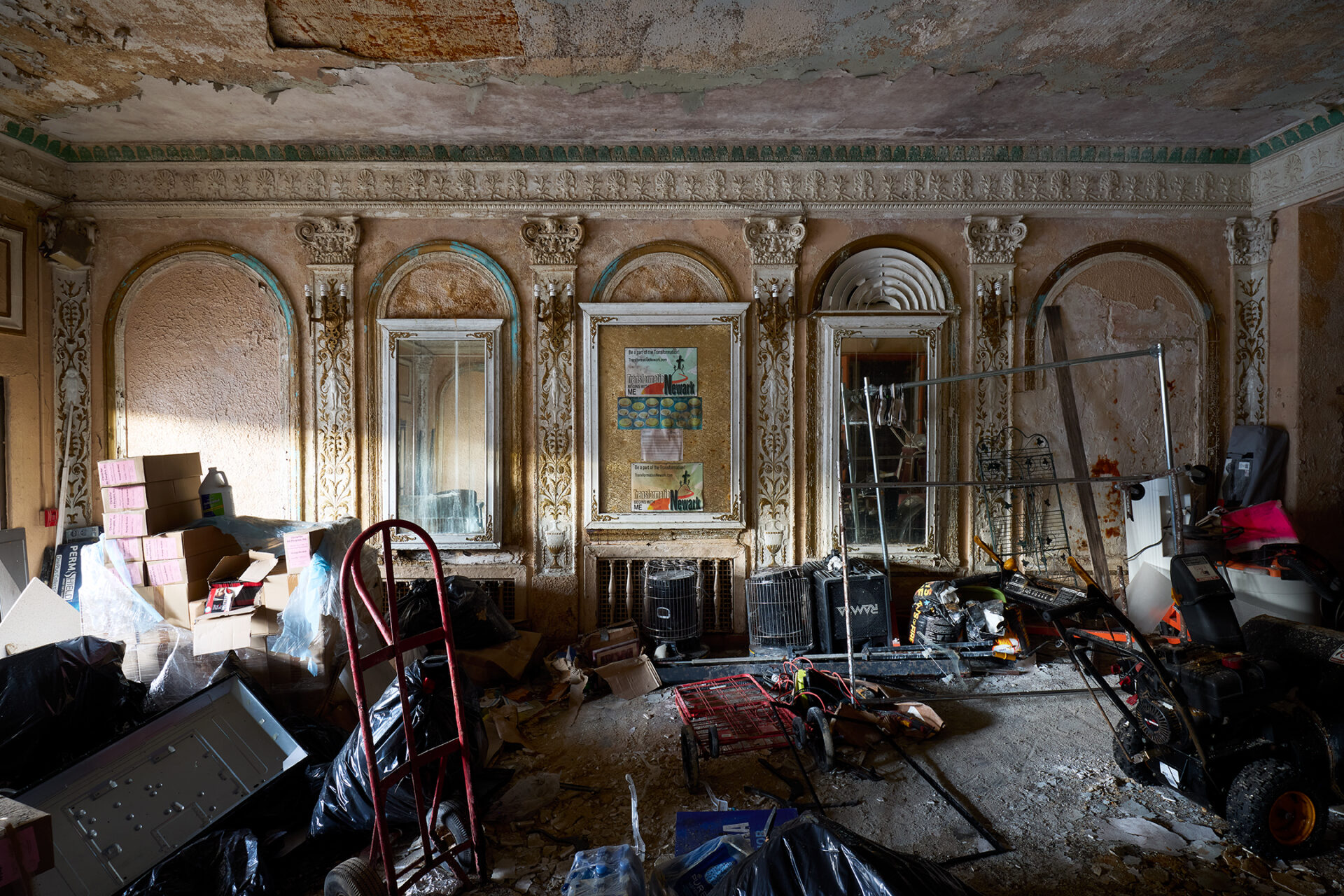
By 2023, Newark Gospel Tabernacle had vacated the building, and the former theater was listed for sale. In 2025, plans were reported for redevelopment of the site, with the theater building to be demolished and the facade retained.
The Stanley Theatre was demolished in May 2026.












 Continue with Google