

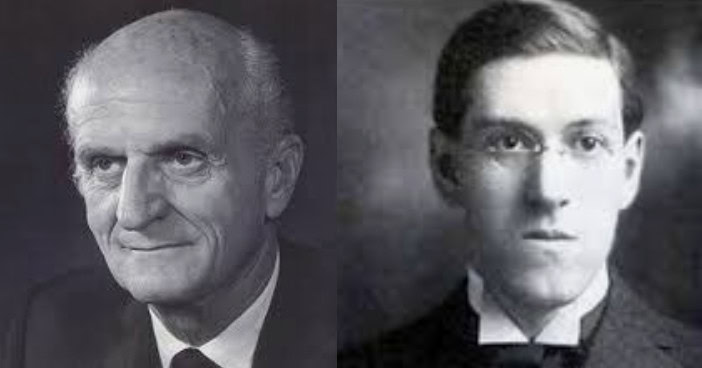
The M&M’s product was invented by Forrest E. Mars Sr., who partnered with Bruce Murrie (the son of the Hershey Chocolate Company president) to ensure a steady supply of chocolate during World War II rationing for conserve resources for the US military, hence the “M&M” name for Mars & Murrie. It started production in 1941, just off of Route 1 at the factory located at 285 Badger Avenue, Newark, NJ.
Why M&M’s Were Created for the Military
M&M’s were originally designed as a military ration. The hard candy shell kept the chocolate from melting, making it ideal for soldiers stationed in hot climates. Forrest Mars Sr. drew inspiration from similar hard-coated candies eaten by British soldiers during the Spanish Civil War.
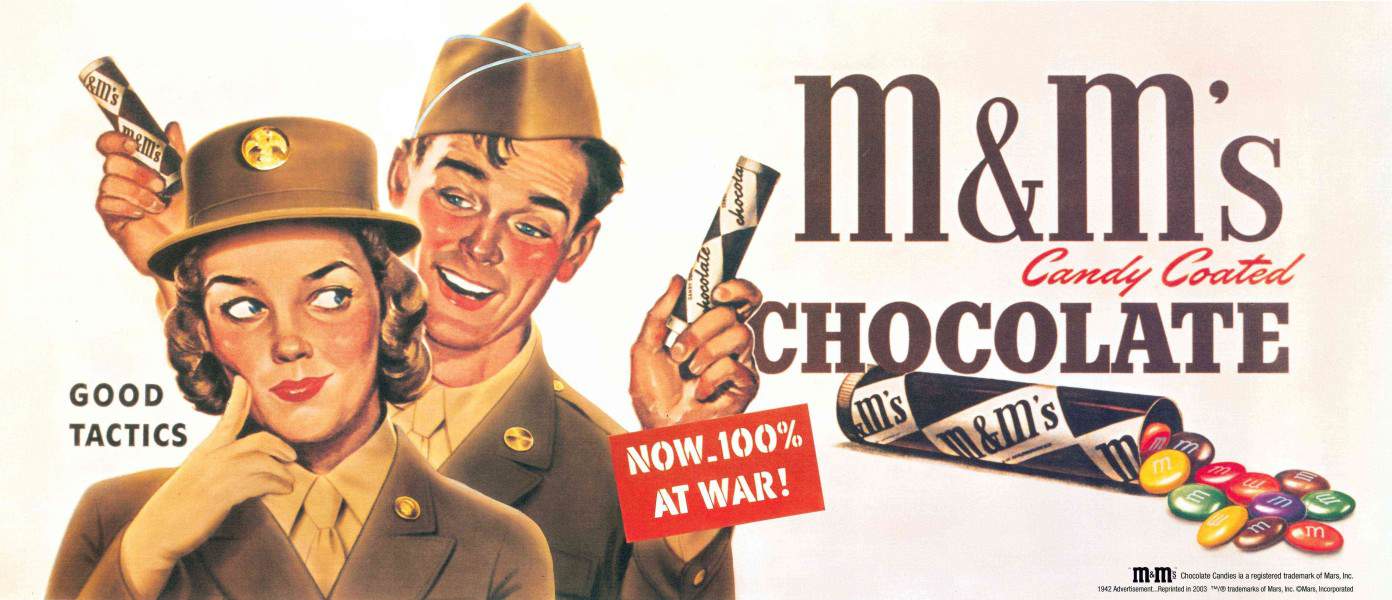
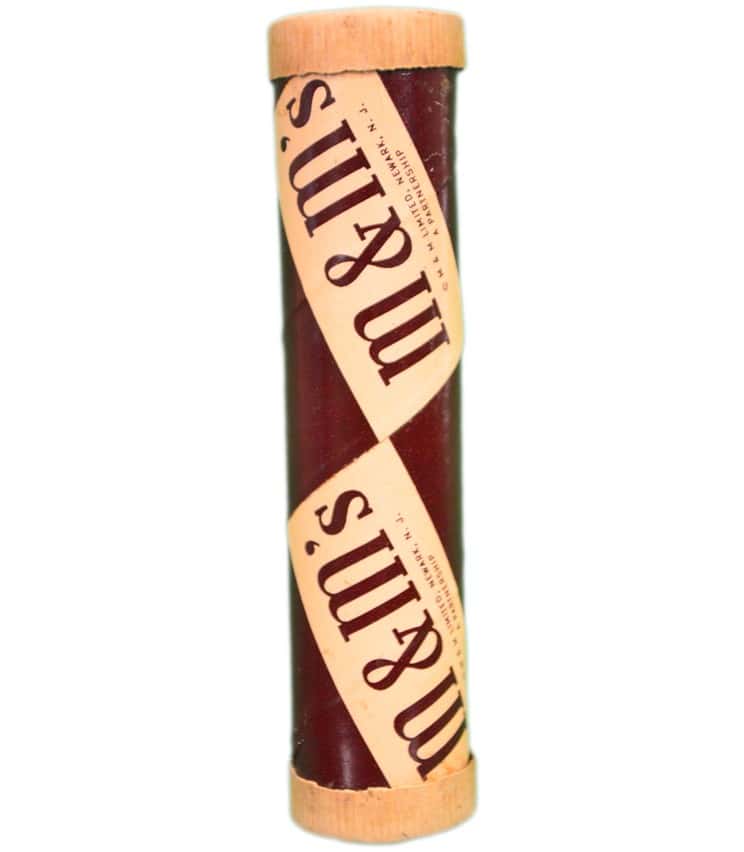
During World War II, M&M’s were produced exclusively for the U.S. military and distributed in cardboard tubes as part of ration kits.
Key points:
- Durability: The sugar shell prevented melting, solving a major storage problem in the field.
- Inspiration: Mars adapted the idea from European wartime candies.
- Military rations: Initially sold only to soldiers, M&M’s provided a compact, non-messy chocolate source.
- Wartime timing: Their creation coincided perfectly with America’s entry into World War II, ensuring widespread demand among troops.
After the war, M&M’s were released to the public and quickly became a national favorite.
The Famous M&M’s Tagline
Introduced in 1954, the M&M’s slogan “Melts in your mouth, not in your hand” emphasized the key innovation behind the candy: its protective shell. This tagline directly connects to its military history and highlights the practicality that made it successful in both the battlefield and the marketplace.















 Continue with Google