

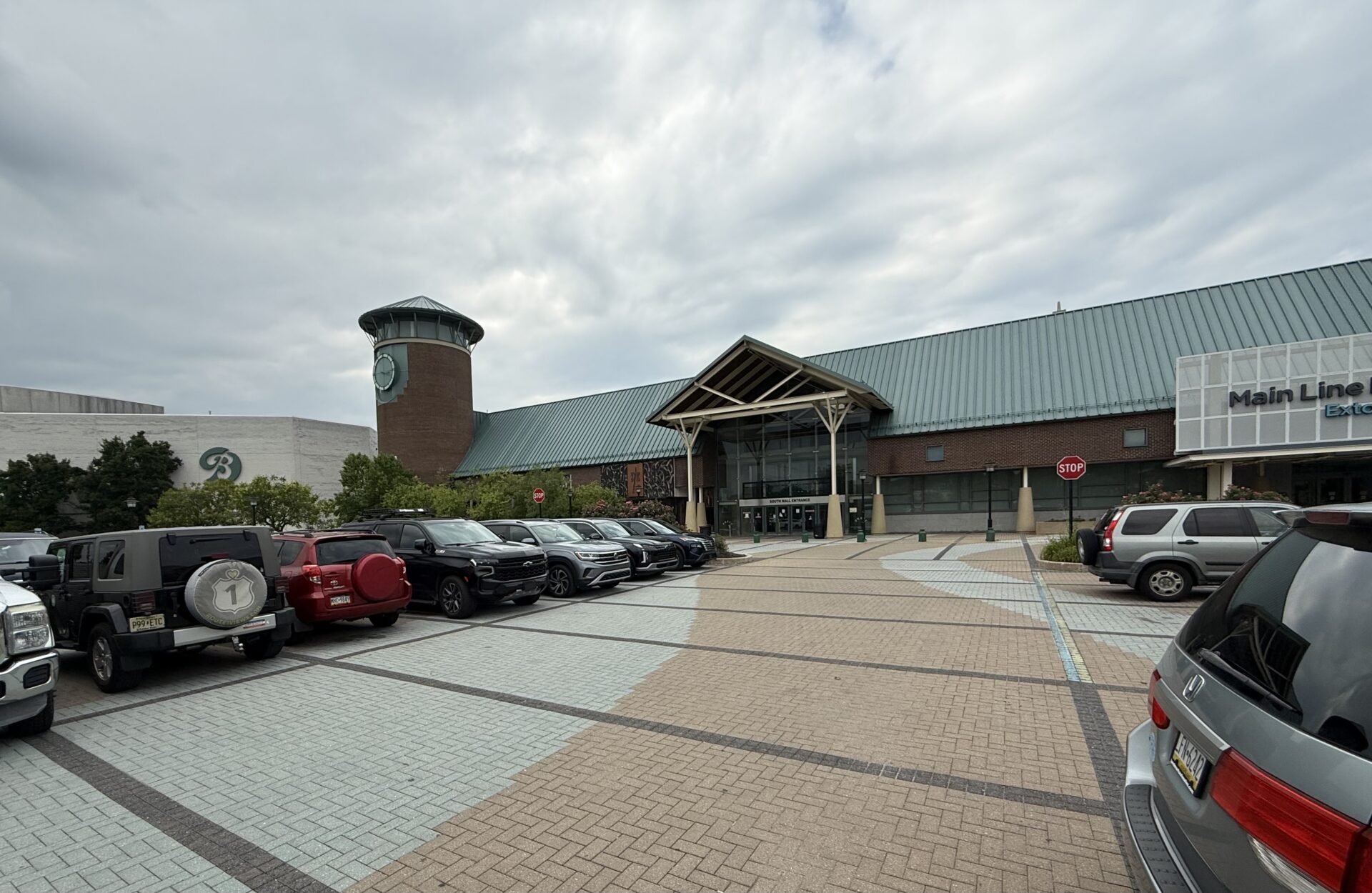
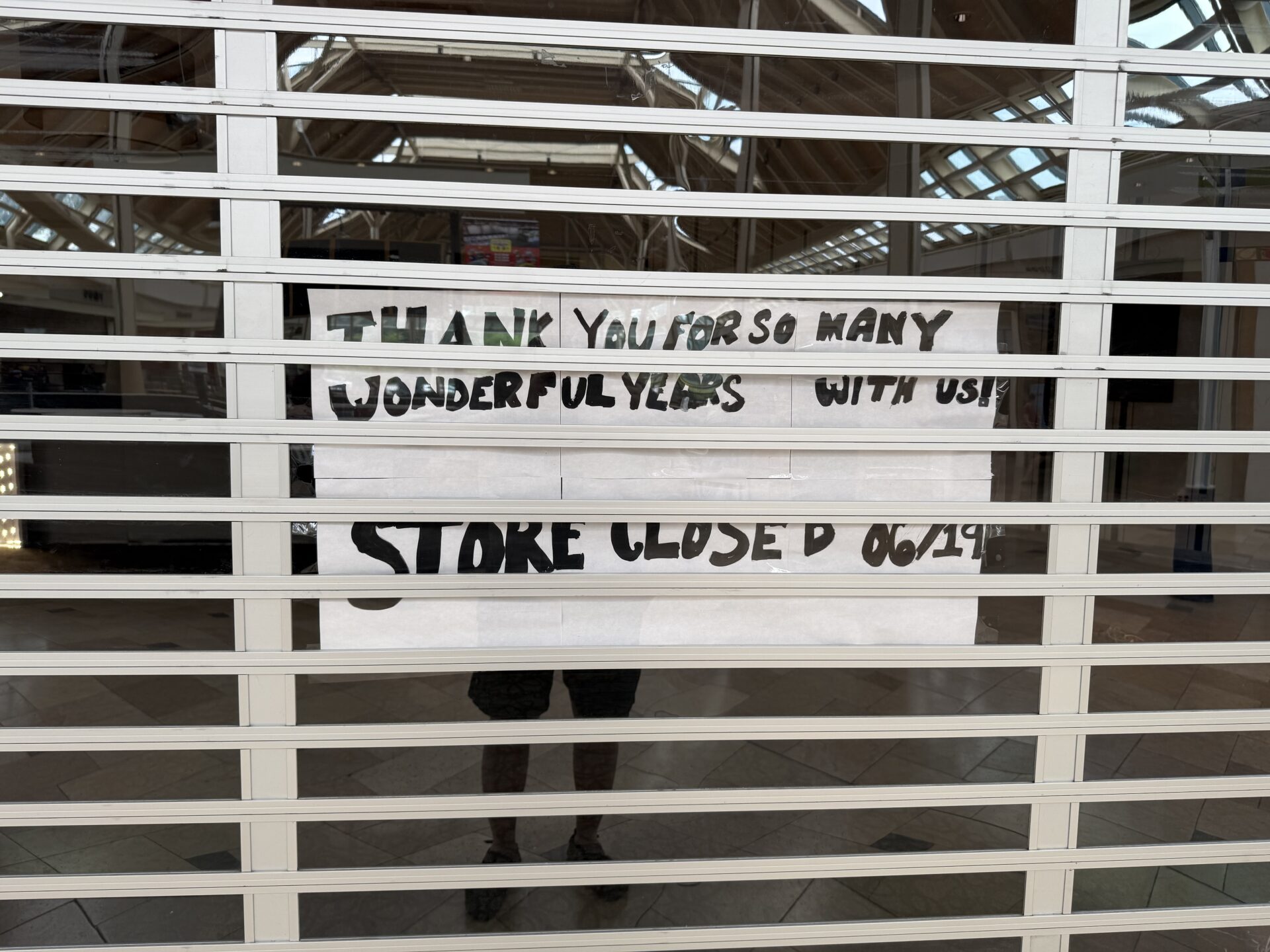
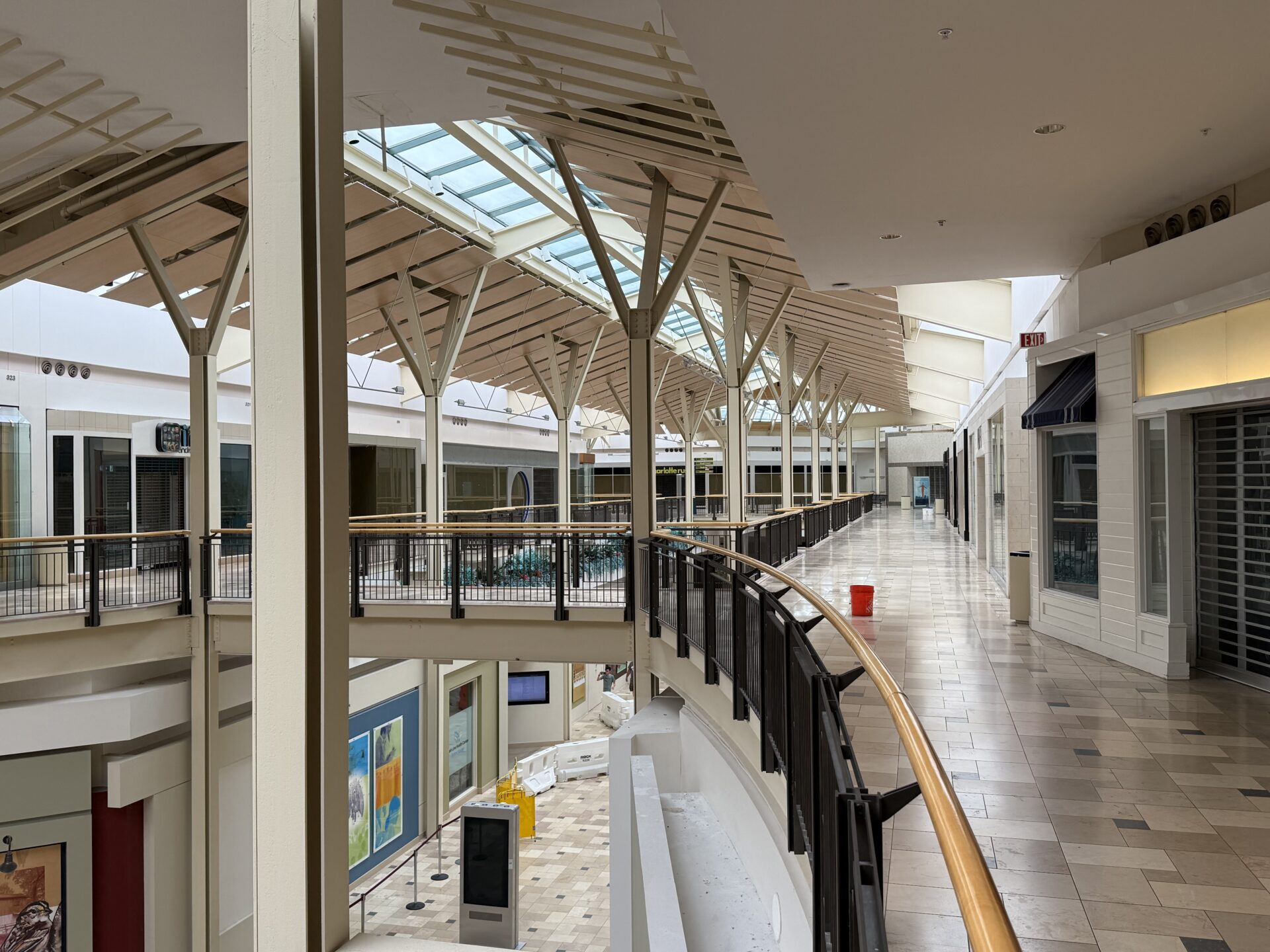
The Exton Square Mall will close its doors on June 30, 2026, marking the end of more than 53 years as a central gathering place in Chester County. This Mall opened on March 15, 1973 and for decades, the mall served as more than a retail destination—it was a social hub where generations of teenagers, families, and friends built lasting memories.
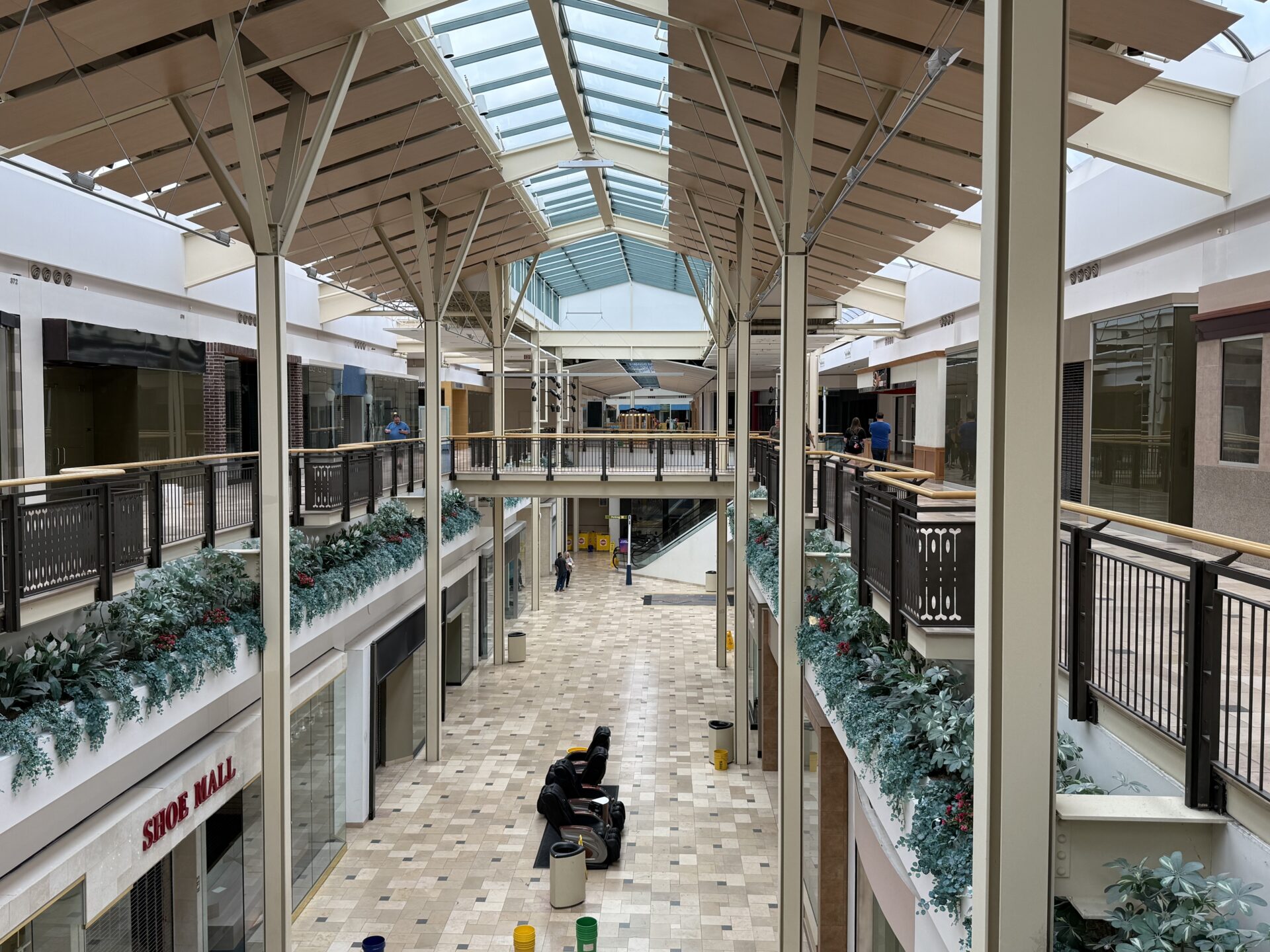
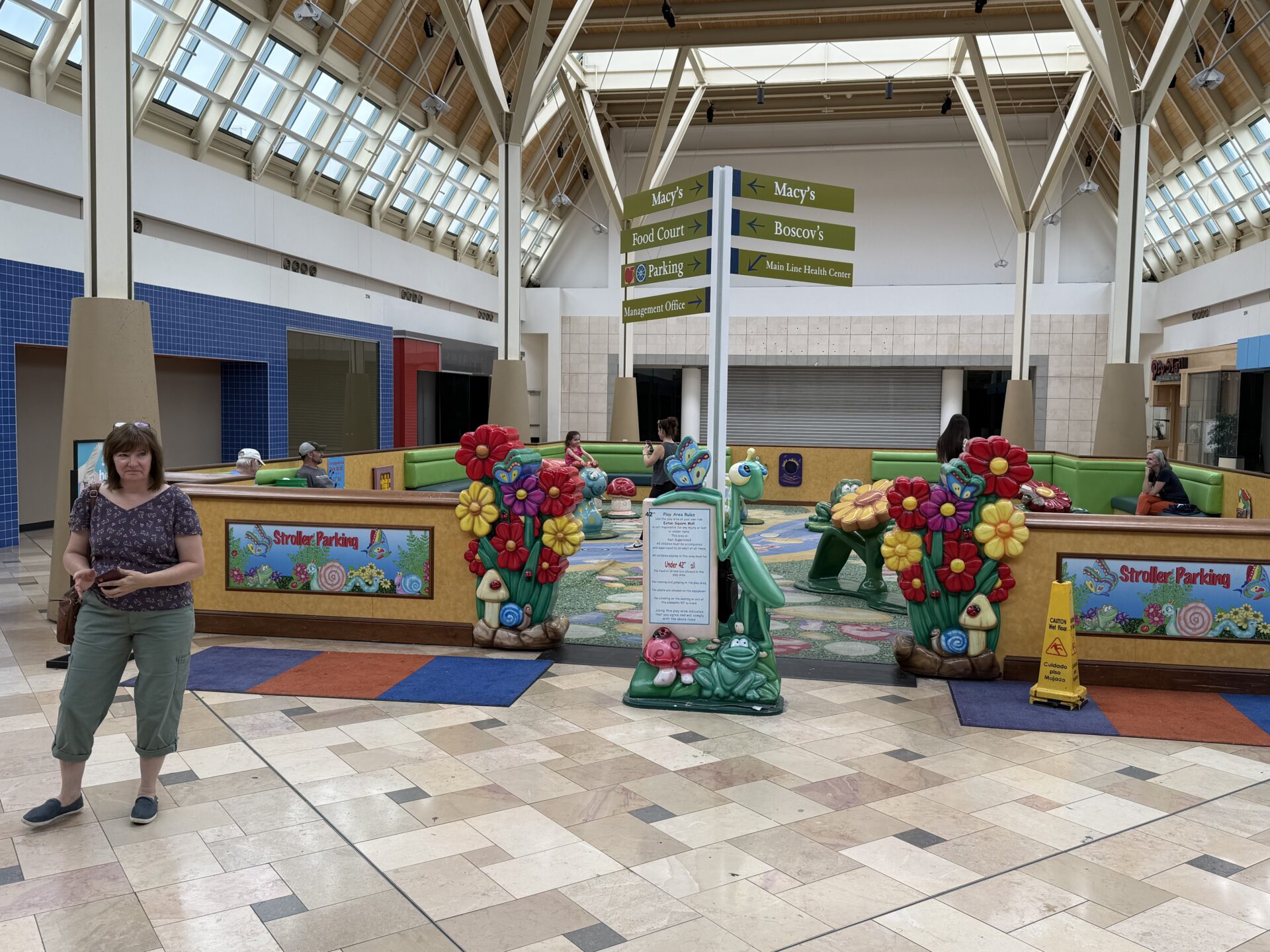
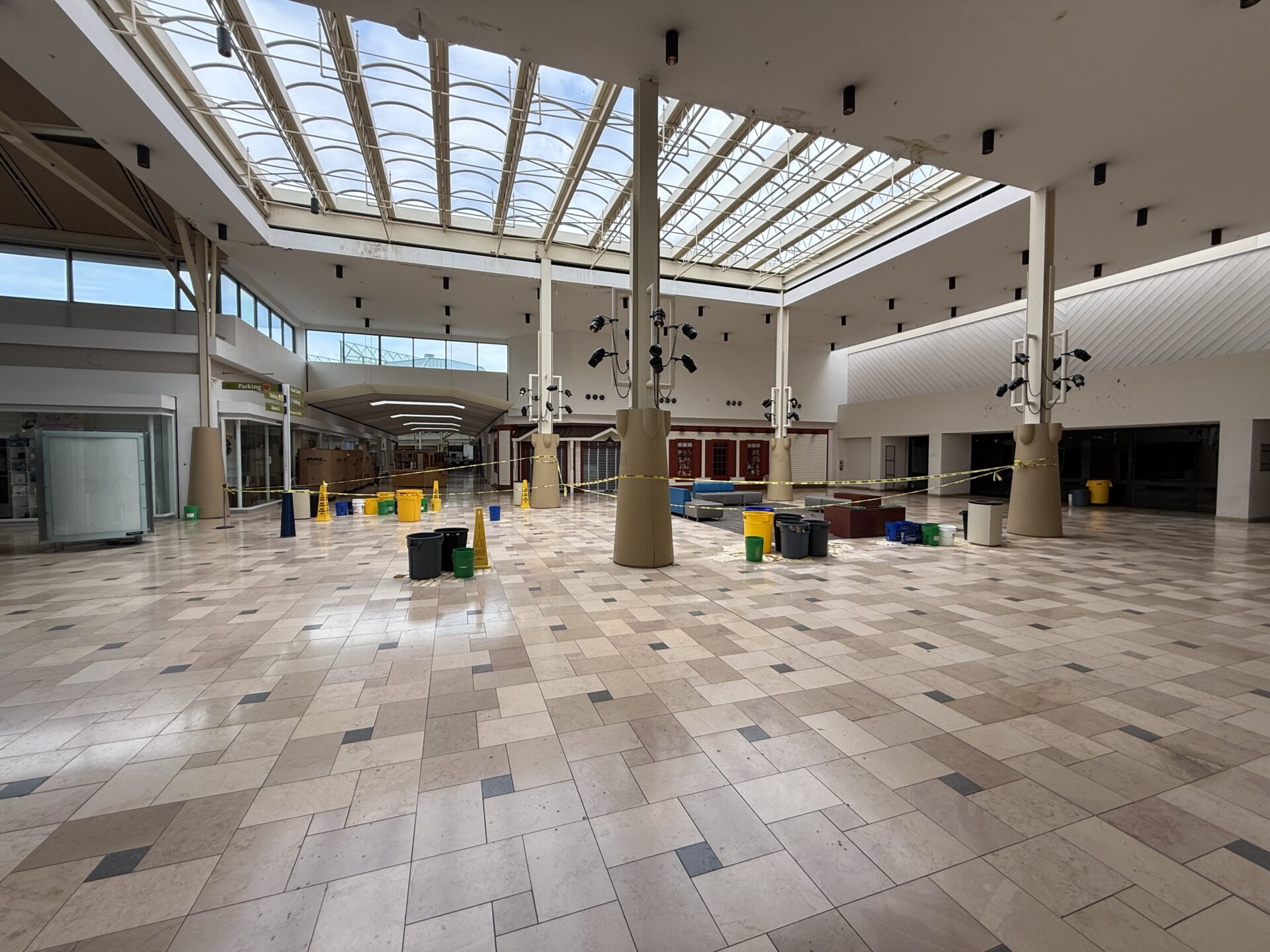
In the days leading up to its closure, visitors have returned not to shop, but to remember. On June 28, 2026, the atmosphere inside the mall felt more reflective than commercial. Small groups wandered the corridors, pausing to take photos or point out where favorite stores once stood. Conversations carried a sense of nostalgia, as people shared stories of time spent there in years past.
For many, the mall represented a rite of passage. Mike Reese of Downingtown recalled it as a place of youthful freedom. “First of all, it was a hangout—walking around, trying to get into trouble or stay out of trouble,” he said.
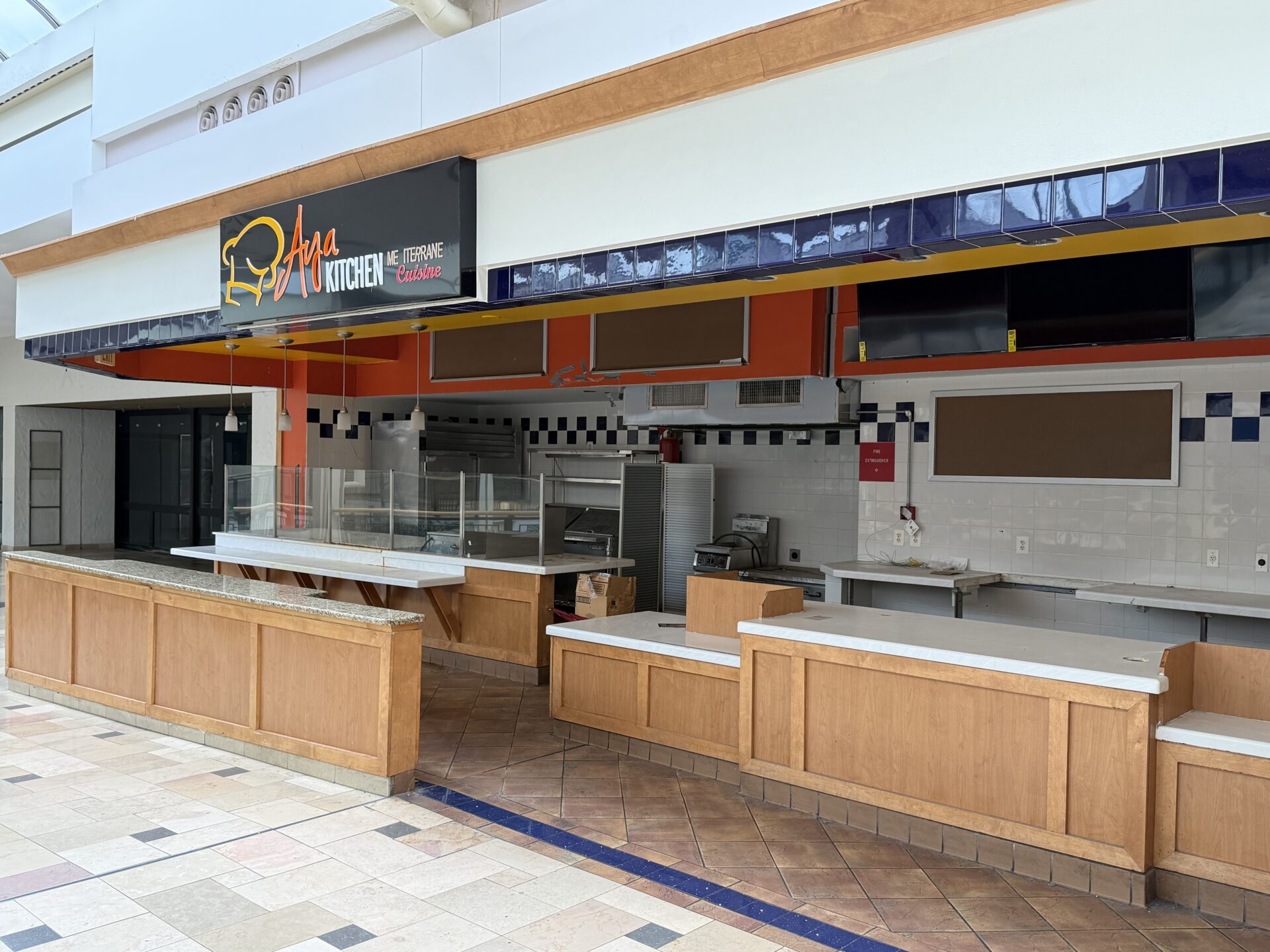
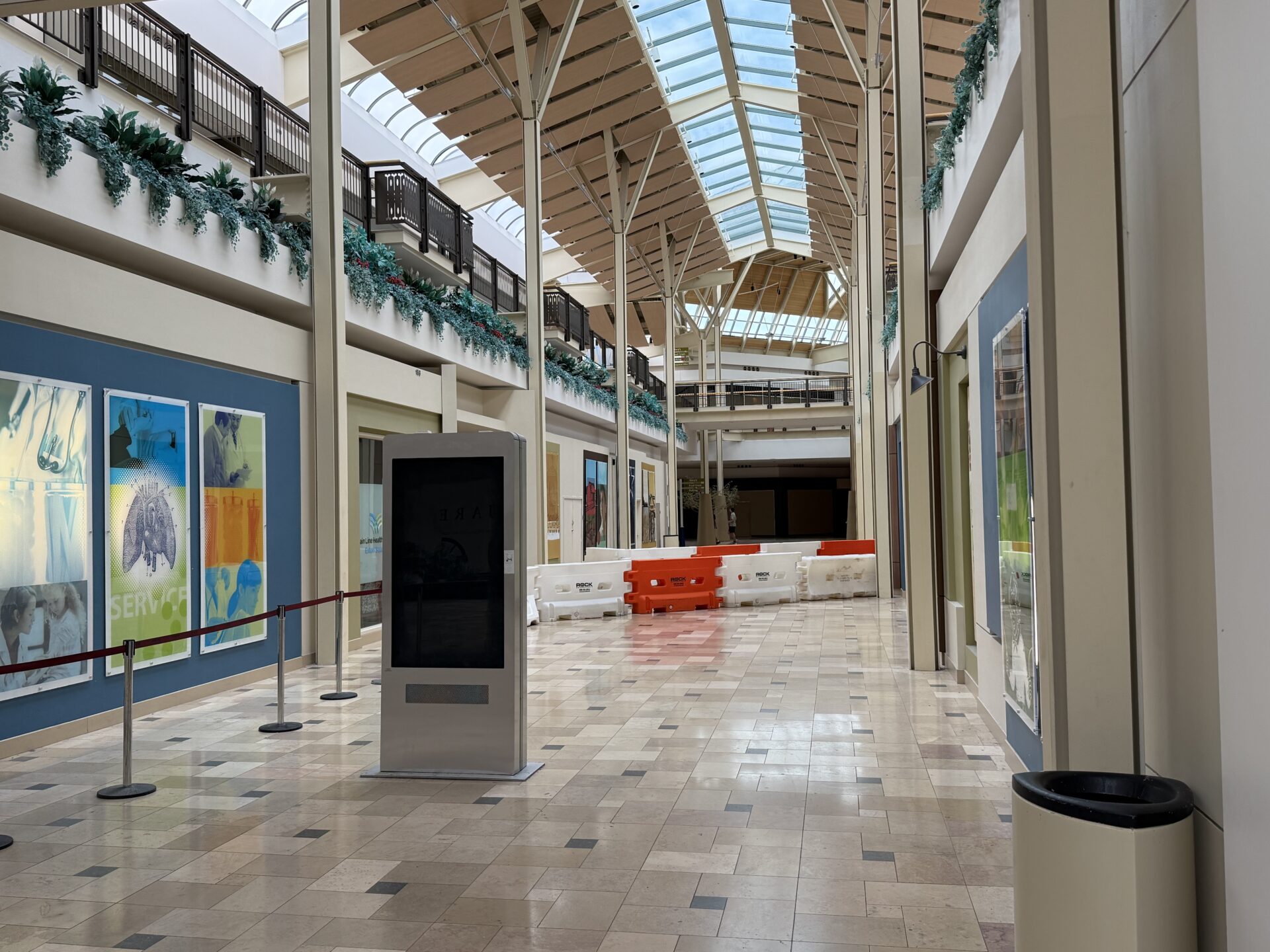
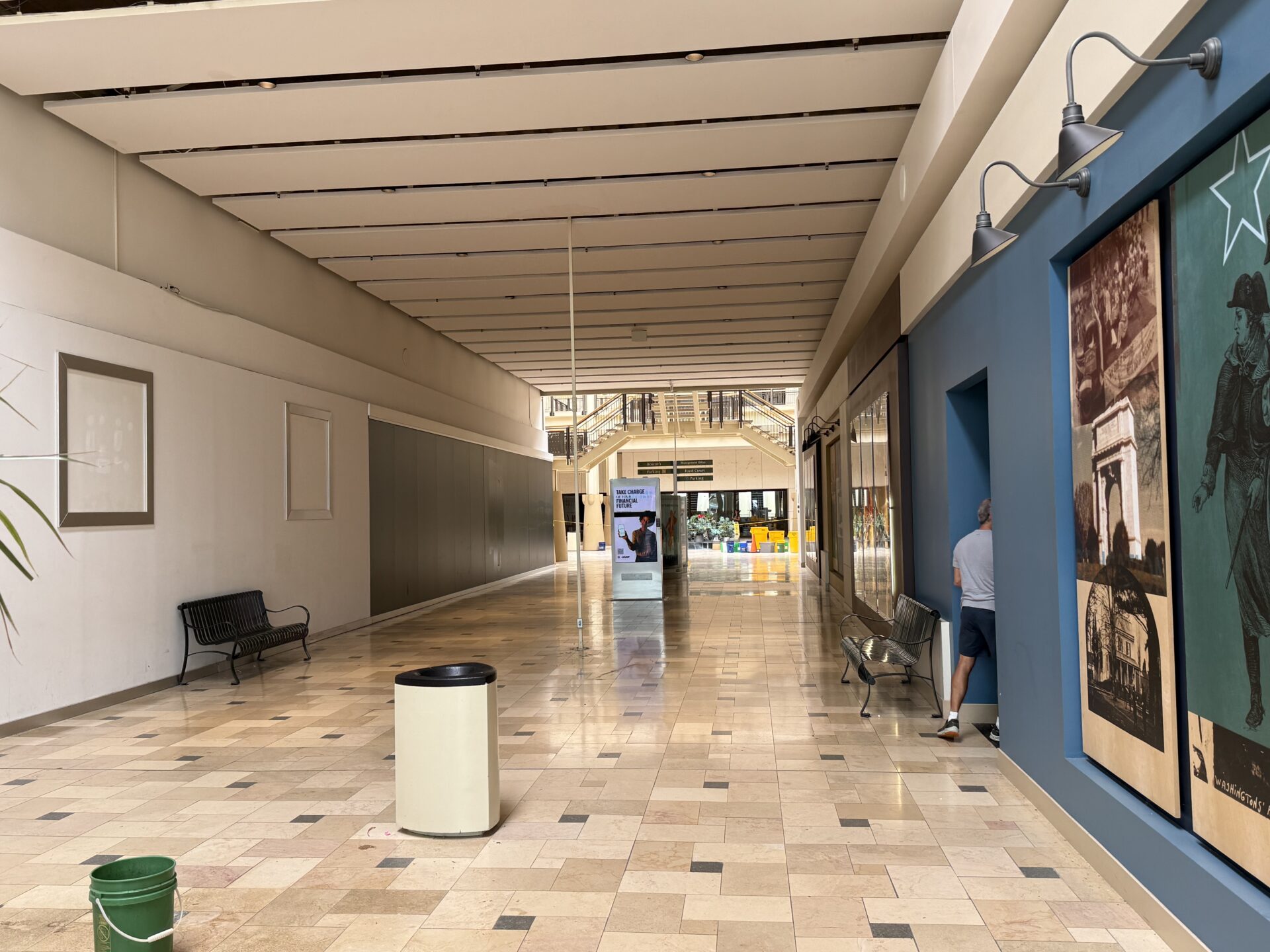
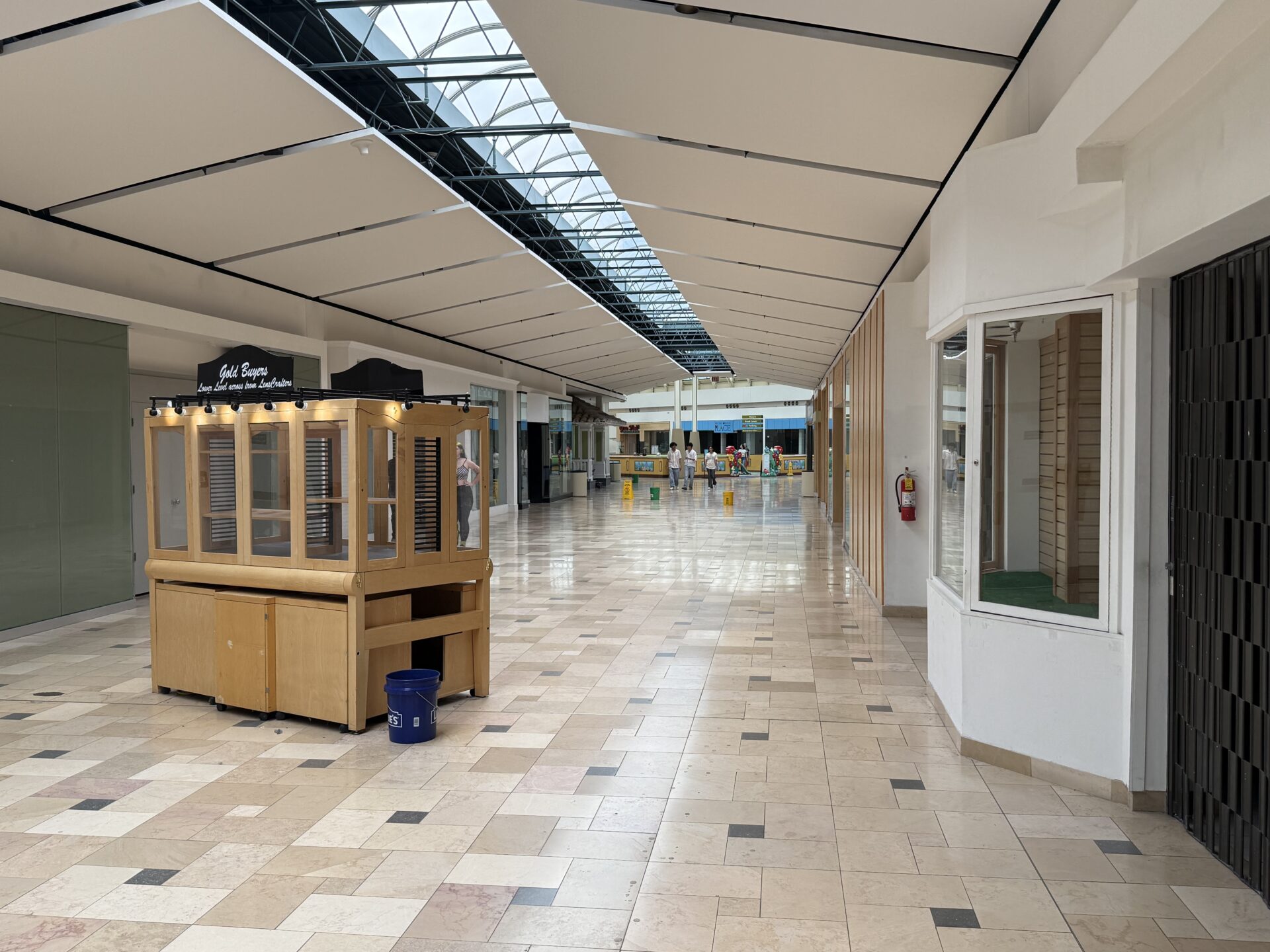
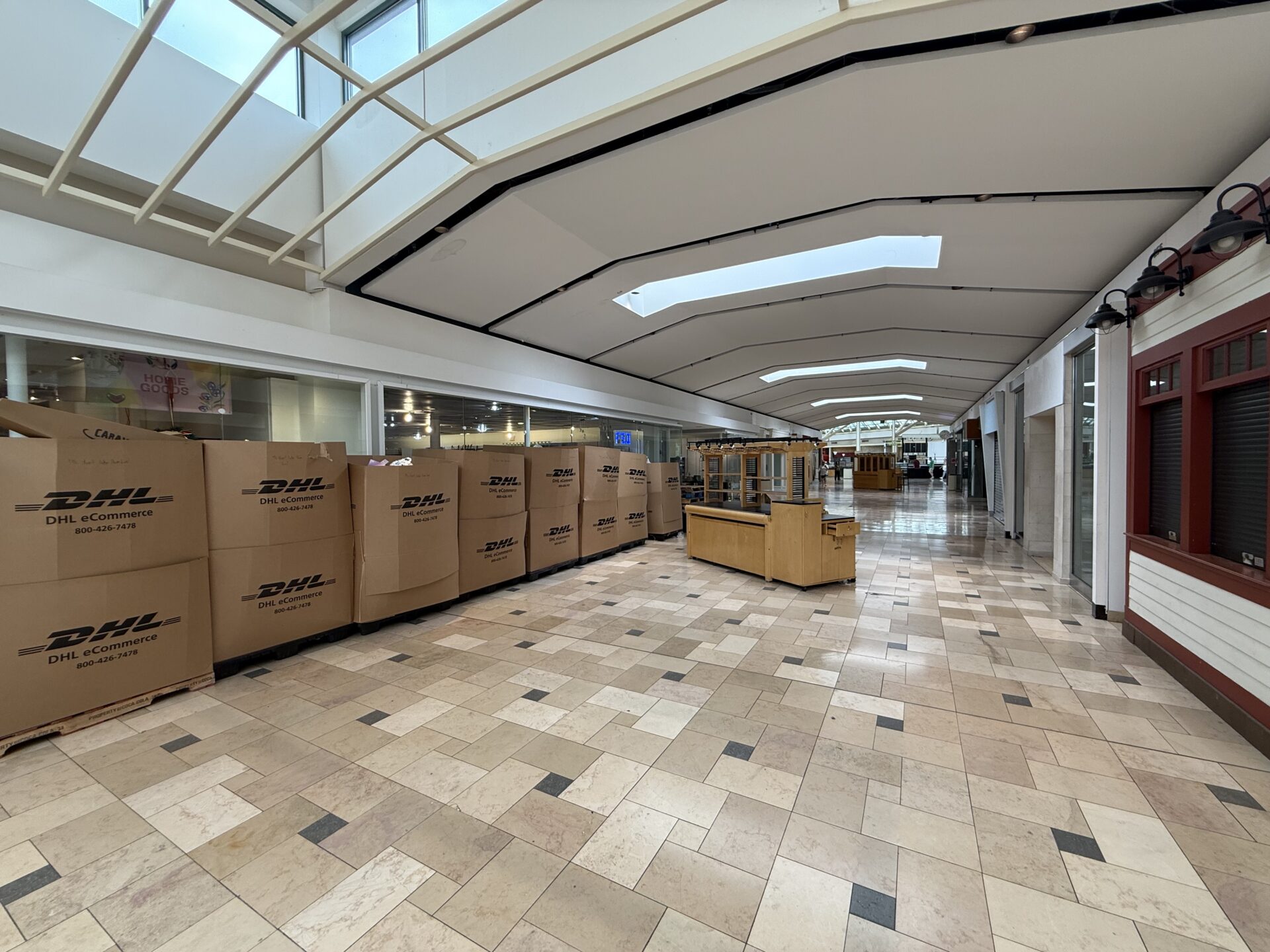
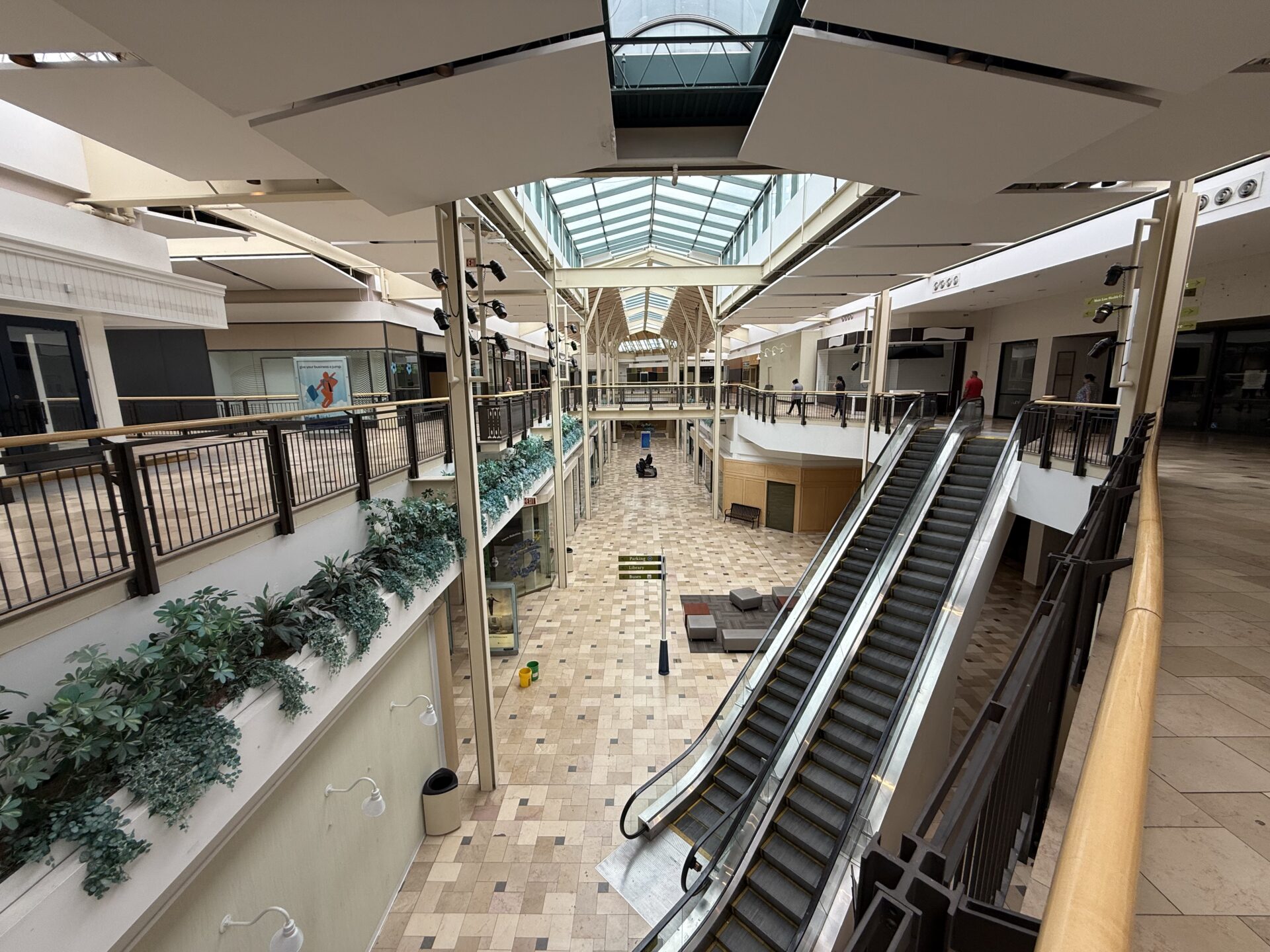
Scenes like that were once common. On weekends, the mall buzzed with activity, from crowded food courts to long lines at popular retailers. In recent years, however, that energy faded. Vacant storefronts replaced once-thriving businesses, and foot traffic dwindled to a mix of occasional shoppers and regular mall walkers.
The mall’s decline reflects a broader shift in consumer behavior. The rise of online shopping, combined with changing social habits, has reduced the role of traditional malls across the country. What was once a centerpiece of suburban life has, in many places, become increasingly obsolete.
Even as the final stores prepare to close, questions remain about what comes next for the 65-acre property. Abrams Realty and Development LLC purchased the site 17 months ago for $38.5 million and has proposed a large-scale redevelopment project aimed at transforming the area into a mixed-use town center.
The plan, valued at approximately $500 million, would replace the aging mall with a combination of residential housing, retail spaces, and restaurants. Developers say the goal is to create a modern, walkable community that reflects how people live and socialize today.
Initially, the company hoped to begin development within six to nine months of acquiring the property. That timeline, however, has been delayed by a legal dispute with local officials.
The West Whiteland Township Board of Supervisors rejected the proposal, citing concerns about increased traffic and the strain on local infrastructure. The decision came despite prior approvals from other township bodies, including the planning and zoning boards.
Developer Peter Abrams expressed frustration with the outcome. “The planning board voted unanimously to approve our master plan submission, and then we went to the board of commissioners, and notwithstanding all of this, they turned it down,” he said.
Abrams has since filed a lawsuit seeking approval for the project, arguing that the area is capable of supporting both the development and the additional traffic it would generate. In the meantime, the property continues to sit largely unused.
“At this point, is it making you money or costing you money? Oh, it’s costing us money,” Abrams said.
The proposal has divided the community. Some residents support the redevelopment, seeing it as an opportunity to revitalize the area and bring new life to a declining property. Others worry about congestion, overdevelopment, and the potential impact on local infrastructure.
As the debate continues, the mall itself is entering its final days. For many, its closing is not just the loss of a shopping center, but the end of a shared space that once brought people together.
Walking through its quiet halls now, it is easy to see both what it was and what it has become—a place filled with memories, standing at the intersection of past and future. Whether the site is eventually transformed or remains in limbo, Exton Square Mall’s legacy as a community landmark is unlikely to be forgotten.
This seems to be what is happening in this country, and probably all through the whole world. Sitting by your computer and/or your mobile phone, and just ordering things to buy, sems to be more important that going to physical stores where you not only buy things, but also interact with people.














 Continue with Google