

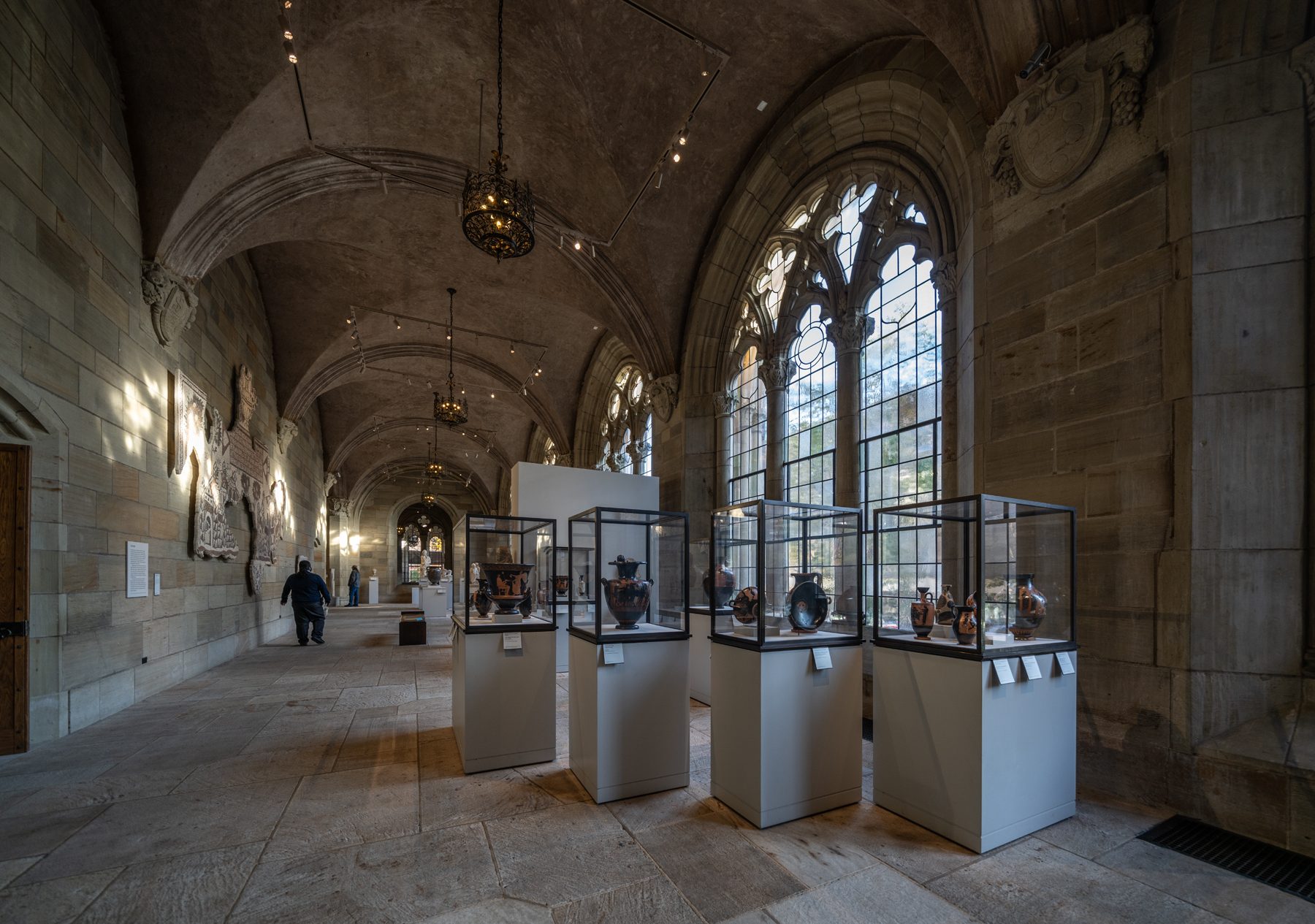
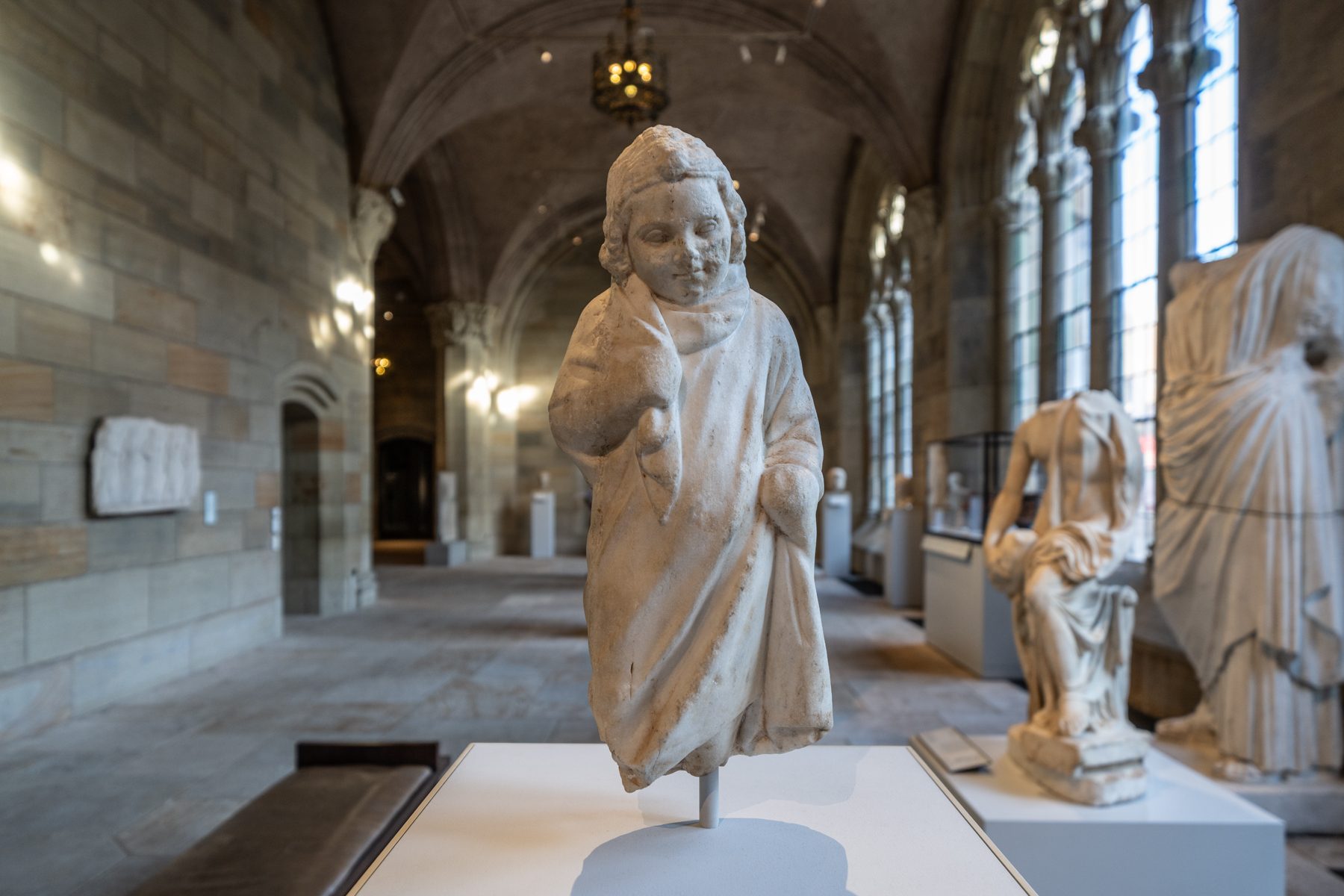
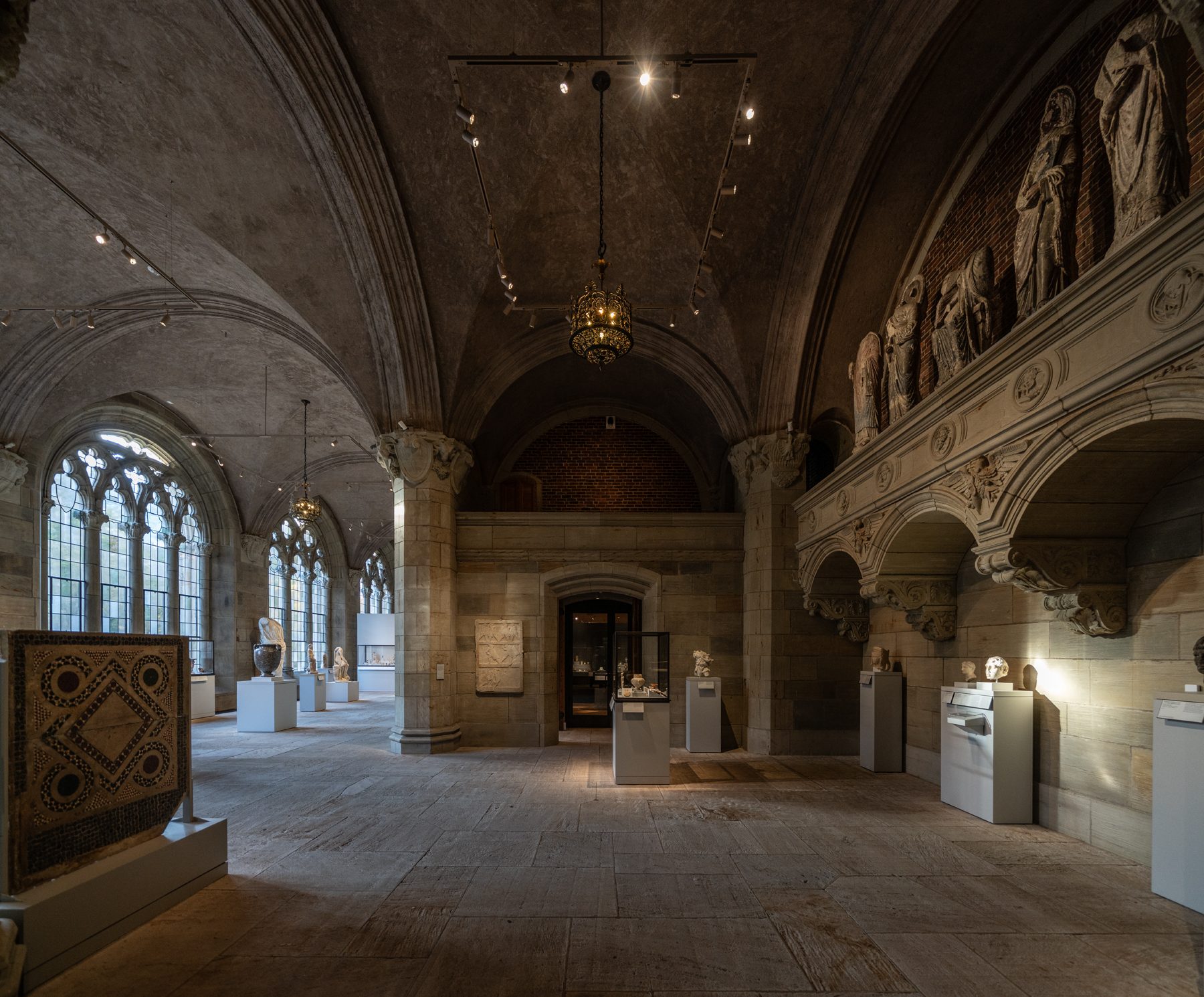
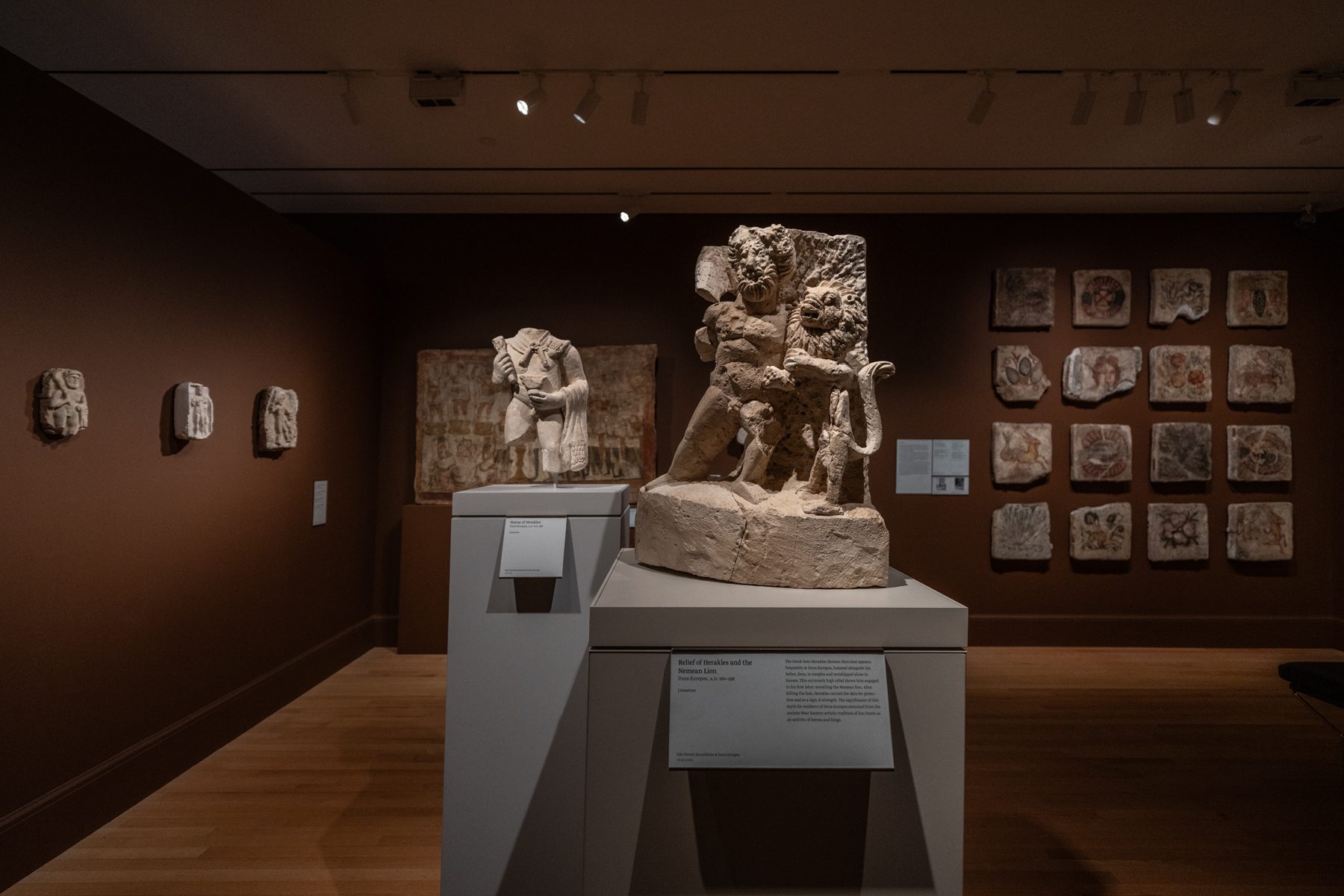
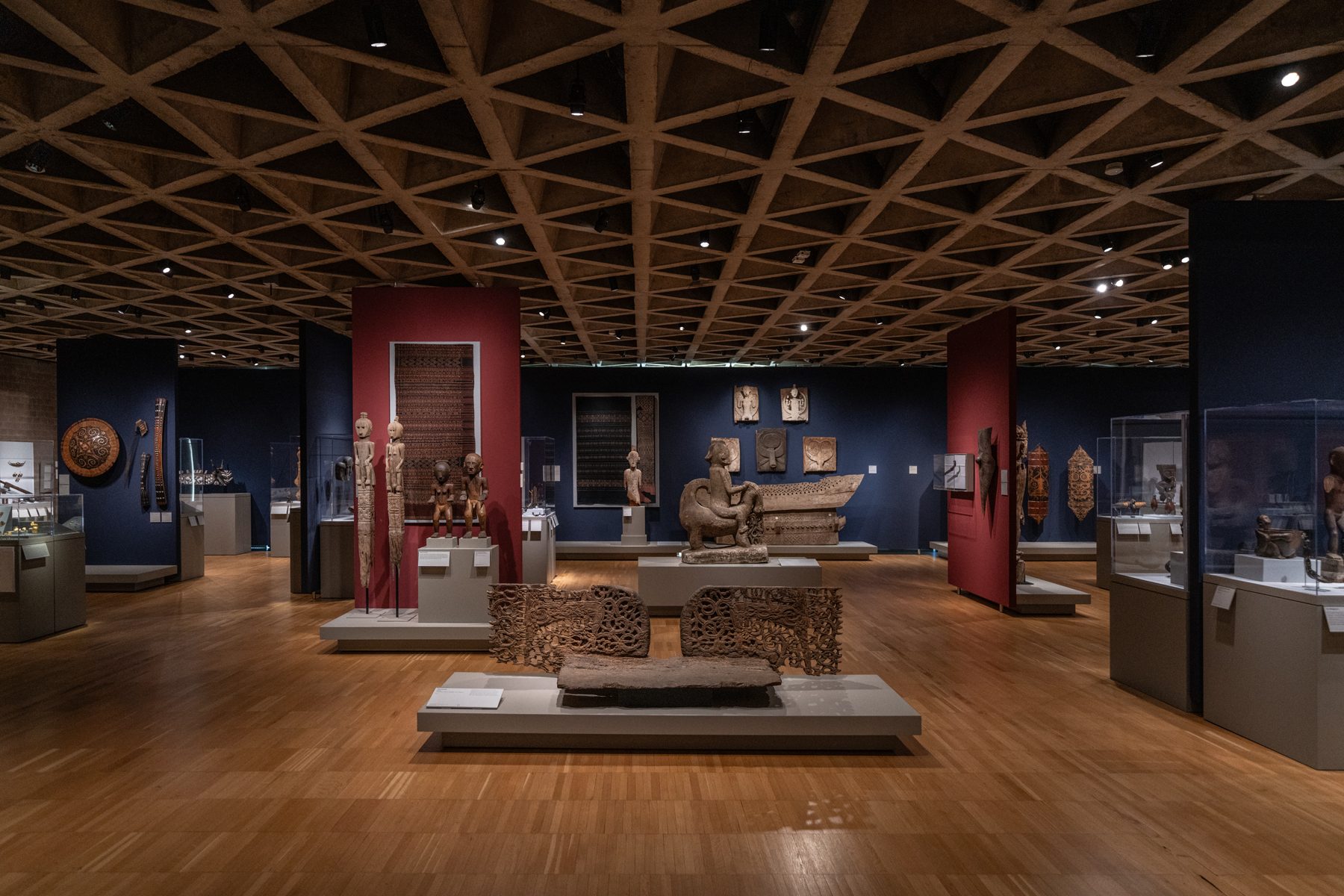
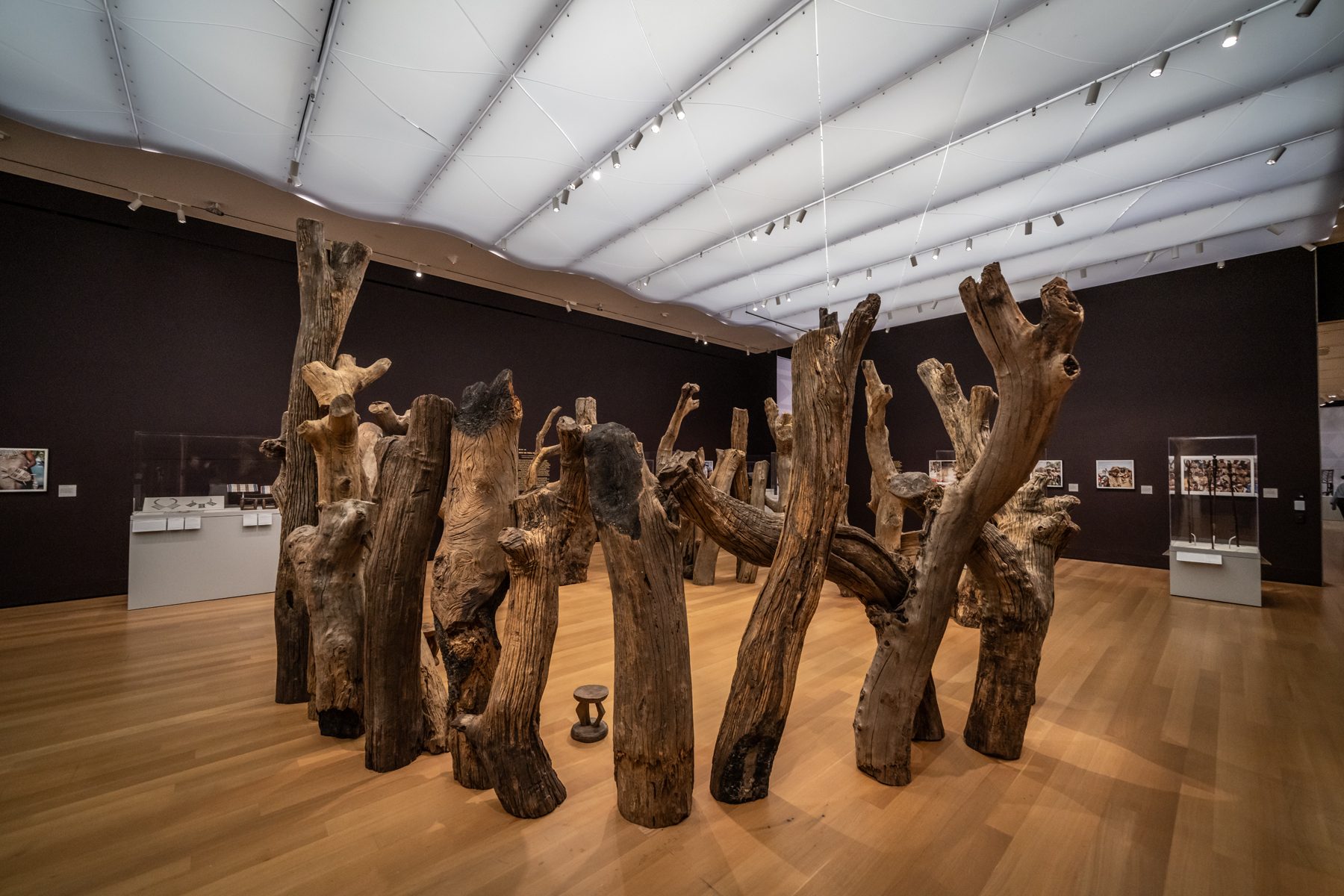

Not all university art galleries are created equal. One might be forgiven for the assumption that the collection at the Yale University Art Gallery couldn’t possibly rival that of a Smithsonian museum in Washington D.C. However, nothing could be further from the truth!
The Yale University Art Gallery holds the distinction of being the oldest university art museum in the Western Hemisphere. It was established in 1832 when American painter John Trumbull donated more than 100 paintings to Yale, including his works depicting significant events during the American Revolution. This led to the foundation of the Trumbull Gallery, which was further bolstered by the acquisition of the Jarves Collection in 1871, which included an extensive assortment of European art from the medieval and Renaissance periods.
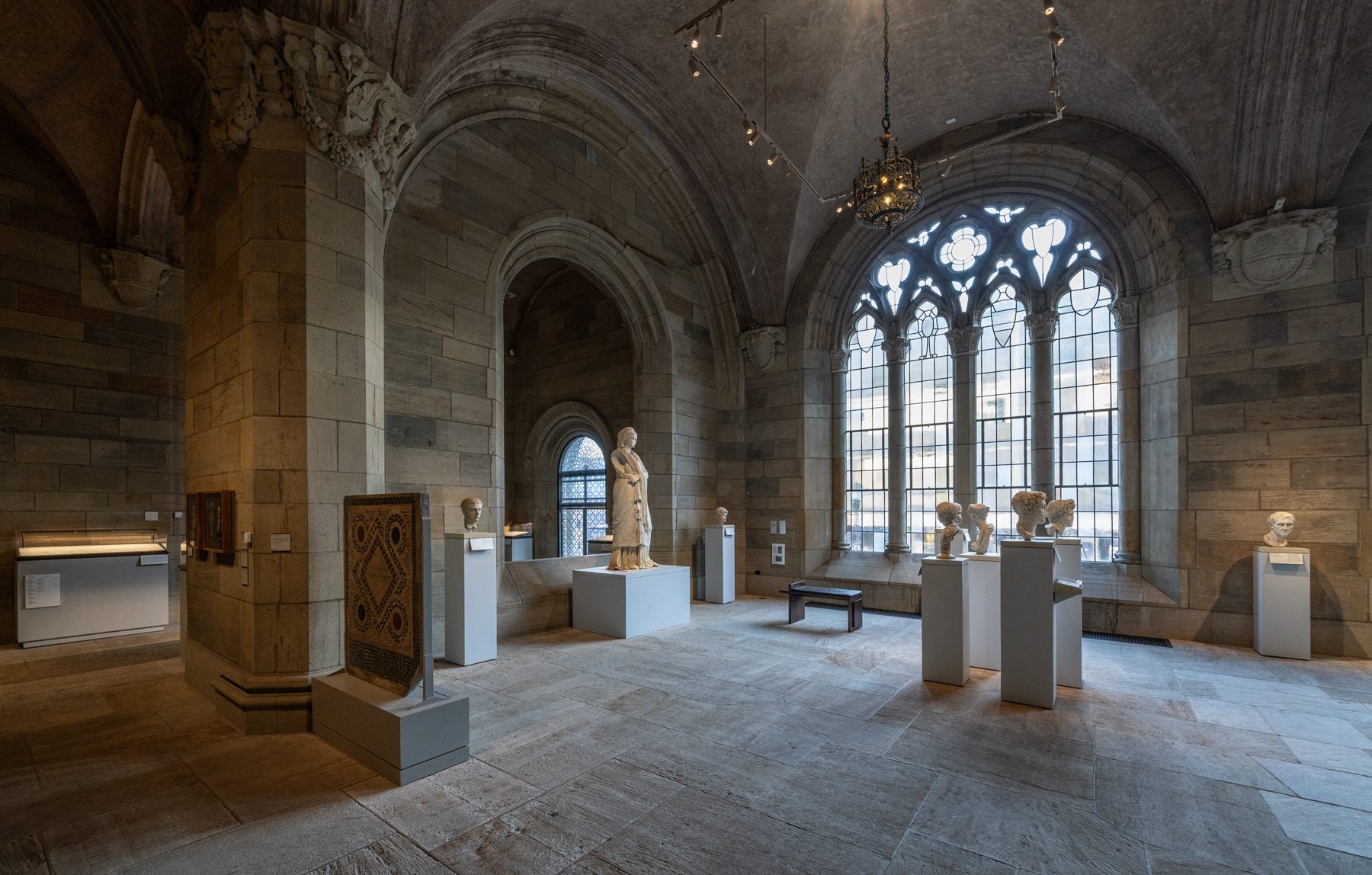
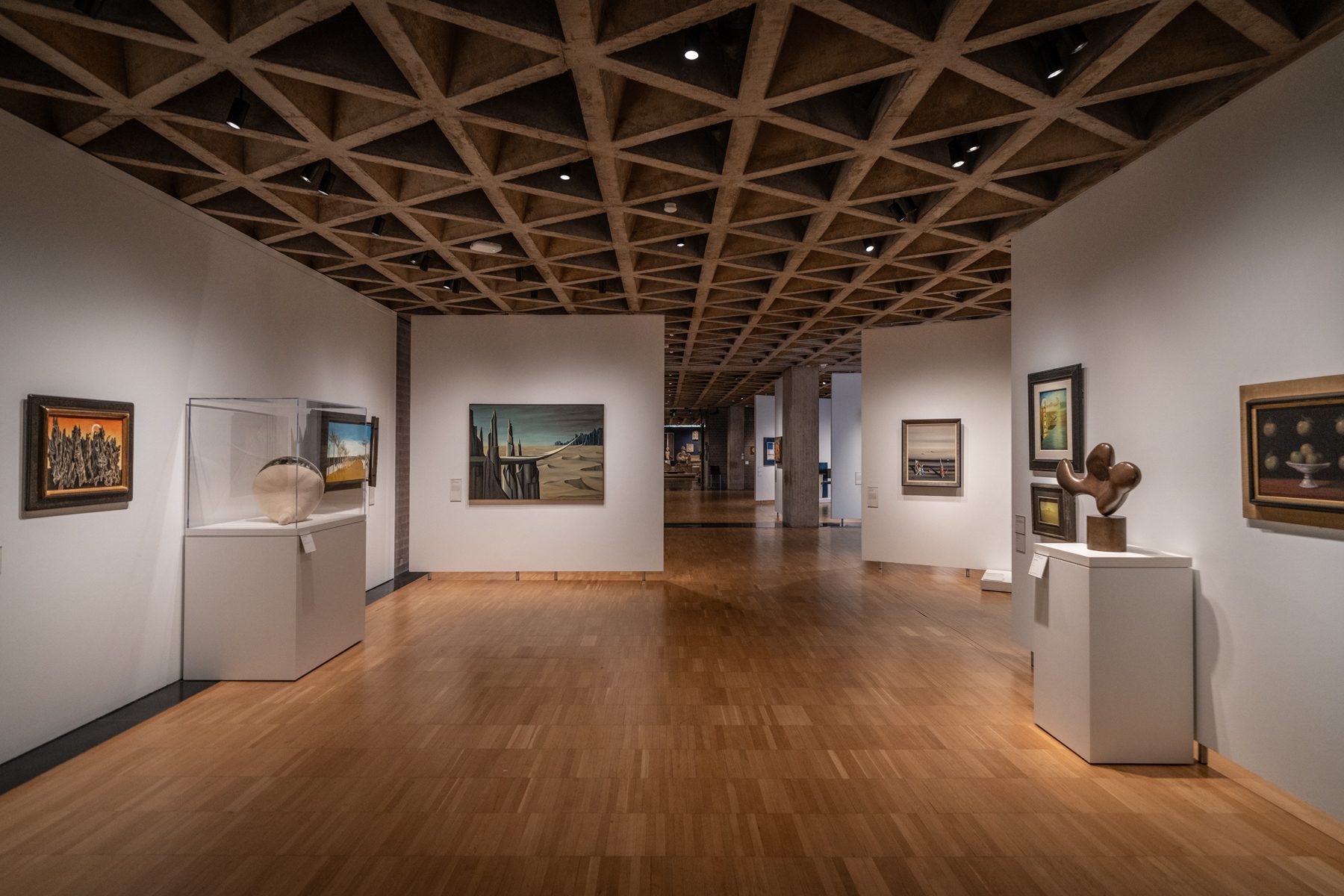
In 1928, a new gallery was designed by architect Egerton Swartout in a style that blends Romanesque, Gothic, and Classical elements. Architect Louis Kahn designed a modernist addition which opened in 1953. The gallery was renovated and expanded between 1998 and 2012.
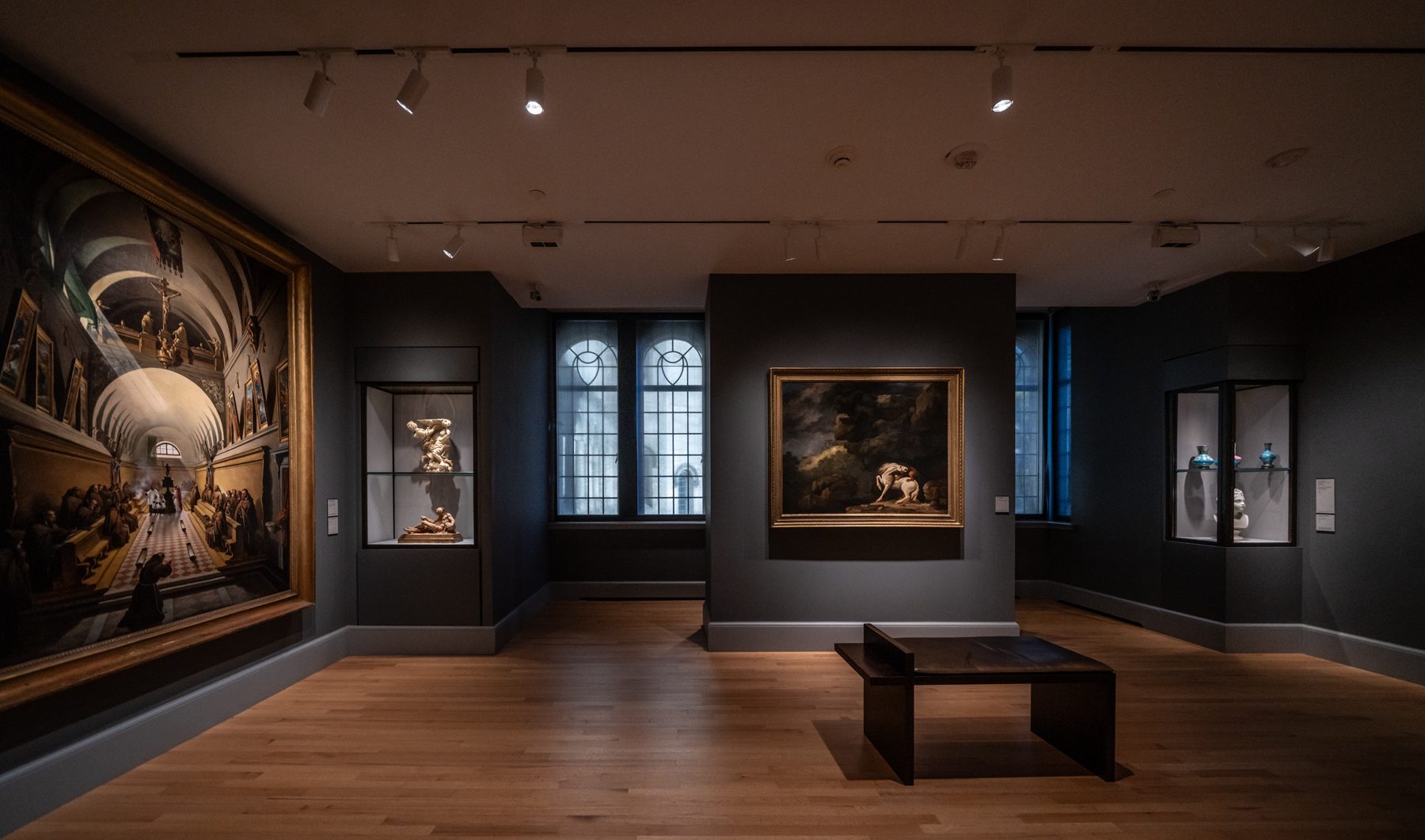
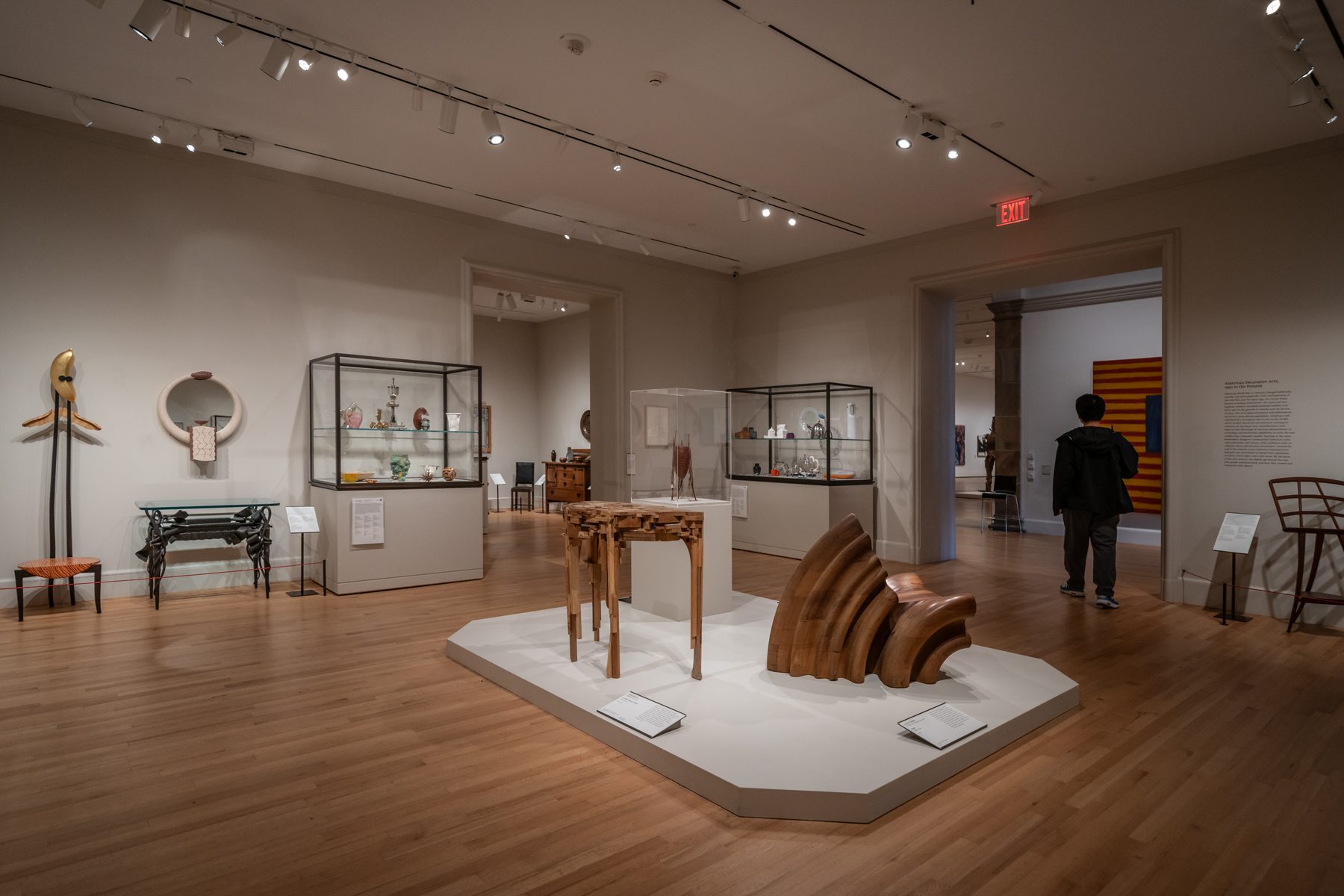
Currently, the Yale University Art Gallery consists of nearly 70,000 sq ft of breathtaking art from many eras and locations. Visitors can enjoy artworks by American painters such as Thomas Cole, Edward Hopper, and Frederic Church, as well as furniture, jewelry, and ceramics. A short walk away, they can discover the Dura-Europos archaeological collection, which was located in present-day Syria and abandoned in AD 256. Other holdings include a decorative urn belonging to Roman emperor Nero, more than 1,000 objects in the museum’s African Art collection, and items from Egypt, Greece, and Etruria. There is also an extensive Asian Art collection as well as contemporary art and photography.
The Yale University Art Gallery is nothing short of spectacular. The fact that it is free and open to the public is a rare and remarkable gift. If you have any interest in art or archaeology, this is one place you won’t want to miss as you travel through New Haven!







 Continue with Google