

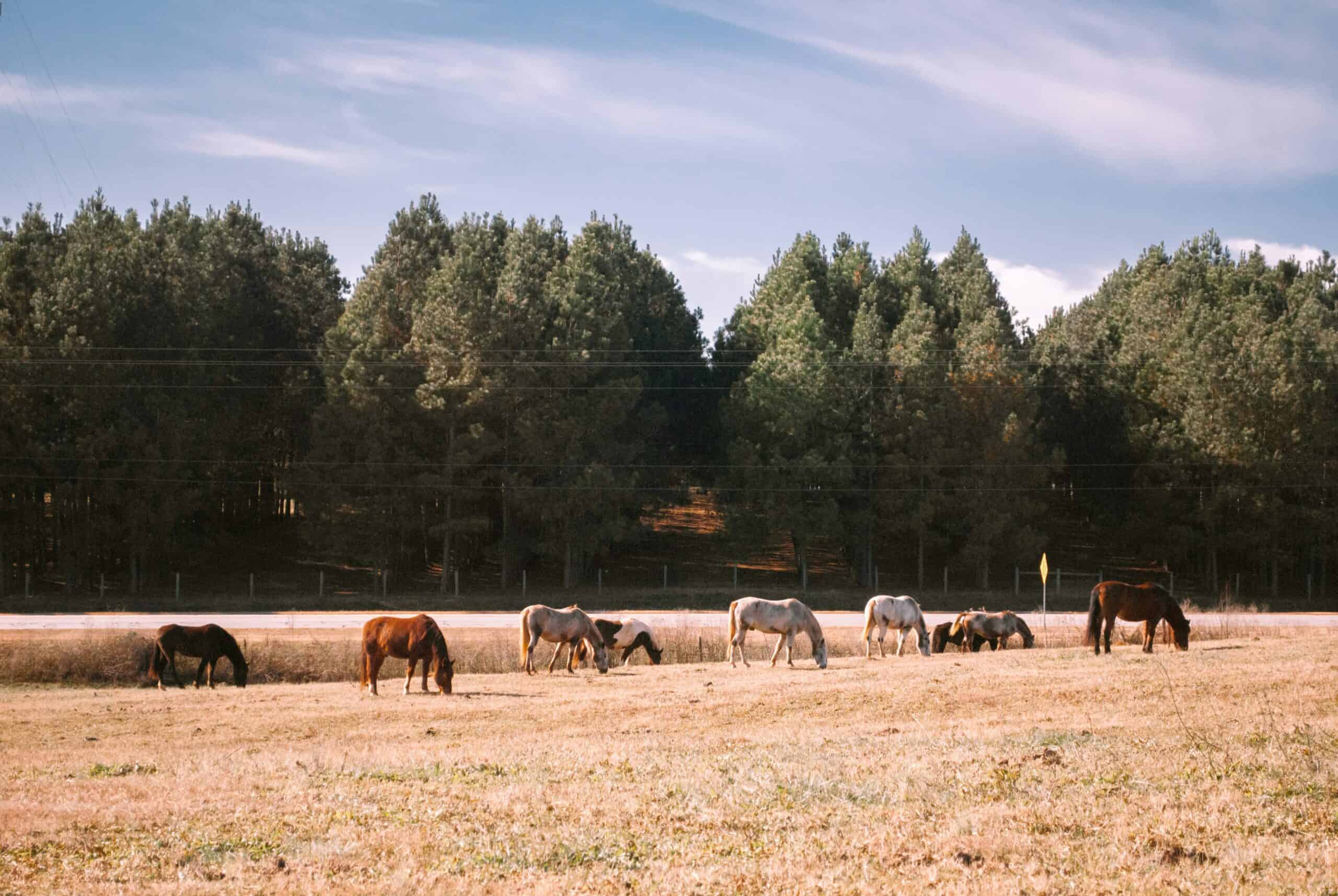
U.S. Route 1 cuts through Georgia’s interior, bypassing Savannah entirely in favor of swamps, pine forests, agricultural towns, and a Fall Line corridor that most travelers never see. This three-day itinerary covers about 250 miles from Folkston at the Florida border north to Augusta, with two to four hours of driving each day. Spring blueberry season and fall foliage are the best times. Bring bug spray for the swamp stretches, and plan to eat whatever roadside stands have available.
This route follows Georgia’s inland Route 1 alignment, running through Vidalia onion country, blueberry farms, and the wetlands of the Okefenokee. The stops are small towns with real histories. Augusta anchors the north end. The Folkston Funnel sends you off at the south.
Day 1: Southern Georgia – Folkston to Waycross to Alma
Route 1’s southern entry into Georgia runs through wild wetlands and timberland. The first day covers the most remote stretch of the corridor, from the Florida border north through the Okefenokee edge to Alma’s blueberry country.
Folkston, GA (Train Watching Hub)
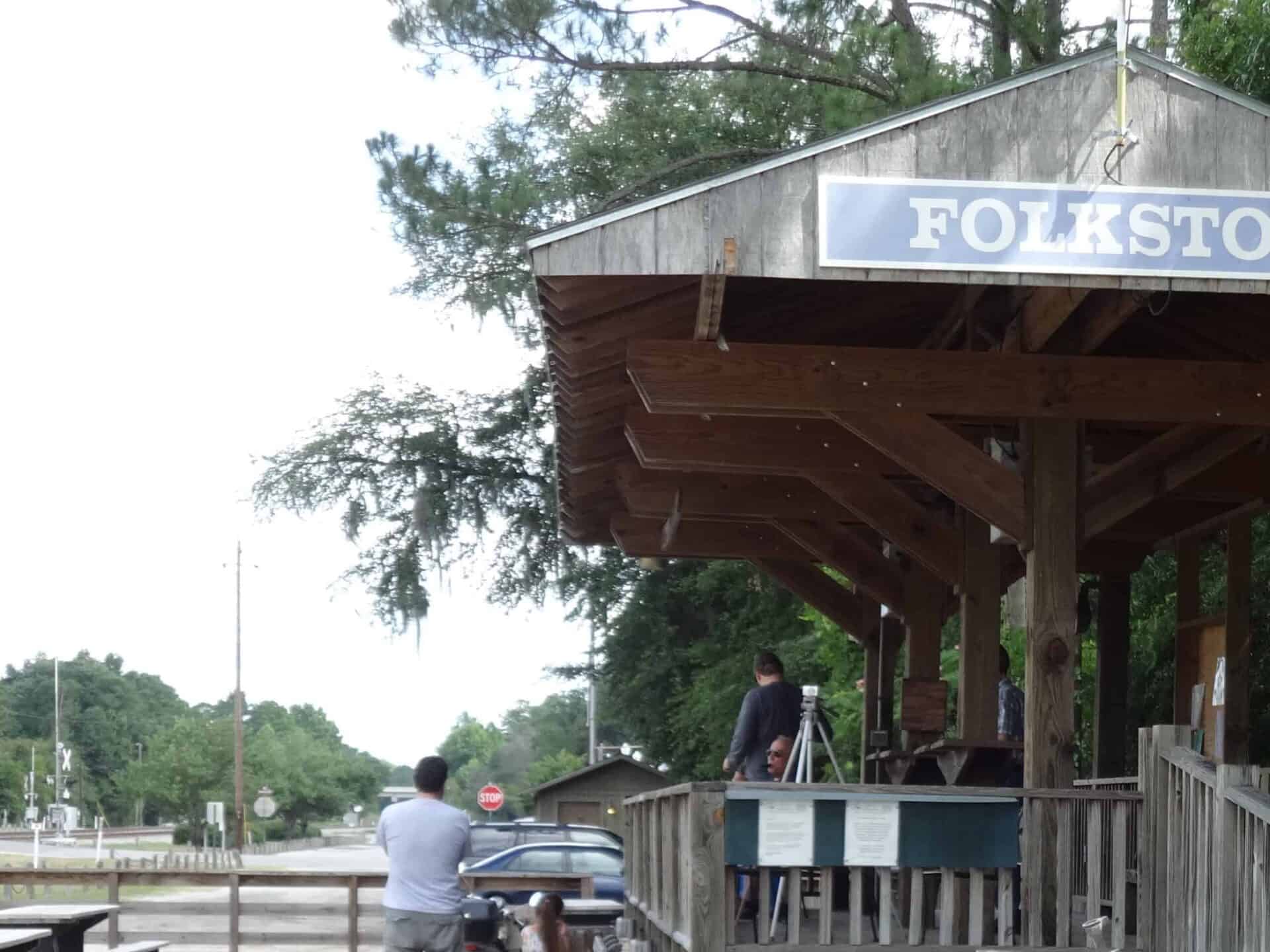
Start your Georgia journey in this train-spotter’s paradise near the Florida border, where rails converge amid swampy wilderness.
Folkston is where Route 1 enters Georgia from Florida, and it earns a stop before you push north. CSX’s main line between the Southeast and Northeast runs through town, and two tracks converge here in what railfans call the Folkston Funnel. The city built a viewing platform with rocking chairs and a railroad scanner. On a busy day, a hundred freight trains pass through. Duration: 2-3 hours.
Activities include watching trains at the Folkston Funnel viewing platform, exploring the Charlton County Historical Museum for local lore, strolling downtown for antique shops, visiting nearby Okefenokee National Wildlife Refuge entrance for exhibits, and grabbing a Southern breakfast at a local diner.
Waycross, GA (Swamp Gateway)
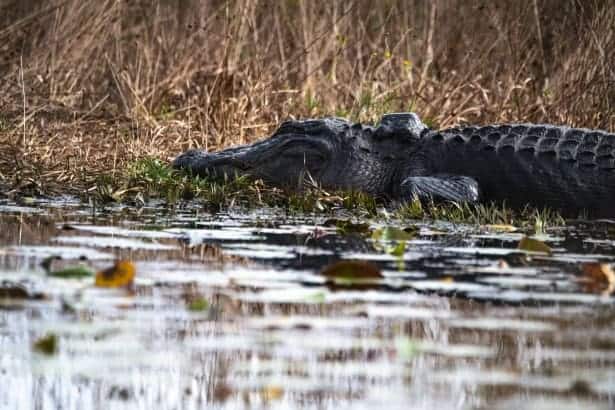
Gateway to the mysterious Okefenokee Swamp, where gators and cypress trees define Georgia’s wild interior along Route 1.
Waycross is the largest city on Route 1’s Georgia corridor and the access point for the Okefenokee National Wildlife Refuge. The swamp covers 400,000 acres of blackwater cypress forest and open prairies. Alligators are common. The water runs brown from tannins. Okefenokee Swamp Park runs boat tours through cypress corridors that close overhead. The Southern Forest World museum covers the timber and naval stores industries that ran this region for a century. Duration: 3-4 hours.
Activities include taking a boat tour at Okefenokee Swamp Park for wildlife spotting, hiking boardwalk trails through cypress groves, visiting the Southern Forest World museum for logging history, exploring downtown murals and shops, and picnicking with views of the swamp’s prairies.
Alma, GA (Blueberry Capital)
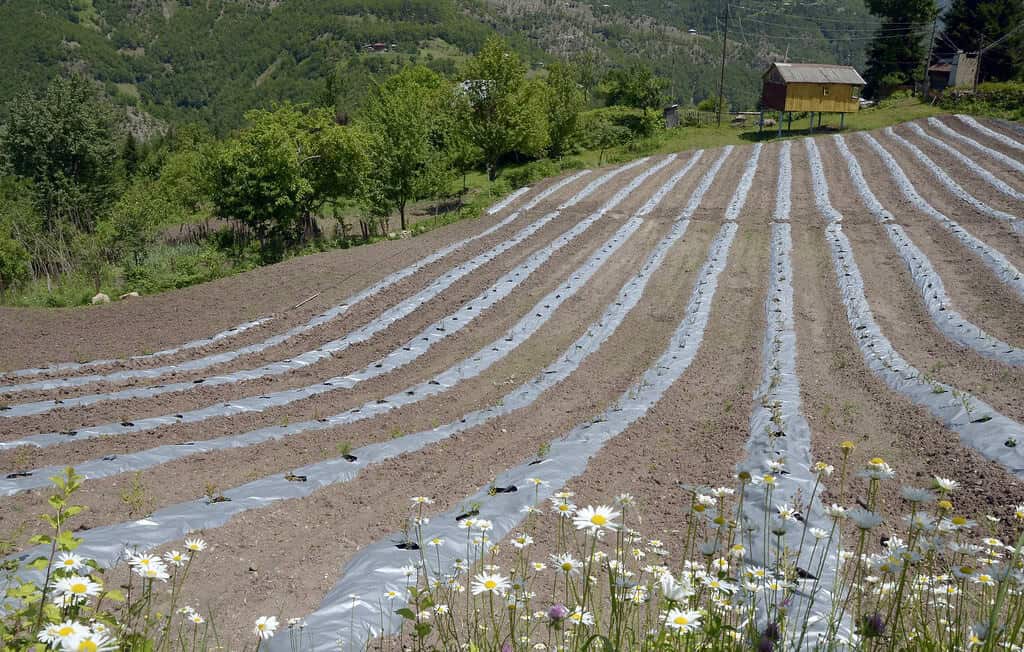
Savor the blueberry capital’s sweet harvests in this agricultural heartland town on Route 1.
Alma is the Blueberry Capital of Georgia, and Bacon County backs it up with a significant share of the state’s blueberry crop. The Alma Blueberry Festival runs in late June. Between May and July, farms along the county roads offer pick-your-own. The Coastal Plain’s sandy, acidic soil is ideal for blueberries. Stay overnight here before pushing north. Duration: 3-4 hours (overnight recommended).
Activities include touring local blueberry farms during season (May-July), visiting the Alma Blueberry Festival if timing aligns, exploring the Bacon County Courthouse and historic district, sampling fresh produce at roadside stands, and dining on Southern comfort food with berry desserts.
Day 2: Central Georgia – Alma to Baxley to Swainsboro
Day two runs through Route 1’s central farmlands: timber country on the Altamaha River, Vidalia onion fields, and the pine belt around Swainsboro. The driving is easy. The stops add up.
Baxley, GA (Altamaha River Town)
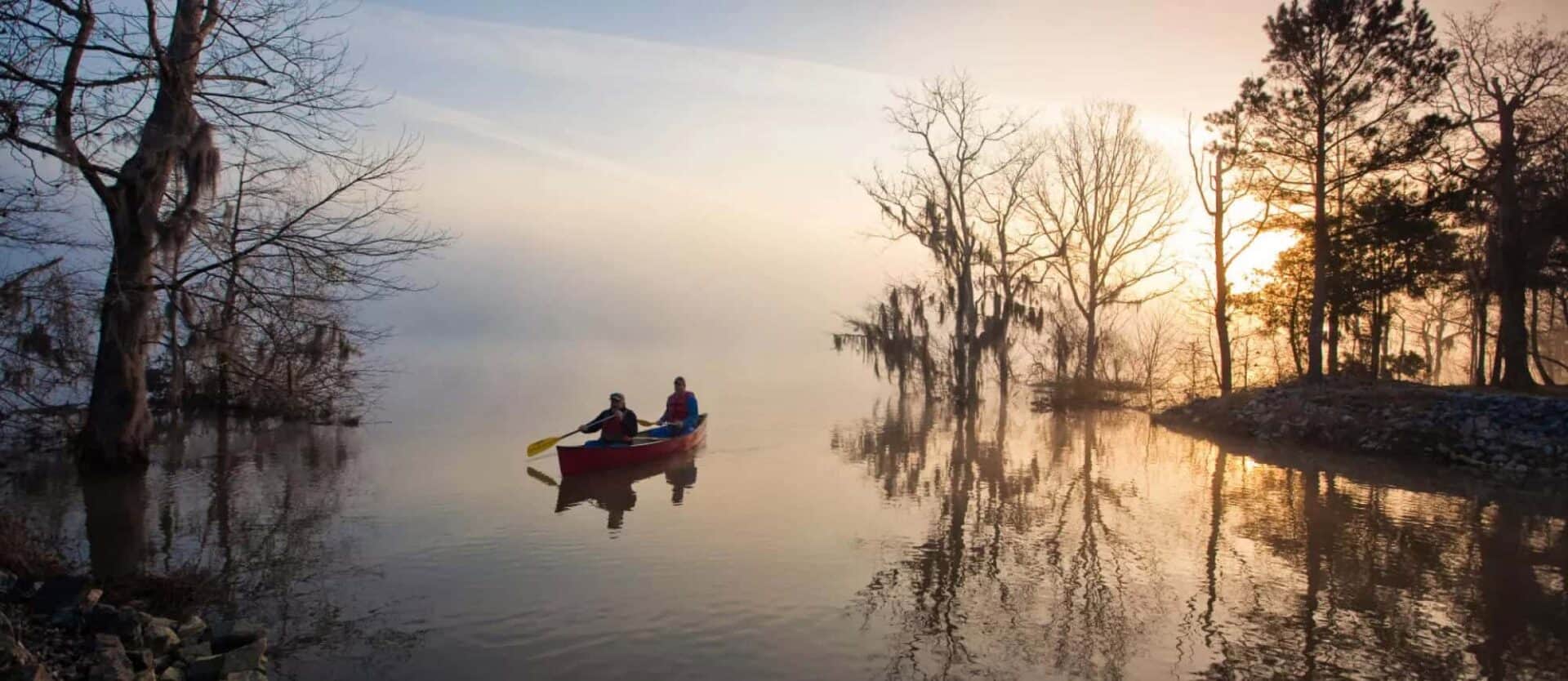
Discover riverside history in this timber town where Route 1 crosses the mighty Altamaha.
Baxley sits in Appling County where Route 1 crosses the Altamaha River, Georgia’s largest river by flow. The Altamaha drains a huge portion of the state’s interior and supports one of the Southeast’s most intact river ecosystems. Moody Forest Natural Area, just outside town, protects old-growth longleaf pine that most of Georgia lost to logging a century ago. Duration: 2-3 hours.
Activities include kayaking or fishing on the Altamaha River, visiting the Appling County Heritage Center for local exhibits, strolling the historic downtown with murals, exploring Moody Forest Natural Area for hiking trails, and tasting turpentine history at a local distillery or museum.
Lyons, GA (Vidalia Onion Country)
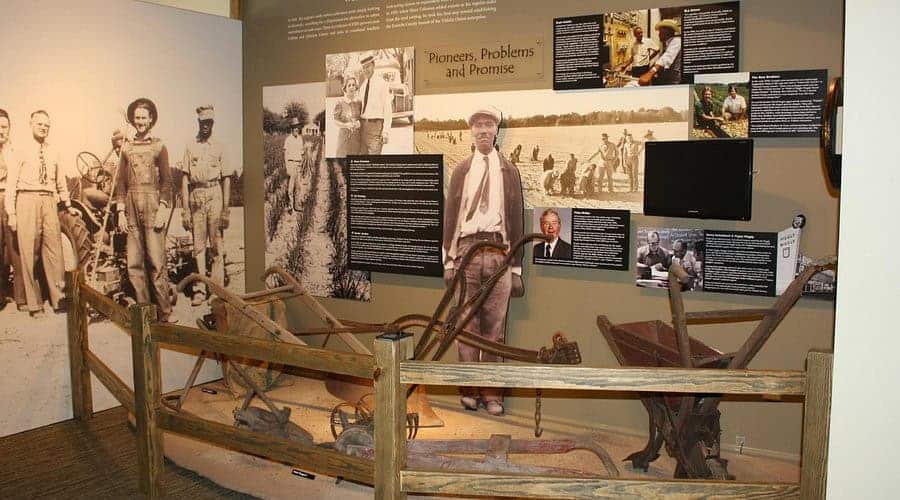
Bite into onion country in this flavorful stop, home to Georgia’s famous sweet Vidalia onions along Route 1.
Lyons is in Toombs County, and Toombs County is where the Vidalia onion was born. The specific low-sulfur soil around here produces onions mild enough to eat raw. A federally protected designation since 1989, Vidalia onions can only be grown in a twenty-county zone. Harvest season is April through June. Roadside stands pile them high for a few dollars a bag. The Vidalia Onion Museum in nearby Vidalia has the full story. Duration: 3-4 hours.
Activities include touring the Vidalia Onion Museum for farming insights, visiting onion farms or packing houses, shopping at the Lyons Farmers Market for fresh produce, exploring Partin Park for picnics and trails, and sampling onion-inspired dishes at local eateries.
Swainsboro, GA (Pine Tree Festival Town)
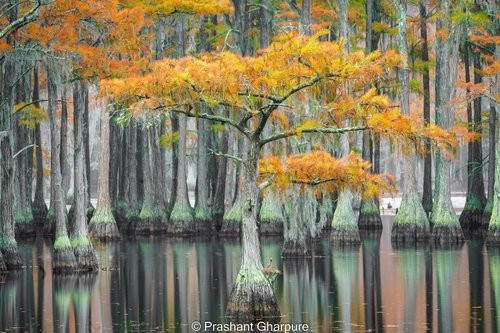
Unwind in pine-scented forests at this festival town, blending nature and small-town charm on Route 1.
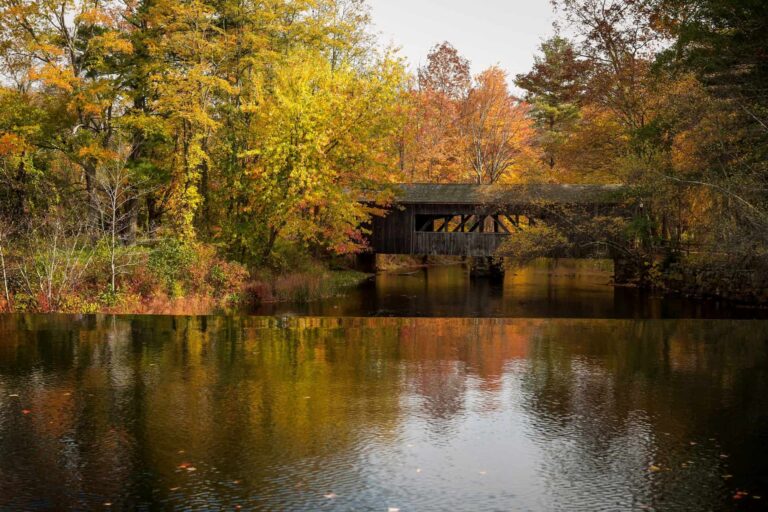
Swainsboro anchors Emanuel County in the middle of Georgia’s pine belt. George L. Smith State Park, twelve miles south, has a cypress-draped mill pond with an old wooden bridge that photographs itself. The paddling on the mill pond is exceptional in the early morning. The Pine Tree Festival runs in May. Stay overnight before the final push to Augusta. Duration: 3-4 hours (overnight recommended).
Activities include paddling at George L. Smith State Park with its mill pond and cypress trees, attending the Pine Tree Festival if in May, visiting the Emanuel Arts Center for local exhibits, hiking park trails for birdwatching, and enjoying barbecue at a downtown spot.
Day 3: Northern Georgia – Swainsboro to Louisville to Augusta
The final day runs north on Route 1 through Georgia’s former state capital and ends in Augusta, where James Brown grew up, the Masters is played, and the Savannah River defines the state line.
Louisville, GA (Historic Capital)
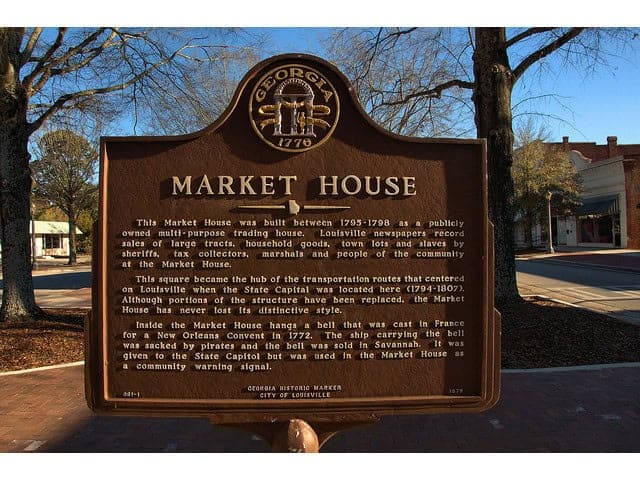
Reflect on Georgia’s complex past at this former state capital, with historic sites dotting Route 1.
Louisville was Georgia’s state capital from 1796 to 1807, which makes it one of the oldest significant towns on Route 1’s corridor. The Old Market House from 1796 still stands downtown, a brick structure with a contested history that Louisville addresses plainly. The Jefferson County Courthouse museum covers the town’s role in early Georgia governance. Duration: 2-3 hours.
Activities include touring the Old Market House for its controversial history, visiting the Jefferson County Courthouse and museum, strolling the historic district with antebellum homes, exploring local antique shops, and learning about the area’s role in state history at interpretive sites.
Wrens, GA (Small-Town Gem)
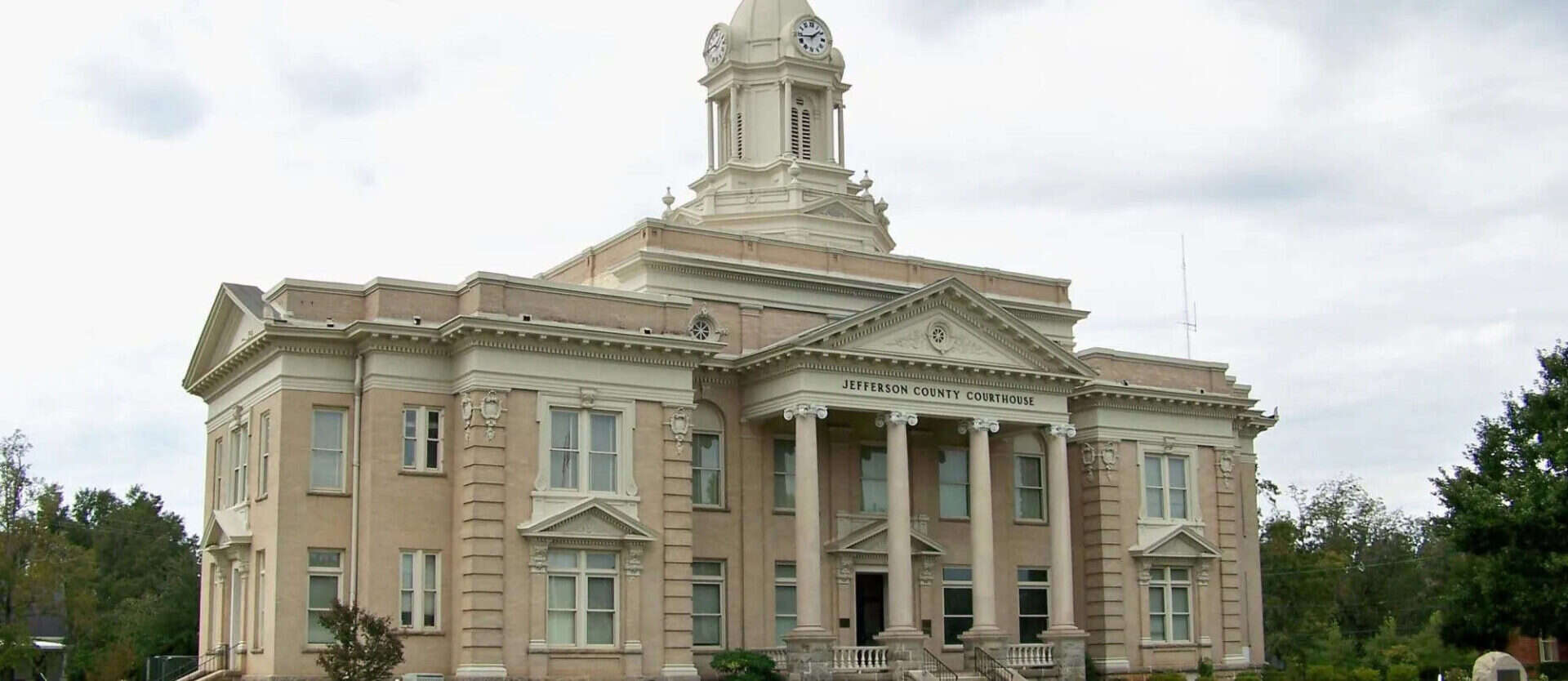
Experience the charm of rural Georgia in this quaint railroad town along Route 1’s northern stretch.
Wrens is a Jefferson County railroad town on Route 1’s northern stretch, the last stop before Waynesboro and Augusta. It’s a short stop, but downtown Wrens has the kind of courthouse-square bones that small Georgia towns were built around. The Wrens Museum has local artifacts. Walk the streets, eat somewhere family-owned, and keep moving north. Duration: 2-3 hours.
Activities include visiting the Wrens Museum for local artifacts, exploring downtown shops and eateries, walking the Wrens City Park trails, learning about the area’s farming heritage at roadside markers, and enjoying a casual meal at a family-owned restaurant.
Augusta, GA (Garden City)
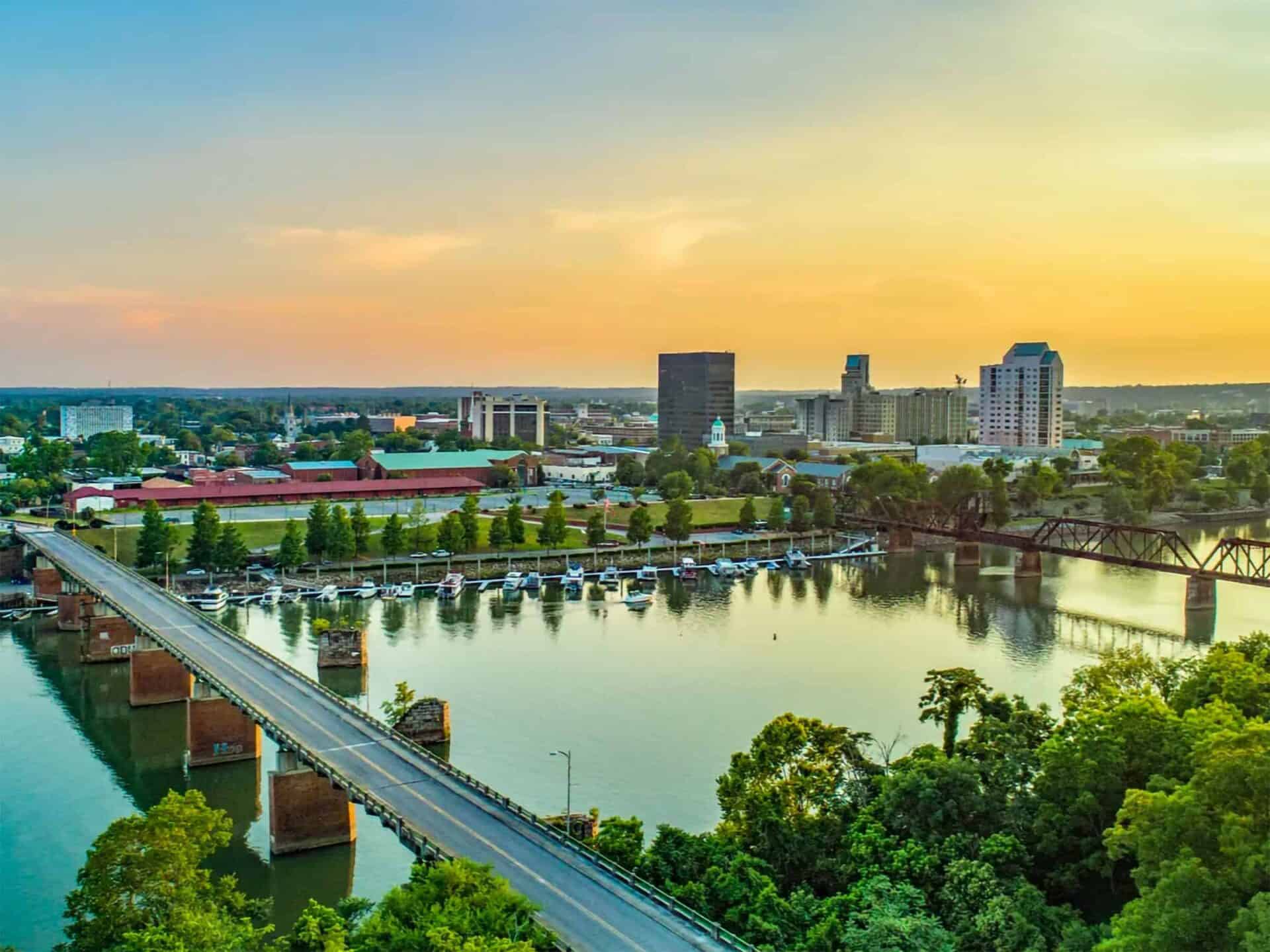
Conclude in the Garden City, where historic canals and Southern elegance meet at Route 1’s Georgia finale.
Augusta is where Route 1 crosses into South Carolina, and it earns more time than a day-three stop usually gets. James Brown grew up here — born in Barnwell, South Carolina in 1933, he moved to Augusta as a child and the city claimed him completely. The Masters Tournament has been played at Augusta National every April since 1934. The Augusta Canal, dug in 1845, is now a National Heritage Area where you can kayak the same channel that powered Georgia’s textile mills for a century. The Riverwalk runs along the Savannah River. Woodrow Wilson’s boyhood home is on Seventh Street. Give it four to five hours or stay another night. Duration: 4-5 hours (extend for more exploration).
Activities include cruising the Augusta Canal National Heritage Area by boat, touring the Augusta Museum of History for regional exhibits, strolling Riverwalk Augusta for Savannah River views, visiting the boyhood home of Woodrow Wilson, and dining on Southern cuisine downtown.
This inland route captures the Georgia that I-95 skips: swamps, blueberry farms, onion fields, old state capitals, and a northern terminus that could hold you for two days on its own. Augusta, Louisville, the Okefenokee, the Folkston Funnel. That’s the Route 1 Georgia story. Check the Georgia pillar for more context on everything you’ll pass through.



 Continue with Google