

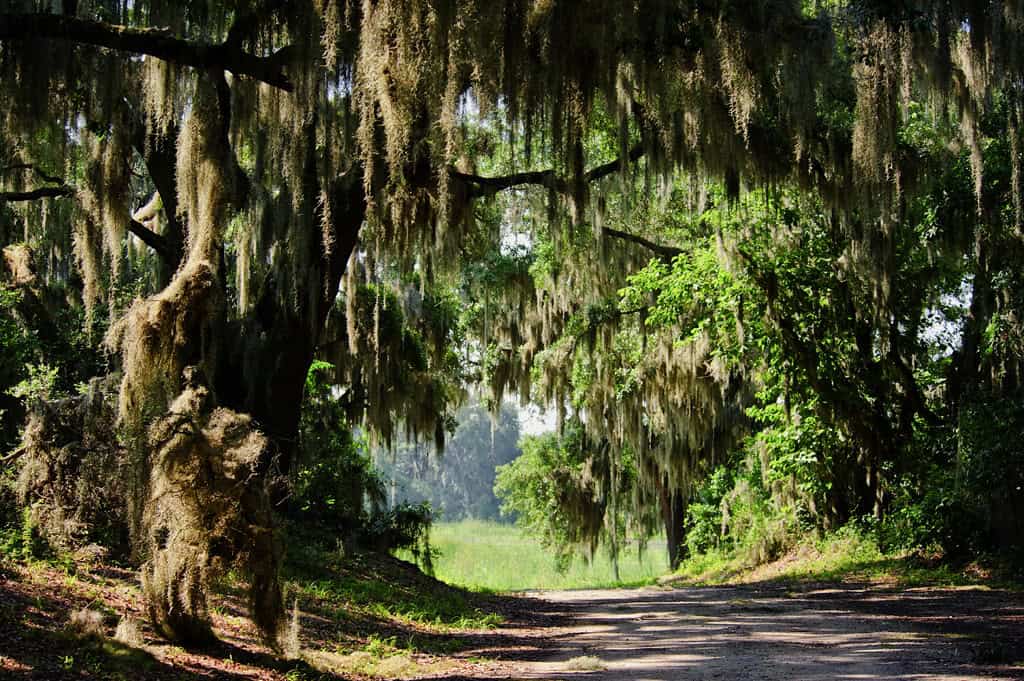
Set off on a 3-day road trip along South Carolina’s inland U.S. Route 1, from the Savannah River border near North Augusta to the Sandhills near Cheraw. This itinerary covers about 200 miles of rural highways and historic roads, with 2 to 4 hours of driving each day, through the Palmetto State’s interior: rolling farmlands, antebellum towns, and a landscape shaped by rivers and revolutions.
The Route 1 corridor through South Carolina runs from Confederate markers to wildlife refuges, mixing heritage sites, natural escapes, and local food from mustard-sauce barbecue to shrimp and grits. Fall is best for mild temperatures and fall color; spring works well if you want to catch equestrian events in Aiken and Camden. Pack comfortable shoes for trails and come ready to slow down.
Day 1: Southern South Carolina – North Augusta to Aiken to Lexington
Route 1 crosses the Savannah River into South Carolina’s horse country and historic districts, running northeast through equestrian estates and small towns along the state’s western edge.
North Augusta, SC (Riverfront Gem)
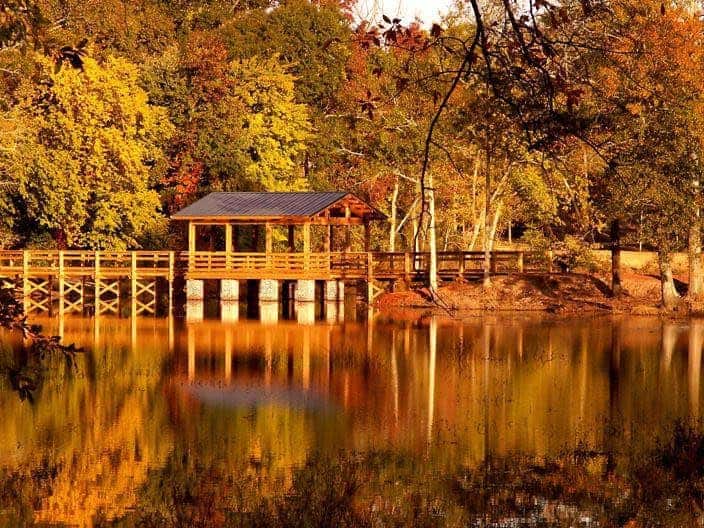
Kick off in this riverside town where greenways and parks sit at the Georgia border along Route 1.
Start your South Carolina leg in North Augusta, a riverfront community across the Savannah from Augusta, Georgia. The town has invested in its waterfront: trails, parks, and a minor league ballpark within walking distance of each other. Good for stretching your legs before the road opens up. Duration: 2-3 hours.
Activities include strolling Brick Pond Park for ponds and wildlife, biking the North Augusta Greeneway Trail, watching a game at SRP Park, exploring the Living History Park for colonial reenactments, and grabbing coffee in the historic downtown.
Aiken, SC (Thoroughbred Haven)
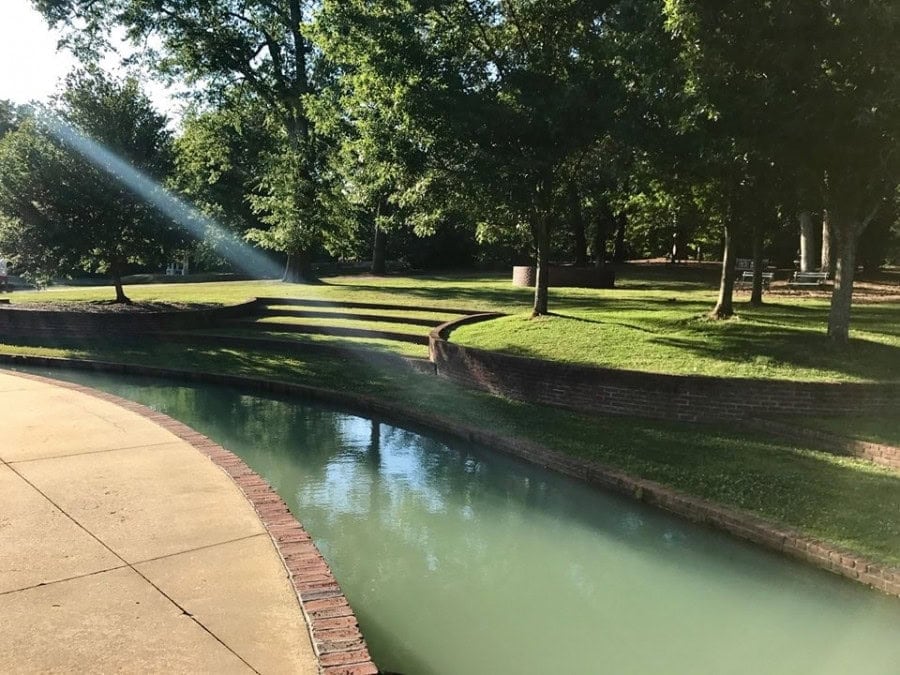
Horse country and Gilded Age estates along Route 1’s historic equestrian corridor.
Continue northeast on Route 1 to Aiken, a Winter Colony retreat built around thoroughbred horses and polo. Wealthy Northerners discovered Aiken’s mild winters in the 1880s, brought their horses, and the equestrian culture never left. Hopelands Gardens, a 14-acre formal garden donated to the city by a Winter Colony family, is free year-round. The Aiken Thoroughbred Racing Hall of Fame sits on the grounds. Duration: 3-4 hours.
Activities include wandering Hopelands Gardens for sculptures and ponds, visiting the Aiken Thoroughbred Racing Hall of Fame & Museum for equine history, touring the Aiken County Historical Museum in a historic mansion, exploring Hitchcock Woods for hiking trails, and sampling local cuisine downtown.
Lexington, SC (Lake Murray Hub)
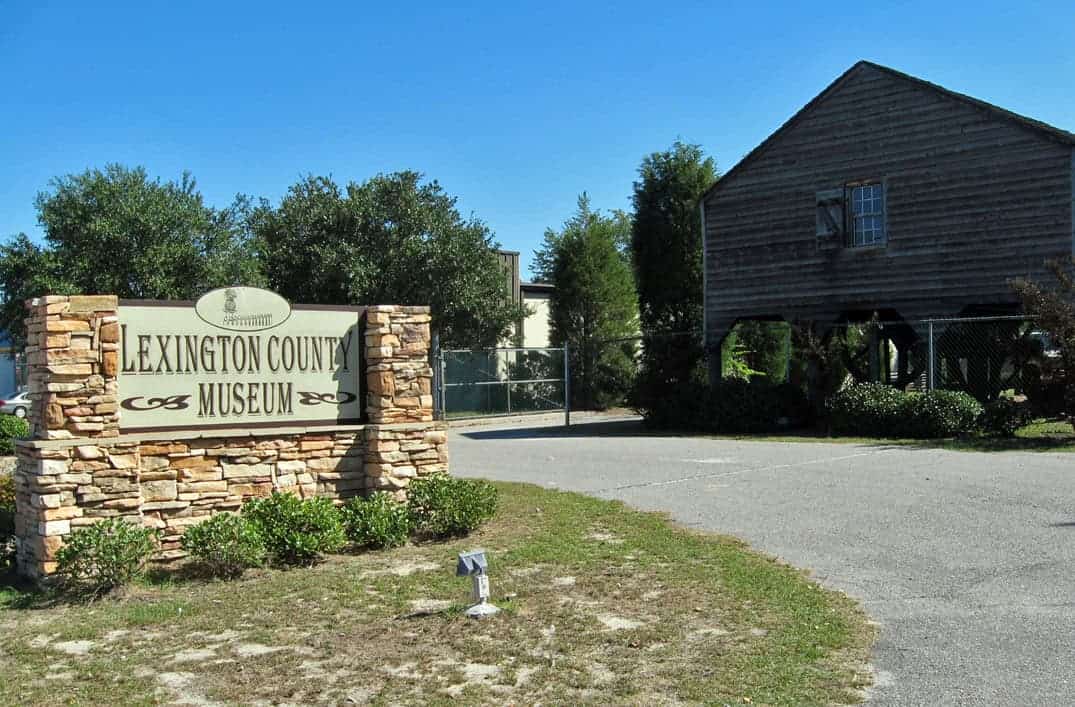
Lakeside living and pioneer history where Route 1 meets Lake Murray.
End the day in Lexington, the county seat and a growing suburb west of Columbia, sitting near Lake Murray’s recreational draw. Route 1 runs through here as part of the old Two-Notch Road corridor. Good base for the night before Columbia. Duration: 3-4 hours (overnight recommended).
Activities include touring the Lexington County Museum for pioneer buildings and artifacts, boating or fishing on Lake Murray, strolling downtown for shops and eateries, visiting the Lexington Farmers Market if open, and enjoying a picnic at Virginia Hylton Park.
Day 2: Central South Carolina – Lexington to Columbia to Camden
Route 1 moves through the state capital and into Revolutionary War territory, from urban Columbia to the colonial battlefields north of town.
West Columbia, SC (Riverwalk Retreat)
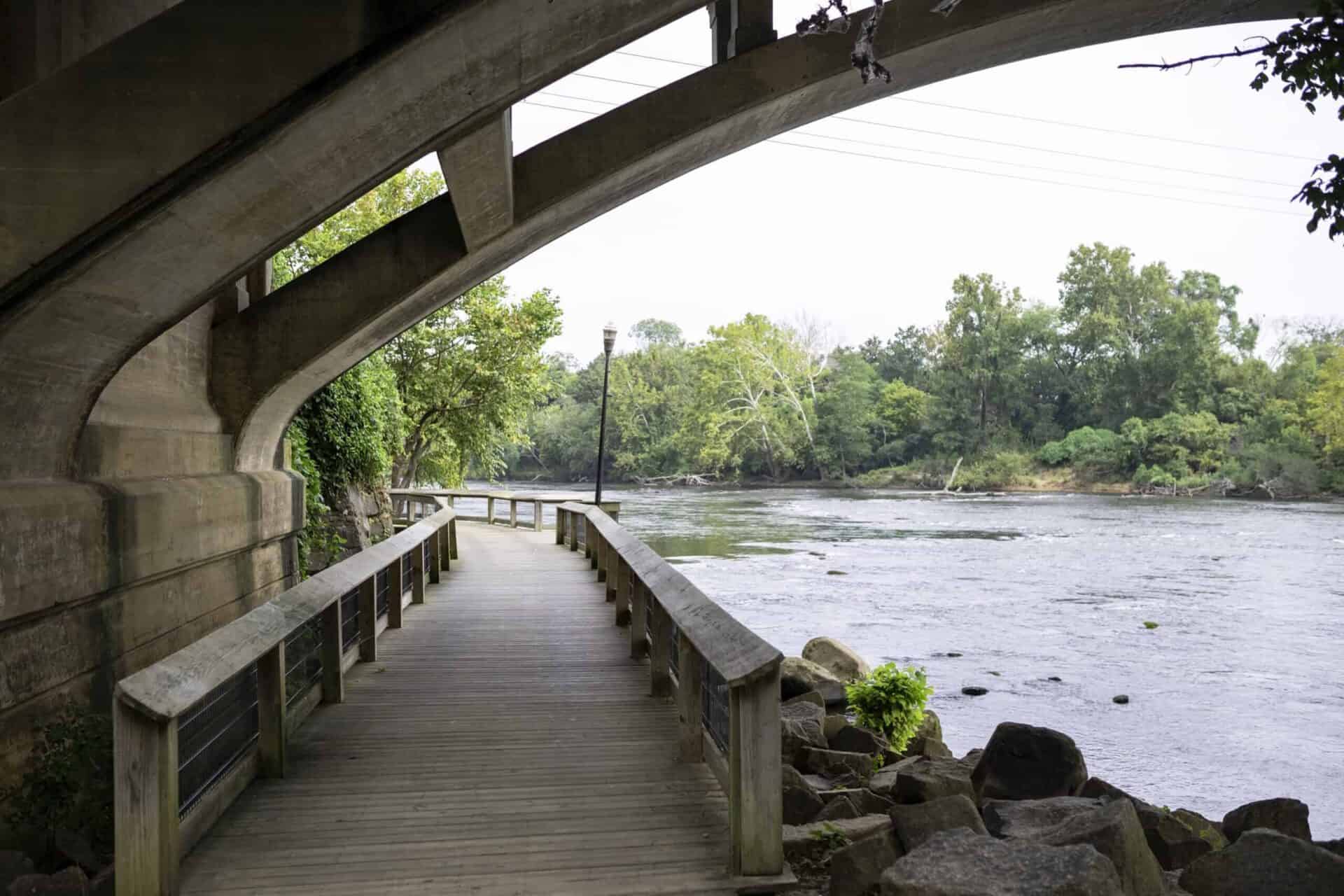
Riverside paths on the Congaree River, bridging suburban calm with Columbia’s approach on Route 1.
Route 1 passes through West Columbia, a Congaree River town that’s developed a River District with local galleries and restaurants. A good morning stop before crossing into Columbia proper. Duration: 2-3 hours.
Activities include walking the West Columbia Riverwalk for scenic views, exploring the Columbia Fireflies baseball stadium area, visiting local galleries in the River District, dining on farm-to-table fare, and birdwatching along the river trails.
Columbia, SC (State Capital)

The state capital sits on Route 1’s midpoint, where grand architecture and museums line the highway.
Columbia was purpose-built in 1786 at the state’s geographic center to give everyone equal access to government. Sherman’s army burned most of it in February 1865. The State House still has six bronze stars on its walls marking where Union artillery hit the building. Nobody removed them. The University of South Carolina’s flagship campus, the State Museum in a former textile mill, and the Riverbanks Zoo on the Congaree River all make Columbia worth 4 to 5 hours. Duration: 4-5 hours.
Activities include touring the South Carolina State House for historic grounds and architecture, visiting the Riverbanks Zoo & Garden for animal exhibits and botanical displays, wandering the Columbia Museum of Art for collections, strolling the Congaree Vista district for shops and eateries, and learning at the South Carolina State Museum.
Camden, SC (Revolutionary Stronghold)
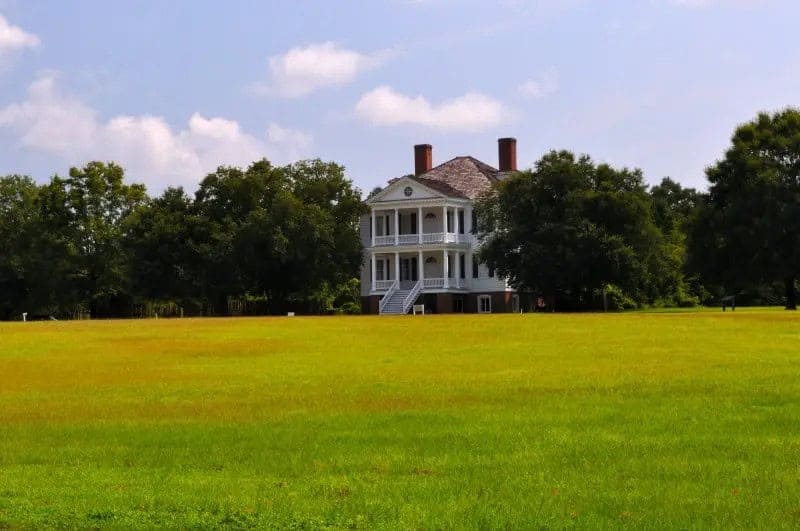
South Carolina’s oldest inland town, site of one of the worst American defeats of the Revolutionary War.
Route 1 reaches Camden, the oldest inland town in South Carolina and the site of the Battle of Camden in August 1780, where Cornwallis destroyed the Continental Army in under an hour. Historic Camden Revolutionary War Site runs tours and maintains reconstructed fortifications on the original battlefield north of town. The downtown historic district has kept its pre-Civil War commercial architecture. Camden also has a serious horse culture: the Carolina Cup steeplechase has run here since 1930. Duration: 3-4 hours (overnight recommended).
Activities include exploring the Historic Camden Revolutionary War Site for reenactments and trails, touring the Camden Archives & Museum for local history, visiting Springdale Race Course for horse racing if in season, strolling the downtown historic district with shops, and dining on Southern classics.
Day 3: Northern South Carolina – Camden to McBee to Cheraw
Route 1 enters the Sandhills, where longleaf pine forests and wildlife refuges define the terrain before the highway crosses into North Carolina near Cheraw.
Bethune, SC (Pottery Village)
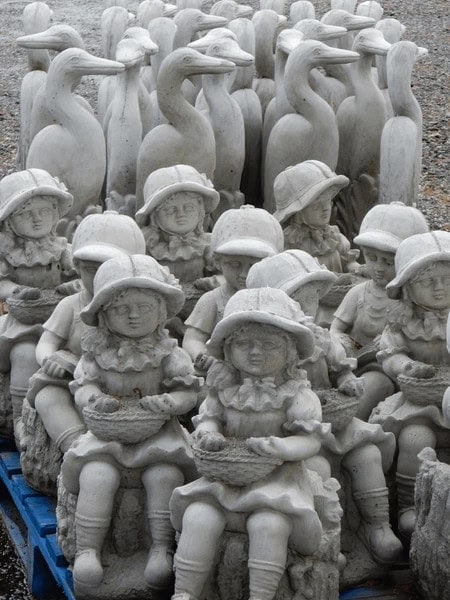
A small Kershaw County stop known for its pottery tradition along Route 1.
Stop in Bethune, a small Route 1 town in Kershaw County with a local pottery tradition and a rural Southern character that hasn’t been gentrified out of existence. Quick stop, nothing elaborate. Duration: 2-3 hours.
Activities include visiting Bethune Pottery for handmade wares and demonstrations, exploring the Bethune Memorial Park, browsing local antique shops, learning about the area’s farming history at roadside markers, and enjoying a casual meal at a family diner.
McBee, SC (Sandhills Refuge)
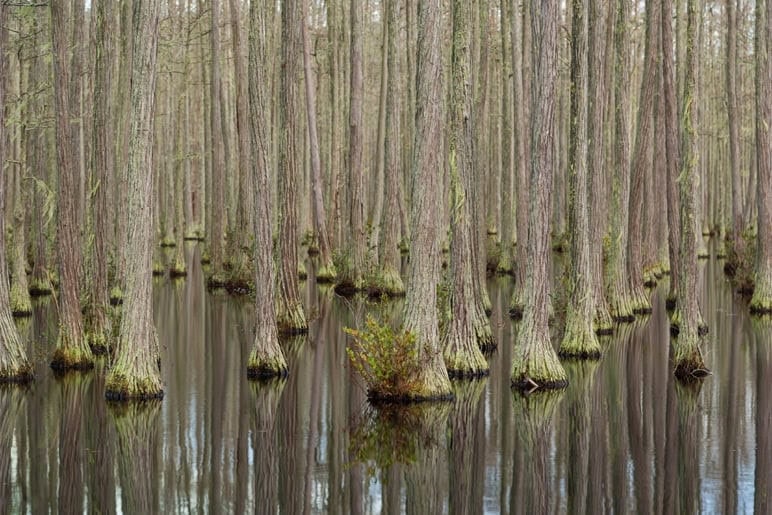
The Carolina Sandhills National Wildlife Refuge, one of the best remaining longleaf pine habitats in the Southeast.
McBee sits at the edge of the Carolina Sandhills National Wildlife Refuge, 46,000 acres of longleaf pine and scrub oak managed for the red-cockaded woodpecker, a federally threatened species that needs old-growth longleaf pine to nest. The refuge has a 9-mile wildlife drive. This is the real thing: a functioning conservation landscape, not a park. Duration: 3-4 hours.
Activities include hiking trails at the Carolina Sandhills National Wildlife Refuge for red-cockaded woodpeckers and longleaf pines, driving the wildlife loop for scenic views, visiting the visitor center for exhibits, birdwatching in the diverse habitats, and picnicking amid the dunes.
Cheraw, SC (Jazz Legacy Town)
Birthplace of Dizzy Gillespie, and one of the best-preserved antebellum town centers in South Carolina.
Finish in Cheraw, where Route 1 exits South Carolina into North Carolina. Dizzy Gillespie was born here in 1917 at 155 Huger Street, left for the North at 18, and went on to co-invent bebop jazz. There’s a mural, a statue, and a bronze star on the sidewalk. The Cheraw historic district is one of the best-preserved antebellum town centers in the state. Cheraw State Park, one of the oldest in South Carolina (established 1934), wraps up the trip with good fishing on Lake Juniper and decent camping if you’re staying the night. Duration: 4-5 hours.
Activities include exploring Cheraw State Park for golf, fishing, and trails around Lake Juniper, visiting the Dizzy Gillespie Birthplace and statue for jazz heritage, touring the historic district with antebellum homes, browsing the Cheraw Lyceum Museum for local artifacts, and dining downtown.
This three-day Route 1 drive covers the inland South Carolina that most visitors miss: equestrian estates in Aiken, Sherman’s artillery marks on the State House in Columbia, a Revolutionary War battlefield in Camden, and Dizzy Gillespie’s hometown at the North Carolina line. The road is not glamorous. The stops are worth it.


 Continue with Google